
Gardening is not just a hobby; it’s a passion that brings people closer to nature. With each season, I find myself craving that lush green space where I can nurture plants and watch them flourish. If you’re someone who loves cultivating a garden—whether you have a sprawling backyard or a tiny balcony—this post is for you. I’ve gathered nine creative garden bed ideas that are perfect for transforming any outdoor area into a vibrant growing haven.
You’ll discover options that cater to various spaces and styles, ensuring there’s something for everyone. From raised garden beds that maximize your yield to vertical solutions for small spaces, this guide covers it all. You’ll gain inspiration and practical tips that can help you design a flourishing vegetable garden or a stunning flower bed. By the end, you’ll have an array of ideas to create your own slice of paradise right outside your door.
Key Takeaways
– Explore raised garden beds that help improve drainage and soil quality, perfect for maximizing yield.
– Discover vertical garden beds to utilize limited space effectively, ideal for small backyards or patios.
– Learn about container gardening, a versatile approach that allows you to grow a variety of plants in any setting.
– Get inspired by flower bed ideas that incorporate color and design, adding beauty and charm to your garden.
– Understand the benefits of various garden bed materials to ensure durability and aesthetics in your gardening projects.
1. Raised Garden Beds for Maximum Yield

If you’re looking to boost your vegetable garden, raised garden beds are a fantastic choice. They elevate your plants, making it easier for you to tend to them while minimizing weed growth and enhancing drainage. You can personalize the height and size to perfectly suit your garden, using materials like wood, stone, or even recycled goods for a clean and organized look.
Start with high-quality soil to ensure your plants thrive. Consider pairing plants that grow well together, which can help maximize your harvest. This approach not only saves you time but also encourages a healthier garden ecosystem.
Benefits of raised garden beds:
– Enjoy better soil control and drainage.
– Access plants easily, perfect for those with mobility challenges.
– Add a beautiful structure that enhances your yard’s appeal.
With raised beds, you’ll create a flourishing garden that’s easy to maintain and visually striking.
📹 Related Video: Raised Bed Gardens for Beginners – Planning, Soil Mix, and Planting Guide
Key Trade-offs & Our Top Pick
When choosing the right garden bed for your outdoor space, it helps to weigh the options. Each type of garden bed has its pros and cons. Here’s a comparison of popular choices to guide you.
1. Raised Garden Beds
– Pros:
– Excellent drainage helps prevent root rot.
– You can control the soil quality easily.
– They can reduce back strain when gardening at a comfortable height.
– Cons:
– Can be more expensive than traditional beds due to materials.
– Requires some construction skills to set up properly.
– May need to be replaced over time if made from wood.
– Best for: Gardeners with limited ground space or those looking for better soil management.
2. Vertical Garden Beds
– Pros:
– Space-saving design great for small areas.
– Allows for a variety of plants in a compact space.
– Can add beautiful vertical interest to your garden.
– Cons:
– May require more frequent watering as they can dry out quickly.
– Limited root space can restrict plant growth.
– Can be more challenging to maintain and harvest plants at height.
– Best for: Urban gardeners or anyone with limited outdoor space.
3. Container Gardening
– Pros:
– High versatility allows you to move plants as needed.
– Ideal for growing herbs and flowers in limited space.
– Various styles and materials allow for a personal touch.
– Cons:
– Soil can dry out faster in containers, requiring regular watering.
– Limited space for root growth can affect plant health.
– May require more frequent fertilization.
– Best for: Beginners or those experimenting with different plant types and arrangements.
4. Herb Spiral Garden Bed
– Pros:
– Unique design maximizes space and water efficiency.
– Creates microclimates for different herbs.
– Sustainable option as you can use recycled materials.
– Cons:
– Can be labor-intensive to construct initially.
– Requires knowledge of plant needs and companion planting.
– May not be suitable for all plants due to height variations.
– Best for: Eco-conscious gardeners looking to grow various herbs.
5. Straw Bale Garden Beds
– Pros:
– Inexpensive and easy to set up using available materials.
– Provides natural nutrients as bales decompose.
– Ideal for gardeners with poor soil conditions.
– Cons:
– Limited lifespan as bales break down over time.
– Can require extra watering as straw dries out quickly.
– Potential pest issues if not monitored carefully.
– Best for: Budget-conscious gardeners who want to try something unique.
Expert Recommendation:
Best Overall: Raised Garden Beds
Raised garden beds stand out as a top choice for most gardeners. They provide great control over soil quality and drainage, giving plants the best chance to thrive. Plus, they are easier on your back, making gardening a more enjoyable experience. Their durability means they can last for several seasons with minimal maintenance.
Why We Picked This:
While raised garden beds are versatile and practical, vertical garden beds are fantastic for those with limited space. Container gardening is a good choice for beginners wanting to try various plants. Herb spirals are perfect for eco-conscious gardeners, while straw bales offer a budget-friendly option. Ultimately, your choice should fit your space, budget, and gardening goals.
Raised Garden Beds for Maximum Yield
Editor’s Choice

LEETOLLA Elevate 32″ Tall Raised Garden Bed Outdoor with Wheels & Shelf …


The Old Farmer’s Almanac Vegetable Gardener’s Handbook: Essential Step…

Miracle-Gro Organic Outdoor Potting Mix – Plant Soil for Outdoor Contain…
2. Vertical Garden Beds: Space-Saving Solutions
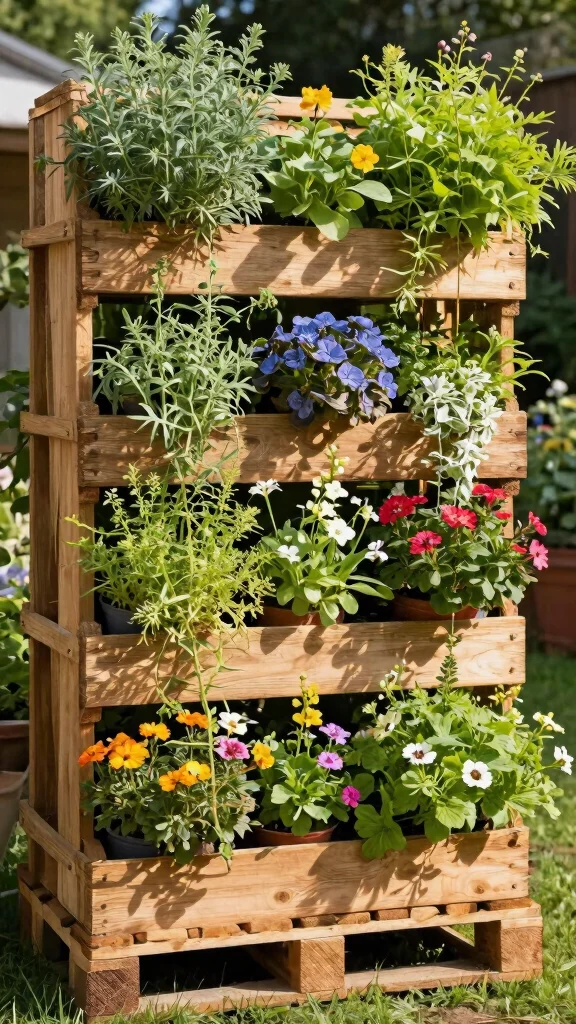
Are you short on space but still want to grow a variety of plants? Vertical garden beds are your answer! These innovative setups maximize your growing area without taking up much ground space. You can use wall-mounted planters, tiered shelves, or even repurposed pallets to create a stunning display of herbs, flowers, and greens.
To get started, think about using different containers for a cascading effect or mix various plant heights to make your garden pop. This design not only saves space but also creates a beautiful focal point that everyone will notice.
Reasons to love vertical gardens:
– Optimize limited space, perfect for balconies or patios.
– Reach plants easily without bending over.
– Create a striking visual that enhances your garden’s character.
With vertical gardening, you can enjoy a lush and vibrant garden even in tight spaces!
Vertical Garden Beds: Space-Saving Solutions
Editor’s Choice

BAOYOUNI 7-Layer Indoor Plant Stands Spring Tension Pole Metal Flower Di…
3. Container Gardening: Versatile and Stylish
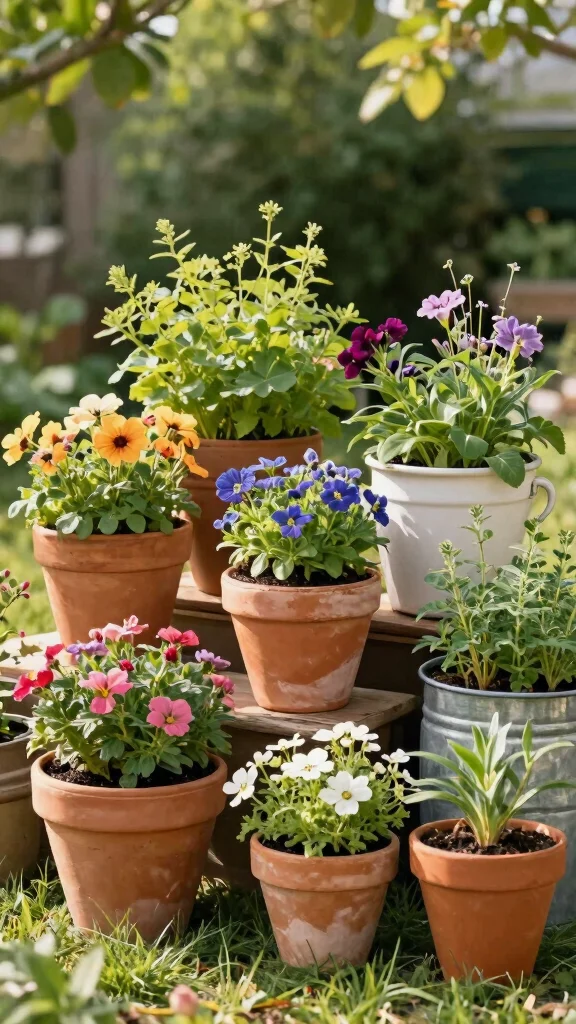
Container gardening offers a stylish way to grow plants, no matter your space. Whether you prefer decorative pots or sturdy planters, this method lets you position your plants anywhere—from balconies to pathways. You can cultivate everything from vibrant flowers to fresh vegetables, making it a flexible and enjoyable gardening option.
Choose pots with drainage holes to prevent overwatering and mix different plants for texture and color. Make sure their light and water needs align for the best results. Varying pot sizes and heights can create a dynamic look that brings interest to your space.
Container gardening tips:
– Select pots that allow for proper drainage.
– Combine plants with similar care needs for harmony.
– Arrange pots at different heights for added visual appeal.
This approach ensures you can adapt your garden style with the changing seasons, keeping your outdoor space lively and engaging.
Container Gardening: Versatile and Stylish
Editor’s Choice
Miracle-Gro Organic Outdoor Potting Mix – Plant Soil for Outdoor Contain…

RAINPOINT Easy-Setup Automatic Plant Waterer Indoor for Pot Plant Adjust…
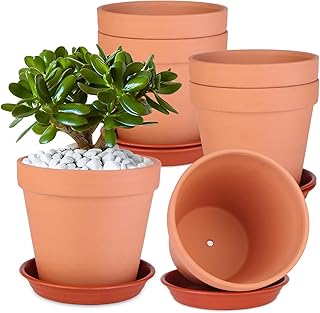
6 Pack 6 Inch Terracotta & Clay Pots with Saucer for Plants, Large Terra…
4. Herb Spiral Garden Bed: A Sustainable Design

An herb spiral garden bed is a smart and sustainable way to grow a variety of herbs in a compact design. This spiral shape not only looks great but also creates different microclimates for your herbs, helping them flourish in varying conditions.
The setup makes watering easy, as higher plants benefit from runoff, and it attracts beneficial insects, promoting a healthy garden ecosystem. Building one is straightforward: use stones or bricks to form the spiral and fill it with nutrient-rich soil. Place sun-loving herbs at the top and moisture-loving ones at the bottom for best results.
Benefits of an herb spiral:
– Efficient space usage, great for urban settings.
– Simplified watering with natural runoff.
– Encourages pollinators and beneficial insects.
Create an herb spiral to enjoy a thriving herb garden that looks beautiful and supports biodiversity.
Fun fact: A herb spiral garden bed creates microclimates—top herbs get full sun, bottom herbs stay cooler. In small spaces, this design can boost herb yields by up to 30% and makes watering easier for garden beds.
Herb Spiral Garden Bed: A Sustainable Design
Editor’s Choice

Land Guard Galvanized Raised Garden Bed Kit, Galvanized Planter Garden B…

Seed Needs Herb Seeds Variety Pack Culinary Herb Collection (12 Individu…

4-in-1 Soil Moisture Meter Digital PH Meter/Soil Moisture/Plant Temperat…
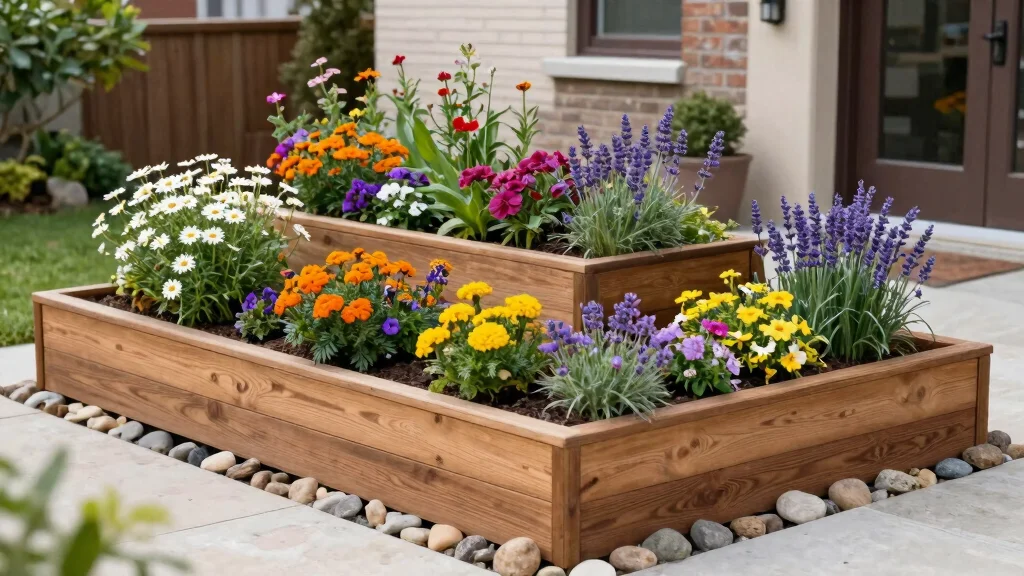
5. Tiered Garden Beds: Levels of Delight

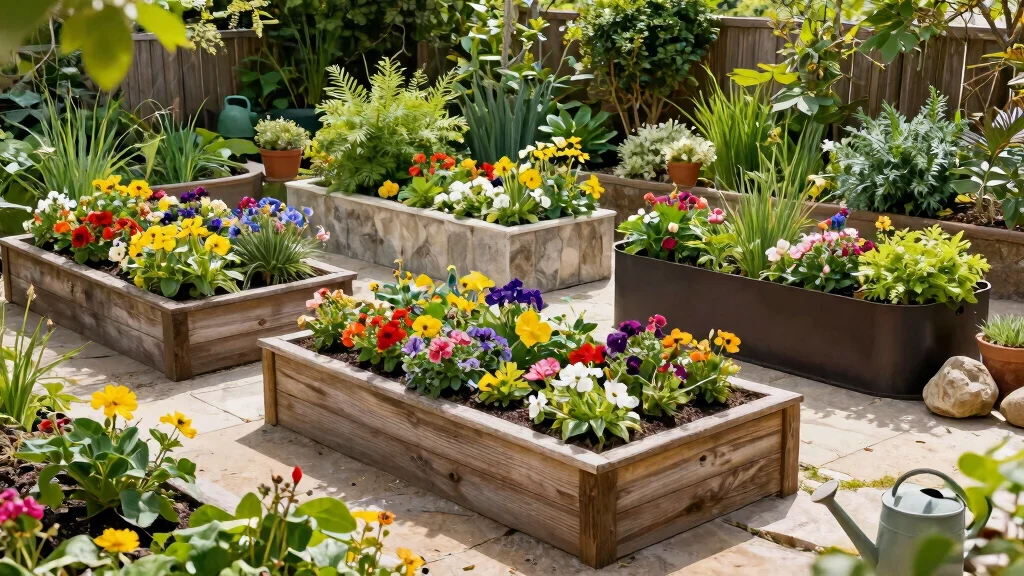
Tiered garden beds are an eye-catching way to add depth and variety to your garden. By stacking boxes or containers, you can maximize planting space while ensuring easy access to your plants. This design is perfect for growing a combination of flowers and vegetables, allowing you to control sunlight exposure for each tier.
Get creative with your planting and mix different materials for each tier to enhance visual interest. This setup not only provides diverse planting opportunities but also helps with drainage and pest control.
Advantages of tiered beds:
– Foster creativity with diverse planting options.
– Elevate plants to reduce pest risks.
– Improve drainage and soil health effectively.
With tiered garden beds, you’ll create a stunning and functional garden that invites exploration and enjoyment.
You might also like
Tiered Garden Beds: Levels of Delight
Editor’s Choice
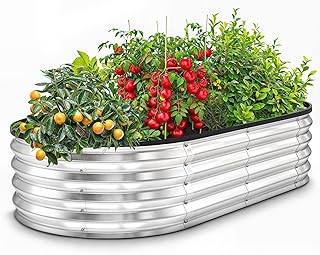
Utopia Home Galvanized Raised Garden Bed Kit 4x2x1ft, Planter Box Raised…

JERIA 50-Pack 3.15 Inch Peat Pots for Seedling with 50 Pcs Plant Labels,…
Miracle-Gro Organic Outdoor Potting Mix – Plant Soil for Outdoor Contain…
6. Pallet Garden Beds: Rustic Charm

Transforming wooden pallets into garden beds is a trendy and eco-friendly way to add rustic charm to your garden. These pallets can be used to create vertical or horizontal beds, offering great versatility in your gardening approach. Simply fill the slats with soil and plant your favorite flowers or vegetables.
Using pallets brings a unique aesthetic to your garden while being budget-friendly, often available for free. They also promote excellent drainage, reducing the chance of root rot.
Benefits of pallet gardening:
– Adds a distinctive rustic flair to your outdoor space.
– Often low-cost or free, making it budget-friendly.
– Encourages drainage, protecting plant roots.
When using pallets, ensure they are safe for planting and consider painting them to match your garden’s decor for a personal touch.
Pallet Garden Beds: Rustic Charm
Editor’s Choice
Miracle-Gro Organic Outdoor Potting Mix – Plant Soil for Outdoor Contain…

Grenebo Gardening Tools 9-Piece Heavy Duty Garden Hand Tools with Fashio…

7. Straw Bale Garden Beds: Innovative and Eco-Friendly

Straw bale gardening is an innovative method that utilizes straw bales as a growing medium. This technique is especially useful if you have poor soil, as the bales create a nutrient-rich environment for your plants. As the straw decomposes, it enriches the surrounding soil, benefitting your garden.
Setting up straw bale gardens is simple—just soak the bales and plant directly into them. They provide excellent drainage and warmth for your plants.
Advantages of straw bale gardening:
– Ideal for small spaces or challenging soil conditions.
– Easy to set up and maintain.
– Offers warmth and drainage for healthy plants.
Choosing the right sunny spot for your bales and selecting suitable plants can lead to a flourishing garden with minimal effort.
Straw Bale Garden Beds: Innovative and Eco-Frie…
Editor’s Choice

Scotts Turf Builder Starter Food for New Grass, 15 lb. – Lawn Fertilizer…

Garden Elements Straw Bale by Shady Creek Farm, Multi-Use for Farm & Hom…
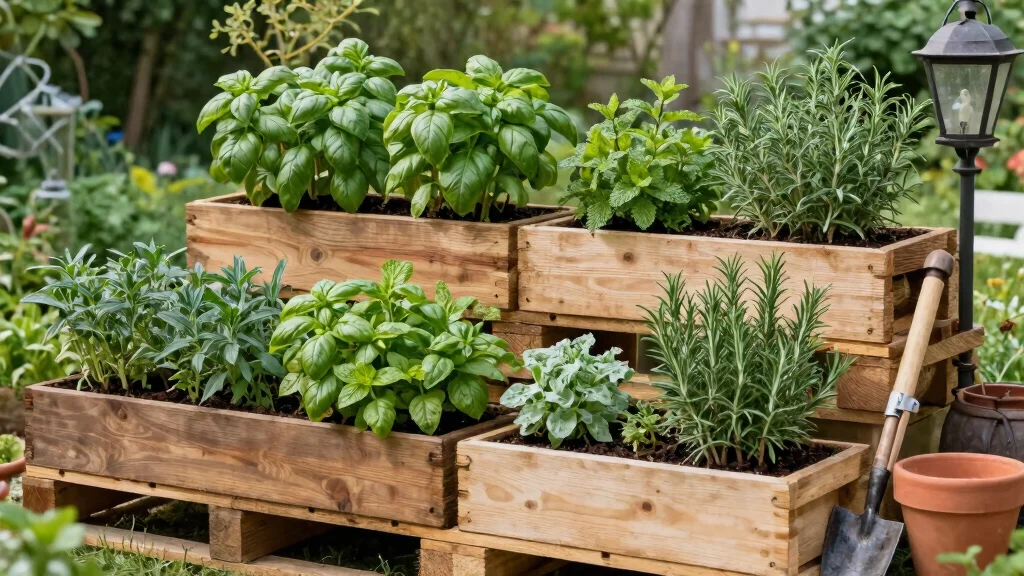
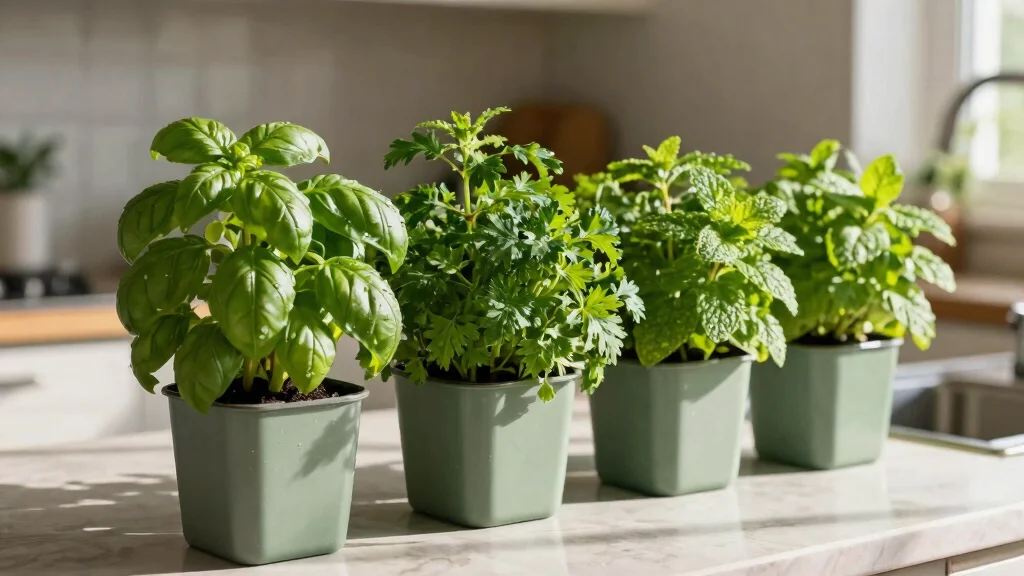
8. Flower Bed Ideas: Color and Design
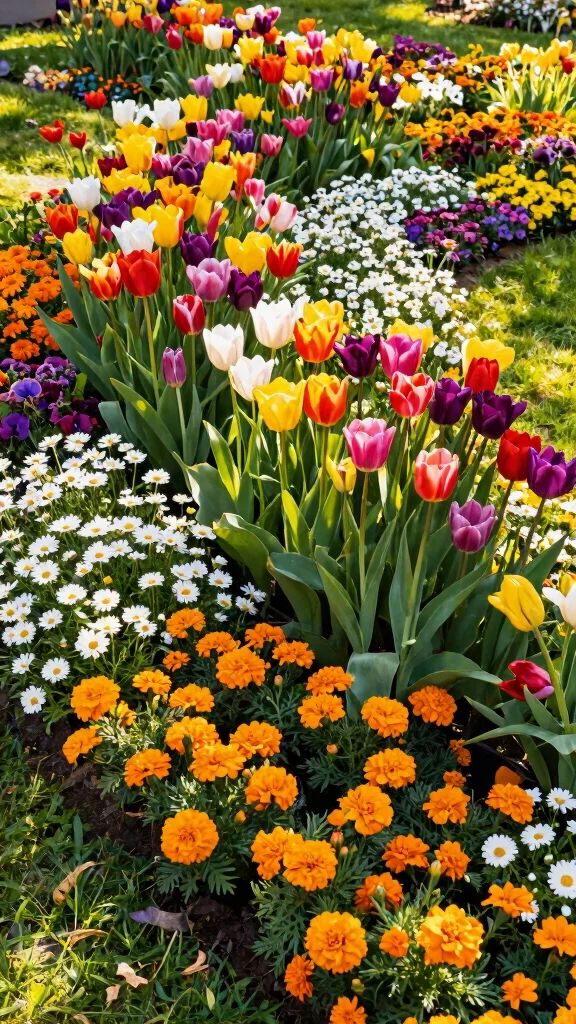
Flower beds are essential for adding vibrancy and beauty to your outdoor area. Whether you lean towards classic designs or whimsical layouts, the options are limitless.
You can create themed flower beds that reflect your favorite color palette, layer flowers by height for visual impact, or mix perennials and annuals to enjoy blooms throughout the seasons.
Planting tips for flower beds:
– Choose plants that attract pollinators and beneficial insects.
– Incorporate a variety of blooms for year-round interest.
– Use mulch to retain moisture and suppress weeds.
With a well-planned flower bed, you’ll enhance your outdoor space, making it a colorful oasis for you to enjoy.
Fun fact: A thoughtfully designed flower bed can draw pollinators and beneficial insects, boosting garden beds productivity by up to 40% during peak season. Try color and height layering to make every inch count, especially in small spaces.
You Might Also Like
Flower Bed Ideas: Color and Design
Editor’s Choice

Miracle-Gro Potting Mix – For Container Plants, Flowers, Vegetables, Shr…

LAVEVE Corrugated Metal Garden Edging 6″ x 40Ft, Landscape Edging Border…

Garden Tools Set, 3 Pack Heavy Duty Gardening Tools Set Include Garden S…
9. Community Garden Beds: A Shared Space for Growth
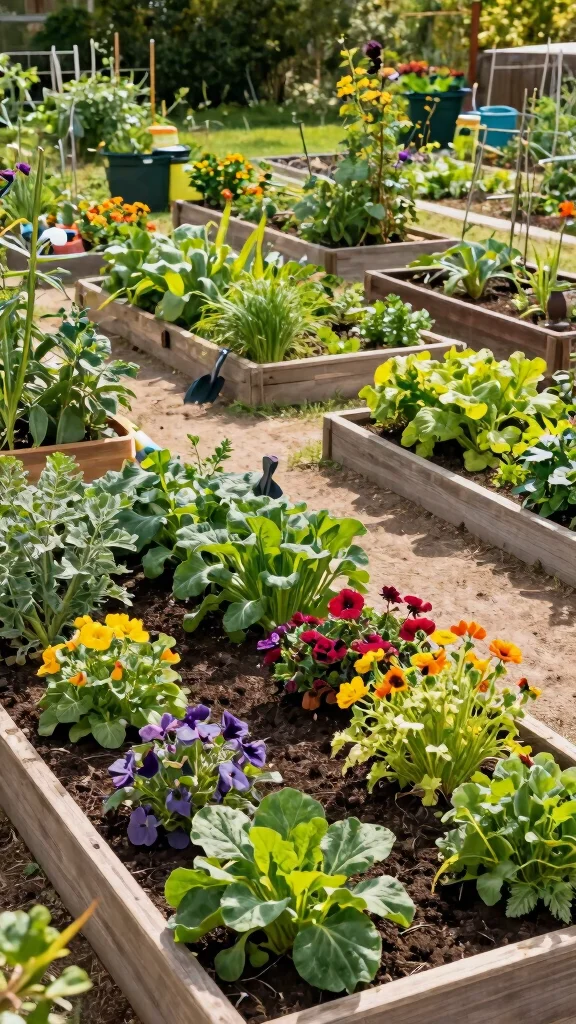
Community garden beds are a wonderful way to unite people while cultivating a shared love for gardening. These collective spaces allow individuals to grow vegetables and flowers while building friendships and collaborating on projects. Setting up raised beds within a community garden promotes teamwork and resource sharing among members.
The benefits of community gardening are significant: it encourages social interaction, provides educational opportunities for all ages, and shares resources to make gardening more accessible.
How to get involved:
– Visit local community gardens to volunteer and learn.
– Explore opportunities to start one in your neighborhood.
– Join workshops or events to connect with fellow gardeners.
Engaging in community gardening is a fulfilling way to bond with others while nurturing plants and fostering a sense of community.
Did you know community garden beds can boost neighborhood fresh produce by up to 40% and cut individual gardening costs in half? Sharing space fosters teamwork, cuts waste, and teaches kids about growing food—one plot, countless friendships.
Community Garden Beds: A Shared Space for Growth
Editor’s Choice

Yaheetech 8×2ft Wooden Horticulture Raised Garden Bed Divisible Elevate…
Garden Tools Set, 3 Pack Heavy Duty Gardening Tools Set Include Garden S…
Conclusion

Creating your own garden bed is a fulfilling way to enhance your outdoor space while engaging with nature.
From raised beds to vertical gardens, the options are endless and can be tailored to fit any space or style.
Whether you’re a seasoned gardener or just starting, these ideas will help you cultivate a thriving garden that brings joy and beauty to your life.
Note: We aim to provide accurate product links, but some may occasionally expire or become unavailable. If this happens, please search directly on Amazon for the product or a suitable alternative.
This post contains Amazon affiliate links, meaning we may earn a small commission if you purchase through our links, at no extra cost to you.
Frequently Asked Questions
What are the best garden bed ideas for a small space, especially using vertical garden beds?
Vertical garden beds can transform a tight area into a lush growing space. Start with wall-mounted planters, trellis-adjacent beds, and stackable containers. Pair them with a couple of raised garden beds to give your vegetables real soil depth. Finish with container gardening for herbs and compact crops on patios or steps. Practical steps: map sun exposure, choose compact varieties, install a simple drip irrigation, and mulch to conserve moisture. With thoughtful planning, your small yard becomes a thriving garden beds hotspot.
How can I design a small yard with raised garden beds and container gardening to maximize yield?
Think in zones: use vegetable garden design that blends tall or trellis crops with low, accessible beds. Place raised garden beds for-depth crops like tomatoes and carrots, and set container gardening boxes on sunny decks for herbs and leafy greens. Group plants by water needs and sun exposure, rotate crops each season, and keep a simple irrigation plan. A compact, well-planned layout turns a tiny space into a productive, beautifully organized garden beds system.
What garden bed materials should I choose for durability and style in small spaces?
Choose materials that balance durability, weight, and look. Popular options include garden bed materials like cedar or redwood for natural resistance to rot, durable composites, and even lightweight metal planters. Concrete blocks or terracotta can add structure and charm. Consider liners and drainage to prevent rot and ensure healthy soil in all garden beds.
Can I mix flower bed ideas with edible gardening to create a lush outdoor space?
Absolutely! Combine flower bed ideas with edible plants to add color and yield. Mix colorful annuals or perennials with herbs and vegetables, and try edible flowers like nasturtiums or calendula for both beauty and utility. Use companion planting to boost pollinators and pest resistance, and define borders with decorative edges to keep the look cohesive across your garden beds.
What maintenance routine keeps garden beds thriving year-round in a vertical garden setup?
Create a simple, actionable routine: check soil moisture and water as needed, mulch to reduce evaporation, and feed with compost or a balanced fertilizer according to the season. Inspect for pests and diseases weekly, prune as necessary, and rotate crops in vegetable garden design to maintain soil health. For winter months, clean and cover or move vulnerable containers, and protect vertical structures from wind. A steady routine keeps your garden beds thriving through every season.
Related Topics
garden beds
vertical gardening
raised garden beds
container gardening
vegetable garden design
flower bed ideas
small space gardening
easy gardening
DIY garden projects
sustainable gardening
seasonal planting
urban gardening