
Gardening has me dreaming of fresh vegetables and vibrant gardens, especially when space is at a premium. If you’re someone who loves to grow your own food but struggles with limited yard or balcony space, then this post is for you. Urban living shouldn’t limit your ability to cultivate a bountiful garden, and that’s why I’ve created this guide on vegetable trellis ideas. Together, we’ll explore how vertical gardening can help you maximize your produce while keeping your space stylish and functional.
In this article, you’ll discover eight creative vegetable trellis ideas to help you make the most of your garden space. From the classic A-frame to repurposed ladder trellises, these designs are not only practical but can also add a charming touch to your outdoor area. You’ll gain insights into how to select the right trellis for your climbing plants, tips for easy assembly, and ways to incorporate these structures into your existing garden design. Get ready to enhance your sustainable gardening efforts and enjoy the satisfaction of growing your own food with less hassle.
Key Takeaways
– Maximize Space: Vertical gardening techniques allow you to grow more food in a limited area by using trellises for climbing plants like beans and tomatoes.
– Variety of Designs: You’ll find various trellis designs, from classic A-frames to modern vertical garden planters, each suited for different plant types and aesthetics.
– Easy Assembly Tips: Many trellis structures can be made from everyday materials or repurposed items, making them budget-friendly and easy to install.
– Enhance Garden Design: Incorporating trellises can add visual interest to your garden while providing essential support for your plants.
– Sustainability Matters: Using vertical space not only increases your crop yield but also promotes sustainable gardening practices by reducing the need for traditional, sprawling gardens.
1. The Classic A-Frame Trellis

If you’re looking for a charming way to grow your climbing vegetables, the classic A-frame trellis is a perfect choice. This sturdy design not only supports plants but also adds a rustic touch to your garden. Imagine peas and beans reaching upwards, flourishing in a sunny spot, while you enjoy the joy of gardening.
Benefits include its space efficiency, sturdy support for heavy plants, and simplicity in construction. You can easily build it with just a few wooden planks and basic tools. Plus, it’s easy to personalize by adding vibrant flowers or herbs at the base for an eye-catching display.
Did you know a well-built vegetable trellis can 2x your harvest space in a tiny urban yard? An A-frame design uses vertical space, letting peas and beans climb high while you harvest more.
The Classic A-Frame Trellis
Editor’s Choice

2 Pack Cucumber Trellis, 34″×48″ Garden Trellis for Climbing Plants Out…

2. The Obelisk Trellis

Looking to elevate your garden’s style while providing excellent support for your climbing plants? The obelisk trellis is a striking vertical option that combines function with flair. With its unique lattice design, it allows plants like tomatoes and cucumbers to flourish, creating a stunning visual effect in your garden.
Benefits include a stylish design that enhances your garden layout, maximized airflow for healthier plants, and easy access for harvesting and maintenance. Choose a material and color that matches your garden theme, and watch as it becomes a focal point of beauty.
The Obelisk Trellis
Editor’s Choice

Tcamp Heavy-Duty Polyester Garden Trellis Netting Plant Climbing Net for…
3. Garden Arch Trellis

Transform any pathway in your garden into a magical entrance with a garden arch trellis. This stunning structure not only supports climbing vegetables but also acts as a beautiful decorative feature. Imagine growing climbing beans that greet you as you walk through your garden, adding height and visual interest to your outdoor space.
Benefits include aesthetic appeal as a focal point, versatility for planting both vegetables and ornamental plants, and effective use of vertical space, making it ideal for smaller gardens. Try intertwining fragrant flowers with your vegetables for an aromatic and stunning display.
📹 Related Video: How to Build An Arched Trellis for 30 Dollars | Vertical Gardening
Garden Arch Trellis
Editor’s Choice

SUNNYPARK Antique Garden Iron Trellis with Decorative Hummingbirds Detac…

Kentucky Wonder Pole Bean Seeds for Planting – Heirloom Climbing Green B…
4. Repurposed Ladder Trellis

Get creative with gardening by using a repurposed ladder as a trellis! This eco-friendly option not only provides unique support for climbing plants but also adds character to your garden. Imagine an old ladder transformed into a charming vertical garden, showcasing both vegetables and decorative plants in a stylish way.
Benefits include using upcycled materials to reduce waste, varying heights for different climbing plants, and a personal touch that reflects your gardening style. You can even place pots of herbs at the base for easy access in the kitchen while keeping your garden functional and beautiful.
❝Did you know a repurposed ladder can add up to 60% more climbing space for vegetables? Turn an old ladder into a stylish vegetable trellis and watch your urban garden grow more food in less space—eco-friendly and incredibly practical!❞
You might also like


Repurposed Ladder Trellis
Editor’s Choice

Cucumber Trellis for Raised Bed,U-Shape Garden Trellis for Climbing Plan…

VIVOSUN 2-Pack 5 Tier Vertical Gardening Stackable Planter for Strawberr…
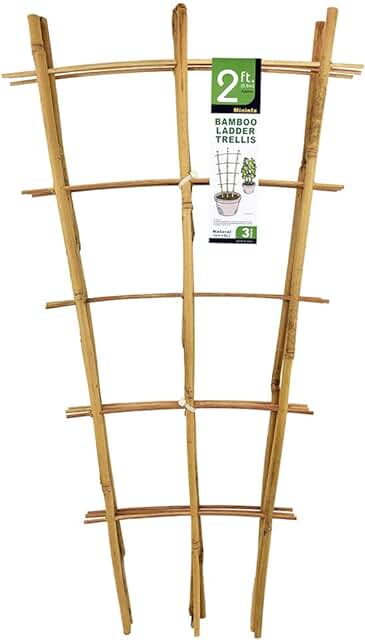
Natural Bamboo Trellis 24 Inches Tall, Mininfa Garden Ladder Trellis, Pl…
5. Wire Fence Trellis

Have an existing fence in your garden? Turn it into a functional vegetable trellis! A wire fence trellis maximizes your vertical space while offering sturdy support for vining plants. Picture peas and cucumbers climbing up the fence, creating a natural green wall that’s both beautiful and practical.
Benefits include cost-effectiveness by repurposing existing structures, minimal maintenance once installed, and added privacy with climbing plants. Enhance the look by incorporating colorful flowers or decorative elements at the base, creating a vibrant and inviting garden space.
Wire Fence Trellis
Editor’s Choice

200 Pcs Plastic Trellis Plant Support Clips for Support, Grape and Tomat…

Plants Trellis Training Wire Single Coil (Metal, 175Ft)
6. Vertical Garden Planters

Limited space doesn’t have to limit your gardening dreams! Vertical garden planters offer a fantastic solution for those with compact areas. These innovative planters often feature stacked compartments or wall-mounted pockets, allowing you to grow herbs and small vegetables efficiently even on a tiny balcony.
Benefits include maximizing vertical potential for small spaces, accommodating a variety of herbs and vegetables, and simplifying maintenance with easy access. Consider a mix of colorful herbs and leafy greens for a visually appealing and culinary-rich display.
Fun fact: vertical garden planters can triple your growing space on a tiny balcony. This vegetable trellis setup, with stacked compartments, lets you grow herbs and small vegetables high up, keeping maintenance simple and harvests within easy reach.
Vertical Garden Planters
Editor’s Choice

Make Good PlantPod Luxe – Self-Watering Wall Planters (Set of 6) – Easy …

10 Heirloom Seeds Variety Pack – 3200+ Seeds for Planting Vegetables, In…
7. Trellis Panels for Small Spaces

Trellis panels are a smart choice for gardeners with limited space, offering a sleek look while effectively supporting climbing plants. These versatile panels can fit into any corner of your garden or even against a wall, helping you create a vertical garden without taking up much room.
Benefits include versatile installation options to maximize gardening space, a stylish addition to traditional gardening, and enhanced growth support for your plants. Paint or stain the panels to match your garden decor, creating a cohesive and attractive environment.
You Might Also Like


Key Trade-offs & Our Top Pick
When it comes to selecting a vegetable trellis, you have multiple options to consider. Each type has its own benefits and downsides. Let’s break down some popular options to help you choose the best one for your gardening needs.
The Classic A-Frame Trellis
– Pros:
✔ Space-efficient, fits into small garden beds.
✔ Great for supporting a variety of climbing plants like beans and cucumbers.
✔ Easy to build with simple materials like wood or PVC pipes.
– Cons:
❌ Can be unstable if not anchored properly.
❌ Takes up some ground space, which might be an issue in very small gardens.
– Best for: Beginners who want a straightforward way to get started with vertical gardening.
The Obelisk Trellis
– Pros:
✔ Adds an ornamental touch to your garden while being functional.
✔ Offers a tall structure that maximizes vertical space.
✔ Perfect for climbing plants like peas and tomatoes.
– Cons:
❌ More expensive than simpler designs.
❌ May require more skill to assemble than basic trellises.
– Best for: Gardeners looking for a stylish addition that also helps save space.
Garden Arch Trellis
– Pros:
✔ Provides a beautiful entrance or passageway in your garden.
✔ Supports heavy climbers like squash or large flowering vines.
✔ Allows for airflow and sunlight to reach plants effectively.
– Cons:
❌ Can be expensive depending on the materials used.
❌ Takes up more space than vertical options, which may not suit small gardens.
– Best for: Those who want both function and aesthetics in their garden design.
Repurposed Ladder Trellis
– Pros:
✔ Eco-friendly, makes use of materials you already have.
✔ Unique design that can be customized as needed.
✔ Can be placed against a wall or fence to save space.
– Cons:
❌ Might require some maintenance if the wood is old.
❌ Stability can be a concern if not secured properly.
– Best for: Creative gardeners who enjoy DIY projects and sustainable gardening practices.
Wire Fence Trellis
– Pros:
✔ Inexpensive and easy to install with minimal tools.
✔ Allows for easy access and visibility of plants.
✔ Good for lightweight climbing plants, making it versatile.
– Cons:
❌ May not support heavier plants without additional support.
❌ The metal can rust over time if not properly coated.
– Best for: Budget-conscious gardeners looking for a simple trellis solution.
Vertical Garden Planters
– Pros:
✔ Combines planting and trellising in one, maximizing your space.
✔ Offers various levels for different plants, making use of vertical space.
✔ Easy to water and maintain your plants.
– Cons:
❌ Higher initial cost for premade planters.
❌ Limited to specific plant types depending on the planter design.
– Best for: Apartment dwellers or urban gardeners with limited outdoor space.
Trellis Panels for Small Spaces
– Pros:
✔ Slim design that fits in tight areas.
✔ Can be placed against walls or fences for added support.
✔ Lightweight and easy to move around.
– Cons:
❌ Limited height compared to larger trellis options.
❌ Might not hold very heavy plants without additional reinforcement.
– Best for: Those with minimal gardening space who still want to grow climbing plants.
Folding Trellis for Mobility
– Pros:
✔ Portable design makes it easy to move around as needed.
✔ Can be adjusted for height based on plant growth.
✔ Great for seasonal gardening, allowing you to change locations.
– Cons:
❌ May not be as sturdy as fixed options.
❌ More complex setup required compared to static trellises.
– Best for: Gardeners who want flexibility and mobility in their planting areas.
Expert Recommendation:
Best Overall: The Classic A-Frame Trellis
This trellis is perfect for most gardeners because it offers excellent value for money. It’s easy to construct, fits in smaller spaces, and supports a variety of climbing plants. The stability and simplicity make it a go-to choice for beginners and experienced gardeners alike.
Why We Picked This:
While the A-frame trellis stands out, some may prefer options like the obelisk for its decorative charm or vertical planters if space is extremely limited. Consider your gardening style and the types of plants you want to grow when making a decision.
Trellis Panels for Small Spaces
Editor’s Choice

Expandable Garden Trellis Plant Support Willow Lattice Fence Panel for C…

59″ H x 31″ L Foldable Cucumber Trellis for Climbing Plants,Two Panel Fr…

MyGift Wood Trellis, Wall Hanging Large Garden Trellis for Climbing Plan…
8. Folding Trellis for Mobility

Do you love flexibility in your gardening? A folding trellis might just be the perfect fit. This design allows you to easily set it up and take it down, making it ideal for movable gardening or seasonal changes. Perfect for patio gardens, these trellises can support a variety of climbing plants like beans and sweet peas.
Benefits include portability for adjusting to sunlight and space needs, seasonal adaptability for changing layouts, and compact storage when not in use. Opt for a folding trellis with adjustable height options to maximize your gardening potential while keeping your space versatile.
Folding Trellis for Mobility
Editor’s Choice

Obelisk Trellis for Climbing Plants Outdoor, 6.2 FT Plant Support for To…

2 Pack Willow Expandable Lattices Fence,Garden Fence Trellis for Climb…

1 Pack Garden Obelisk Trellis for Climbing Plants Outdoor, 6FT Adjustabl…
Conclusion

Vertical gardening with innovative trellis designs opens a world of possibilities for urban gardeners.
Each trellis idea discussed not only maximizes space but also adds unique visual elements to your garden.
Embrace these trends to create a lush, sustainable environment where climbing plants can thrive and offer a bountiful harvest.
Note: We aim to provide accurate product links, but some may occasionally expire or become unavailable. If this happens, please search directly on Amazon for the product or a suitable alternative.
This post contains Amazon affiliate links, meaning we may earn a small commission if you purchase through our links, at no extra cost to you.
Frequently Asked Questions
What is a vegetable trellis and how can it maximize yield in a small urban garden?
A vegetable trellis is a simple framework that supports climbing plants, letting you grow more food in less space.
In a small urban garden, vertical gardening with a trellis frees ground space for other crops, improves air circulation, and makes harvesting easier. To get started: measure your area, pick a trellis style (grid, arch, or fence-mounted), mount it securely, and choose climbing vegetables suited to your climate. Great candidates for space-saving gardening include cucumbers, pole beans, peas, tomatoes, and small squash.
Tips: train stems with soft ties, plant in a staggered pattern, and plan for year-round harvest by selecting both warm-season and cool-season climbers.
Which climbing vegetables are best for vertical gardening and trellises?
Climbing plants shine in vertical gardening. Great options for a vegetable trellis include pole beans, peas, cucumbers, melons, cherry tomatoes, and squash varieties that climb. In terms of design: choose varieties labeled ‘vining’ or ‘pole’, and make sure your trellis is tall enough to accommodate their growth.
Practical tips: provide sturdy support, space plants according to their mature spread, tie stems with soft plant ties, and train them upward as they grow. This approach is a perfect example of vertical gardening and space-saving gardening in action.
How can I design space-saving garden layouts using vegetable trellises?
Start with a quick sun map and pick 2-3 vertical features that fit your space. Place freestanding or fence-mounted trellises along edges to create vertical planes, then layer herbs, leafy greens, or root crops in front for a true garden design ideas and space-saving gardening setup.
Steps: 1) decide which climbing crops suit your climate; 2) choose trellis styles that match your space; 3) plan staggered harvests so you’re never overcrowded; 4) run a drip irrigation line along the trellis. With thoughtful planning, you can dramatically increase productive area without expanding your footprint.
What materials are best for durable, sustainable vegetable trellises?
For durability and sustainable gardening, choose materials that withstand weather and avoid contamination of edibles. Cedar or redwood are naturally rot-resistant for wooden trellises; galvanized steel or aluminum offer long-lasting metal support; bamboo is a renewable, lightweight option for lighter climbers. You can also repurpose pallets, recycled wire, or netting to cut waste.
Pro tips: avoid treated lumber for edible crops, seal wood if needed, and anchor posts securely. A well-chosen material set keeps your vegetable trellis sturdy for many seasons.
How do I install and maintain a vertical garden trellis throughout the growing season?
Plan ahead and install before you plant. Secure the trellis to a wall, fence, or sturdy posts, then train vines early with soft ties or garden twine.
Maintenance is simple: check weekly for loose connections, guide new growth upward, prune as needed to maintain airflow, and harvest regularly to keep plants productive. Use drip irrigation or soaker hoses along the base to keep roots happy, and adjust ties as plants climb. A well-maintained vertical gardening setup stays productive all season.
Related Topics
vegetable trellis
vertical gardening
space-saving gardening
climbing plants
urban gardening
sustainable gardening
easy gardening
garden design ideas
beginner friendly
DIY trellis
container gardening
seasonal vegetables