
Creating your own herb garden can be a rewarding endeavor. With the arrival of warm weather, thoughts of fresh herbs, vibrant greens, and fragrant aromas fill the air. I’ve been inspired to share this post because I believe everyone deserves a beautiful space to grow their favorite herbs. Whether you’re a seasoned gardener or just starting, designing an herb garden can elevate your cooking, enhance your home, and bring tranquility to your life.
If you’re someone who loves cooking, gardening, or simply wants to beautify your space, this guide is for you. You’ll discover a variety of herb garden design ideas that spark creativity and fit your lifestyle. From container herb gardening to vertical designs and rustic themes, I compiled these nine unique concepts to help you cultivate a lovely herb garden. Each idea is practical, aesthetically pleasing, and sure to inspire your gardening journey.
By the end of this post, you’ll have a treasure trove of tips and layouts that are easy to implement. You’ll learn how to create an indoor herb garden, set up companion planting herbs, and use decorative elements that make your garden stand out. Get ready to transform that patch of soil or small balcony into a thriving herb oasis.
Key Takeaways
– Explore different herb garden layouts that suit various spaces, from small balconies to large backyards.
– Discover the charm of container herb gardening and how it allows flexibility and mobility in your planting.
– Get inspired by vertical herb garden ideas that maximize space and add a unique visual element to your home.
– Learn about companion planting herbs to improve growth and deter pests, ensuring a healthy herb garden.
– Uncover tips for an indoor herb garden design that brings fresh flavors right to your kitchen, regardless of outdoor space.
1. Vertical Herb Garden

Craving a lush garden but short on space? A vertical herb garden is your perfect solution. This stylish design lets you grow a variety of herbs while keeping your floors clear, making it ideal for small areas.
By using wall-mounted planters, hanging pots, or repurposed pallets, you can create a stunning green display. Imagine the vibrant colors of thyme, cilantro, and parsley cascading down, transforming a blank wall into a living piece of art.
Opt for lightweight containers to ease the load on your walls and ensure your vertical garden gets plenty of sunlight. A drip irrigation system can help with maintenance, letting you enjoy fresh herbs without the fuss.
📹 Related Video: Vertical Herb Garden DIY Small Space, Big Flavour
Vertical Herb Garden
Editor’s Choice

Dahey 10 Pcs 3.8 Inches Small Hanging Flower Pots Metal Iron Bucket Plan…


PERFNIQUE Indoor Herb Garden, Herb Planter Set with Tray, Farmhouse Indo…

36 Pockets Self Watering Wall Mounted Vertical Planter, Wall Planter Ind…
2. Indoor Herb Garden
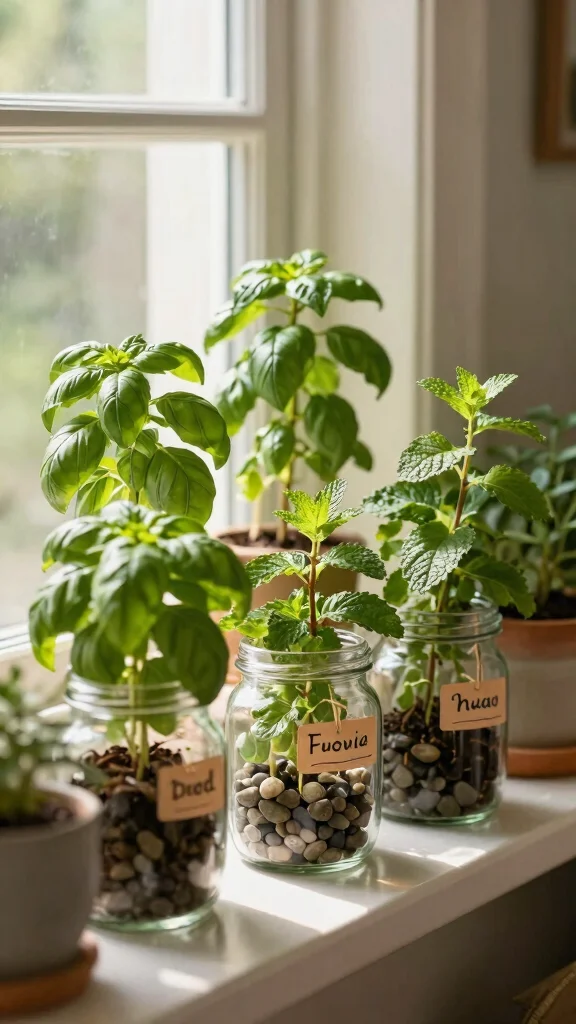
Feeling the urge to bring nature indoors? An indoor herb garden is the perfect way to infuse your space with freshness year-round. You can grow your favorite herbs without worrying about the weather outside.
Pick a sunny windowsill or a cozy shelf that basks in natural light. Stylish containers like glass jars or ceramic pots not only showcase your herbs but also enhance your decor. Try growing basil, mint, and chives, as they thrive beautifully in indoor settings.
Use well-draining soil and water them just right for a vibrant herb collection. Adding decorative pebbles or charming labels can elevate the overall appeal, making your indoor garden a delightful addition to your home.
Indoor Herb Garden
Editor’s Choice

OurWarm Windowsill Herb Planter Box Indoor Set of 3, 10.5 Inch Self Wate…

OurWarm 3 Pack Self Watering Herb Planter Set for Windowsill, 10.5In Ind…

VIVOSUN Self-Watering Planters, 6-Pack 10.5 Inch Compact Rectangular Win…

MyGift 11 Inch Ceramic Herb Planter with Drainage, Modern 3 Compartment …
PERFNIQUE Indoor Herb Garden, Herb Planter Set with Tray, Farmhouse Indo…
How To Choose the Right Herb Garden Design
Choosing the perfect herb garden design can seem overwhelming due to the variety of styles and layouts available. However, breaking down your selection criteria can simplify this process. Here are key factors to consider when planning your herb garden:
1. Size of the Space
Consider the area where you plan to create your herb garden. Whether you have a small balcony, a spacious backyard, or just a kitchen countertop, measure the space available. If you’re limited on space, container herb gardening or vertical gardens can make excellent use of vertical space. If you have more room, a larger garden bed can allow for a diverse array of herbs.
2. Type of Garden
Decide what type of herb garden fits your lifestyle and aesthetic. Options include vertical herb gardens, indoor herb gardens, or even rustic outdoor options. Each type has unique benefits. For instance, vertical gardens save space and add visual interest, while indoor gardens allow you to grow herbs year-round regardless of weather.
3. Companion Planting
Think about incorporating companion planting herbs. Certain herbs grow well together and can enhance each other’s growth. For example, basil can boost the flavor of tomatoes when planted nearby. Research compatible herbs to maximize your garden’s productivity and health.
4. Maintenance Level
Consider how much time you’re willing to invest in garden maintenance. Some herbs require more care, while others, like rosemary or thyme, are low-maintenance and drought-resistant. If you’re a beginner or have a busy schedule, choose herbs that are easy to care for.
5. Style and Decor
Think about how your herb garden design will fit into your overall home or garden aesthetic. From minimalist container gardens to themed gardens featuring herbs with specific colors or scents, the style can greatly impact your enjoyment. Incorporate decorative elements like pots, trellises, or garden art to personalize your space.
6. Budget
Finally, set a budget for your herb garden project. Container herb gardening can be relatively inexpensive, especially if you repurpose old containers. Alternatively, if you want to invest in quality planters or vertical garden systems, factor those costs into your budget. Remember, you can start small and expand your garden as you go.
Pro Tip: Before you start planting, sketch your garden layout on paper. This will help you visualize your design and make adjustments before committing to your herb garden setup! 🚀
3. Companion Planting Herbs

Want to maximize your garden’s health and productivity? Companion planting herbs is a fantastic method to boost growth while keeping pests at bay. By planting herbs that benefit each other, you create a thriving ecosystem.
Basil enhances the flavor of tomatoes and keeps pesky aphids away, while mint can help protect carrots from harmful insects. Arranging these herbs together in your garden not only optimizes space but also creates a beautiful layout.
Using containers allows you to keep these herb friends close, making it easy to experiment with different pairings. Designate sections in your garden for these companions, and don’t forget to use decorative pots to add a bit of charm.
Companion Planting Herbs
Editor’s Choice
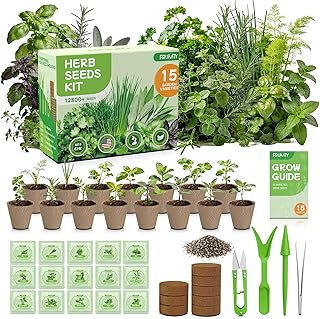
Herb Garden Starter Kit – Fruivity 12800+ 15 in 1 Herb Heirloom Seed K…

8/10/12 Inch Self Watering Pots for Indoor/Outdoor Plants – Large Plasti…

Sow Right Seeds – Most Popular Herb Seed Collection for Planting – Mint,…
4. Herb Spiral Garden

Looking for a unique garden design? An herb spiral garden is a creative way to save space and create a stunning focal point. This spiral structure allows you to grow various herbs, each in their ideal microclimate.
Position drought-tolerant herbs like rosemary at the top and water-loving ones like parsley at the bottom. This design not only maximizes your planting potential but also serves as a picturesque centerpiece.
You can build the spiral using rocks, bricks, or wood, filling it with rich, well-draining soil. Personalize it with decorative elements like garden gnomes or colorful stones to make your herb spiral truly unique.
Herb Spiral Garden
Editor’s Choice
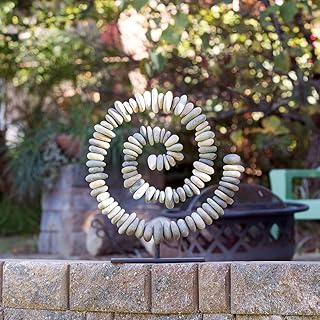
Natural River Stacked Stone Spiral on Stand Zen Garden Decoration Statue…

XLUX Long Probe Deep Use Soil Moisture Meter, Water Monitor Indicator Se…
5. Hanging Herb Garden
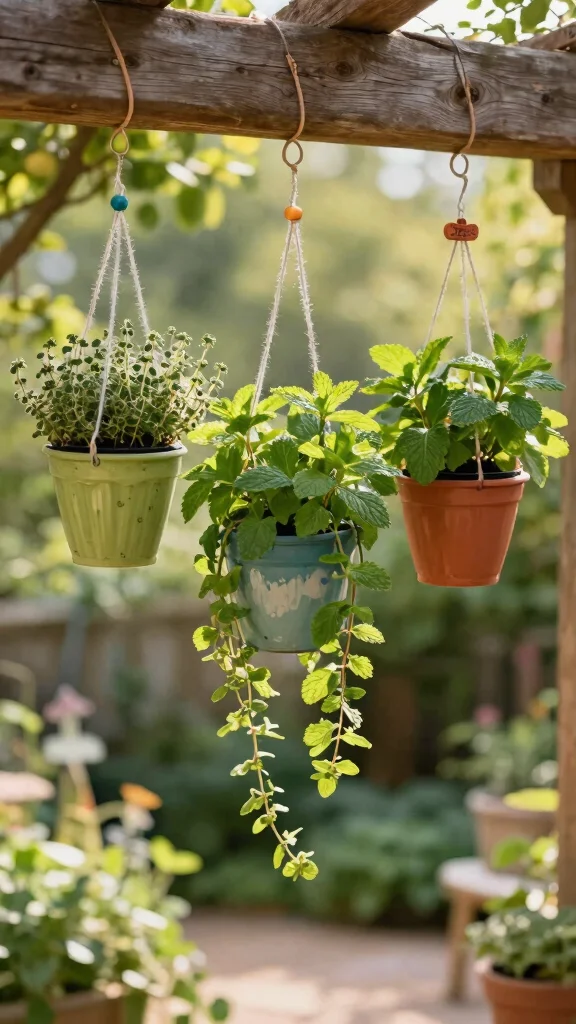
Ready to elevate your gardening experience? A hanging herb garden adds a playful twist to your space. Perfect for small areas, this design is ideal for balconies or kitchen corners.
Use hanging pots, repurposed pallets, or old crates to craft a one-of-a-kind display. Imagine trailing herbs like mint, thyme, and oregano cascading down, creating a charming visual effect.
Hanging your herbs optimizes vertical space and makes tending to them easier. Choose sturdy hooks and secure your containers well to avoid mishaps. Adding colorful pots or decorative hangers can transform your herb garden into a vibrant feature.
Fun fact: Vertical herb garden design can save up to 40% of floor space—perfect for balconies and kitchen corners. Hang 3–4 pots or repurposed pallets, and watch mint, thyme, and oregano cascade with charm. Ready to design your space with practical, tasty rewards?
You might also like


Hanging Herb Garden
Editor’s Choice
Dahey 10 Pcs 3.8 Inches Small Hanging Flower Pots Metal Iron Bucket Plan…

FEED GARDEN Heavy Duty Plant Hooks – 2 Pack 8 Inch Wall Mounted Hanging …
6. Minimalist Container Garden
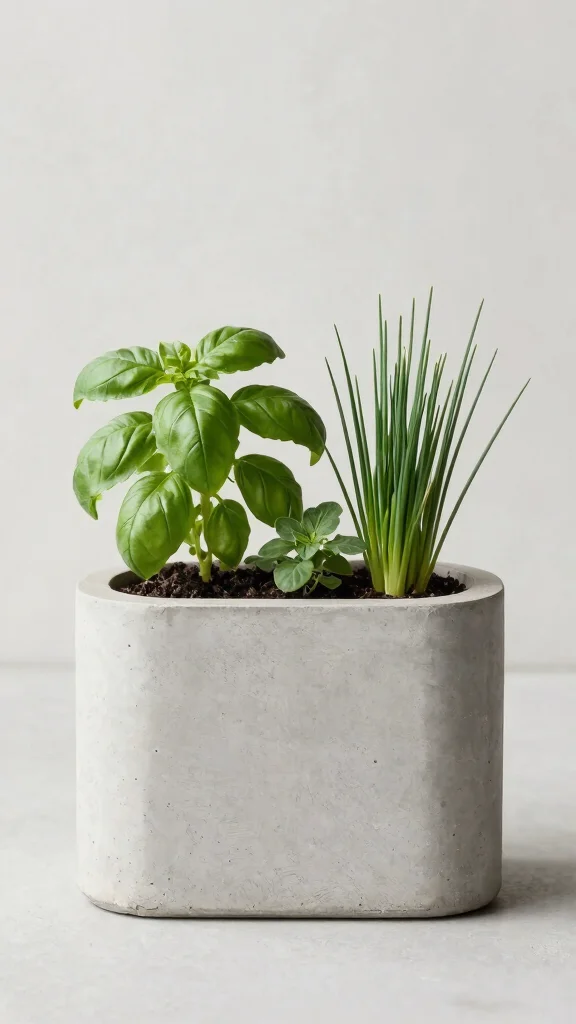
Do you appreciate a clean, simple aesthetic? A minimalist container herb garden is the perfect choice for you. This style emphasizes clean lines and a limited selection of herbs for a serene, organized space.
Opt for modern concrete pots or sleek metal containers, arranging them in a straightforward layout for a cohesive look. Basil, chives, and sage can thrive together in a minimalist design, adding elegance without overwhelming the senses.
This approach highlights the natural beauty of the herbs. Keeping a single color palette enhances the minimalist vibe, and regular maintenance will keep your garden looking sharp and inviting.
Minimalist container garden design helps keep things simple: pick 3 herbs, like basil, chives, and sage, and line them in clean, modern pots. A tidy layout makes watering a breeze and keeps your space serene. Less clutter, more aroma at your fingertips.
Minimalist Container Garden
Editor’s Choice

MyGift 4 Inch Unglazed Gray Concrete Planter, Cylindrical Cactus Herb Su…

Sereniseed Certified Organic Herb Seeds (10-Pack) – Non GMO, Heirloom …

38″ L x 13″ W x 30″ H Metal Tall Rectangular Planter – Large Planter Box…
7. Rustic Herb Garden
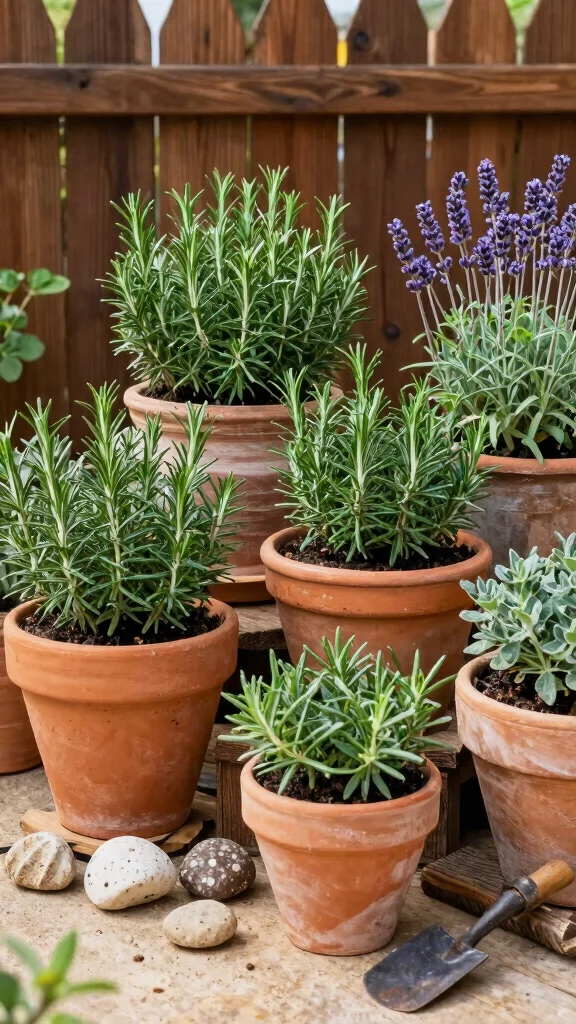
Want to create a cozy, inviting garden? A rustic herb garden brings warmth and charm to your space. This design celebrates natural materials, incorporating wooden crates, clay pots, and vintage garden tools.
Imagine a cozy outdoor nook filled with herbs like rosemary, thyme, and lavender in mismatched pots that tell their own stories. Elements like reclaimed wood and terracotta add character, making your herb garden feel like a retreat.
Pairing herbs with decorative stones and wooden planters adds texture and personalization. Creating pathways with gravel or wood chips invites you to explore the delightful aromas of your herbs.
Rustic Herb Garden
Editor’s Choice

TIMRIS Set of 3 Rustic Distressed Wood Nesting Crates, Farmhouse Decorat…

Orceler 6 inch Terracotta & Clay Pots for Plants with Saucer, Medium Ter…

Grenebo Gardening Tools 9-Piece Heavy Duty Garden Hand Tools with Fashio…
8. Themed Herb Garden
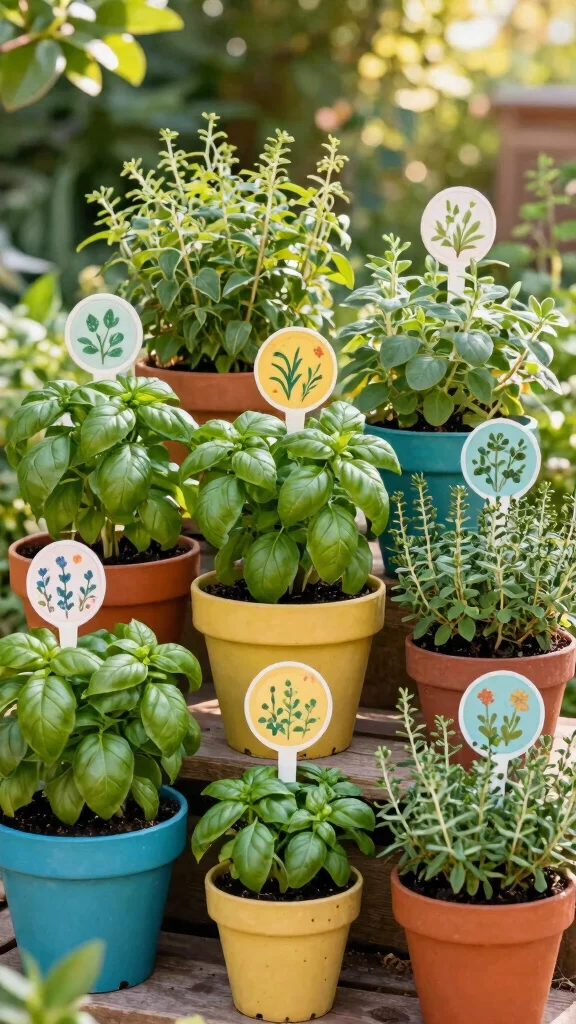
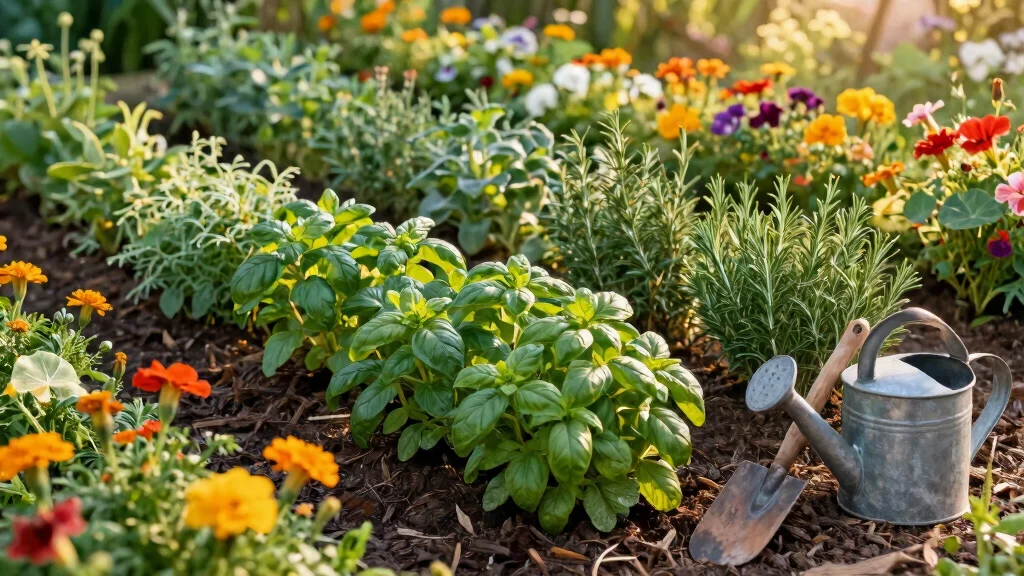
Ready for a little whimsy in your gardening? A themed herb garden showcases your personality and interests beautifully. Whether you choose a Mediterranean theme with basil, oregano, and thyme or a fragrant garden with mint, lavender, and chamomile, the possibilities are endless.
Select containers that reflect your theme, like terracotta pots for Mediterranean herbs or colorful pots for a cheerful vibe. Group your herbs according to their theme, ensuring they share similar care needs.
This organized approach creates a stunning visual and tells a story through your garden. Adding themed garden markers or signs can enhance the experience, making your herb garden a joyful retreat.
Did you know a themed herb garden design can cut care time by up to 50%? Group Mediterranean herbs like basil and oregano together, use terracotta pots, and watch your space sparkle with character.
You Might Also Like
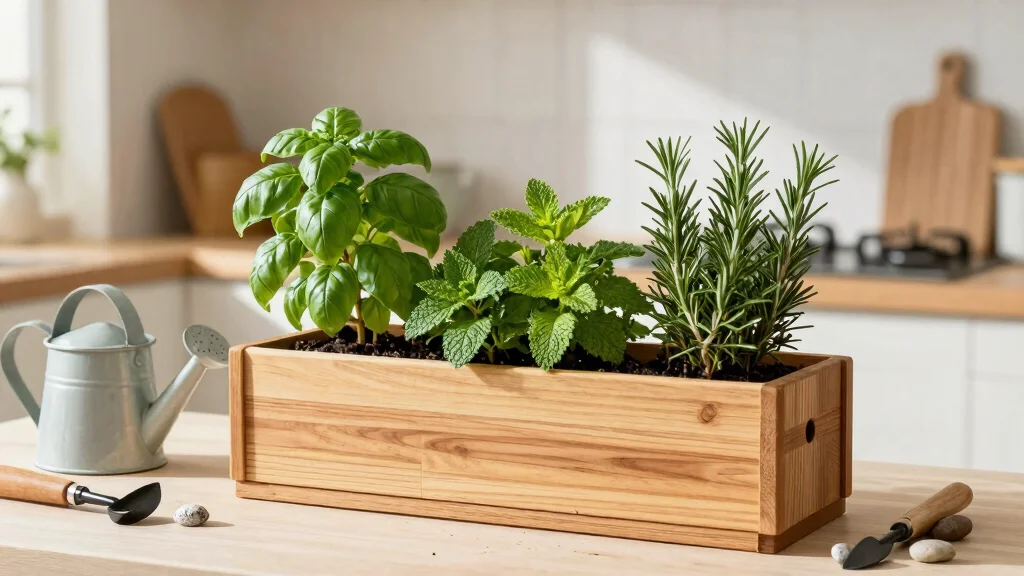
Themed Herb Garden
Editor’s Choice

Orceler 4 Inch Terracotta Pots with Saucer – 6 Pack Small Clay Plant Pot…

BUYMAX Plant Pots Indoor –5 inch Ceramic Flower Pot with Drainage Hole…

UPINS 24Pcs Acrylic Plant Labels Herb Plant Markers Plant Tags Signs wit…
9. Herb Garden with Decorative Elements

Looking to add a personal touch to your herb garden? Incorporating decorative elements can elevate its aesthetic appeal. From whimsical garden gnomes to colorful plant labels, every detail enhances your space.
Consider using unique pots that reflect your style, or add natural elements like stones or driftwood for a rustic feel. Features like fairy lights or garden sculptures can bring your garden to life, especially in the evenings. Plant herbs like dill, sage, and parsley, surrounding them with these decorations for an inviting layout.
This thoughtful design creates a delightful environment for your herbs while inspiring joy and creativity for everyone who tends to it.
Herb Garden with Decorative Elements
Editor’s Choice
UPINS 24Pcs Acrylic Plant Labels Herb Plant Markers Plant Tags Signs wit…

Drinking Coffee Faceless Garden Gnome Statue Decoration 7.1″ Figurine Or…
Brightown Outdoor String Lights, 50FT 25 G40 Bulbs Shatterproof Patio Li…
Conclusion

Creating a beautiful and well-planned herb garden is all about combining functionality with creativity. Whether you opt for vertical designs, minimalist styles, or rustic themes, the possibilities are endless. With these nine inspiring ideas, you can easily cultivate a herb garden that not only provides fresh ingredients but also serves as a stunning visual element in your home.
Now, it’s time to roll up your sleeves and get started on your herb garden journey!
Note: We aim to provide accurate product links, but some may occasionally expire or become unavailable. If this happens, please search directly on Amazon for the product or a suitable alternative.
This post contains Amazon affiliate links, meaning we may earn a small commission if you purchase through our links, at no extra cost to you.
Frequently Asked Questions
How can I design a beautiful herb garden layout for a small space?
Design starts with a plan. A good herb garden design begins with a clear herb garden layout that groups herbs by sun and water needs. For small spaces, use containers or a shallow raised bed to keep things flexible. In container herb gardening, pick compact, fast-harvest varieties like basil, thyme, oregano, chives, and parsley that fit 8–12 inch pots. Place herbs with similar care together for easy watering and harvesting. Keep paths wide enough for hands and baskets. Ensure drainage with pots that have drainage holes, add a layer of gravel, and use high-quality potting mix. Label each pot and plan for ongoing succession planting to keep the bed looking lush.
What are effective vertical herb garden ideas for patios or balconies?
Vertical growing is a game changer for small spaces. Start with a sturdy frame or wall-mounted pockets and treat it as a mini garden bed. A vertical herb garden ideas setup works great with thyme, oregano, basil in wall pockets, mint in a trailing basket, parsley on a trellis, and chives in a pocket with good drainage. Use shallow, well-draining potting mix and a simple drip irrigation line or handy watering routine. Make sure the vertical setup gets at least 4–6 hours of sun or supplement with a grow light. Label sections and plan staggered harvests so you always have fresh herbs at hand.
Which herbs work best for companion planting to boost flavor and deter pests?
Companion planting herbs can improve flavor and cut pest pressure. A classic combo is companion planting herbs like basil near tomatoes to boost taste and deter pests. Cilantro or dill near cucumbers and peppers attract beneficial insects. Rosemary and thyme can support nearby veggies, and marjoram helps with growth when grouped with peppers. When mixing in containers, match herbs with similar sun and water needs so they thrive together. Keep herbs well spaced for airflow and plan harvests to avoid overcrowding.
How do I create an indoor herb garden design that’s productive and easy to manage?
An indoor herb garden design that’s productive and stylish comes from light, drainage, and accessible placement. Put sun-loving herbs on a bright south-facing sill or use shelves with grow lights to extend day length. Choose containers with drainage holes and use a light, well-draining potting mix. Group herbs by needs and invest in a small watering system or schedule. Use air circulation and occasional feeding. Harvest regularly to keep plants bushy and prevent leggy growth.
What are practical tips for container herb gardening to maximize harvest and beauty?
When you focus on container herb gardening, choose pots that fit the plant’s root system and have drainage. Use a high-quality potting mix with compost and a color-coordinated design to create a cohesive space. Ensure 6–8 hours of sun for most herbs or supplement with grow lights. Water consistently, with drainage trays to prevent soggy roots. Harvest from the top to encourage bushier growth, and rotate plants in and out of sun exposure to keep them productive. Label each pot and use a simple layout to maximize harvest and beauty as part of your herb garden design plan.
Related Topics
herb garden design
container gardening
vertical gardening
indoor gardening
beginner friendly
companion planting
urban gardening
small space gardening
easy herb garden
seasonal herbs
sustainable gardening
DIY herb garden