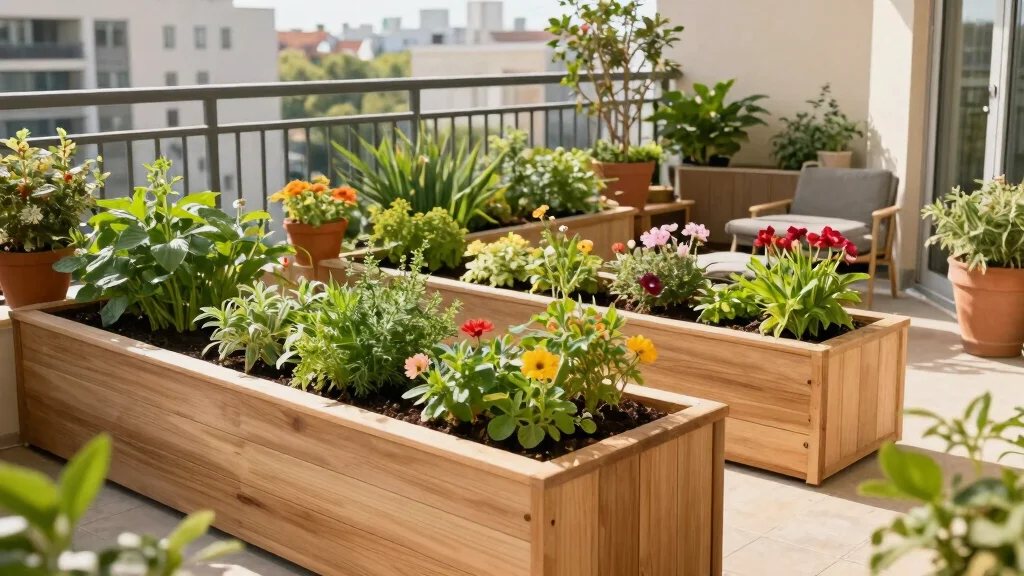
Gardening can often feel like a big commitment, especially if you’re juggling a busy lifestyle. With the arrival of spring, there’s a yearning for fresh vegetables and vibrant flowers, but the thought of daily watering can be daunting. That’s why I created this post on self watering raised garden beds. These innovative solutions allow you to enjoy gardening without the stress of constant upkeep. Say goodbye to wilting plants and hello to lush greens that thrive, even when life gets hectic!
If you’re someone who loves gardening but struggles to find the time, this guide is for you. Whether you’re an urban dweller with limited space or someone just starting out, self watering systems can transform the way you garden. You’ll discover practical and stylish ideas to create a low maintenance garden that matches your lifestyle.
In this post, I gathered 7 self watering raised garden bed ideas that are not only functional but also aesthetically pleasing. From tiered planter boxes to elegant concrete beds, these options are perfect for anyone looking to make gardening easier while still achieving stunning results. Let’s dive into these inspiring ideas that will help you cultivate a garden you can truly enjoy!
Key Takeaways
– Tiered Planter Boxes: These vertical gardening solutions maximize small spaces while providing efficient drainage and watering.
– Modern Self-Watering Wooden Beds: Stylish and functional, these beds blend seamlessly with outdoor decor, ensuring plants stay hydrated effortlessly.
– DIY Self-Watering Planters Using Buckets: An affordable and creative way to build your own watering system with materials you likely already have at home.
– Compact Self-Watering Garden Systems: Perfect for balconies and patios, these systems save space and ensure your plants thrive with minimal effort.
– Rustic Self-Watering Crates: These charming crates not only look appealing but also offer a natural solution for keeping plants hydrated in a sustainable way.
1. Tiered Planter Boxes for Vertical Gardening

Looking to make the most of your limited space? Tiered planter boxes are an aesthetically pleasing solution that boosts your gardening efficiency. With multiple layers, these raised beds are perfect for small balconies or patios, allowing you to cultivate a variety of plants in a compact area.
To enhance your garden, consider using durable materials like treated wood or recycled plastic. Installing a self-watering system in each tier guarantees that all your plants receive the moisture they need, reducing daily watering chores and keeping your plants happy.
Key benefits of tiered planter boxes:
– Maximize vertical space for more plants
– Simplify maintenance with easy access
– Create a stunning focal point in your garden
By integrating tiered planter boxes, you create a vibrant outdoor oasis that requires little upkeep while adding visual appeal to your living space.
Fun fact: Tiered planter boxes can triple your usable garden space on a tiny balcony. When you pair them with self watering raised garden beds, each tier stays evenly hydrated with less daily effort.
Tiered Planter Boxes for Vertical Gardening
Editor’s Choice

Elevated Raised Garden Bed with Legs, 33.66″ Tall Self-Watering Resin Ou…


DoCred Vertical Wooden Raised Garden Bed, 5 Tier Garden Planters Freesta…

60Ft Drip Irrigation System with Smart Water Timer – Automatic Garden …
2. Modern Self-Watering Wooden Beds
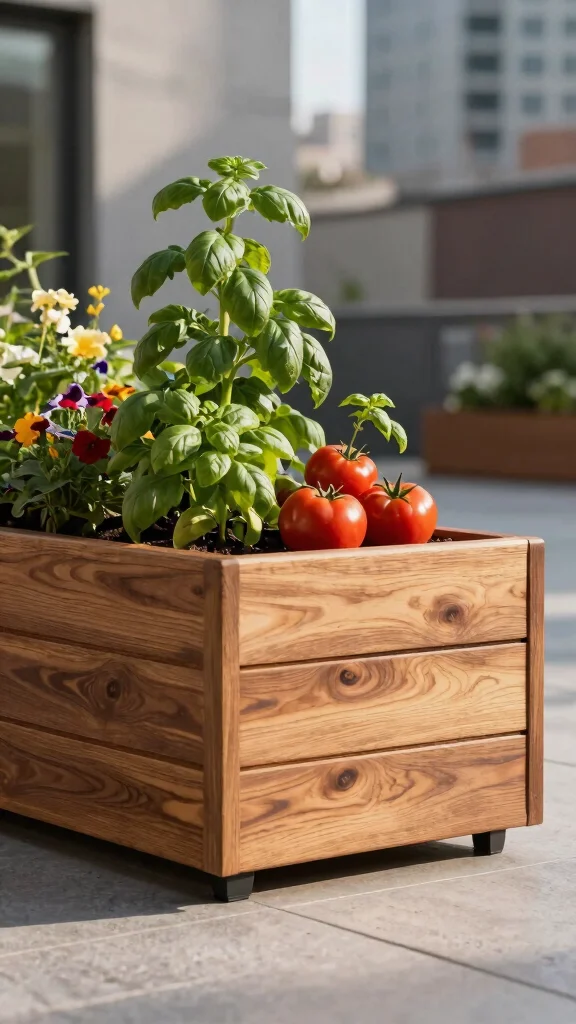
Are you searching for a stylish way to garden? Modern self-watering wooden beds can seamlessly blend with your urban environment while providing practical benefits. With built-in water reservoirs, these beds keep soil consistently moist, making them ideal for busy gardeners.
Opt for sustainable wood choices like cedar or redwood to ensure longevity. Pairing these beds with a drip irrigation system further enhances their efficiency, allowing you to grow anything from fresh tomatoes to fragrant herbs right on your balcony.
Features of modern self-watering wooden beds:
– Chic designs elevate outdoor aesthetics
– Reduced watering frequency for convenience
– Suitable for vegetables, herbs, and ornamental plants
With modern self-watering wooden beds, gardening becomes a stylish and hassle-free addition to your lifestyle.
Modern Self-Watering Wooden Beds
Editor’s Choice

MIXC 230FT Quick-Connect Drip Irrigation System Kit, Automatic Garden Wa…

Keter Urban Bloomer 12.7 Gallon Raised Garden Bed and Outdoor Herb Garde…

Maple99 Raised Garden Bed with Legs 48x24x30 – Natural Cedar Wood Elevat…
3. DIY Self-Watering Planters Using Buckets

If you enjoy DIY projects, crafting self-watering planters from buckets can be both fun and economical. This approach lets you tailor your planters to fit your specific gardening needs while ensuring your plants receive adequate hydration.
Gather two buckets—one larger and one smaller. Drill drainage holes in the smaller bucket, place it inside the larger one, and fill the gap with soil. Adding a wick, like cotton rope, will help draw water up to your plants as needed.
Steps for creating DIY planters:
– Gather your buckets and tools
– Drill holes for proper drainage
– Fill with soil and plant your favorites
By making your own self-watering planters, you not only save money but also unleash your creativity while nurturing a thriving garden.
DIY Self-Watering Planters Using Buckets
Editor’s Choice

United Solutions 5-Gallon Heavy-Duty Buckets with Snap-On Lids, 6-Pack �…

50ft 1/4 inch Plants Self Watering Capillary Wick Rope Cord DIY Vacation…
AVID POWER 20V Cordless Drill Set for Home DIY & Beginner Projects – Lig…
4. Compact Self-Watering Garden Systems
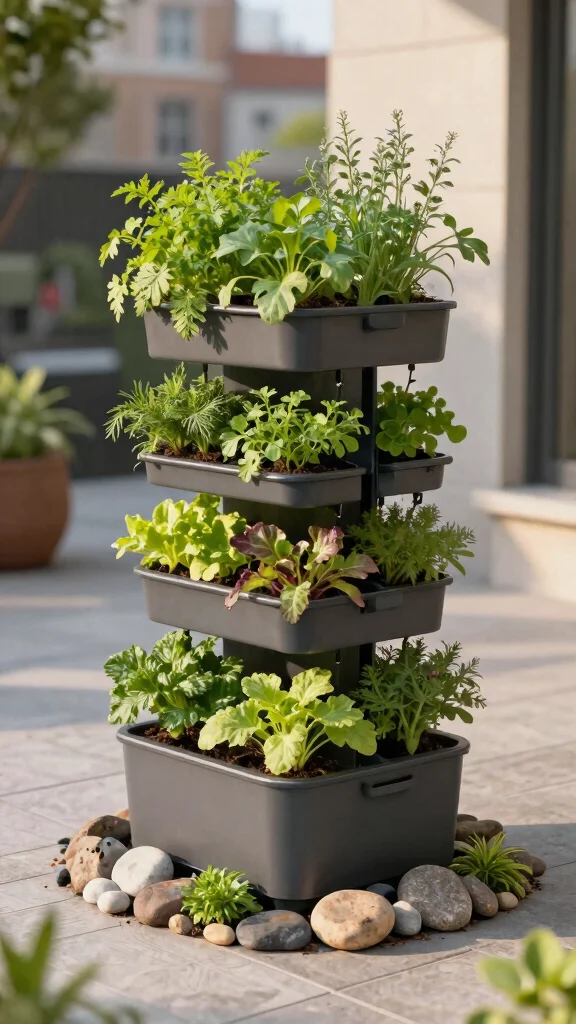
Short on space? Compact self-watering garden systems offer an efficient and stylish way to enjoy gardening without the hassle. These kits are designed to fit neatly on balconies or patios, providing everything you need for effective irrigation.
Look for vertical or stackable designs that allow you to maximize your growing area. Many systems include self-watering technology, saving you time while ensuring your plants stay healthy and vibrant.
Key features of compact self-watering systems:
– Space-efficient designs for small areas
– Built-in reservoirs for hydration
– Simple setup and low maintenance
With compact self-watering garden systems, you can cultivate a lush green space in your urban setting with ease.
Fun fact: Compact self-watering garden systems fit on balconies and cut watering by up to 60%. For self watering raised garden beds, built-in reservoirs keep soil consistently moist, boosting plant health with minimal effort—even on tiny urban patios.
You might also like


Compact Self-Watering Garden Systems
Editor’s Choice

VECELO 5 Tier Vertical Garden Planter, Self Watering Stackable Planters …

Small Garden Tools – 3 Pcs Mini Garden Tools Set with Small Trowel, Mini…

For Herb Lover’s Indoor Kit Complete Water Culture Grower with Self Wate…
5. Rustic Self-Watering Crates for a Natural Look
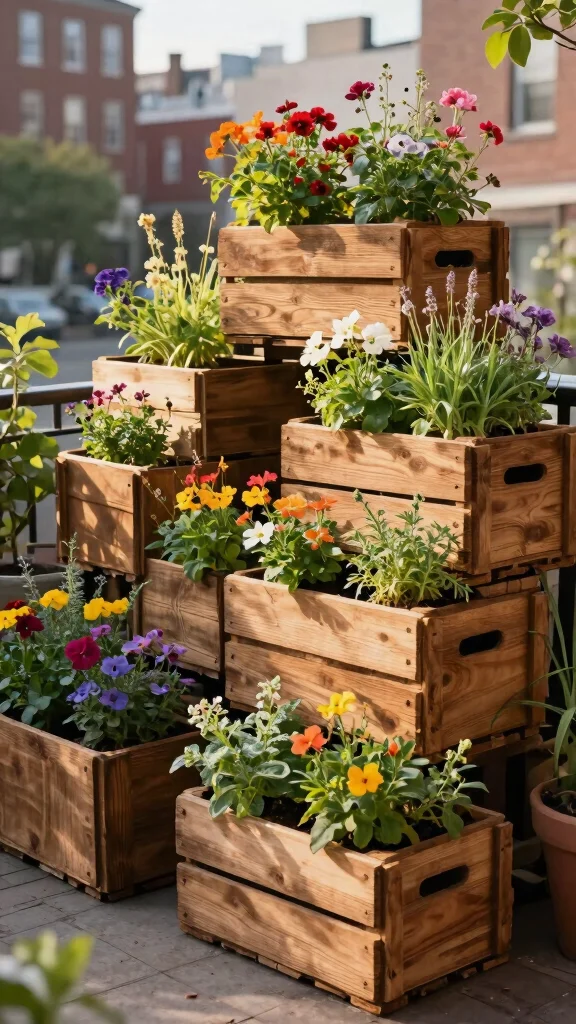
Are you drawn to a rustic style? Transforming wooden crates into self-watering raised garden beds adds charm to your urban space while utilizing natural materials that harmonize with your plants.
Start with untreated wooden crates to allow for natural aging. Drill drainage holes and create a water reservoir beneath to keep your plants hydrated. Fill the crates with soil and plant your favorites to enjoy a wild garden vibe.
How to create rustic crate planters:
– Use untreated wood for authentic aging
– Drill holes for drainage and add reservoirs
– Fill with soil and arrange your plants
Rustic self-watering crates not only beautify your garden but also minimize maintenance, making them a practical choice for any urban gardener.
Rustic Self-Watering Crates for a Natural Look
Editor’s Choice

THYOI Premium Wooden Planter Box, Storage Box 17″ L x6 W x5.5 H with Cra…
8 Pcs Adjustable Drill Depth Stop Collar Set Precision Guide Rings for W…
6. Self-Watering Rail Planters for Balconies
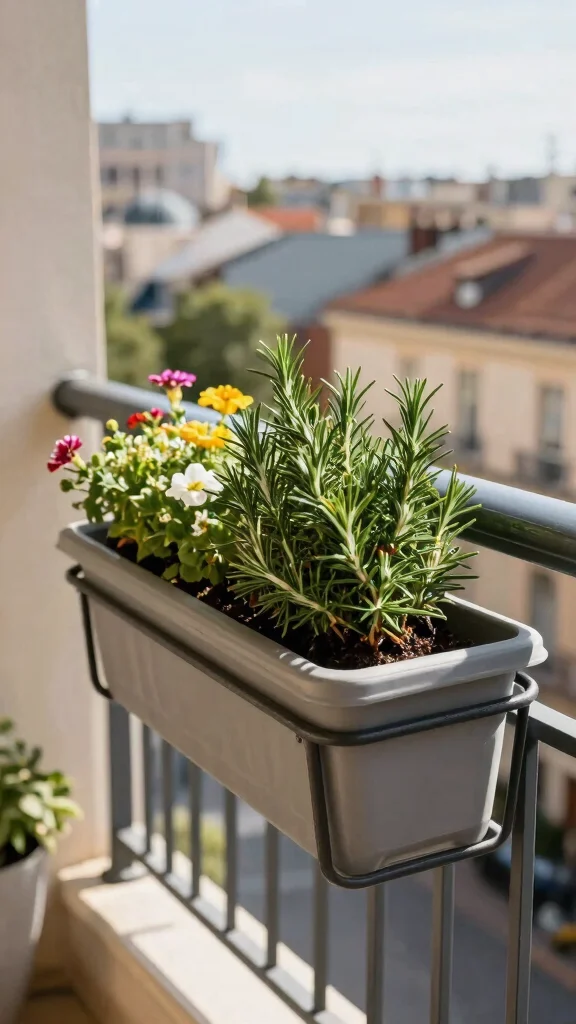
Looking for a space-saving solution? Self-watering rail planters fit securely on balcony railings, allowing you to grow fresh herbs and flowers without taking up valuable floor space. This innovative design is perfect for city dwellers.
These planters come in various styles, from sleek modern looks to rustic designs. They usually feature built-in watering systems to keep your plants well hydrated, making them a practical addition to any balcony.
Advantages of self-watering rail planters:
– Easy attachment to any railing
– Efficient self-watering mechanisms
– Enhance balcony aesthetics with greenery
With self-watering rail planters, you can enjoy a flourishing outdoor space with minimal effort, transforming your balcony into a green retreat.
📹 Related Video: SelfWatering Railing Planter
You Might Also Like


Key Trade-offs & Our Top Pick
When considering self watering raised garden beds, it’s helpful to weigh the options. Different designs come with their own benefits and challenges. Let’s break down three popular choices to see which one might be the best fit for you.
Option 1: Tiered Planter Boxes for Vertical Gardening
– Pros:
– Maximizes space in small areas, which is great for urban gardening.
– Allows for varied heights, making it easier to maintain and access your plants.
– Offers a stylish look that can enhance your garden’s aesthetic.
– Cons:
– May require more materials and initial investment than traditional beds.
– Can be challenging to set up properly to ensure water distribution.
– Limited root space may restrict larger plant growth.
– Best for: Small urban spaces where aesthetics matter and vertical growth can be utilized.
Option 2: Modern Self-Watering Wooden Beds
– Pros:
– Made from natural materials, giving a classic and warm appeal.
– More sustainable than plastic options, promoting eco-friendly gardening.
– Typically equipped with built-in water reservoirs, reducing the need for frequent watering.
– Cons:
– Wood can rot over time, requiring maintenance or replacement.
– Higher initial cost than basic raised beds.
– May need regular sealing to prevent moisture damage.
– Best for: Gardeners looking for a blend of style and functionality who are willing to invest in quality.
Option 3: DIY Self-Watering Planters Using Buckets
– Pros:
– Very cost-effective, as you can use recycled materials.
– Easy to customize based on the size and type of plants you want to grow.
– Ideal for those who enjoy hands-on gardening projects.
– Cons:
– May not look as polished as other options, which could deter some gardeners.
– Requires some knowledge of plumbing to set up effectively.
– Watering systems may need adjustments to work properly over time.
– Best for: DIY enthusiasts or those on a budget who want to create custom solutions.
Expert Recommendation:
Best Overall: Modern Self-Watering Wooden Beds
For most gardeners, the modern self-watering wooden beds are the top choice. They offer a perfect balance of beauty and practicality. You’ll appreciate the natural feel in your garden, while the self-watering feature saves you time and effort. Plus, with proper maintenance, they can last many seasons.
Why We Picked This:
While the modern wooden beds are ideal for many, some may prefer the DIY bucket planters for their cost-effectiveness and customizability. Others might lean towards tiered planter boxes if they want to maximize limited space. Each option has its unique appeal, so consider your gardening goals and personal style when making a decision.
Self-Watering Rail Planters for Balconies
Editor’s Choice

Ahopegarden Indoor Garden Hydroponics Growing System: 10 Pods Plant Germ…

LaLaGreen Rail Planter for Balcony Outdoor (20 Inch, 2 Pack) Large Black…
7. Elegant Concrete Self-Watering Beds

Want a contemporary touch in your garden? Elegant concrete self-watering beds offer durability and style, making them a striking centerpiece in any urban garden. With built-in irrigation systems, these beds ensure your plants thrive.
Concrete beds are weather-resistant and long-lasting, and their minimalist design fits seamlessly into any decor style. They provide an excellent environment for a variety of plants, from vibrant blooms to hardy succulents.
Suggestions for using concrete self-watering beds:
– Add decorative gravel for texture
– Use varied plant heights for visual appeal
With elegant concrete self-watering beds, you achieve a practical and stylish gardening solution that thrives with minimal effort in your urban environment.
Fact: Concrete self watering raised garden beds with built-in irrigation can cut water use by up to 40% in urban settings. They stay evenly moist, helping plants thrive with less effort.
Elegant Concrete Self-Watering Beds
Editor’s Choice
Keter Urban Bloomer 12.7 Gallon Raised Garden Bed and Outdoor Herb Garde…

Rain Bird LNDDRIPKIT Drip Irrigation Landscape/Garden Watering Kit with …
Conclusion

Transforming your small urban space into a flourishing garden can be both achievable and enjoyable with self-watering raised garden beds. These ideas not only cater to low maintenance gardening but also add charm and vibrancy to your outdoor environment.
Whether you opt for DIY solutions, modern designs, or rustic touches, each idea contributes to sustainable gardening practices that fit seamlessly into city life. Enjoy the beauty of your garden with less hassle and more time to relax and appreciate the green oasis you’ve created.
Note: We aim to provide accurate product links, but some may occasionally expire or become unavailable. If this happens, please search directly on Amazon for the product or a suitable alternative.
This post contains Amazon affiliate links, meaning we may earn a small commission if you purchase through our links, at no extra cost to you.
Frequently Asked Questions
What are self watering raised garden beds and why are they ideal for small urban spaces?
Self watering raised garden beds are planters with a moisture reservoir at the bottom that feeds plants through capillary action. They maintain steady moisture, reduce daily watering, and help prevent drought stress. For compact urban spaces, they maximize yields, keep balconies tidy, and support low maintenance gardening without sacrificing fresh herbs and vegetables. They pair with self watering garden systems and efficient watering solutions, making watering effortless. To get started, choose a size that fits your balcony, ensure you can access the reservoir for refills, use a well-draining soil mix, and select compact, sun-loving crops.
Tip: look for ready-made kits designed for small spaces if you’re new to raised garden bed ideas.
How do I choose the right self watering raised bed design for a balcony or small patio?
Start by measuring your space and picking a bed height you can reach comfortably. Then check reservoir capacity and the water source (city water vs. rainwater). Look for durable, lightweight materials suitable for urban use, such as recycled plastics or cedar, plus a clean drainage plan to prevent soggy roots. Favor designs with an accessible refill point and an overflow to avoid overfilling. Consider the sunlight you get and choose crops accordingly; you can mix herbs, greens, and compact vegetables in a single bed. This is where raised garden bed ideas and self watering garden systems shine, offering compact layouts and built-in irrigation.
Pro tip: choose modular or vertical options if floor space is extremely limited, and check for weight when filled to ensure your balcony can support it.
What are some easy DIY self watering garden bed ideas for beginners in compact spaces?
Great question—here are beginner-friendly routes you can try at home.
1) Two-chamber reservoir bed: build a shallow moisture reservoir underneath and lay a capillary layer on top so soil draws water as needed. 2) Wicking bed in a tote: use a plastic tote with a bottom water chamber and a fabric wick feeding the soil above; perfect for herbs and small greens. 3) Tiered or vertical planters: stack shallow boxes with a shared reservoir and overflow so you can grow more in a tiny footprint. 4) Upcycled container approach: repurpose tubs or crates with an accessible fill hole and a simple overflow; keep the soil light and drainage solid. Each idea keeps maintenance low and helps you integrate self watering garden systems in urban spaces.
Tip: start with a single bed idea and expand as you gain confidence.
How can self watering garden systems support sustainable gardening practices in urban spaces?
Self watering garden systems cut water waste by delivering moisture only where roots need it, so you’ll use less water and reduce runoff in city environments. Pair them with a rain barrel or collected rooftop water to boost sustainability, and keep soil healthy with compost and mulch to maintain moisture without extra chemicals. These beds also encourage growing perennials and compact vegetables that maximize yields in small spaces, aligning with sustainable gardening practices and efficient watering solutions. They’re a practical step toward greener urban living while keeping maintenance reasonable.
Bonus: install a simple timer or automation to maintain consistency with minimal effort.
What maintenance steps keep self watering raised beds low maintenance year-round?
To keep things humming, do a quick weekly check of the reservoir level and refill with clean water or collected rainwater. Inspect for leaks, clogs in the refill tube, and overflow functionality, and top up soil or compost as needed to maintain structure. Use a moisture meter or telltale signs (soil should feel evenly moist 2-3 inches deep) to tune watering rather than guessing. In growing seasons, rotate crops and add fresh mulch to reduce evaporation and deter pests. In winter climates, drain and store components properly to prevent freezing damage. By staying proactive, you’ll preserve the benefits of self watering raised garden beds and enjoy low maintenance gardening all year.
Also consider seasonal reminders for pruning and pest checks to keep beds healthy.
Related Topics
self watering raised garden beds
low maintenance gardening
sustainable gardening
urban gardening
small space solutions
efficient watering systems
beginner gardening
raised garden bed designs
easy gardening techniques
container gardening
eco-friendly gardening
drought-resistant plants