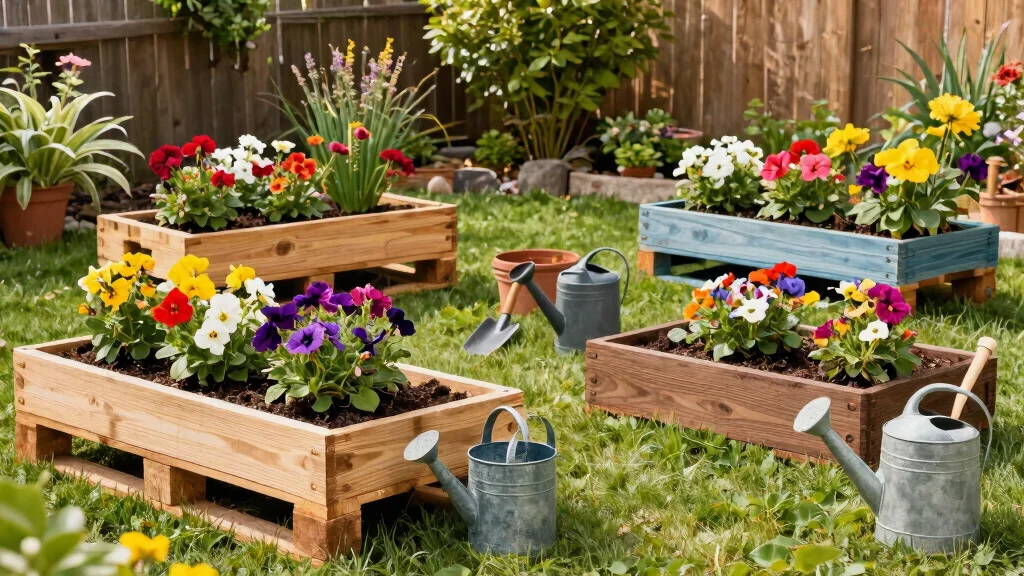
Creating your own flower garden can be so rewarding, especially when you can do it on a budget. This weekend, why not transform your outdoor space into a colorful haven? I put this post together because I know many people want to enjoy gardening without breaking the bank. Flower beds don’t have to cost a fortune, and you don’t need a lot of experience to create something beautiful. Whether you’re a seasoned gardener or a newbie, affordable DIY projects can make your garden flourish.
If you’re someone who loves the idea of flower gardening but feels limited by costs or space, you’re in the right place. This guide is for anyone who wants to add a splash of color to their yard without spending a lot or investing much time. You’ll discover seven creative DIY flower bed ideas that are not just budget-friendly but also enjoyable to make. By the end, you’ll have plenty of inspiration to roll up your sleeves and get started this weekend.
Get ready to dive into these simple projects that will beautify your space while giving you a sense of accomplishment. From pallet vertical gardens to hanging planters, each idea leaves room for your personal touch and creativity. Let’s jump right into the fun!
Key Takeaways
– Affordable Options: Explore creative ways to create beautiful flower beds without spending a lot of money.
– Weekend Projects: All ideas presented can be completed in a weekend, making them perfect for quick, satisfying outdoor transformations.
– Simple Materials: Use common materials like pallets, containers, and stones that are often found around your home or local store.
– Personal Touch: Each project allows for customization, so you can express your style while planting flowers you love.
– Boost Curb Appeal: These DIY flower beds will instantly enhance your outdoor space, giving it a fresh and inviting look without professional help.
1. Pallet Vertical Garden

Looking for a creative way to maximize your garden space? A pallet vertical garden is a fantastic solution that adds charm and flair while saving room. By standing a wooden pallet against a wall, you can fill it with vibrant flowers and lush greenery. Start by sanding the pallet to prevent splinters, then line it with landscape fabric to retain soil. Choose colorful blooms like petunias and marigolds for a stunning display that brightens up your space.
Begin by selecting a sturdy pallet and deciding where to place it. Fill each section with potting soil, ensuring good drainage. You can even paint the pallet in soft pastels for a chic look or leave it in its natural state for a rustic vibe.
Key highlights of creating your pallet garden:
– Choose a sturdy wooden pallet for durability
– Use landscape fabric to hold the soil
– Select a variety of flowers for diverse colors
– Position it in a sunny area for best growth
This DIY project not only beautifies your garden but also allows you to express your creativity. Enjoy the satisfaction of watching your flowers flourish in this unique setting.
Fun fact: a single pallet garden can hold 20-30 flowers and take under an hour to set up. With a little landscape fabric, you can turn DIY flower beds into a colorful vertical display this weekend.
Pallet Vertical Garden
Editor’s Choice

Reclaimed Wood Pallet Sign Blank -DIY Art – Made in the USA (12×18)


LAVEVE 4FT x 100FT Weed Barrier Landscape Fabric, 3.2oz Premium Heavy Du…
1000+ Marigold Seeds for Planting, Mixed Color Marigold Seeds Heirloom G…
2. Hanging Flower Planters
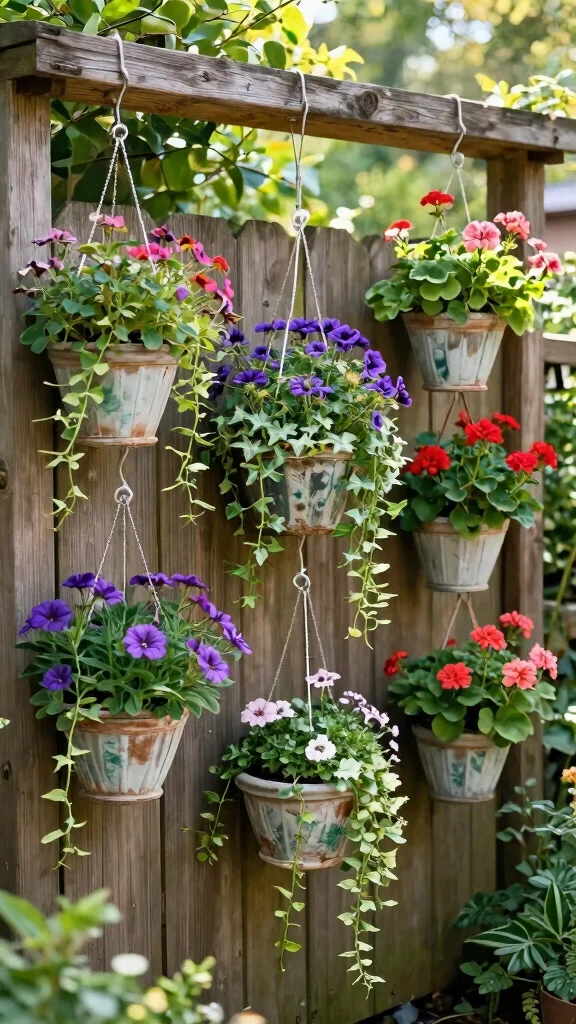
Transform your outdoor space into a floral haven with hanging flower planters! These eye-catching displays not only beautify your area but also provide a delightful view from above. Use repurposed containers like old buckets or jars and suspend them from hooks or tree branches. Fill them with cascading plants such as lobelia or ivy geraniums for an enchanting effect.
Start by gathering your containers and choosing your hanging spots. Consider mixing different heights for added visual interest. Regular watering and slow-release fertilizer will keep your flowers vibrant all season long.
Steps to create stunning hanging planters:
– Use old buckets or jars for a rustic look
– Hang from tree branches or fences
– Fill with trailing vines and colorful blooms
– Ensure proper drainage for healthy plants
This charming addition not only enhances your garden but also adds a whimsical touch that will impress your guests.
📹 Related Video: Planting Hanging Baskets: Getting Started! 🌸🙌// Garden Answer
Hanging Flower Planters
Editor’s Choice

Irenare 12 Inch Vintage Galvanized Flower Bucket Metal Flower Vase Farmh…

5000+ Perennial Cascade Mixture Lobelia Seeds for Planting Outdoors-Lobe…

2Pack 2.5Inch Ceiling Hooks for Hanging Plant, Hanger for Indoor and Out…
3. Recycled Container Flower Beds

Unleash your creativity with recycled containers to design unique flower beds that are both eco-friendly and budget-friendly! Old wheelbarrows, tin cans, or wooden crates can serve as delightful flower pots. Fill them with cheerful flowers like daisies or zinnias for a burst of color. Cluster these containers together for a charming and eclectic look.
Start by collecting various containers and cleaning them thoroughly. Arrange them in a way that showcases your favorite blooms, and don’t hesitate to mix sizes and shapes for added flair.
Ideas for your recycled container flower beds:
– Use old wheelbarrows for a vintage touch
– Incorporate colorful tin cans for fun accents
– Cluster containers for an eclectic arrangement
– Remember to drill drainage holes for healthy flowers
This project not only helps reduce waste but also allows you to personalize your garden with your unique style.
Recycled Container Flower Beds
Editor’s Choice
Seed Needs Flower Seeds Hummingbird and Butterfly Seed Mix 1 Ounce No Fi…

Burpee, 9 Quarts | Premium Organic Potting Natural Soil Mix Food Ideal f…

WZQH Leather Work Gloves for Men or Women. Large Glove for Gardening, Ti…
4. Stone-Circled Flower Beds
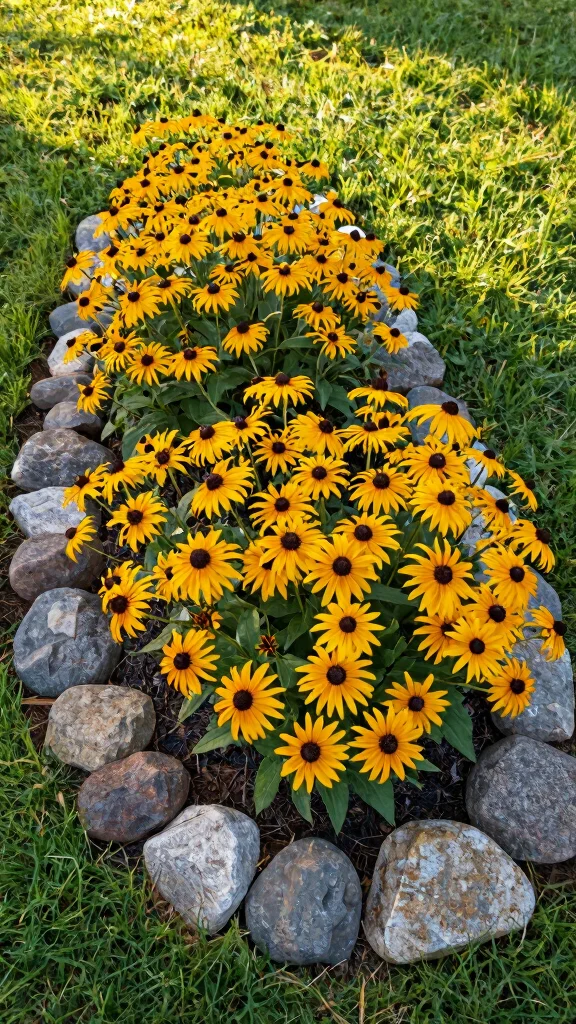
Create a captivating focal point in your garden with a stone-circled flower bed. By outlining a circular shape with flat stones or bricks, you can fill it with rich soil and a mix of beautiful flowers like coneflowers and black-eyed Susans. The stones not only define the area but also help retain moisture, making it easier to maintain your blooms.
Begin by selecting your stones and designing the circle in your desired location. Fill the center with quality soil and plant a variety of flowers for year-round beauty.
Benefits of a stone-circled flower bed:
– Adds a natural, rustic look to your garden
– Clearly defines your flower bed’s boundaries
– Simplifies maintenance and care
– Allows for seasonal flower changes easily
This stunning addition will enhance your garden’s charm and provide a cozy space for your favorite blooms to thrive.
Did you know a simple stone circle can cut watering by about 30%? Stone-circled flower beds keep moisture close to roots, so your diy flower beds stay lush longer—budget-friendly, easy to maintain, and perfect for weekend projects.
You might also like
Stone-Circled Flower Beds
Editor’s Choice

FANTIAN 20 lbs Large River Rocks for Outdoor Landscaping, 3-4 Inch Decor…

Miracle-Gro Organic Outdoor Potting Mix – Plant Soil for Outdoor Contain…
5. Vertical Garden Trellis
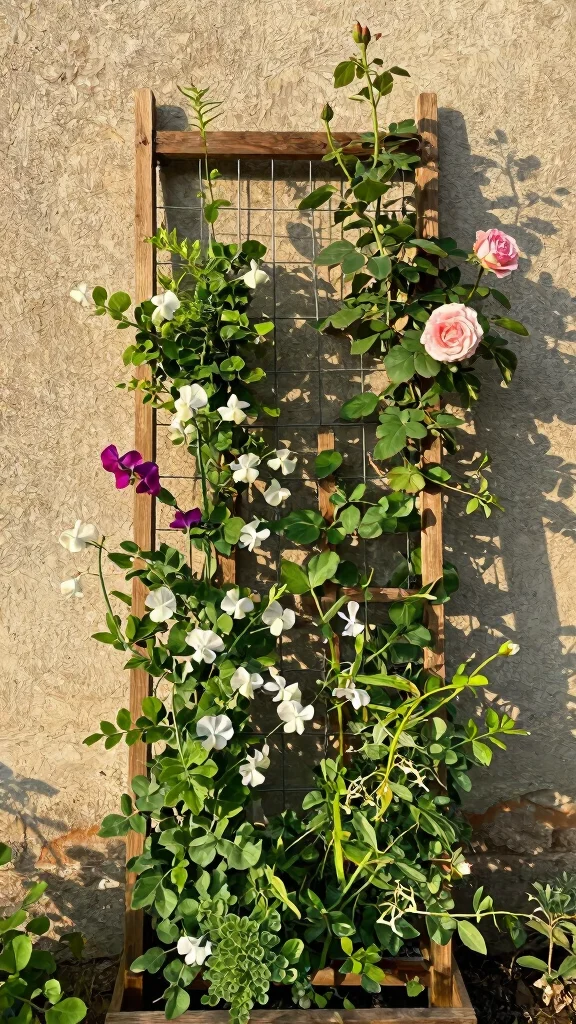
Take advantage of your garden’s vertical space with a trellis designed for climbing flowers! Using wooden stakes and wire mesh, you can create a stunning support system for vines like sweet peas or climbing roses. Position the trellis against a wall or fence, and watch as your flowers reach for the sky!
Start by determining the best location for your trellis and securing it in place. Choose flowers that thrive in your area and train them to climb as they grow.
Key features of a vertical garden trellis:
– Maximizes vertical space for lush blooms
– Provides essential support for heavy flowers
– Can serve as a privacy screen when tall
– Allows for easy access to blooms for maintenance
This beautiful addition to your garden will not only enhance its appearance but also create a vibrant space filled with climbing flowers.
How To Choose the Right Materials for DIY Flower Beds
When creating your own DIY flower beds, choosing the right materials is key to both functionality and aesthetics. Here are some criteria to consider that will help you make the best choices for your weekend gardening project.
1. Size
Before starting your flower bed, measure the area where you plan to create it. Consider how much space you have and how large you want the flower bed to be. A small bed can be 2×4 feet, while a larger one can be 4×8 feet or more. Keep the size manageable for you to maintain easily.
2. Material Types
Different materials can change the look and durability of your flower bed. You can use wood, bricks, stones, or even recycled materials like pallets. Wood is simple and blends well with gardens, while bricks and stones add a more rustic feel. Think about your garden’s style and what fits best.
3. Drainage
Proper drainage is essential for healthy flowers. Make sure the materials you choose allow for adequate drainage. If using wood, consider treating it to resist rot. If using stones or bricks, leave spaces between them for water to drain. You can also create a base with gravel to help with drainage.
4. Budget
Budget gardening is all about being smart with your spending. Look for affordable options that fit your budget. Recycled materials can be a great choice since they often don’t cost much or are free. Check local listings or social media marketplaces for leftover building materials.
5. Aesthetic Appeal
Your flower bed should complement your overall garden design. Think about colors, shapes, and textures that will work well together. If you love a rustic look, weathered wood or stones can create charm. For a modern vibe, sleek metal or clean lines with timber work beautifully.
6. Maintenance Requirements
Some materials require more maintenance than others. Wooden flower beds may need sealing or painting, while stone beds are generally low maintenance. Consider how much time you can dedicate to upkeep. Choosing materials that require less maintenance can save you time and effort in the long run.
Pro Tip: Always consider the climate in your area. Some materials may not hold up well in extreme weather. Research what works best for your local environment to ensure your DIY flower bed lasts.
By choosing the right materials, you can create beautiful and functional DIY flower beds that fit your vision and budget. Happy gardening!
Vertical Garden Trellis
Editor’s Choice

Land Guard 19 Gauge Hardware Cloth, 1/2 inch Chicken Wire Fence, Galvani…

Plant Stakes 17inch &11inch SupKing Adjustable Length Plant Support Stak…
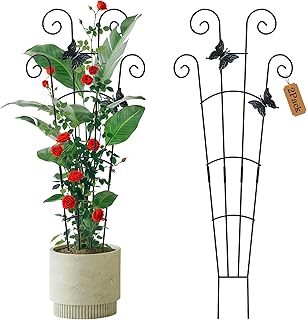
2 Pack 30 Inch Taller Plant Trellis for Potted Climbing Plants Indoor,Ex…
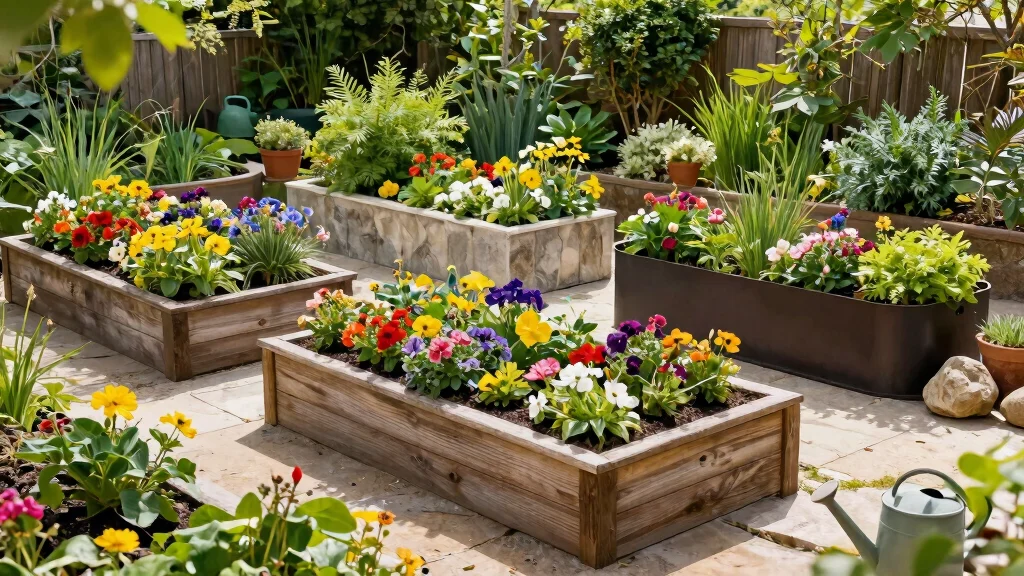
6. Budget-Friendly Raised Flower Beds

Construct your own raised flower beds using affordable wood or recycled materials! Raised beds improve drainage and make planting and maintenance easier. Simply outline your area, fill it with quality soil, and plant your favorite flowers like sunflowers or petunias.
Start by determining the size of your raised bed and gathering materials. Fill it with nutrient-rich soil for optimal growing conditions and arrange flowers according to your preference.
Advantages of raised flower beds:
– Easy to construct with basic tools
– Enhances soil quality for better flower growth
– Keeps weeds and pests at bay
– Provides a visually appealing garden layout
This practical addition not only simplifies gardening but also allows you to enjoy a flourishing flower display with minimal effort.
Fun fact: Raised beds drain up to 40% faster than ground plots, helping roots thrive with less effort. Build a 4×6 bed from affordable wood or recycled materials this weekend, and watch sunflowers or petunias flourish—diy flower beds made simple and budget-friendly.
You Might Also Like

Budget-Friendly Raised Flower Beds
Editor’s Choice

Garden Tools Set, 8 Piece Gardening Tools Set with Non Slip Ergonomic Ha…

Miracle-Gro Moisture Control Potting Mix – Plant Soil For Container Plan…

Elevated Wood Raised Garden Bed, 48 x 24 x 30in Wooden Planter Box with …
7. DIY Flower Bed Edging

Define your garden beautifully with DIY flower bed edging! You can use natural stones, bricks, or wood to create a polished outline for your flower beds. Edging enhances the aesthetic appeal while keeping mulch and soil in place, ensuring a neat and tidy look. Fill the center of your bed with vibrant flowers like geraniums and snapdragons for a delightful contrast.
Begin by selecting materials that match your garden style and outlining your flower beds. This simple touch will elevate the look of your space and keep everything organized.
Benefits of DIY flower bed edging:
– Improves the visual appeal of your garden
– Helps contain soil and mulch effectively
– Easily customizable to fit your style
– Adds a professional touch to your gardening efforts
This finishing touch will not only enhance your flower beds but also give your garden a cohesive and well-maintained appearance.
DIY Flower Bed Edging
Editor’s Choice

EasyFlex No-Dig Landscape Edging with Anchoring Spikes, 2.7 in Tall Deco…

Playsafer Rubber Playground Border Edging Kit, 6′ Flexible Heavy Duty Ru…
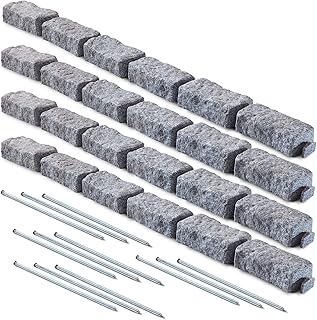
Beuta Landscape Edging | Garden Edging Border | Faux Stone Bricks for La…
Conclusion
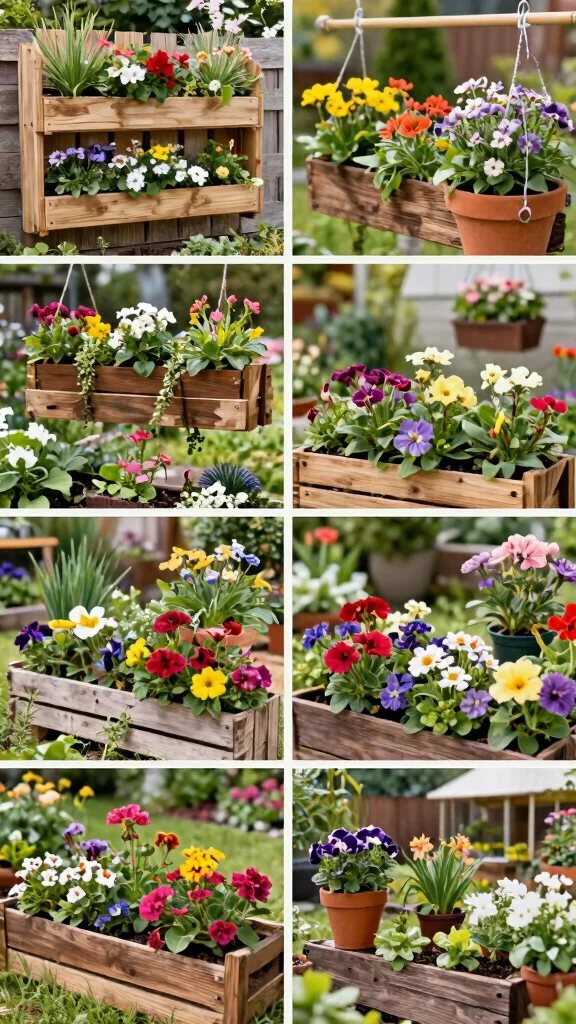
With a little creativity and some budget-friendly materials, you can transform your outdoor space into a flourishing flower paradise! Whether it’s a vertical garden, hanging planters, or charming recycled containers, there’s a DIY project here for everyone. Roll up your sleeves and start planting this weekend for a garden that’s both beautiful and wallet-friendly!
Note: We aim to provide accurate product links, but some may occasionally expire or become unavailable. If this happens, please search directly on Amazon for the product or a suitable alternative.
This post contains Amazon affiliate links, meaning we may earn a small commission if you purchase through our links, at no extra cost to you.
Frequently Asked Questions
Question: What are the best beginner-friendly diy flower beds to tackle this weekend on a budget?
Answer: Starting a diy flower beds project this weekend doesn’t have to break the bank. Here’s a simple budget gardening approach that delivers big impact.
Pick a compact vertical setup like a pallet planter or stacked crates to save space and money. Reuse materials you already have or source inexpensive options from thrift stores. Choose affordable bloomers such as marigolds, zinnias, nasturtiums, and cosmos for a colorful show all season. Use a lightweight soil mix (topsoil + compost + perlite) and add a thin layer of mulch to cut watering needs. Finish with a simple drip line or a well-planned watering routine to keep upkeep minimal.
With a little planning, you can create stunning easy flower beds in just a weekend, proving budget gardening really works.
Question: How can I build budget-friendly vertical flower beds that still look great?
Answer: Vertical beds can be gorgeous without costing a fortune. Focus on affordable materials like pallets, fabric pocket planters, and repurposed crates to create vertical flower beds. Start by choosing a sunny spot, ensure good drainage, and secure your structure so it’s stable. Fill with a lightweight potting mix and plant in layers for depth. Pair trailing varieties like petunias with compact fillers like lobelia or alyssum for fullness without breaking the bank. Finish with a light mulch and a simple water routine for lasting color. It’s a perfect affordable landscaping project that packs a punch for weekend gardening projects.
Question: Which plants give the most color and bloom for the price in diy flower beds?
Answer: Look for hardy, inexpensive performers that bloom all season. Great options include budget-friendly staples like marigolds, zinnias, cosmos, and alyssum, plus easy perennials such as daylilies and echinacea if you’re patient. Mix sun-loving annuals with a few natives to reduce water and fertilizer needs. Use color blocks and complementary textures to maximize impact on a small budget and extend the display with self-seeding varieties where appropriate. It’s all about smart choices and flower bed ideas that keep costs down without sacrificing wow factor.
Question: What steps can I take this weekend to start a diy flower bed on a budget?
Answer: Here’s a practical weekend plan. First, survey your space and pick a sun/shade balance that guides plant choices. Next, source inexpensive containers or repurpose pallets/crates for your vertical setup. Then, prep soil with a basic mix (soil, compost, perlite) and install a drainage layer. Plant quickly with a mixed sampler of affordable annuals, then mulch to lock in moisture. Finally, connect a simple watering method, like a soaker hose or drip line, and label your plantings for easy maintenance. This is a classic weekend gardening projects approach that yields visible results fast.
Question: How can I maintain budget-friendly flower beds and avoid common pitfalls?
Answer: Keep costs down by prioritizing soil health and watering efficiency. Mulch generously to reduce evaporation and weed pressure, and use native or drought-tolerant plants where possible. Check drainage and avoid overwatering, which wastes resources and can rot roots. Reuse containers, compost kitchen scraps, and split or propagate plants to expand your bed without buying more. Plan your plantings so blooms align across seasons, giving you ongoing flower bed ideas that stay affordable and thriving.
Related Topics
diy flower beds
budget gardening
vertical flower beds
affordable landscaping
weekend projects
easy flower beds
beginner friendly
outdoor decor
container gardening
seasonal flowers
creative gardening
cost-effective designs