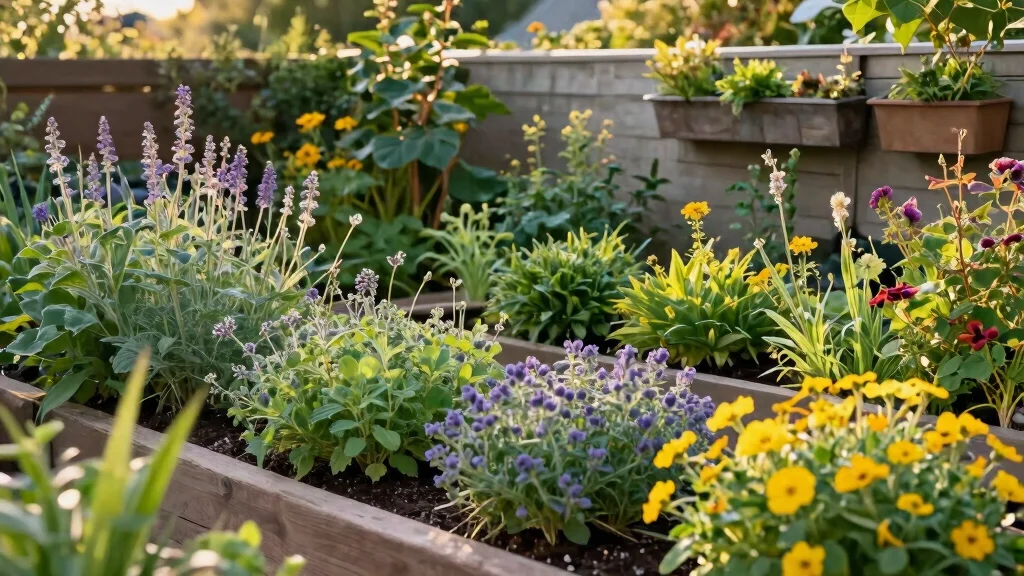
Creating a beautiful and functional herb garden in your backyard can truly elevate your outdoor experience. This time of year always reminds me of the fresh scents of basil, rosemary, and mint wafting through the air. If you’re someone who loves gardening or simply enjoys cooking with fresh herbs, this post is for you. As you scroll through the ideas I’ve gathered, you’ll find inspiration that not only makes your backyard more attractive but also enhances your culinary adventures.
I pulled together eight creative herb garden ideas perfect for outdoor backyards. These ideas are not just visually appealing; they are designed to serve practical functions as well. From container gardening for small spaces to vertical designs that maximize your area, you’ll discover practical tips on planning and cultivating your herb garden. Whether you’re a seasoned gardener or just starting, you’ll find concepts that suit all skill levels and outdoor setups.
Get ready to explore innovative designs that will transform your backyard into a lush, herb-filled oasis. You’ll learn how to create a sensory experience while attracting pollinators and enjoying the benefits of fresh herbs at your fingertips. Let’s dive into these exciting herb garden ideas that promise beauty and function!
Key Takeaways
– Discover eight unique herb garden ideas that enhance both aesthetics and usability in your backyard.
– Learn to create raised bed herb gardens that are not only functional but also visually appealing.
– Explore container herb gardening for small spaces, making it easier for everyone to enjoy fresh herbs.
– Find out how vertical herb gardens can save space and add a unique touch to your outdoor area.
– Gain tips on creating pollinator-friendly herb gardens that attract beneficial insects, enhancing your garden’s ecosystem.
1. Raised Bed Herb Gardens: Functional and Beautiful

Are you looking to maximize your backyard space while growing vibrant herbs? Raised bed gardens are a fantastic way to do just that. They provide excellent drainage, keeping your herbs’ roots healthy and thriving, and their customizable nature allows you to create a garden that fits perfectly in your outdoor space.
Position your raised bed in a sunny spot to give your herbs the light they crave. Fill it with nutrient-rich soil and mix in herbs like basil, parsley, and chives that thrive together for a delightful garden.
Tips for raised bed gardening:
– Use untreated wood to prevent harmful chemicals from leaching into your soil.
– Plant edible flowers like nasturtiums to attract pollinators and enhance beauty.
– A drip irrigation system can simplify watering.
These raised beds not only define your herb garden but also elevate the aesthetics of your backyard, making gardening manageable and enjoyable.
Raised Bed Herb Gardens: Functional and Beautiful
Editor’s Choice

Land Guard Galvanized Raised Garden Bed Kit, Galvanized Planter Garden B…


Sereniseed Certified Organic Herb Seeds (10-Pack) – Non GMO, Heirloom …

Burpee, 9 Quarts | Premium Organic Potting Natural Soil Mix Food Ideal f…
2. Container Herb Gardening: Perfect for Small Spaces

Do you have limited outdoor space but still want to enjoy fresh herbs? Container herb gardening is your solution! With a lovely array of pots, hanging planters, and window boxes, you can create a vibrant herb display that’s both beautiful and easy to care for.
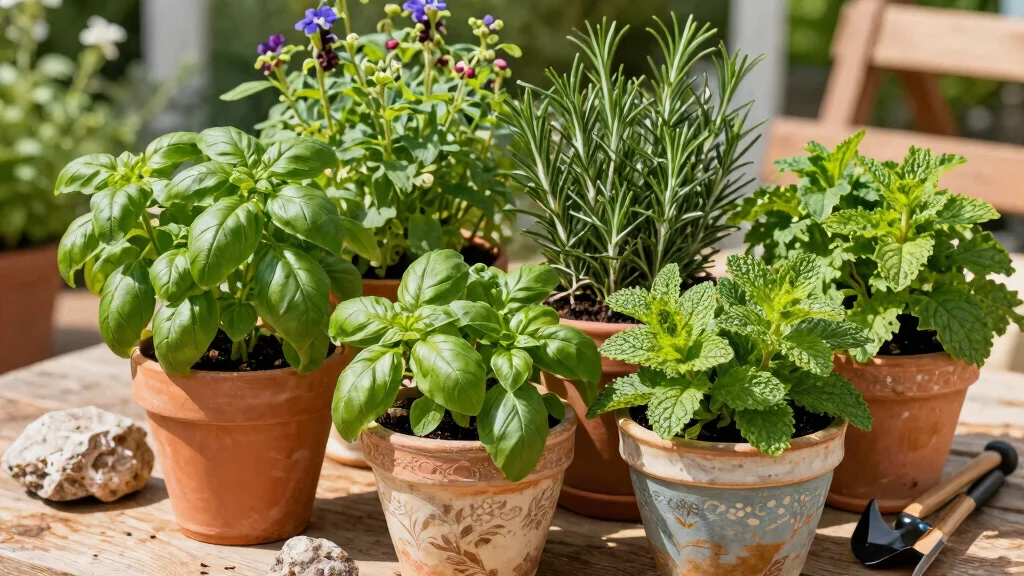
Mix different sizes and materials like terracotta and ceramic for visual interest. Group your containers for a mini herb sanctuary, making it easy to grab fresh herbs right from your kitchen.
Container gardening tips:
– Ensure drainage by using pots with holes or adding gravel at the bottom.
– Consider companion planting; some herbs thrive together, while others need space.
– Keep an eye on moisture levels, as container plants dry out more quickly.
Container gardens not only enhance your outdoor space but also inspire your culinary creations while supporting local pollinators with beautiful blooms.
Container Herb Gardening: Perfect for Small Spaces
Editor’s Choice

Vertical Gardening: Grow Up, Not Out, for More Vegetables and Flowers in…
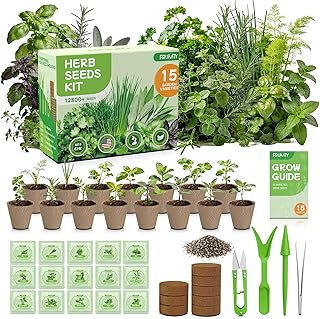
Herb Garden Starter Kit – Fruivity 12800+ 15 in 1 Herb Heirloom Seed K…

8/10/12 Inch Self Watering Pots for Indoor/Outdoor Plants – Large Plasti…
3. Vertical Herb Gardens: Space-Saving Solutions

Are you short on space but still want a flourishing herb garden? Vertical herb gardens are the perfect answer! By utilizing wall space, you can grow a variety of herbs in a stunning display that adds visual appeal to your outdoor area.
Using wall-mounted planters or repurposed pallets, you can design a vertical garden that saves space and introduces an artistic touch to your yard. This layout allows for unique growth conditions and makes harvesting easy.
Vertical garden tips:
– Select herbs that do well in smaller areas, like cilantro and chives.
– Ensure your vertical structures can support the weight of the plants and soil.
– Rotate herbs regularly to promote even sunlight exposure.
A vertical herb garden can become a striking focal point, encouraging creativity and interaction in your outdoor design.
Vertical Herb Gardens: Space-Saving Solutions
Editor’s Choice
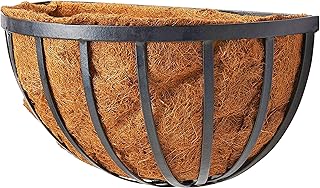
Arcadia Garden Products 1527 Half Round Wall Mounted Hanging Planter Bas…

Raised Garden Beds Outdoor with 6 Garden Planter Boxes Freestanding Vert…
4. Edible Landscaping: Merging Beauty with Functionality
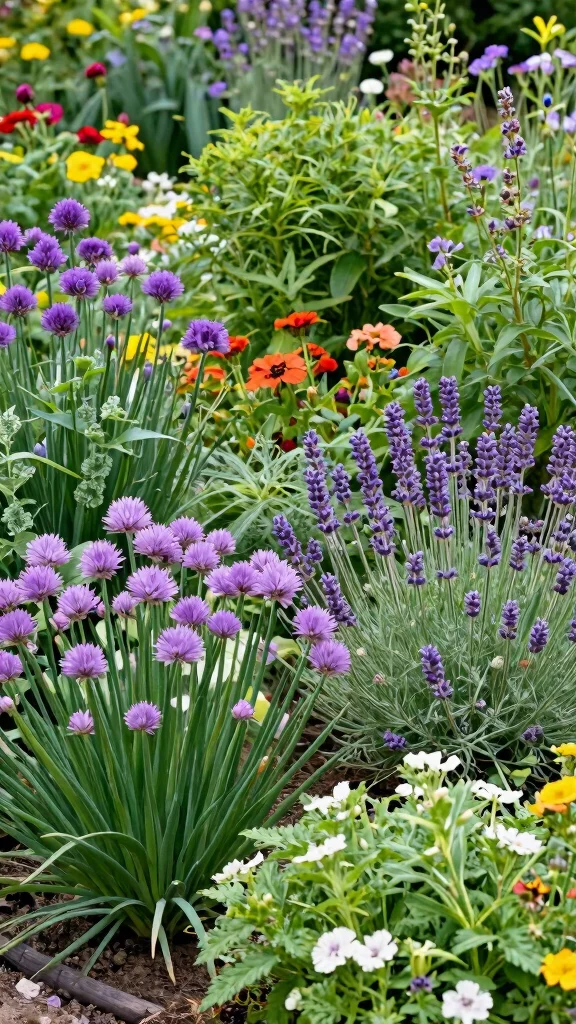
Are you ready to transform your garden into a beautiful and functional space? Edible landscaping combines ornamental plants with edible herbs like sage and rosemary, creating a stunning environment that’s also practical.
Imagine walking through a garden bursting with colorful flowers alongside fresh herbs you can easily snip for your cooking. It’s a feast for both the eyes and the palate!
Tips for edible landscaping:
– Choose herbs with attractive flowers, like chives and lavender, for added visual appeal.
– Group herbs with similar sunlight and watering needs for easy maintenance.
– Plant flowers that attract pollinators alongside your herbs to boost biodiversity.
Edible landscaping fosters a connection between food and nature, turning your garden into a vibrant ecosystem filled with life.
You might also like
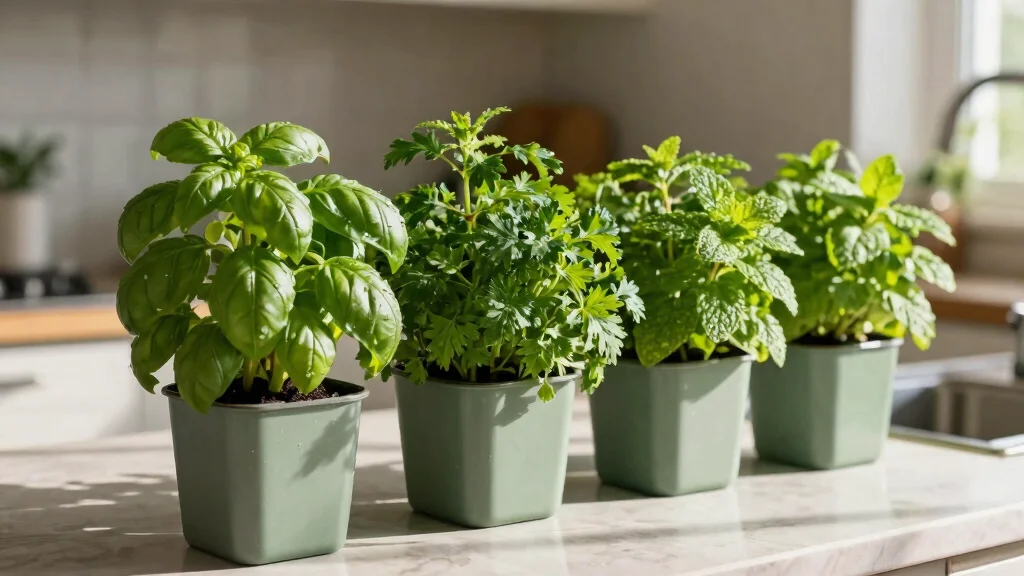

How To Choose the Right Outdoor Herb Garden Design
When planning an outdoor herb garden, selecting the right design is key to maximizing beauty and function. With so many options, it can become overwhelming. Here’s a simple guide to help you make the best choice for your backyard.
1. Define Your Space
Before choosing a design, take a good look at your outdoor area. Measure the space you have available. Is it a small balcony or a vast backyard? Knowing your space helps to narrow down options like container gardening, raised beds, or vertical gardens. Keeping your available space in mind will guide you in selecting a design that won’t overcrowd your area.
2. Consider Sunlight and Shade
Herbs thrive in sunlight, so check how much natural light your area receives. Observe the sun’s path throughout the day. Most herbs require at least 6 hours of direct sunlight daily. If your space has shaded areas, consider shade-tolerant herbs. This knowledge will help you choose an appropriate design that aligns with sunlight patterns.
3. Choose a Style That Fits Your Aesthetic
Your garden should reflect your personal style. Do you prefer a rustic look with raised beds or a modern vibe with sleek containers? Research different styles like herb spirals or pathways lined with herbs. Picking a design that fits your taste not only enhances your yard’s appearance but also makes you more excited to care for it.
4. Plan for Accessibility
Think about how you will maintain your herb garden. Choose a design that allows easy access for watering, harvesting, and overall maintenance. Raised beds are great for easy access, especially if you have mobility concerns. Ensure your layout allows pathways for walking and reaching your plants without stepping on them.
5. Factor in Watering Needs
Different herbs have varying watering requirements. Some like it dry, while others prefer moist soil. When choosing your design, consider how you will water your plants. A container garden may need more frequent watering than a raised bed. Incorporating drip irrigation or self-watering systems can also help keep your garden thriving and reduce the need for constant attention.
6. Budget Considerations
Lastly, consider how much you are willing to spend. Simple container gardens can be created with a minimal budget, while elaborate raised beds or vertical gardens may require more investment. Set a budget before you begin shopping for materials. This keeps you on track and helps you choose the design that meets your financial expectations without overspending.
Pro Tip: Start small! If you’re new to gardening, choose one or two designs and see what works best for you before expanding. This makes it easier to manage your plants and learn along the way. You can always add more herbs or experiment with new designs once you feel more confident!
By considering these factors, you’ll find the perfect outdoor herb garden design that will not only be functional but will also add beauty to your backyard. Happy gardening!
Edible Landscaping: Merging Beauty with Functio…
Editor’s Choice

Ahopegarden Indoor Garden Hydroponics Growing System: 10 Pods Plant Germ…

Best Choice Products 72x24x30in Raised Garden Bed, Elevated Wood Planter…
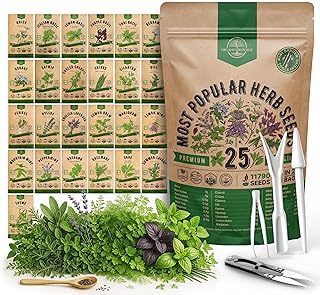
25 Most Popular Herb Seeds Variety Pack – 11,700 Non-GMO Heirloom Seeds …
5. Herb Spiral Gardens: A Unique Design Approach

Looking for a creative way to grow herbs while maximizing your garden’s potential? Herb spiral gardens are an innovative solution! This design features a spiral shape that rises, allowing various microclimates to flourish, from moisture-loving herbs to drought-resistant varieties.
Constructed with stones, bricks, or wood, a herb spiral becomes both a beautiful focal point and a functional growing space. Plant herbs like thyme, oregano, and basil along the spiral for a diverse and visually stunning collection.
Benefits of herb spiral gardens:
– The design conserves water, channeling excess down to nourish lower plants.
– It creates habitats for beneficial insects, aiding pollination.
– The spiral shape allows for easy accessibility for harvesting.
This unique garden design enhances beauty and encourages exploration and interaction in your outdoor space.
Did you know herb spiral gardens can double as a microclimate lab? In small backyards, the spiral increases usable planting area by up to 40%, guiding moisture-loving herbs at the bottom and drought-tolerant varieties higher along the curve. Perfect for herb garden ideas outdoor backyards.
📹 Related Video: This is how You build a Herb Spiral!
Herb Spiral Gardens: A Unique Design Approach
Editor’s Choice

G TALECO GEAR 5-Tier Vertical Garden Planter, 4.4Ft Vertical Raised Gard…
Sereniseed Certified Organic Herb Seeds (10-Pack) – Non GMO, Heirloom …

Plant Grow Ring DIY Kit, 40 Pcs Segments to Build 7/10/12.5 Inch Edging,…
6. Herb-Filled Pathways: A Sensory Delight

Do you dream of walking through a fragrant herb pathway? Herb-filled pathways are not only visually striking but also bring fresh culinary delights right to your fingertips. They can transform ordinary walkways into sensory experiences.
To create this enchanting path, plant herbs like thyme and oregano along the edges, adding decorative stones or bricks to define the walkway. This design encourages interaction, allowing you to brush against the herbs and release their delightful fragrances.
Pathway tips:
– Choose low-growing herbs that can tolerate foot traffic.
– Use stepping stones to create defined paths for added charm.
– Incorporate natural mulch for a polished look and improved moisture retention.
This design enhances the beauty of your outdoor space while fostering a deeper connection with nature.
Herb-Filled Pathways: A Sensory Delight
Editor’s Choice
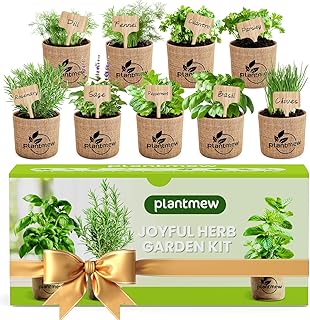
Gift for Women, Mom, Her – 9 Herb Indoor Window Garden Kit | Complete …

River Rock Stepping Stones Outdoor for Garden Walkway, 10 inch Diameter …
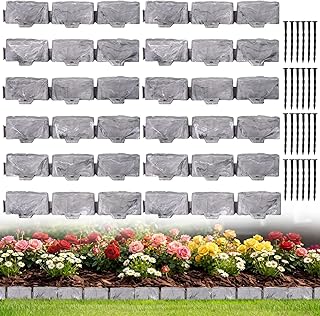
Landscape Edging Garden Edging Border Faux Stone Edging,17FT x 2.75 in T…
7. Culinary Herb Gardens: Flavor on Demand

Are you a foodie looking to enhance your culinary creations? Culinary herb gardens are essential for anyone wanting fresh flavors at their fingertips. Dedicate a section of your backyard to herbs like basil, parsley, dill, and cilantro that you frequently use in your cooking.
When planning your culinary herb garden, consider what you cook most and plant accordingly. This makes it easy to access fresh herbs while also creating a visually appealing display.
Design tips:
– Designate an area near your kitchen for quick access to culinary herbs.
– Use companion planting to boost growth; for example, planting basil with tomatoes enhances flavor.
– Regularly prune your herbs to promote healthy, bushy growth.
A culinary herb garden not only beautifies your outdoor space but also elevates your cooking experience, encouraging fresh meals at home.
Did you know a compact 4×4 ft herb plot can supply fresh basil, parsley, and dill for weekly meals? With culinary herb gardens, flavor on demand makes outdoor backyards more inviting and productive—plant what you cook most and harvest daily.
You Might Also Like

Culinary Herb Gardens: Flavor on Demand
Editor’s Choice

Seed Needs Herb Seeds Variety Pack Culinary Herb Collection (12 Individu…
Hydroponics Growing System, 6 Pods Smart Indoor Herb Garden with LED Gro…
8. Pollinator-Friendly Herb Gardens: Attracting Nature

Do you want to support local ecosystems while beautifying your garden? Creating a pollinator-friendly herb garden is key! Pollinators like bees and butterflies are attracted to the colorful blooms of herbs and edible flowers, making your garden vital for the environment.
Incorporate herbs with pollen-rich flowers, like borage and lavender, alongside other flowering plants to create a welcoming habitat for these important creatures. By planting a variety of herbs, you can create a vibrant feast of colors and scents that draws in pollinators.
Pollinator garden tips:
– Choose native herbs that thrive in your area and support local wildlife.
– Plant in clusters to create inviting spaces for pollinators.
– Avoid pesticides to maintain a healthy environment for insects.
A pollinator-friendly herb garden not only enhances your space’s beauty but also plays a crucial role in supporting biodiversity, making your garden a joyful connection to nature.
Fun fact: A small pollinator-friendly herb patch with lavender, borage, and chives can attract hundreds of visits from bees each week. For herb garden ideas outdoor backyards, planting these herbs boosts biodiversity, supports ecosystems, and makes your edible garden bloom with color and life.
Pollinator-Friendly Herb Gardens: Attracting Na…
Editor’s Choice
Seed Needs Herb Seeds Variety Pack Culinary Herb Collection (12 Individu…

EGREE Mason Bee Houses Outdoor Wooden Bee Hotel for Garden and Yard Hand…
Conclusion

Embracing these herb garden ideas can truly transform your outdoor space into a vibrant and functional paradise. Each concept not only beautifies your backyard but also serves a purpose, whether it’s attracting pollinators or providing fresh ingredients for your meals.
As you plan your herb garden, consider how you can incorporate these ideas to create a unique and inviting space that reflects your personality and love for nature. Happy gardening!
Note: We aim to provide accurate product links, but some may occasionally expire or become unavailable. If this happens, please search directly on Amazon for the product or a suitable alternative.
This post contains Amazon affiliate links, meaning we may earn a small commission if you purchase through our links, at no extra cost to you.
Frequently Asked Questions
What are the best herb garden ideas for outdoor backyards to boost beauty and function?
Great question! For outdoor herb garden ideas that look beautiful and work hard in your backyard, start with sun, soil, and space. Create a smart outdoor herb garden design by using raised beds or tight borders and group herbs by their sun needs. Mix culinary favorites like basil, thyme, oregano, rosemary, and sage with flowering companions and a few edible blooms such as nasturtium or borage to attract pollinators. For backyard herb garden planning, map the area, leave easy harvest paths, and install a simple irrigation plan. A few edible landscaping tips: enrich the soil with compost, mulch to retain moisture, and rotate herb families each season.
How can I design my space to attract pollinators while growing herbs for culinary use?
Aim for bloom diversity and nectar-rich plants that keep pollinators visiting throughout the season. Pair culinary herbs like lavender, lemon balm, chives, and oregano with edible flowers for constant blooms, using edible landscaping tips to maximize both beauty and yield. Add a shallow water source, avoid pesticides, and plant in sunny, sheltered spots to make your backyard herb garden a magnet for bees and butterflies.
What are practical container herb gardening ideas for small backyards or balconies?
Container herb gardening is a game changer for small spaces. Choose containers with drainage, use a loose, high-quality potting mix, and group several pots by sun exposure. Great picks for containers include basil, thyme, chives, parsley, and oregano, which thrive in pots and can be moved as the light shifts. Explore vertical herb garden ideas with wall-mounted pockets or tiered planters to maximize growing space. Keep a simple drip or hand-watering routine to prevent drying out, and rotate plant groups to prevent disease.
How should I plan and layout a backyard herb garden to maximize yield and pollinator visits?
Start with a simple plan: map sun/shade, list the herbs you use most, and design zones that minimize walking distance from the kitchen. Use backyard herb garden planning to place high-use herbs at elbow height and nearer paths, with pollinator-friendly companions in nearby beds for continuous bloom. Implement an efficient irrigation plan (drip if possible), mulch to conserve moisture, and stagger planting so there’s always something flowering. Finish with paths for easy access and a tidy edge to keep maintenance simple.
What edible flowers can I include with herbs to boost beauty and pollinator appeal?
Edible flowers are the perfect partner to herbs for beauty and pollinators. Consider nasturtiums, calendula, borage, violas, and edible cosmos to add color and nectar. Interplant with herbs like thyme, rosemary, and oregano so bees find a steady supply of forage across seasons. This approach aligns with edible landscaping tips and keeps your herb garden ideas outdoor backyards vibrant and productive. Remember to harvest flowers when they’re fully opened for the best flavor and appearance.
Related Topics
herb garden ideas
outdoor herb garden
container gardening
vertical garden design
edible flowers
pollinator friendly
backyard planning
easy gardening
DIY herb beds
seasonal herbs
sustainable landscaping
beginner gardening