
Creating a raised garden bed can be a delightful way to grow your favorite plants, especially if you’re working with limited space. As I dive into the joys of gardening this season, I find myself craving new ideas to maximize the beauty and productivity of my backyard oasis. If you’re someone who loves creating beautiful gardens but struggles with limited space or organization, this post is for you. I’ve gathered seven raised garden beds layout ideas that will inspire you to transform your small area into a flourishing vegetable paradise.
Whether you’re a gardening newbie or a seasoned pro, these layouts will help you utilize your space effectively while adding a touch of charm to your garden. You can expect practical ideas that are not only visually appealing but also encourage a thriving vegetable garden layout. From vertical stacking to circular beds, you’ll discover plans that fit your style and needs. Get ready to bring your garden dreams to life with layouts that are functional, pretty, and perfect for your small space.
Key Takeaways
– Vertical Stacking Beds: Use vertical space to grow more plants in less area while making a striking visual statement. This layout is ideal for small gardens and can include various plants at different heights.
– L-Shaped Beds: This layout maximizes corner spaces and offers easy access to all sides. It’s great for organizing different plant types, making your garden both functional and attractive.
– Circular Raised Beds: These beds create a focal point in your garden. They allow for more space in the center, making it easier to reach all your plants while adding an aesthetic touch to your layout.
– Tiered Garden Steps: This layout is perfect for sloped areas, providing unique levels for planting. It helps with drainage and makes the garden visually appealing while maximizing planting area.
– Grid Layout for Organization: A grid layout allows for a systematic approach to gardening, which is great for beginners. It simplifies plant organization and makes crop rotation easy to manage.
1. Vertical Stacking Beds
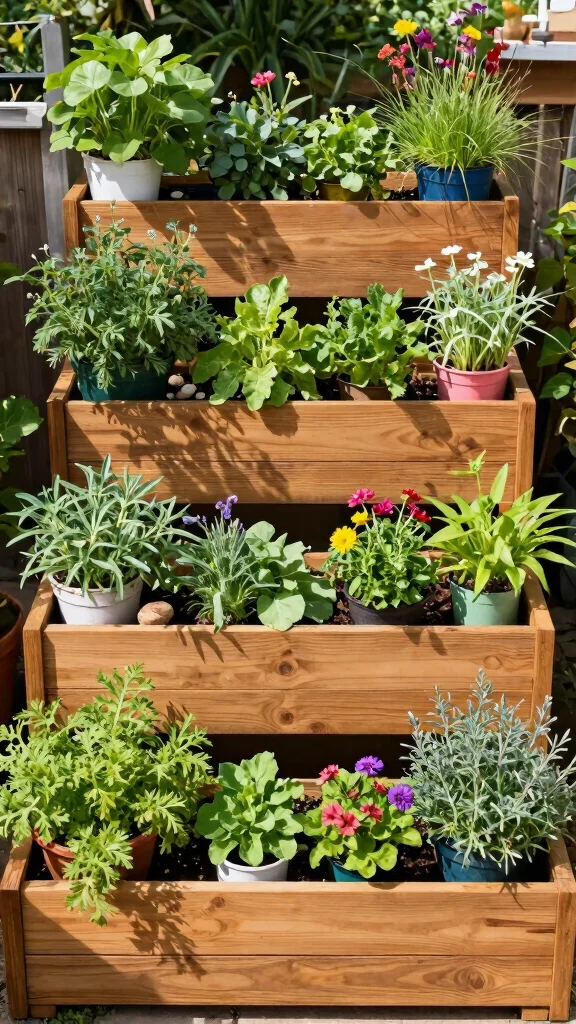
If you’re short on ground space but still want a lush garden, vertical stacking beds are your answer. Picture a striking multi-tiered design that allows you to grow an array of plants in an organized fashion. With the right materials and colors, you can create a stunning garden that reaches for the sky, showcasing your favorite herbs, salads, and even strawberries effortlessly.
To make the most out of vertical stacking beds, choose lightweight materials for the tiers to ensure stability. Implementing a drip irrigation system can help keep your plants thriving without the hassle.
Key ideas for your vertical garden:
– Use trailing plants on the top tier
– Plant sturdy varieties at the bottom
– Incorporate decorative elements for a personal touch
This layout not only saves space but also adds a beautiful focal point to your garden. You’ll enjoy a thriving garden with maximum visual impact.
Vertical Stacking Beds
Editor’s Choice

Espoma Organic Raised Bed Mix – All Natural and Organic Potting Soil Mix…


3 in 1 Galvanized Raised Garden Bed – 4x2x1ft (2Packs) Modular Planter B…

GameXcel Vertical Planter Tower – 5 Tier Stackable Garden Planters with …
2. L-Shaped Beds

L-shaped raised garden beds turn corner spaces into extraordinary growing areas. This design efficiently maximizes your planting area while adding an intriguing visual element to your garden setup. You can easily separate different plant types, making it simple to tend and harvest while enjoying the view.
To enhance your L-shaped garden, create paths or stepping stones for easy access. You might even want to add a small seating area to relax and enjoy the scenery.
Design tips for your L-shaped bed:
– Pair low-growing herbs at one end
– Plant tall, colorful flowers at the opposite end
– Use borders to define sections clearly
This layout not only organizes your plants but also promotes an enjoyable gardening experience. You’ll love how functional and beautiful your garden becomes.
Dimensions & Size Guide
Standard Sizes & Measurements:
When planning your raised garden beds layout, understanding the standard sizes is essential. Typically, raised garden beds range from 4 feet by 4 feet to 4 feet by 8 feet. These sizes offer ample space without overwhelming your small area. For vertical raised beds, consider dimensions of 6 feet tall by 2 feet wide. This design maximizes space while allowing easy access to your plants.
For depth, a minimum of 12 inches is recommended for most vegetables, while 18 inches is ideal for root vegetables like carrots and potatoes. Proper depth ensures that plants have enough room for their roots to grow without becoming root-bound. Always factor in additional space for walkways around your garden beds. A minimum of 2 feet of space around each bed allows easy access for planting and maintenance.
Quick Reference Table:
Size/Dimension – Best for: [Use case], Minimum space needed: [Measurement]
– 4′ x 4′ – Best for: Small vegetable selection, Minimum space needed: 4′ x 4′
– 4′ x 8′ – Best for: Larger vegetable garden layout, Minimum space needed: 4′ x 8′
– 2′ x 6′ – Best for: Vertical gardening, Minimum space needed: 2′ x 6′
– 3′ x 3′ – Best for: Herbs and smaller plants, Minimum space needed: 3′ x 3′
Space Planning Tips:
1. Measure Twice: Before building, measure your space accurately. This prevents costly mistakes in your design.
2. Consider Sunlight: Make sure your raised beds get at least 6 hours of sunlight daily. Positions matter, so plan accordingly!
3. Access for Maintenance: Ensure that you have enough access space around your beds for watering, weeding, and harvesting. Avoid tight spots that make tasks difficult.
4. Avoid Narrow Paths: Paths narrower than 2 feet can become cramped. Plan your layout for comfort and ease of movement.
5. Check Drainage: Make sure your beds are elevated enough to drain well. Poor drainage can harm plant growth.
Pro Tip:
The most important measurement to consider is the depth of your raised beds. Ensuring they are at least 12 inches deep will set you up for success. Your plants need room to thrive! 🌱
L-Shaped Beds
Editor’s Choice

Elevated Wood Raised Garden Bed, 48 x 24 x 30in Wooden Planter Box with …
3. Circular Raised Beds

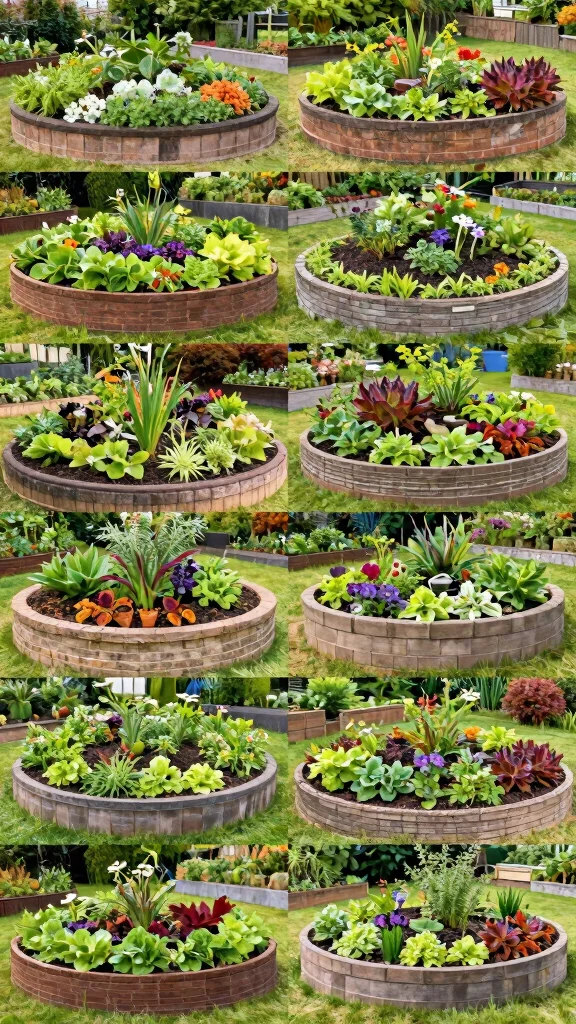
Circular raised garden beds add a whimsical touch to your gardening space. Their unique shape allows for easy access from all sides, turning gardening into an interactive experience. Imagine a vibrant centerpiece filled with a delightful mix of plants that are easy to reach without compacting the soil.
For a visually stunning effect, plant taller varieties in the center and gradually transition to shorter plants around the edges. This creates an inviting layered look that enhances your garden’s charm.
Creative ideas for circular beds:
– Add trellises or arches for climbing plants
– Use colorful flowers for visual appeal
– Incorporate aromatic herbs to attract pollinators
This layout transforms your garden into an enchanting destination. You’ll invite nature and beauty right into your backyard.
❝ Fun fact: circular raised beds make reaching every plant a breeze, reducing soil compaction by up to 40%. When planning a raised garden beds layout, place taller plants in the center and shorter ones at the edge for a lush, accessible centerpiece. ❞
📹 Related Video: How to make a circle garden bed
Circular Raised Beds
Editor’s Choice

Plant Ruler by Snurfado – Wooden Seed Spacing Tool for Vegetable Garde…

Utopia Home Galvanized Raised Garden Bed Kit 2x2x1 Ft, Planter Box Round…
Espoma Organic Raised Bed Mix – All Natural and Organic Potting Soil Mix…
4. Tiered Garden Steps

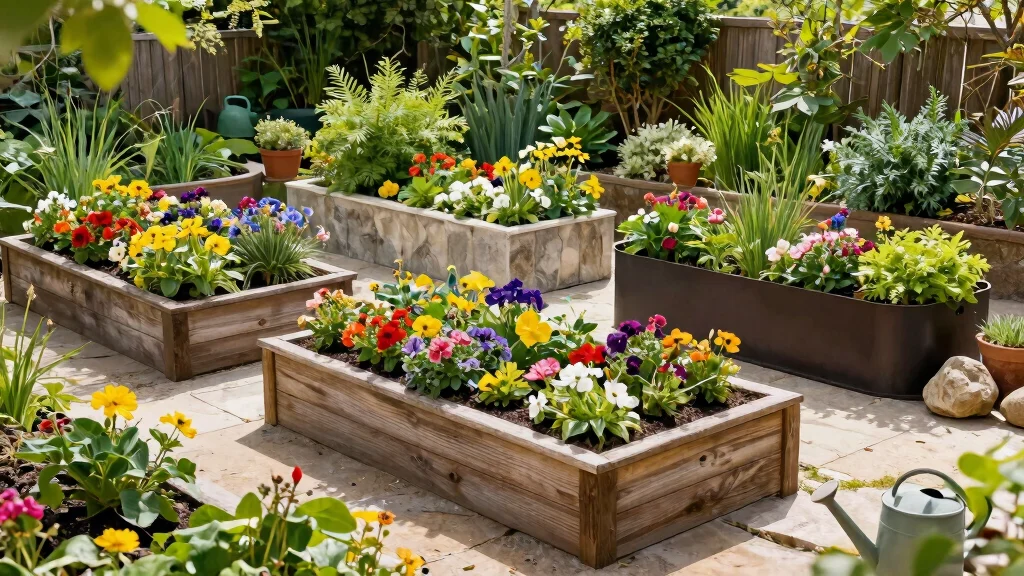
Transform uneven terrain into a cascading beauty with tiered garden steps. This layout not only enhances drainage but also provides an appealing visual effect. Each tier can host a different variety of plants, creating a mixed landscape that’s both functional and attractive.
When building tiered steps, ensure you use sturdy materials to support the weight of the soil and plants. This will help you create a lasting structure that thrives in various microclimates.
Planting ideas for tiered gardens:
– Position sun-loving plants on the top tiers
– Use shade-tolerant varieties lower down
– Mix colors and textures to create intrigue
This design maximizes your gardening space while promoting healthy plant growth. Prepare to be amazed at how beautiful and organized your garden can be.
Fun fact: Tiered garden steps can increase usable planting area by up to 40% in small spaces, while improving drainage. With sturdy materials and deliberate plant choices, you’ll create a lasting, cascading landscape that thrives across microclimates.
You might also like

Tiered Garden Steps
Editor’s Choice
Espoma Organic Raised Bed Mix – All Natural and Organic Potting Soil Mix…

Yaheetech 8×2ft Wooden Horticulture Raised Garden Bed Divisible Elevate…
5. Grid Layout for Organization

If organization is your passion, a grid layout could be the perfect fit. This design uses a series of raised beds arranged in a defined grid pattern, making it easy for you to plan and maintain your garden. Each section promotes optimal plant spacing, ensuring they have room to flourish.
Consider labeling your beds with colored stakes to easily identify different plant varieties. This not only helps beginners but can also add a fun touch to your garden design.
Garden ideas for your grid layout:
– Mix vegetables like tomatoes and peppers
– Incorporate leafy greens for variety
– Add flowers to attract pollinators
This layout encourages productivity and visual interest. You’ll find gardening becomes even more enjoyable and rewarding.
Grid Layout for Organization
Editor’s Choice

VITEVER 100pcs Plant Labels, T-Type Plastic Tags with Marker Pen, Waterp…

DIY Garden Design Planner: Garden Layout Notebook for organized and insp…

Land Guard Galvanized Raised Garden Bed Kit, Galvanized Planter Garden B…
6. U-Shaped Garden Beds

U-shaped garden beds create a cozy and inviting space that makes gardening a pleasure. This layout maximizes your planting area while ensuring accessibility from multiple sides, perfect for smaller gardens. Including a sitting area or a pathway in the center enhances both functionality and comfort.
To increase the visual appeal, consider placing taller plants or trellises at the ends of the U. This allows you to cultivate a lovely mix of short and tall plants in one cohesive space.
Planting options for U-shaped beds:
– Combine vegetables and colorful flowers
– Create a vibrant tapestry of colors
– Use herbs for added fragrance and interest
This design not only enhances your planting area but also creates a welcoming gathering spot. You’ll love how your garden feels like an extension of your home.
❝ Did you know a U-shaped raised garden beds layout can triple accessibility in a small yard? The center path lets you reach plants from three sides, so you can garden comfortably without stepping on beds. ❞
You Might Also Like

U-Shaped Garden Beds
Editor’s Choice

Garden Bench,Outdoor Benches,Iron Steel Frame Patio Bench with Mesh Patt…

VOXOR Metal Trellis for Climbing Plants Outdoor, 70 * 19.7 Inch Tall Gar…
Yaheetech 8×2ft Wooden Horticulture Raised Garden Bed Divisible Elevate…
7. Raised Bed with Trellis

Incorporating a trellis into your raised garden bed design can truly elevate your gardening game. This layout maximizes vertical space, allowing climbing plants to thrive while adding elegance to your garden. Imagine peas, tomatoes, and flowering vines reaching upwards, creating a stunning visual display.
For optimal growth, position your trellis on the sunniest side of the raised bed. Plant companion varieties at the base to increase productivity and create a lush environment.
Plant suggestions for trellis beds:
– Choose climbing varieties like beans and cucumbers
– Use low-growing herbs around the base
– Mix in colorful flowers for added charm
This setup transforms your garden into a functional and beautiful space. You’ll enjoy a vibrant garden that becomes a centerpiece of your outdoor oasis.
Raised Bed with Trellis
Editor’s Choice

RUBFAC 7.8ft Garden Arch Trellis for Climbing Plants Outdoor, Metal Arch…

Vegetable Companion Planting Guide Poster Garden Planting TypesE Canvas …
Conclusion
Elevating your gardening game with raised beds doesn’t just beautify your space; it’s a pathway to greater productivity and enjoyment. Whether you prefer vertical stacking or L-shaped layouts, there’s a perfect design for everyone.
As you plan your garden, remember that each layout can reflect your style while serving the needs of your plants. Don’t be afraid to mix and match ideas to create your dream garden space. Happy planting!
Note: We aim to provide accurate product links, but some may occasionally expire or become unavailable. If this happens, please search directly on Amazon for the product or a suitable alternative.
This post contains Amazon affiliate links, meaning we may earn a small commission if you purchase through our links, at no extra cost to you.
Frequently Asked Questions
What are the best raised garden beds layout ideas for small spaces?
For small spaces, focus on vertical and modular raised garden bed layout ideas.
Start by mapping the area, then place 2–3 compact beds (for example a 4×2 ft bed paired with a 2×4 ft trellis bed) so climbers can grow up while greens stay on the ground.
Keep a narrow path (about 24–30 in) or choose wall-mounted options to maximize sun. Use raised garden bed plans that let you add more later. Choose durable materials like cedar or recycled composites, and aim for about 12–18 inches of soil depth for most vegetables. Add a simple drip system to water efficiently. This practical raised garden beds layout keeps things beautiful and productive in small spaces.
How can I design a vertical raised beds layout for a vegetable garden in a small yard?
A vertical approach uses height to multiply space. Start with a sunny wall or fence and install a tiered or pocket-style system.
Example plan: a 2×2 ft bottom bed for root veggies, a 2×2 ft middle bed for leafy greens, and a top trellis for climbing beans or cucumbers. Leave 24 inches of clearance for access, and use proper drainage with a simple drip line to water efficiently.
Choose vegetable garden layout concepts that emphasize vertical growth and raised garden bed plans that are modular so you can expand as needed. This compact setup is practical and productive for small yards.
What garden bed design tips are essential for beginners when planning raised beds?
Start with ergonomics in mind: aim for bed heights around 12–18 inches and soil depths of 6–12 inches for many vegetables.
Use a good soil mix (topsoil + compost + perlite) for strong, healthy plants and ensure proper drainage. Group plants by water needs, label everything clearly, and keep a simple rotation plan to avoid soil fatigue. A few well-placed trellises or supports can dramatically boost space efficiency. These are practical gardening tips for beginners that help you build a solid garden bed design and a tidy raised garden bed layout from day one.
How do I choose raised garden bed plans that maximize space and productivity?
First map your space and sun exposure, then decide between fixed rectangular beds or modular raised garden bed plans that can grow with you.
Consider bed width (2–3 ft for easy reach), depth (12–18 inches for most vegetables), and material weight. Plan crop placement by sun and water needs to create an efficient vegetable garden layout. Add features like built-in trellises or irrigation to save space. Sketch your layout and adjust until it’s both beautiful and productive.
What is the best way to organize a garden bed layout to keep everything neat and productive?
Organization starts with a clear system. Use a simple garden bed organization plan: divide beds into sections for each vegetable, leave room for rotation, and document a yearly crop plan. Label beds with weatherproof markers, keep a planting calendar, and practice succession planting for steady harvests. Keep paths tidy and narrow to maximize bed area, and use color-coded markers or a grid to simplify maintenance. A well-organized layout makes your raised beds both beautiful and consistently productive.
Related Topics
raised garden beds layout
vertical gardening
small space design
vegetable garden layout
beginner gardening tips
garden bed organization
DIY garden beds
space-saving gardening
easy garden projects
sustainable gardening
urban gardening
container gardening