
Creating a beautiful garden on a slope can feel like a daunting task. Uneven terrain often presents challenges that can discourage even the most enthusiastic gardeners. Yet, slopes can be transformed into stunning outdoor spaces with the right approach. I created this guide to help you turn those gardening woes into wins by showcasing nine unique raised garden bed ideas that will make the most of your sloped landscape.
If you’re someone who loves gardening but struggles with uneven spaces, this post is for you. Whether you’re a seasoned gardener or just starting out, you’ll find practical and creative solutions that fit your style and needs. From tiered beds to modular planters, these ideas will not only enhance the beauty of your garden but also maximize your growing space efficiently.
By diving into this article, you’ll discover tips and tricks that will simplify your gardening efforts on a slope. You’ll learn how to design your garden creatively and effectively, ensuring you get the most out of your outdoor area. Get ready to dig in and explore these innovative raised garden beds that will make your sloped garden thrive!
Key Takeaways
– Tiered Raised Beds: Create visual interest while maximizing growing space by using tiered designs that accommodate different plant heights and types.
– Modular Vertical Planters: Save space on a slope by using vertical planters that can be rearranged or expanded based on your garden’s needs.
– Stone Retaining Walls: Use natural stone to build retaining walls that serve as sturdy raised beds, blending aesthetics and function beautifully.
– Built-in Seating Options: Incorporate seating into your raised beds for a functional garden area where you can relax and enjoy your hard work.
– Companion Planting Benefits: Enhance growth and deter pests by pairing compatible plants together in your raised beds, promoting a healthier garden ecosystem.
1. Tiered Raised Beds for Pleasant Aesthetics

Tiered raised beds are a fantastic way to tackle sloped gardens, giving you the chance to grow a variety of plants while enhancing your outdoor space. With boxes stacked at different levels, you create not just visual interest, but also unique microclimates that benefit your plants. This design maximizes sunlight and improves drainage, which is crucial for healthy growth in challenging terrain.
Start by planning the heights of your tiers to ensure easy access for planting and maintenance. Consider using materials like wood or stone, which blend beautifully into the landscape. Native plants are a great choice since they typically require less care and thrive in these setups.
Key features to consider:
– Use durable materials like wood or stone for longevity
– Design each tier for easy access to plants
– Select native plants for low-maintenance beauty
This design not only adds beauty to your garden but encourages a thriving environment where plants can flourish.
Tiered Raised Beds for Pleasant Aesthetics
Editor’s Choice

Yaheetech 8×2ft Wooden Horticulture Raised Garden Bed Divisible Elevate…


Espoma Organic Raised Bed Mix – All Natural and Organic Potting Soil Mix…
2. Modular Vertical Planters for Space Efficiency

If you’re looking to make the most of your garden space, modular vertical planters are a smart choice. They can be arranged to fit snugly into your slope, creating a vibrant display while maximizing planting area. This vertical approach not only saves ground space but also brings a fresh, eye-catching element to your garden.
Consider using stackable containers that allow for easy reconfiguration. Fast-growing plants like herbs and small vegetables flourish in these setups, keeping your garden dynamic. Integrating a drip irrigation system will enhance efficiency, ensuring your plants receive adequate water.
Steps to implement:
– Choose stackable containers for flexible arrangements
– Plant fast-growing herbs or vegetables for quick harvests
– Add drip irrigation for efficient watering
These planters can become a stunning focal point, transforming your garden into a lush vertical oasis.
Fun fact: modular vertical planters can double your usable planting area on a slope in minutes. Stackable units fit 2x more herbs and small vegetables than traditional beds. These raised garden beds on a slope prove space-efficient and lush.
Modular Vertical Planters for Space Efficiency
Editor’s Choice
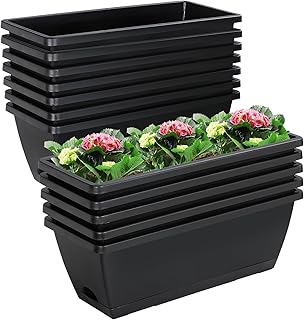
12Pcs 17Inches Rectangle Planter Box with Drainage Holes and Trays Plast…

6 Pockets Hanging Planters for Outdoor Plants, One Pack Wall Planter Ver…

Raised Garden Beds with 6 Garden Planter Boxes Indoor Outdoor Vertical R…
3. Stone Retaining Walls as Raised Beds
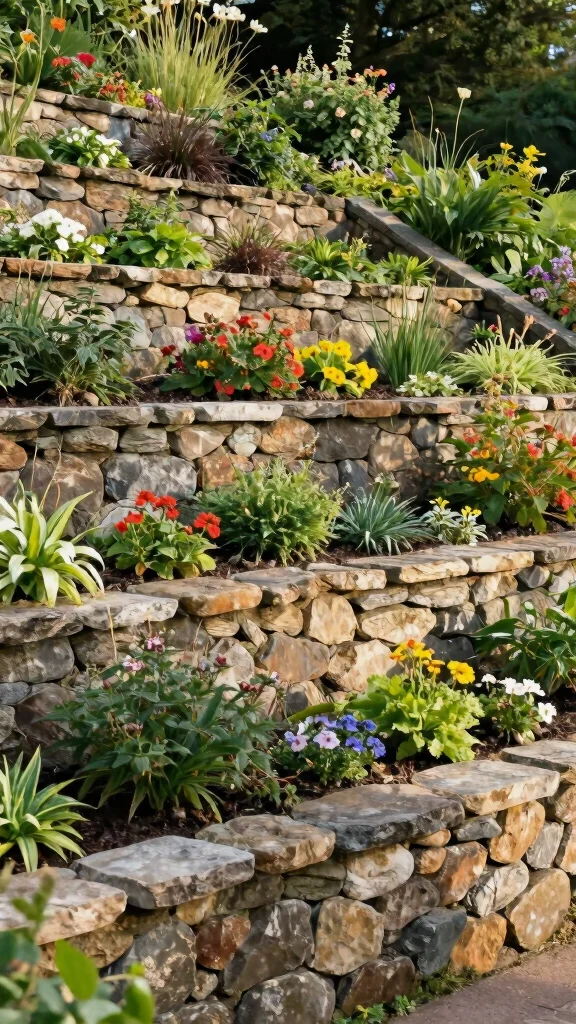
Transforming your slope with stone retaining walls that double as raised beds can create a stunning and functional feature in your garden. These sturdy structures not only hold soil but also bring a rustic charm that enhances the natural beauty of your landscape. By planting in these walls, you add a unique element that harmonizes with your yard.
Select local stones that fit your environment for a seamless look. Deep-rooted plants thrive in this stable setting, while pathways can be incorporated for easy access to your greenery. This design encourages a diverse plant palette, making your garden vibrant and inviting.
Things to consider:
– Choose local stones for a natural fit
– Opt for deep-rooted plants for stability
– Integrate pathways for easy access
This approach not only supports healthy plant growth but also creates an impressive focal point in your garden that will captivate onlookers.
Stone Retaining Walls as Raised Beds
Editor’s Choice

EasyFlex No-Dig Landscape Edging with Anchoring Spikes, 2.7 in Tall Deco…
Espoma Organic Raised Bed Mix – All Natural and Organic Potting Soil Mix…

FANTIAN 20 lbs Large River Rocks for Outdoor Landscaping, 3-4 Inch Decor…
4. Corrugated Metal for a Modern Touch

For a modern twist in your sloped garden, consider using corrugated metal for your raised beds. This material is not only stylish but also provides excellent drainage, making it ideal for uneven terrain. The reflective surface can enhance sunlight exposure, promoting better growth for your plants.
Combine metal with wooden accents for a striking contrast that adds depth. Opt for taller plants to complement the height of these beds, and think about painting the metal to introduce vibrant colors to your garden.
Consider these ideas:
– Pair with wood accents for contrast
– Choose tall plants for visual balance
– Use painted metal for a colorful touch
With their sleek appearance and practical benefits, corrugated metal beds will undoubtedly stand out in your garden design.
📹 Related Video: Building a Raised Garden Bed with Corrugated Steel
Corrugated Metal for a Modern Touch
Editor’s Choice

Colorado Steel Rustic Corrugated Metal Wainscoting (5-Pack Antique) – Gr…

Miracle-Gro Organic Outdoor Potting Mix – Plant Soil for Outdoor Contain…

Wood Garden Edging, Wooden Fence Border Decorative Small Picket Panels f…
5. Raised Planters with Built-in Seating

Combining functionality with beauty, raised planters that feature built-in seating create a cozy gathering spot in your garden. This dual-purpose design allows you to enjoy your sloped area while addressing space challenges effectively. It’s the perfect way to make your garden a relaxing retreat.
Design the seating to be inviting, ensuring comfort for family and friends. Incorporate a variety of plants—flowers, herbs, and veggies—to stimulate the senses. Creating pathways around the seating enhances flow and accessibility, making it easy for everyone to enjoy your outdoor space.
Key design features:
– Ensure comfortable seating for relaxation
– Mix flowers, herbs, and vegetables for variety
– Surround with pathways for easy access
This setup encourages outdoor enjoyment, transforming your garden into a welcoming oasis.
You might also like


Raised Planters with Built-in Seating
Editor’s Choice

Keter Urban Bloomer 12.7 Gallon Raised Garden Bed and Outdoor Herb Garde…

Summsun Outdoor Bench Cushion: Waterproof and Fade Resistant Patio Furni…
6. Circular Raised Beds for Unique Landscapes

Circular raised beds offer a refreshing break from traditional garden shapes, adding a unique flair to your sloped landscape. Their rounded design allows for easy access from all sides, creating an inviting space that encourages exploration. This layout can also serve as a stunning visual centerpiece.
Incorporate various sizes to create an engaging layout that captures attention. Grouping compatible plants together can enhance growth and aesthetics, while using taller plants in the center draws the eye and adds height to the design.
Consider these tips:
– Use various sizes for interest
– Group compatible plants for mutual benefits
– Position tall plants at the center for focus
Circular beds not only optimize space but also inspire creativity and movement in your garden.
Fun fact: Circular raised garden beds on a slope boost irrigation efficiency by up to 25% and accessibility—sowing from all sides becomes a breeze. Use mixed sizes to create a visual centerpiece, and group taller plants in the center for easier maintenance and eye-catching symmetry.
Key Trade-offs & Our Top Pick
When it comes to creating raised garden beds on a slope, each option has its own set of benefits and limitations. Here’s a closer look at different choices you might consider.
1. Tiered Raised Beds
– Pros:
– Visually appealing with different heights that add character to your garden.
– Provides excellent drainage and easier access for planting and harvesting.
– Cons:
– Requires more soil and material, which can increase costs.
– Building can be labor-intensive, potentially needing more time.
– Best for: Those looking to create a striking garden layout that also functions well on uneven terrain.
2. Modular Vertical Planters
– Pros:
– Space-efficient, allowing you to grow more in smaller areas.
– Easy to rearrange and customize based on your needs.
– Cons:
– Limited soil depth may restrict root growth for larger plants.
– Can be more expensive per square foot compared to traditional beds.
– Best for: Urban gardeners or those with limited space who want to maximize their growing area.
3. Stone Retaining Walls
– Pros:
– Durable and can enhance the overall look of your garden.
– Provides excellent structural support and can help prevent erosion.
– Cons:
– Heavy materials require significant upfront labor and skill to install.
– More expensive than wood or plastic options.
– Best for: Homeowners looking for a permanent and sturdy solution to manage slopes.
4. Corrugated Metal Beds
– Pros:
– Offers a modern aesthetic that’s different from traditional wood.
– Quick to assemble and often lightweight for easier positioning.
– Cons:
– Can heat up quickly, potentially harming sensitive plants.
– May rust over time, requiring maintenance.
– Best for: Gardeners who appreciate a contemporary style and want something unique.
5. Raised Planters with Built-in Seating
– Pros:
– Dual purpose provides a place to relax while gardening.
– Encourages more time spent in the garden, enhancing the hobby.
– Cons:
– Takes up more space, which might not suit small yards.
– Higher initial cost due to additional materials and complexity.
– Best for: Those looking to create a social space in their garden while gardening.
Expert Recommendation:
Best Overall: Tiered Raised Beds
Tiered raised beds are our top pick for most gardeners. They balance aesthetics and functionality well. You get the beauty of a multi-level design while still enjoying practical benefits. They offer good drainage, easy access, and can be built to fit your style. The initial investment in materials and time pays off in long-term durability and enjoyment.
Why We Picked This:
While tiered raised beds are well-suited for a variety of situations, some might prefer modular vertical planters for tighter spaces or stone retaining walls for a more permanent solution. Each option has its merits, so consider your specific needs, budget, and design preferences when choosing the best raised garden beds on a slope for your landscape.
Circular Raised Beds for Unique Landscapes
Editor’s Choice

Utopia Home Galvanized Raised Garden Bed Kit 2x2x1 Ft, Planter Box Round…
Espoma Organic Raised Bed Mix – All Natural and Organic Potting Soil Mix…
7. Reclaimed Wood for Eco-Friendly Options

Opting for reclaimed wood in your raised beds is a sustainable choice that adds charm and character to your garden. These beds can be crafted to fit your slope while maintaining a rustic aesthetic that complements your surroundings. It’s an eco-friendly solution that tells a story.
Ensure that the wood is treated to resist pests and decay, extending its lifespan. Pairing these beds with native plants can enhance their growth and reduce maintenance needs. Designing with curves can soften the look and integrate your garden into the landscape.
Key considerations:
– Ensure treatment for longevity
– Use native plants for low maintenance
– Design with curves for a softer edge
Reclaimed wood not only showcases your commitment to sustainability but also creates a warm, inviting atmosphere in your garden.
Reclaimed wood brings eco-friendly charm to raised beds on a slope. Treat the timber against pests, shape the beds with curves, and pair with native plants for easy maintenance and thriving growth.
Reclaimed Wood for Eco-Friendly Options
Editor’s Choice

The Drought-Defying California Garden: 230 Native Plants for a Lush, Low…
Garden Box Sealer | FDA Food Contact Safe Plant-Based Wood Sealant for R…

Best Choice Products 72x24x30in Non Toxic Galvanized Raised Garden Bed, …
8. Irrigation Systems for Optimal Growth

Efficient watering is essential when gardening on slopes, and installing irrigation systems in your raised beds can solve this challenge. These systems ensure your plants receive the moisture they need without the risk of losing soil and nutrients to runoff. This is especially crucial on uneven terrain where water can easily wash away.
Consider using drip irrigation for precise watering that minimizes waste. Timers can help automate your watering schedule, ensuring consistency, while harvesting rainwater can promote sustainability in your garden.
Smart irrigation solutions:
– Implement drip irrigation for targeted watering
– Use timers for automated schedules
– Collect rainwater for eco-friendly watering
By setting up an effective irrigation system, you can focus on growing healthy plants while ensuring they thrive in your sloped garden.
You Might Also Like

Irrigation Systems for Optimal Growth
Editor’s Choice

Outdoor Garden Hose Faucet Timers, Programmable Water Sprinkler Timer wi…

CARPATHEN Drip Irrigation System Kit – Complete Premium Garden Watering …

Upgraded 230FT Drip Irrigation System with 1/4″ Soaker Hose -Weeping Tec…
9. The Beauty of Companion Planting

Companion planting is an excellent strategy for raised beds, especially in sloped areas where maximizing space is essential. By planting compatible species together, you create a balanced ecosystem that promotes healthier plants and enhances yields. This method not only optimizes space but also improves the overall beauty of your garden.
Research which plants compliment each other for the best results. Arranging flowers alongside vegetables can create a stunning visual display, while incorporating ground covers helps retain moisture and prevent soil erosion.
Companion planting tips:
– Select compatible plants for mutual benefits
– Arrange for visual appeal and interest
– Use ground covers to retain moisture
This approach enhances plant growth and transforms your garden into a vibrant tapestry of colors and textures.
The Beauty of Companion Planting
Editor’s Choice

LEETOLLA Elevate 32″ Tall Raised Garden Bed Outdoor with Wheels & Shelf …

Companion Planting for Beginners: Pair Your Plants for a Bountiful, Chem…
Conclusion

Creating raised garden beds on a slope offers a fantastic way to embrace the challenges of uneven terrain while maximizing your gardening potential. Whether opting for timber, stone, or metal, these ideas can help you transform your landscape into a harmonious blend of beauty and functionality.
Don’t be afraid to get creative and implement multiple ideas to suit your unique space. Start your gardening journey today and watch as your sloped garden flourishes into a vibrant, lush paradise.
Note: We aim to provide accurate product links, but some may occasionally expire or become unavailable. If this happens, please search directly on Amazon for the product or a suitable alternative.
This post contains Amazon affiliate links, meaning we may earn a small commission if you purchase through our links, at no extra cost to you.
Frequently Asked Questions
What are the most effective vertical gardening ideas for raised garden beds on a slope?
Vertical gardening is a game changer for raised garden beds on a slope. Start with tiered planters or wall-mounted pockets to create multiple levels without widening the footprint.
Use sturdy freestanding frames or staircase-style terraces to keep soil and water from washing away on uneven terrain. Consider trellises or arbors for climbing crops like beans, cucumbers, or tomatoes to maximize space and keep soil erosion in check.
Choose materials that resist rot and suit your slope—cedar, recycled plastic, or treated lumber—and anchor everything well to survive wind and rain. Finish with a breathable soil mix, good compost, and a drip irrigation line that runs along each bed for even watering.
These sloped garden design ideas help you enjoy lush harvests without bending over on a hill.
How can I maximize garden space when gardening on uneven terrain with raised beds on a slope?
Maximizing garden space starts with a smart, stair-step layout that follows the slope, creating level working surfaces and easier harvests.
Add vertical elements like espalier fruit trees, trellises, or vertical herb towers to squeeze more growing area into narrow sections. Keep bed widths around 2–3 feet for easy reach from either side, and use companion planting to fill in gaps and improve yields.
Plan crops by sun exposure along the slope so you’re not over- or under-watering; finally, install a simple drip irrigation system and light mulch to conserve moisture. With these strategies for gardening on uneven terrain, you’ll be amazed how much space you can recover.
What are practical tips for sloped garden design and maintenance of raised bed gardening on a slope?
Sloped garden design is all about stabilizing the terrain and slowing water runoff while keeping access easy.
Consider terraces with retaining walls, swales to capture rain, and stepping paths that are non-slip for safety. For raised bed gardening tips, fill beds with a rich, well-draining mix, rotate crops seasonally, and add compost and mulch to sustain soil health on raised garden beds on a slope.
Practice routine maintenance like weed control, edge trimming, and inspecting fasteners after heavy rains to prevent erosion. This approach blends sloped garden design with practical, hands-on maintenance.
Which materials and layout strategies work best for sturdy raised bed gardening on a slope?
For durable raised bed gardening on a slope, choose rot-resistant wood (cedar), durable composites, galvanized steel, or concrete blocks with secure caps.
Layout beds in a stair-step or staggered pattern to follow the natural contour, keeping each bed 2–3 feet wide for accessibility from both sides. Anchor frames with stakes or built-in supports, add a ground cover fabric beneath where appropriate, and use a drip system to deliver water evenly down the slope.
This approach fits well with slope landscaping ideas and makes raised garden beds on a slope surprisingly sturdy and easy to maintain.
How can I ensure proper drainage and soil health for raised garden beds on a slope?
Drainage comes first on a hillside. Build beds with a slight downward tilt and install a crushed stone base or landscape fabric to improve drainage, with optional French drains on the downhill side if your slope is steep.
Fill beds with a rich soil mix—about 40–60% mineral components (loamy soil, sand) plus 40% organic matter (compost, well-rotted manure)—and top-dress annually with compost. Mulch to reduce erosion and moisture loss, rotate crops, and avoid compacting soil by stepping around beds. By focusing on drainage and soil health, you’ll optimize results for raised garden beds on a slope and thrive on gardening on uneven terrain.
Related Topics
raised garden beds
slope gardening
vertical gardening
uneven terrain
sloped garden design
garden space maximization
DIY raised beds
landscape solutions
beginner gardening
advanced gardening techniques
outdoor living
sustainable gardening