
Creating a thriving garden is more than just planting flowers and vegetables; it’s about building a beautiful environment that reflects your personality and style. As I dive into the world of gardening solutions, I’ve been inspired to bring you this guide filled with homemade trellis ideas that won’t break the bank. Whether you have a sprawling backyard or a cozy balcony, trellises can add character and support to your plants, making them an essential part of your vertical gardening journey.
If you’re someone who loves to nurture plants but worries about space, or if you simply want to enhance your garden’s aesthetic, this post is for you. You might be a seasoned gardener looking to try something new, or you could be a beginner eager to make a statement with your plants. Either way, you’ll find a variety of DIY garden trellis options that are budget-friendly and creative.
In this article, I’m excited to share nine unique trellis ideas that are practical, stylish, and easy to build. You’ll discover how to turn ordinary materials into stunning garden support systems that will elevate the look of your space while giving your climbing plants the support they crave. Let’s get started on creating your dream garden with these inspiring trellis designs!
Key Takeaways
– Explore 9 creative and budget-friendly homemade trellis ideas that can enhance your garden’s vertical space.
– Learn how to repurpose everyday materials, like wooden ladders or recycled pallets, into functional and stylish trellises.
– Discover simple designs, such as a string trellis or a wall-mounted trellis, perfect for small gardens or patios.
– Find tips on how to choose the right trellis style that complements your garden theme and supports your climbing plants effectively.
– Gain insights into building each trellis, making it easy for you to implement these ideas without needing advanced tools or skills.
1. Rustic Wooden Ladder Trellis
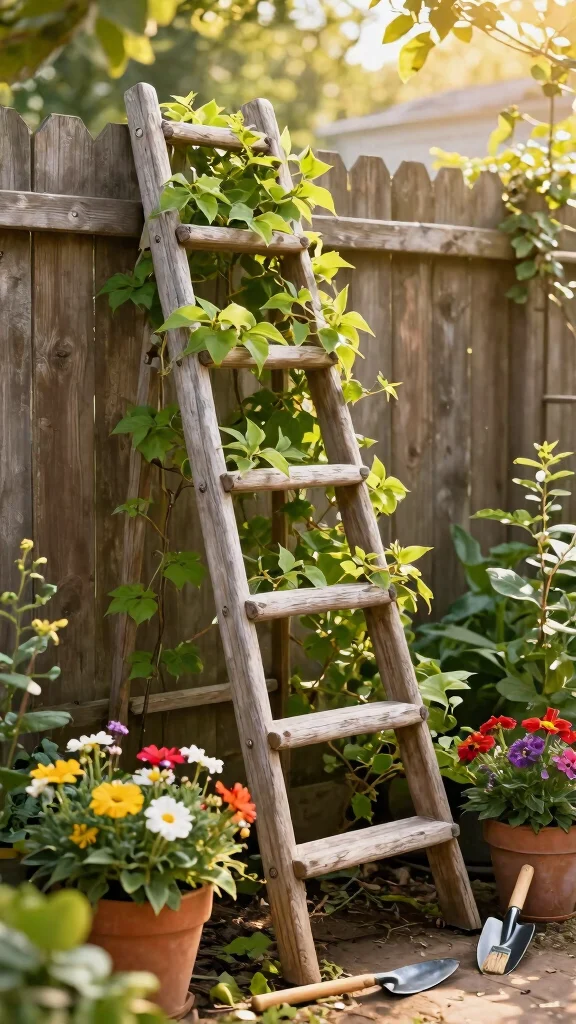
Looking to add a touch of farmhouse charm to your garden? A rustic wooden ladder trellis is an easy and attractive solution. This trellis is not only simple to create but also serves as a beautiful focal point for climbing plants like peas and beans.
Begin by finding an old wooden ladder, or check out thrift shops for budget-friendly options. Position the ladder against a wall or fence, and let your plants weave their way up each rung. You can customize its look by painting it a vibrant color or leaving it in its natural, weathered state. Adding pots at the base can enhance the visual appeal even further.
Steps to ensure success:
– Secure the ladder firmly for stability during windy weather.
– Use twine or garden clips to guide plants along the rungs.
– Place smaller plants on the lower rungs and taller ones above.
This trellis not only supports your plants but also infuses your garden with rustic charm!
Turn an old ladder into a homemade trellis and watch your peas climb with farmhouse charm. Lean it against a fence, paint it if you like, and let each rung become a tiny vertical garden boost. It’s practical, budget-friendly, and surprisingly pretty.
Rustic Wooden Ladder Trellis
Editor’s Choice

Krylon K05615007 COLORmaxx Acrylic Latex Brush On Paint for Indoor/Outdo…


50″ 55″ 60″ Wood Bunk Bed Ladder, Lofted/Dorm/RV Bed Bunkbed Ladders wit…

Tcamp Heavy-Duty Polyester Garden Trellis Net Plant Support Netting for …
2. Classic A-Frame Trellis

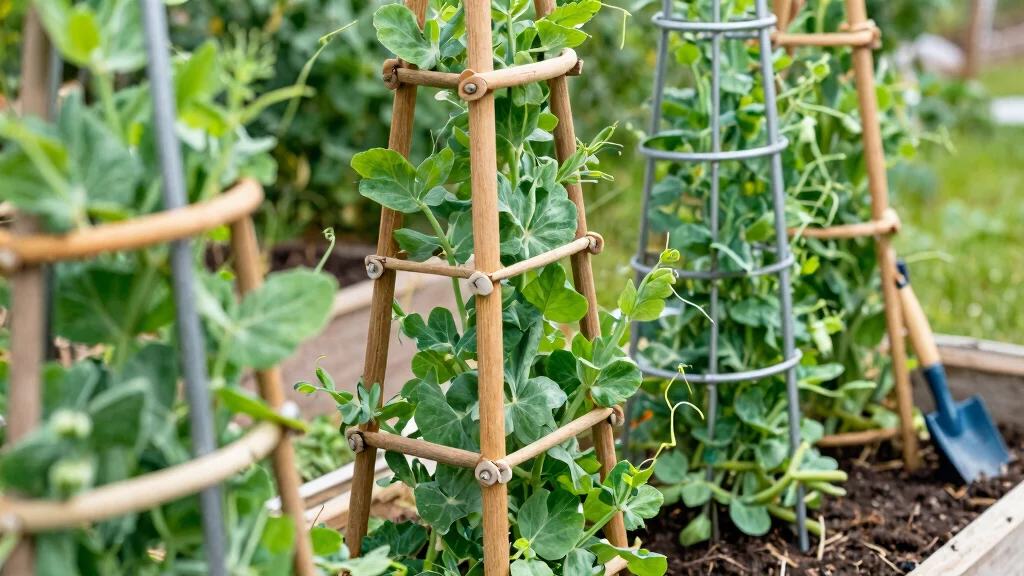
The classic A-frame trellis is a go-to design for climbing plants, offering both elegance and practicality. Its straightforward structure enables easy access and visibility in your garden, making it perfect for vegetables and flowers alike.
Create your A-frame using two wooden stakes or bamboo poles, joined at the top to form a triangle. Connect horizontal slats across the frame for added support. This trellis is especially good for plants like peas and cucumbers, providing plenty of room for their growth.
Benefits of an A-frame trellis:
– Promotes air circulation, helping to prevent plant diseases.
– Makes harvesting easier since plants are elevated off the ground.
– Ideal for compact gardens, maximizing vertical space.
Add a splash of personality by painting your A-frame in bright, cheerful colors!
Fun fact: building a classic A-frame trellis with 2 wooden stakes and 3 cross-slats creates up to 6 feet of vertical garden support using surprisingly little material. This makes it ideal for peas and cucumbers, keeping them reachable for harvest.
Classic A-Frame Trellis
Editor’s Choice

PerkHomy Garden Twine Strong Natural Jute 800 Feet Long Green Twine for …

GAGINANG Plant Stakes Natural Garden Bamboo Sticks for Indoor and Outdoo…

Kitzmans – Dixon LLC 24” Grade and Survey Stakes
3. Elegant Metal Arch Trellis
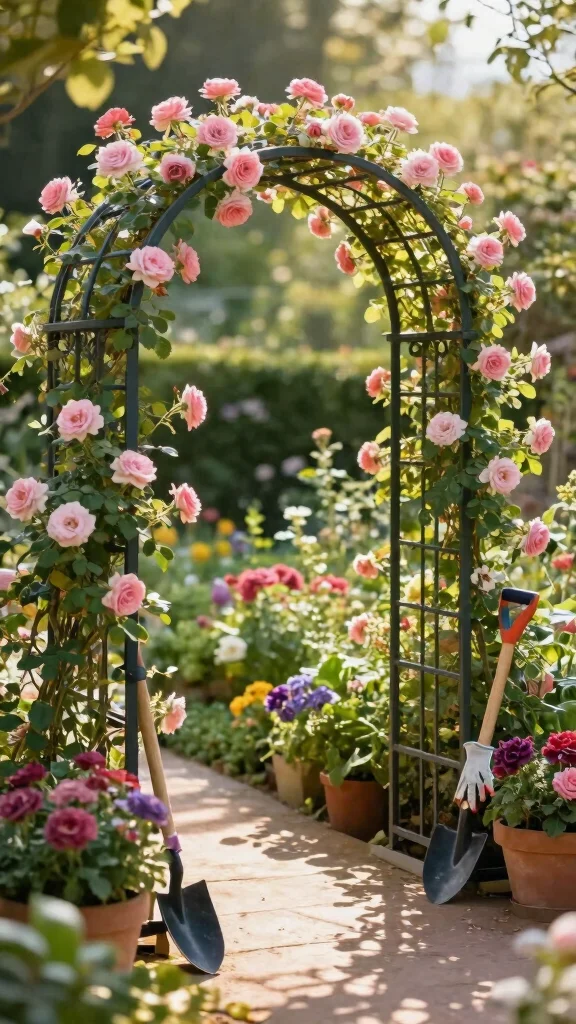
If you want to elevate your garden’s aesthetic, a metal arch trellis is the way to go. This elegant structure adds sophistication and a romantic touch, perfect for creating a stunning entrance or decorative pathway.
You can either buy a budget-friendly metal arch or craft one using sturdy metal rods. Drape climbing roses or jasmine over it for a fragrant and visually captivating feature. Whether you plant flowers at its base or let vines cascade down, it will surely catch the eye.
Creative ideas to enhance your arch:
– Hang fairy lights or lanterns to illuminate your garden.
– Incorporate containers with trailing plants at the base for added charm.
– Paint the arch in a dark color for a dramatic look or keep it natural for a rustic feel.
This trellis not only supports plants but also becomes a striking garden focal point!
Elegant Metal Arch Trellis
Editor’s Choice
100+ Mix Climbing Rose Seeds for Planting Outdoors
4. Recycled Pallet Trellis

Recycling can be both fun and functional! A pallet trellis is a fantastic way to combine creativity with sustainability. Old wooden pallets can be repurposed into a beautiful support structure for your garden.
To make this trellis, simply stand the pallet upright and secure it. You can leave it in its natural state or paint it for a vibrant twist. This structure is excellent for climbing vegetables like tomatoes or cucumbers, giving them something to cling to.
Fun ideas to try:
– Attach small planters to the pallet for an extra layer of greenery.
– Use horizontal slats for support and vertical slats for decoration.
– Plant flowers at the base to enhance the overall look.
This unique pallet trellis adds texture and charm to your garden!
📹 Related Video: How to Make a Garden Trellis Fence Panel (Using FREE Pallet Wood)
Recycled Pallet Trellis
Editor’s Choice

Thompson’s WaterSeal Multi-Surface Waterproofer Stain, Clear, 1 Gallon

Treaton, Heavy-Duty 4-Way Entry Wooden Pallet – 40x36x5”, Industrial…
5. Simple String Trellis
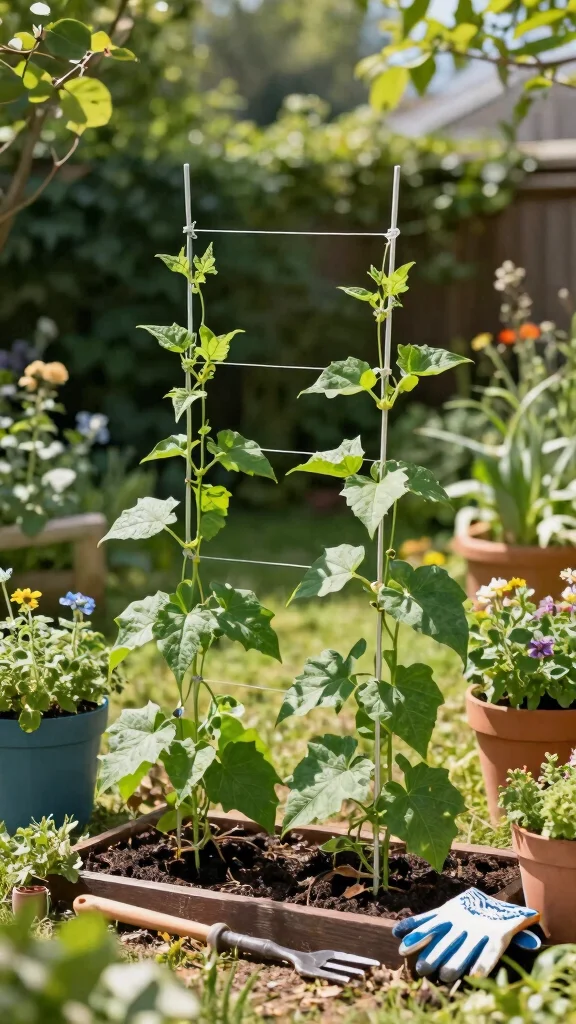
If you prefer a minimalist approach, a simple string trellis is a cost-effective and easy option that combines creativity with functionality. It’s perfect for lightweight climbing plants.
Start by anchoring stakes into the ground and attaching strings horizontally between them. As your plants grow, they can naturally cling to the strings for support. This method works particularly well for beans and peas, fitting seamlessly into any garden style.
Advantages of a string trellis:
– Quick to set up, ideal for novice gardeners.
– Affordable materials make it a budget-friendly solution.
– Customizable height and spacing for different plants.
Feel free to add decorative touches like colorful yarn or ribbons to make this trellis a charming part of your garden!
Simple String Trellis
Editor’s Choice

Plant Stakes,4FT Longer Sturdy Natural Bamboo Garden Stakes,GAGINANG 25P…

Plant Stakes 4FT, Natural Bamboo Stakes, HAINANSTRY 25Pcs Sturdy Bamboos…

COLOtime Bamboo Stakes 4FT Garden Stakes Plant Stakes for Indoor and Out…

COLOtime Bamboo Stakes 58 Inch (Approx 5FT) Garden Stakes Plant Stakes f…
FEED GARDEN Garden Stakes 36 Inch 3ft 25 Pack, Sturdy Plant Metal Sticks…
You might also like

6. Vertical Grid Trellis

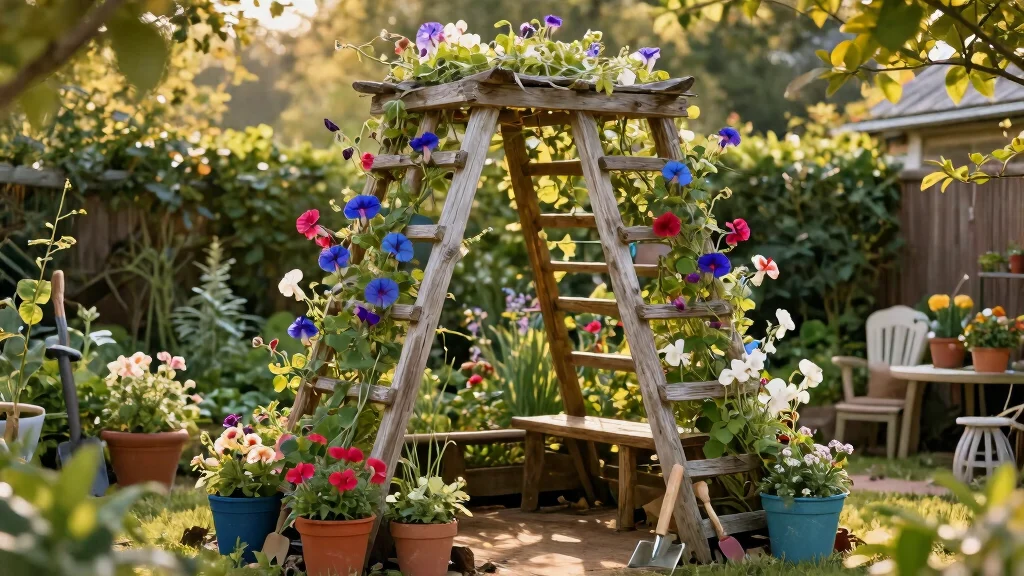
Looking for a structured approach to gardening? A vertical grid trellis is perfect for maximizing limited space while providing strong support for climbing plants. This design allows for easy access and harvesting.
Construct the grid using wooden beams or squares of wire mesh. Your plants will climb up the structure, making it easier to manage and harvest. This trellis is great for cucumbers, peas, and even ornamental plants.
Design tips to consider:
– Paint the frame in bright colors for a standout feature.
– Add decorative elements like hanging planters to the grid.
– Use garden ties to guide plants as they grow.
A vertical grid trellis not only looks modern but also enhances functionality in your garden!
Vertical Grid Trellis
Editor’s Choice

Wood Lattice Fence Panels for Outside 13.4″x78.8″ Expandable Natural Woo…

Shuttle Art 25 Colors Outdoor Acrylic Paint Set, 2oz/60ml Waterproof Acr…

15.7 x 120 Inch Plant Protectors from Animals 0.8mm Free-Cut Metal Mesh …
7. Decorative Bamboo Trellis

Bamboo trellises offer both beauty and strength, making them a great choice for plant support. This natural material brings an exotic feel to your garden while being incredibly durable.
Create a teepee-shaped trellis using bamboo poles tied together at the top. This structure works perfectly for beans, peas, or flowering vines. You can even decorate the bamboo with lights or colorful fabrics for a festive touch.
Creative suggestions to add:
– Plant herbs or flowers at the base for additional visual interest.
– Use bamboo stakes to fit a rustic or tropical theme.
– Incorporate twine for extra plant support as they grow.
Bamboo trellises are versatile and add an organic touch to your garden space!
A homemade trellis from bamboo proves beauty and strength can grow together. Create a teepee of bamboo poles tied at the top, then train beans and peas upward—it’s practical, budget-friendly, and stylish.
Decorative Bamboo Trellis
Editor’s Choice

Cambaverd Bamboo Stakes for Plants, 50 Pack Bamboo Stakes 5 Feet(58in, A…
Minetom Solar Fairy Lights,33Ft 100 LED Solar String Lights Outdoor, IP6…

Leaves Flower Outdoor Fabric by The Yard Tropical Plants Fern Upholstery…
8. Wall-Mounted Trellis
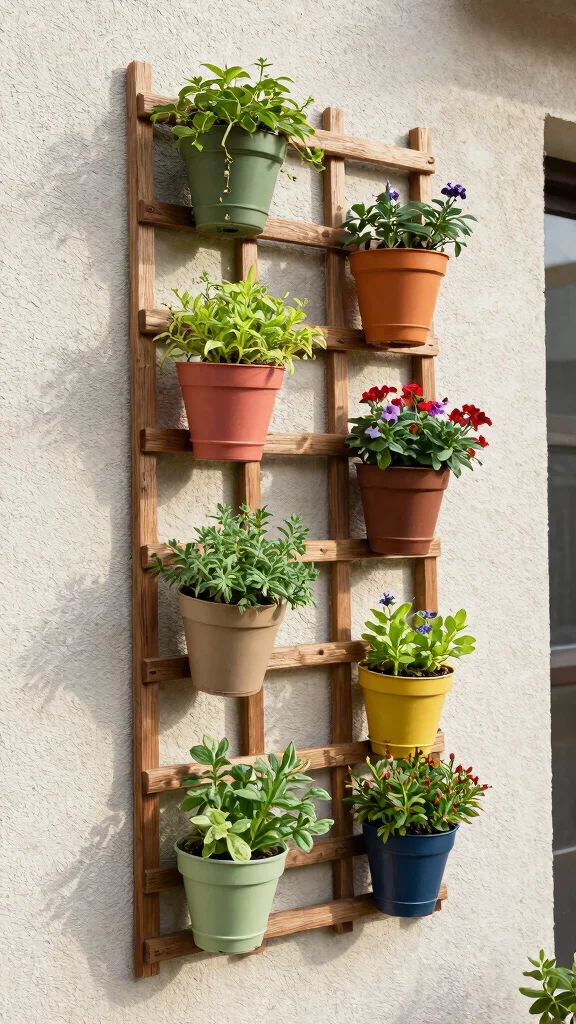
Short on space? A wall-mounted trellis is the perfect solution to create a stunning vertical garden. This design maximizes your wall area and allows for a beautiful display of climbing plants.
Use wood or wire to construct a wall-mounted trellis, ensuring it’s securely attached. Plant climbing varieties at the base for a delightful vertical display, ideal for small spaces like balconies or patios.
Benefits include:
– Frees up ground space for other plants.
– Adds a decorative touch to your walls.
– Simplifies watering and maintenance with elevated plants.
Enhance the wall with decorative pots for extra character and charm!
You Might Also Like

Wall-Mounted Trellis
Editor’s Choice
Giant Wall Trellis, 8 Foot Tall (96” high by 32” Wide), for Outdoor …

Wire Trellis for Climbing Plants Outdoor, 30-Set Wall Wire Trellis Kit w…

Climbing Vine Seeds for Planting – Colorful Mix of Climbing Flower See…
9. Upcycled Furniture Trellis

Get imaginative with an upcycled furniture trellis! Old items like chairs, doors, or windows can be transformed into functional trellises that double as stunning garden art.
For example, lean an old wooden chair against a wall or fence, allowing plants to climb it. Alternatively, a vintage window frame can serve as a charming backdrop for climbing flowers. The possibilities are endless!
Unique ideas to consider:
– Pair the furniture trellis with colorful planters for whimsical flair.
– Repurpose items in unexpected ways to spark conversation.
– Add hooks for hanging additional plants or decorations.
With a touch of creativity, you can turn discarded furniture into a striking garden statement piece!
Difficulty Rating & Requirements
Overall Difficulty Rating: Medium
Building a homemade trellis can be a fulfilling project, but it does come with its challenges. This rating of medium reflects the need for some basic crafting skills and familiarity with tools. If you’re comfortable with measuring, cutting, and assembling materials, you’ll likely enjoy this project. However, complete beginners might need extra guidance or assistance.
Time Estimate:
⏱ Estimated time: 4-8 hours
The time you spend will depend on the complexity of the trellis design you choose. For a simple trellis, like the string trellis, you might only need 4 hours. In contrast, a more intricate design, such as the elegant metal arch trellis, could take 8 hours or more, especially if you are new to such projects.
Skill Requirements:
– Required skills: Basic woodworking or crafting skills, measuring, and some experience with tools
– Beginner-friendly: Yes
While some projects may require specific skills, most can be tackled by beginners with patience and careful instruction. Basic skills, such as measuring and cutting, can be learned during the process. More complex techniques, like welding for metal trellises, do require prior experience and shouldn’t be attempted without proper knowledge.
Tools & Materials Needed:
🧰 Essential items checklist:
– Wood or metal posts (required)
– Screws or nails (required)
– Hammer or screwdriver (required)
– Saw (required)
– String or wire (optional, depending on design)
– Sandpaper (optional, for smoothing edges)
– Paint or wood stain (optional, for finishing touches)
– Measuring tape (required)
Each item plays a crucial role in building your trellis. The main materials will be required for structure, while optional items can enhance durability and aesthetics.
Step-by-Step Overview:
1. Design Your Trellis (1 hour): Decide on the style and size of your trellis. Sketch it out and gather your materials based on the chosen design.
2. Measure and Cut Materials (1-2 hours): Measure the lengths of wood or metal you need. Cut them to size using a saw, ensuring they fit together as planned.
3. Assemble the Trellis (1-3 hours): Begin putting your trellis together. Use screws or nails to secure the pieces. This phase may vary in time depending on the complexity of the design.
4. Finish and Install (1 hour): Sand down any rough edges, paint, or stain your trellis if desired, and install it in your garden. Make sure it’s securely anchored for stability.
Professional vs DIY:
Hiring a professional to build a trellis can cost anywhere from $100 to $500, depending on size and materials. In contrast, DIY options could cost you between $30 to $150, based largely on the materials you choose. If you feel confident in your skills and enjoy working with your hands, creating a homemade trellis is a great way to save money and personalize your garden. However, if you’re unsure or the project feels overwhelming, hiring a professional might be the best choice to ensure a sturdy structure.
Upcycled Furniture Trellis
Editor’s Choice

SUNNYPARK Antique Garden Iron Trellis with Decorative Hummingbirds Detac…

6x2x2FT Galvanized Raised Garden Bed,Planter Raised Beds-Metal Garden Bo…
Conclusion

Creating a beautiful garden with homemade trellises can be both enjoyable and rewarding. These DIY solutions not only provide essential support for your plants but also enhance the aesthetic of any garden space.
By using creativity and resourcefulness, you can build stunning trellises on any budget. So go ahead and choose your favorite design from this list to elevate your gardening experience!
Don’t forget to share your trellis creations and gardening journey with friends and fellow gardening enthusiasts.
Note: We aim to provide accurate product links, but some may occasionally expire or become unavailable. If this happens, please search directly on Amazon for the product or a suitable alternative.
This post contains Amazon affiliate links, meaning we may earn a small commission if you purchase through our links, at no extra cost to you.
Frequently Asked Questions
What are some budget-friendly DIY homemade trellis ideas for vertical gardening?
There are plenty of budget-friendly trellis ideas you can turn into a homemade trellis for vibrant vertical gardening. Here are popular, easy options you can pull off with common materials:
1) Pallet lattice: salvage an old pallet, remove the slats, mount the frame on two posts, and weave netting or wire between the slats for a quick grid.
2) Wire panel or fence panel trellis: secure a welded wire panel between posts or against a fence with screws or zip ties for a modern, sturdy look.
3) PVC pipe frame with garden netting: cut PVC to height, assemble a simple rectangle, and staple or tie garden netting to the frame for a lightweight option.
4) Reused fence panel with twine grid: mount a small fence panel and crisscross garden twine to create a decorative, strong support.
5) Tomato cage grid: open a large tomato cage and weave twine or zip ties to form a grid you can train creeping plants on. All these ideas fit into vertical gardening solutions and keep costs down while delivering great creative trellis designs.
How do I choose the right trellis design for different plants and spaces?
Start by matching strength to plant type and space. Heavy climbers (grapes, kiwis) need a sturdy, anchored frame, while light vines (peas, beans) can use thinner structures. Measure height, width, and sun exposure to decide between freestanding or wall-mounted options. Consider aesthetics as part of your garden support ideas—you want something that blends with your space while providing reliable support. For small patios, a vertical trellis on a fence or wall can maximize growth without crowding ground space, a perfect fit for DIY garden trellis projects.
What tools and materials do I need to build a simple DIY garden trellis?
Here’s a practical starter kit for many homemade trellis projects:
Tools: tape measure, handsaw or circular saw, drill/driver, level, hammer, and a pair of pliers for securing ties.
Materials: wood slats or pallet boards, a length of wire mesh or garden netting, sturdy garden twine or zip ties, screws or nails, and posts or stakes (if freestanding). For weather resistance, add a sealant or exterior-grade paint. With these basics you can jump into budget-friendly trellis builds and experiment with creative trellis designs.
Can you give a simple step-by-step guide for a basic DIY garden trellis?
Absolutely. Here’s a quick guide for a PVC pipe frame with garden netting:
Step 1: Gather supplies (PVC pipes, elbow/connectors, garden netting, zip ties).
Step 2: Cut the PVC to your desired height and width.
Step 3: Assemble a rectangular frame using the elbows and connectors.
Step 4: Attach garden netting to the frame with zip ties or staples, pulling it tight.
Step 5: Secure the frame to a stable surface (fence, posts, or ground stakes).
Step 6: Train plants onto the netting as they grow. This approach is quick, affordable, and a great example of vertical gardening solutions with a clean, DIY garden trellis look.
How can I maintain and extend my homemade trellis over time?
Maintenance keeps your homemade trellis looking good and performing well as plants mature. Inspect for rot, rust, or loose fasteners at the start of each season and reseal or repaint as needed. Tighten ties or replace damaged netting to maintain stability. If plants outgrow a section, you can add extra panels or swap to a taller frame to extend your vertical space. Regular tweaks like these fit well into ongoing garden support ideas and ensure your creative trellis designs stay sturdy as part of your evolving vertical gardening solutions.
Related Topics
homemade trellis
DIY garden trellis
budget-friendly trellis
vertical gardening solutions
creative trellis designs
garden support ideas
beginner friendly
easy projects
outdoor decor
sustainable gardening
seasonal gardening
backyard upgrades