
Creating a medicinal herb garden is more than just a hobby; it’s a journey into the world of healing plants. Urban living often makes it challenging to connect with nature, but cultivating your own herb garden is a way to bring the outdoors into small spaces. If you’ve been dreaming of creating a calming, purposeful garden filled with healing herbs, you’re in the right place.
This blog post is designed for anyone who loves gardening, wellness, or simply wants to enhance their home with therapeutic greenery. Whether you have a tiny balcony, a small backyard, or even a sunny windowsill, I’ve gathered nine unique medicinal herb garden layout ideas that will inspire you. These ideas are practical, beautiful, and tailored for small spaces, making them perfect for urban gardeners wanting to embrace the benefits of healing plants.
In the following sections, you’ll discover creative designs that maximize your space while optimizing plant health. From vertical walls to container gardens, each layout is crafted to help you grow herbs that not only beautify your home but also offer health benefits. Get ready to dig into these ideas and transform your space into a soothing, healing garden.
Key Takeaways
– Discover nine unique medicinal herb garden layouts, perfect for small urban spaces, that will help you utilize every inch of your area.
– Each layout caters to different gardening styles, whether you prefer vertical gardening or container setups.
– Learn about the health benefits of various herbs and how to choose the right ones for your healing garden.
– Get practical tips for maintaining your herb garden, ensuring your plants thrive in a limited space.
– Experience the joy of nurturing your own healing plants while improving your home’s atmosphere and your well-being.
1. Vertical Herb Wall
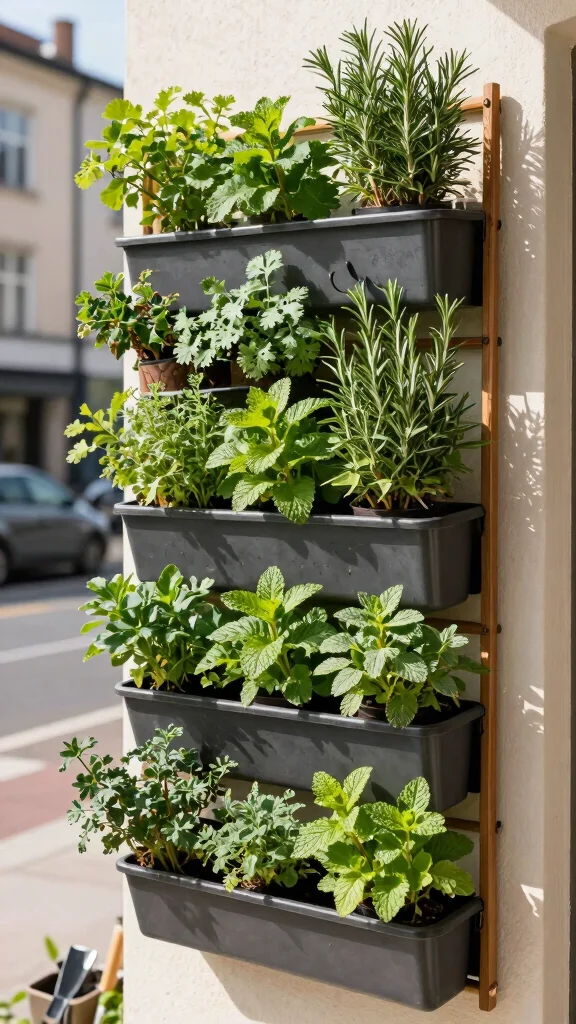
Do you have limited outdoor space but still want to grow your favorite healing herbs? A vertical herb wall is the perfect solution, saving ground space while offering easy access to your plants. Imagine vibrant herbs like mint, cilantro, and rosemary arranged in a stunning, space-saving display that brightens up your living area.
To create your vertical herb wall, start by selecting a sunny wall that gets plenty of daylight. Use vertical planters or wall-mounted pots to maximize your growing area. Be sure to group herbs with similar light and water needs together for the best results. Add decorative elements like trellises or wall hooks to elevate the design even further.
Key steps to create your vertical herb wall:
– Select a sunny wall with direct sunlight
– Opt for stacked planters for layered growth
– Group herbs by similar care requirements
– Add decorative touches for visual appeal
This layout not only enhances your space but also serves as a striking focal point, easily admired from both indoors and outdoors.
Vertical Herb Wall
Editor’s Choice

5Pcs Succulent Tools,Mini Garden Tools,Pruning Scissors as Plant Accesso…


Ahopegarden Indoor Garden Hydroponics Growing System: 10 Pods Plant Germ…

ShopLaLa Wall Planter – 2 Pack, Wooden Hanging Large Planters for Indoor…
2. Raised Bed Gardens
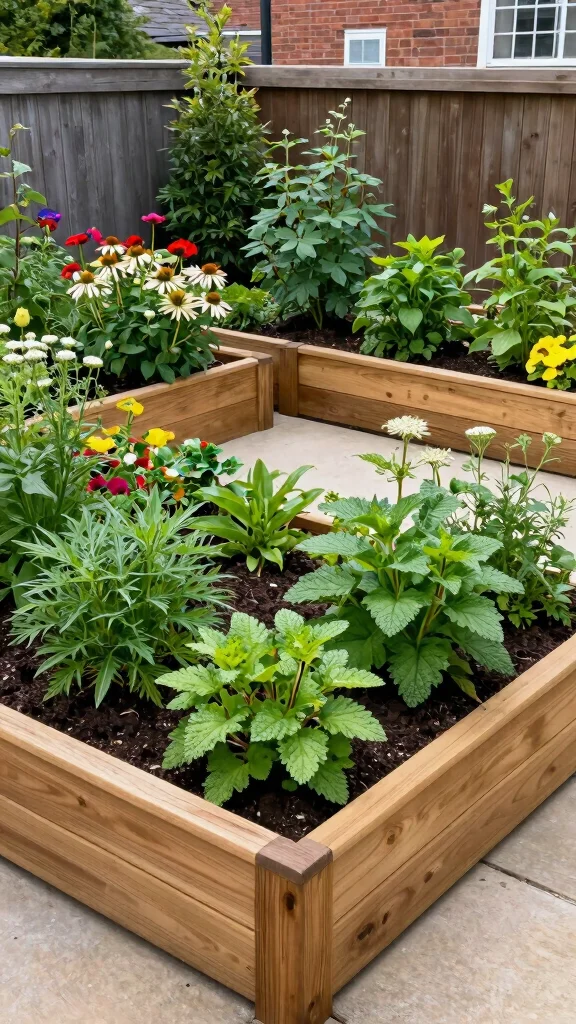
Want to cultivate a thriving medicinal herb garden in an urban setting? Raised bed gardens are a fantastic choice, offering excellent drainage and easy access for planting and harvesting. These gardens can be tailored to any size, preventing soil compaction and creating an ideal environment for your herbs.
When designing your raised bed garden, start by keeping the dimensions manageable—around 4 feet wide and 8 feet long is a good standard. Choose sustainable materials like untreated wood or bricks to build your beds. Mix various herbs, such as echinacea, lemon balm, and valerian, for a diverse herbal collection. Consider companion planting to enhance growth and ward off pests.
Essential tips for your raised bed garden:
– Keep dimensions easy to reach and manage
– Use sustainable materials for construction
– Plant a variety of medicinal herbs
– Incorporate companion planting techniques
These raised beds not only provide a practical growing space but also add structure and depth to your garden, making it a focal point of beauty.
Raised Bed Gardens
Editor’s Choice

Medicinal Herb Seeds Variety Pack – 39 Heirloom Non-GMO Apothecary See…
Rapitest Soil Test Kit for Gardens, Vegetables, Flowers and Lawns. USA d…
Utopia Home Galvanized Raised Garden Bed Kit 4x2x1ft, Planter Box Raised…
3. Container Gardens
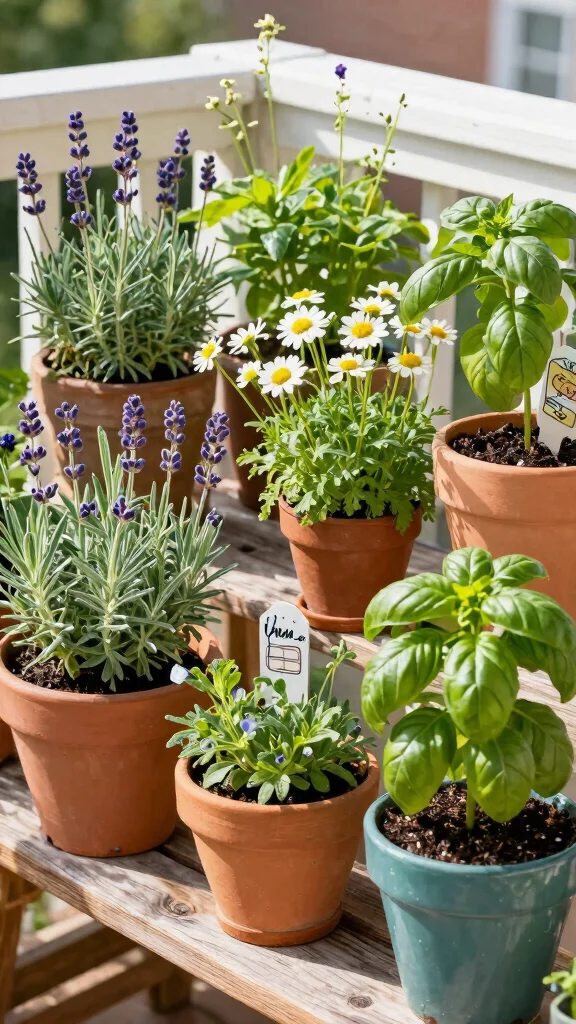
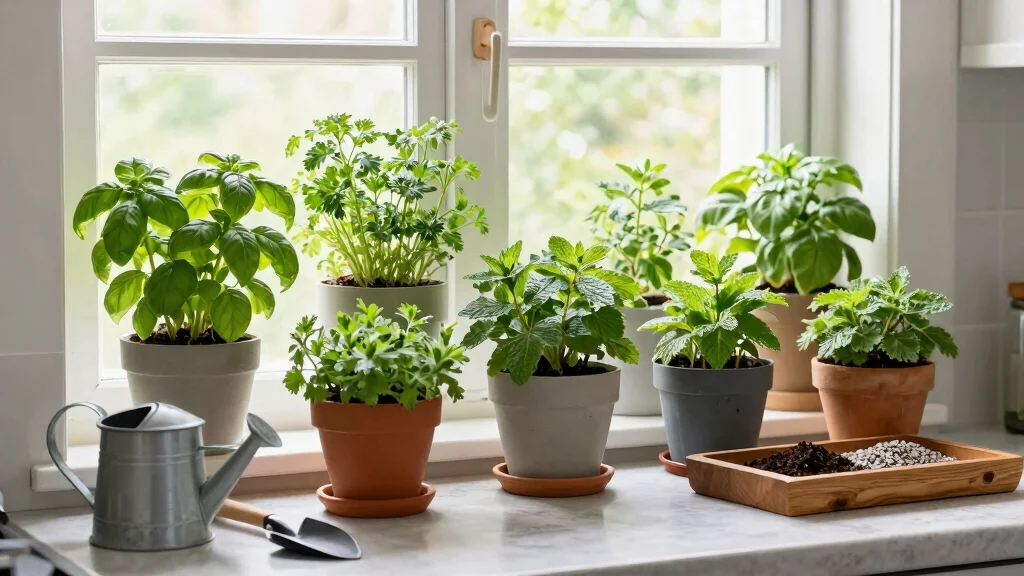
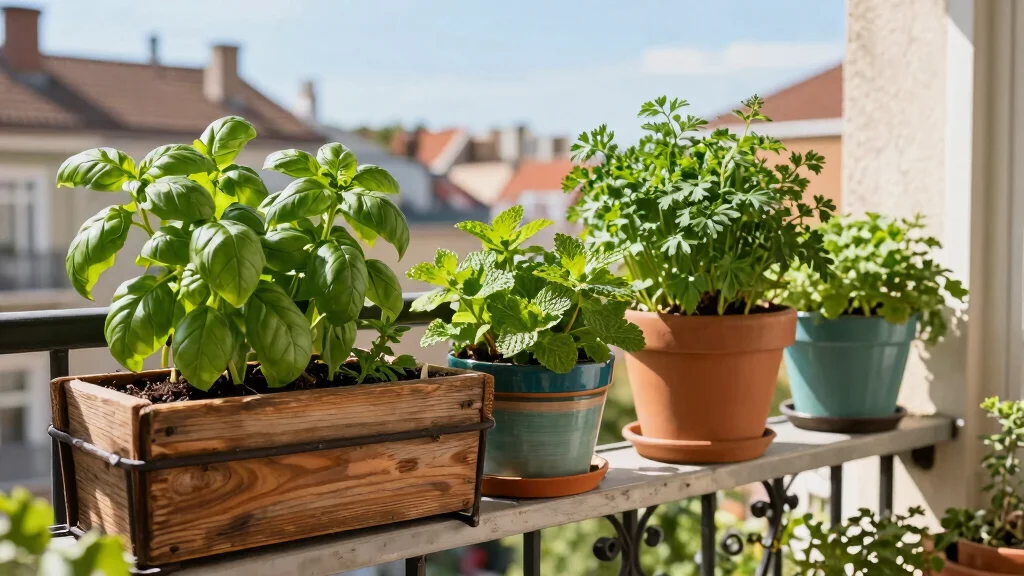
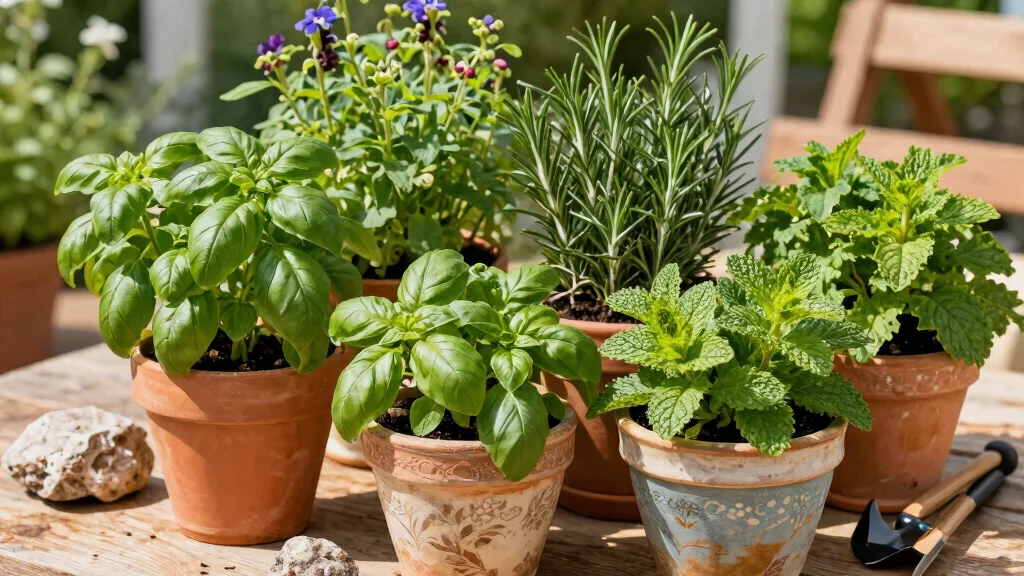
Are you looking to grow healing plants but have limited space? Container gardening offers endless possibilities, allowing you to cultivate medicinal herbs on balconies, patios, or even windowsills. This method also lets you easily move your plants to catch the sun throughout the day.
When starting your container garden, choose pots that are large enough for root growth and fit your style, such as terracotta or ceramic. Group similar herbs together for a cohesive look—consider clustering culinary herbs or calming varieties like lavender and chamomile. Enhance your garden’s organization with charming labels to identify each herb. Ensure your containers have proper drainage and be mindful of the watering needs for each plant.
Container gardening ideas to explore:
– Select pots that allow for root growth
– Group herbs by type for easy access
– Label plants for organization and charm
– Ensure proper drainage and watering
Container gardens not only beautify your space but also provide easy access to fresh healing plants right outside your door.
Container gardens are your small-space lifeline: move pots to catch the sun. Group like herbs for cohesion, and your medicinal herb garden layout will thrive on a balcony.
Container Gardens
Editor’s Choice

Professional Indoor Herb Soil Mix Large 2.2 Quarts Ready to Use, Premium…

Gepege 6 Inch Beaded Ceramic Planter Set of 2 with Drainage Hole and Sau…

KINGLAKE 100 Pcs 6 x10cm Plastic Plant T-Type Tags Nursery Garden Labels
4. Herb Spiral Garden
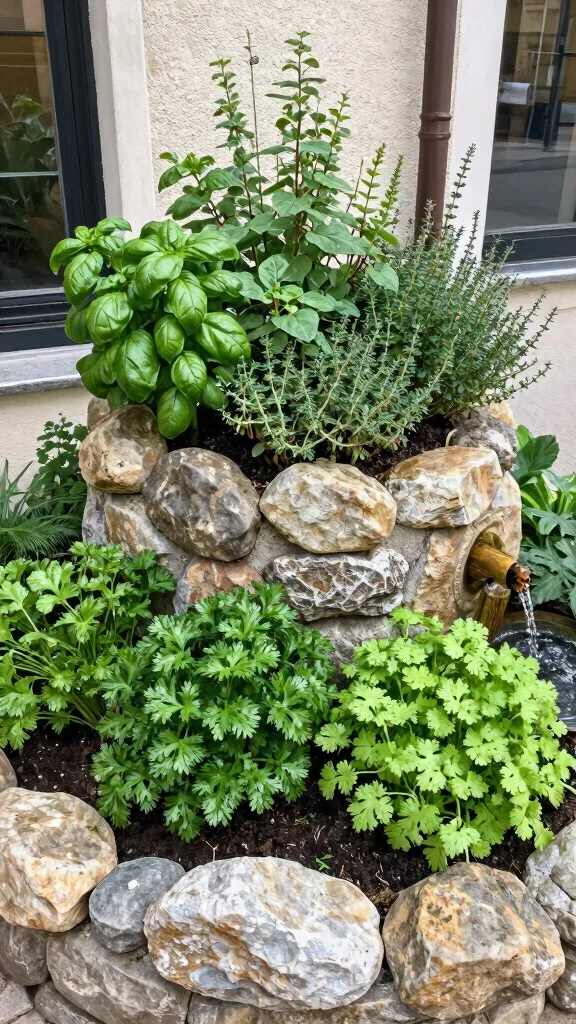
Looking for a creative way to maximize your gardening space? An herb spiral garden is an innovative solution that uses vertical space and offers various microclimates for different plants. This design allows you to plant herbs that thrive in varying moisture levels, from the base to the top of the spiral.
Begin by constructing the spiral shape using stones or bricks, ensuring a wide base and a narrower top. Fill the spiral with quality soil to support healthy plant growth. Plant diverse herbs, with basil, thyme, and oregano at the top, while placing parsley and cilantro in the lower levels. Consider incorporating a small fountain or drip system to enhance the microclimates within your spiral.
Steps to build your herb spiral:
– Construct the spiral using sturdy materials
– Fill with nutrient-rich soil for growth
– Choose a variety of herbs for different levels
– Incorporate water features for moisture
An herb spiral not only adds visual interest but also creates a functional ecosystem within your healing garden.
Herb Spiral Garden
Editor’s Choice

Miracle-Gro Organic Outdoor Potting Mix – Plant Soil for Outdoor Contain…

TOREVSIOR 5-Tier Vertical Raised Garden Bed, Vertical Garden Planter wit…

Pulovin 15 lbs White Rocks for Landscaping, 1-2 inch Large White Rocks f…
5. Healing Pathway Garden
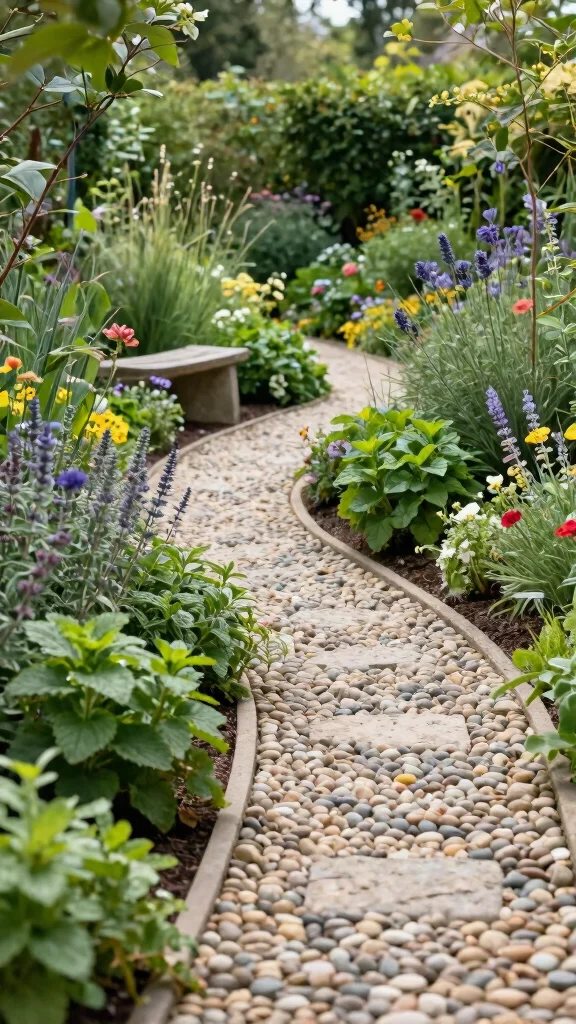
Do you want to create a peaceful retreat filled with fragrant medicinal herbs? A healing pathway garden guides you through a sensory experience while promoting relaxation and reflection. This layout beautifully combines aesthetics with functionality.
Start by designing a winding path using stepping stones or pebbles to guide visitors through your garden. Strategically place aromatic plants like lemon balm and peppermint along the path to release their delightful scents as you walk by. Create small seating areas surrounded by herbs for a perfect spot to unwind. Adding wildflowers not only brings color but also attracts pollinators to your garden.
Tips for designing your healing pathway garden:
– Use stepping stones for a winding path
– Place aromatic plants for a sensory experience
– Include seating areas for relaxation
– Add wildflowers to attract pollinators
This layout transforms your garden into a serene retreat for both mind and body.
You might also like
Healing Pathway Garden
Editor’s Choice
NSTaygate 2pcs Tea Steeper for Loose Tea,Tea Infuser Tea Balls for Loose…

DCCPAA Garden Gloves with Claws,Claw Gardening Gloves for Digging,Planti…

KVR Upgraded Garden Kneeler and Seat with Thicken & Widen Soft Kneeling …
6. Community Sharing Garden
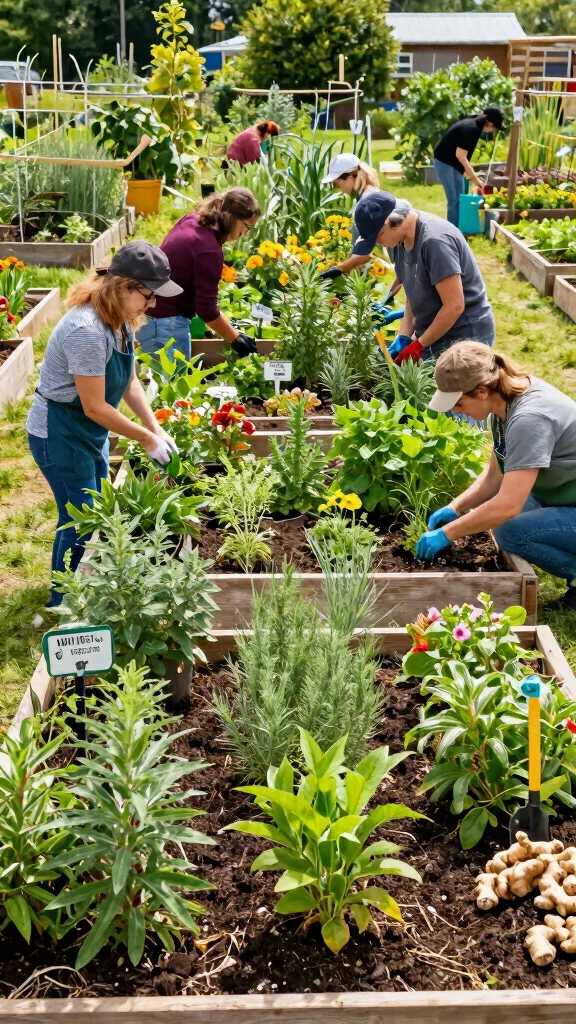
Are you interested in fostering community spirit through gardening? A community sharing garden allows neighbors to come together to grow medicinal herbs, promoting health and wellness collectively. This collaborative effort can create a meaningful connection among community members.
Start by involving your neighbors in the planning, planting, and maintenance of the garden. Pool tools and materials for a resource-sharing system that benefits everyone. Grow a diverse selection of herbs from various cultures, such as turmeric, ginger, and holy basil. Consider hosting educational workshops to teach participants about the benefits and uses of these herbs.
Steps to set up your community sharing garden:
– Engage neighbors in the planning process
– Share resources for tool and material access
– Grow a variety of culturally significant herbs
– Organize workshops for education and engagement
A community garden thrives on collaboration, creating a rich environment for learning and growth.
Fun fact: a shared medicinal herb garden can boost neighborhood wellness by up to 40% in just one growing season. When neighbors plan, plant, and share tools, you turn empty sidewalks into a thriving, healing space you all can care for together.
📹 Related Video: How to Start an Apothecary Garden for Beginners- Growing Your Own Medicine
How To Choose the Right Medicinal Herb Garden Layout
Choosing the perfect layout for your medicinal herb garden is crucial for both aesthetics and functionality. Here are some key factors to consider when planning your healing garden.
1. Size of the Space
Begin by measuring your available space. Are you working with a small balcony or a larger backyard? The size will dictate which layout works best. If you have limited room, consider vertical or container gardens. These types maximize space while allowing you to grow a variety of herbs.
2. Sunlight Requirements
Different herbs have varying sunlight needs. Some thrive in full sun, while others prefer partial shade. Observe your garden space throughout the day to see how much sunlight it receives. Choose a layout that places sun-loving plants in the brightest spots. This will help them grow strong and healthy.
3. Accessibility
Think about how you will access your herbs for maintenance and harvesting. Raised beds or container gardens can be good choices if you prefer easy access. Ensure paths between plants are wide enough for comfortable movement. This consideration will make pruning, watering, and harvesting a breeze.
4. Watering Needs
Consider how much water each type of herb requires. Some herbs, like basil, need more watering, while others, like rosemary, prefer drier conditions. When planning your garden layout, group herbs with similar watering needs together. This approach will simplify your watering routine and keep your plants thriving.
5. Design Aesthetics
A beautiful garden can enhance your space. Think about the visual layout of your herbs. You might want to create patterns or color blocks. Herbs like purple basil or variegated sage can add color. Blending aesthetics with functionality will make your garden a peaceful retreat.
6. Future Growth
Consider how your herbs will grow over time. Some plants can become quite large, while others remain small. Make sure to give them enough space to expand without overcrowding. This foresight will keep your garden healthy and thriving for years to come.
Pro Tip: Before finalizing your layout, sketch your garden on paper or use garden planning software. This step will help you visualize the arrangement and make any necessary adjustments before planting.
By keeping these factors in mind, you can create a purposeful layout that caters to your specific needs. This thoughtful approach will result in a thriving medicinal herb garden that provides both beauty and healing.
Community Sharing Garden
Editor’s Choice

HOME GROWN Herb Seeds for Planting 15-Pack Massive Seed Count 4,300+ See…

Garden Tools Set, 3 Pack Heavy Duty Gardening Tools Set Include Garden S…
Utopia Home Galvanized Raised Garden Bed Kit 4x2x1ft, Planter Box Raised…
7. Therapeutic Sensory Garden
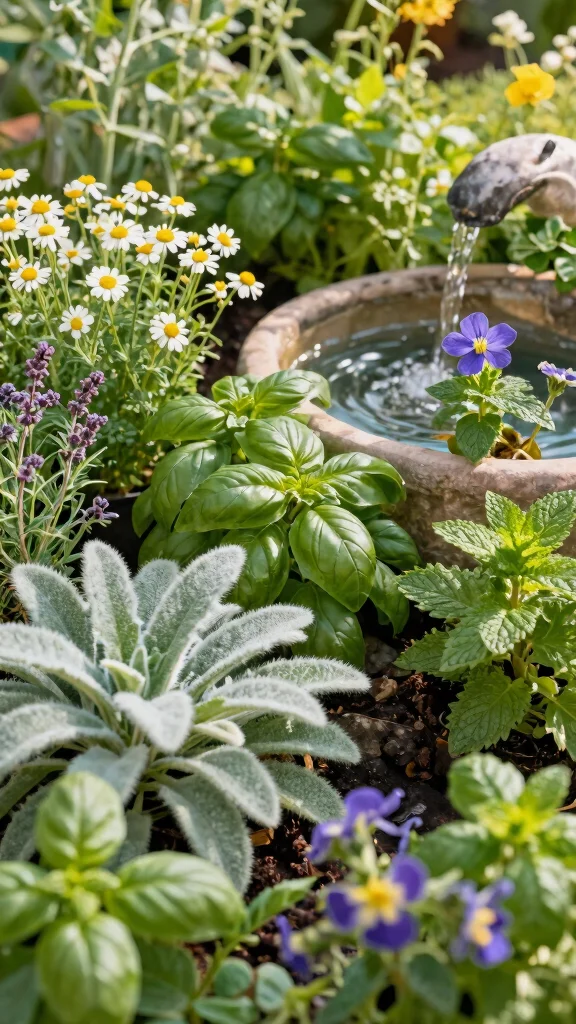
Want to create a garden that engages all five senses? Design a therapeutic sensory garden filled with medicinal herbs, promoting mindfulness and relaxation. This layout encourages a multi-dimensional experience that appeals to touch, taste, and smell.
Start by incorporating plants with varying leaf textures, such as fuzzy lamb’s ear and smooth basil. Select aromatic herbs like chamomile and mint to fill the air with pleasant scents. Grow edible flowers and culinary herbs that you can taste directly from the garden to enhance your sensory experience. Adding features like water elements or wind chimes can further enrich the atmosphere.
Elements to include in your therapeutic sensory garden:
– Use plants with diverse textures for engagement
– Incorporate aromatic varieties for pleasant scents
– Grow tastable herbs for direct enjoyment
– Add sound features for enhanced ambiance
This therapeutic garden serves as a beautiful space for reflection and rejuvenation.
Therapeutic Sensory Garden
Editor’s Choice

Majestic Pure Essential Oil with Glass Dropper – 100% Pure and Natural -…
Ahopegarden Indoor Garden Hydroponics Growing System: 10 Pods Plant Germ…
8. Edible Landscaping
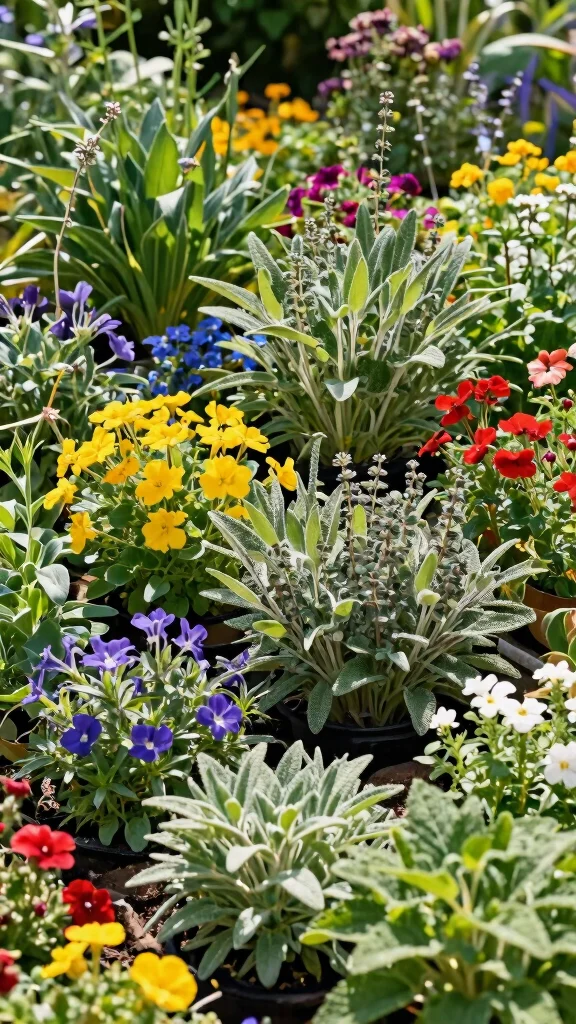
Looking to combine beauty with practicality in your garden? Edible landscaping seamlessly integrates medicinal herbs into your landscape design, emphasizing aesthetics while ensuring your plants offer healing benefits and culinary delights.
Start by mixing herbs with ornamental plants to create an attractive display. Use a tiered planting approach to maximize space and visibility for both herbs and flowers. Rotate your herbs seasonally to provide a variety of flavors and uses throughout the year. Choose plants that attract beneficial insects and pollinators to enhance the ecosystem.
Key components for edible landscaping:
– Mix herbs with ornamental plants for beauty
– Implement tiered planting for visibility
– Rotate herbs seasonally for variety
– Select plants that attract pollinators
By creatively blending culinary and medicinal plants, you can craft a garden that is functional and visually stunning.
Fun fact: In compact urban gardens, edible landscaping can boost usable herb harvest by up to 40% while preserving beauty. This is a smart approach for a medicinal herb garden layout—mix herbs with ornamentals and rotate them seasonally for flavor and healing.
You Might Also Like
Edible Landscaping
Editor’s Choice
Medicinal Herb Seeds Variety Pack – 39 Heirloom Non-GMO Apothecary See…

Suteck Raised Garden Bed, Vertical Wooden Raised Garden Bed, 5 Tier Gard…

True Organic Herb & Leafy Greens Food – Organic Fertilizer for Abundan…
9. Indoor Medicinal Herb Garden
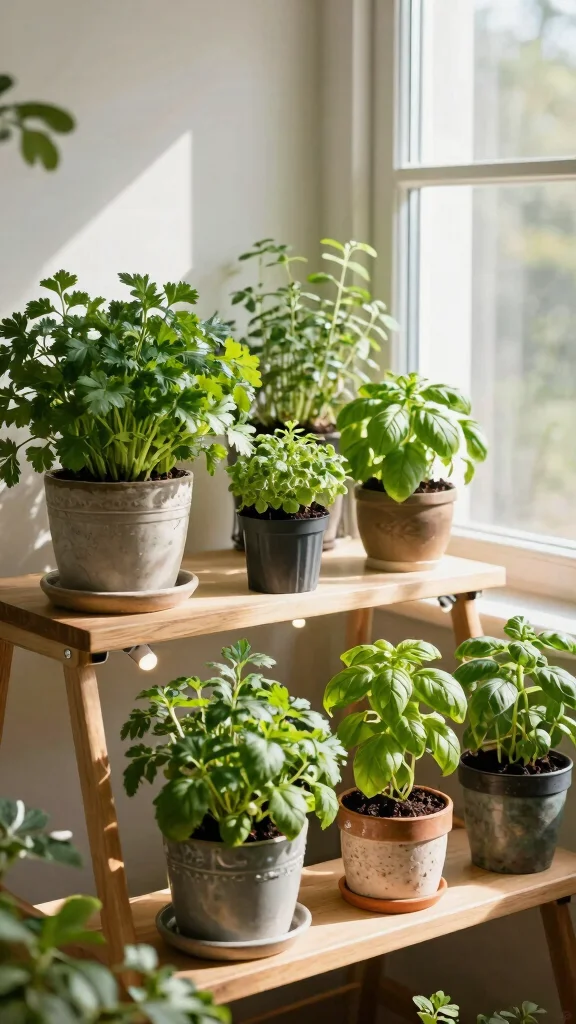
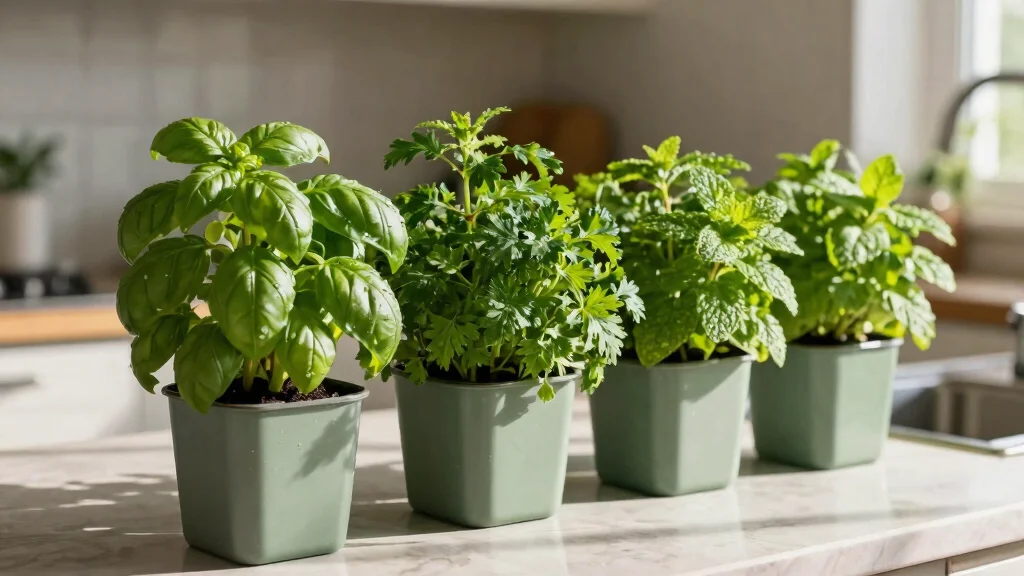
Want to enjoy the benefits of healing herbs year-round? Crafting an indoor medicinal herb garden is the ideal solution for those with limited outdoor space. This setup brings the goodness of fresh herbs right into your home, ensuring a consistent supply of ingredients.
To maximize your indoor garden, choose a bright window or use grow lights to provide sufficient light for your herbs. Use tiered shelves or window boxes to effectively utilize vertical space. Select hardy herbs like parsley, basil, and chives that thrive indoors. Maintain humidity levels with small humidifiers or misting techniques to support optimal growth.
Tips for creating your indoor medicinal herb garden:
– Select a bright spot or use grow lights
– Utilize vertical space with shelves or boxes
– Choose hardy herbs for indoor growth
– Monitor humidity for healthy plants
An indoor garden not only brightens your space but also fosters a connection to nature and health all year round.
Indoor Medicinal Herb Garden
Editor’s Choice

LBW Desk Grow Light, Full Spectrum Plant Light for Indoor Plants, Grow L…

Bamworld Tall Plant Stand Indoor Outdoor, Corner Metal Flower Pot Stands…
Conclusion
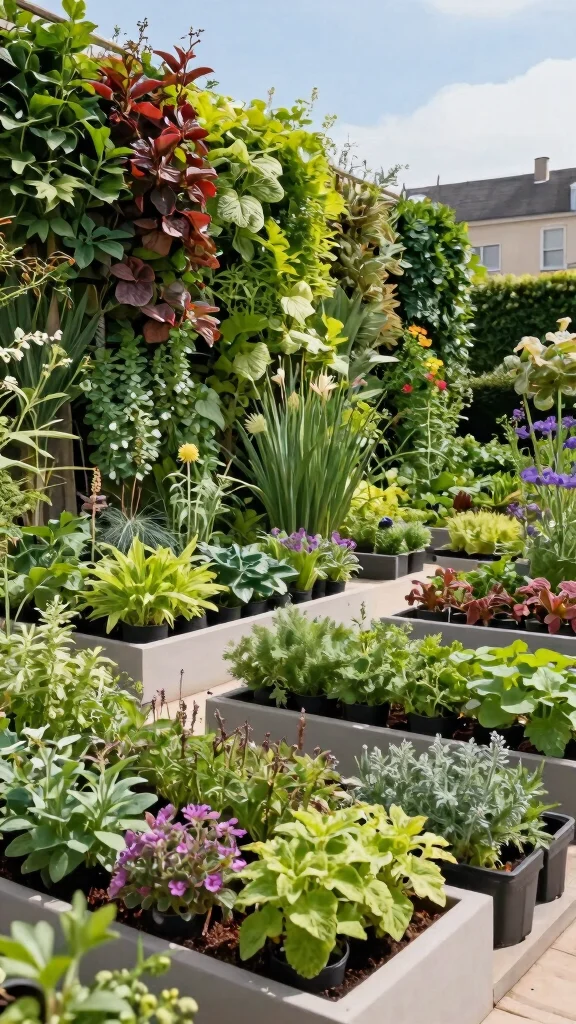
Creating a medicinal herb garden in urban spaces can be a rewarding journey that enhances not just your living environment but also promotes wellness and healing.
From vertical gardens to community sharing spaces, the possibilities are endless. Each layout offers a unique way to cultivate not only beautiful plants but also a deeper connection with nature and health.
So don’t hesitate to start your own healing garden today and nurture both your body and spirit with the gifts of nature.
Note: We aim to provide accurate product links, but some may occasionally expire or become unavailable. If this happens, please search directly on Amazon for the product or a suitable alternative.
This post contains Amazon affiliate links, meaning we may earn a small commission if you purchase through our links, at no extra cost to you.
Frequently Asked Questions
What exactly is a medicinal herb garden layout and how can I plan it in a small urban space?
A medicinal herb garden layout is a deliberate plan for placing healing herbs so you can harvest them easily and keep them healthy. In a compact urban space, start by mapping sun exposure, choosing compact or container-friendly varieties, and designing zones for culinary and therapeutic herbs. Use containers or vertical structures to maximize floorspace, and keep pathways clear for easy access. With thoughtful herbal garden planning, you can create a functional, beautiful setup without crowding your balcony or patio.
Next steps: sketch a quick layout, pick 6-8 herbs, and decide whether you’ll use raised beds, pots, or a living wall.
What are practical ideas for designing a healing plant arrangement in a small space?
Designing a healing plants arrangement in a small space is about function and accessibility. Start by grouping herbs by use (calming—lavender, lemon balm; digestive—mint, thyme; antiseptic—sage, calendula) and place frequently harvested varieties at arm’s reach. Use scent and color to create a calming atmosphere, and implement vertical planters, window boxes, or pallet gardens to save floor space. Label everything and keep a simple herbal garden planning map so the layout stays intuitive.
Tip: choose nesting containers or a modular design so you can expand as the space changes.
Which herbs are best for a compact medicinal garden and how should I layout them for easy access?
For a compact medicinal garden, try mint (in a contained pot), lemon balm, thyme, rosemary, lavender, sage, chamomile, echinacea, and calendula. Because some spread, use containers or barriers. Layout tips: place tall herbs toward the back or against a wall, medium-height in the middle, and low-growing in front. Keep frequently harvested varieties near a kitchen door or window for easy access. This approach represents a practical medicinal plant layout and helps you harvest without disturbing the whole bed.
Also consider rotating crops seasonally to keep soil healthy.
How can I incorporate edible and medicinal herbs into an urban garden design without sacrificing aesthetics?
Blend beauty with function by choosing herbs with pleasing visuals and fragrance. Use a cohesive color palette and varying textures, plant in decorative containers, and mix edible varieties (basil, thyme, nasturtium) with medicinal plants like sage or chamomile. Create a layered look with vertical planters, hanging baskets, and a small trellis so you still have space for movement. This supports therapeutic garden ideas and herbal garden planning. Label herbs clearly and keep a simple key so you can harvest confidently without guesswork.
Tip: reuse vertical spaces—living walls are perfect for urban settings.
What maintenance tips help my medicinal herb garden layout stay productive in small spaces?
Maintenance is key to a thriving medicinal herb garden layout in small spaces. Set up a simple watering plan (drip or soaker hose) and mulch to retain moisture. Use well-draining soil or potting mix, and ensure containers have drainage holes. Prune regularly to promote bushy growth and easy harvesting, and refresh crowded beds or pots each season. Practice natural pest control, avoid chemical overload, and rotate containers to balance nutrients. A quick seasonal check keeps your therapeutic garden ideas productive year-round.
Related Topics
medicinal herb garden
urban gardening
small space design
healing plants
herb garden layout
therapeutic garden
beginner friendly
easy gardening
herbal planning
vertical gardening
container gardening
sustainable gardening