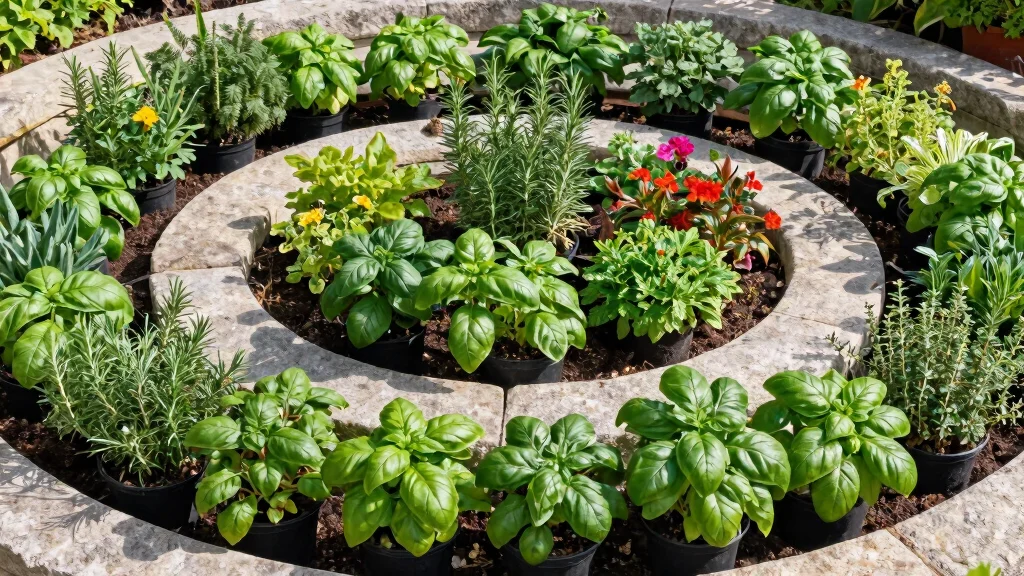
Gardening has become a passion for many, especially when it comes to growing fresh herbs. With the rise of urban living, people are increasingly craving ways to cultivate their own food without needing a large backyard. A popular and beautiful solution to this dilemma is the herb spiral. This clever gardening technique allows you to maximize your growing space, making it perfect for small urban settings.
If you’re someone who loves to cook or simply enjoys the idea of having fresh herbs at your fingertips, this guide is just for you. Whether you’re a seasoned gardener or just starting out, you’ll find these ideas engaging and practical. From classic designs to innovative spins, the 7 Herb Spiral Ideas to Grow More Herbs in a Small and Beautiful Space will inspire you to create your little herb oasis.
In this post, you’ll discover different herb spiral designs that are not only functional but also aesthetically pleasing. You’ll learn how to incorporate vertical gardening techniques and explore options like container gardening and edible landscaping. By the end, you’ll be equipped with the knowledge and inspiration to start your own herb spiral, transforming even the tiniest space into a lush, green haven.
Key Takeaways
– Discover how to create a Classic Stone Herb Spiral that blends beauty with functionality.
– Learn about a Wooden Pallet Herb Spiral that is both budget-friendly and easy to build.
– Get inspired by a Vertical PVC Pipe Herb Spiral for a modern twist on space-saving gardening.
– Find out how to incorporate a Herb Spiral with Drip Irrigation for efficient watering.
– Explore creative ideas like Themed Herb Spiral Gardens to add a personal touch to your gardening space.
1. Classic Stone Herb Spiral

Looking for a timeless addition to your garden? A stone herb spiral not only adds rustic charm but also creates a functional space for your herbs. The varying heights of the spiral allow different herbs to thrive in their ideal conditions, from sunbathers at the top to moisture lovers at the base.
Using locally sourced stones gives your spiral a personal touch, making it a unique feature in your outdoor area. Plus, it’s a visually stunning way to grow fresh herbs right at home.
Ingredients:
– Locally sourced stones
– Quality soil
– Herb seeds or seedlings (sage, thyme, parsley, basil, mint)
– Gravel for drainage
– Optional decorative stones or accents
Instructions:
1. Create a spiral shape with the stones in your desired location.
2. Layer gravel at the base for drainage.
3. Fill the spiral with quality soil.
4. Plant herbs according to their sunlight and moisture needs.
5. Add decorative stones if desired for extra flair.
Classic Stone Herb Spiral
Editor’s Choice

Virekm River Rocks, Decorative Ornamental Pebbles,Garden Landscaping Sto…


Sereniseed Certified Organic Herb Seeds (10-Pack) – Non GMO, Heirloom …

Burpee, 9 Quarts | Premium Organic Potting Natural Soil Mix Food Ideal f…
2. Wooden Pallet Herb Spiral

Want a garden project that’s eco-friendly and easy to build? A wooden pallet herb spiral is perfect! This sustainable design not only looks great but is also an ideal solution for small spaces. By stacking pallets, you enhance drainage and airflow, ensuring your herbs thrive.
It’s a budget-friendly option that can be customized to fit your style, whether you prefer a natural look or a pop of color.
Ingredients:
– Repurposed wooden pallets
– Screws or brackets for assembly
– Quality soil and compost
– Optional paint for decoration
– Decorative planters
Instructions:
1. Secure the pallets together to form a spiral shape using screws or brackets.
2. Fill gaps with soil and compost for nutrient-rich planting.
3. Paint the pallets if desired and let dry.
4. Arrange decorative planters around the spiral for added charm.
Small spaces, big harvests— a wooden pallet herb spiral is your eco-friendly shortcut. Stack pallets, boost drainage, and customize the look, all while growing flavorful herbs right where you live.
📹 Related Video: D.I.Y. Pallet Herb Planter – D.I.Y. At Bunnings
Wooden Pallet Herb Spiral
Editor’s Choice
Burpee, 9 Quarts | Premium Organic Potting Natural Soil Mix Food Ideal f…

Seed Needs Herb Seeds Variety Pack Culinary Herb Collection (12 Individu…

Greaton, 20x20x5 Wooden Pallet Kit, Heavy-Duty Industrial Grade Pinewood…
3. Vertical PVC Pipe Herb Spiral

Are you short on space but want to grow fresh herbs? Try a vertical PVC pipe herb spiral! This innovative method uses vertical space efficiently while giving a unique look to your garden. The pipes can be arranged in a spiral, allowing for easy access and a compact design.
Plus, it’s a fun project that lets you flex your creativity in the garden.
Ingredients:
– PVC pipes (various lengths)
– Drill for drainage holes
– Quality potting soil
– Herb plants (oregano, chives, dill, cilantro)
Instructions:
1. Cut the PVC pipes to your desired lengths.
2. Drill drainage holes in each pipe for planting.
3. Arrange the pipes in a spiral fashion.
4. Fill with soil and plant your herbs accordingly.
5. Move the spiral as needed for optimal sunlight.
Vertical PVC Pipe Herb Spiral
Editor’s Choice

Miracle-Gro Organic Outdoor Potting Mix – Plant Soil for Outdoor Contain…

K-Brands Auger Drill Bit for Planting 2 Pack 1.6 x 16 Inch & 3.5 x 16 In…

16ft Flexible Pipe PVC Tubing – Bendable Pipe Stem for Artificial Flower…
4. Tiered Wooden Box Spiral

Ready for a fun DIY project? A tiered wooden box spiral could be just what you need! This design fits perfectly in any corner of your garden while providing ample space for various herbs. With multiple levels, you can easily organize your plants based on their requirements.
It’s a beautiful way to showcase your herbs while maximizing your space.
Ingredients:
– Wooden boxes (various sizes)
– Brackets for stability
– Quality soil
– Herb seeds or seedlings (rosemary, chives)
– Optional garden lights
Instructions:
1. Stack the wooden boxes to create a spiral shape, securing with brackets.
2. Fill the boxes with soil.
3. Plant larger herbs on the bottom tiers and smaller ones on top.
4. Add garden lights for nighttime beauty.
You might also like


How To Choose the Right Herb Spiral for Your Urban Garden
When you’re looking to create a beautiful herb spiral in a small space, it’s essential to choose the right design. The right herb spiral will optimize your gardening experience while fitting seamlessly into your urban environment. Here are some key points to consider when selecting an herb spiral for your garden:
1. Size
Think about how much space you have available. A typical herb spiral can range from 3 to 6 feet in diameter. Measure your space carefully to ensure your spiral won’t overwhelm your garden or patio. Smaller spirals are perfect for balconies, while larger designs can fit well in yards.
2. Material
The material you choose can affect both the aesthetics and functionality of your herb spiral. Common materials include stone, wood, and even recycled materials like PVC pipes. Stone offers a rustic look, while wood can provide warmth. Consider the durability and maintenance needs of each material to find what works best for you.
3. Plant Selection
Different herbs have varying sunlight and water needs. Make sure to plan your herb spiral with this in mind. For instance, basil loves sun, while mint prefers some shade. Think about what herbs you want to grow and how they will fit together in the spiral.
4. Watering System
Consider how you will water your herb spiral. A drip irrigation system can help save water and ensure your herbs get the moisture they need without overwatering. You might also want to include a catch basin at the bottom to collect excess water and feed the lower plants.
5. Aesthetic Appeal
Think about how your herb spiral will look in your space. You can paint wooden spirals or incorporate decorative stones. Choose colors and designs that match your personal style and complement your garden’s overall look. A well-designed herb spiral can become a beautiful focal point.
6. Budget
Finally, consider your budget. Herb spirals can be built inexpensively with recycled materials, or they can be created with premium stone or custom designs. Set a budget before you start, and look for options that fit within that range. Don’t forget to account for plants and soil too!
Pro Tip: Start small if you’re new to herb spirals. Build a compact version to get comfortable with the process before scaling up to a larger design. This helps you learn what works best in your space without overwhelming yourself.
Tiered Wooden Box Spiral
Editor’s Choice
Burpee, 9 Quarts | Premium Organic Potting Natural Soil Mix Food Ideal f…

LEETOLLA Elevate 32″ Tall Raised Garden Bed Outdoor with Wheels & Shelf …

Adjustable Planter Box Brackets,Enhanced Bottom Support,Universal Outdoo…
5. Herb Spiral with Drip Irrigation

Imagine a garden that waters itself! Incorporating a drip irrigation system into your herb spiral ensures consistent moisture without the daily hassle. This low-maintenance option is perfect for busy gardeners who still want to enjoy fresh herbs.
It’s a smart way to save water while keeping your plants healthy and happy.
Ingredients:
– Drip irrigation system
– Quality soil
– Herb plants (parsley, cilantro, thyme)
Instructions:
1. Set up the drip irrigation system at the top of the spiral.
2. Allow water to flow down through the herbs.
3. Plant herbs that thrive in consistent moisture and drought-tolerant varieties.
4. Enjoy fresh herbs with minimal upkeep!
Herb Spiral with Drip Irrigation
Editor’s Choice
Seed Needs Herb Seeds Variety Pack Culinary Herb Collection (12 Individu…
Burpee, 9 Quarts | Premium Organic Potting Natural Soil Mix Food Ideal f…

230FT Drip Irrigation System for Garden with 38pcs Adjustable Copper Noz…
6. Herb Spiral in a Container Garden

Looking for gardening flexibility? A container garden herb spiral is your answer! It’s an ideal solution for small patios or balconies, allowing you to enjoy fresh herbs without needing much space. You can mix containers of different sizes to create an attractive spiral effect.
This method also lets you customize your herbs based on sunlight and space availability.
Ingredients:
– Containers in various sizes (terracotta or metal)
– Quality potting soil
– Herb plants (basil, parsley, mint)
Instructions:
1. Arrange containers in a spiral shape according to size.
2. Fill each container with potting soil.
3. Plant herbs, ensuring taller ones are at the back or center.
4. Adjust container positions for optimal sunlight exposure.
Fun fact: In a tiny patio, a container herb spiral can double your usable herb varieties in under 4 square feet. Mix containers of different sizes to create a vertical, space-saving spiral that maximizes sun and airflow for fresh herbs all season.
You Might Also Like


Herb Spiral in a Container Garden
Editor’s Choice
Burpee, 9 Quarts | Premium Organic Potting Natural Soil Mix Food Ideal f…
6 Pack 6 Inch Terracotta & Clay Pots with Saucer for Plants, Large Terra…

UPINS 24Pcs Acrylic Plant Labels Herb Plant Markers Plant Tags Signs wit…
7. Themed Herb Spiral Gardens

Why not turn your herb garden into a culinary adventure? A themed herb spiral can be a delightful way to explore different cuisines. Each section can feature herbs specific to your favorite dishes, like Italian basil and oregano or Mexican cilantro and chiles.
This approach not only makes gardening fun but also inspires creativity in the kitchen.
Ingredients:
– Various herb plants (basil, oregano, sage)
– Small wooden signs for labeling
– Decorative stones or elements
Instructions:
1. Choose a theme for your herb spiral based on your favorite cuisine.
2. Plant herbs accordingly in designated sections.
3. Label each section with small wooden signs.
4. Enhance aesthetics with decorative elements.
Fun fact: A well-designed herb spiral can grow 12+ herb varieties in a compact, vertical space. In a sunny season, you can harvest fresh basil, oregano, cilantro, and chiles for Italian and Mexican dishes—without losing square footage.
Themed Herb Spiral Gardens
Editor’s Choice

Ahopegarden Indoor Garden Hydroponics Growing System: 10 Pods Plant Germ…

STARTOSTAR 30-Pack Metal Plant Labels Weatherproof Garden Markers,Height…
Conclusion

Building an herb spiral is not just about creating a garden; it’s about crafting a beautiful and functional space where you can grow fresh herbs right at home. Whether you choose stone, wood, or innovative materials, the possibilities are endless, allowing you to tailor your garden to your needs and aesthetic preferences. Embrace the joy of gardening, and enjoy the flavors of homegrown herbs in your meals.
Note: We aim to provide accurate product links, but some may occasionally expire or become unavailable. If this happens, please search directly on Amazon for the product or a suitable alternative.
This post contains Amazon affiliate links, meaning we may earn a small commission if you purchase through our links, at no extra cost to you.
Frequently Asked Questions
What is a herb spiral and why is it ideal for small urban spaces?
A herb spiral is a compact, spiral-shaped raised bed that fits a lot of herbs into a tiny footprint. In urban gardening, it maximizes sun exposure, drainage, and accessibility—perfect for vertical gardening in small spaces.
To build one, choose a sunny spot, mark a circular outline, and stack materials like stone, brick, or timber. Fill with a layered mix of coarse gravel (drainage), compost (nutrients), and topsoil for roots.
Plant herbs by microclimate: sun-loving varieties like basil at the top where it’s warmest, drought-tolerant herbs halfway up, and shade-tolerant ones toward the bottom. Harvest around the spiral for easy access and beautiful edible landscaping.
Which herbs thrive in a vertical herb spiral and how should I arrange them?
Most culinary herbs work well in a herb spiral: basil, thyme, oregano, rosemary, sage, chives, and even mint (contained to prevent spreading). In a spiral, place sun-loving and dry-loving herbs at the top where it’s hottest, and moisture-loving or shade-tolerant varieties toward the bottom where it stays cooler and damp.
Keep mint in a contained pocket to prevent invasion, and group herbs with similar water needs so you can water efficiently. This setup supports space-saving gardening and easy harvesting within arm’s reach for urban gardening.
Can a herb spiral be used with container gardening or on a balcony?
Definitely. You can build a freestanding herb spiral, or recreate the look with stacked planters, railing pots, or a portable spiral container that fits a balcony. It brings vertical gardening into urban gardening spaces and scales down to container gardening without sacrificing productivity.
Choose compact varieties, ensure good drainage, and use lightweight, weatherproof materials so you can move or disassemble if needed.
How do I maintain a low-maintenance herb spiral in an urban garden?
Keep maintenance minimal with a few simple habits: mulch to suppress weeds and conserve moisture, water early in the day to reduce evaporation, and prune herbs regularly to encourage bushier growth and more harvests.
Feed with a light compost or balanced organic fertilizer a couple of times a season, check for pests, and rotate/refresh plantings as herbs complete their cycle. A well-planned urban gardening herb spiral stays productive with less effort, fitting into a space-saving gardening approach.
How can I customize a herb spiral for edible landscaping and aesthetics in a small space?
Design your herb spiral like edible landscaping—mix fragrant, colorful herbs with edible flowers and evergreens to keep it attractive year-round.
Use contrasting textures and colors, line the spiral with stone or slate for definition, and place it where you can enjoy herb-dense aroma as you cook. Plan sun exposure, pollinator-friendly plantings, and seasonal rotations so the spiral stays productive in urban gardening. You can also pair with containers for a layered look that enhances space-saving gardening.
Related Topics
herb spiral
vertical gardening
urban gardening
space-saving gardening
edible landscaping
container gardening
beginner friendly
easy gardening
sustainable gardening
small space solutions
DIY herb garden
urban herb spiral