
Creating a backyard elevated garden bed is a great way to make your outdoor space beautiful and productive. As summer approaches, I find myself craving fresh vegetables and fragrant herbs from my own little garden oasis. If you’re someone who loves to grow your own food but feels limited by space, this post is for you.
I’ve gathered 10 creative ideas for backyard raised garden beds that are not only charming but also perfect for small spaces. These garden bed designs are practical, stylish, and will help you maximize your yard’s potential, no matter how big or small. Together, we’ll explore unique materials and structures that will elevate your gardening game and transform your backyard into a lush, green haven.
From tiered wooden beds to vertical planter walls, you’ll discover how to make the most of your available space while adding aesthetic appeal. You’ll walk away inspired with fresh ideas to create a garden that’s not only productive but also a joy to look at. So, let’s dive into these backyard raised garden beds ideas and get your gardening journey started!
Key Takeaways
– Creative Designs: Explore various raised garden bed designs like tiered wooden beds and vertical planters to make the most of your space.
– Material Choices: Learn about different materials, from wood to metal, that can enhance your garden’s look and durability.
– Productive Gardens: Discover vegetable garden ideas that will keep your harvest plentiful and your gardening experience fulfilling.
– Small Space Solutions: Get backyard gardening tips for maximizing limited space without sacrificing style or function.
– Practical Applications: Find actionable strategies that help you implement these ideas easily and effectively in your backyard.
1. Tiered Wooden Garden Beds

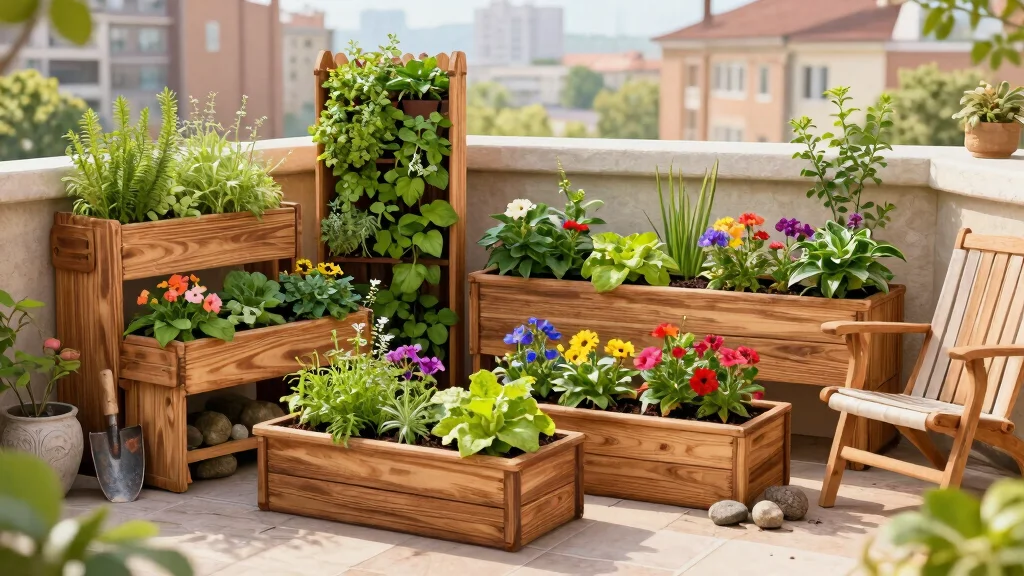
Transform your backyard into a stunning visual masterpiece with tiered wooden garden beds. These cleverly designed structures not only enhance the aesthetics of your outdoor space but also optimize planting opportunities. You can cultivate a range of vegetables, herbs, and flowers, making the most of different sunlight and moisture requirements across the tiers.
Begin by selecting high-quality wood that can withstand the elements over time. Consider lining each tier with landscaping fabric to retain soil while ensuring proper drainage. Filling each level with a rich blend of garden soil and compost will provide your plants with the nutrients they need to thrive.
Key features to consider:
– Create multiple levels for diverse plant growth
– Incorporate drip irrigation for efficient watering
– Use weather-resistant wood for durability
This design not only maximizes your gardening space but also adds an eye-catching element to your yard. With tiered beds, you’ll enjoy a productive garden that looks great all year round.
📹 Related Video: DIY Tiered Raised Garden bed – How to build
Tiered Wooden Garden Beds
Editor’s Choice

Infinite Cedar Select Cedar Raised Garden Bed (4′ x 8′ x 17.5″ H)


LAVEVE 4FT x 100FT Weed Barrier Landscape Fabric, 3.2oz Premium Heavy Du…

Espoma Organic Raised Bed Mix – All Natural and Organic Potting Soil Mix…
2. Metal Raised Beds for Modern Flair

Looking to elevate your garden’s style? Metal raised beds offer a sleek, contemporary look that’s both functional and fashionable. Crafted from materials like galvanized steel, these beds are built to last while providing an attractive addition to your backyard. Their ability to retain heat can also give your plants a head start in the growing season.
To ensure your plants thrive, line the interiors with landscaping fabric to protect against extreme temperatures. You can choose from various finishes such as copper or corten steel, allowing you to match your garden’s aesthetic. Pairing these beds with vibrant flowers will create a stunning contrast against the metal surface.
Consider these highlights:
– Choose from various metal types for customization
– Enjoy low maintenance with rust-resistant options
– Maximize heat retention for faster plant growth
With metal raised beds, you’ll not only enhance your garden’s appeal but also cultivate a thriving environment for your plants.
Metal Raised Beds for Modern Flair
Editor’s Choice

Galvanized Steel Raised Garden Bed 8x2ft Oval – 17″ Tall 9-in-1 Modula…

3ftx50ft Weed Barrier Landscape Fabric Heavy Duty,Weed Block Gardening…
3. Vertical Planter Wall

Maximize your gardening potential, even in tight spaces, with a vertical planter wall! This innovative solution allows you to grow herbs, flowers, and small vegetables while saving valuable ground space. Wall-mounted planters bring your garden to eye level, making planting and harvesting easier and more enjoyable.
Utilize a mix of planters like fabric pockets, wooden shelves, or repurposed pallets to create a unique design. This setup not only provides an easy maintenance environment but also adds a creative flair to your garden space. You’ll be amazed at how much greenery you can fit in a small area!
Key benefits include:
– Save space while expanding your gardening area
– Enjoy easy access for planting and harvesting
– Add a creative, artistic element to your garden
With a vertical planter wall, you’ll enjoy a thriving garden in even the smallest of spaces.
Did you know a vertical planter wall can free up 60% of ground space in tight yards? With fabric pockets and pallet shelves, you can grow herbs, flowers, and compact veggies right at eye level in your backyard raised garden beds.
Vertical Planter Wall
Editor’s Choice

iPower 2-Pack Hanging Vertical Wall Planter 7 Pockets Upgraded Deeper Wa…
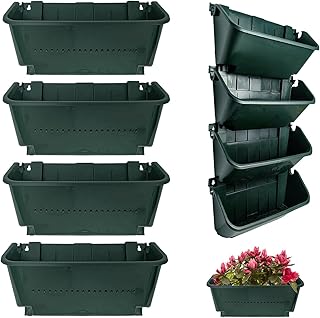
Self-Watering Wall Mounted Planter Set, Indoor and Outdoor Vertical Plan…

Bamworld Plant Stand Indoor Plant Shelf Outdoor Wood Plant Rack for Mult…
4. Decorative Stone Raised Beds

Elevate your garden’s elegance with decorative stone raised beds. These beautiful structures blend seamlessly into your landscape, offering a solid foundation for your plants. With various shapes and sizes available, you can create a personalized design that reflects your style while enhancing your garden’s beauty.
Stone raised beds are not only durable but also provide excellent insulation, helping to extend the growing season. Mix different types of stones for a unique look and fill your beds with quality soil to give your plants the best chance to thrive.
Consider the following advantages:
– Enjoy long-lasting durability against weather and pests
– Create natural aesthetics that enhance your yard
– Benefit from heat retention for better plant growth
With decorative stone raised beds, your garden will become a stunning focal point that you can enjoy for years to come.
Decorative Stone Raised Beds
Editor’s Choice

FANTIAN 20 lbs Large River Rocks for Outdoor Landscaping, 3-4 Inch Decor…

Land Guard Galvanized Raised Garden Bed Kit, Galvanized Planter Garden B…
5. Pallet Garden Beds

If you’re on a budget, pallet garden beds offer a creative and eco-friendly gardening solution. By repurposing wooden pallets, you can create raised beds that not only save money but also add a rustic charm to your garden. Simply stack and secure the pallets to form a sturdy structure for planting.
Choosing heat-treated pallets will ensure safety and longevity. You can easily customize the size and shape to fit your available space, making them a flexible option for any garden. Lining the beds with landscaping fabric and filling them with soil will prepare them for your favorite plants.
Here are some key points to remember:
– Utilize reclaimed materials for a budget-friendly option
– Customize size and shape to fit your garden
– Add rustic charm to your outdoor space
Pallet garden beds will not only help you save space but also create a unique story within your garden.
You might also like


Pallet Garden Beds
Editor’s Choice

Reclaimed Wood Pallet Sign Blank -DIY Art – Made in the USA (12×18)
Espoma Organic Raised Bed Mix – All Natural and Organic Potting Soil Mix…
LAVEVE 4FT x 100FT Weed Barrier Landscape Fabric, 3.2oz Premium Heavy Du…
6. Herb Spiral Garden

Explore the beauty of herb spiral gardens, a compact design that allows for diverse plant life. This unique vertical structure features a spiral layout, enabling you to grow a variety of herbs while creating different microclimates for each plant. It’s a fantastic way to use space efficiently while adding visual interest to your garden.
Building an herb spiral is simple! Use stones or bricks for the structure, fill it with nutrient-rich soil, and plant your favorite herbs like basil, thyme, and mint. This setup not only provides fresh herbs for your kitchen but also attracts beneficial insects and pollinators to your garden.
Consider these benefits:
– Maximize space with vertical growth options
– Create microclimates for diverse plants
– Add visual intrigue to your garden design
With an herb spiral garden, you’ll enjoy fresh flavors and a vibrant garden that draws in nature’s helpers.
❝ Fun fact: a compact herb spiral can fit 8–12 herbs in a tiny footprint, turning vertical space into a living pantry for your backyard raised garden beds. Rotate sun-loving and shade-tolerant plants in microclimates for healthier, tastier herbs.
Herb Spiral Garden
Editor’s Choice

Burpee, 9 Quarts | Premium Organic Potting Natural Soil Mix Food Ideal f…
FANTIAN 20 lbs Large River Rocks for Outdoor Landscaping, 3-4 Inch Decor…

Seed Needs Herb Seeds Variety Pack Culinary Herb Collection (12 Individu…
7. Reusable Fabric Raised Beds

If portability and convenience are what you seek, reusable fabric raised beds are the perfect solution. Made from lightweight, durable fabric, these beds provide excellent drainage and aeration, promoting healthy plant growth. They’re an innovative choice for gardeners looking for flexibility in their planting options.
Consider the eco-friendly options available, as many fabric beds are made from recycled materials. You can easily move them around your garden to find the best sun exposure, making them adaptable for various planting needs. Fill them with quality soil and compost to create a thriving garden wherever you choose.
Key features include:
– Easily movable to optimize sunlight
– Promote healthy root growth with great aeration
– Choose eco-friendly materials for your garden
With fabric raised beds, you’ll create a flourishing garden that adapts to your space and needs.
Reusable Fabric Raised Beds
Editor’s Choice
Espoma Organic Raised Bed Mix – All Natural and Organic Potting Soil Mix…
8. Corner Garden Beds

Make the most of your backyard by utilizing corners with clever corner garden beds. These designs transform often-overlooked spaces into productive planting areas. You can maximize your gardening potential without compromising the layout of your yard.
Consider constructing corner beds using timber or stones to define the space. Fill them with companion plants to enhance growth and visual appeal. Pairing taller plants at the back with shorter ones in the front will create an attractive layered effect.
Benefits you’ll enjoy:
– Optimize unused corners for better planting
– Provide privacy and shelter for your plants
– Design flexibility to match your garden style
With corner garden beds, you’ll add beauty and productivity to every inch of your outdoor space.
You Might Also Like

Key Trade-offs & Our Top Pick
Option Comparison
1. Tiered Wooden Garden Beds
– Pros:
– Offers multiple levels for planting, maximizing space.
– Wooden aesthetic blends beautifully with nature.
– Provides good drainage and warmth for plants.
– Cons:
– Requires regular maintenance to prevent rotting.
– More expensive than some other materials.
– Installation can be time-consuming.
– Best for: Gardeners looking to create a visually appealing space while growing a variety of plants in a compact area.
2. Metal Raised Beds for Modern Flair
– Pros:
– Durable and long-lasting; won’t rot or warp.
– Sleek look adds a contemporary touch to your garden.
– Heat retention helps extend the growing season.
– Cons:
– Can get hot in direct sun, potentially harming roots.
– Limited color options compared to wood.
– Higher initial cost compared to wooden beds.
– Best for: Homeowners wanting a low-maintenance and stylish garden bed option.
3. Vertical Planter Wall
– Pros:
– Ideal for small spaces, maximizing vertical area.
– Creates a striking visual feature in your yard.
– Easy access for watering and harvesting.
– Cons:
– Limited planting space per section.
– Requires sturdy wall support and careful installation.
– May need more frequent watering than traditional beds.
– Best for: Those with minimal yard space who want to grow herbs or small vegetables in a creative way.
4. Herb Spiral Garden
– Pros:
– Efficient use of space with a unique spiral design.
– Accommodates various herbs and plants with different moisture needs.
– Attracts beneficial insects, enhancing biodiversity.
– Cons:
– Requires careful planning and construction.
– Limited to herb gardening; less versatile for larger vegetables.
– May not suit every garden style.
– Best for: Gardeners focused on growing a variety of herbs in a compact and visually interesting setup.
5. Raised Beds on Wheels
– Pros:
– Offers mobility, allowing you to move beds as needed for sunlight.
– Ideal for renters who need flexibility.
– Can be easily stored during off-seasons.
– Cons:
– Mobility can make them less stable in heavy winds.
– Wheels may wear out over time and require replacement.
– Slightly more complex to assemble.
– Best for: Those who want to experiment with plant placement without permanent installations.
Expert Recommendation:
Best Overall: Tiered Wooden Garden Beds
These garden beds are our top pick for many reasons. They provide excellent value for money, offering multiple tiers for planting without taking much space. While they may need occasional maintenance, their natural look fits beautifully in any backyard. Plus, they last for years with proper care, making them a versatile choice for various plants.
Why We Picked This:
The tiered wooden garden beds suit a wide range of gardeners, from beginners to experienced ones. If you prefer low-maintenance options, metal or fabric beds might be better for you. If space is your main concern, consider vertical planters or herb spirals. No matter your choice, the goal is to create a productive and beautiful garden that fits your lifestyle!
Corner Garden Beds
Editor’s Choice

Companion Planting Simplified: Natural Ways to Pair Plants for Maximum G…
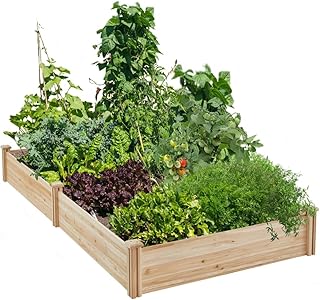
Yaheetech 8×4ft Wooden Horticulture Raised Garden Bed Divisible Elevate…
Espoma Organic Raised Bed Mix – All Natural and Organic Potting Soil Mix…
9. Raised Beds on Wheels

If you love flexibility in your gardening, raised beds on wheels offer the ultimate convenience. These mobile garden beds allow you to move them around effortlessly, following the sun or changing your garden layout as needed. They’re perfect for those who enjoy rearranging their outdoor spaces.
Building your own wheeled raised beds can be a fun DIY project! Simply attach sturdy wheels to a wooden or metal frame to ensure stability. This mobility makes gardening more accessible, especially for those with mobility challenges, allowing you to cultivate fresh produce wherever you want.
Consider these perks:
– Easily reposition beds for optimal sunlight
– Create accessible gardening solutions
– Experiment with creative layouts and designs
With raised beds on wheels, you’ll enjoy a dynamic gardening experience that adapts to your lifestyle.
Moving backyard raised garden beds on wheels is like having a sun-powered layout editor. When the sun shifts, I roll them to catch every ray and keep veggies thriving—no heavy lifting required.
Raised Beds on Wheels
Editor’s Choice

Nefish Side Mount Casters 2 Inch L-Shaped Small Rubber Caster Set of 4, …

Yangbaga 2pack Plant Caddy 12’’Wood Duty Rolling Plant Stand with 2 …

Metal Raised Bed Garden Bed Kit, 6x3x2ft Tall Galvanized Planter Raised …
10. Built-in Benches with Raised Beds

Enhance your garden’s functionality and comfort by incorporating built-in benches alongside raised beds. This approach not only provides additional seating but also elevates the visual appeal and usability of your outdoor space. You can relax in your garden while tending to your plants, making it a serene retreat.
Creating a cohesive design can be achieved using the same materials for both benches and raised beds, ensuring a seamless look throughout your garden. This setup promotes easy maintenance while making your garden more inviting for family and friends.
Key advantages include:
– Enjoy dual-purpose seating for relaxation and gardening
– Create a stylish, cohesive landscape design
– Simplify maintenance with matching materials
With built-in benches and raised beds, you’ll cultivate a welcoming garden space that encourages you to spend more time outdoors.
Built-in Benches with Raised Beds
Editor’s Choice

Garden Bench,Outdoor Benches,Iron Steel Frame Patio Bench with Mesh Patt…
Conclusion

Elevated garden beds are an excellent way to make the most of your backyard, especially when it comes to small space gardening. With a variety of designs and materials to choose from, you can create a beautiful and productive garden that meets your needs and preferences.
Whether you lean towards modern metal beds, rustic wooden designs, or innovative fabric options, the possibilities are endless. Embrace the joy of gardening in a way that’s both stylish and functional, and enjoy fresh produce brought right from your backyard to your table!
Note: We aim to provide accurate product links, but some may occasionally expire or become unavailable. If this happens, please search directly on Amazon for the product or a suitable alternative.
This post contains Amazon affiliate links, meaning we may earn a small commission if you purchase through our links, at no extra cost to you.
Frequently Asked Questions
What are the best garden bed materials for backyard raised garden beds in small spaces?
For small-space backyard raised garden beds, choose rot-resistant materials that are safe for edibles. Cedar or redwood last long and look natural, while galvanized steel frames offer a slim, modern footprint. Composites can be low-maintenance and resist rot, though they cost more. Avoid pressure-treated lumber for edible crops unless you seal or line it. When building in tight spots, aim for a bed height of 18-24 inches for comfortable harvesting and keep bed widths to 24-30 inches so you can reach the middle from either side. Use a drainage layer and landscape fabric at the bottom if needed, and fill with a rich soil mix (about 60% topsoil, 30% compost, 10% perlite or vermiculite) plus a mulch on top to retain moisture. If you’re adding vertical elements, a simple trellis or vertical planters can extend productive space without crowding the ground.
How can I maximize a small space with backyard raised garden beds?
Turn a tight yard into a productive oasis by going vertical and modular. Install 3-4 tiered elevated beds along a fence, and add a trellis at the ends for climbing varieties like tomatoes or cucumbers. Use wall-mounted pockets or hanging herb planters to add greens without using floor space. Keep walkways narrow (18-24 inches) and design with square-foot gardening to fit more plants per bed. Plan sun exposure (6-8 hours) and orient beds accordingly, and install a drip irrigation line for efficient watering. Choose compact or dwarf varieties to keep plants manageable in tight spaces. This approach is a staple of small space gardening and backyard gardening tips alike.
Which vegetables thrive in elevated beds and how should I plant them for a productive space?
Choose vegetables that perform well in raised beds and tight spaces: leafy greens (lettuce, spinach, arugula), herbs (basil, parsley, cilantro), root crops (radish, carrot), and compact fruiting varieties like bush beans, peppers, and dwarf tomatoes. Use a trellis for climbing cucumbers or peas to save floor space. Plant in sun with 6-8 hours; practice succession planting every 2-3 weeks to keep harvests coming. For depth, most greens need 8-12 inches, root crops 12-18 inches. Fill beds with a soil mix: 60% topsoil, 30% compost, 10% perlite; refresh with compost yearly and fertilize as needed. These ideas align with classic vegetable garden ideas for backyard raised garden beds.
How do I water and maintain backyard raised garden beds in a small space?
Watering and maintenance feel easier with a simple system. Install a drip irrigation line or soaker hoses with a timer to deliver even moisture and reduce waste. Mulch with straw or shredded bark to retain soil moisture and suppress weeds. Refresh soil each spring with compost, rotate crops, and monitor for pests with basic backyard gardening tips. Keep soil pH around 6.0-7.0 (adjust with lime or sulfur if needed) and prune for airflow to prevent disease. Regularly remove spent plants and replenish mulch to maintain soil health in your raised bed designs.
Are there quick, low-cost ideas to start with small-space vertical garden beds?
Yes—there are plenty of affordable options for raised bed designs in small spaces. Start with a freestanding raised bed kit or a couple of stackable planters, then add a trellis along a fence for vertical crops. Use pocket planters or railing planters for herbs, and repurpose containers or second-hand planters to save money. A weekend project can set up a 4×2 ft raised bed, fill it with soil, and plant a few greens or herbs. As you budget, look for simple kits and expand gradually with additional beds or vertical elements to suit your small space gardening goals and overall backyard gardening tips.
Related Topics
backyard raised garden beds
small space gardening
vertical gardening
raised garden bed designs
vegetable garden ideas
DIY garden beds
gardening for beginners
easy gardening tips
garden bed materials
urban gardening
productive gardening
seasonal gardening