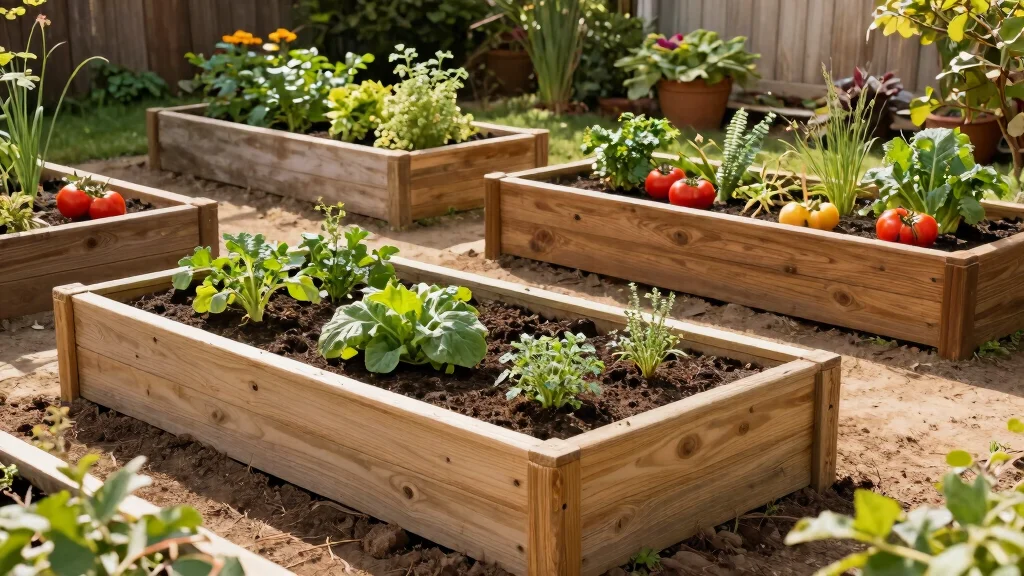
Creating your own garden can feel daunting, especially if you’re working with limited space or time. But don’t worry; gardening doesn’t need to be stressful or time-consuming. That’s why I put together this guide about easy raised garden beds. Whether you’re a busy parent, a college student, or just someone looking to beautify your balcony, you’ll find something here that fits your needs.
If you love gardening or want to start a new hobby, this post is for you. You’ll learn how to build eight different raised garden bed designs that anyone can put together in just a single afternoon. Gardening enthusiasts, beginners, and DIY lovers will all appreciate these creative ideas. From classic wooden designs to unique vertical gardens, you’re bound to find a project that resonates with your personality and space.
In this guide, you’ll gain practical step-by-step instructions, along with tips to optimize your small gardening space. By the end, you’ll have the tools and inspiration to create your own vegetable patches, flower beds, or herb gardens right at home. Let’s dig in and explore these fun and easy raised garden bed ideas!
Key Takeaways
– Variety of Options: You will discover eight distinct raised garden bed designs, each with unique benefits tailored for different spaces and styles.
– Simple Instructions: Each project includes step-by-step guidance that makes it easy for you to get started, regardless of your skill level.
– Space Efficient: These designs are perfect for small areas, making them ideal for patios, balconies, or urban gardens.
– DIY Creativity: You’ll find materials that are often repurposed, encouraging creativity while also being budget-friendly.
– Quick and Rewarding: All projects can be completed in a single afternoon, allowing you to enjoy the fruits of your labor almost immediately.
1. Classic Wooden Raised Bed
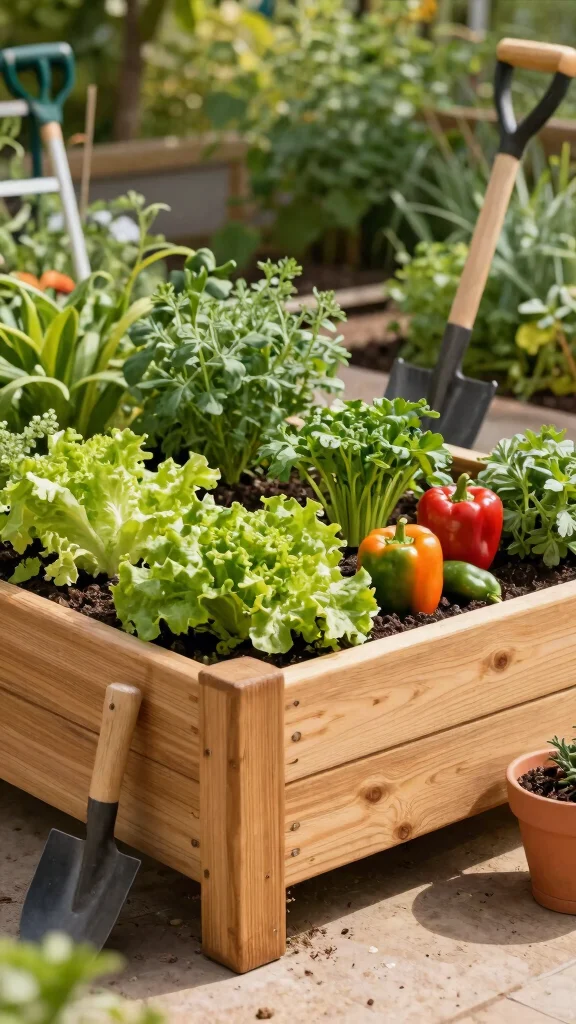
Imagine stepping into your garden and being greeted by a charming wooden raised bed. This classic design, often crafted from untreated cedar or redwood, not only enhances your space but also promotes healthy plant growth. With excellent drainage and weed control, these beds make gardening a breeze and allow you to focus on nurturing your plants rather than battling nature’s challenges.
To build your own wooden raised bed, start by selecting untreated wood to ensure your soil stays chemical-free. Measure out a rectangular shape, typically around 4′ x 8′, and cut your pieces accordingly. Secure the corners with brackets and screws for a sturdy frame, then fill it with a nutrient-rich mix of topsoil and compost.
Key steps to create your classic raised bed:
– Choose untreated wood for safety
– Cut pieces to form a rectangular shape
– Secure corners with screws and brackets
– Fill with nutrient-rich soil mix
This timeless garden feature enhances any outdoor space, making it easy for you to grow a variety of vegetables and herbs in style.
Classic Wooden Raised Bed
Editor’s Choice
Yaheetech 8×4ft Wooden Horticulture Raised Garden Bed Divisible Elevate…


Garden Tools Set, 3 Pack Heavy Duty Gardening Tools Set Include Garden S…

Espoma Organic Raised Bed Mix – All Natural and Organic Potting Soil Mix…
2. Vertical Pallet Garden
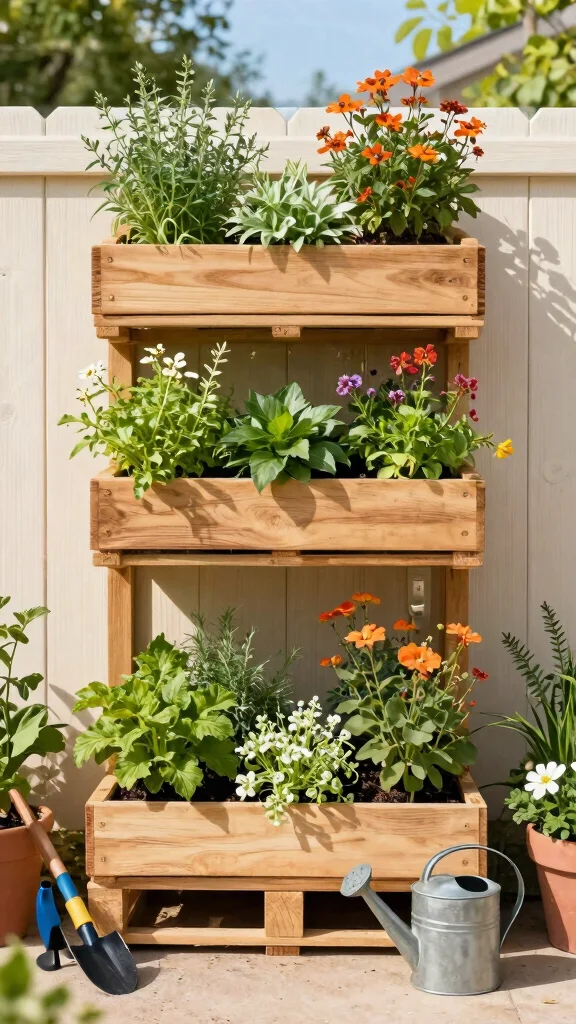
Tight on space? A vertical pallet garden is a fantastic solution that helps you grow your favorite plants without taking up much room. By repurposing a wooden pallet, you can create a stunning garden display that utilizes vertical space effectively, making it ideal for small vegetables, herbs, or colorful flowers.
To get started, sand down your pallet to avoid splinters, then lean it against a wall or fence for support. Line the pockets with landscape fabric, fill them with soil, and plant your chosen greenery. This method not only saves space but also adds a unique touch to your backyard.
Quick steps to build your vertical garden:
– Sand the pallet to prevent splinters
– Lean against a wall or fence
– Line pockets with landscape fabric
– Fill with soil and plant your favorites
A vertical garden not only maximizes your planting area but also creates a beautiful focal point that brings life to any outdoor setting.
Difficulty Rating & Requirements
Overall Difficulty Rating: Easy
Building easy raised garden beds is rated as easy. This project is perfect for beginners who want to dive into DIY garden projects. If you have basic tools and a bit of enthusiasm, you can create your own garden beds in just a single afternoon.
Time Estimate: ⏱ Estimated time: 3-4 hours
Most of the time will be spent gathering materials and assembling the beds. Here’s a quick breakdown:
– Gathering materials: 1 hour
– Assembly: 2-3 hours
Skill Requirements:
– Required skills: Basic measuring and cutting skills. You should be comfortable with using simple hand tools.
– Beginner-friendly: Yes, this project is beginner-friendly. You will learn basic woodworking skills along the way.
– Skills that can be learned vs. those requiring experience: Most skills can be learned during the process, but familiarity with measuring and cutting wood will help.
Tools & Materials Needed: 🧰 Essential items checklist
– Wood planks (cedar or untreated pine): Required
– Power drill/screwdriver: Required
– Measuring tape: Required
– Saw (hand saw or circular saw): Required
– Wood screws: Required
– Level: Optional (for ensuring the bed is even)
– Landscape fabric: Optional (to prevent weeds)
– Soil and compost: Required (for filling the beds)
Step-by-Step Overview:
1. Planning and measuring (30 minutes): Decide on the size and location of your raised bed. Measure and mark the area to ensure you have adequate space.
2. Cutting wood (1 hour): Use a saw to cut the wood planks to your desired lengths. Make sure to wear safety goggles!
3. Assembly (1-2 hours): Start by assembling the sides of the raised bed using screws. Attach the corners securely. Make sure everything is square and level.
4. Placing the bed (30 minutes): Move the assembled bed to your chosen spot and make any necessary adjustments.
5. Filling with soil and compost (1 hour): Fill your new raised bed with a mix of soil and compost. This will give your plants a healthy start.
Professional vs DIY:
Building a raised garden bed can cost around $200 if you hire professionals. This may include labor and materials. In contrast, doing it yourself can save you money, potentially costing as little as $50-$75 for materials. If you have the time and enjoy working with your hands, it’s a great opportunity to learn and create something that enhances your garden. If you feel overwhelmed or lack the tools, hiring help might be worthwhile.
Vertical Pallet Garden
Editor’s Choice

Miracle-Gro Garden Soil All Purpose – Garden Soil for Outdoor Plants & I…
3. Tiered Raised Bed

For a stunning visual impact, consider building tiered raised beds. This design allows you to create a multi-level garden that can adapt to sloped yards, providing easy access to plants at various heights. It adds a beautiful element to your landscape while ensuring your plants thrive in well-drained soil.
Begin by planning your layout to determine how many tiers you want. Use durable materials like treated wood or stone for each level, ensuring they can withstand the elements. Fill each tier with the right soil mix for your plants, promoting healthy growth and drainage.
Steps to create your tiered raised bed:
– Plan the layout for multiple levels
– Use durable materials like treated wood
– Fill each tier with suitable soil mix
Tiered beds not only enhance your garden’s aesthetic but also provide ample growing space for a diverse range of plants, from root vegetables to delicate herbs.
📹 Related Video: DIY Tiered Raised Garden bed – How to build
Tiered Raised Bed
Editor’s Choice

Yaheetech 3 Tier 47 x 47 x 22in Raised Garden Bed Horticulture Outdoor E…

S AFSTAR 3-Tier Raised Garden Bed, Wood Elevated Planter Box with 3 Divi…

Corona Tools Extendable Handle Trowel for Raised Garden Beds – Adjusta…
4. Cinder Block Planters
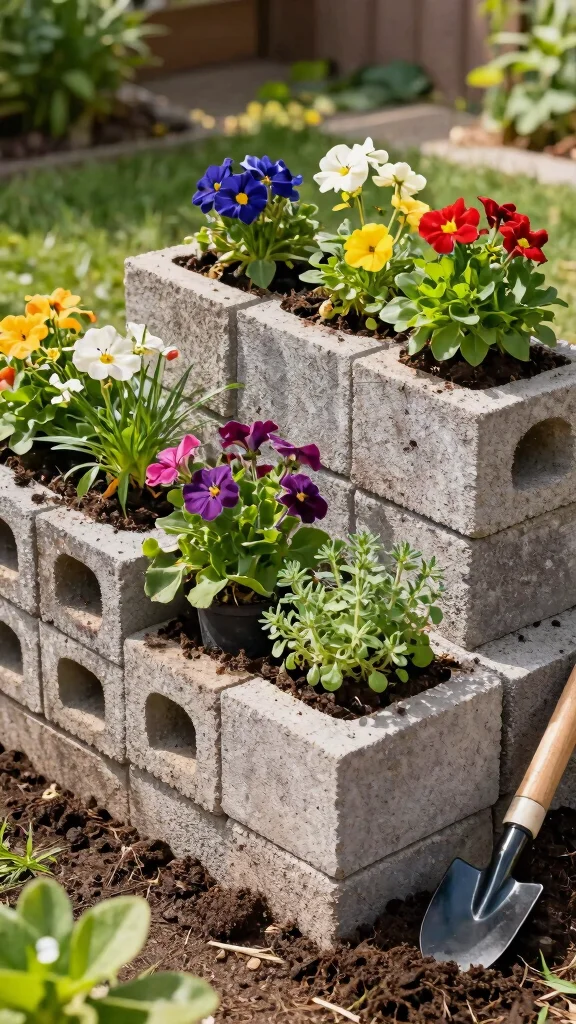
Cinder block planters offer a creative way to establish raised beds that are both stylish and functional. These sturdy blocks allow for unique designs and provide multiple planting spaces, including the block holes themselves for herbs or flowers.
To create your cinder block planter, gather inexpensive blocks and arrange them in a square or rectangular shape, stacking as high as you prefer. Make sure to leave gaps between the blocks for adequate drainage, then fill the structure with soil.
Steps for building your cinder block planters:
– Gather inexpensive cinder blocks
– Arrange in your desired shape
– Fill with soil, ensuring drainage
This innovative design is perfect for urban gardens, allowing you to grow a variety of plants while maximizing limited space.
Building with blocks is a breeze for beginners—easy raised garden beds that are simple, sturdy, and surprisingly stylish. Stack cinder blocks, leave gaps for drainage, then fill with rich soil and plant herbs or blooms in minutes. You’ll enjoy a high-impact raised bed without the hassle or cost.
You might also like
Cinder Block Planters
Editor’s Choice

Utopia Home Galvanized Raised Garden Bed, 6x2x1 Ft Lightweight Planter B…

Espoma Organic Vegetable & Flower Garden Soil Natural and Organic in Gro…
5. Fabric Raised Beds
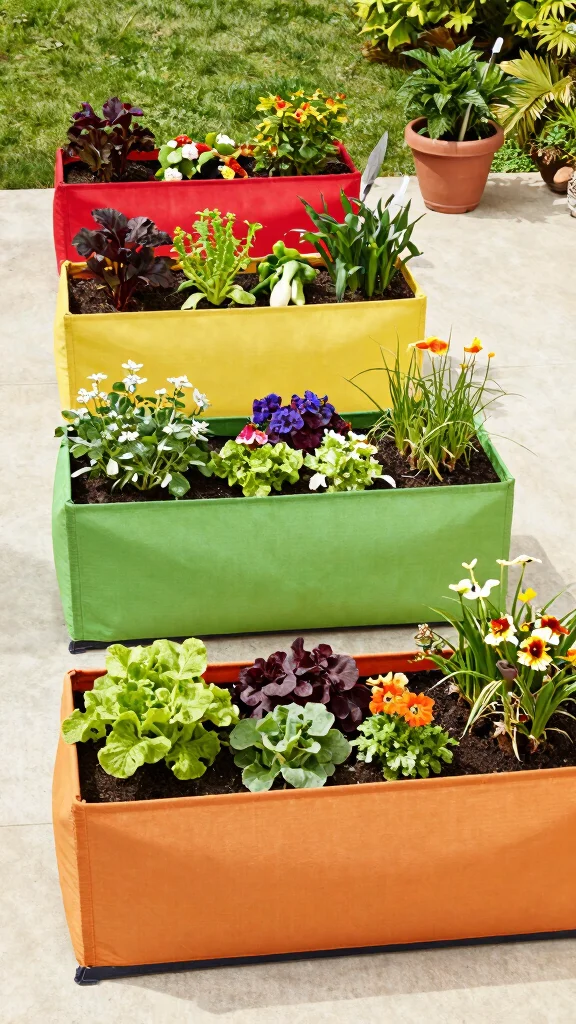
Fabric raised beds bring a modern twist to your gardening experience. Made from breathable materials, they are lightweight and easily movable, making them perfect for renters or those who enjoy changing their garden layout frequently.
To set up your fabric raised bed, purchase durable, UV-resistant fabric planters and fill them with high-quality potting mix for optimal drainage. You can choose a variety of vegetables or flowers that thrive in these containers, ensuring a vibrant display.
Steps to create your fabric raised beds:
– Purchase UV-resistant fabric planters
– Fill with high-quality potting mix
– Select your favorite vegetables or flowers
These beds not only promote healthy root airflow but also make gardening accessible, even in small spaces like balconies or patios.
Fabric raised beds let you move your garden as easily as you move furniture, perfect for renters and seasonal changes. With UV-resistant fabric and breathable soil, easy raised garden beds stay lightweight and drain well. Pro tip: pair durable fabric planters with quality potting mix for a vibrant, low-hassle harvest.
Fabric Raised Beds
Editor’s Choice

Miracle-Gro Organic Outdoor Potting Mix – Plant Soil for Outdoor Contain…
3x100FT Weed Barrier Landscape Fabric, 3.2oz Heavy Duty Garden Cloth, Gr…
6. Corner Raised Bed
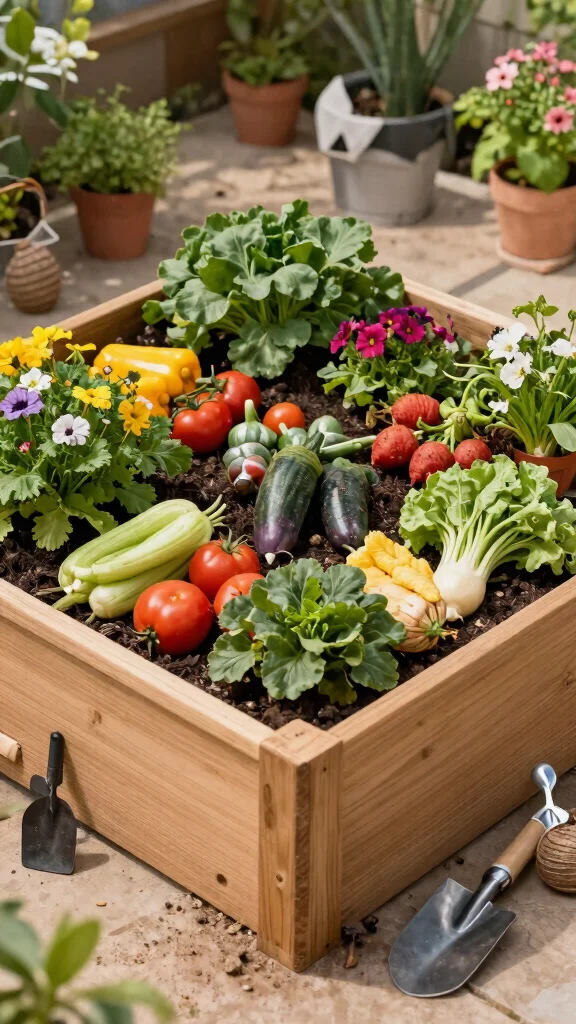
Transform an unused corner of your yard into a productive garden with a corner raised bed. This design fits perfectly into any corner, maximizing your planting area without taking up too much space.
Begin by measuring your corner to create a triangular or L-shaped design that works well. Use sturdy wood or raised bed kits to construct the corners, then enrich the soil with compost to foster optimal plant growth.
Steps to build your corner raised bed:
– Measure to create a triangular or L-shape
– Use sturdy materials for construction
– Fill with enriched compost for plant health
Corner raised beds allow you to utilize every inch of your yard, providing a neat and tidy look that enhances your outdoor decor while growing a variety of vegetables and flowers.
7. Wine Barrel Planter

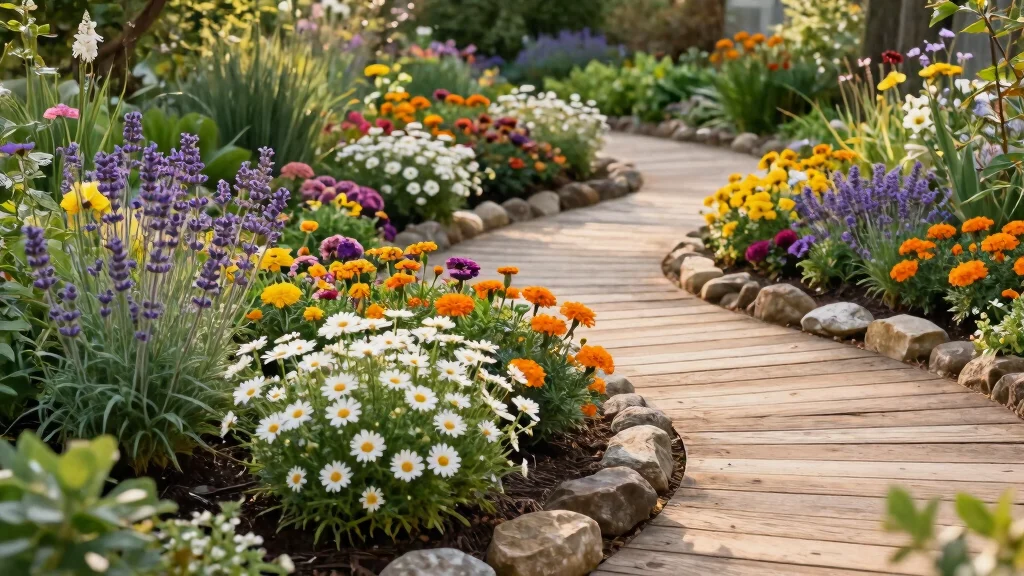
Add a unique rustic charm to your garden with a wine barrel planter. These large containers are perfect for growing deep-rooting vegetables and add a striking focal point to your outdoor space.
To set it up, find a used barrel from local shops or online. You can either cut it in half or leave it whole, depending on your available space. Ensure good drainage by adding gravel at the bottom before filling it with soil.
Steps to create your wine barrel planter:
– Source a barrel from local stores
– Cut in half or keep whole
– Add gravel for drainage before filling with soil
These planters not only enhance your garden’s visual appeal but also provide ample room for climbing plants to thrive, making them a delightful addition to any garden.
Fun fact: A single wine barrel planter can turn a small spot into an instant raised bed for leafy greens or peppers. Slice it in half or leave it whole to create easy raised garden beds—drainage from gravel keeps roots happy.
You Might Also Like
Wine Barrel Planter
Editor’s Choice

Espoma Organic Raised Bed Mix – All Natural and Organic Potting Soil Mix…
Classic Home and Garden Outdoor Whiskey Resin Flower Pot Barrel Planter,…
8. Curved Raised Bed
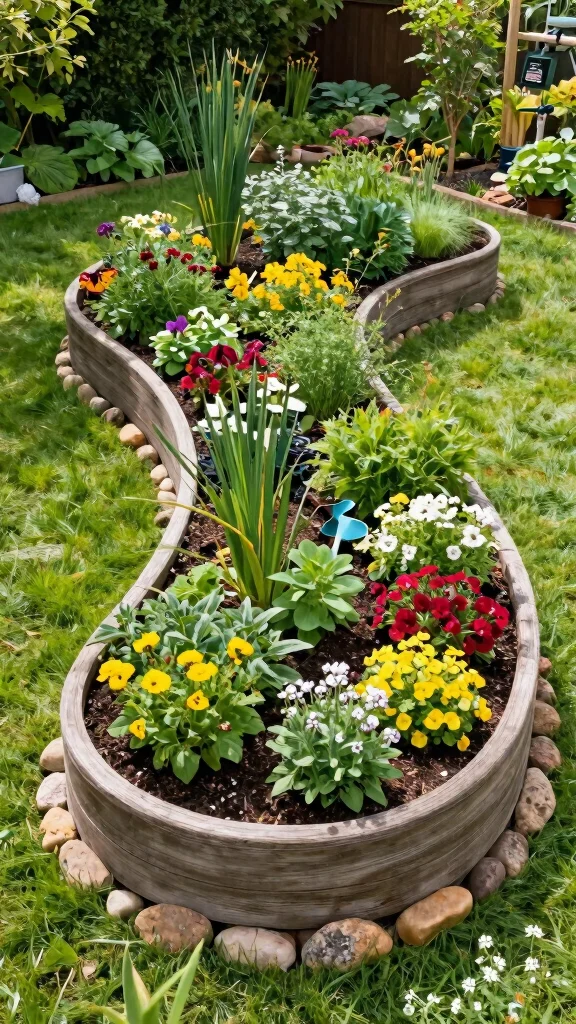
Curved raised beds add a gentle softness to your garden layout while providing a unique planting option. This design can be customized to fit any style, bringing both practicality and beauty to your outdoor space.
Start by designing your shape using a garden hose to outline the curve. Use flexible boards or logs to create the rounded frame, then fill it with enriched soil to support healthy plant growth.
Steps to create your curved raised bed:
– Design your shape with a garden hose
– Build the frame using flexible materials
– Fill with enriched soil for optimal growth
This style is ideal for herb gardens or flower beds, creating an enchanting and inviting atmosphere while maximizing your planting areas.
Curved Raised Bed
Editor’s Choice
![Landscape Edging 33FT,Garden Edging Borders [Extra Tall 4IN High] Flexib...](https://m.media-amazon.com/images/I/61g6PosFAJL._AC_UL320_.jpg)
Landscape Edging 33FT,Garden Edging Borders [Extra Tall 4IN High] Flexib…

Burpee, 9 Quarts | Premium Organic Potting Natural Soil Mix Food Ideal f…
Flat Soaker Hose 25 FT, Sprinkler Soaker Hose for Garden Bed, Drip Syste…
Conclusion
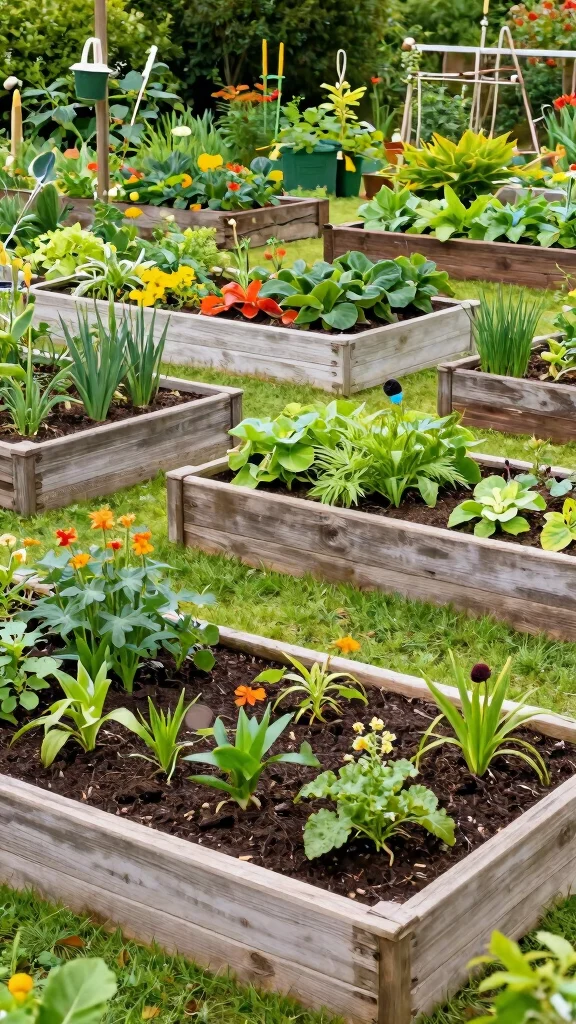
Building your own raised garden beds is an exciting project that can enhance your gardening experience and bring beauty to your outdoor space. Whether you choose a classic wooden design, a vertical pallet style, or an innovative fabric option, each bed offers unique advantages.
These easy raised garden beds can transform your gardening journey and turn any weekend afternoon into a rewarding experience filled with creativity and growth. Now it’s time to roll up your sleeves and start your DIY garden project!
Happy gardening!
Note: We aim to provide accurate product links, but some may occasionally expire or become unavailable. If this happens, please search directly on Amazon for the product or a suitable alternative.
This post contains Amazon affiliate links, meaning we may earn a small commission if you purchase through our links, at no extra cost to you.
Frequently Asked Questions
What are easy raised garden beds and why are they a great DIY garden project for a single afternoon?
Easy raised garden beds are simple, above-ground planter boxes that sit on soil and can be assembled with basic tools. They’re perfect for DIY garden projects and beginner gardening tips because you control height, materials, and drainage in a single afternoon. For small space gardening, they fit on patios, balconies, or narrow yards, turning any spot into productive vegetable garden ideas you can harvest from. To start, choose a straightforward design, select rot-resistant lumber or panels, gather screws and a basic soil mix, and assemble in under one afternoon. Fill with quality soil and plant fast-growing crops to see quick results.
What materials do I need for a simple easy raised bed that can be built in one afternoon?
To build a simple, one-afternoon easy raised bed, choose durable, rot-resistant materials and the essentials: cedar boards or redwood boards with weatherproof screws and corner brackets, a drill, a saw, and a simple liner to protect wood from moisture. You can also use galvanized metal panels for a sleek look. Pair these with a high-quality soil mix and compost, plus mulch and a light layer of landscape fabric to keep weeds at bay. This setup fits raised bed gardening and is a perfect example of DIY garden projects that beginners can tackle in a single afternoon.
How can I maximize space with vertical easy raised beds in a small garden?
Vertical or stacked raised beds let you grow more in less space. Use a wall or fence-mounted frame with trellises, or stack two or three shallow boxes. Place beds south-facing for sun, create narrow stepping paths, and install a simple drip irrigation line to minimize watering. Choose compact crops like lettuce, spinach, radishes, bush beans, and herbs. This setup is ideal for small space gardening and adds vegetable garden ideas to balconies and patios.
With thoughtful placement, you maximize yield in tight spaces and make weeding and watering easier.
What vegetables work best in these easy raised beds, and how should I plant them?
Leafy greens (lettuce, spinach, kale), root crops (radishes, carrots), and compact vegetables (bush beans, peppers, cherry tomatoes) do well in raised beds. For planting: decide between seeds or transplants, follow spacing guides (e.g., lettuce 6-8 inches, radishes 2-3 inches, tomatoes 18-24 inches where space allows), and plan succession planting for ongoing harvest. Ensure 6-8 hours of sun and regular watering, and use a good soil mix that drains well. This aligns with vegetable garden ideas and beginner gardening tips.
How do I maintain and prolong the life of my easy raised garden beds?
Keep your beds sturdy by using rot-resistant materials like cedar or by sealing the interior with a liner. Use exterior screws, check for loose boards, and tighten hardware yearly. Ensure drainage so roots don’t sit in water, and line the bottom with landscape fabric or cardboard to cut weeds. Topdress with compost and soil each season as part of your raised bed gardening routine. In winter, drain and cover or store materials if needed. This is practical for DIY garden projects that stand up to the elements and keep your easy raised garden beds productive for years.
Related Topics
easy raised garden beds
DIY garden projects
raised bed gardening
beginner gardening tips
small space gardening
vegetable garden ideas
afternoon projects
outdoor gardening
sustainable gardening
quick builds
urban gardening
container gardening