
Are you dreaming of a front yard that catches the eye and brightens your home’s appearance? You’re not alone. Homeowners everywhere are looking for ways to enhance their curb appeal without breaking the bank or spending every weekend in the garden. This post is all about flower beds in front of your house, serving as a guide to help you transform your outdoor space into a welcoming oasis.
If you’re someone who loves gardening but prefers low-maintenance options, this guide is perfect for you. You’ll discover ten creative flower bed ideas that are easy to implement and maintain. From seasonal arrangements to drought-tolerant plants, these ideas will help you create stunning displays that showcase your style while boosting your home’s curb appeal.
With this list of ideas, you’ll gain practical tips and inspiration to elevate your front yard landscaping. You’ll learn how to choose the right flowers and designs that will make your home stand out in your neighborhood. Get ready to bring color, texture, and charm to your outdoor space with flower beds that invite compliments!
Key Takeaways
– Low-Maintenance Options: Discover flower beds that require minimal upkeep, perfect for busy homeowners who want beautiful gardens without the hassle.
– Seasonal Variety: Learn how to rotate seasonal flower arrangements to keep your front yard looking fresh and inviting throughout the year.
– Drought-Tolerant Choices: Explore drought-tolerant plants that add color while conserving water, making them an eco-friendly option for your landscape.
– Edible Blooms: Consider incorporating edible flowers into your beds for an attractive and functional garden that you can enjoy in your kitchen.
– Creative Designs: Find inspiration for artistic flower bed designs that reflect your personality, helping your home stand out while enhancing its overall appeal.
1. Perennial Paradise

Transform your front yard into a perennial paradise that blooms year after year. With low-maintenance varieties like bellflowers, black-eyed Susans, and hostas, you can enjoy vibrant colors without the hassle of replanting. These hardy plants not only enhance your curb appeal but also ensure that your garden remains lively throughout the seasons.
Begin by arranging your flowers by height, placing taller plants at the back for a beautiful layered look. Mix different colors to create a stunning visual effect, ensuring that you have overlapping blooms all season long. Adding mulch helps retain moisture and keeps weeds at bay, making upkeep simpler.
Key tips to create your perennial flower bed:
– Group flowers by height for a stunning layered effect.
– Mix various colors for continuous visual interest.
– Use mulch to conserve moisture and reduce weeds.
A perennial flower bed brings lasting beauty and reduces maintenance, making it perfect for busy homeowners who still want a gorgeous garden.
Top Varieties for Different Conditions
1. Lavender (Lavandula spp.)
– Best conditions: Hot, dry climates, excellent for low-maintenance gardens.
– Key features: Lavender brings a fragrant, calming scent and beautiful purple flowers that attract pollinators. It’s drought-tolerant and thrives in poor soil, making it perfect for those who want a stunning garden with little upkeep.
– Considerations: Ensure the soil drains well; excessive moisture can lead to root rot.
2. Daylilies (Hemerocallis spp.)
– Best conditions: Adaptable to various climates, from temperate to humid regions.
– Key features: Daylilies produce striking blooms in various colors and require minimal care. They can bloom repeatedly throughout the season, adding constant color to your front yard.
– Considerations: While hardy, they appreciate some afternoon shade in hot climates to prevent wilting.
3. Sedum (Sedum spp.)
– Best conditions: Thrives in hot, dry areas and is perfect for xeriscaping.
– Key features: Sedum varieties have fleshy leaves and produce star-shaped flowers. They are extremely drought-resistant and require very little water once established.
– Considerations: Some types may spread rapidly, so monitor their growth to maintain balance in your flower bed.
4. Black-eyed Susan (Rudbeckia hirta)
– Best conditions: Full sun and adaptable to various soil types.
– Key features: This cheerful flower produces bright yellow petals with dark centers. It’s a fantastic choice for attracting butterflies and other beneficial insects.
– Considerations: Deadhead spent blooms to encourage more flowers and prevent unwanted self-seeding.
5. Coneflower (Echinacea spp.)
– Best conditions: Thrives in full sun and tolerates drought well.
– Key features: Coneflowers are hardy and produce large, daisy-like flowers in shades of purple, pink, and white. They are perfect for adding texture and color to your front yard.
– Considerations: Coneflowers may need staking if they grow too tall and become top-heavy.
6. Hostas (Hosta spp.)
– Best conditions: Ideal for shady areas and humid climates.
– Key features: Hostas come in various sizes and shades of green, with some varieties sporting stunning blue or gold foliage. They add a lush, tropical feel to shaded flower beds.
– Considerations: Hostas are prone to slug damage, so consider using organic slug bait or barriers to protect your plants.
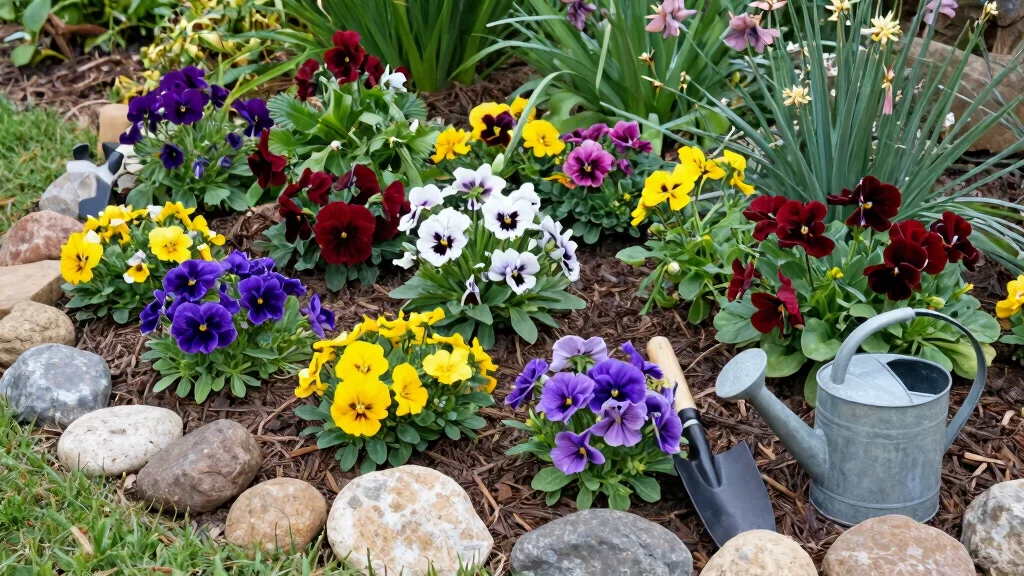
7. Pansies (Viola tricolor var. hortensis)
– Best conditions: Cooler climates, perfect for spring and fall displays.
– Key features: Pansies offer vibrant, cheerful colors and are perfect for seasonal flower arrangements. They bloom profusely and can handle light frosts, extending their blooming season.
– Considerations: They may require more frequent watering in hot weather, so plan accordingly.
Climate/Condition Guide:
– Temperate: Focus on hardy perennials like daylilies and coneflowers that can withstand varied weather.
– Continental: Consider choosing plants such as lavender and black-eyed Susans that thrive in both hot summers and cold winters.
– Coastal: Opt for salt-tolerant varieties like sedum and hostas to handle the breezy, salty air.
– Hot/Dry: Select drought-tolerant options like lavender and sedum to save on water while still enjoying vibrant blooms.
– Humid: Go for plants like hostas and daylilies that flourish in moisture-rich environments.
Growing Tips:
– Choose native plants when possible. They require less water and care while supporting local wildlife.
– Plan your flower bed layout considering the height of plants. Place taller plants at the back and shorter ones in the front for a visually appealing design.
Avoid:
– Don’t overcrowd your flower beds; give each plant enough space to grow properly.
– Avoid planting flowers that are not suited for your specific climate or soil type, as they will struggle to thrive.
Perennial Paradise
Editor’s Choice

HealthiStraw GardenStraw, 3 cu ft (20 lbs) All-Natural Mulch for Gardens…


Garden Tools Set, 3 Pack Heavy Duty Gardening Tools Set Include Garden S…

Burpee Wildflower 25,000 Bulk, 1 Bag | 18 Varieties of Non-GMO Flower Se…
2. Seasonal Flower Rotation

Breathe life into your garden with seasonal flower rotations that change with the seasons. This approach allows you to experience a variety of blooms year-round, creating a vibrant and ever-evolving landscape. Imagine daffodils and tulips in spring, zinnias and cosmos during summer, and rich-colored mums in the fall.
To get started, plan your flower beds around peak blooming months to ensure a continuous display of color. Pair annuals with perennials for maximum visual impact and consider planting bulbs that naturalize well, like daffodils, for effortless blooms each year.
Best practices for seasonal flower rotation:
– Plan flower beds based on blooming months for continuous color.
– Combine annuals and perennials for added depth.
– Choose bulbs that return reliably each year.
Seasonal flower rotations not only enhance your curb appeal but also bring excitement as new colors and textures emerge with each passing season.
“Rotate blooms with the seasons to keep your flower beds in front of house looking fresh all year. Plan around peak bloom months, and mix annuals with perennials for a continuous splash of color. Pro tip: group color blocks by bloom time for easier maintenance.”
Seasonal Flower Rotation
Editor’s Choice
Garden Tools Set, 3 Pack Heavy Duty Gardening Tools Set Include Garden S…

Back to the Roots 25.7qt (1 Cubic ft) Organic Premium Mulch

Burpee Wildflower 25,000 Bulk, 1 Bag, 18 Varieties of Non-GMO Flower See…
3. Drought-Tolerant Delight

Looking to conserve water without sacrificing beauty? A drought-tolerant flower bed could be your perfect solution. Choose resilient plants like sedum, lavender, and blanket flowers that thrive with minimal water while still delivering vibrant blooms. These hardy choices are ideal for low-maintenance gardening in dry climates.
Organize your drought-tolerant flowers together for efficient watering and care. Enhance your flower bed with gravel or pebbles for improved drainage and to deter weeds. Pairing these flowers with ornamental grasses adds texture and visual appeal to your garden.
Tips for a successful drought-tolerant garden:
– Group drought-tolerant flowers for easier maintenance.
– Add gravel to improve drainage and suppress weeds.
– Mix in ornamental grasses for added texture.
A drought-tolerant flower bed not only conserves water but also showcases effortless beauty, enhancing your home’s curb appeal.
Drought-Tolerant Delight
Editor’s Choice
XLUX Long Probe Deep Use Soil Moisture Meter Sensor, Water Monitor Indic…

Lavender Seeds for Planting, English Lavender Seeds Indoor & Outdoor, 70…
4. Edible Flower Beds
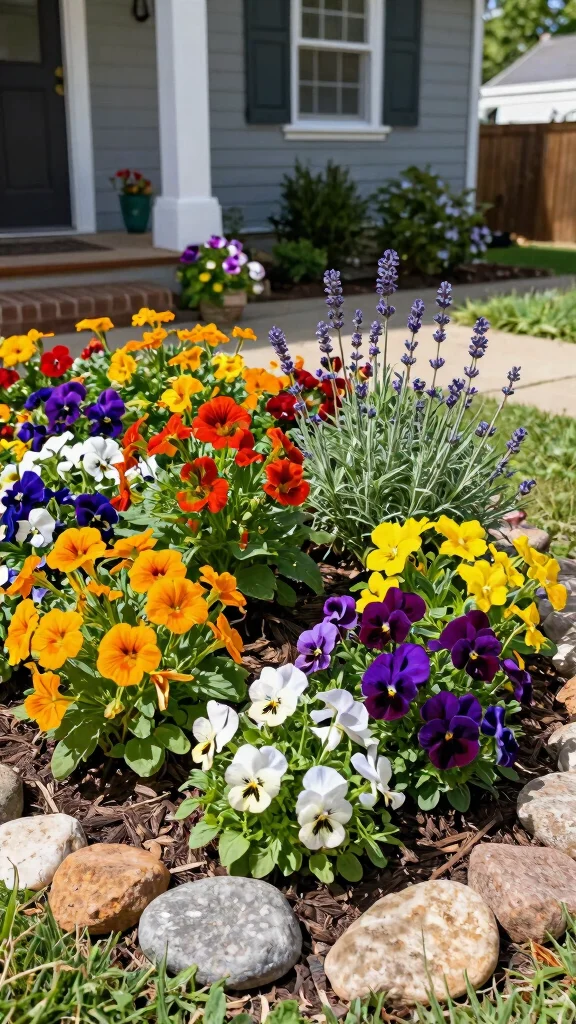
Why not combine beauty with function? Edible flower beds allow you to grow stunning blooms that are also delicious! Plants like nasturtium, pansies, and calendula not only brighten your garden but can also be used in various dishes, adding a unique touch to your meals.
These edible flowers attract beneficial insects, promoting a healthy ecosystem while adding a culinary twist to your landscape. Incorporating fragrant herbs like lavender or chamomile can enhance both your garden’s scent and culinary appeal.
Benefits of creating an edible flower bed:
– Attracts beneficial insects for a healthier garden.
– Adds a whimsical and functional element to your landscaping.
– Incorporate herbs for fragrance and flavor.
An edible flower bed makes your front yard not only beautiful but also a delightful source of fresh ingredients, enhancing your overall gardening experience.
📹 Related Video: Edible Landscaping – How to Create a Foodscape
Edible Flower Beds
Editor’s Choice
Herb Garden Starter Kit – Fruivity 12800+ 15 in 1 Herb Heirloom Seed K…

Back to The Roots Organic Flowers Seeds Variety (5-Pack)
Utopia Home Galvanized Raised Garden Bed Kit 4x2x1ft, Planter Box Raised…
5. Cottage Garden Charm
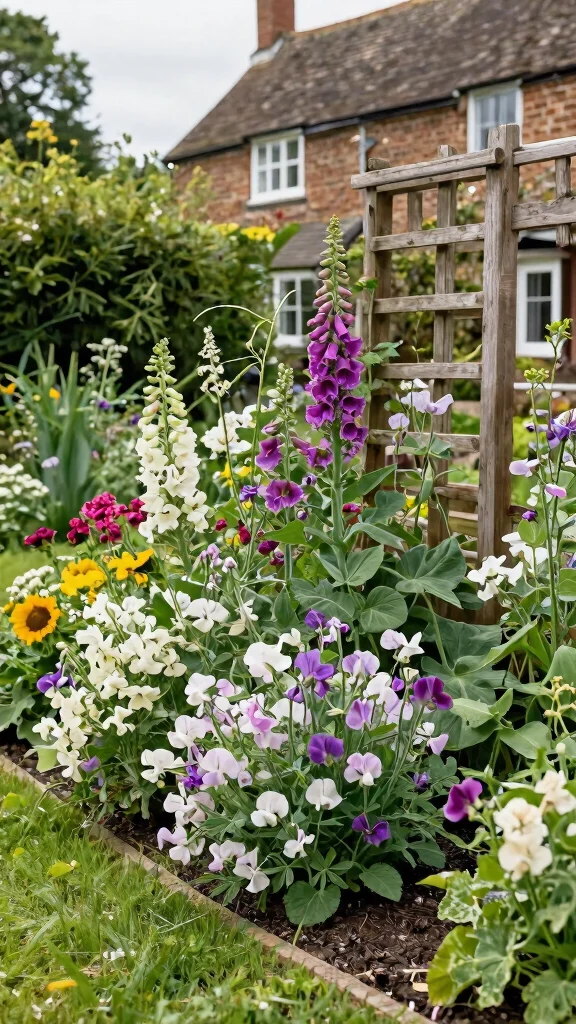
Dive into the enchanting world of cottage gardens, where beauty and whimsy unite. A mix of flowers, herbs, and greenery creates a relaxed and inviting atmosphere that feels like a storybook. Choose blooms like sweet peas, hollyhocks, and foxgloves to craft a charming and cozy vibe in your front yard.
For that perfect cottage look, plant flowers in clusters to mimic nature’s randomness. Add climbing plants on trellises for added height and dimension, and consider using rustic wooden borders or picket fencing to enhance the cozy aesthetic.
How to cultivate cottage garden charm:
– Cluster flowers for a natural, unstructured look.
– Use climbing plants for vertical interest.
– Implement wooden borders to enhance the cozy feel.
A cottage garden flower bed invites admiration and creates a warm, welcoming atmosphere for guests and passersby alike.
You might also like
Cottage Garden Charm
Editor’s Choice

Kynup Gardening Tools, Garden Tools Set with Garden Trowel, Hand Garden …
6. Minimalist Zen Garden
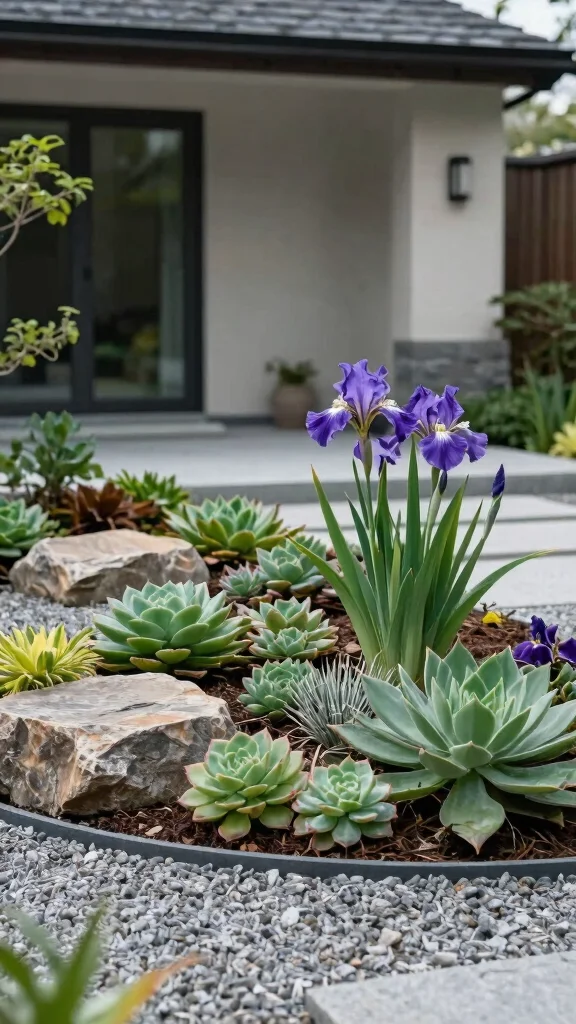
If you crave simplicity and structure, a minimalist zen garden might be just what you need. Select a few carefully chosen plants like succulents, Japanese irises, or ornamental grasses to create a serene and visually appealing flower bed. Focus on clean lines and well-defined spaces to achieve a calming effect.
Use gravel or sand as the garden base to evoke tranquility, and incorporate natural stones to add texture. Keeping your color palette neutral with whites, greens, and soft pinks will help maintain a soothing aesthetic.
Suggestions for designing your zen garden:
– Use gravel or sand to create a peaceful base.
– Add natural stones for visual interest.
– Stick to neutral colors for a calming look.
A minimalist flower bed offers a refined sense of tranquility and sophistication, making your front yard a peaceful retreat.
Minimalist Zen Garden
Editor’s Choice

Shop Succulents Assorted Succulent Plant Pack Collection – Live Mini Suc…


FANTIAN 20 lbs Large River Rocks for Outdoor Landscaping, 3-4 Inch Decor…
7. Raised Bed Flower Gardens
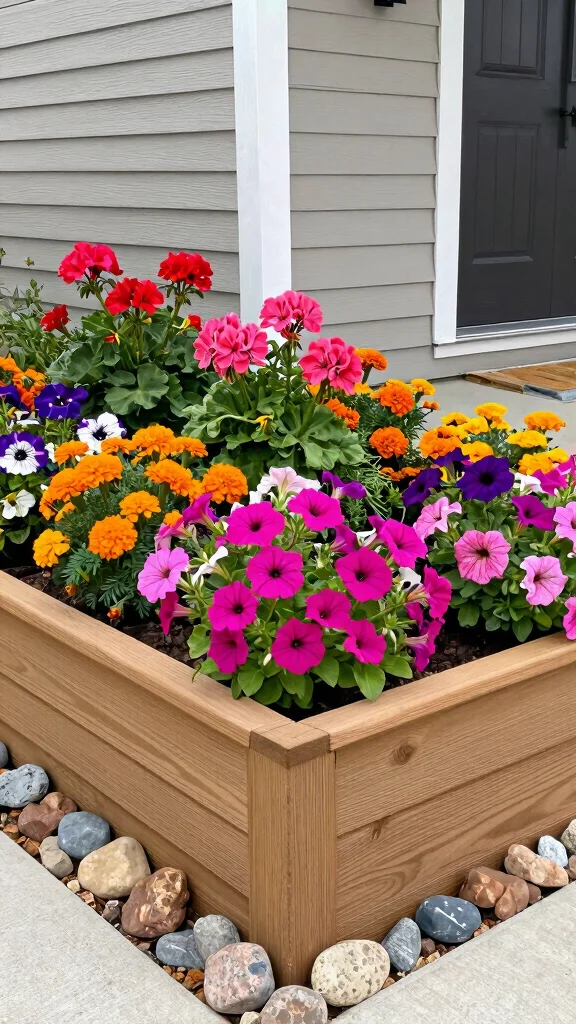
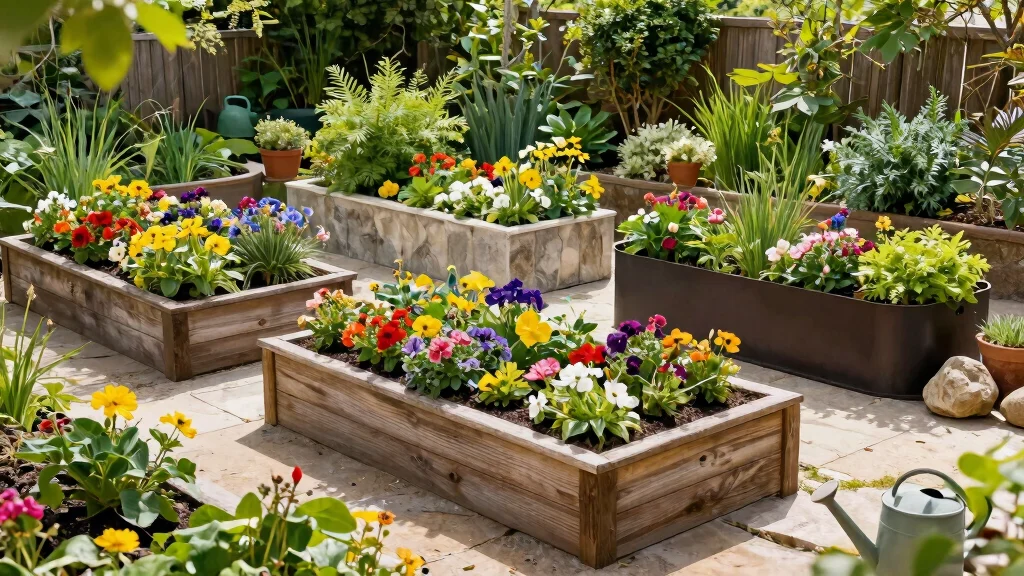
Elevate your gardening game by creating raised flower beds that add height and improve accessibility. Using materials like wood or stone, build raised beds filled with colorful flowers such as petunias, marigolds, and geraniums. These elevated gardens not only provide a modern look but also make maintenance easier.
Raised beds allow for better soil drainage, helping prevent root rot, especially during rainy seasons. Plus, they give your front yard a neat and tidy appearance, enhancing your home’s overall appeal.
Benefits of raised flower beds:
– Easier weeding and watering without bending down.
– Improved drainage for healthier plants.
– A clean, stylish look enhances curb appeal.
Raised flower beds make a bold statement while boosting the aesthetics of your home.
Fun fact: Raised beds drain up to 40% better than traditional ground beds, cutting root rot risk and keeping flower beds in front of house looking crisp. With a simple wood or stone frame, you gain height, accessibility, and a neater curb appeal.
Raised Bed Flower Gardens
Editor’s Choice
Back to the Roots 25.7qt (1 Cubic ft) Organic Premium Mulch
Utopia Home Galvanized Raised Garden Bed Kit 4x2x1ft, Planter Box Raised…
8. Bordering Beauty

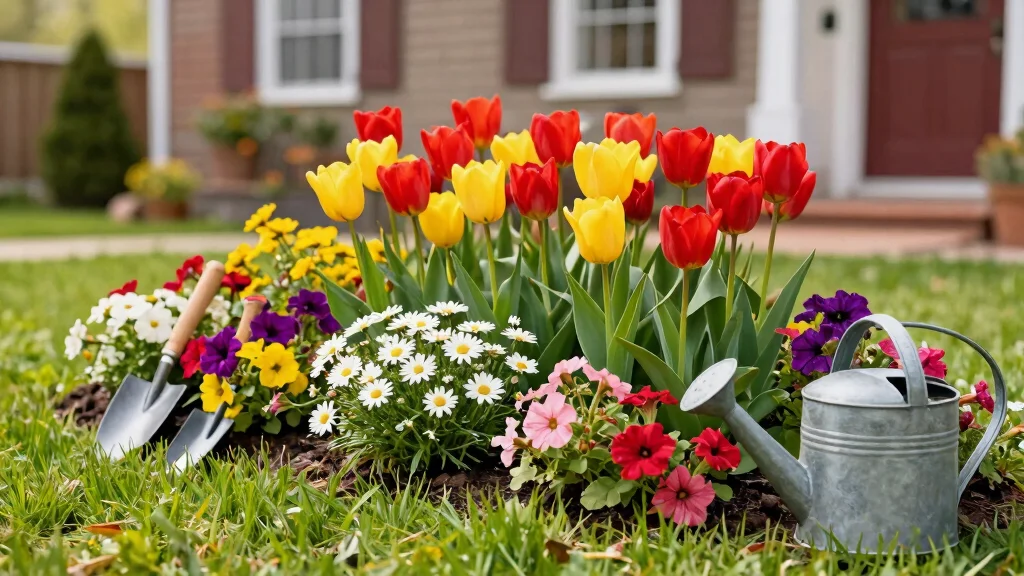
Create visual interest and definition in your flower beds with beautiful borders. Plants like lavender, boxwood, or ornamental grasses can effectively frame your main flower bed, adding a polished touch. This not only highlights your flowers but also enhances the overall design of your garden.
Choose border plants that contrast with your main flowers for a striking effect while keeping them lower to maintain visibility. Decorative stones or mulch can also be used to enhance the border and unify your design.
Key tips for bordering beauty:
– Select plants that contrast with main flowers for impact.
– Keep border plants low for visibility.
– Use decorative stones or mulch for added design appeal.
An eye-catching border enriches your flower beds, making your front yard more inviting and organized.
You Might Also Like

Bordering Beauty
Editor’s Choice

FANTIAN 20 lbs Large River Rocks for Outdoor Landscaping, 3-4 Inch Decor…
Lavender Seeds for Planting, English Lavender Seeds Indoor & Outdoor, 70…
9. Colorful Annual Flower Bed

If you want instant gratification, fill your flower bed with vibrant annuals that bloom all season long. Flowers like petunias, marigolds, and zinnias create a delightful display of color until frost arrives, making your front yard pop with life.
Plan for continuous blooms by choosing a mix of varieties that flower at different times. Incorporating a variety of heights and colors will create a dynamic and eye-catching combination, while pairing annuals with perennials adds structure and longevity to your garden.
Best practices for a colorful annual flower bed:
– Plan for continuous blooms with various flowering times.
– Mix heights and colors for visual interest.
– Combine with perennials for added structure.
Annual flower beds provide a fantastic opportunity to brighten your yard, allowing you to refresh your design every year.
Colorful Annual Flower Bed
Editor’s Choice

5500+ Petunia Seeds, Pack for 2026 USA Premium Non-GMO Flower Seeds Mixe…

HOME GROWN Zinnia Seeds for 2026 – California Giant Mix – 7,300+ (2 oz) …
10. Artistic Flower Bed Design
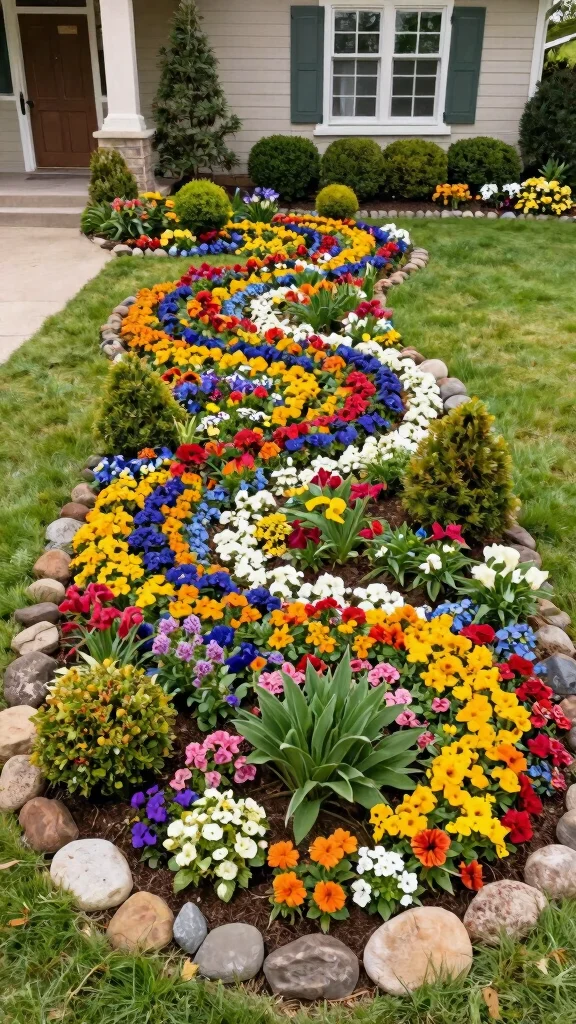
Let your creativity shine with artistic flower bed designs that elevate your front yard’s appeal. Use unique shapes, patterns, or themed gardens to express your personality through your flowers. Consider spirals, waves, or geometric shapes for a stunning visual impact.
Incorporate a variety of flower types to create distinct patterns and textures within your garden. Decorative stones or tiles can enhance your design, while experimenting with height by adding small shrubs or ornamental features adds depth.
Creative ideas for artistic flower beds:
– Use various flower types to create bold patterns.
– Incorporate stones or tiles for added flair.
– Experiment with height for visual depth.
Artistic flower bed designs become a captivating focal point, allowing your home to stand out in the neighborhood with its unique charm.
Did you know that geometric or spiral flower beds in front of house can boost curb appeal by up to 30%? Start with simple shapes, then layer textures with varied bloom heights and decorative stones for a bold, low-maintenance statement.
Artistic Flower Bed Design
Editor’s Choice

Virekm River Rocks, Decorative Ornamental Pebbles,Garden Landscaping Sto…

Creative Garden Design: Patterns: Inspiring Ideas for Creating Mood, Pro…

Flower Seed Set – Flower Varieties of Non-GMO & Heirloom Premium Seeds f…
Conclusion

Elevating your home’s curb appeal with flower beds can be both fun and fulfilling.
By choosing low-maintenance flowers and thoughtful designs, you can create a stunning front yard that showcases your style without the hassle of constant upkeep.
So, whether you lean towards perennials or prefer a bold annual display, there’s a perfect flower bed idea waiting for you.
Note: We aim to provide accurate product links, but some may occasionally expire or become unavailable. If this happens, please search directly on Amazon for the product or a suitable alternative.
This post contains Amazon affiliate links, meaning we may earn a small commission if you purchase through our links, at no extra cost to you.
Frequently Asked Questions
What are some flower beds in front of house ideas that are low-maintenance?
When you’re aiming for flower beds in front of house that are low-maintenance, start with a simple, cohesive palette and durable perennials. Choose native and drought-tolerant plants such as daylilies, echinacea, sedum, and hostas for structure and color. Group plants by height to create clear sightlines along your entry and keep maintenance minimal. Mulch 2-3 inches to suppress weeds and retain moisture, and install a simple drip irrigation or soaker hose to water efficiently. Use durable edging for clean lines so your front yard landscaping looks intentional year-round. For ongoing curb appeal, add a few seasonal curb appeal flowers like ornamental grasses or seasonal annuals in strategic pockets, but limit the variety to 2-3 colors to reduce upkeep.
What are some curb appeal flowers that work well in flower beds in front of the house with low upkeep?
Great options include evergreen structure plus long-blooming perennials. For curb appeal flowers that are low-maintenance, pair a few woody shrubs (boxwood or dwarf lilac) with perennials like rudbeckia, echinacea, and salvia, plus ornamental grasses. Choose varieties that bloom at different times so the border looks fresh across seasons. Use 2-3 color families and repeat them around entry paths to reinforce front yard landscaping. Set plants with a thick mulch layer and, if possible, install a simple irrigation system to keep watering minimal.
How can I design decorative flower beds in front of house to maximize curb appeal and require less work?
Start with a simple layout: a focal point near the entry, clean curves for decorative flower beds, and a restrained color palette. Pick low-maintenance perennials like daylilies, sedum, and hostas, and layer plants by height so the bed stays tidy with minimal pruning. Include evergreen structure at the back for year-round interest and fill with seasonally reliable blooms. Mulch 2-3 inches and use a basic drip irrigation system to reduce daily care. Keep the overall bed size simple to speed up maintenance and focus on strong garden design ideas that boost curb appeal.
What common mistakes should I avoid when planning front yard landscaping with flower beds in front of house?
Avoid overplanting and choosing plants that don’t suit your sun, soil, or climate. Don’t skip soil prep or drainage checks, and avoid planting the mature size into tight spaces. Rushing color without a cohesive palette can make the bed look busy instead of polished. Also skip neglecting mulch or irrigation, which leads to weed growth and high maintenance later. Before planting, map out sun exposure, space plants according to mature size, and plan a maintenance routine that includes deadheading, pruning, and seasonal replacements to keep your front yard landscaping looking sharp.
How do I choose seasonal flower arrangements for flower beds in front of house that stay attractive year-round?
Begin with a 2-3 color palette and a mix of evergreen structure plus seasonal bloomers. Plan for spring bulbs, summer perennials, and fall colors so there’s always something in bloom. Use seasonal flower arrangements that overlap bloom times to avoid long gaps in color. Choose hardy, low-fuss varieties and place them where they receive their ideal sun exposure. Maintain with light deadheading, mulching, and a simple irrigation plan to keep maintenance minimal while maximizing curb appeal.
Related Topics
flower beds in front of house
curb appeal flowers
low-maintenance gardening
front yard landscaping
seasonal flower arrangements
decorative flower beds
easy gardening
garden design ideas
beginner friendly
landscaping tips
colorful blooms
outdoor aesthetics