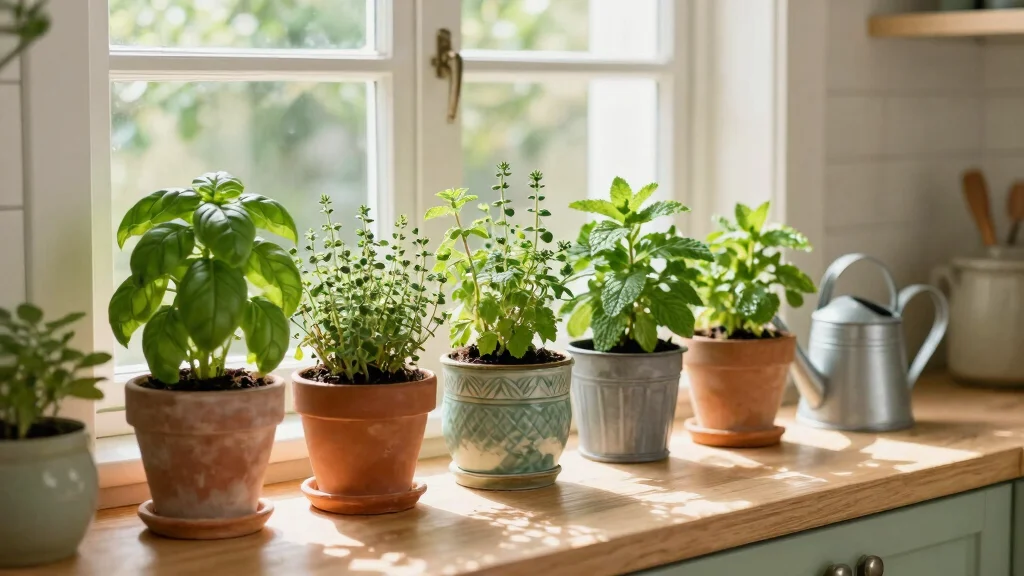
Growing herbs at home is one of the simple joys of life, especially when you can pluck fresh flavors right from your kitchen. Whether you want to elevate your cooking or simply enjoy the beauty of greenery indoors, starting an indoor herb garden can be the perfect solution. This post is here because I believe that everyone deserves to experience the joy and satisfaction of growing their own herbs, regardless of space or experience level.
If you’re someone who loves cooking, gardening, or just wants to bring a little nature indoors, this article is for you. Maybe you’re living in a small apartment or have limited outdoor space. No worries! I’ve pulled together ten indoor herb garden ideas that are creative, practical, and perfect for small spaces. With these tips, you’ll discover how easy and rewarding it is to grow fresh herbs right in your home.
So, get ready to transform your cooking and your living space. You’ll find ideas ranging from simple window sill gardens to more elaborate vertical planters. Each idea is designed to inspire you and help you incorporate herbs into your daily life, providing both flavor and fragrance. Let’s dive in!
Key Takeaways
– Discover ten creative indoor herb garden ideas that fit into any small space, allowing you to enjoy fresh herbs year-round.
– Learn practical herb garden tips that will help you choose the best herbs for indoors, ensuring a successful gardening experience.
– Explore various indoor gardening techniques, from vertical planters to hydroculture, that suit your unique living situation.
– Find out how container gardening can enhance your indoor space, making it both functional and visually appealing.
– Gain insight into seasonal herb choices, helping you select the right herbs to grow at different times of the year for optimal flavor.
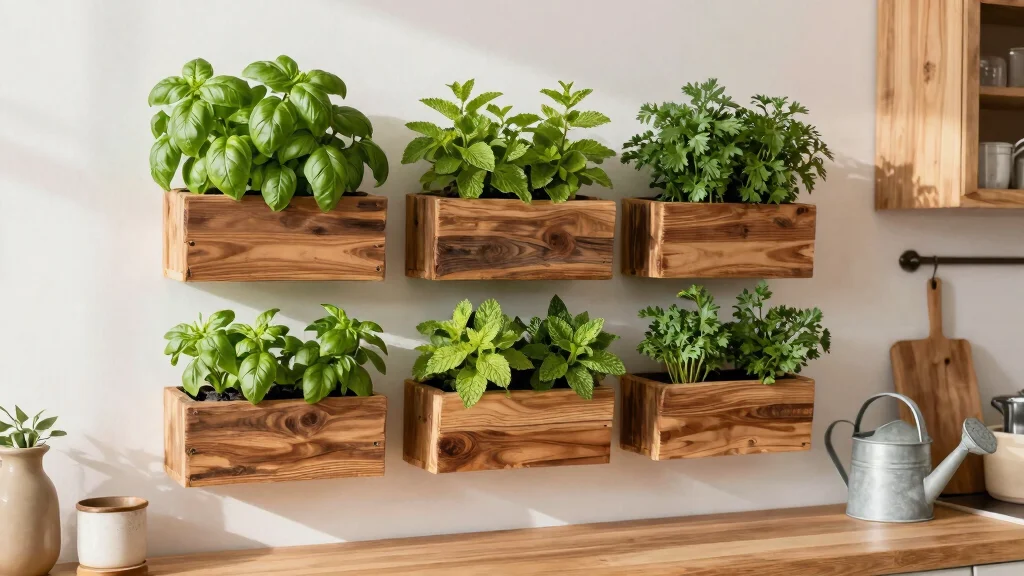
1. Vertical Garden Planters

Are you short on space but still yearning for fresh herbs? Vertical garden planters are your answer! These clever structures utilize wall space, giving you easy access to your herbs while making a stylish statement in your home.
Imagine the joy of having vibrant parsley, chives, and mint growing right in front of you. This method not only saves space but also enhances your decor. You can create these planters from repurposed materials like wooden pallets or opt for ready-made systems. Just remember to include a drip tray to catch any excess water!
Herb garden tips for vertical planters include:
– Ensure proper drainage in your planters.
– Position your vertical planter in a sunny spot, like near a window.
– Rotate the pots occasionally to encourage even growth.
This approach not only maximizes your area but also transforms any room into a lush, green oasis.
Vertical Garden Planters
Editor’s Choice

Ahopegarden Indoor Garden Hydroponics Growing System: 10 Pods Plant Germ…


LBW Desk Grow Light, Full Spectrum Plant Light for Indoor Plants, Grow L…

TOREVSIOR 5-Tier Vertical Raised Garden Bed, Vertical Garden Planter wit…
2. Window Sill Herb Garden
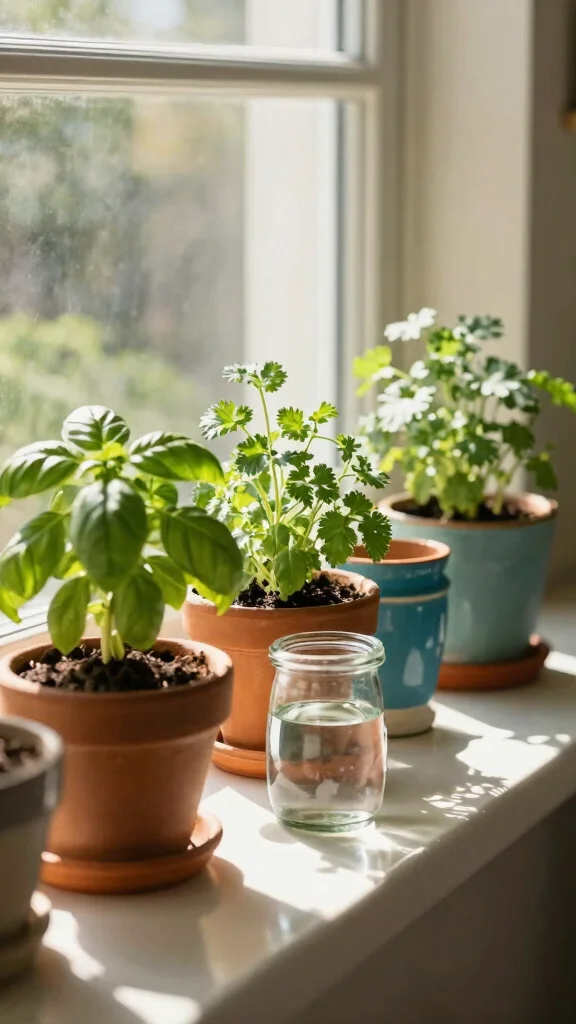
Looking for a simple way to grow herbs indoors? Your window sill is the perfect spot! With just a few small pots, you can cultivate a variety of fresh herbs right in the sunlight, making it one of the easiest indoor gardening options.
Start with easy-to-grow herbs like basil, cilantro, and oregano that thrive in bright light. Using charming terracotta or decorative ceramic pots will add a rustic touch to your kitchen. Just remember to water them regularly and ensure good drainage to keep the roots healthy.
Herb garden tips for window sill gardens:
– Use lightweight potting soil that retains moisture.
– Consider self-watering pots for added convenience.
– Regularly pinch back the leaves for bushier growth.
Your herbs will not only be handy for cooking, but their delightful scents will fill your kitchen with freshness.
Window Sill Herb Garden
Editor’s Choice

KOAMLY 3 inch Plant Nursery pots Number of Items in a 20 Pack, with Drai…

sietpoek Plant Pots – 5.5 Inch Cylinder Ceramic Planters with Connected …
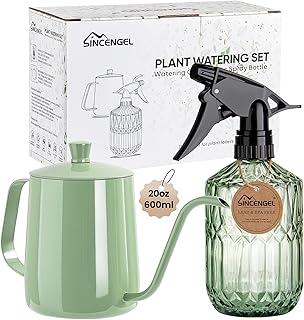
Watering Can for Indoor Plants, 20 oz Metal Small Plant Watering Can wit…
3. Hydroponic Herb Garden

Ever thought about growing herbs without soil? Hydroponics is a fantastic method for nurturing your indoor herb garden while saving space and keeping things clean.
You can create hydroponic systems at home, from simple mason jar setups to more sophisticated countertop models. Herbs like basil, mint, and dill flourish in these conditions. Make sure to provide a good light source, especially if natural sunlight is limited in your space.
Herb garden tips for hydroponics:
– Regularly monitor nutrient levels in your water.
– Keep the pH balanced for optimal growth.
– Clean your system often to prevent algae growth.
This method allows for faster growth, letting you enjoy your herbs sooner while adding a modern touch to your home.
📹 Related Video: How to Make an Indoor Herb Garden Using Kratky Mason Jars (cheap + easy hydroponics)
Hydroponic Herb Garden
Editor’s Choice

GooingTop LED Grow Light,6000K Full Spectrum Clip Plant Growing Lamp wit…
Ahopegarden Indoor Garden Hydroponics Growing System: 10 Pods Plant Germ…

Liquid Plant Food for use in AeroGarden, IDOO and Hydroponic Growing Sys…
4. Kitchen Counter Herb Garden

Want fresh herbs at your fingertips while cooking? Transform your kitchen counter into a mini herb garden! By using larger pots or dedicated planters, you can group herbs like thyme, rosemary, and sage for easy access.
Consider a long planter box to accommodate multiple herbs, arranging taller varieties in the back and shorter ones in front for a visually appealing display. This setup not only enhances your kitchen decor but also makes cooking more convenient.
Herb garden tips for kitchen counters:
– Choose pots that match your kitchen style for a cohesive look.
– Ensure each herb gets enough light, adjusting their positions as needed.
– Keep the soil moist but not soggy; well-drained pots are essential.
Your kitchen will be filled with wonderful aromas, and you’ll always have fresh herbs ready for your culinary creations.
With indoor herb garden ideas, keep thyme, rosemary, and sage within arm’s reach on the kitchen counter. Use a long planter so taller herbs hide in back and shorter ones in front for an easy, stylish display. Fresh flavors, quick meals, daily delight.
Kitchen Counter Herb Garden
Editor’s Choice

Burpee, 9 Quarts | Premium Organic Potting Natural Soil Mix Food Ideal f…

Winlyn Rustic Wooden Planter Box 17.3″ L x 3.9″ W x 3.9″ H Brown Rectang…
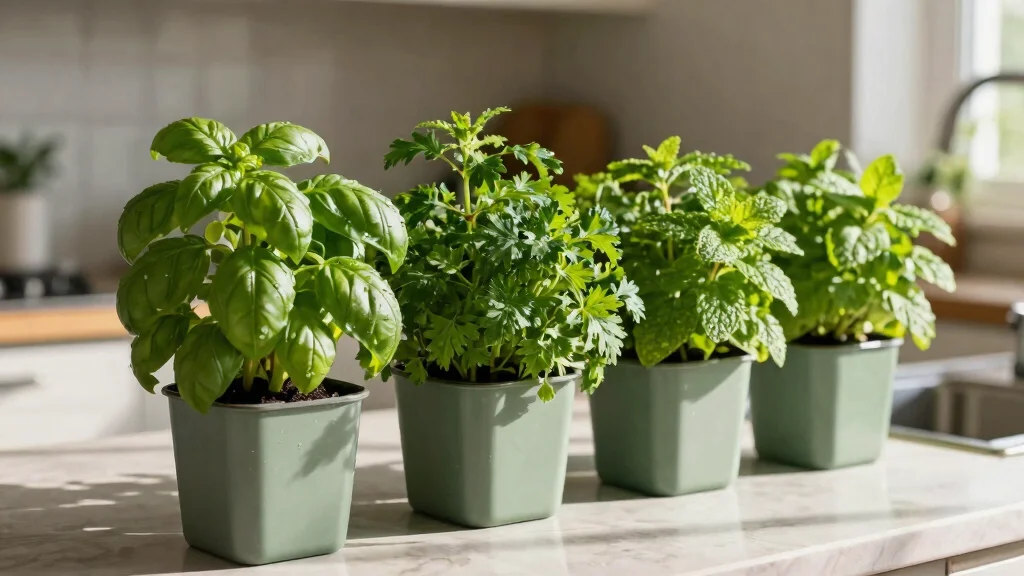
5. Hanging Herb Garden
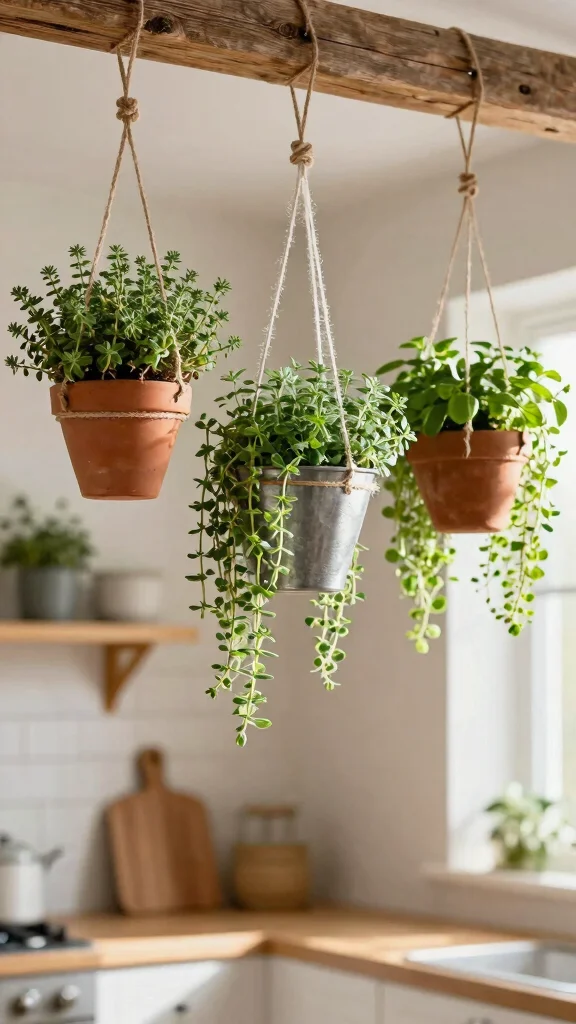
Ready to take your indoor herb garden to new heights? A hanging herb garden is a unique and space-efficient way to grow your favorites! This approach adds a delightful visual element to your home as you can suspend pots or create a cascading vertical garden.
Use hooks or wall-mounted racks to hang pots of trailing herbs like thyme and chives. This method can brighten up any empty wall or corner. Just ensure you water regularly and that they get enough sunlight.
Herb garden tips for hanging gardens:
– Secure pots well to avoid accidents.
– Opt for lightweight pots for easier hanging.
– Choose herbs that can tolerate lower light levels based on their position.
This creative setup makes your herbs a beautiful part of your home decor.
You might also like

Hanging Herb Garden
Editor’s Choice

Rotating Window Wall Plant Shelves Stand Holder, 3 Tiered Metal Floating…

Set of 2-10 Inch Hanging Planters for Indoor Plants with Self-Watering I…
LBW Desk Grow Light, Full Spectrum Plant Light for Indoor Plants, Grow L…
6. Repurposed Containers
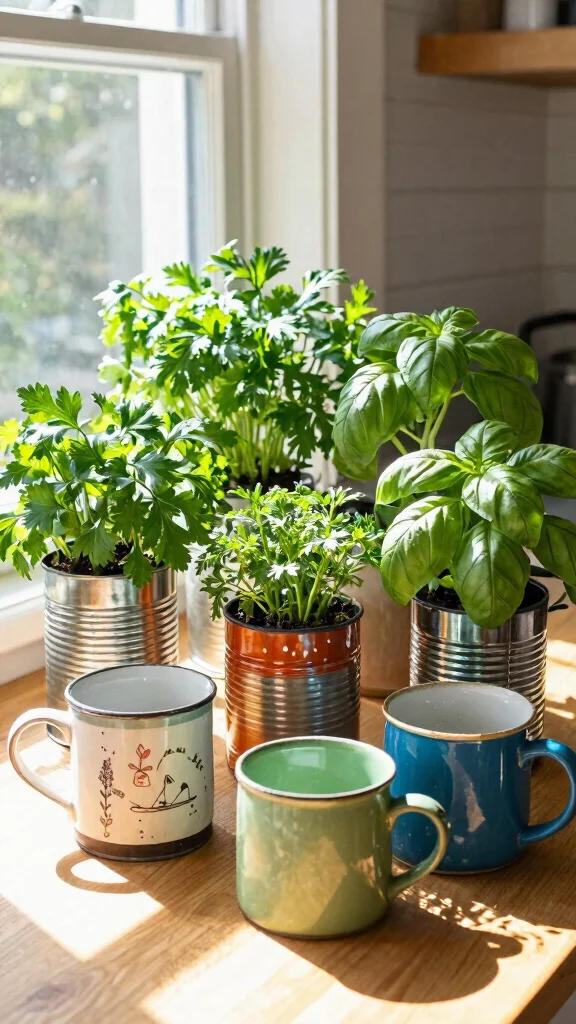
Want to add a personal touch to your herb garden? Get creative with repurposed containers! Old mugs, tin cans, or wooden crates can serve as charming homes for your herbs, adding character to your space.
Before planting, clean your containers and add drainage holes if necessary. You can grow herbs like basil, parsley, and cilantro in these eclectic pots, providing a pop of color to your home. Plus, it’s an eco-friendly way to garden, showcasing your unique style.
Herb garden tips for using repurposed containers:
– Personalize your containers with paint or labels.
– Group various sizes together for an eye-catching display.
– Consider the size of your herbs’ root systems when choosing containers.
This method allows you to enjoy fresh herbs while being environmentally conscious.
❝ Turn your space into a green, personal gallery with repurposed containers. Use old mugs, tin cans, or wooden crates for your indoor herb garden ideas—just clean them and add drainage holes. It’s an eco-friendly, stylish way to grow basil, parsley, and cilantro. ❞
Repurposed Containers
Editor’s Choice

Miracle-Gro Indoor Potting Mix for All Plants, Use with Houseplants and …
Ahopegarden Indoor Garden Hydroponics Growing System: 10 Pods Plant Germ…

UPINS 24Pcs Acrylic Plant Labels Herb Plant Markers Plant Tags Signs wit…
7. Creative Terrariums

Looking for a quirky way to showcase your herbs? Terrariums can be a beautiful and functional option! These glass containers create a mini ecosystem, perfect for growing herbs that thrive in humidity like mint and basil.
Start by layering small pebbles for drainage, followed by charcoal and potting soil before planting your herbs. They not only look stunning but also make care easy since the glass helps maintain moisture. Just place your terrarium in a bright spot with indirect sunlight.
Herb garden tips for terrariums:
– Keep the container clean to prevent algae.
– Trim herbs periodically for space.
– Add decorative stones or mini figurines for a personal touch.
Your terrarium will serve as a stylish centerpiece while providing fresh herbs for your meals.
Creative Terrariums
Editor’s Choice

Plant Terrarium Kit with Grow Light, Rifny Small Glass Terrarium Jar wit…

Legigo 2 QT Horticultural Charcoal- Natural Charcoal for Plants, Biochar…
Burpee, 9 Quarts | Premium Organic Potting Natural Soil Mix Food Ideal f…
8. Aromatic Herb Garden
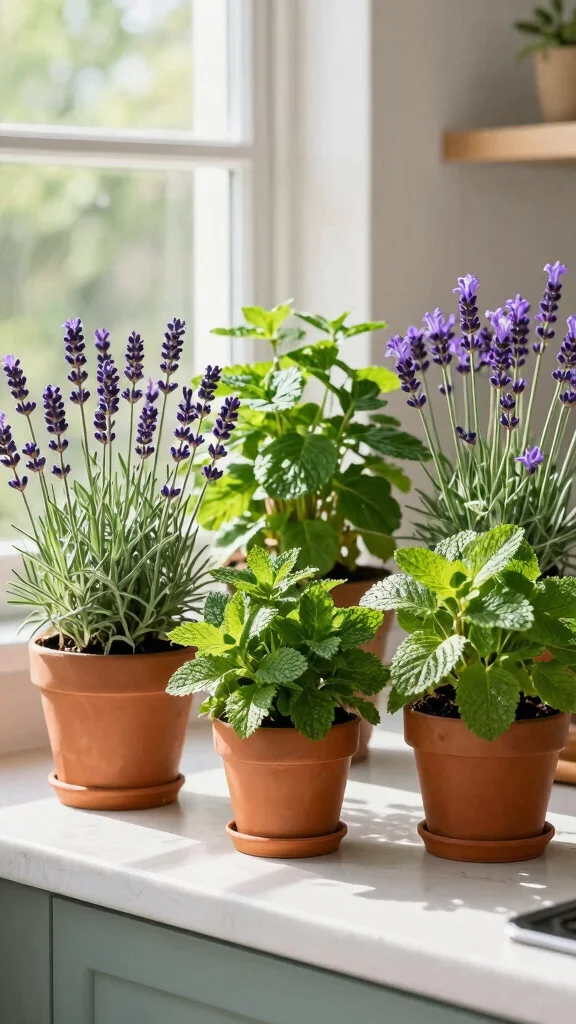
Want to enhance the aroma in your home? Create an aromatic herb garden! By selecting herbs known for their delightful scents, you can enjoy a fragrant atmosphere throughout your space.
Plant herbs like lavender, mint, and lemon balm to invigorate your senses. Use a variety of pots for visual interest and place them in spots where their scents can circulate freely. Regularly pinching the leaves helps release essential oils, enhancing their fragrance.
Herb garden tips for aromatic gardens:
– Group herbs with similar sunlight and water needs for easier care.
– Bruise the leaves occasionally to release scents.
– Consider pot placement to optimize scent distribution.
An aromatic herb garden adds beauty and a sensory experience that lifts your mood daily.
You Might Also Like
Key Trade-offs & Our Top Pick
1. Vertical Garden Planters
– Pros:
✔ Maximizes wall space, ideal for small areas.
✔ Allows for easy maintenance and access to your herbs.
✔ Offers a visually appealing green wall effect.
– Cons:
❌ Can be more expensive than traditional pots.
❌ Requires a sturdy wall or mounting system.
❌ Not all herbs thrive in vertical setups.
– Best for: Urban dwellers with limited floor space who want a stylish display of herbs.
2. Window Sill Herb Garden
– Pros:
✔ Utilizes natural sunlight for optimal growth.
✔ Low-cost option, just need pots and soil.
✔ Easy access when cooking in the kitchen.
– Cons:
❌ Limited space for larger herb varieties.
❌ Sunlight may not be sufficient year-round in some areas.
❌ Requires regular watering to prevent drying out.
– Best for: Home cooks who want convenient access to fresh herbs while cooking.
3. Hydroponic Herb Garden
– Pros:
✔ No soil mess, cleaner indoor gardening.
✔ Faster growth rates due to nutrient-rich water solutions.
✔ Great for those interested in modern gardening techniques.
– Cons:
❌ Higher initial investment for the system.
❌ Requires monitoring of nutrient levels.
❌ May need additional equipment for optimal light conditions.
– Best for: Tech-savvy gardeners who enjoy experimenting with advanced growing techniques.
4. Repurposed Containers
– Pros:
✔ Eco-friendly option by reusing materials.
✔ Unique designs can add personality to your garden.
✔ Many sizes available depending on your available space.
– Cons:
❌ May require lining or drainage considerations.
❌ Some materials may not be safe for edible plants.
❌ A bit of creativity and DIY effort needed.
– Best for: Creative individuals looking to add a personal touch to their herb garden while being sustainable.
5. Hanging Herb Garden
– Pros:
✔ Space-saving as it utilizes vertical airspace.
✔ A beautiful display that can enhance home decor.
✔ Easy to access for regular maintenance.
– Cons:
❌ Limited herb size due to hanging constraints.
❌ Requires secure installation to prevent falling.
❌ May require regular watering to avoid drying out faster.
– Best for: People who love plants and want to beautify their indoor areas while saving floor space.
Expert Recommendation:
Best Overall: Window Sill Herb Garden
The window sill herb garden is an excellent choice for most people due to its affordability and simplicity. It requires minimal setup and allows you to grow a variety of herbs right in your kitchen. You get the added benefit of fresh herbs at your fingertips, which can elevate your cooking experience without a significant investment. Plus, it’s a great way to enjoy the beauty of greenery indoors without too much hassle.
Why We Picked This:
We recognize that some may prefer vertical planters for their aesthetics or hydroponics for their efficiency. Others might enjoy the creativity of using repurposed containers. Each option has its strengths and weaknesses, but the window sill herb garden stands out as the most accessible choice for a wide range of indoor gardeners. Choose what fits your lifestyle best!
Aromatic Herb Garden
Editor’s Choice

YNNICO Indoor Self Watering Planters with Drainage Holes and Saucers, 8,…
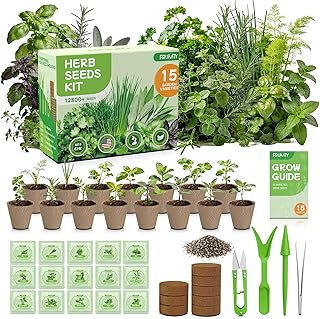
Herb Garden Starter Kit – Fruivity 12800+ 15 in 1 Herb Heirloom Seed K…

HOME GROWN Herb Seeds for Planting 15-Pack Massive Seed Count 4,300+ See…
9. Succulent Herb Garden

Do you sometimes forget to water your plants? A succulent herb garden might be perfect for you! Succulents require less frequent watering, making them ideal for busy individuals or those new to gardening.
Herbs like rosemary and sage thrive alongside succulents, allowing you to create a unique, drought-tolerant garden. Use shallow containers or terrariums for a dynamic arrangement of these resilient plants, exploring a variety of textures and colors in your herb garden.
Herb garden tips for succulent gardens:
– Use a well-draining soil mix for succulents.
– Place pots in bright light but avoid intense direct sun.
– Monitor soil moisture closely; succulents prefer to dry out between waterings.
A succulent herb garden offers a playful twist on traditional gardening while ensuring you have fresh ingredients always on hand.
Try these indoor herb garden ideas: a succulent setup that needs less water. Rosemary and sage thrive among shallow containers or terrariums, creating a drought-tolerant, textural display perfect for busy days and small spaces.
Succulent Herb Garden
Editor’s Choice
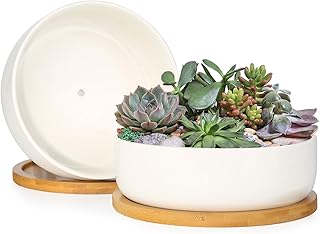
ZOUTOG Succulent Pots,6 Inch Succulent Planters with Drainage and Tray,W…

Back to the Roots 100% Organic Succulent & Cacti Mix (6 Quart) | Made in…
10. Seasonal Herb Garden

Want to enjoy fresh herbs all year round? A seasonal herb garden allows you to grow a rotating selection of herbs, ensuring a bountiful harvest no matter the season.
Consider herbs like basil, dill, and cilantro for spring and summer, while thyme, rosemary, and sage are great choices for fall and winter. Use larger pots or a dedicated planter for easy rotation, and keep an eye on indoor temperatures, as some herbs may need warmth during colder months.
Herb garden tips for seasonal gardens:
– Research herbs that thrive in your local climate for each season.
– Plan your plantings to complement each other in flavor and care.
– Use seasonal decorations to add a festive touch to your garden.
This approach keeps your herb garden fresh and exciting all year long!
Seasonal Herb Garden
Editor’s Choice

Seed Needs Herb Seeds Variety Pack Culinary Herb Collection (12 Individu…

PERFNIQUE Indoor Herb Garden, Herb Planter Set with Tray, Farmhouse Indo…
LBW Desk Grow Light, Full Spectrum Plant Light for Indoor Plants, Grow L…
Conclusion

Cultivating an indoor herb garden can be a rewarding journey, bringing fresh flavors and vibrant greenery into your home, no matter how small your space may be. From vertical planters to succulent arrangements, there are countless ways to create a thriving herb garden that suits your lifestyle. Experiment with different techniques and find what works best for you.
Get your hands dirty and enjoy the satisfaction of using your fresh herbs in delicious recipes!
Note: We aim to provide accurate product links, but some may occasionally expire or become unavailable. If this happens, please search directly on Amazon for the product or a suitable alternative.
This post contains Amazon affiliate links, meaning we may earn a small commission if you purchase through our links, at no extra cost to you.
Frequently Asked Questions
What are the best herbs for indoors and how should I choose them for a small space?
Choosing the right herbs starts with your space and light. For a small space, start with herbs that thrive indoors and fit container gardening. Some of the best herbs for indoors include basil, parsley, chives, mint, thyme, and oregano. If your light is limited, try mint and parsley, which tolerate a bit more shade. For sunny spots, basil, thyme, oregano, and rosemary do great—but rosemary needs strong light. Plan a mix of compact varieties and use container gardening to group plants with similar needs. A simple setup: one sunny windowsill or a small shelf with a few shallow pots and a grow light to extend day length. This is the heart of indoor herb garden ideas you can use today.
How can I set up a simple indoor herb garden in a small space using containers?
Start with a few well-chosen containers, good drainage, and a reliable potting mix. Choose containers in sizes that fit your space—6-8 inch pots for larger herbs, 4-6 inch pots for compact varieties. Use a lightweight, well-draining mix and add a tray underneath to catch excess water. Group herbs with similar water needs, like seeding some basil together and separate mint from parsley to avoid crowding. Place them on a sunny windowsill or under a compact LED grow light set on a timer for 12-16 hours of bright light daily. Water when the top inch of soil feels dry, and remember container gardening thrives with good drainage and regular pruning. Voilà—your personalized indoor herb garden idea comes to life.
How often should I water and feed indoor herbs, and what about lighting and temperature?
Watering and feeding are all about balance. Water when the top inch of soil is dry, ensuring there’s drainage so roots don’t sit in soggy soil. Most kitchen herbs prefer a light, steady moisture rather than soggy soil. Feed with a balanced liquid fertilizer at half-strength about once a month, or use a slow-release fertilizer mixed into the soil at planting. For lighting, aim for at least 6-8 hours of bright light per day. If you don’t have a sunny window, supplement with a grow light and set a timer. Keep temperatures comfortable for herb growth—ideally around 65-75°F (18-24°C) with moderate humidity. These are simple indoor gardening techniques that keep herbs thriving inside your home.
What common problems do indoor herb gardens face and how can I prevent them?
Indoor herb gardens can run into a few familiar snags, but they’re easy to prevent. Signs of too little light show as leggy growth; fix by increasing light or pruning to encourage bushiness. Overwatering causes yellow leaves and a soggy smell—rotate to ensure good drainage and let the soil dry a bit between waterings. Pests like aphids or spider mites can appear; treat with gentle insecticidal soap and wash leaves with a soft spray. Humidity and stagnant air can lead to powdery mildew, so provide good airflow and avoid overcrowding. If growth slows or leaves yellow, check nutrient levels and adjust with a balanced herb garden tips fertilizer. With proper light, drainage, and airflow, your indoor garden stays healthy and productive.
How can I harvest and use indoor herbs to maximize flavor and longevity?
Harvesting correctly keeps herbs flavorful and prolific. Use the top leaves and stems, harvesting from the outside in to encourage new growth. Pinch or cut just above a pair of leaves to promote branching—this helps plants stay bushy and productive. Harvest in the morning for the best aroma and flavor. After harvest, rinse gently, pat dry, and store herbs in the fridge—wrap mint and cilantro in a damp paper towel inside a bag, or place chopped herbs in a sealed container with a little water at the bottom. For longer storage, you can freeze finely chopped herbs in ice cube trays with a little water or olive oil. Fresh herbs from your indoor herb garden ideas elevate every dish, from simple salads to sauces and stews.
Related Topics
indoor herb garden
container gardening
small spaces
herb garden tips
growing herbs indoors
beginner friendly
easy gardening
indoor gardening techniques
best herbs for indoors
DIY herb garden
seasonal gardening
urban gardening