
Creating a beautiful and productive garden has become a passion for many people, especially those with limited space. Gardening season gets me thinking about how much I crave a fresh veggie harvest right from my backyard. If you’re a gardening enthusiast or even just someone curious about growing your own food, you’ve landed in the right spot. This post is for anyone looking to make the most of their gardening experience, especially in small spaces.
In this guide, I’ve gathered a collection of seven creative ideas for raised vegetable beds that are not only functional but also visually appealing. These concepts will help you maximize your garden space while keeping things neatly organized. Whether you’re in an urban setting or simply dealing with a compact yard, you’ll discover practical tips and innovative designs that will inspire you to get your hands dirty. Let’s dive into the world of raised vegetable beds and explore how they can transform your gardening journey.
Key Takeaways
– Raised vegetable beds save space while providing easy access to your crops, making gardening more manageable and enjoyable.
– Stackable raised beds allow you to build upwards, perfect for small areas while maximizing planting space.
– Vertical wall planters are ideal for herbs and flowers, providing an aesthetic touch along with functionality.
– Tiered raised beds can create a stunning layout, encouraging good drainage and providing a variety of planting heights for different crops.
– Container raised beds offer flexibility, allowing you to move your garden around and adjust according to sunlight and space needs.
1. Stackable Raised Beds
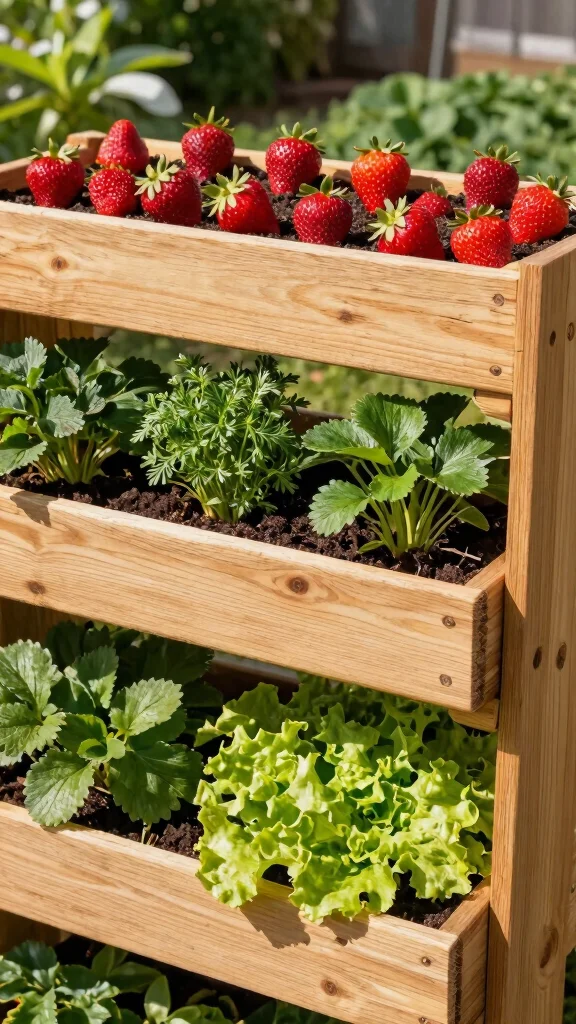
Feeling tight on space but eager to garden? Stackable raised beds could be your best friend! These clever designs let you grow upwards, stacking different levels of beds that not only look great but maximize your planting area. Picture a vibrant garden with strawberries on top, fragrant herbs in the middle, and nutritious greens at the base, all beautifully organized.
For stackable beds, here are a few tips:
– Choose lightweight materials like wood or composite for easy adjustments.
– Add drainage holes in each layer to keep roots healthy.
– Think about a small trellis on the top tier for climbing plants like beans or cucumbers.
With stackable beds, you’ll create a productive and visually appealing garden that stands out!
Fact: Stackable raised beds can triple your planting area in the same footprint. By stacking three levels, you can grow strawberries, herbs, and greens vertically—maximizing space and organization in small-garden setups.
Stackable Raised Beds
Editor’s Choice

Keter 48″ X 48″ inches Wood Look Raised Garden Bed, Durable Outdoor Herb…


5×3×1.4FT Galvanized Raised Garden Bed Outdoor, Metal Raised Garden Be…

Espoma Organic Raised Bed Mix – All Natural and Organic Potting Soil Mix…
2. Vertical Wall Planters
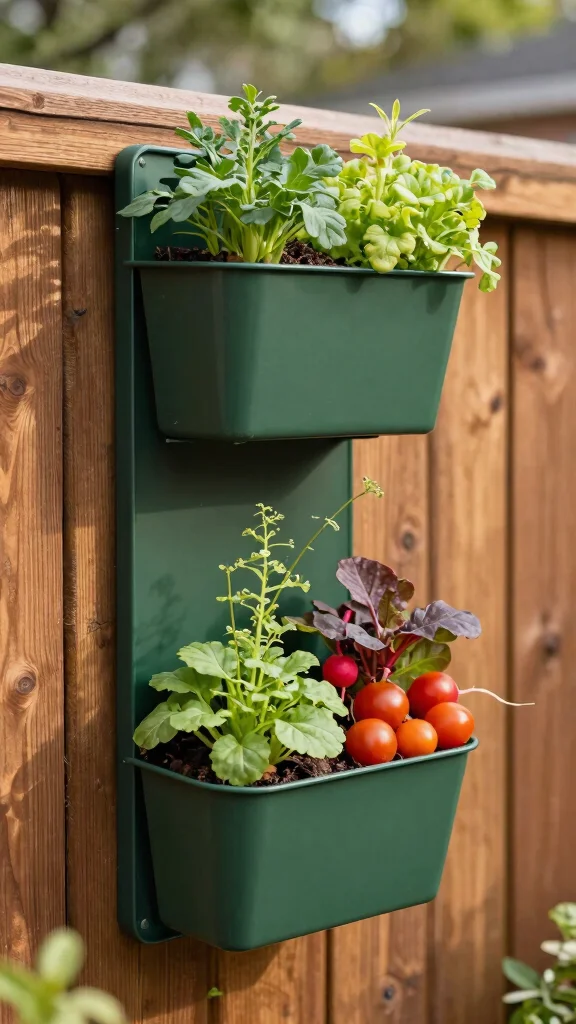
Are you looking for a unique way to garden in small spaces? Vertical wall planters can transform your walls into lush gardens! These planters attach to fences or walls, allowing you to grow herbs and compact vegetables like radishes without taking up valuable ground space. They can add color and life to any urban area!
Here are some tips for vertical wall planters:
– Use sturdy planters that can handle the weight of soil and plants.
– Install a drip irrigation system to simplify watering.
– Opt for modular designs that expand as your garden grows.
With wall planters, you’ll enjoy fresh produce while enhancing your outdoor decor!
Vertical Wall Planters
Editor’s Choice

MIXC 230FT Quick-Connect Drip Irrigation System Kit, Automatic Garden Wa…

Mkono Wall Hanging Planter Propagation Station Glass Flower Vase for Hyd…
3. Tiered Raised Beds

Interested in growing a variety of plants with different needs? Tiered raised beds are the solution! These beds feature multiple levels, each filled with soil and vegetables that thrive at different heights. The cascading effect not only looks stunning but also promotes diverse plant growth.
To create tiered beds, keep these tips in mind:
– Use rot-resistant wood or durable composite materials for longevity.
– Mix plants, placing carrots on the bottom tier and taller tomatoes on top.
– Surround the beds with decorative stones or gravel for a polished appearance.
This design optimizes space and boosts biodiversity, making your garden both beautiful and resilient.
Did you know tiered raised beds can add up to 40% more usable planting space in the same footprint? Stacking herbs, root veggies, and tomatoes across three levels in raised vegetable beds creates a cascading, high-yield garden that’s easy to manage.
📹 Related Video: DIY Tiered Raised Garden bed – How to build
Key Trade-offs & Our Top Pick
When choosing the right raised vegetable beds for your garden, it’s essential to weigh the pros and cons of each option. Here’s a breakdown of popular choices to help you make the best decision for your space and needs.
1. Stackable Raised Beds
– Pros:
✔ Increases planting area vertically, saving ground space.
✔ Easy to customize the height according to your needs.
– Cons:
❌ Stability can be an issue if not stacked correctly.
❌ Requires regular maintenance to keep the layers in good shape.
– Best for: Gardeners with limited ground space who want to maximize planting area.
2. Vertical Wall Planters
– Pros:
✔ Great for herbs and small vegetables, requiring minimal footprint.
✔ Adds a decorative element to your garden or balcony.
– Cons:
❌ Limited planting depth can restrict root growth.
❌ Requires frequent watering as vertical planters can dry out quickly.
– Best for: Urban gardeners looking to beautify small spaces while growing fresh herbs.
3. Tiered Raised Beds
– Pros:
✔ Provides excellent drainage and diverse planting options.
✔ Creates visual interest in your garden design.
– Cons:
❌ Can be more expensive due to additional materials.
❌ May require more upkeep to prevent soil erosion from the tiers.
– Best for: Gardeners wanting a unique aesthetic and a variety of plants in one space.
4. Container Raised Vegetable Beds
– Pros:
✔ Highly versatile and portable; you can move them as needed.
✔ Can utilize any container, allowing for creative designs.
– Cons:
❌ Limited space can restrict plant growth and yield.
❌ May require more frequent watering and nutrient replenishment.
– Best for: Renters or those wanting flexibility in their garden layout.
5. Elevated Garden Tables
– Pros:
✔ Reduces back strain by providing a comfortable working height.
✔ Great for small spaces and can serve as a patio feature.
– Cons:
❌ Can be pricier compared to traditional raised beds.
❌ Limited volume may restrict the variety of plants grown.
– Best for: Older gardeners or anyone who prefers to garden without bending over.
6. Modular Raised Bed Systems
– Pros:
✔ Can be expanded or rearranged as your gardening needs change.
✔ Often easy to assemble without tools.
– Cons:
❌ Initial setup can be time-consuming depending on the design.
❌ Some units may not provide adequate drainage.
– Best for: Those who want flexibility and want to gradually expand their garden.
7. Greenhouse Raised Beds
– Pros:
✔ Protects plants from harsh weather and pests.
✔ Extends the growing season with better climate control.
– Cons:
❌ Higher initial investment for the structure.
❌ Requires regular monitoring of temperature and humidity.
– Best for: Serious gardeners looking to maximize crop production year-round.
Best Overall: Tiered Raised Beds
Tiered raised beds often stand out as the top choice for most gardeners. They offer a perfect blend of aesthetics and practicality with diverse planting options and excellent drainage. Plus, their unique design can enhance the overall look of your garden, making it a pleasing environment for both plants and people.
Why We Picked This:
While tiered raised beds are versatile and visually appealing, you might prefer stackable beds if space is your primary concern. On the other hand, elevated garden tables are ideal if you want to minimize bending while gardening. Assess your specific needs, preferences, and available space to determine which option will work best for your garden.
Tiered Raised Beds
Editor’s Choice

Keter 48″ X 48″ inches Wood Look Raised Garden Bed, Durable Outdoor Herb…
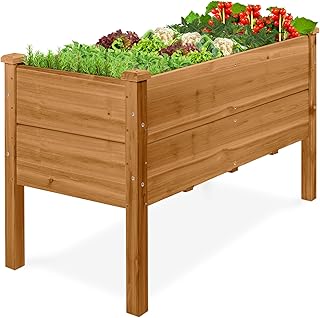
Best Choice Products 48″ x 24″ x 30″ Raised Garden Bed with Extra Deep 1…
Espoma Organic Raised Bed Mix – All Natural and Organic Potting Soil Mix…
4. Container Raised Vegetable Beds
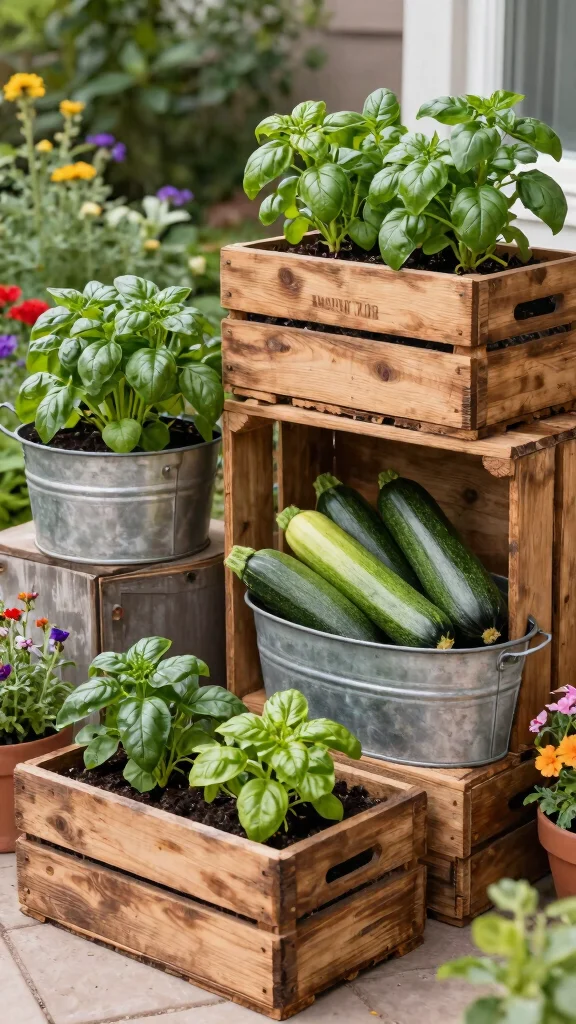
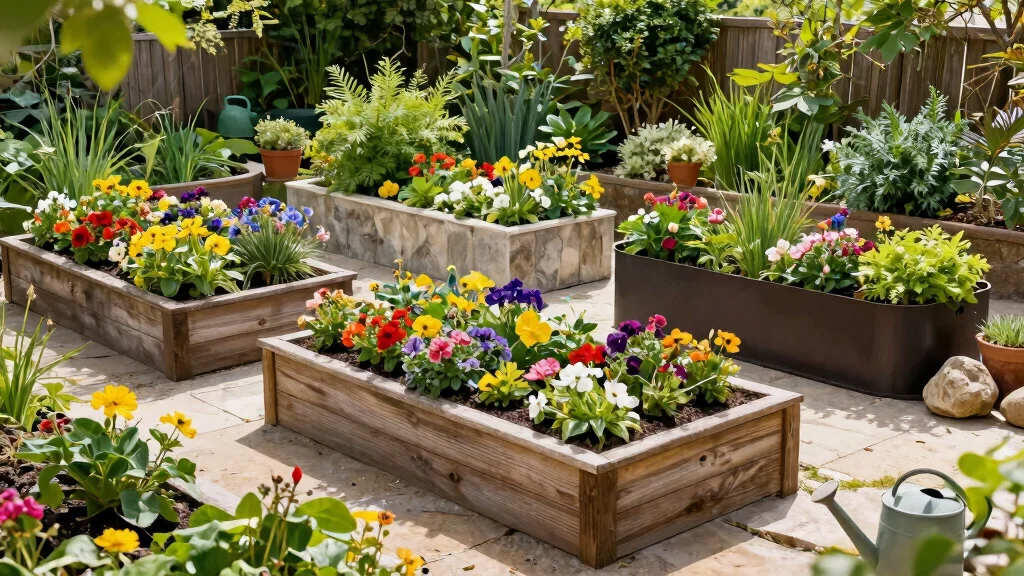
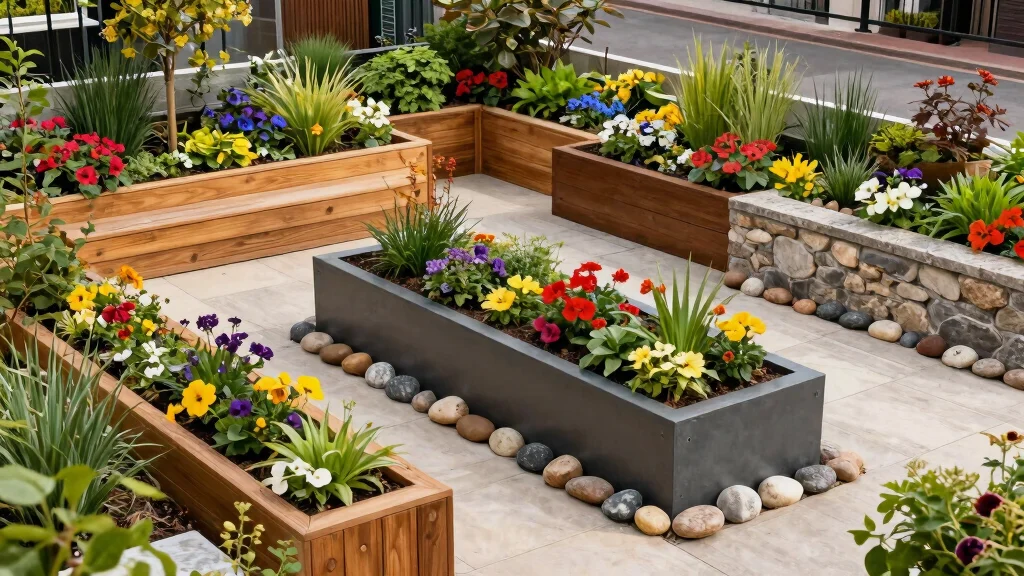
Want to garden but lack a yard? Container raised beds bring flexibility to your gardening! You can use wooden crates, metal tubs, or even repurposed barrels. These containers are perfect for small patios or balconies, allowing you to grow your favorite vegetables while adding rustic charm.
Here are some tips for container gardening:
– Make sure containers have drainage holes to avoid waterlogging.
– Select lightweight soil mixes to make moving them easier.
– Group containers together for efficient watering and a cohesive look.
With container gardening, you can enjoy raised bed benefits without needing a large garden space!
You might also like
Container Raised Vegetable Beds
Editor’s Choice

Miracle-Gro Organic Outdoor Potting Mix – Plant Soil for Outdoor Contain…

The Old Farmer’s Almanac Container Gardener’s Handbook: Vegetables, …
5. Elevated Garden Tables

Do you prefer a more comfortable way to garden? Elevated garden tables are a stylish and functional option! These tables allow you to plant and tend to your vegetables at waist height, reducing the need to bend over. They often come in beautiful designs from wood to metal and may include storage for tools.
Here’s why elevated tables are great:
– They’re perfect for anyone with mobility issues, making gardening accessible.
– The styles range from modern to rustic, fitting any garden decor.
– Add wheels for mobility, so you can rearrange as needed.
An elevated garden table can enhance both your gardening experience and outdoor aesthetics!
Fun fact: Raised Vegetable Beds at waist height let you garden longer without bending over, cutting strain by up to 60%. Elevating garden tables also showcase your style—from modern metal to rustic wood—and often include handy tool storage.
Elevated Garden Tables
Editor’s Choice

Yaheetech 8×2ft Wooden Horticulture Raised Garden Bed Divisible Elevate…

Aivituvin 52.7x22x30in Raised Garden Bed, Elevated Wood Planter Box Stan…
6. Modular Raised Bed Systems
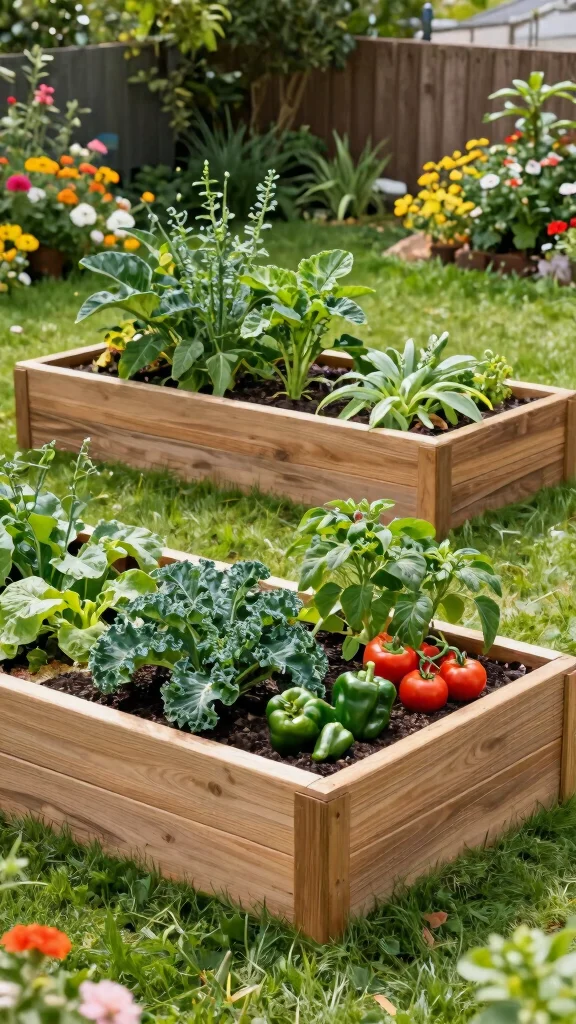
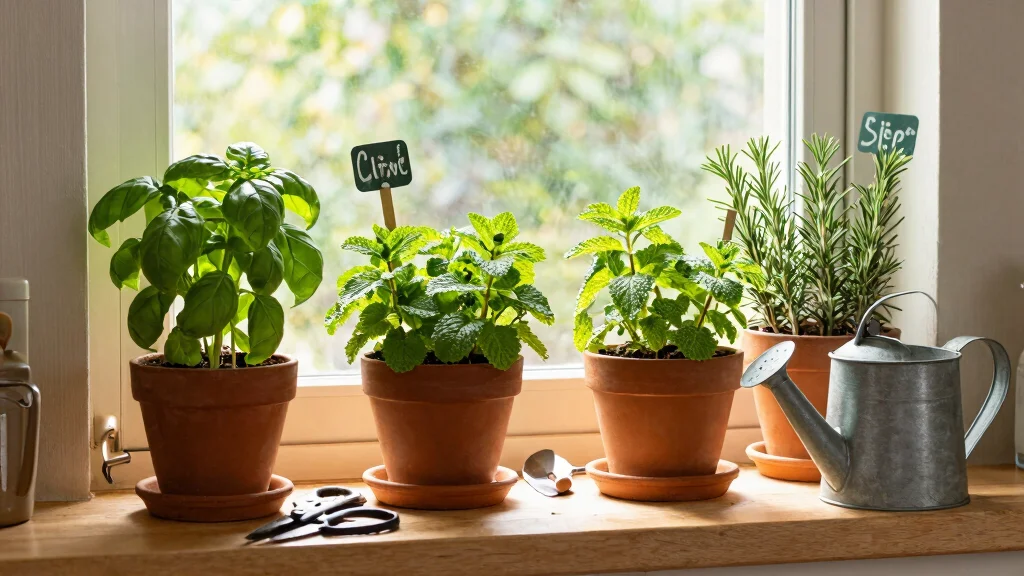
Are you a gardener who loves to personalize your space? Modular raised bed systems are perfect for you! These systems let you connect multiple beds in various shapes and sizes, adapting to your garden’s layout as it evolves. Create L-shaped or U-shaped designs to maximize every corner.
The benefits of modular systems include:
– Flexibility to adjust your garden size as needed.
– Easy rearrangement to adapt to changing sunlight or plant requirements.
– Often made from eco-friendly materials that are durable and sustainable.
This adaptability allows you to cultivate a thriving vegetable garden that grows with you!
You Might Also Like
Modular Raised Bed Systems
Editor’s Choice

Tierra Verde 48-Inch x 48-Inch Raised Garden Bed with Tool-Free Connect …

Quictent Galvanized Raised Garden Bed Kit with Self Watering System and …

ANLEOLIFE 8-Pack 18 Inch Raised Garden Bed Support Rods, Heavy-Duty Stab…
7. Greenhouse Raised Beds
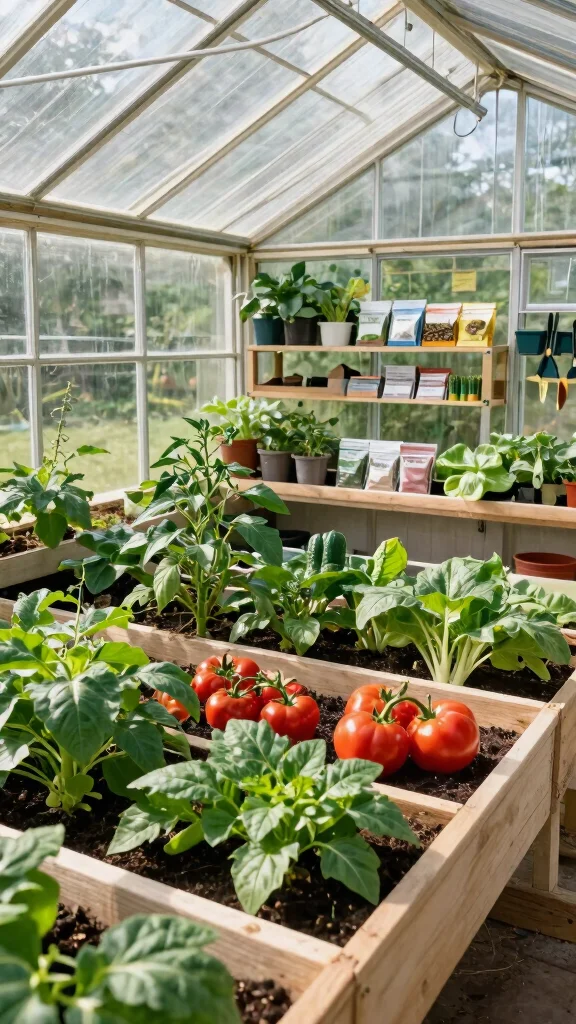
Do you want to extend your growing season? Greenhouse raised beds are the ultimate solution! These setups protect your crops from harsh weather and pests while providing a controlled environment for optimal growth. Using raised beds inside your greenhouse keeps everything organized and productive.
Here are some tips for greenhouse raised beds:
– Choose a greenhouse with good ventilation to manage temperature.
– Fill raised beds with quality soil for healthy plants.
– Add shelves for seedlings and tools to maximize space.
With greenhouse raised beds, you can enjoy fresh vegetables year-round, turning your passion into a fruitful endeavor, even in colder months!
Greenhouse Raised Beds
Editor’s Choice

LEETOLLA Elevate 32″ Tall Raised Garden Bed Outdoor with Wheels & Shelf …

10×18 FT Aluminum Greenhouse, Durable Walk-in Polycarbonate Greenhouse K…
Espoma Organic Raised Bed Mix – All Natural and Organic Potting Soil Mix…
Conclusion
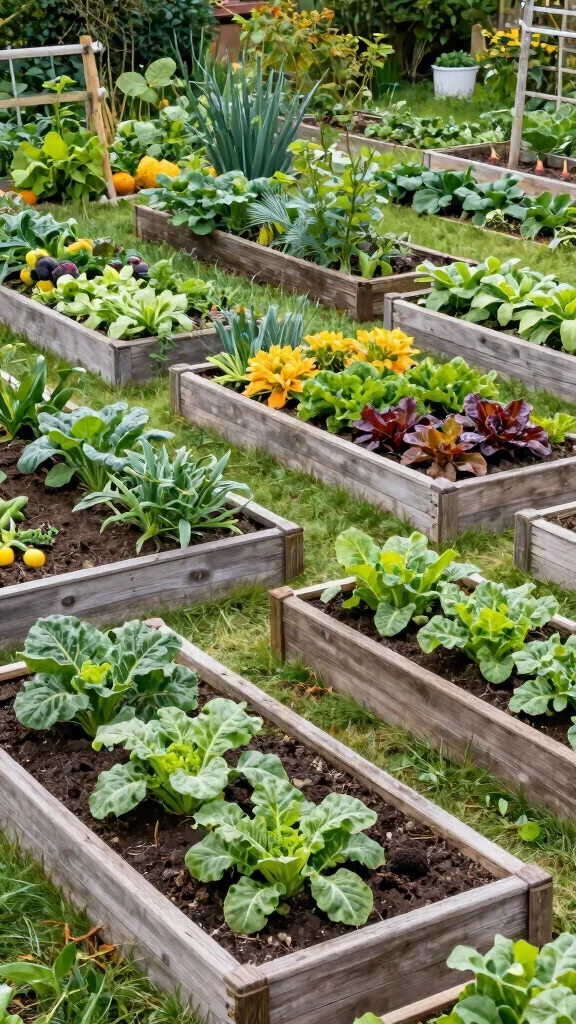
Embracing raised vegetable beds can transform any outdoor space into a flourishing garden full of life and organization.
Whether you choose stackable designs, vertical planters, or elevated tables, these creative ideas help you maximize your gardening potential even in small spaces.
So, roll up your sleeves, gather your tools, and start crafting the vegetable garden of your dreams!
Note: We aim to provide accurate product links, but some may occasionally expire or become unavailable. If this happens, please search directly on Amazon for the product or a suitable alternative.
This post contains Amazon affiliate links, meaning we may earn a small commission if you purchase through our links, at no extra cost to you.
Frequently Asked Questions
What are the most effective vertical raised vegetable bed ideas for small spaces?
Vertical raised vegetable beds unlock ground space and keep a tidy, productive growing area. Try ideas like wall-mounted tiered boxes, a trellis with planter boxes, hanging pocket planters on a fence, a vertical tower made from recycled materials, and pipe-style columns filled with soil. Start with a solid, well-draining base and use a mix designed for containers; ensure good drainage, and water consistently. For crops, pick compact varieties and climbers to maximize yield in small spaces, and design your layout around raised vegetable beds to keep things organized. These options fit well with urban gardening solutions and maximizing garden space in tight yards.
How can I design a compact raised bed garden to maximize garden space in an urban setting?
Begin with a simple map of your space, sun exposure, and access paths. Use vertical solutions to free ground for roots and crops, and group plants with similar water needs using a smart vegetable garden design approach. Build a tiered or modular layout so you can reach every bed without stepping on soil, which supports organization in gardening. Add a water-efficient plan like drip irrigation to support urban gardening solutions and maximizing garden space without waste.
Which crops perform best in vertical raised beds and how should I plant them?
Leafy greens, herbs, peas, bush beans, and compact tomatoes or peppers work great in vertical raised vegetable beds. Place shallow-rooted greens up top and deeper-rooted crops lower for stability and airflow. Use at least 8–12 inches of soil depth for greens and 12–18 inches for root crops, and stagger plantings for a continuous harvest. Mulch to conserve moisture and feed beds with a slow-release organic fertilizer; rotate crops seasonally to maintain soil health and keep your vegetable garden design sharp while maximizing garden space.
What are practical tips to keep vertical raised beds organized and easy to maintain?
Label each bed and level, and keep a simple rotation plan so nothing gets overcrowded. Embrace organization in gardening with color-coded markers, removable liners, and a nearby tool station. Install a compact irrigation system with timers (drip or soaker hoses) to maintain consistent moisture and reduce guesswork, which makes raised bed gardening tips more reliable. Schedule seasonal cleanup, weed removal, and soil refresh to support long-term urban gardening solutions and maximizing garden space.
What materials and irrigation setup work well for raised bed gardening in small spaces?
Go for durable, safe materials like cedar or composite wood, rot-resistant metal, or sturdy fabric planters with proper drainage; avoid toxic treated wood for vegetables. Use a liner if needed to prevent soil leaching, and choose high-quality potting mix for quick setup in tight spaces. For irrigation, a drip system or soaker hoses with a timer keeps vertical beds evenly moist and saves time, aligning with urban gardening solutions and practical raised bed gardening tips. This setup supports clean raised vegetable beds and easy organization in gardening in small spaces.
Related Topics
raised vegetable beds
vertical gardening
small space solutions
urban gardening
garden organization
easy gardening tips
vegetable garden design
maximizing garden space
beginner gardening
DIY raised beds
seasonal vegetables
productive gardening