
Transforming your backyard into a beautiful garden can sometimes feel overwhelming. You may find yourself craving a space that not only looks stunning but also serves a purpose, such as growing fresh vegetables or flowers. Whether you have a large area to work with or just a small balcony, creating raised garden beds can be a fantastic solution. This post is all about giving you inspiration and practical ideas for raised garden beds that can elevate your outdoor space.
If you’re someone who loves gardening or is just starting out, this guide is perfect for you. You’ll discover various designs that suit different aesthetics and needs, whether you’re aiming for a rustic vibe or a modern touch. The ideas here cater to small-space gardening and backyard gardening, ensuring that you can create a vegetable garden design that thrives in your unique setting.
Get ready to dive into ten creative raised garden bed ideas that are functional, beautiful, and easy to implement. From DIY garden beds using recycled materials to stylish vertical options that maximize your space, you’ll find inspiration that resonates with your gardening goals. Let’s explore how you can transform your backyard into the beautiful oasis you’ve always wanted!
Key Takeaways
– Explore ten diverse raised garden bed ideas that cater to various aesthetic preferences and gardening needs.
– Learn about different materials you can use, like wood, metal, and recycled items, to fit your personal style.
– Discover vertical garden bed options that are ideal for small spaces, allowing you to grow more in less area.
– Gain practical tips on how to create DIY garden beds, making the most of your gardening budget and creativity.
– Understand how to design a vegetable garden that not only looks great but also provides fresh produce for your kitchen.
1. Rustic Wooden Raised Beds

If you’re after a cozy and inviting garden, rustic wooden raised beds are the way to go. Using reclaimed wood not only promotes sustainability but also adds character, while fresh timber offers a clean and polished appearance. These beds easily blend into any backyard aesthetic, making your space feel warm and welcoming.
To keep your wooden beds in top shape, treat them with organic sealants to prevent rot. Experiment with varying heights to create visual interest and depth in your garden. This technique not only looks stunning but also maximizes planting options.
Start your rustic garden journey by:
– Choosing reclaimed or new wood for sustainability
– Adding organic sealants for durability
– Planting deep-rooted veggies like tomatoes and carrots
With these wooden beds, your garden will be both productive and a beautiful visual delight.
Rustic Wooden Raised Beds
Editor’s Choice
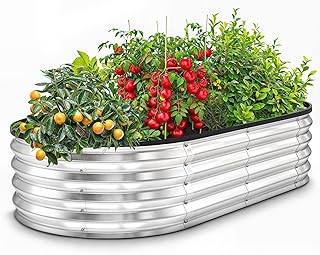
Utopia Home Galvanized Raised Garden Bed Kit 4x2x1ft, Planter Box Raised…

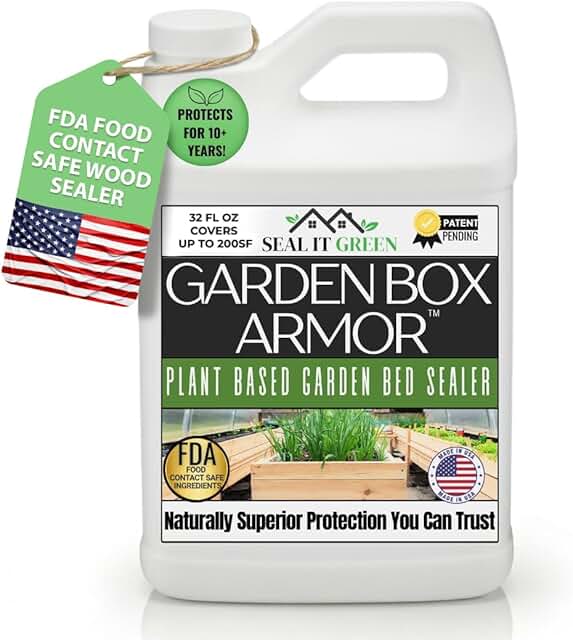
Garden Box Sealer | FDA Food Contact Safe Plant-Based Wood Sealant for R…
2. Vertical Hydroponic Garden

Are you short on space but still want to grow your own plants? Vertical hydroponic gardens are a fantastic solution! These innovative systems allow you to cultivate plants without soil, making them perfect for balconies or compact backyards.
To set up your vertical garden, consider using PVC pipes or wooden pallets for a budget-friendly option. Fill it with fast-growing herbs such as basil or even strawberries, allowing the water to circulate efficiently, keeping your plants nourished.
Get started with these steps:
– Use PVC pipes for a DIY vertical setup
– Grow herbs and strawberries for quick harvests
– Incorporate LED grow lights for insufficient sunlight
With a vertical hydroponic garden, you can enjoy fresh produce even in the smallest of spaces!
Vertical Hydroponic Garden
Editor’s Choice
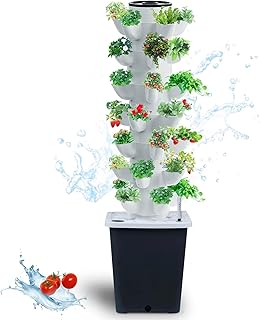
Hydroponics Tower Indoor Growing System Vertical Garden Planter Indoor S…

Hydroponics Growing System Kit 36 Plant Sites Food-Grade PVC-U Pipes Hyd…

Liquid Plant Food for use in AeroGarden, IDOO and Hydroponic Growing Sys…
3. Metal Raised Beds for a Modern Touch

Metal raised garden beds add a contemporary flair to your gardening experience. Their sleek design not only looks great but also offers durability, perfect for those wanting both style and longevity in their gardens.
Using materials like galvanized or corten steel can give your garden an industrial feel, while also ensuring resistance to rot and pests. These beds can retain heat, helping to extend your growing season for plants like peppers and eggplants.
Start creating your modern garden with:
– Selecting galvanized steel for durability
– Mixing metal with wood for contrast
– Planting heat-loving veggies for optimal growth
With metal raised beds, your garden will not only thrive but also stand out as a stylish outdoor feature.
Key Trade-offs & Our Top Pick
When it comes to choosing the right raised garden bed, there are several options to consider. Each has its pros and cons. Let’s break down the main options to help you make an informed choice.
Option 1: Rustic Wooden Raised Beds
– Pros:
– Natural look blends well with any backyard setting 🌳
– Easy to build using DIY methods, saving money 💰
– Cons:
– Can rot over time, especially if untreated ⏳
– Requires regular maintenance, like staining or sealing
– Best for: Homeowners wanting a classic look and who enjoy hands-on projects.
Option 2: Vertical Hydroponic Garden
– Pros:
– Space-saving design fits small areas perfectly 🚀
– Grows plants without soil, using water and nutrients efficiently
– Cons:
– Initial setup can be complex and time-consuming ⏱
– Requires monitoring of nutrient levels and water quality
– Best for: Urban gardeners with limited space looking to maximize yield.
Option 3: Metal Raised Beds for a Modern Touch
– Pros:
– Durable and long-lasting; won’t rot like wood 🔒
– Sleek, modern appearance that fits contemporary yards
– Cons:
– Can heat up quickly, potentially affecting plants in hot weather ☀️
– Slightly higher cost compared to wood options
– Best for: Gardeners seeking a stylish aesthetic without extensive upkeep.
Option 4: Stacked Stone Raised Beds
– Pros:
– Extremely durable and weather-resistant 💪
– Adds a natural stone aesthetic to your garden
– Cons:
– Labor-intensive to build, requires heavy lifting of stones
– Higher expense due to material costs
– Best for: Those looking for a permanent and beautiful garden feature.
Option 5: Recycled Pallet Gardens
– Pros:
– Eco-friendly option using materials that might otherwise go to waste ♻️
– Cost-effective and easy to find pallets
– Cons:
– Pallets can harbor pests, so proper cleaning is necessary
– Limited depth may restrict root growth for certain plants
– Best for: DIY enthusiasts who enjoy upcycling and want a budget option.
Expert Recommendation:
Best Overall: Rustic Wooden Raised Beds
Rustic wooden raised beds are our top pick because they offer a blend of affordability, ease of construction, and aesthetic appeal. They are versatile enough to adapt to various garden styles and can be tailored to fit any backyard layout. While they do require some maintenance, the charm they bring to your garden makes them worth it for most gardeners.
Why We Picked This:
We understand that some gardeners may prefer metal or stone options for their durability or modern appeal. If you’re looking for low maintenance or a contemporary style, those choices might be better for you. However, for those who enjoy the process of building and appreciate a natural look, rustic wooden raised beds are hard to beat!
Metal Raised Beds for a Modern Touch
Editor’s Choice

Land Guard Galvanized Raised Garden Bed Kit, Galvanized Planter Garden B…

zizin 2 Pack Galvanized Raised Garden Bed Metal Oval Raised Garden Beds …

DIIYIV 2PCS Galvanized Raised Garden Bed with Legs,2PCS 48×18×30in Ele…
4. Stacked Stone Raised Beds

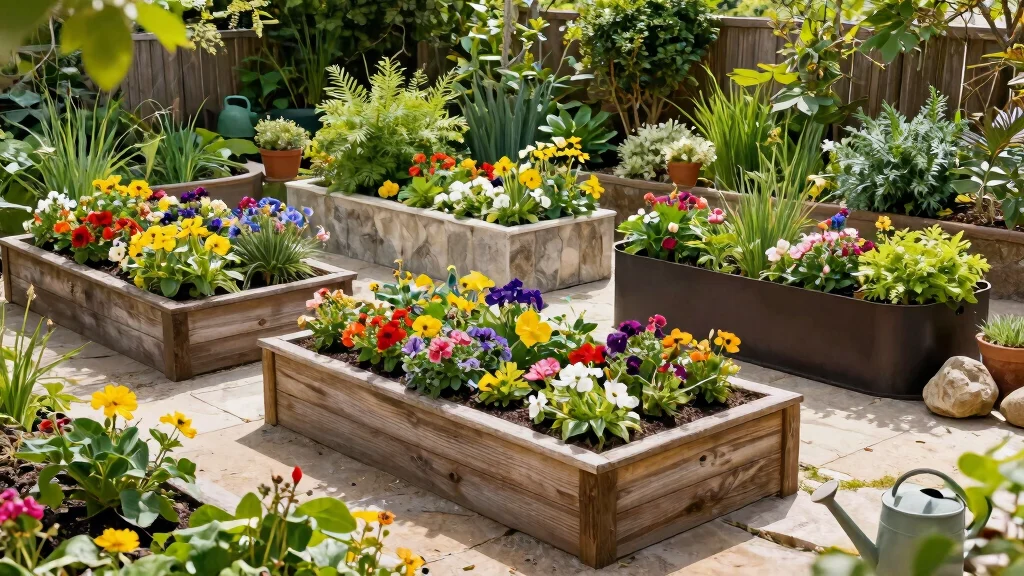
Looking to add elegance to your garden? Stacked stone raised beds are the perfect choice. They not only enhance the visual appeal of your garden but also integrate seamlessly with the natural landscape.
These durable structures promote excellent drainage and soil retention, making them ideal for healthy plant growth. Using locally sourced stones can also support eco-friendly gardening practices while adding a rustic charm.
To create your stacked stone beds, try:
– Sourcing local stones for sustainability
– Designing curves or geometric shapes for visual interest
– Filling with colorful flowers and herbs for beauty
With stacked stone raised beds, your garden will become a delightful blend of functionality and aesthetic appeal.
Did you know stacked stone raised beds can improve drainage by up to 40% and cut soil erosion? Using local stones adds rustic charm and cuts transport emissions too—simple, sustainable, stylish.
Stacked Stone Raised Beds
Editor’s Choice

Miracle-Gro Organic Outdoor Potting Mix – Plant Soil for Outdoor Contain…
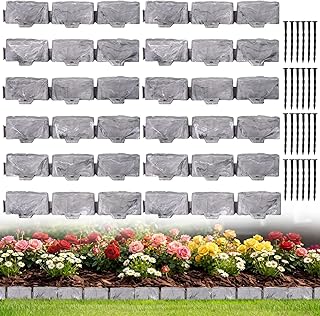
Landscape Edging Garden Edging Border Faux Stone Edging,17FT x 2.75 in T…

Raised Garden Bed Outdoor Tan/Brown Ledgestones Composite Polyurethane N…
5. Recycled Pallet Gardens

Are you a DIY enthusiast keen on sustainability? Recycled pallet gardens are an excellent way to create raised beds while being budget-conscious. This creative approach turns discarded pallets into charming garden features that are both eco-friendly and practical.
Start by sanding down the pallets to avoid splinters and secure them to the ground for stability. You can even plant vertically by stacking pallets, allowing for more planting opportunities.
Begin your pallet garden with these steps:
– Sand down pallets for safety
– Stack pallets for vertical gardening
– Fill with rich soil and your favorite plants
Your recycled pallet garden will not only flourish but also make a fun and colorful addition to your backyard!
Fun fact: A single pallet can become vertical raised garden beds with multiple shelves, expanding planting space in a small yard by up to 40%. Sand, seal, and stack—your eco-friendly raised bed is ready to grow.
📹 Related Video: How to Build a RAISED BED Using PALLETS, FREE Backyard Gardening
You might also like

Recycled Pallet Gardens
Editor’s Choice
Miracle-Gro Organic Outdoor Potting Mix – Plant Soil for Outdoor Contain…
Garden Box Sealer | FDA Food Contact Safe Plant-Based Wood Sealant for R…
6. Corner Garden Beds
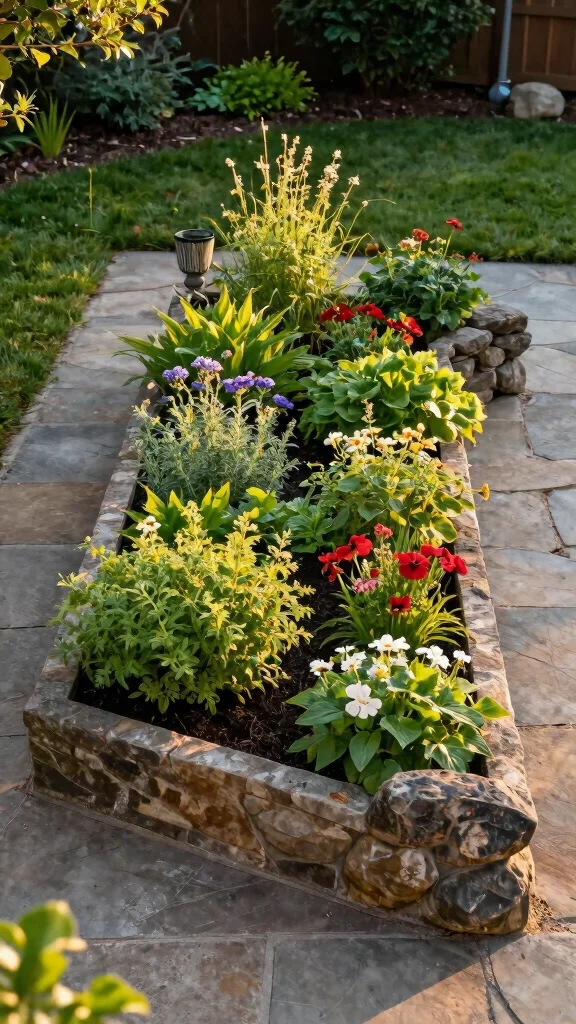
Maximize the unused corners of your backyard with corner garden beds! These clever designs take advantage of often-overlooked spaces, transforming them into stunning focal points.
These beds can be customized in various shapes and sizes to fit your style while being perfect for small-space gardening. Fill them with a mix of vibrant flowers and vegetables that can spill over the edges for an abundant look.
To make the most of your corner beds, consider:
– Cutting beds into triangular or circular shapes
– Adding blooming flowers for color
– Using decorative stones for drainage
With corner garden beds, you’ll turn wasted space into a beautiful and productive area of your garden!
Fun fact: Corner garden beds reclaim up to 30% more usable space in small yards, a clever trick for raised garden beds. Plant a mix of flowers and vegetables and let edges spill over for a lush, eye-catching focal point.
Corner Garden Beds
Editor’s Choice
Miracle-Gro Organic Outdoor Potting Mix – Plant Soil for Outdoor Contain…

EasyFlex No-Dig Landscape Edging with Anchoring Spikes, 2.7 in Tall Deco…

Yaheetech 8×2ft Wooden Horticulture Raised Garden Bed Divisible Elevate…
7. Tiered Raised Beds for Depth
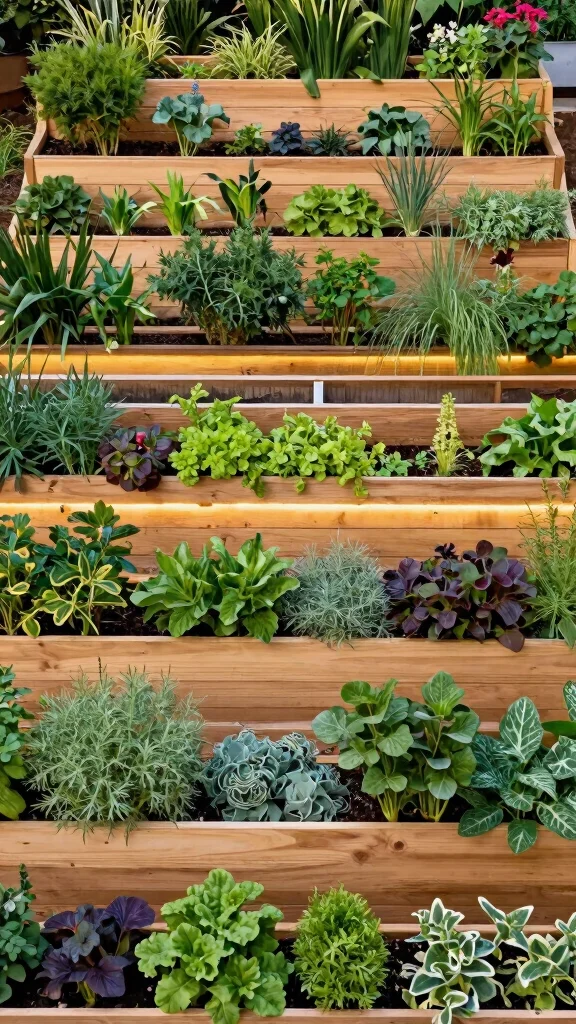
Tiered raised garden beds create stunning layers in your garden, offering varied growing conditions for diverse plants. This design not only adds visual interest but also enhances drainage and soil warmth.
Using materials like wood or stone helps create a cohesive look, while pathways between tiers make maintenance easy. You can plant a mix of herbs, flowers, and vegetables at different heights for a thriving garden ecosystem.
Start your tiered garden journey by:
– Using wood or stone for a cohesive design
– Incorporating pathways for easy access
– Planting diverse plants at various levels
With tiered raised beds, your garden will flourish beautifully, showcasing a range of plants while being visually captivating.
Tiered Raised Beds for Depth
Editor’s Choice

Espoma Organic Raised Bed Mix – All Natural and Organic Potting Soil Mix…

VIVOSUN 3-Tier Wooden Raised Garden Bed, 48 x 48 x 21 Inches, Outdoor Wo…

40 LBS Grey Pea Gravel – Landscape Rocks – Drainage Rock – Gardening – A…
8. Fabric Raised Beds

Fabric raised beds are becoming popular due to their lightweight and flexible design. Made from breathable fabric, these beds offer excellent drainage and air circulation, making them ideal for growing healthy plants.
These beds are easy to transport and set up, which is great for gardeners who like to rearrange their space. They prevent root circling, ensuring your plants develop strong root systems.
Get started with fabric beds by:
– Filling with high-quality soil for optimal growth
– Choosing colorful fabrics to brighten your garden
– Placing on a wooden or metal frame for stability
With fabric raised beds, you’ll enjoy a thriving garden that’s both functional and visually appealing!
Fabric Raised Beds
Editor’s Choice

2PCS 6x3x1ft Fabric Raised Garden Bed 8 Grids Felt Fabric Garden Bed 128…

2PCS 6x3x1ft Fabric Raised Garden Bed,128 Gallon 8 Grids Rectangle Plant…

Fabric Raised Garden Bed, 6 x3 x1 FT Large Garden Grow Bags Rectangle Br…

Gerrii 6 Pack 35 Gallon Fabric Raised Garden Beds Rectangle Garden Plant…

VIVOSUN 8-Grid 129 Gallon Plant Grow Bags, Large Fabric Raised Garden Be…
You Might Also Like
9. Herb Spiral Garden Beds

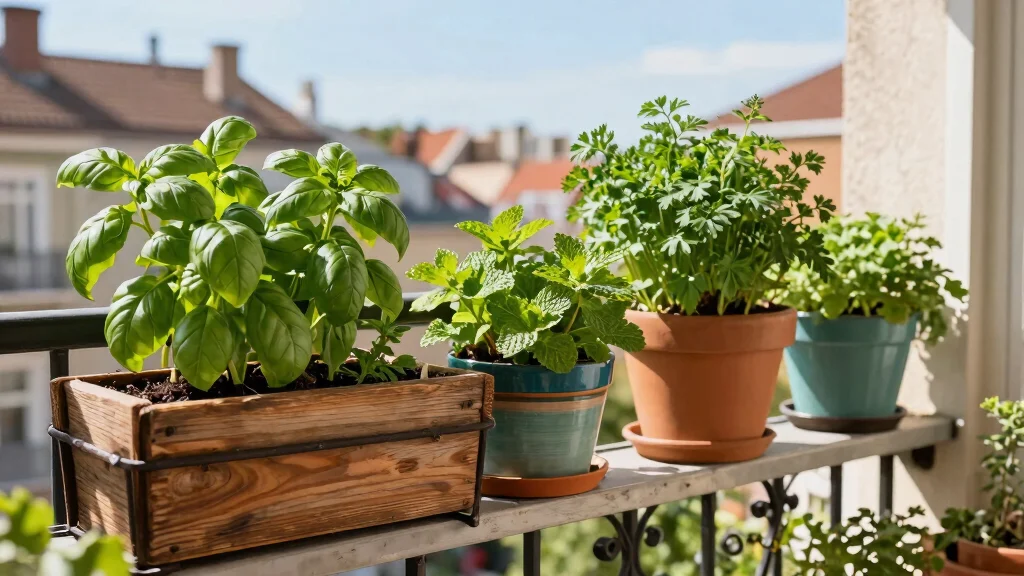
Herb spirals are a creative way to grow a variety of herbs in a compact and visually striking design. This spiral shape maximizes space while providing different micro-climates for your plants.
Building a spiral with stones or wood allows you to create a stunning focal point while serving practical purposes. Plant herbs like rosemary at the top and moisture-loving mint at the base for optimal growth conditions.
Start your herb spiral with these tips:
– Construct using stones or wood for durability
– Fill with rich soil to nourish your herbs
– Position near your kitchen for easy access
Your herb spiral will not only be a functional garden but also an attractive feature that enhances your outdoor space.
Herb Spiral Garden Beds
Editor’s Choice

Sekcen 3 Pack Rubber Stepping Stones Outdoor Garden Rubber Pavers Pathwa…
Yaheetech 8×2ft Wooden Horticulture Raised Garden Bed Divisible Elevate…
Herb Garden Starter Kit – Fruivity 12800+ 15 in 1 Herb Heirloom Seed K…
10. Container Raised Beds

Container raised garden beds are perfect for anyone eager to start gardening but facing space or soil challenges. These versatile beds can be moved and arranged to fit your needs, making them ideal for patios or balconies.
Choose containers made from materials like wood or recycled items and fill them with quality soil to grow a variety of plants. You can even try your hand at growing dwarf fruit trees for a unique touch.
Begin your container gardening with:
– Selecting various container sizes for visual appeal
– Using high-quality soil for plant health
– Adding drip irrigation for easy maintenance
With container raised beds, you can create a flourishing garden no matter your space limitations!
Container Raised Beds
Editor’s Choice

Gardening Tools Set of 10 – Complete Heavy Duty Garden Tools Set with Fa…

Miracle-Gro Potting Mix – For Container Plants, Flowers, Vegetables, Shr…

Apple, Plum & Pear Trees (3-Pack) – Dwarf Fruit Trees, Easy Grow Backy…
Conclusion

Transforming your backyard with raised garden beds not only enhances the aesthetics of your space but also allows you to cultivate your own fresh produce.
Whether you’re working with a small area or a sprawling yard, there’s a raised bed idea that fits your needs. So roll up your sleeves, grab your gardening tools, and let’s get planting!
Note: We aim to provide accurate product links, but some may occasionally expire or become unavailable. If this happens, please search directly on Amazon for the product or a suitable alternative.
This post contains Amazon affiliate links, meaning we may earn a small commission if you purchase through our links, at no extra cost to you.
Frequently Asked Questions
What are the most effective vertical raised garden bed ideas for small spaces?
Vertical raised garden beds help you maximize harvest in compact areas. Consider freestanding towers, pocket-wall planters, stacked beds, or a trellis-supported frame that blends with your fence or shed. For practical success with raised garden beds, keep designs reachable for easy harvesting and maintenance. Use a lightweight, well-draining soil mix and ensure good drainage to protect roots.
In backyard gardening and small space gardening, modular setups let you expand over time as your space and confidence grow.
What garden bed materials are best for vertical raised beds in a backyard?
Durability, safety, and cost balance the best garden bed materials for vertical beds. Cedar or redwood resist rot naturally, making them ideal for garden bed materials in outdoor vertical setups. For low maintenance, consider composite boards or galvanized steel. Reclaimed pallets can work on a budget, but ensure they’re food-safe and free of toxic treatments. Avoid using old pressure-treated lumber directly in soil unless it’s rated for garden use, and line inner surfaces if needed. This keeps DIY garden beds sturdy and long-lasting.
Choosing the right materials supports durable DIY garden beds and a beautiful backyard.
Which vegetables and herbs perform best in vertical raised beds for space-saving garden design?
Pick crops that thrive in confined spaces and vertical setups. Leafy greens (lettuce, spinach, kale), herbs (basil, cilantro, parsley), compact tomatoes, strawberries, and small peppers or cucumbers trained on a trellis all do well in vertical raised garden beds. Plan your layout by grouping sun-loving plants together, placing shallow-rooted greens on top, and reserving deeper soil areas for larger crops. A simple drip irrigation layout saves water and keeps roots moist. In vegetable garden design for small space gardening, tailor bed depth and spacing to each crop and keep pathways clear for maintenance.
Your harvest will feel surprisingly abundant in a compact footprint.
How do I install and maintain a DIY vertical raised bed to keep plants healthy?
Start with a sunny spot (6–8 hours of sun daily). Build or assemble your frame, attach vertical supports or a trellis, and fill with a light, rich soil mix (topsoil, compost, plus perlite or coconut coir). Install a simple irrigation plan—drip lines or soaker hoses—for even moisture. Mulch to conserve moisture and reduce weeds. Plant with proper spacing and monitor for pests and nutrient needs. For DIY garden beds, keep maintenance simple with a weekly check and occasional soil top-offs as plants grow.
With a little planning, your vertical beds become a standout in backyard gardening while saving space for ornamentals.
What are common mistakes with vertical raised beds and how can I prevent issues?
Common pitfalls include overwatering or using heavy soils that compact in narrow frames, poor drainage, insufficient sun, and beds placed too close to walls or each other. Prevent these by adding drainage holes, using a light, airy soil mix, and installing a drip irrigation system for steady moisture. Keep crops within reach to ease harvesting and regularly rotate crops to prevent nutrient depletion. Addressing these issues early helps your raised garden beds stay productive and attractive in any backyard gardening setup.
Related Topics
raised garden beds
backyard gardening
small space gardening
DIY garden beds
vertical gardening
vegetable garden design
garden bed materials
easy gardening
beginner friendly
outdoor decor
sustainable gardening
seasonal planting