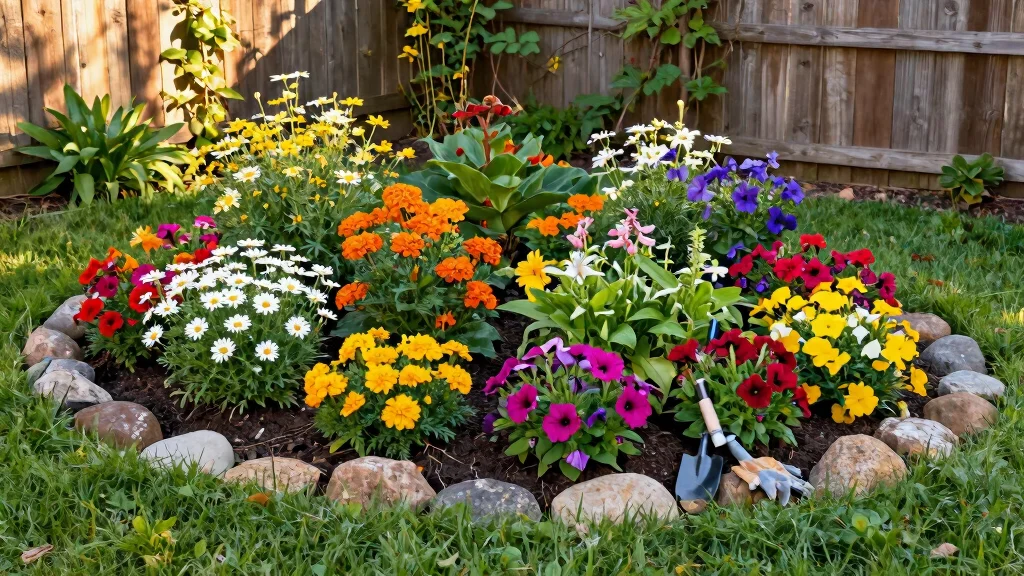
Creating a lush and colorful outdoor retreat begins with the right backyard flower beds. If you’ve been dreaming of vibrant blooms and fragrant scents, you’re in the right place. This post is crafted for anyone who loves spending time outdoors, whether you’re an experienced gardener or just starting out. We all want a garden that brings joy, attracts butterflies, and offers a soothing escape from the daily grind.
In this article, you’ll find nine fabulous ideas for flower bed designs that are not only beautiful but also sustainable and eco-friendly. You’ll learn how to incorporate colorful plants that thrive in your climate, how to create pollinator-friendly spaces, and tips for selecting seasonal flowers for year-round enjoyment. Each idea is designed to inspire you and provide practical steps to bring your vision to life. Let’s dig in and transform your backyard into a vibrant paradise!
Key Takeaways
– Discover flower bed designs that suit your style, from classic cottage to modern zen gardens. Each design enhances your outdoor aesthetic.
– Learn which colorful plants attract pollinators, helping your garden thrive while supporting local wildlife.
– Explore practical backyard landscaping tips that make your garden accessible and enjoyable for everyone, regardless of gardening expertise.
– Find out how to choose seasonal flowers for continuous blooms throughout the year, ensuring your garden remains lively and inviting.
– Get inspired by eco-friendly practices that not only beautify your space but also promote sustainability in your backyard gardening efforts.
1. The Classic Cottage Style

If you’re dreaming of a cozy escape in your backyard, the classic cottage-style flower bed is your answer. This enchanting design blends perennials and annuals, resulting in a delightful tapestry of colors and textures. Picture clusters of lavender, foxgloves, and hollyhocks dancing together in the breeze, creating a vibrant and inviting atmosphere. The secret lies in planting densely, allowing flowers to flourish and fill your garden with life.
To elevate this charming aesthetic, consider adding rustic touches like a wooden trellis or vintage garden stakes. A pebble path winding through the blooms invites guests to immerse themselves in this colorful haven. This style also nurtures a healthy ecosystem by attracting beneficial insects, making your backyard a sanctuary for wildlife.
Tips for Success:
– Select a variety of heights and colors for visual interest.
– Add mulch to conserve moisture and reduce weeds.
– Choose native plants for easier care and sustainability.
This approach not only beautifies your space but also fosters biodiversity, enriching your backyard experience.
Transforming a small yard into a cottage-style wonder isn’t magic—it’s layers of color and clever spacing. Plant densely with a mix of perennials and annuals, and your backyard flower beds feel lush from season to season, without extra effort.
The Classic Cottage Style
Editor’s Choice

KVR Upgraded Garden Kneeler and Seat with Thicken & Widen Soft Kneeling …


Grenebo Gardening Tools 9-Piece Heavy Duty Garden Hand Tools with Fashio…

COOLJOB 2 Pairs Gardening Gloves for Women Ladies, Breathable Rubber Coa…
2. Vertical Gardens: Space-Saving Elegance
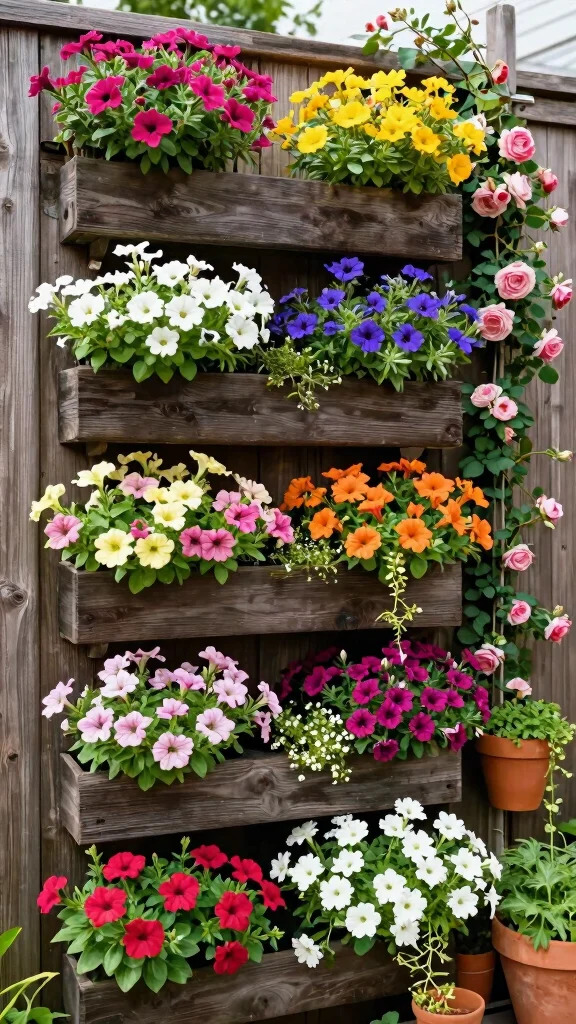
Do you have limited space but still crave a lush garden? Vertical gardens are the perfect solution! With wall-mounted planters or trellises, you can showcase colorful blooms without taking up valuable ground space. These gardens are ideal for small backyards or patios and can feature eye-catching plants like petunias, nasturtiums, and climbing roses.
Not only do vertical gardens save space, but they also add a dramatic flair to your outdoor area. By varying heights and layers, you create a stunning visual display that draws the eye upward. You can even include herbs or edible flowers, marrying beauty with practicality.
Design Ideas:
– Repurpose materials like wooden pallets or old crates for an eco-friendly look.
– Set up a drip irrigation system to keep plants hydrated efficiently.
– Integrate trailing plants for added depth and movement.
This innovative gardening style transforms any small space into a vibrant retreat, enhancing your outdoor experience.
Vertical Gardens: Space-Saving Elegance
Editor’s Choice
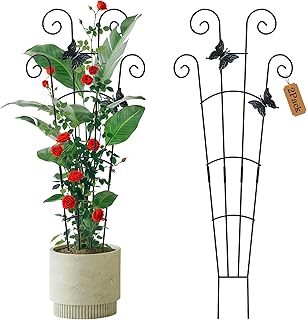
2 Pack 30 Inch Taller Plant Trellis for Potted Climbing Plants Indoor,Ex…

Make Good PlantPod Luxe – Self-Watering Wall Planters (Set of 6) – Easy …

Miracle-Gro Organic Outdoor Potting Mix – Plant Soil for Outdoor Contain…
3. Pollinator-Friendly Flower Beds

Imagine a garden buzzing with life, filled with colorful blooms that invite bees and butterflies. Creating a pollinator-friendly flower bed is not just beautiful; it’s vital for our ecosystem. Opt for plants like coneflowers, black-eyed Susans, and zinnias, all known for their nectar-rich blooms that pollinators love.
By grouping these flowers together, you create a thriving habitat that encourages pollination while enjoying splendid views. Avoiding pesticides ensures your garden remains a safe haven for these essential creatures. Additionally, planting native species supports local wildlife and requires less maintenance.
Helpful Tips:
– Plant in clusters to effectively attract pollinators.
– Provide a water source, like a shallow dish with pebbles, for hydration.
– Research local plants that flourish in your area for a sustainable garden.
This vibrant approach not only beautifies your backyard but also contributes to environmental health, ensuring a thriving ecosystem.
📹 Related Video: Pollinator Garden Design Ideas – How to Attract Bees, Butterflies & Hummingbirds 🐝 🦋
Pollinator-Friendly Flower Beds
Editor’s Choice

Burpee Wildflower 25,000 Bulk, 1 Bag, 18 Varieties of Non-GMO Flower See…

Flower-Shaped Ceramic Bee Watering Station, Bath for Bees, Colorful Butt…
4. Seasonal Blooms for Year-Round Color
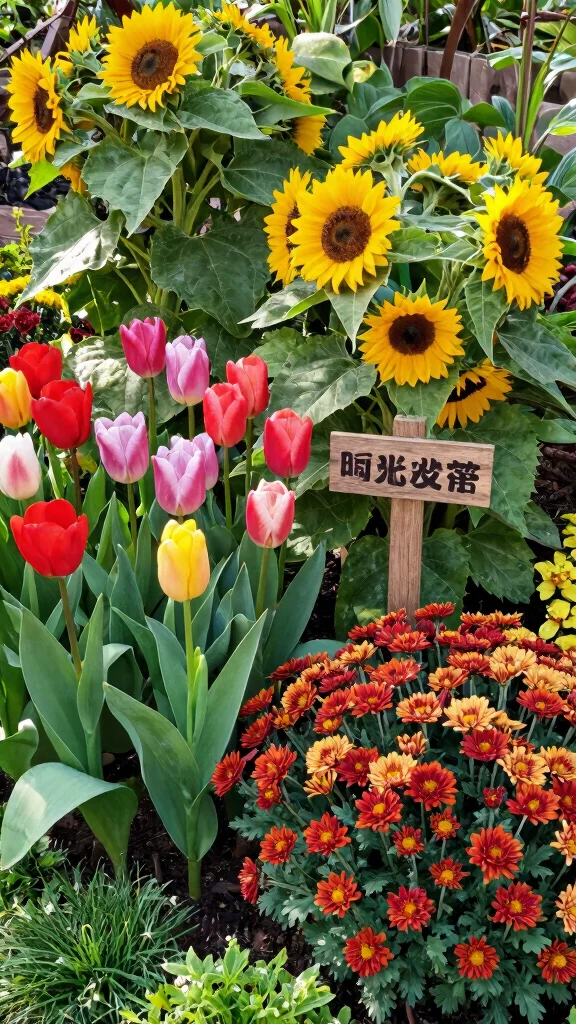
Picture a garden that delights your senses all year long with seasonal blooms. By planning your flower beds with early spring tulips and daffodils, summer sunflowers and dahlias, and fall chrysanthemums, you can enjoy a vibrant landscape throughout the seasons.
To achieve this, pay attention to bloom times and arrange your flowers accordingly in the beds. Layering plants offers visual interest and a lush look year-round. This method ensures your garden remains full of life and color no matter the season.
Planning Tips:
– Utilize a planting calendar to track bloom times.
– Combine perennials and annuals for a diverse display.
– Consider bulbs for easy seasonal planting and variety.
This strategy not only enhances your garden’s aesthetics but also creates a dynamic environment that changes with the seasons.
Seasonal Blooms for Year-Round Color
Editor’s Choice

Bulb Planter Tool, Bulb Planter with Depth Markers and Bend Free for Pla…

Raised Bed Gardening: A Simple Guide for Beginners how to grow vegetable…
5. Eco-Friendly Edible Flower Beds
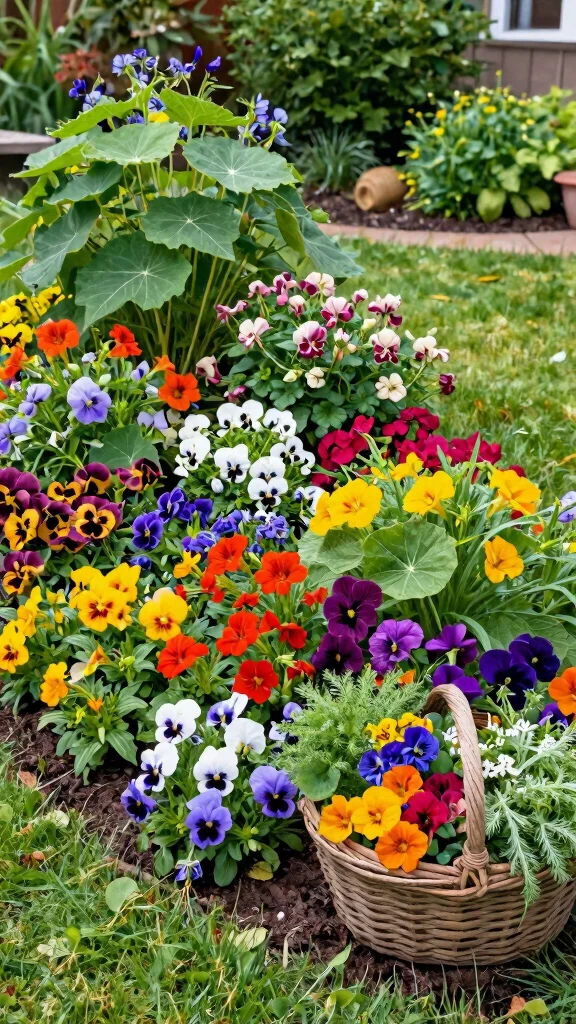
Why not blend beauty with functionality in your garden? An eco-friendly edible flower bed allows you to grow vibrant blooms alongside delicious plants. Choose options like nasturtiums, which boast colorful flowers and edible leaves, or pansies, perfect for brightening up salads.
These edible flowers not only enhance your culinary creations but also attract pollinators, improving your garden’s health. When planning your edible flower bed, think about mixing them with traditional blooms or dedicating a section solely to edibles. This fosters biodiversity while making your garden visually appealing and practical.
Planting Ideas:
– Utilize companion planting to maximize space and plant health.
– Plan for both color and flavor; select flowers with diverse tastes.
– Regularly harvest to encourage growth and avoid overcrowding.
This approach creates a beautiful garden that is as delightful to the palate as it is to the eye.
You might also like


Top Varieties for Different Conditions
1. Daylilies (Hemerocallis)
– Best conditions: Great for temperate climates with well-drained soil.
– Key features: Daylilies bloom in a variety of colors and are drought-resistant. They bloom for a day but produce an abundance of flowers throughout the season, creating a continuous display.
– Considerations: They do best in full sun but can tolerate partial shade. However, they may need regular watering in extreme heat.
2. Coneflower (Echinacea)
– Best conditions: Ideal for hot, dry climates and tolerant of poor soil.
– Key features: Coneflowers attract butterflies and bees, adding life to your backyard flower beds. They have long-lasting blooms and can thrive with minimal care.
– Considerations: Although hardy, they can suffer from root rot if overwatered. Ensure well-draining soil to keep them healthy.
3. Lavender (Lavandula)
– Best conditions: Best suited for hot, dry, and sunny locations.
– Key features: Lavender not only adds a beautiful pop of purple but also offers a calming fragrance. It is also drought-resistant and attracts pollinators like bees.
– Considerations: It requires well-drained soil and should not be overwatered. If you live in a humid area, consider a variety that is more tolerant of moisture.
4. Black-eyed Susan (Rudbeckia)
– Best conditions: Thrives in a variety of climates but prefers full sun and well-drained soil.
– Key features: These flower beds are vibrant and long-blooming, producing bright yellow flowers that add cheer to any garden. They are also very low maintenance.
– Considerations: While they are resistant to drought, they may require extra water during prolonged dry spells.
5. Hostas
– Best conditions: Perfect for shady areas, especially in humid climates.
– Key features: Hostas come in various leaf colors and shapes, offering texture to your garden. They thrive in low light and are great for filling spaces under trees.
– Considerations: Slugs can be a problem, so consider barriers or organic repellents to protect them.
6. Marigolds (Tagetes)
– Best conditions: Adaptable, but they flourish in full sun and well-drained soil.
– Key features: Marigolds are colorful and easy to grow, making them a favorite for novice gardeners. They repel some garden pests, which is an added benefit to your flower bed designs.
– Considerations: They need regular watering, especially in hot weather, and should be deadheaded for continuous blooms.
7. Zinnias
– Best conditions: Thrives in hot, sunny environments with well-drained soil.
– Key features: Zinnias produce bright, cheerful colors that can liven up any backyard landscaping. They bloom from summer to frost, creating a colorful display for months.
– Considerations: These flowers can be prone to powdery mildew in humid conditions, so adequate spacing is crucial to promote air circulation.
Climate/Condition Guide:
– Temperate Climates: You can grow a wide range of plants. Focus on perennials like coneflowers and daylilies that are both beautiful and hardy.
– Hot/Dry Climates: Drought-resistant varieties like lavender and zinnias will thrive. Look for plants that naturally adapt to less water.
– Humid Areas: Hostas and marigolds are great options. They can handle moisture but may need protection from pests.
– Coastal Conditions: Choose salt-tolerant plants like coneflowers. They can withstand the harsher elements found near the ocean.
Growing Tips:
1. Ensure adequate sunlight for each plant type. Most colorful plants prefer at least 6 hours of direct sunlight daily.
2. Mulch your flower beds to retain moisture and suppress weeds.
3. Regularly deadhead spent blooms to encourage more flowers.
Avoid:
1. Don’t overcrowd your plants. Give them space to grow and thrive.
2. Avoid overwatering, especially for varieties that prefer dry conditions. It’s better to underwater than to overdo it!
Eco-Friendly Edible Flower Beds
Editor’s Choice

Seed Needs Edible Wildflower Seed Packet Collection (7 Varieties of Flow…

Yaheetech 8×2ft Wooden Horticulture Raised Garden Bed Divisible Elevate…

Compost Tumbler Bin Composter Dual Chamber 43 Gallon (Bundled with Pears…
6. Zen Garden Flower Beds

Create your personal oasis with a Zen garden flower bed, where simplicity and tranquility reign. This style emphasizes minimalism, using a select few plants that evoke a sense of peace. Consider incorporating Japanese irises, ornamental grasses, and thoughtfully placed stones to cultivate a calming atmosphere.
Designing a Zen garden requires attention to balance and symmetry, often featuring gravel raked into patterns and quiet spots for reflection. This style not only beautifies your outdoor space but also encourages mindfulness and relaxation in nature.
Design Tips:
– Limit your color palette for a cohesive look; whites, greens, and soft pastels work beautifully.
– Use natural stones and gravel to enhance the aesthetic.
– Add a small water feature for soothing sounds and extra tranquility.
This peaceful retreat transforms your backyard into a serene escape that nurtures your well-being.
Fun fact: In a small backyard flower beds setup, a Zen garden can boost calm with just 3 plants and 5 gravel patterns. This minimalist approach helps you design balance and focus, turning your Zen Garden Flower Beds into a tranquil retreat you actually enjoy every day.
Zen Garden Flower Beds
Editor’s Choice

50+ Blue Fescue Ornamental Grass/Perennial Festuca/Drought Tolerant/Sun …

63″ Bow Rake,Heavy Duty Metal Garden Rake for Moving Gravel Loosening So…

Easy to Grow Japanese Iris Zen Garden Mix 5 Root Divisions – Colorful Fl…
7. Wildflower Meadows for Natural Beauty

Celebrate the untamed beauty of nature with a wildflower meadow in your backyard. This approach involves sowing a variety of native wildflower seeds, resulting in a vibrant, low-maintenance flower bed. Flowers such as cornflowers, poppies, and daisies will flourish, attracting butterflies and bees galore!
Wildflower meadows are not only stunning but also eco-friendly, requiring less water and maintenance than traditional flower beds. The charm of a wildflower meadow lies in its natural look, with blooms appearing at different times, creating a colorful tapestry throughout the growing season.
Getting Started:
– Select a sunny area with well-drained soil for your meadow.
– Mix various seeds for a diverse and colorful display.
– Avoid fertilizers and pesticides to maintain a natural habitat.
This approach enriches your garden’s beauty while supporting local wildlife and promoting biodiversity.
Wildflower Meadows for Natural Beauty
Editor’s Choice

Wildflower Seeds Bulk Mix – 10,000+ Perennial & Annual Seeds – Texas, Ca…

Jardineer Hand Tiller for Gardening, Manual Twist Tiller Cultivator, Hea…

Back to the Roots 25.7qt (1 Cubic ft) Organic Premium Mulch
8. Raised Garden Beds for Accessibility and Design
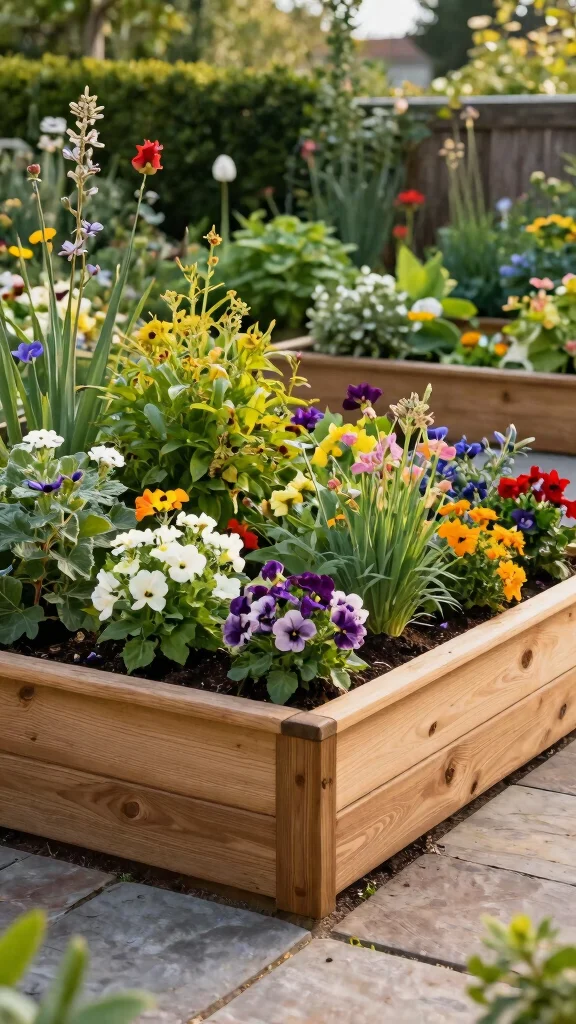
If you’re looking for a blend of functionality and style, raised garden beds are the way to go. These structures offer easier access for planting and maintenance while providing improved drainage and soil quality. You can choose from various styles and materials, like wood or stone, to complement your backyard’s design.
Incorporating color and layering in your raised beds enhances visual interest. Select a mix of seasonal flowers and plants based on your preferences. Additionally, the height makes these beds accessible for everyone, including those with mobility challenges.
Design Considerations:
– Build raised beds that are 12 to 24 inches tall for optimal accessibility.
– Use untreated wood or stone for sustainability.
– Add a drip irrigation system to conserve water.
This practical approach not only beautifies your space but also makes gardening accessible and enjoyable for all.
Fun fact: Raised garden beds, great for backyard flower beds, can cut maintenance time by up to 40% with easier access and better soil. Build with wood or stone to match your yard, and watch color and layers elevate the design.
You Might Also Like
Raised Garden Beds for Accessibility and Design
Editor’s Choice

LEETOLLA Elevate 32″ Tall Raised Garden Bed Outdoor with Wheels & Shelf …

Espoma Organic Raised Bed Mix – All Natural and Organic Potting Soil Mix…

Kynup Garden Tools, Gardening Tools Set with Garden Hand Shovel, Garden …
9. Themed Flower Beds: A Unique Twist
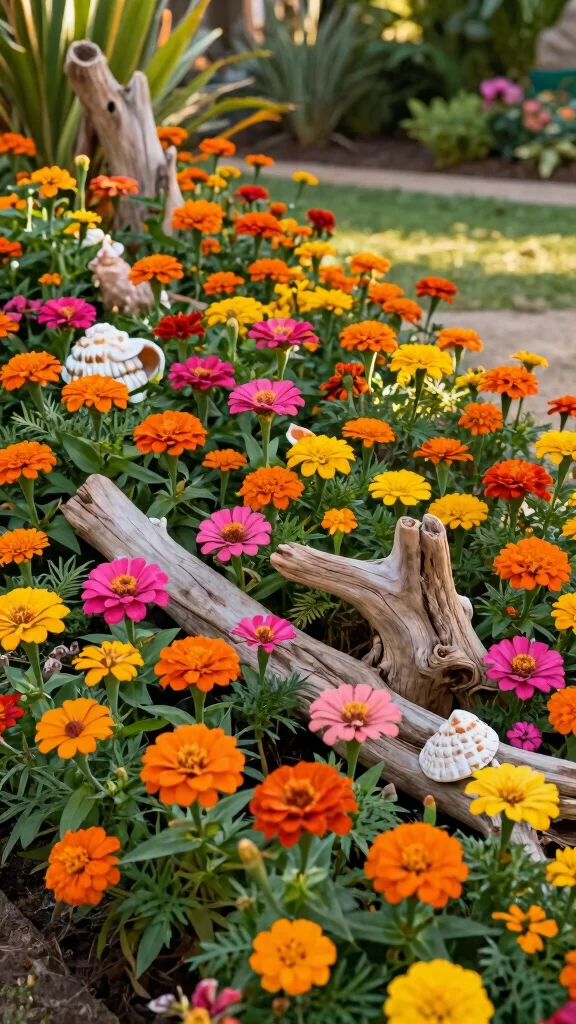
Inject some fun and creativity into your garden with themed flower beds! Whether inspired by a specific color, a favorite season, or even a tropical vibe, these beds let you express your personality through gardening. Imagine a beach-inspired bed filled with sandy hues and plants like beach daisies and blue ageratum, or a sunset theme featuring oranges, pinks, and yellows with zinnias and marigolds.
Themed flower beds can also incorporate decorative elements like seashells, driftwood, or garden ornaments to enhance the visual appeal. This creative twist not only makes your garden stand out but also encourages playful exploration of colors and designs.
Creative Ideas:
– Choose a cohesive color palette to unify your theme.
– Incorporate varied textures through different plant types.
– Use complementary decorations to reinforce your theme throughout the flower bed.
This imaginative approach allows you to create a personalized garden space that reflects your unique style and brings joy to your outdoor experience.
Themed Flower Beds: A Unique Twist
Editor’s Choice

Wood Garden Edging, Wooden Fence Border Decorative Small Picket Panels f…
Back to the Roots 25.7qt (1 Cubic ft) Organic Premium Mulch
Metal Flowers for Outside,Decorative Garden Stakes,Flower Bed Decor Plan…
Conclusion

Creating beautiful and sustainable backyard flower beds is a fantastic way to enhance your outdoor space while contributing positively to the environment. From cottage styles to vertical gardens, each idea offers a unique charm that invites beauty and biodiversity into your life.
Consider trying one or more of these concepts to cultivate your own vibrant retreat. Embrace the journey of gardening, and let your creativity blossom as you design flower beds that reflect your personality and care for the planet.
Note: We aim to provide accurate product links, but some may occasionally expire or become unavailable. If this happens, please search directly on Amazon for the product or a suitable alternative.
This post contains Amazon affiliate links, meaning we may earn a small commission if you purchase through our links, at no extra cost to you.
Frequently Asked Questions
How can I design sustainable backyard flower beds that stay colorful through the seasons?
Designing sustainable backyard flower beds that stay colorful through the seasons starts with choosing native and drought-tolerant plants that fit your climate.
Group plants by height and color to create layered, eye-catching flower bed designs, and use a breathable mulch to conserve moisture.
Collect rainwater with a barrel and feed beds with compost from kitchen scraps to boost soil health and reduce irrigation needs. This approach supports eco-friendly backyard landscaping and keeps your backyard flower beds vibrant with less maintenance.
Which colorful and easy-to-care plant choices work best for eco-friendly backyard flower beds?
A great mix includes native perennials for steady color and a few seasonal flowers for pops of hue.
Try purple coneflower (Echinacea), black-eyed Susan (Rudbeckia), Gaillardia, salvias, coreopsis, and native grasses for height; pair with annuals like cosmos and zinnias for mid-summer color.
This combination supports pollinators, reduces maintenance, and aligns with flower bed designs and colorful plants in backyard landscaping.
How can I make my water use more efficient in backyard flower beds?
Start with soil-first care: amend with compost and mulch to keep moisture in and weeds out.
Group plants by water needs and install a simple drip irrigation or soaker hose to deliver water at the roots; capture rain with a barrel for dry spells.
This low-water approach is essential for sustainable backyard flower beds and ties into practical outdoor garden tips for backyard landscaping.
What are simple ways to incorporate sustainable features into flower bed designs for a lush outdoor retreat?
Start with native plantings to reduce irrigation and support wildlife; layer with low-maintenance perennials for year-round color.
Add mulch and compost to build soil; reuse reclaimed edging, stones, or wood for a natural look that lasts.
Finish with a rain garden approach and a small pollinator-friendly mix to boost biodiversity; these choices align with eco-friendly backyard landscaping and flower bed designs.
How can I maintain seasonal color in backyard flower beds without synthetic chemicals?
Deadhead fading blooms and rotate in seasonal flowers to maintain color without extra fertilizer.
Feed with compost tea or a light top-dressing of compost to nourish soil, not just plants.
Avoid chemical pesticides by encouraging beneficial insects and, when needed, use organic controls; with regular mulching and soil care, your backyard flower beds stay lush and healthy all season.
Related Topics
backyard flower beds
flower bed designs
colorful plants
sustainable gardening
backyard landscaping
seasonal flowers
eco-friendly gardens
beginner friendly
outdoor garden tips
lush flower beds
low maintenance
pollinator friendly