
Gardening enthusiasts often find themselves dreaming of the perfect backyard herb garden. Fresh herbs can elevate your cooking, add vibrant flavors to your dishes, and even provide a relaxing hobby right at home. If you’ve ever wanted to bring the joy of gardening into your life, this post is for you. Whether you have a sprawling backyard or a tiny balcony, I’ve put together some creative ideas to help you grow fresh herbs no matter your space.
If you’re someone who loves cooking with fresh ingredients, enjoys a bit of greenery, or simply wants to start a new hobby, you’re in the right place. I know how rewarding it feels to snip fresh basil for a pasta dish or garnish a salad with homegrown cilantro. That’s why I’ve gathered nine inspiring backyard herb garden ideas that are practical, charming, and perfect for small spaces. You’ll discover different designs and techniques that suit your style and needs, making it easy for you to cultivate your own mini herb paradise!
From vertical gardens to recycled container gardening, these ideas will not only beautify your space but also turn your cooking into an exciting experience. So, roll up your sleeves and get ready to dig in—we’re about to explore the wonderful world of growing fresh herbs at home!
Key Takeaways
– Discover nine innovative backyard herb garden ideas that cater to small spaces, ensuring you can grow fresh herbs even in limited areas.
– Learn about the benefits of container gardening and how it allows you to maximize your available space while providing flexibility in herb placement.
– Explore creative designs like the herb spiral and vertical gardens, which not only save space but also offer unique aesthetics for your backyard.
– Understand the importance of companion planting with herbs and how this method can enhance growth and deter pests naturally.
– Gain practical tips for growing herbs indoors, ensuring you can enjoy fresh flavors year-round, regardless of outdoor conditions.
1. Vertical Herb Garden

Are you looking to add greenery without taking up precious ground space? A vertical herb garden is the perfect solution! It not only elevates the aesthetics of your walls but also provides fresh herbs at your fingertips, making cooking more enjoyable. Herbs like thyme, rosemary, and chives flourish in this setup, and the design can be customized to fit your style.
Tips:
– Choose herbs with similar sunlight and water needs.
– Ensure proper drainage to avoid waterlogging.
– Use a lightweight potting mix to keep the structure secure.
Adding decorative trellises can enhance the vertical aesthetic, making your herb garden a focal point of your outdoor decor.
Did you know a vertical herb garden can yield up to 4x more herbs per square foot than ground beds? Stretching upward lets thyme, rosemary, and chives flourish in small spaces—saving floor space while boosting fresh flavor at your fingertips.
Vertical Herb Garden
Editor’s Choice

Ahopegarden Indoor Garden Hydroponics Growing System: 10 Pods Plant Germ…


TOREVSIOR 5-Tier Vertical Raised Garden Bed, Vertical Garden Planter wit…

RAINPOINT Easy-Setup Automatic Plant Waterer Indoor for Pot Plant Adjust…
2. Tiered Container Garden

Do you want to create a visually striking herb collection? A tiered container garden is an excellent way to add dimension and style to your space! This arrangement allows you to grow multiple layers of herbs, making it both beautiful and practical. You can use pots of various sizes to achieve a cascading effect, perfect for herbs like cilantro, mint, and basil.
Container Gardening Tips:
– Ensure each tier has adequate drainage.
– Select pots with varying heights for an eye-catching look.
– Group herbs by their watering needs.
Place your tiered garden in a sunny spot to maximize growth and make harvesting a breeze!
Tiered Container Garden
Editor’s Choice

VIVOSUN Self-Watering Planters, 6-Pack 10.5 Inch Compact Rectangular Win…

Burpee, 9 Quarts | Premium Organic Potting Natural Soil Mix Food Ideal f…

Bamworld Tall Plant Stand Indoor 6 Tier Plant Holder for Multiple Plants…
3. Herb Spiral
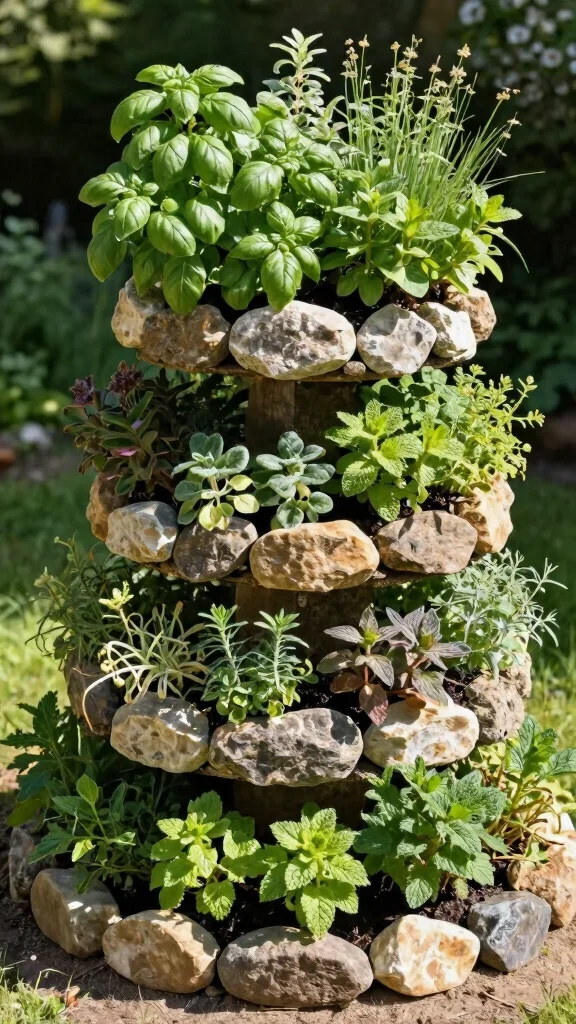
Ready to embrace a sustainable gardening method? An herb spiral is not just visually stunning but also promotes a thriving ecosystem! This design utilizes vertical space to create microclimates, allowing you to grow a diverse range of herbs all in one area. Position sun-loving basil at the top and moisture-loving mint towards the bottom for optimal results.
Benefits of Herb Spirals:
– Natural irrigation helps conserve water.
– Maximizes vertical space in limited areas.
– Encourages biodiversity through companion planting.
Consider using natural stones or bricks to give your spiral a rustic charm.
Herb Spiral
Editor’s Choice

Bosmere E708 4-Pack Spiral Plant Supports, 72-Inch

Sereniseed Certified Organic Herb Seeds (10-Pack) – Non GMO, Heirloom …
XLUX Long Probe Deep Use Soil Moisture Meter Sensor, Water Monitor Indic…
4. Window Box Herb Garden

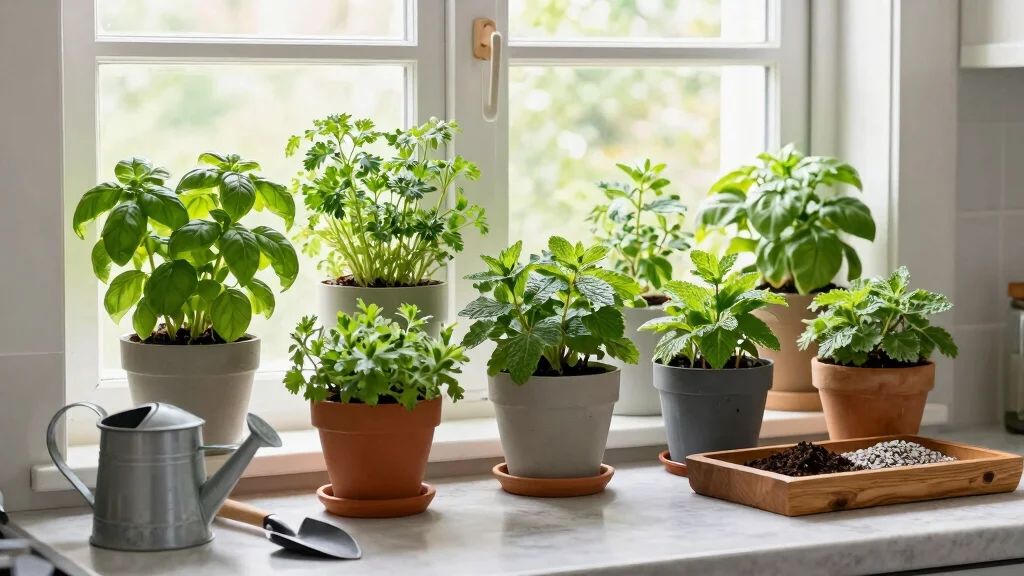
Do you live in an apartment but crave fresh herbs? A window box herb garden brings nature right into your kitchen! Ideal for those with limited outdoor space, this setup allows you to grow compact herbs like chives, parsley, and oregano just a reach away. You’ll not only beautify your window but also have fresh ingredients ready for cooking.
Growing Herbs Indoors:
– Choose a sunny window for optimal light.
– Use high-quality potting soil to promote healthy growth.
– Remember to rotate your containers for even sunlight exposure.
Attractive containers can elevate your kitchen decor while enhancing your culinary experiences.
Fun fact: A 12-inch window box herb garden can yield up to 1/2 cup of chopped parsley, chives, or oregano each week. With sun-filled windows, you’ll turn your apartment into a thriving backyard herb garden—no yard needed.
Window Box Herb Garden
Editor’s Choice

Miracle-Gro Organic Outdoor Potting Mix – Plant Soil for Outdoor Contain…

2026 Upgraded SH2000 Led Grow Light,Dimmable Full Spectrum LED Growing L…

GREANER 3PCS 16×3.8 Inch Window Boxes Planters, Black Rectangle Planters…
5. Rustic Wooden Crates

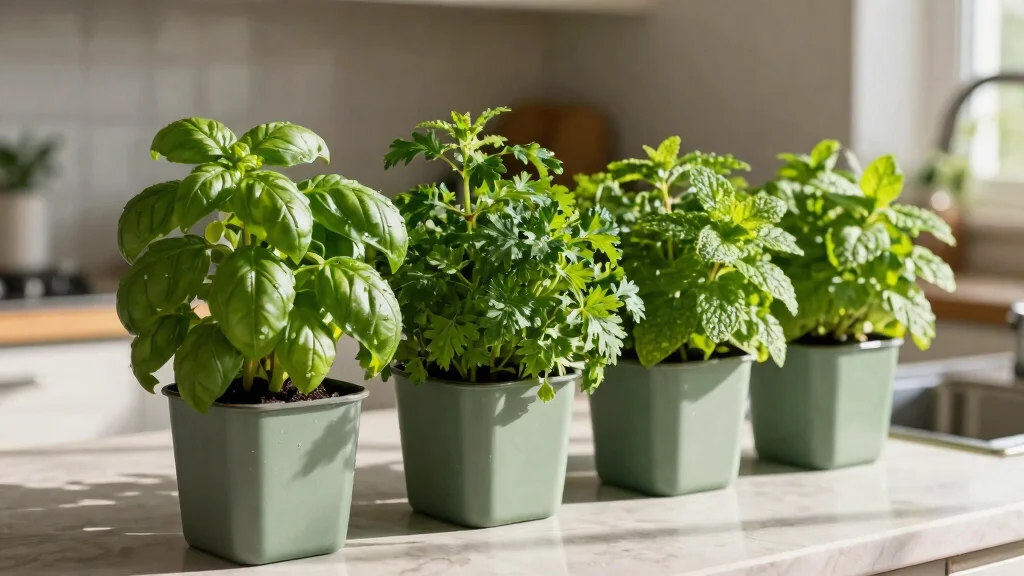
Looking for a charming way to organize your herbs? Rustic wooden crates can transform your backyard into a country-style herb garden! Whether stacked or arranged side by side, these crates can hold a variety of herbs and become a stunning focal point. Customize the size and arrangement to fit your space, adding a vintage element while remaining practical.
Container Gardening Tips:
– Drill drainage holes if not already present.
– Paint or stain the crates to match your garden aesthetic.
– Use a mix of herbs like rosemary, basil, and dill for diversity.
Positioning your crates on a sunny patio or near the kitchen makes it easy to access fresh herbs for your culinary adventures.
📹 Related Video: 15 Vertical Herb Garden Displays Using Salvaged Wooden Ladders and Antique Crates
You might also like
Rustic Wooden Crates
Editor’s Choice

TIMRIS Set of 3 Rustic Distressed Wood Nesting Crates, Farmhouse Decorat…
6. Hanging Herb Garden

Want to add a whimsical touch to your garden? A hanging herb garden is a playful way to save space and add visual interest! Using macrame hangers or wall-mounted planters, you can create a unique vertical display with cascading herbs like trailing thyme or chamomile. Not only does this design save space, but it also keeps herbs off the ground, helping to prevent pests.
Benefits of a Hanging Garden:
– Space-saving, ideal for apartments.
– Enhances visual interest with varying heights.
– Keeps herbs off the ground, preventing pests.
Place your hanging herbs near a sunlight source for optimal growth and enjoy the delightful aromas filling your home!
Hanging Herb Garden
Editor’s Choice

Mkono Macrame Plant Hanger Indoor Hanging Planter Basket with Wood Beads…
TOREVSIOR 5-Tier Vertical Raised Garden Bed, Vertical Garden Planter wit…
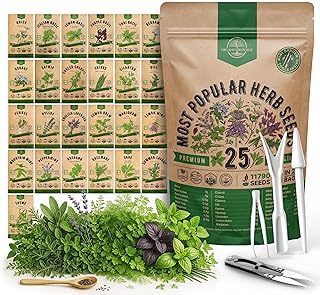
25 Most Popular Herb Seeds Variety Pack – 11,700 Non-GMO Heirloom Seeds …
7. Herb Garden Bench
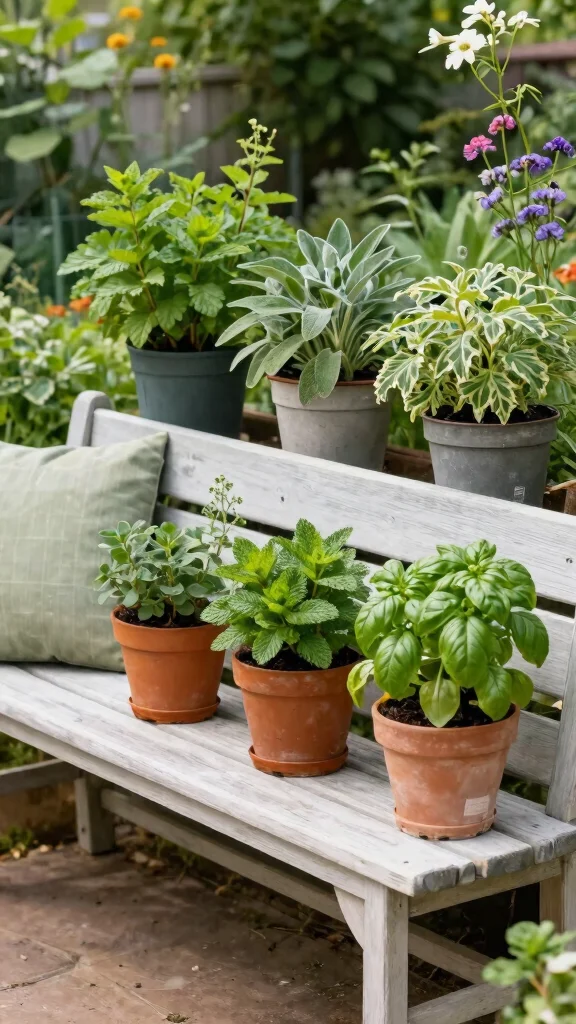
Do you have an old bench gathering dust? Transform it into a functional herb garden! By adding containers or creating built-in planters, you can grow herbs like mint, sage, and basil while enjoying a relaxing spot to unwind. This creative solution combines practicality with beauty, allowing you to enjoy fresh herbs right at your fingertips.
Tips for a Bench Herb Garden:
– Choose a sturdy bench that can support the weight of the pots or soil.
– Use attractive containers to enhance the aesthetic appeal.
– Create a cozy seating area with cushions for relaxation.
This unique design allows you to enjoy fresh herbs while having a space to unwind outdoors.
Herb Garden Bench
Editor’s Choice

Barnyard Designs Indoor Herb Garden Planter Set with Tray, Metal Windows…
Miracle-Gro Organic Outdoor Potting Mix – Plant Soil for Outdoor Contain…

Keter Solana 70 Gallon Storage Bench Deck Box for Patio Furniture, Front…
8. Companion Planting with Herbs
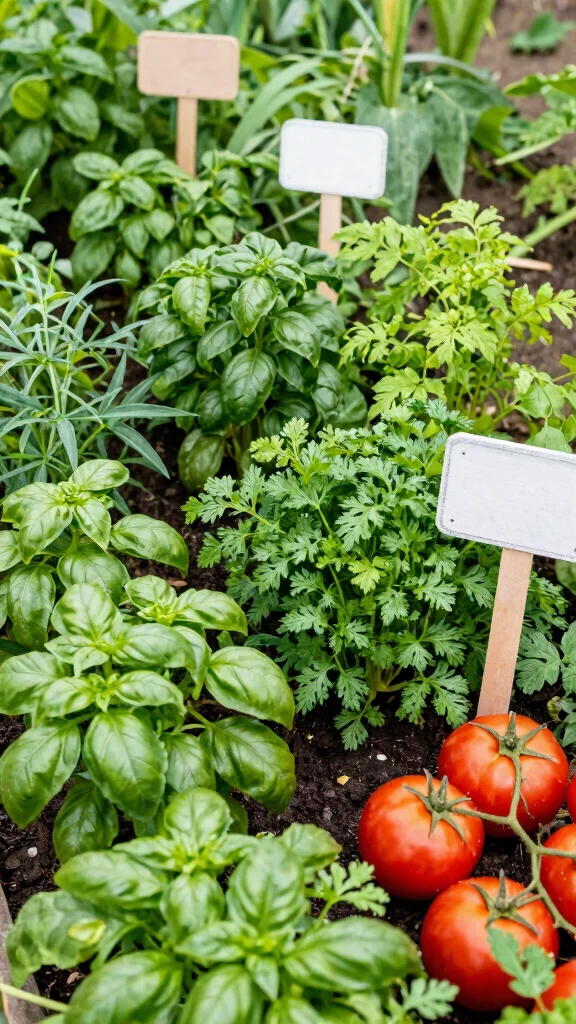
Are you looking to enhance your vegetable garden? Companion planting with herbs can elevate your garden’s health and productivity! Certain herbs can repel pests or attract beneficial insects, creating a better environment for your vegetables. For example, basil not only enhances the flavor of tomatoes but also protects them from harmful pests.
Organic Herb Gardening Tips:
– Research which herbs benefit your vegetables.
– Use natural fertilizers to enrich your soil.
– Rotate plants each season for optimal growth.
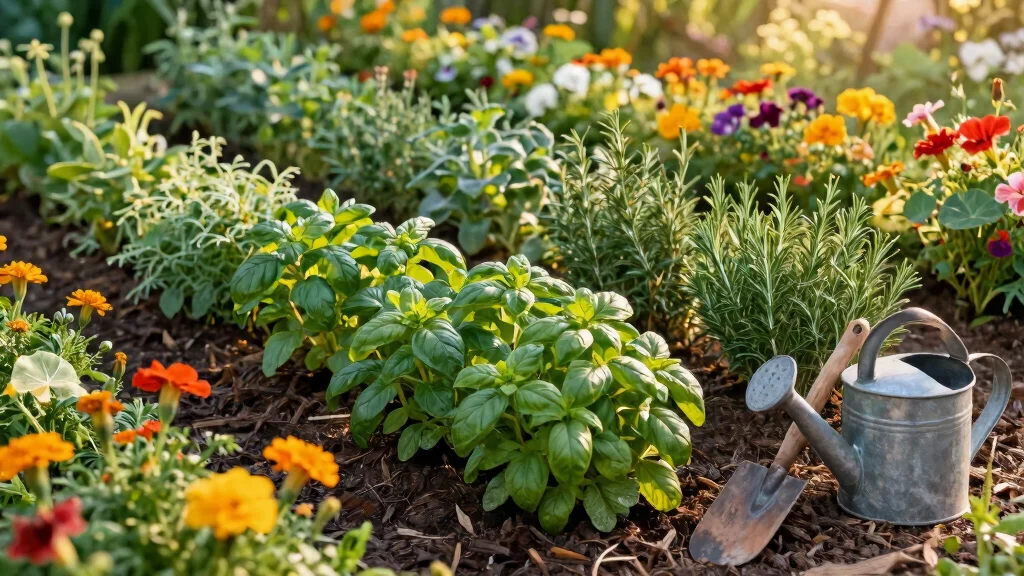
Companion planting encourages biodiversity and can lead to a thriving garden full of flavors and aromas.
You Might Also Like
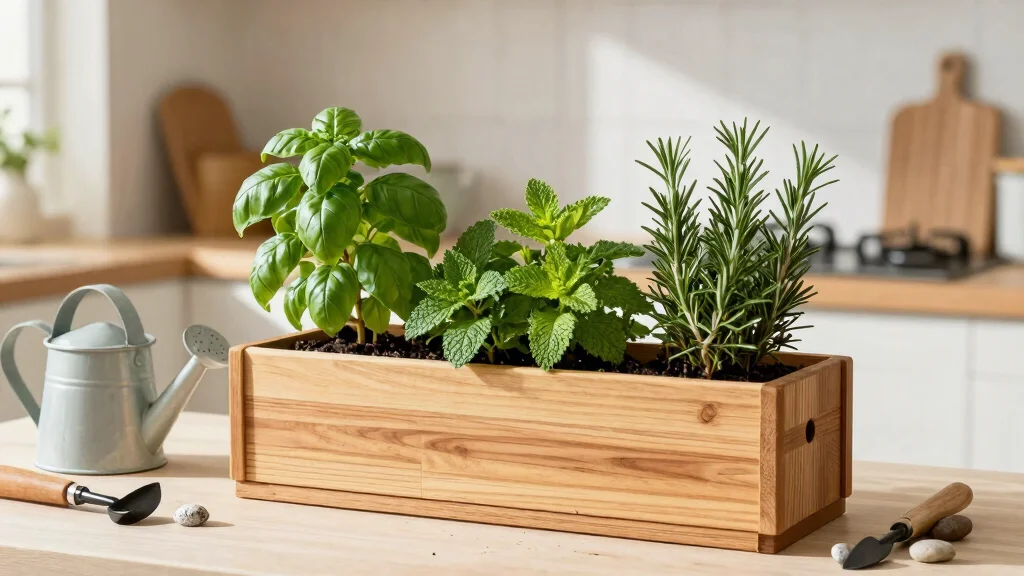
Companion Planting with Herbs
Editor’s Choice

Wondercide – Outdoor Pest Control Spray with Natural Essential Oils – Mo…

Seed Needs Herb Seeds Variety Pack Culinary Herb Collection (12 Individu…

Burpee Organic Tomato & Vegetable Granular Plant Food, 4 lb
9. Herb Garden in Recycled Containers

Are you ready to get creative with gardening? Using recycled containers for your herb garden can be a fun and eco-friendly project! Repurposing items like tin cans, glass jars, or old pots not only saves money but also adds a unique touch to your garden. You can paint or decorate these containers for a charming rustic look while planting herbs like cilantro, thyme, and oregano.
Container Gardening Tips:
– Ensure all containers have proper drainage.
– Use a variety of sizes and shapes for interest.
– Experiment with colors and textures for a fun design.
This approach reduces waste and adds character to your garden, making it a win-win for your space.
Fun fact: recycling containers can cut pot costs by up to 50% for a backyard herb garden. Start with tin cans, jars, or old pots, then plant cilantro, thyme, and oregano for instant, budget-friendly freshness.
How To Choose The Right Containers for Your Backyard Herb Garden
When you’re setting up a backyard herb garden, the containers you choose can make a big difference. The right containers help your herbs thrive, especially if you’re working with limited space. Let’s dive into the key factors you should consider when selecting containers for your herb garden.
1. Size Matters
Choosing the right size for your containers is crucial. Herbs like basil and mint need at least 12 inches of depth to grow well, while smaller herbs like thyme can thrive in smaller pots. Consider how many herbs you want to grow and the available space in your backyard. If you have a small area, opt for a few larger containers instead of many tiny ones, as they can hold more soil and moisture.
2. Material Choices
Containers come in various materials, including ceramic, plastic, metal, and wood. Each has its pros and cons. Plastic containers are lightweight and affordable, while ceramic or clay pots offer better breathability. Metal pots can look stylish but may heat up too quickly in the sun. Choose a material that suits your garden’s aesthetic and climate conditions.
3. Drainage Features
Proper drainage is essential for healthy herb growth. Ensure that your containers have drainage holes at the bottom. If you find a pot you love without holes, it’s easy to create them using a drill or a hot poker. Good drainage prevents water from pooling, which can lead to root rot and other issues.
4. Mobility
Think about how often you might want to move your herb garden around. If you plan to rearrange your garden, choose lightweight pots or those with wheels. This flexibility allows you to relocate your herbs for better sunlight or protection from harsh weather.
5. Style and Design
Your herb containers can be both functional and decorative. Choose styles that complement your backyard’s overall design. Vertical gardens, tiered planters, or beautiful wooden crates can add charm while providing practical space-saving solutions. Think about how your herb garden adds to your outdoor aesthetic.
6. Budget Considerations
Containers can vary widely in price. Set a budget before you start shopping. You don’t have to spend a lot to create a stunning herb garden. Look for sales, or consider DIY options using recycled materials. You can create charming herb pots from old cans or jars.
Pro Tip:
If you want to combine style with function, consider using self-watering containers. These are perfect for busy gardeners, as they reduce the frequency of watering while keeping the soil consistently moist. This can be especially helpful during hot summer months when your herbs might need extra water.
By keeping these factors in mind, you’ll choose the right containers for your backyard herb garden. Each choice can help your herbs flourish, so take your time selecting what works best for your space and style! Happy gardening! 🌱
Herb Garden in Recycled Containers
Editor’s Choice

Whaline 24Pcs Acrylic Plant Label Signs 12 Styles Garden Herb Markers Pl…
Burpee, 9 Quarts | Premium Organic Potting Natural Soil Mix Food Ideal f…
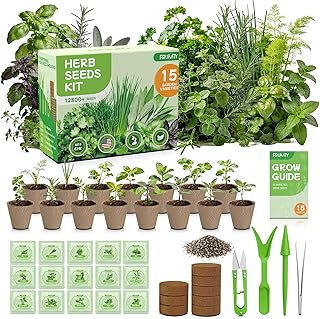
Herb Garden Starter Kit – Fruivity 12800+ 15 in 1 Herb Heirloom Seed K…
Conclusion

Creating a backyard herb garden is a fulfilling way to indulge your green thumb and spice up your cooking!
With these 9 creative ideas, you can turn any small space into a herb haven, filled with vibrant flavors and aromas. Whether you opt for vertical gardens, rustic crates, or hanging herbs, the possibilities are endless. Get ready to grow your own fresh herbs and enjoy the beauty and taste they bring to your home. What idea resonates with you the most?
Note: We aim to provide accurate product links, but some may occasionally expire or become unavailable. If this happens, please search directly on Amazon for the product or a suitable alternative.
This post contains Amazon affiliate links, meaning we may earn a small commission if you purchase through our links, at no extra cost to you.
Frequently Asked Questions
What makes a backyard herb garden ideal for small spaces?
Think of a backyard herb garden as a compact, aromatic sanctuary for fresh flavors. For small spaces, focus on container gardening tips, vertical setups, and sun exposure. In an ideal herb garden design for tight spaces, group plants with similar water needs, choose compact varieties, and keep everything within easy reach. Start with herbs that thrive in containers—basil, thyme, chives, oregano, and parsley are great choices. Use pots with drainage holes, high-quality potting mix, and lightweight mulch to prevent soil compaction. Water deeply when the top inch of soil dries, and rotate containers seasonally to maximize sunlight. Go organic by feeding with compost tea or worm castings and avoiding synthetic fertilizers. With a little planning, your backyard herb garden can be lush, productive, and low maintenance.
Which herbs are best for container gardening in a small backyard?
Container-friendly options include basil, thyme, oregano, parsley, and chives. Mint should stay in its own pot to prevent spreading. Choose compact or dwarf varieties labeled for pots. Use a light, well-draining potting mix and ensure each container has drainage holes. Place pots in a sunny spot that gets 6–8 hours of sun (or supplement with grow lights indoors). Water when the top inch of soil dries, and avoid waterlogged roots. For an organic herb gardening approach, feed with compost tea or worm castings rather than synthetic fertilizers. With thoughtful spacing and regular harvesting, you can build a thriving backyard herb garden in a small space.
How can I grow herbs indoors and still keep them flavorful?
Growing herbs indoors gives you fresh aroma year-round. Start with a sunlit window sill or a small shelf that receives 6–8 hours of bright light daily. If natural light is limited, supplement with a full‑spectrum grow light to keep plants compact and productive. Use a well‑draining potting mix and a shallow container for shallow-rooted herbs like basil and cilantro. Maintain humidity with a pebble tray or mister, and ensure good air circulation to prevent mold. Water when the top inch of soil dries, and harvest regularly to encourage bushier growth. Choose herbs that do well indoors—basil, parsley, chives, cilantro, thyme—and keep the approach organic by avoiding chemical aids.
What’s the best way to use companion planting with herbs in a backyard garden?
Companion planting with herbs helps deter pests, attract beneficial insects, and enhance flavors. Start by pairing herbs with vegetables that benefit most: basil with tomatoes for flavor and pest deterrence, dill with cucumbers to invite beneficial insects, and oregano near peppers to attract pollinators. Plant herbs away from windbreaks if the area gets hot; interplant among salad greens for fragrance and pest resistance. Keep a simple plan: map out bed or container groupings, and avoid overcrowding that blocks light and air. For an organic approach, choose pest controls that are gentle on bees, and use herbs as living mulch where possible. A thoughtful companion planting herbs plan can boost yields and make your backyard herb garden more resilient.
How do I maintain an organic backyard herb garden throughout the seasons?
Maintenance starts with soil and water. Use a rich, organic soil mix and top-dress with compost. Mulch to retain moisture and suppress weeds. Harvest regularly to encourage growth and prevent herbs from flowering too early, which can reduce flavor. Prune back perennials like rosemary and thyme after the season to keep them bushy. Water at the base and avoid wetting foliage to reduce disease. For pest control, use organic methods such as hand-picking pests, neem oil, or insecticidal soap, and introduce beneficial insects when possible. In cold climates, bring tender herbs indoors or protect with a frost cover; start new plants from seed or cuttings in spring for ongoing productivity. With consistent organic care, your backyard herb garden stays productive year-round.
Related Topics
backyard herb garden
container gardening
indoor herbs
organic gardening
companion planting
small space gardening
beginner friendly
easy gardening tips
herb garden design
urban gardening
sustainable gardening