
Creating corner raised garden beds can transform your outdoor space into a flourishing oasis, even when you’re tight on room. If you’re like many gardeners, you may often feel that every inch of your yard should contribute to your gardening dreams. That’s exactly why I crafted this guide. Whether you have a tiny balcony, a modest backyard, or even a small patio, this post is all about maximizing your garden potential with innovative corner raised garden bed ideas.
If you’re passionate about gardening but struggle with limited space, you’re in the right spot. This guide is tailored for you—whether you’re a seasoned gardener looking to mix things up or a beginner eager to dig into your first garden project. You’ll discover practical designs that not only fit snugly into corners but also elevate your gardening game.
Get ready to explore nine creative corner raised bed designs that will help you make the most of your space. Each idea is not only stylish but also functional, allowing you to grow fresh herbs, vibrant flowers, or even a mix of vegetables right at home. By the end of this guide, you’ll have plenty of inspiration and actionable tips to kickstart your corner gardening journey, turning those overlooked spaces into productive green spots.
Key Takeaways
– Corner raised garden beds are ideal for small spaces, allowing you to utilize every inch of your garden effectively.
– Incorporating vertical gardening techniques can help maximize height and yield in limited areas.
– DIY options give you the chance to personalize your garden beds and make them unique to your style.
– Modular designs provide flexibility, enabling you to adjust your garden layout as needed throughout the seasons.
– Themed garden beds can enhance aesthetics and create a cohesive look while still serving practical gardening purposes.
1. L-Shaped Raised Beds for Optimal Space Utilization

Are you looking to make the most of your garden’s corners? L-shaped raised beds offer a creative and efficient solution that fits perfectly into those often-neglected spaces. These designs provide plenty of planting area while remaining compact, allowing you to grow a mix of herbs, flowers, or vegetables effortlessly. The versatility of this layout can bring both beauty and function to your garden.
To get started, think about what you want to plant and how much sunlight each side will receive. You can even enhance your setup by adding trellises for climbing plants, while low herbs can be placed at the front for easy access. This smart design not only maximizes space but also adds a unique visual element to your garden.
Key benefits of L-shaped raised beds:
– Access plants easily from multiple angles
– Perfectly suited for small gardens
– Creates attractive focal points in your layout
With these beds, you’ll enjoy a well-organized garden that showcases your favorite plants beautifully.
Did you know that corner raised garden beds in an L shape can add up to 40% more planting area in a small garden? With two legs that fit into tight corners, you can grow herbs, veggies, and flowers all in one compact, accessible setup.
L-Shaped Raised Beds for Optimal Space Utilization
Editor’s Choice
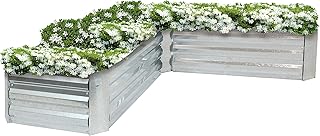
Sunnydaze Galvanized Raised Garden Bed Kit – 5x5x1 ft Outdoor Raised Gar…


Espoma Organic Raised Bed Mix – All Natural and Organic Potting Soil Mix…
2. Vertical Corner Garden Beds to Maximize Height

Short on ground space? Vertical corner garden beds might just be your ideal solution! These innovative designs allow you to grow upwards, making the most of every inch available. By using tiered planters or wall-mounted pockets, you can create a stunning display right against your fence or wall.
Consider incorporating various heights and types of plants for an eye-catching arrangement. Use trellises for climbing plants, and don’t forget to add wall-mounted containers for herbs or colorful flowers. This vertical approach not only saves space but also transforms your garden into a beautiful focal point.
Here are some ideas for your vertical garden:
– Install trellises for support and visual interest
– Hang wall planters for easy access to herbs
– Mix different heights for dynamic displays
With this setup, you’ll enjoy a captivating garden that maximizes your space and enhances your outdoor experience.
Vertical Corner Garden Beds to Maximize Height
Editor’s Choice

TOREVSIOR 5-Tier Vertical Raised Garden Bed, Vertical Garden Planter wit…

RUBFAC 7.8ft Garden Arch Trellis for Climbing Plants Outdoor, Metal Arch…

Make Good PlantPod Luxe – Self-Watering Wall Planters (Set of 6) – Easy …
3. DIY Corner Raised Beds for a Personal Touch

Crafting your own corner raised garden beds can add a delightful personal touch to your outdoor space. This hands-on project allows you to tailor the size, shape, and materials to fit your garden’s style. Imagine using reclaimed wood or charming bricks to create a unique design that reflects your personality.
When building your raised beds, ensure proper elevation for good drainage. You could also incorporate decorative elements like painted designs or compartments for tools. Personal touches like these make your garden uniquely yours, enhancing its charm and functionality.
Materials to consider for your DIY project:
– Use reclaimed wood for rustic aesthetics
– Opt for composite materials for durability
– Incorporate bricks for a cozy, cottage feel
This project not only beautifies your garden but also provides a satisfying sense of accomplishment.
📹 Related Video: 7 Beginner Raised Bed Garden Mistakes to Avoid
DIY Corner Raised Beds for a Personal Touch
Editor’s Choice
Garden Box Sealer | FDA Food Contact Safe Plant-Based Wood Sealant for R…
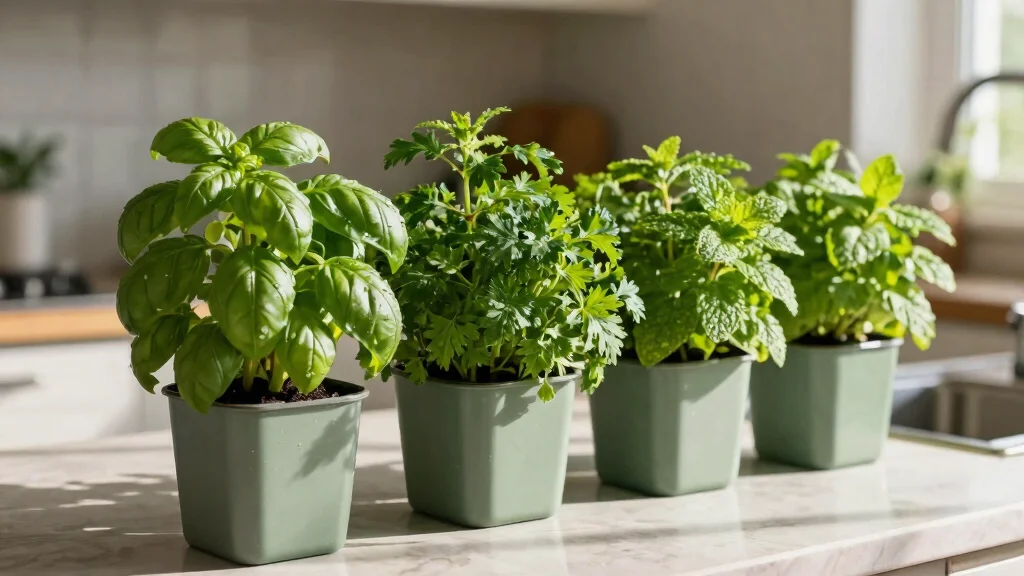
4. Corner Herb Gardens: Fresh Flavors at Your Fingertips

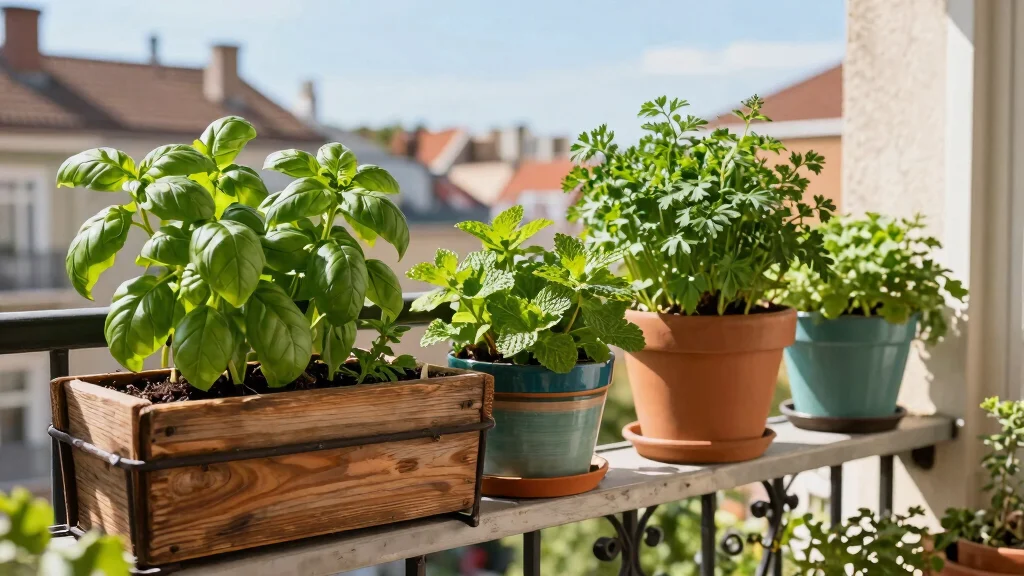
Picture stepping outside to find fresh herbs ready for your next meal! A corner raised herb garden makes it easy to enjoy delicious flavors while efficiently using your garden space.
Choose a variety of herbs that suit your cooking style, and consider arranging them by height and color for added visual appeal. Planting herbs in a corner bed simplifies maintenance, allowing you to keep everything organized and accessible.
Here are some herbs to consider:
– Grow basil and oregano for Italian dishes
– Include mint and parsley for refreshing drinks
– Plant rosemary and thyme for savory meals
Creating a corner herb garden not only enhances your meals but also beautifies your outdoor space.
Corner Herb Gardens: Fresh Flavors at Your Fing…
Editor’s Choice

Sereniseed Certified Organic Herb Seeds (10-Pack) – Non GMO, Heirloom …

Fiskars 3-Piece Garden Tool Set – Trowel, Transplanter, Cultivator, Rust…

Land Guard Galvanized Raised Garden Bed Kit, Galvanized Planter Garden B…
5. Modular Raised Beds for Flexible Gardening

Modular raised garden beds provide you with the freedom to adapt your garden as your needs change. These versatile beds can be rearranged or expanded, making them perfect for gardeners who love to switch things up!
You can create unique layouts using interlocking panels or kits, allowing you to design a garden that fits your style. These beds can accommodate a variety of plants, from vibrant flowers to nutritious vegetables, making your gardening experience exciting.
Benefits of modular beds include:
– Customizable shapes to fit any corner
– Easy assembly and disassembly for flexibility
– Adaptable for various plant varieties over time
With modular raised beds, you can keep your garden dynamic and enjoyable.
Fun fact: modular raised beds for corner garden spaces let you rearrange layouts in under an hour, adapting to sun and season. This flexible design supports expanding or reconfiguring your corner raised garden beds with interlocking panels, so you can switch from herbs to veggies—no heavy work required.
You might also like

Dimensions & Size Guide
Standard Sizes & Measurements:
When planning your corner raised garden beds, understanding standard sizes is key. Most corner raised garden beds come in various dimensions, but popular sizes include:
– 4×4 feet: Ideal for herbs and small veggies, requiring about 16 square feet of space.
– 4×8 feet: Perfect for a variety of plants, needing at least 32 square feet around it.
– 2×4 feet: A great option for small spaces, needing only 8 square feet.
Make sure to consider the depth as well. Generally, raised beds should be at least 12-18 inches deep for proper root growth.
It’s crucial to allow enough space for plants to grow and for you to maintain them without hassle. Measure your yard or garden area accurately and accommodate pathways of at least 2 feet between beds for easy access.
Quick Reference Table:
| Size/Dimension | Best for: | Minimum space needed: |
|———————————-|———————————————–|—————————————|
| 4×4 feet | Small herb garden | 16 square feet |
| 4×8 feet | Diverse vegetable garden | 32 square feet |
| 2×4 feet | Compact herb or flower bed | 8 square feet |
| 3×3 feet | Tomatoes or climbing plants with trellises | 9 square feet |
| 5×5 feet | Flower garden or pollinator-friendly plants | 25 square feet |
Space Planning Tips:
1. Measure Twice, Plant Once: Use a tape measure to get accurate dimensions. Make sure to account for the actual bed size and space around it for easy access. Avoid the mistake of underestimating space needed for growth.
2. Allow for Drainage: Raised beds often need good drainage. Ensure the area is slightly elevated or has a gentle slope to avoid water pooling. This helps prevent root rot.
3. Consider Sunlight: Think about where the sun hits your garden. Ensure your raised bed doesn’t block light from reaching other plants. A common mistake is placing beds in shaded areas that limit growth potential.
4. Think About Plant Height: Plan taller plants towards the back if your bed is along a wall or fence. This maximizes sunlight exposure and ensures shorter plants aren’t overshadowed.
5. Accessibility Matters: Keep pathways clear and accessible. Having a maintenance area of at least 2 feet around your beds allows for easy watering, harvesting, and weeding without stepping on the soil.
Pro Tip: Always consider the depth of your corner raised garden beds. A depth of 12-18 inches is ideal for most plants, allowing enough room for roots to spread. This is often overlooked but is essential for a thriving garden! 🌱
Modular Raised Beds for Flexible Gardening
Editor’s Choice
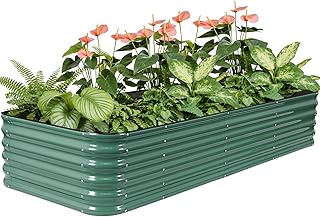
8×3×1.4FT Galvanized Raised Garden Bed Outdoor, Metal Raised Garden Be…

8 Pcs Raised Garden Bed Corner Brackets Heavy Duty Metal Raised Bed Corn…
6. Elevated Corner Beds for Ergonomic Gardening

If bending down is a challenge, elevated corner raised garden beds might be just what you need. Built at waist height, these beds make gardening accessible whether you’re standing or sitting.
This ergonomic design helps reduce strain on your back and knees, making gardening a more pleasant experience. Constructed from sturdy materials like wood or metal, you can customize these beds to fit perfectly in your garden corner.
Advantages of elevated beds include:
– Less strain on your body while gardening
– Improved drainage for healthier plants
– Perfect for small spaces
Enjoy an aesthetically pleasing garden while tending to your plants comfortably.
Fun fact: Elevating corner raised garden beds to waist height can cut back strain by up to 40% during gardening sessions. With durable materials and smart corners, you can garden comfortably while standing or sitting—no stooping required.
Elevated Corner Beds for Ergonomic Gardening
Editor’s Choice

Corona Tools GT 3234 Reach 7-Tine Extended Rake, Silver,RED,Black

Best Choice Products 72x24x30in Raised Garden Bed, Elevated Wood Planter…

FLINTER Garden Kneeler and Seat, 10.2″ Wider Heavy Duty Thick Gardening …
7. Colorful Container Corner Gardens

Container gardening is a wonderful way to express your creativity while utilizing corner spaces. By selecting colorful containers, you can create a vibrant garden display that’s both organized and visually stunning!
This method is especially beneficial for small areas where traditional raised beds just won’t fit. You can grow a variety of plants, from eye-catching flowers to fragrant herbs, and easily swap them out seasonally.
Container ideas to inspire you:
– Choose terracotta pots for a classic vibe
– Use bright plastic containers for a lively touch
– Experiment with unique shapes for visual interest
With colorful containers, your corner garden will be a delightful sight to behold.
Colorful Container Corner Gardens
Editor’s Choice
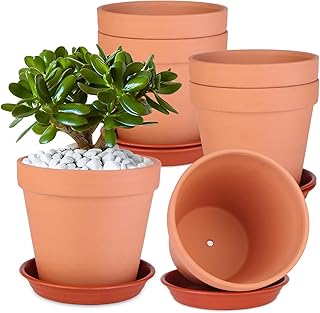
6 Pack 6 Inch Terracotta & Clay Pots with Saucer for Plants, Large Terra…

Garden Elements Indoor/Outdoor Glazed Brushed Happy Plastic Planter, Lar…
8. Low-Maintenance Corner Garden Beds

For busy gardeners or beginners, low-maintenance corner raised garden beds offer a practical solution. By selecting hardy plants and applying specific techniques, you can cultivate a thriving garden with minimal effort.
This design allows you to enjoy the benefits of gardening without the stress of constant upkeep. You can create a beautiful space that invites relaxation and enjoyment.
Low-maintenance tips to consider:
– Choose drought-resistant plants for less watering
– Use mulch to suppress weeds and retain moisture
– Incorporate perennials that come back year after year
With a low-maintenance approach, you can truly enjoy your garden without the burden of endless tasks.
You Might Also Like
Low-Maintenance Corner Garden Beds
Editor’s Choice
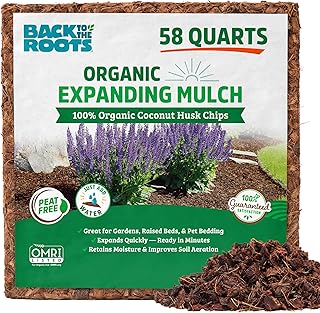
Back to the Roots 100% Organic Mulch, 58 Quart, Expanding Coconut Husk B…

8/10/12 Inch Self Watering Pots for Indoor/Outdoor Plants – Large Plasti…

Drought Tolerant Wildflower Mix – 20,000+ Seeds – 1 oz Bulk Extra La…
9. Themed Corner Garden Beds for a Cohesive Look

Elevate your corner raised garden beds by implementing a cohesive theme. A well-planned theme adds charm and personality, making your garden a true reflection of your style.
By selecting plants that fit a specific theme, you can create a harmonious space that invites admiration. Adding decorative elements such as ornaments or signage can further enhance the theme.
Themes to consider include:
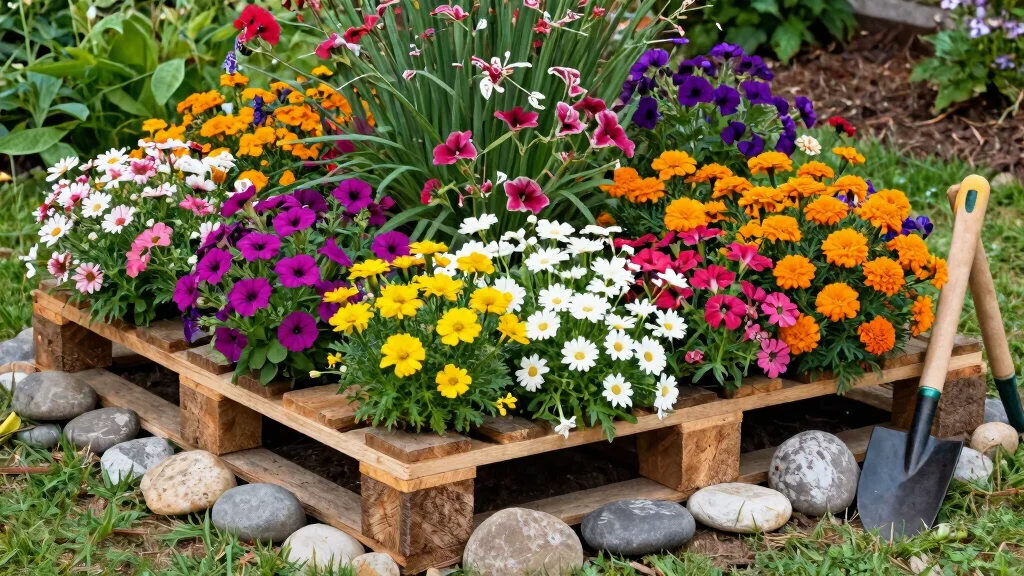
– A cottage garden filled with flowers and herbs
– A colorful vegetable patch bursting with life
– An ornamental garden showcasing unique plants
With a themed garden, you’ll create a captivating space that showcases your gardening passion beautifully.
Themed Corner Garden Beds for a Cohesive Look
Editor’s Choice

Decorative Garden Stakes, Fairy Garden Statues for Home and Garden (3)

Smilelife Plants Gifts Garden Rules Vintage Tin Sign for Garden Patio Po…

Yaheetech 8×2ft Wooden Horticulture Raised Garden Bed Divisible Elevate…
Conclusion

Incorporating corner raised garden beds into your gardening strategy is a smart way to maximize space while enjoying the beauty of plants. From creative modular designs to low-maintenance options, there’s a corner gardening solution for everyone.
As you explore these ideas, consider how you can adapt them to fit your unique space and style. Each corner in your garden presents an opportunity to grow something beautiful!
Note: We aim to provide accurate product links, but some may occasionally expire or become unavailable. If this happens, please search directly on Amazon for the product or a suitable alternative.
This post contains Amazon affiliate links, meaning we may earn a small commission if you purchase through our links, at no extra cost to you.
Frequently Asked Questions
Which plants thrive in corner raised garden beds and how can I arrange them vertically?
Corner raised garden beds shine in small spaces because they use every inch. For a practical mix, choose compact vegetables like lettuce, spinach, radishes; herbs like basil, parsley, thyme; and climbing or trailing plants such as pole beans, cucumbers, or nasturtiums that you can train on a vertical support. To arrange them vertically, install a sturdy trellis, wire panels, or a ladder-style shelf along the inner corner and train vines up the support. Put tall plants at the corners or back edge, mid-height varieties in the middle, and trailing ones along the base to spill over. Keep spacing as recommended on seed packets and water at the soil level to avoid wetting foliage. This approach embraces vertical gardening ideas and space-saving garden layouts.
How do I design a corner raised garden bed to maximize space in a small garden?
Start with a quick plan: measure the corner and decide on a bed size that fits the space (for example 4×2 feet or 3×3 feet). Choose a corner-friendly shape with sharp 90-degree corners or a curved outer edge to maximize reach. Design for vertical layering: a top row of sun-loving herbs, a middle row of compact vegetables, and a bottom layer of shade-tolerant herbs. Consider built-in shelves or tiered levels to create multiple growing planes without wasting space. Use rot-resistant materials, ensure good drainage, and plan a simple drip irrigation line. Sketch your layout and label paths for maintenance to keep it truly space-saving.
What materials and construction tips work best for vertical corner raised beds?
For a sturdy vertical corner bed, pick durable framing like cedar, redwood, or a high-quality composite. Add corner braces and a weatherproof liner to protect the wood. Aim for a bed depth of about 12–18 inches for most vegetables, or shallower for herbs. Attach a trellis, mesh, or vertical slats to the inner corner to support climbing crops. Fill with a rich, well-draining soil mix (roughly 1/3 compost, 1/3 topsoil, 1/3 coconut coir or peat). Add a drainage layer at the bottom and a soil-protective barrier if needed. Seal exterior surfaces and provide access for maintenance. This taps into raised garden bed designs and corner gardening techniques.
How do I maintain soil health and drainage in a corner raised bed?
Keep soil healthy by layering in organic matter yearly—top up with compost and a leaf mold mix. Use a well-draining soil recipe: 1/3 compost, 1/3 topsoil, 1/3 lightweight amendments like coconut coir or perlite. Ensure drainage with a bottom layer of gravel or stones and avoid compacting the soil. Mulch 2–3 inches to conserve moisture and suppress weeds. Install a drip irrigation line for precise watering and avoid wetting foliage. Rotate crops seasonally, feed with organic fertilizer, and test soil pH periodically. With these space-saving garden layouts in mind, you keep corners productive year-round.
What common mistakes should I avoid when installing corner raised garden beds for a balcony or small yard?
Common mistakes to avoid include: choosing a bed that’s too shallow or too tall for you to reach comfortably; not considering sun exposure or wind direction; ignoring drainage and ending up with standing water; overcrowding plants or choosing incompatible crops for the light; using rotting or low-quality wood that will warp; failing to anchor the bed in windy spaces; neglecting maintenance access; skipping irrigation planning or over/under-watering; and ignoring pests or disease early. Fix them by planning around sun hours, picking a practical size (12–18 inch depth is often enough), selecting rot-resistant materials, adding drainage layers, installing a simple irrigation system, and creating clear paths for regular upkeep.
Related Topics
corner raised garden beds
space-saving solutions
vertical gardening
small garden designs
easy gardening
DIY raised beds
corner gardening techniques
urban gardening
garden layout ideas
beginner friendly
outdoor spaces
seasonal gardening