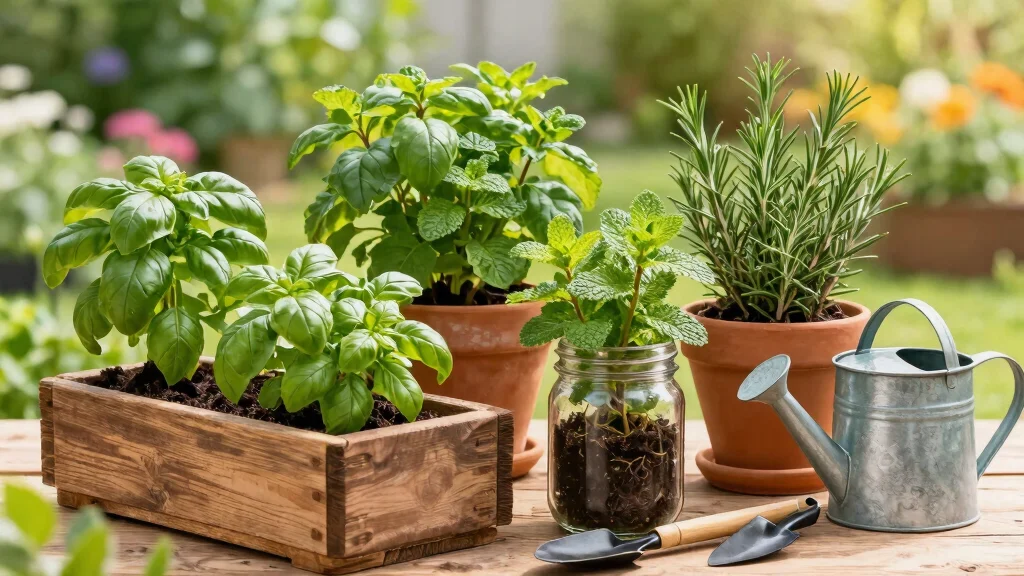
Spring is here, and with it comes a wave of inspiration for gardening. You might find yourself craving the fresh flavors of homegrown herbs for your kitchen. Nothing beats the joy of snipping your own basil, cilantro, or mint right from your backyard. This post is designed to help you bring that tasty dream to life without breaking the bank.
If you’re someone who loves gardening but feels limited by space, budget, or both, you’re in the right spot. This guide is for the aspiring gardener who wants to create a vibrant herb garden outdoors, regardless of the size of your yard. You’ll discover that starting a DIY herb garden doesn’t need to be complicated or costly.
In the following sections, I’ve compiled seven creative, budget-friendly ideas for building your own outdoor herb garden. Each option is simple to execute and perfect for any skill level. You’ll walk away with practical tips and inspiration to get your hands dirty this season!
Key Takeaways
– You can create a thriving herb garden in small spaces, using containers or vertical designs that fit your budget.
– Repurposing old containers is a great way to save money and add charm to your garden. Look around your home for unused pots, jars, or even old furniture.
– Hanging baskets can be a stylish solution for herbs, maximizing vertical space while adding visual interest to your garden.
– A tiered plant stand provides an attractive way to display herbs and can easily fit into tight corners of your outdoor area.
– Seasonal gardening projects, like building an herb spiral or window box, allow you to experiment and enjoy fresh herbs throughout the growing season.
1. Vertical Garden Planters

Are you tight on space but still want to enjoy fresh herbs? Vertical garden planters are your answer! These planters make the most of your wall space while turning your herbs into a beautiful display. You can easily create one using wooden pallets or old crates, stacking them for dimension and style.
Attach pots or small containers at each level for your herbs, ensuring they have proper drainage. An old shoe organizer can also be a fun way to grow herbs like chives, thyme, and parsley.
Budget-friendly tips: Search for free pallets or recycle materials to create a unique design.
Pro tip: Choose herbs that thrive in vertical gardens to ensure they get all the sunlight they need. Vertical gardens are not just practical; they also add a stunning visual element to any outdoor space.
Turn tight spaces into thriving herb corners with vertical garden planters. You’ll save floor space and enjoy fresh chives, thyme, and parsley at arm’s reach. DIY Herb Garden Outdoor success starts with a simple pallet or shoe organizer.
Vertical Garden Planters
Editor’s Choice

Permasteel Herb Garden Planter with Trellis Support, Self-Watering Syste…


Quarut 3 Pack 10 inch Plant Pots,Whiskey Barrel Planters with Drainage H…

TOREVSIOR 5-Tier Vertical Raised Garden Bed, Vertical Garden Planter wit…
2. Repurposed Containers
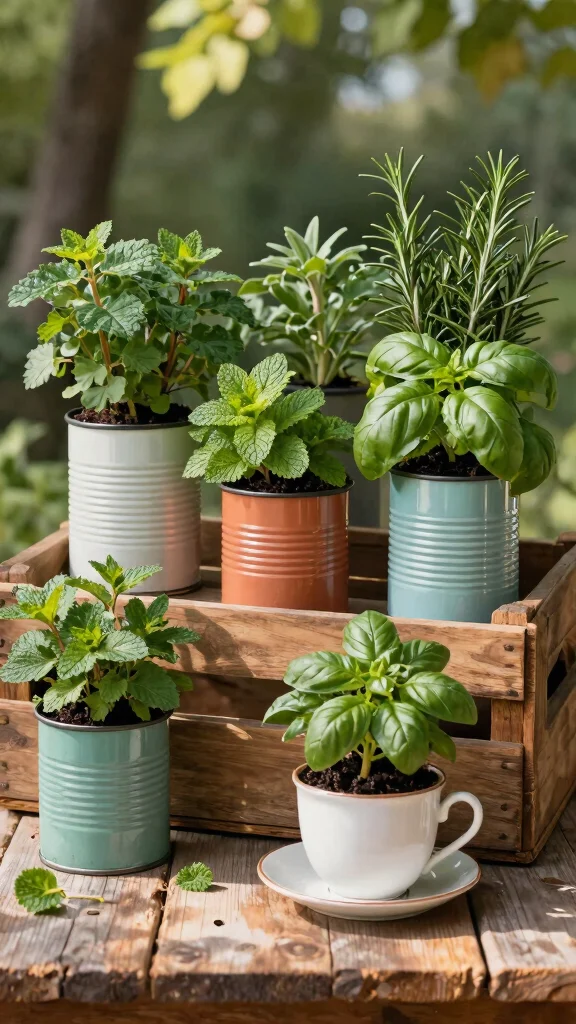
Got old containers lying around? Turn them into charming herb planters! Almost anything—from vintage teacups to tin cans—can serve as a stylish pot, as long as you ensure they have drainage holes.
This approach is not only easy on the wallet but also adds a personal touch to your garden. Get creative by painting or decorating these containers to complement your outdoor theme.
Unique insights: Layer rocks at the bottom for improved drainage and use quality potting soil for healthy growth. Consider creating themed collections, like a painted teacup collection filled with different mint varieties. Quirky containers can make your herb garden a true conversation starter!
Repurposed Containers
Editor’s Choice

Pulovin 2.5 lbs Drainage Rocks for Potted Plants, 1/5 Inch Small Pebbles…

Sereniseed Certified Organic Herb Seeds (10-Pack) – Non GMO, Heirloom …

Delta Creative Paint Pots Set with Paint and Brush for Outdoors, (16 Col…
3. Hanging Herb Baskets

Want to add a bit of whimsy to your garden? Hanging herb baskets are the perfect solution! Ideal for porches or balconies, they take up minimal ground space while letting your herbs flourish.
Opt for sturdy wire baskets lined with coconut coir for optimal drainage and moisture retention. Fill them with trailing herbs like rosemary or vibrant cilantro for easy access and a lovely look.
Outdoor gardening tips: Hang these baskets where they can soak up plenty of sunlight but are protected from strong winds. Hanging gardens improve air circulation, promoting healthier growth while adding a beautiful visual element.
Hanging Herb Baskets
Editor’s Choice
![Joben Oligey 3 Set [Extra Large] Hanging Wall Baskets ,Wire Basket For S...](https://m.media-amazon.com/images/I/81wfSbFkk0L._AC_UL320_.jpg)
Joben Oligey 3 Set [Extra Large] Hanging Wall Baskets ,Wire Basket For S…

saffruff Heavy Duty Plant Hooks for Wall: 6-Inch 2 Pack Plant Hangers Ou…

Seed Needs Herb Seeds Variety Pack Culinary Herb Collection (12 Individu…
4. Tiered Plant Stands

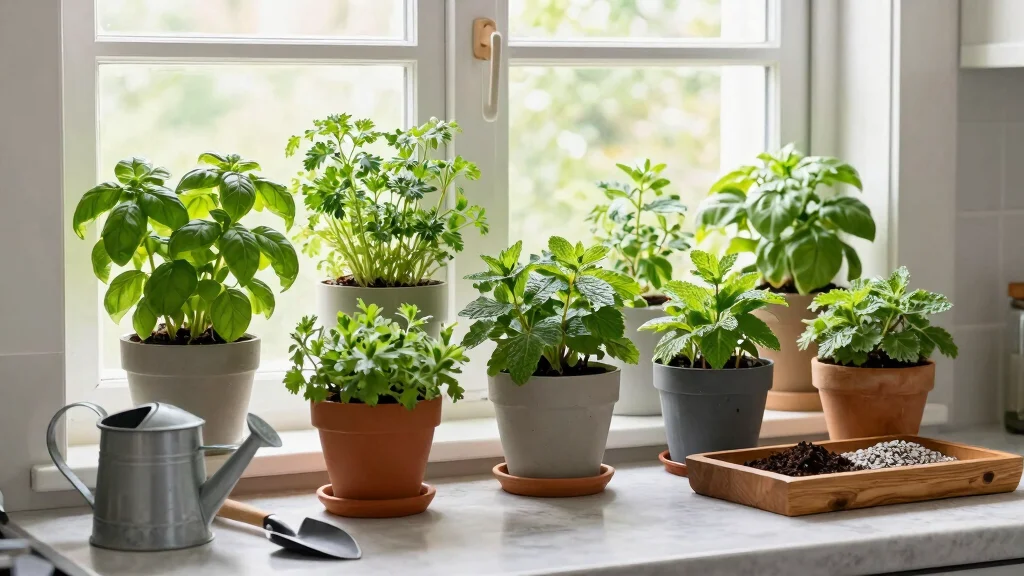
Want to showcase your herbs in style? Tiered plant stands are an excellent way to add depth to your garden. These stands let you display herbs at various heights, making everything visually interesting and easier to care for.
Check your local hardware store for affordable options, or consider building your own from recycled wood!
Design tip: Group herbs with similar watering and sunlight needs together for a cohesive look. Create a cascading effect by placing trailing herbs on the top tier and larger varieties below. Tiered stands not only enhance your garden’s appearance but also make your gardening tasks more convenient.
You might also like

Tiered Plant Stands
Editor’s Choice

PERFNIQUE Indoor Herb Garden, Herb Planter Set with Tray, Farmhouse Indo…

Simple Trending 3 Tier Metal Plant Stand Outdoor Indoor Waterproof, Stac…
5. Herb Spiral Garden
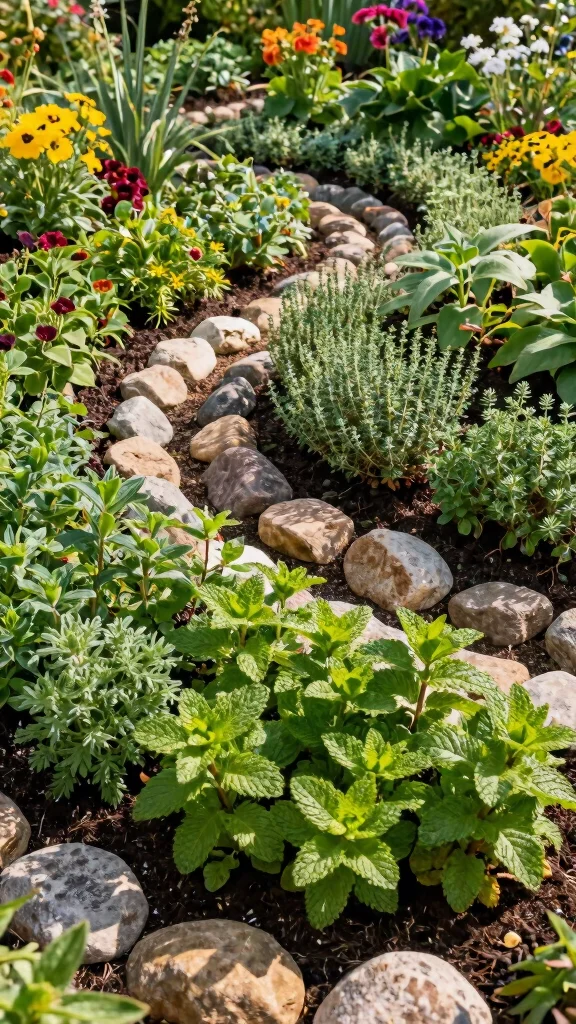
Looking for a unique gardening project? An herb spiral garden is both an eye-catching design and a space-saver! This spiral structure allows you to grow herbs with varying water and sunlight needs in different microclimates.
Start by stacking stones, bricks, or logs in a spiral shape and fill it with rich soil. Place water-loving herbs at the base and drought-resistant ones at the top for the best growth.
Seasonal gardening projects: Add a few flowers around the spiral for extra color as the seasons change.
Pro tip: Use companion planting techniques to keep pests away, creating a harmonious ecosystem in your garden.
DIY herb garden outdoor wins in small spaces: the herb spiral garden turns corners into flavor. Stack stones, fill with soil, and place water-loving herbs at the base, drought-tolerant ones on top—practical, pretty, and ready for harvest this season.
Herb Spiral Garden
Editor’s Choice

Natural Pebble Stepping Stones for Garden & Outdoor Walkways – 9 Inch Ro…

Burpee, 9 Quarts | Premium Organic Potting Natural Soil Mix Food Ideal f…

HOME GROWN Herb Seeds for Planting 15-Pack Massive Seed Count 4,300+ See…
6. Window Box Herb Garden

Short on floor space? A window box herb garden can bring fresh flavors right to your fingertips! These charming planters can be attached to fences or railings, providing easy access to a variety of culinary herbs like basil, oregano, and chives.
Budget-friendly gardening: You can build your own window box from reclaimed wood or purchase an affordable one. Just ensure you use high-quality potting soil and provide proper drainage since herbs dislike soggy roots!
This method not only supports your cooking adventures but also enhances the beauty of your outdoor area.
You Might Also Like


Cost Breakdown & Budget Planning
Planning your DIY herb garden can be fun and rewarding! To keep costs manageable, let’s break down what to expect in terms of spending. You’ll find a thorough budget guide below to help you plan your herb garden on any budget.
Cost Breakdown by Category:
– Materials/Products: Expect to spend between $30 and $120 for plants, soil, and containers. You can choose from a range of herbs like basil, mint, and rosemary. The cost can vary based on whether you buy seeds or established plants.
– Tools/Equipment: If you don’t have basic gardening tools, budget around $15 to $50. This includes items like trowels, watering cans, and gloves.
– Labor/Professional installation: If you want help, hiring a gardener can cost anywhere from $25 to $75 per hour. Most DIY projects can be done by you, but hiring help for larger installations may be necessary.
– Optional extras: For decorative touches like markers, trellises, or lighting, set aside $10 to $40. These extras can enhance your garden’s appeal.
Budget Tier Breakdown:
Basic Economy Tier £/€/$
– What’s included: This tier focuses on the essentials. You buy a few pots, basic soil, and a couple of herb plants or seeds.
– Good for: Beginners who want to try their hand at gardening without spending much.
– Limitations: You might miss out on variety and growth potential. Fewer plants mean less diversity in your garden.
Mid-Range Tier ££/€€/$$
– What’s included: A balanced choice with larger pots, good quality soil, and a selection of 5-7 herb plants. You might also invest in a few basic tools.
– Good for: Gardeners who want a more established look and diverse herbs while keeping costs reasonable.
– Best value for: Most people who want a functional and visually appealing garden.
Premium Tier £££/€€€/$$$
– What’s included: All features, including high-quality pots, premium soil, a wide selection of herbs, and decorative elements.
– Good for: Those looking to create a beautiful outdoor space with a variety of herbs.
– Worth it if: You have a specific vision for your garden or want to impress guests with an eye-catching setup.
Money-Saving Tips:
– Buy Local: Check farmers’ markets or local nurseries for plants. They often sell at lower prices than big box stores.
– Reuse Containers: Repurpose old containers instead of buying new ones. Look for pots, jars, or even tin cans. Just make sure they have drainage holes.
– Start from Seeds: Seeds are cheaper than plants. Starting from seeds can save you a lot of money. Just give them some time to grow!
– Group Buys: Team up with friends and buy materials or plants in bulk. This can reduce costs significantly.
Where to Splurge:
– Quality Soil: Investing in good soil is essential. It helps your herbs grow stronger and healthier.
– Durable Containers: Good pots can last several seasons. Look for durable options that won’t crack or fade.
Planning your DIY herb garden doesn’t have to break the bank. By understanding the costs and making smart choices, you can create a beautiful space that meets your needs and fits your budget. Happy gardening! 🌿
Window Box Herb Garden
Editor’s Choice

Miracle-Gro Moisture Control Potting Mix – Plant Soil For Container Plan…

4 Pack 24 Inch Window Boxes Planters for Outdoor Plants Railing Planter …

MOONSOUND Self Watering Globes for Plants – 10pcs Automatic Watering Bul…
7. Terracotta Pot Herb Garden

Terracotta pots are a classic choice for herb gardening, and for good reason! They’re durable, stylish, and perfect for growing a variety of herbs.
Fill them with your favorite herbs, grouping them based on their sunlight and moisture preferences. Terracotta pots provide excellent drainage, making them ideal for outdoor use.
Consider painting or decorating your pots for a personal touch that enhances your garden’s charm.
Tip: Place your terracotta pots in a sunny spot and rotate them occasionally for even exposure to sunlight. These pots blend seamlessly into any outdoor decor while being a practical solution for your herb gardening needs.
Fun fact: Terracotta pots can dry out 2-3 times faster than glazed pots. For your diy herb garden outdoor, grouping herbs by sun and moisture helps you stay on top of watering.
Terracotta Pot Herb Garden
Editor’s Choice

Krylon Fusion All-In-One Adhesive Spray Paint for Indoor/Outdoor Use, 12…

Garden Tools Set, 3 Pack Heavy Duty Gardening Tools Set Include Garden S…

Orceler 4 Inch Terracotta Pots with Saucer – 6 Pack Small Clay Plant Pot…
Conclusion

Creating a DIY herb garden outdoor can be both fun and rewarding, offering a delightful way to infuse your meals with fresh flavors.
With these budget-friendly ideas, there’s no excuse not to get your hands dirty and enjoy the fruits of your labor. Each method not only allows you to grow beautiful greens but also enhances your outdoor space in unique ways.
So gather your pots, seeds, and soil, and start planning your herb garden today!
Note: We aim to provide accurate product links, but some may occasionally expire or become unavailable. If this happens, please search directly on Amazon for the product or a suitable alternative.
This post contains Amazon affiliate links, meaning we may earn a small commission if you purchase through our links, at no extra cost to you.
Frequently Asked Questions
What are the best container options for a DIY herb garden outdoor on a small space?
For a diy herb garden outdoor on a small space, start with containers that drain well and leave room for roots. Look for a mix of sizes and materials: budget-friendly plastic planters, lightweight fabric pots, or repurposed tins and crates. Add vertical options like wall-mounted pockets or a tiered cart to maximize space. Ensure each pot has drainage holes and use a light, well-draining potting mix suited for herbs. Place your setup in a sunny spot with 6–8 hours of sun daily.
Group herbs with similar water needs to simplify care, and consider self-watering or drip ideas to cut down on maintenance—this is classic container gardening at its best and a practical example of budget-friendly gardening in a diy herb garden outdoor project.
How can I design a compact, budget-friendly herb garden outdoors that looks great?
Designing a compact, budget-friendly herb garden outdoors starts with a simple plan. Sketch a layout that fits your space, then pick a cohesive set of containers (think reuse and vertical options) to build a herb garden design that’s both functional and pretty. Place sun-loving herbs in the brightest spots and assemble a vertical wall or hanging planters to free table space. Group herbs with similar water needs to simplify maintenance, and consider self-watering or drip ideas to keep costs down, a smart move for budget-friendly gardening. By focusing on space-saving techniques like vertical planters and rail boxes, you can create a stylish outdoor display that’s also practical for outdoor gardening tips and seasonal gardening projects throughout the season.
Which herbs are easiest to grow in container gardening for a small outdoor space?
Some herbs are nearly foolproof in containers for small outdoor spaces. Start with basil, thyme, oregano, chives, and parsley for quick, rewarding harvests. Mint is incredibly vigorous, so plant it in its own pot to keep it from taking over. Cilantro and dill can be a bit finicky in heat but do well in cooler weeks or partial shade. Use a light, airy potting mix and ensure at least 6 hours of sun daily for most herbs. Water when the top inch of soil dries, and harvest by trimming stems regularly to encourage bushier growth. This is a classic example of container gardening in action and a win for seasonal gardening projects.
What seasonal gardening tips keep a diy herb garden outdoor thriving through the seasons?
In spring, start by potting up or direct-sowing your favorite herbs, then fertilize lightly and check drainage. In summer, harvest regularly, water early in the day, and add a layer of mulch to conserve moisture. In fall, prune perennials and take cuttings to overwinter indoors if needed. In winter, protect tender varieties or bring potted herbs indoors for light. Rotate crops and refresh the soil between plantings to support growth year after year—these steps cover outdoor gardening tips and seasonal gardening projects for a thriving diy herb garden outdoor.
How can I maintain an herb garden outdoor on a budget without sacrificing flavor or yield?
Keep costs down by reusing containers, making your own potting mix, and composting kitchen scraps. Propagate new plants from cuttings or from existing herbs to expand your patch without buying more. Collect rainwater or use a simple drip system to cut water costs, and group plants with similar needs to reduce waste. Look for discount starts at local nurseries or swap plants with neighbors to grow your herb collection. Mulch to reduce evaporation and feed herbs with a light organic fertilizer to maximize flavor and yield on budget-friendly gardening.
Related Topics
diy herb garden
container gardening
budget-friendly gardening
small space gardening
herb garden design
outdoor gardening tips
seasonal gardening
easy gardening projects
beginner friendly
sustainable gardening
vertical gardens
urban gardening