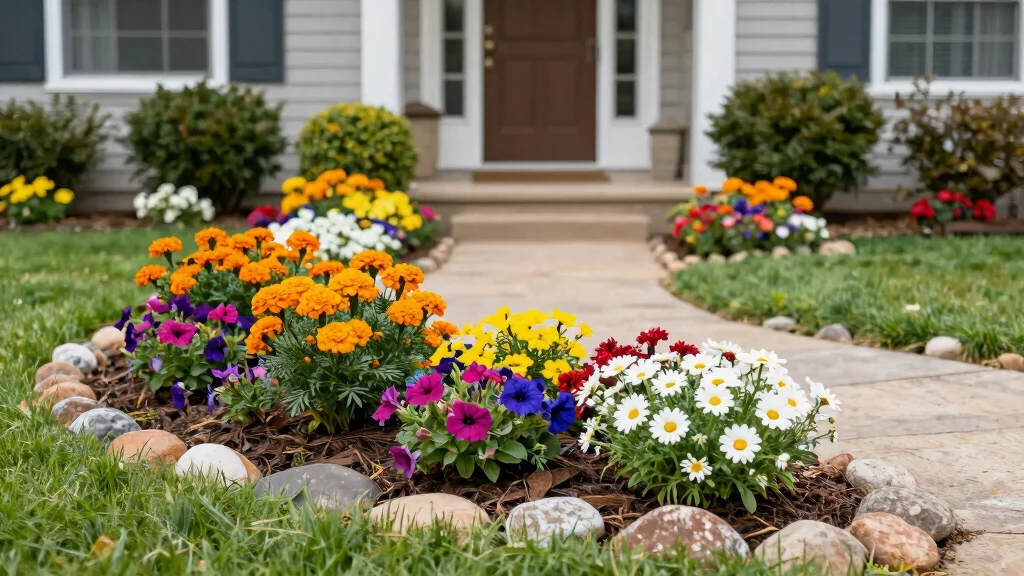
Creating a stunning front yard is the first step in welcoming guests into your home. If you’ve been dreaming of flower beds that not only enhance your curb appeal but also require minimal upkeep, you’re in the right place. This post is crafted for busy homeowners who love the idea of a vibrant garden but may feel overwhelmed by the maintenance it often demands.
You’ll discover eight fabulous ideas for front yard flower beds that strike the perfect balance between beauty and low maintenance. From perennial paradises that bloom year after year to lovely edible flower beds that add a pop of color and flavor, these ideas cater to every taste and lifestyle. Let’s dig into designs that will transform your entrance into a warm, inviting space, making you the envy of the neighborhood.
Key Takeaways
– Choose Low-Maintenance Plants: Opt for perennials that come back each year, reducing the need for replanting and upkeep.
– Incorporate Seasonal Flowers: Mix in seasonal blooms to add color and vibrancy throughout the year without overwhelming your schedule.
– Consider Edible Arrangements: Edible flower beds combine beauty and function, providing fresh ingredients right from your front yard.
– Utilize Raised Beds: Raised flower beds not only improve drainage but also make gardening easier on your back, making them a practical choice for busy homeowners.
– Explore Themed Designs: Themed flower beds can create a unique character for your front yard, allowing you to express your personality while keeping maintenance manageable.
1. Perennial Paradise

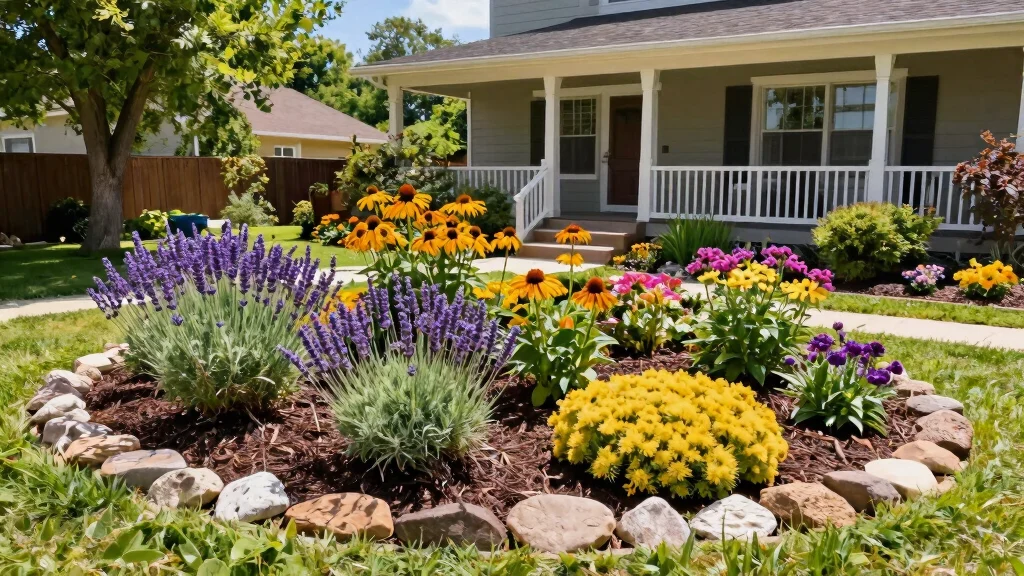
Imagine a vibrant flower bed that blooms year after year with minimal effort. Creating a space filled with perennial plants not only saves you time but also brings a burst of color to your front yard. Varieties like coneflowers, black-eyed Susans, and lavender are perfect choices that attract pollinators and enhance your garden’s beauty.
Start by sketching a plan that places taller plants at the back and shorter ones in the front for depth. To keep your garden looking tidy, use mulch to suppress weeds and retain moisture. For added visual appeal, group your perennials by color or type.
Key steps to establish your perennial paradise:
– Choose resilient perennials suited for your climate
– Create a layered layout for depth
– Use organic mulch to reduce maintenance
This enduring garden design not only beautifies your entrance but also creates a sustainable landscape that thrives with little effort.
Perennial Paradise
Editor’s Choice

Burpee Wildflower 25,000 Bulk, 1 Bag | 18 Varieties of Non-GMO Flower Se…


Miracle-Gro Organic All Natural Mulch for Landscaping – Bagged and Shred…
2. Seasonal Sensations

Keep your front yard alive with color all year round by planting a variety of seasonal flowers. By incorporating blooms like daffodils in spring and zinnias in summer, your entrance will always look fresh and inviting. This dynamic approach ensures that you enjoy vibrant colors throughout every season.
When planning, consider mixing annuals for bold splashes of color between your perennials. Play with contrasting colors to create a striking visual effect, such as pairing bright yellows with deep blues. Adding foliage plants can maintain interest even when blooms fade.
Steps to create stunning seasonal flower beds:
– Select flowers that bloom at different times
– Mix annuals and perennials for continuous color
– Integrate unique foliage for year-round beauty
This thoughtful design not only brightens your space but also brings joy as each season unfolds.
Fun fact: Seasonal variety in front yard flower beds keeps color alive for most of the year. Spring daffodils and summer zinnias, with smart annuals filling gaps between perennials, maximize curb appeal.
Seasonal Sensations
Editor’s Choice

Miracle-Gro Moisture Control Potting Mix – Plant Soil For Container Plan…

200,000+ Wildflower Seeds Bulk (4oz) – 16 Varieties Perennial & Annual…
3. Rock Garden Wonders

If you lead a busy lifestyle, a rock garden might be your ideal solution. These gardens require less water and upkeep while providing a stunning visual display. By incorporating drought-resistant plants like sedums and ornamental grasses, you create an eye-catching, textured landscape that thrives in rocky conditions.
Design your rock garden by arranging stones to mimic natural slopes and outcrops. Adding gravel paths can guide visitors through your unique space. Select plants that flourish in these conditions, ensuring they harmonize with the stone features for a cohesive look.
Essential elements for a rock garden:
– Arrange stones to create natural formations
– Include gravel paths for easy navigation
– Choose drought-resistant plants for low maintenance
This garden style not only enhances your front yard’s aesthetic but also simplifies maintenance, making it a wise choice.
Fun fact: rock gardens can reduce water use by up to 60% in the first year. Busy homeowners love sedums and ornamental grasses for front yard flower beds, delivering year-round color with little upkeep. Design tips: arrange stones to mimic natural slopes and add gravel paths to guide visitors.
Rock Garden Wonders
Editor’s Choice

Pink Ornamental Grass Seeds Mix for Planting – 250+ Seeds: Pink Muhly, P…

FANTIAN 20 lbs Natural River Rocks Mexican Beach Pebbles, 2-3 Inch Decor…

Mulctun 45LB Natural White Rocks, 1/4″-3/4″ Garden River Rock,Decorative…
4. Raised Bed Beauties
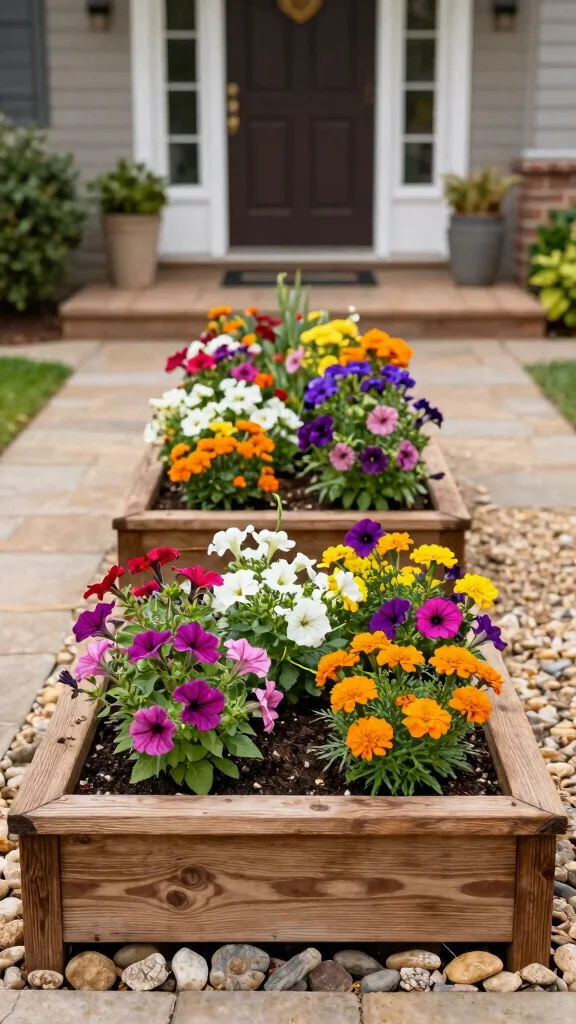
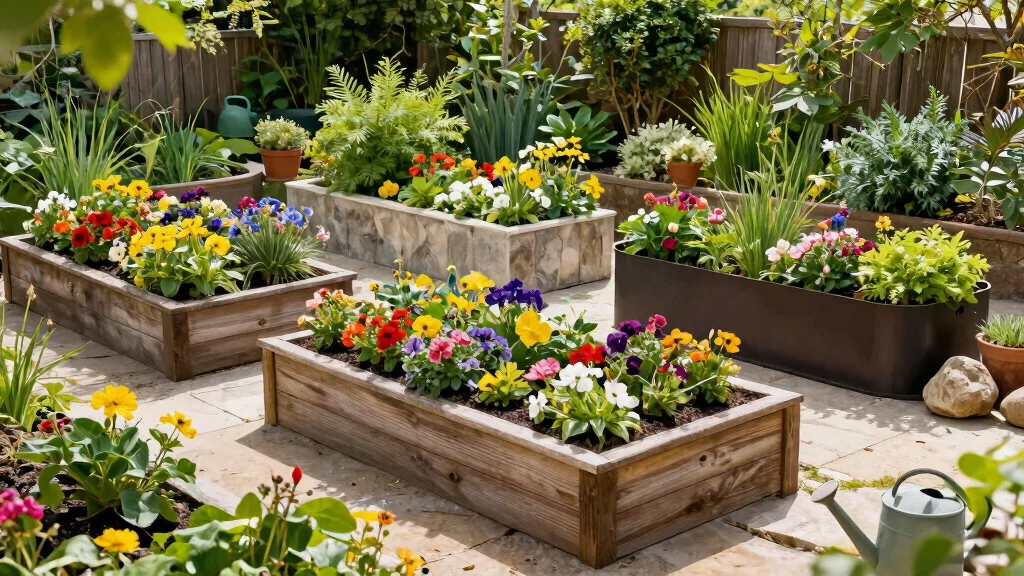
Elevate your gardening experience with raised flower beds that are both functional and beautiful. These structures provide excellent drainage and make it easier to care for your plants without the hassle of bending over. Fill them with a blend of perennials and seasonal flowers for a vibrant and diverse display.
When building your raised bed, opt for rot-resistant wood or stone to ensure durability. Use nutrient-rich soil to promote healthy growth and consider varying the heights of your plants for added interest. This design is not just about looks; it also makes gardening more accessible for everyone.
Steps to create your raised bed garden:
– Select durable materials for the frame
– Fill with high-quality soil for optimal growth
– Incorporate plants of varying heights for visual appeal
Raised beds enhance your home’s curb appeal while making gardening enjoyable and easy for busy homeowners.
📹 Related Video: How to DESIGN a RAISED BED GARDEN: 10 SIMPLE STEPS
You might also like
Raised Bed Beauties
Editor’s Choice

Bamboo Plant Stakes,HAINANSTRY Wood Plant Supports,Natural Bamboo Sticks…

Jocisland H-Shaped Raised Garden Bed, 12x12x2 ft, 180 cu. ft Capacity, D…

Espoma Organic Raised Bed Mix – All Natural and Organic Potting Soil Mix…
5. Edible Flower Beds

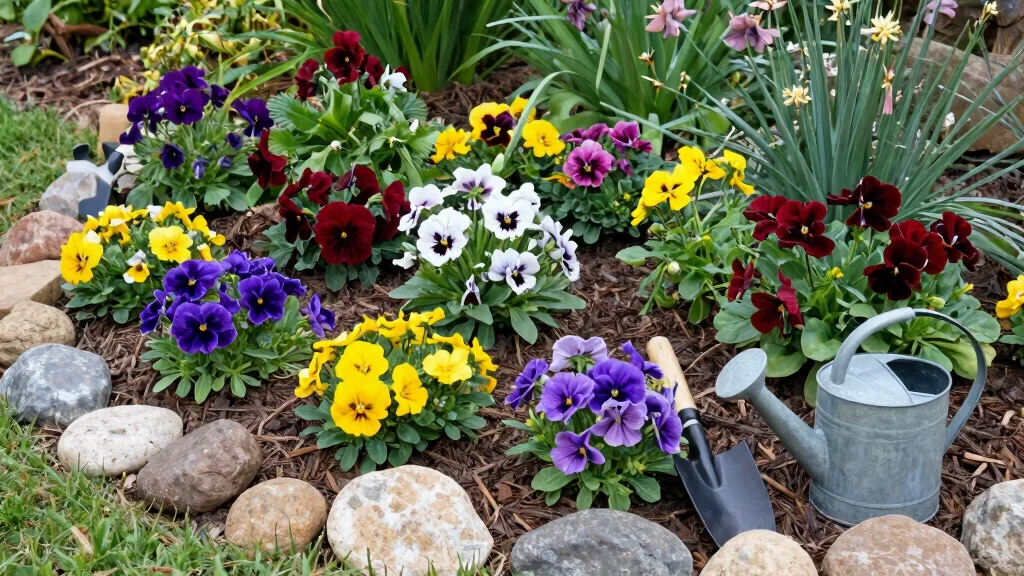
Combine beauty with functionality by creating edible flower beds. These gardens not only look stunning but also provide fresh ingredients for your meals. Flowers like nasturtiums and pansies add color and can be safely eaten, making them perfect for families who enjoy cooking together.
Choose a sunny spot in your front yard to plant your edible flowers for optimal growth. Mixing in herbs will enhance the flavor of your dishes. Be sure to use organic gardening practices to ensure your flowers are safe to consume.
How to establish your edible flower bed:
– Select a sunny location for growth
– Include culinary herbs for extra flavor
– Use organic methods for safety
This approach not only beautifies your garden but also fosters a sustainable space your family can enjoy together.
Edible Flower Beds
Editor’s Choice
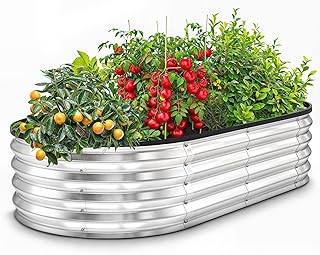
Utopia Home Galvanized Raised Garden Bed Kit 4x2x1ft, Planter Box Raised…

Seed Needs Edible Wildflower Seed Packet Collection (7 Varieties of Flow…

Ahopegarden Indoor Garden Hydroponics Growing System: 10 Pods Plant Germ…
6. Minimalist Magic
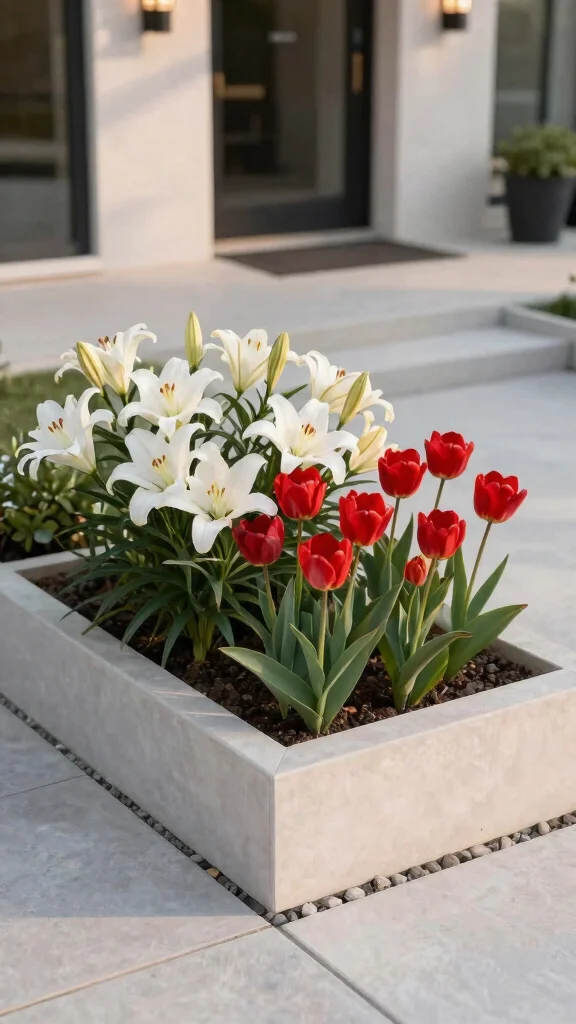
For a clean, modern aesthetic, minimalist flower beds are a fantastic choice. By using fewer plants with bold colors, you can create an elegant entrance that remains easy to maintain. Select striking flowers like white lilies or red tulips to make a powerful statement in your yard.
To achieve this style, opt for geometric shapes in your flower bed design. Limit your color palette to two or three hues for a sophisticated look. Incorporating clean lines and well-defined edges will enhance the modern vibe of your garden.
Tips for designing minimalist flower beds:
– Use geometric shapes for structure
– Choose a limited color palette for sophistication
– Maintain clean edges for a polished look
This design philosophy emphasizes simplicity and elegance, transforming your yard into a chic statement piece without excess effort.
Minimalist Magic
Editor’s Choice

Back to the Roots 25.7qt (1 Cubic ft) Organic Premium Mulch

EasyFlex No-Dig Landscape Edging with Anchoring Spikes, 2.7 in Tall Deco…

Modern Geometric Ceramic Succulent Pots 3″ Planters with Drainage | Bamb…
7. Cottage Garden Charm

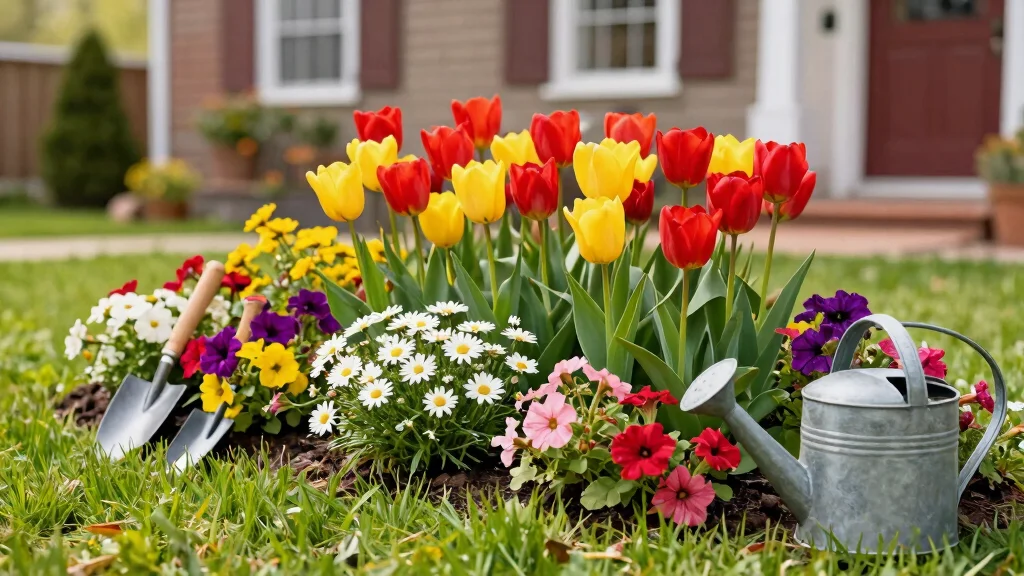
Cottage gardens exude charm and warmth, making them a welcoming addition to any home. With the right planning, they can be low-maintenance while still providing a lush, inviting aesthetic. A mix of flowering plants like hollyhocks and daisies creates a vibrant entrance that feels cozy and relaxed.
Allow your plants to grow freely and intertwine for that classic cottage look. Mixing flowers with herbs and perennials adds to the dynamic appeal of your garden. Keep pathways tidy with mulch or stones for a well-maintained appearance.
Key elements for designing a cottage garden:
– Let plants grow naturally for a lush look
– Integrate herbs for functionality
– Use mulch for tidy pathways
This garden style offers timeless beauty, welcoming visitors while requiring minimal upkeep.
Cottage garden charm proves you don’t need daily fuss; mix hollyhocks, daisies, and herbs, then let them intertwine. Keep paths tidy with mulch and enjoy a cozy, low-maintenance front yard flower beds that welcome every visitor.
You Might Also Like
Cottage Garden Charm
Editor’s Choice

KVR Upgraded Garden Kneeler and Seat with Thicken & Widen Soft Kneeling …

COOLJOB 2 Pairs Gardening Gloves for Women Ladies, Breathable Rubber Coa…
Gardening Gifts for Women, Gardening Tools for Mom Grandma Wife, Garden …
8. Themed Flower Beds

Express your personality through themed flower beds that enhance your home’s curb appeal. Whether you opt for a butterfly garden or a color-themed display, this creative approach makes gardening enjoyable and showcases your unique style.
Research plants that fit your chosen theme and thrive in your local climate. Incorporating decorative elements like garden art or unique stones can further enhance your theme. Keep maintenance needs in mind to ensure your garden aligns with your busy lifestyle.
Steps to create themed flower beds:
– Choose plants that match your theme
– Add decorative elements for flair
– Plan for maintenance to fit your schedule
Themed flower beds not only brighten your entrance but also reflect your individuality, making your home truly stand out.
Ongoing Maintenance & Care Guide
Maintaining your front yard flower beds can seem daunting, especially for busy homeowners. But with a clear plan, you can keep your garden thriving and beautiful all year long. Here’s a practical guide to help you stay on track.
Maintenance Schedule:
Daily/Weekly Tasks:
– Watering: Ensure your flower beds get 1-2 inches of water weekly, depending on the weather. Check moisture levels by digging a few inches into the soil. This task will take about 10-15 minutes.
– Weeding: Pull out weeds as soon as you see them. This prevents them from stealing nutrients from your flowers. Plan to spend 15-20 minutes each week.
– Deadheading Flowers: Remove spent blooms to encourage new growth. This simple task can take around 10 minutes, depending on the number of flowers.
Monthly/Seasonal Tasks:
– Fertilizing: Apply a slow-release fertilizer at the beginning of each season. This gives your flowers the nutrients they need to flourish. Expect to spend about 30 minutes.
– Pruning: Trim back any overgrown plants to promote airflow and healthy growth, especially in spring and fall. Allow an hour for this task.
– Mulching: Refresh the mulch every season to retain moisture and suppress weeds. This will take about an hour, depending on the size of your flower beds.
Maintenance Summary Table:
| Task | Frequency | Difficulty | Time Needed |
|———————|————-|————–|—————|
| Watering | Weekly | Easy | 10-15 minutes |
| Weeding | Weekly | Easy | 15-20 minutes |
| Deadheading Flowers | Weekly | Easy | 10 minutes |
| Fertilizing | Monthly | Moderate | 30 minutes |
| Pruning | Monthly | Moderate | 1 hour |
| Mulching | Seasonal | Easy | 1 hour |
Common Issues to Watch For:
⚠️ Discoloration of Leaves: If you see yellow or brown leaves, it might indicate overwatering or nutrient deficiency. Check the soil moisture and consider fertilizing.
⚠️ Wilting Flowers: This can mean your plants are not getting enough water. Check the soil to ensure it isn’t too dry.
⚠️ Pests: Look for holes in leaves or tiny bugs under leaves. If you notice these signs, treat your flowers with natural insecticides or introduce beneficial insects like ladybugs.
Care Tips:
💡 Choose Native Plants: Select flowers that thrive in your climate. Native plants usually require less maintenance and are more resistant to local pests and diseases.
💡 Use Drip Irrigation: Consider installing a drip irrigation system. It saves you time and water while ensuring your flowers get consistent moisture.
💡 Rotate Your Plants: Each season, try swapping out some flowers for others. This keeps your garden looking fresh and helps reduce pest problems.
💡 Observe Weather Patterns: Adjust your watering schedule based on rainfall. Less rain means more watering; more rain might mean skipping it altogether.
💡 Involve the Family: Make garden care a family activity. This not only helps with maintenance but also teaches kids the joys of gardening.
With this guide, maintaining your front yard flower beds becomes a manageable and rewarding hobby. Stick to your schedule, watch for signs of trouble, and enjoy the beauty of your garden!
Themed Flower Beds
Editor’s Choice

Perfect Plants Black Knight Butterfly Shrub 1 Gallon | Live Bush for Out…
Solar Garden Snail Statue,Lawn Decor Statue for Patio, Balcony, Yard Orn…

Virekm Landscaping Pebbles, River Rocks Decorative Ornamental Pebbles Ga…
Conclusion
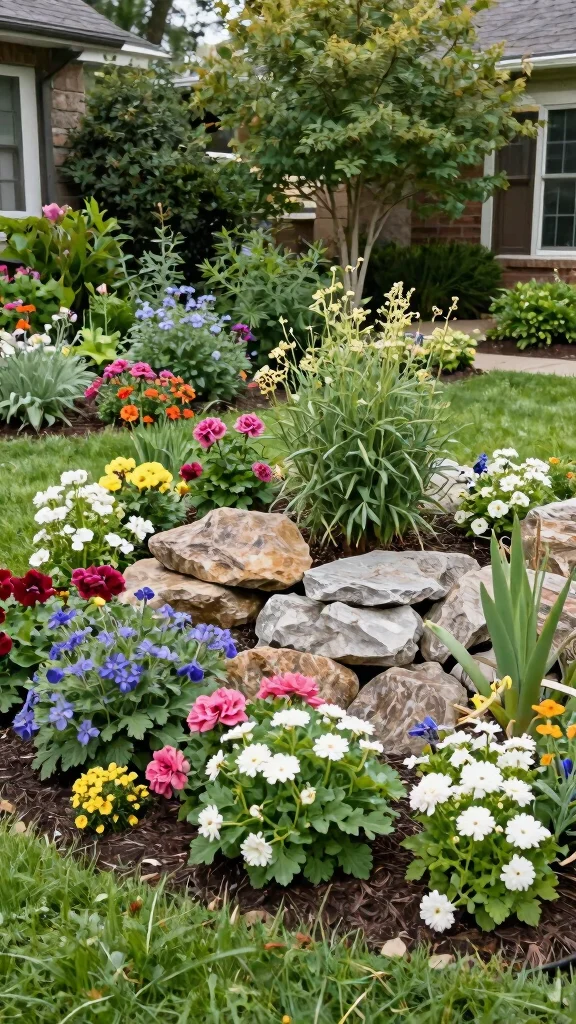
Designing beautiful front yard flower beds can transform your entrance into a welcoming sight while aligning with your busy lifestyle.
From perennial paradises to themed gardens, each idea offers unique charm and low-maintenance options that suit your needs. With a little planning and creativity, your front yard can flourish in both beauty and functionality.
Note: We aim to provide accurate product links, but some may occasionally expire or become unavailable. If this happens, please search directly on Amazon for the product or a suitable alternative.
This post contains Amazon affiliate links, meaning we may earn a small commission if you purchase through our links, at no extra cost to you.
Frequently Asked Questions
What Are Some Low-Maintenance Front Yard Flower Beds Ideas for a Welcoming Entrance?
For a welcoming entrance with front yard flower beds that stay low-maintenance, start with hardy perennials and native plants.
Pick a simple flower bed design—two or three repeat colors or textures create cohesion and cut upkeep. Mulch to a 2–3 inch layer to suppress weeds and retain moisture, and run a drip irrigation line or soaker hose for efficient watering. Edge the bed with a clean border to keep grass from creeping in and to simplify mowing. Group plants by sun needs and bloom time so you enjoy consistent color without constant rearranging, delivering practical landscaping ideas that boost curb appeal. Finally, sketch a quick garden planning map before planting to ensure spacing and color harmony as the season changes with seasonal flowers.
How Can I Design Low-Maintenance Front Yard Flower Beds That Still Boost Curb Appeal?
Start with a strong backbone: use evergreen shrubs or grasses for year-round structure and then add a few bloom accents. This keeps front yard flower beds looking polished with minimal effort. Create symmetry or a gentle curve to guide the eye and reduce weeding; choose just 2–3 repeat colors for a cohesive look in your flower bed design. Mulch deeply, install efficient irrigation, and pick deer- and drought-tolerant plants if your area requires it. Keep maintenance tasks like pruning and deadheading to a monthly routine so you stay on top of it without it ruling your weekends. Tie the whole plan together with clear landscaping ideas that enhance curb appeal and adapt to seasonal flowers throughout the year.
What Seasonal Flowers Should I Use in Front Yard Flower Beds for Year-Round Color?
Think in bloom windows rather than one big splash: pair spring bulbs with sturdy perennials for summer color, then add mums or asters for fall and evergreen foliage for winter. For front yard flower beds, mix long-bloom perennials like daylilies and salvia with seasonal seasonal flowers that fill gaps. Use plant groupings to repeat colors and textures, so the bed remains vibrant across seasons with minimal rewiring. Plan sun vs shade spots, soil type, and drainage so the right plants thrive. A simple garden planning approach helps you choose plants that overlap bloom times, keeping continuous color while staying low-maintenance.
What Should I Consider When Planning Garden Planning and Landscaping Ideas for Front Yard Flower Beds?
Begin with the basics: measure the area, note sun exposure, soil quality, and drainage. Then set a realistic budget and maintenance goal so your front yard flower beds fit your schedule. Choose a cohesive flower bed design centered on blooms that suit your climate and light, and repeat a couple of textures for depth. Sketch a simple plan that aligns with your home’s architecture to boost curb appeal. Finally, include smart details like soil amendment, irrigation options, and edging that makes mowing and weeding easier—these are essential landscaping ideas that make front-yard gardening truly doable for busy homeowners.
How Do I Create a Simple Flower Bed Design for a Welcoming Entrance with Minimal Effort?
Start with a clean, curved or straight border that guides guests to your door, then layer plants by height so tallest at the back and shorter in front. Use a two- or three-color palette to keep the look cohesive for your front yard flower beds. Choose a few low-maintenance perennials and one or two seasonal accents to rotate each year. Mulch well, edge neatly, and consider a small drip system to reduce watering time. Repeat textures such as grasses or evergreen foliage to maintain structure year-round. With a clear garden planning approach and simple landscaping ideas, you can achieve a welcoming entrance that stays fresh with minimal effort.
Related Topics
front yard flower beds
low-maintenance gardening
curb appeal
seasonal flowers
landscaping ideas
easy flower bed design
busy homeowners
garden planning
flower bed styles
beginner friendly
DIY landscaping
quick gardening tips