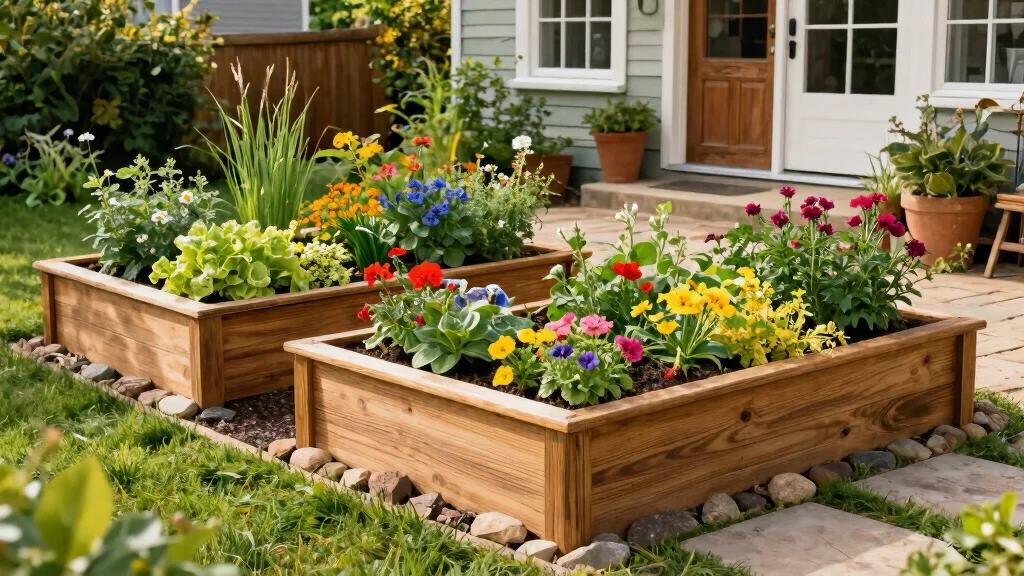
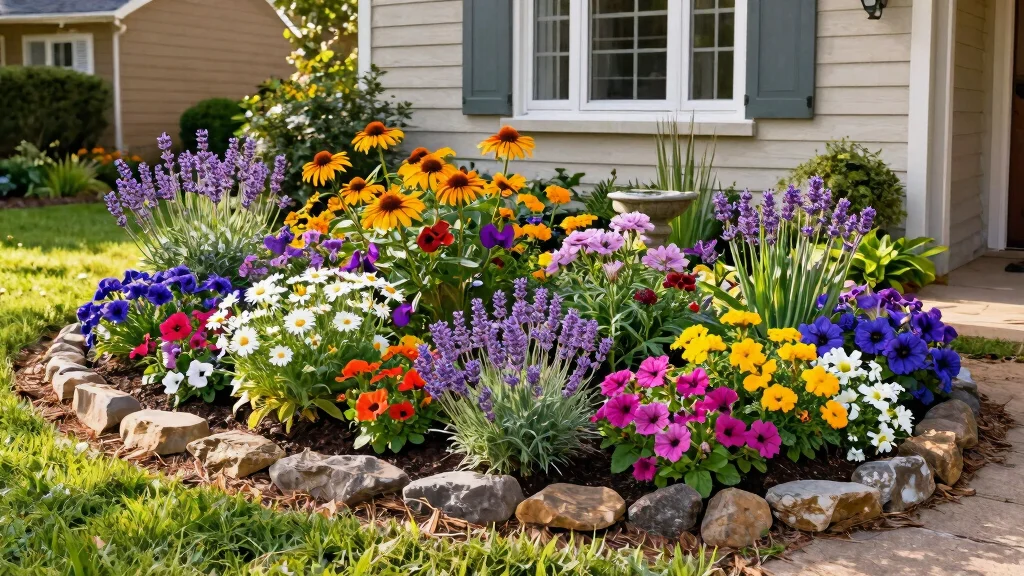
Creating a beautiful front yard doesn’t have to be a daunting task. The sight of fresh vegetables and vibrant flowers can make your home more inviting and add to your curb appeal. That’s why I put this post together, to inspire you with creative ideas for front yard raised garden beds. These beds are not only functional for growing your own food but also serve as an attractive focal point for your outdoor space.
If you’re someone who loves gardening, enjoys home improvement, or simply wants to enhance your property’s visual appeal, you’re in the right place. This guide is designed for urban dwellers, novice gardeners, and design enthusiasts alike. You’ll discover practical tips for incorporating raised garden beds into your front yard, no matter the size of your space.
In this post, you’ll find eight stunning ideas that will help you elevate your garden game. From rustic wooden beds to modern minimalist designs, each suggestion is tailored to create beauty while maintaining sustainability. You’ll leave with plenty of fresh ideas and actionable tips to transform your outdoor area into a garden oasis that reflects your personal style and boosts your home’s curb appeal.
Key Takeaways
– Diverse Designs: Explore different styles like rustic, modern, and vertical raised beds to fit your unique front yard aesthetic.
– Space Optimization: Utilize small spaces effectively with corner garden beds and vertical designs to maximize your growing area.
– Functional Features: Consider raised beds with integrated irrigation systems for easier maintenance and efficient watering.
– Edible Landscaping: Incorporate edible plants into your garden beds for both beauty and practicality, transforming your landscape into a source of fresh produce.
– Sustainability Focus: Learn how sustainable materials and designs can enhance your garden while contributing positively to the environment.
1. Rustic Wood Raised Beds

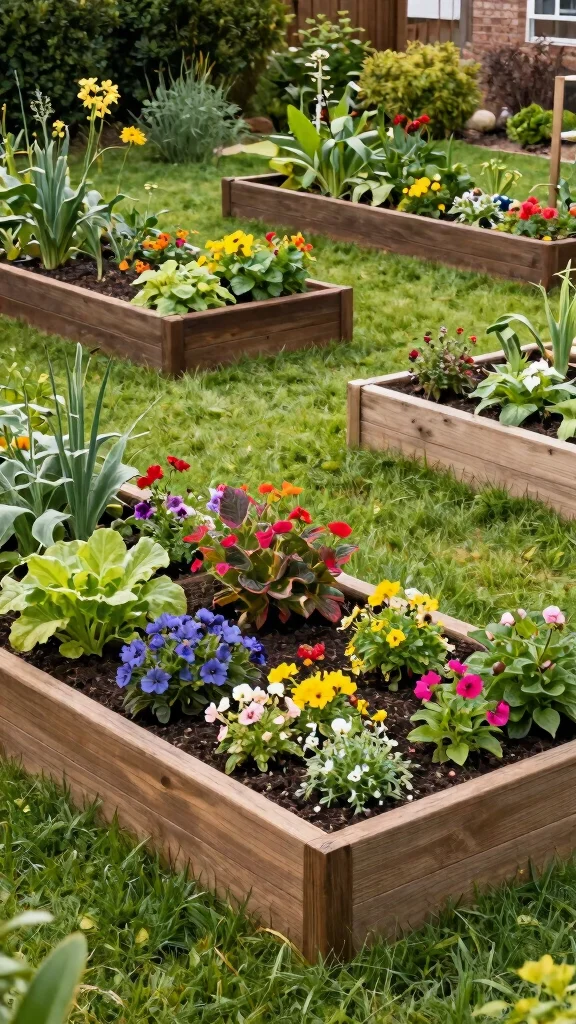
Imagine stepping into your front yard and being greeted by the warmth of rustic wood raised garden beds. These beds bring a cozy charm that instantly makes your space feel inviting. Using reclaimed wood is not only budget-friendly but also an eco-conscious choice that adds character. To protect your investment, treat the wood with an eco-friendly sealant for longevity, and mix different wood types for a unique look.
Enhance the visual appeal by pairing these beds with native plants or vibrant perennials. A wooden raised bed surrounded by natural mulch will ensure excellent drainage while keeping pesky weeds at bay.
Tips to enhance your rustic beds:
– Mix textures: Incorporate stones or terracotta pots for added depth.
– Vary plant heights: Combine tall sunflowers with shorter herbs for stunning visuals.
– Mulch for aesthetics: Use organic mulch for both weed control and a polished look.
This approach not only boosts curb appeal but also encourages biodiversity by attracting pollinators to your yard.
Key Trade-offs & Our Top Pick
Option 1: Rustic Wood Raised Beds
– Pros:
– Natural look that enhances curb appeal.
– Provides good insulation for roots.
– Easily customizable in size and shape.
– Cons:
– Can rot over time if not treated properly.
– Requires maintenance like staining or sealing.
– May attract pests if untreated.
– Best for: Homeowners looking for a traditional, charming aesthetic in their front yard.
Option 2: Modern Minimalist Beds
– Pros:
– Sleek design fits well with contemporary homes.
– Usually made of durable materials like metal or concrete.
– Low maintenance and long-lasting.
– Cons:
– Can be more expensive than wooden options.
– May not provide the same insulation for plants.
– Limited customization compared to wood beds.
– Best for: Those who prefer a clean, modern look and have a budget for premium materials.
Option 3: Vertical Raised Beds for Small Spaces
– Pros:
– Perfect for small front yards or patios.
– Maximizes growing space vertically.
– Easier to maintain and harvest.
– Cons:
– Limited options for larger plants or root vegetables.
– May require more watering due to drainage.
– Can be challenging to build if you lack DIY skills.
– Best for: Urban gardeners with limited yard space looking to grow herbs and small vegetables.
Option 4: Corner Garden Beds
– Pros:
– Utilizes underused space effectively.
– Can create a focal point in your landscaping.
– Encourages creativity in design.
– Cons:
– May require more planning to fit into your existing layout.
– Can be challenging to reach all areas for maintenance.
– Could disrupt existing landscaping if not designed well.
– Best for: Homeowners wanting to make the most of every inch of their yard.
Option 5: Herb Spiral Garden Beds
– Pros:
– Compact design is ideal for small spaces.
– Creates microclimates for various herbs to thrive.
– Visually striking and unique.
– Cons:
– Requires more initial effort to construct.
– Limited to certain types of plants.
– Can be hard to maintain if you don’t know your herbs.
– Best for: Gardeners looking to grow a variety of herbs in a visually appealing format.
Expert Recommendation:
Best Overall: Rustic Wood Raised Beds
Rustic wood raised beds are a fantastic choice for most gardeners. They offer great value for money, allowing you to create a charming garden that improves your home’s curb appeal. Their versatility means you can grow a variety of vegetables and flowers, while their natural look blends seamlessly with many home styles. With proper maintenance, they can last for years, making them a worthwhile investment for your front yard.
Why We Picked This:
While rustic wood raised beds shine for their aesthetic and usability, some may prefer modern minimalist designs for their durability. Others might find vertical or corner beds more suitable for small spaces. It’s essential to choose an option that matches your gardening goals, front yard size, and personal style!
Rustic Wood Raised Beds
Editor’s Choice

Back to the Roots 25.7qt (1 Cubic ft) Organic Premium Mulch


Yaheetech 8×2ft Wooden Horticulture Raised Garden Bed Divisible Elevate…
Garden Box Sealer | FDA Food Contact Safe Plant-Based Wood Sealant for R…
2. Modern Minimalist Beds

If you crave a sleek and contemporary garden, modern minimalist raised beds are your best bet. Picture clean lines, geometric shapes, and a monochromatic color scheme that makes your plants pop. Materials like metal or stone create a striking contrast with the lush greens and vibrant colors of your garden. These beds work beautifully in urban settings where space is limited, often doubling as stylish outdoor furniture.
To keep your garden looking fresh, choose colors that complement your home’s exterior. Pair minimalist beds with plants in soft pastels or classic greens. A gravel or pebble pathway adds to the clean aesthetic while providing easy access to your plants.
Modern design ideas to consider:
– Layering materials: Mix metals and stones for added depth.
– Focus on symmetry: Symmetry enhances the minimalist design.
– Incorporate seating: Use the edges of the beds for integrated seating, making your garden a gathering spot.
With thoughtful planning, your minimalist garden can become a stunning centerpiece that draws admiration.
Modern Minimalist Beds
Editor’s Choice

Veradek Mason Series Lima Planter – Round Planter for Indoor or Outdoor …

LEETOLLA Elevate 32″ Tall Raised Garden Bed Outdoor with Wheels & Shelf …
ruelen Metal Sun Wall Decor – Large Minimalist Sun Line Art Sculpture fo…
3. Vertical Raised Beds for Small Spaces

Don’t let limited space limit your gardening dreams. Vertical raised beds offer a clever way to grow plants while adding a unique visual element to your front yard. Construct these beds with pallets, crates, or custom wooden frames for a creative twist on traditional gardening.
Vertical gardening allows you to cultivate various plants, from herbs to flowers, while keeping your garden organized. You can create tiered levels for added interest and even include trellises for climbing plants like beans or cucumbers.
Vertical gardening tips:
– Choose the right plants: Opt for trailing varieties or sturdy climbers for height.
– Maximize sunlight: Place your vertical beds where they’ll receive ample sunlight.
– Regular maintenance: Keep an eye out for pests and water consistently for thriving plants.
Vertical raised beds save space and create a striking design element that will surely catch the eye of passersby.
Vertical Raised Beds for Small Spaces
Editor’s Choice

DoCred Vertical Wooden Raised Garden Bed, 5 Tier Garden Planters Freesta…
4. Corner Garden Beds

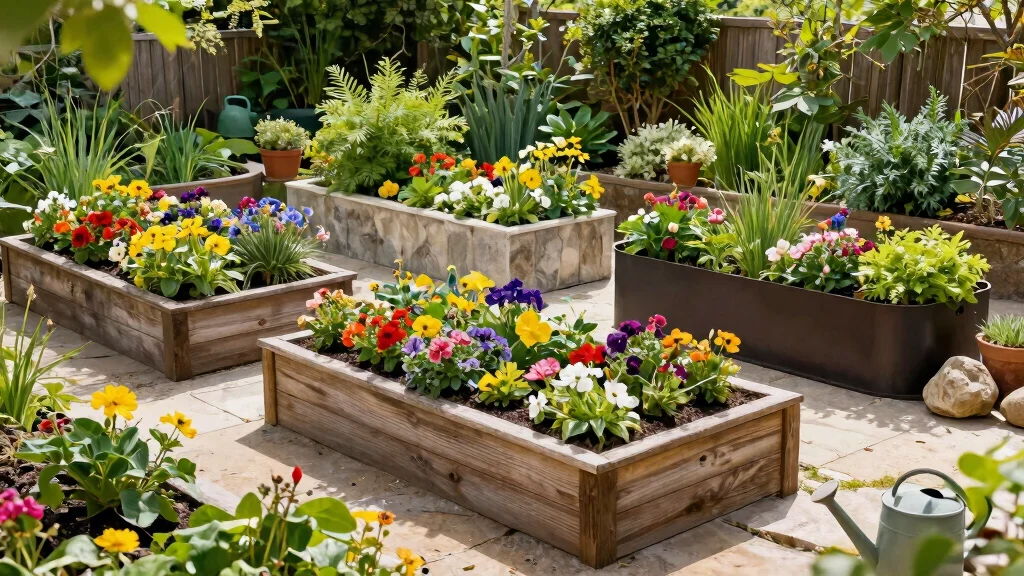
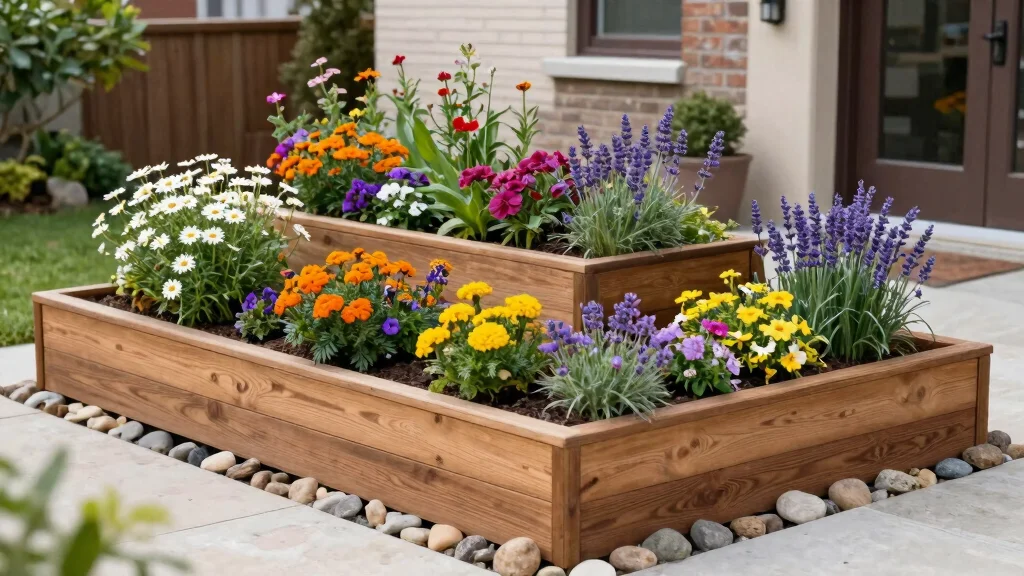
Make the most of every inch in your front yard with corner garden beds that transform overlooked spaces into stunning focal points. Whether in a square, triangle, or rounded shape, these beds can draw the eye and add life to your landscape.
Use corner beds to showcase a vibrant mix of flowers, herbs, and small shrubs, maximizing plant diversity while enhancing curb appeal. Elevate your design by incorporating planters at varying heights within the corner bed for added interest.
Design tips for corner beds:
– Incorporate pathways: Create gravel paths for easy access to your corner beds.
– Add decorative elements: Incorporate garden art or sculptures to invite visitors.
– Choose a variety of plants: Mix colorful flowers with fragrant herbs for utility and beauty.
By enhancing those corner spaces, your garden becomes both functional and visually appealing.
Fun fact: Corner garden beds optimize every inch of small front yards, increasing usable planting space by up to 25% without widening your footprint. Mix flowers, herbs, and compact shrubs at varying heights to create instant focal points that draw the eye and boost curb appeal.
You might also like
Corner Garden Beds
Editor’s Choice
Yaheetech 8×2ft Wooden Horticulture Raised Garden Bed Divisible Elevate…

Axcoix 2 Pack Adjustable Height Plant Risers for Inside Pots, 12-21″ Pla…
5. Herb Spiral Garden Beds

Looking for a stunning yet practical addition to your front yard? Herb spiral garden beds are beautiful and incredibly functional. This design maximizes space while providing diverse microclimates for various herbs. The spiral allows for optimal drainage and sun exposure, creating perfect conditions for your herbs.
Create your herb spiral using stone, brick, or wood, depending on your aesthetic preference. Begin by placing herbs that prefer drier conditions at the top and moisture-loving varieties at the bottom.
Benefits of herb spirals:
– Efficient use of space: Spiral design fits small areas and creates height.
– Visual interest: The unique shape serves as a focal point.
– Easy access: Harvesting is simple from all sides.
Incorporating an herb spiral elevates both your gardening experience and the visual appeal of your landscape.
Fun fact: In front yard raised garden beds, an herb spiral can boost yield by up to 40% by creating microclimates. Start with drought-tolerant herbs at the top and moisture-loving ones lower down for easy, abundant harvests.
Herb Spiral Garden Beds
Editor’s Choice
Back to the Roots 100% Organic Mulch, 58 Quart, Expanding Coconut Husk B…

Burpee, 9 Quarts | Premium Organic Potting Natural Soil Mix Food Ideal f…

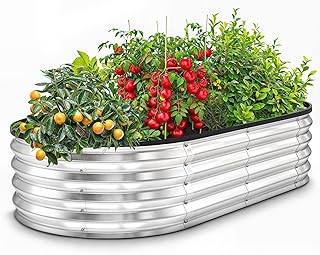
Land Guard Galvanized Raised Garden Bed Kit, Galvanized Planter Garden B…
6. Container Raised Beds
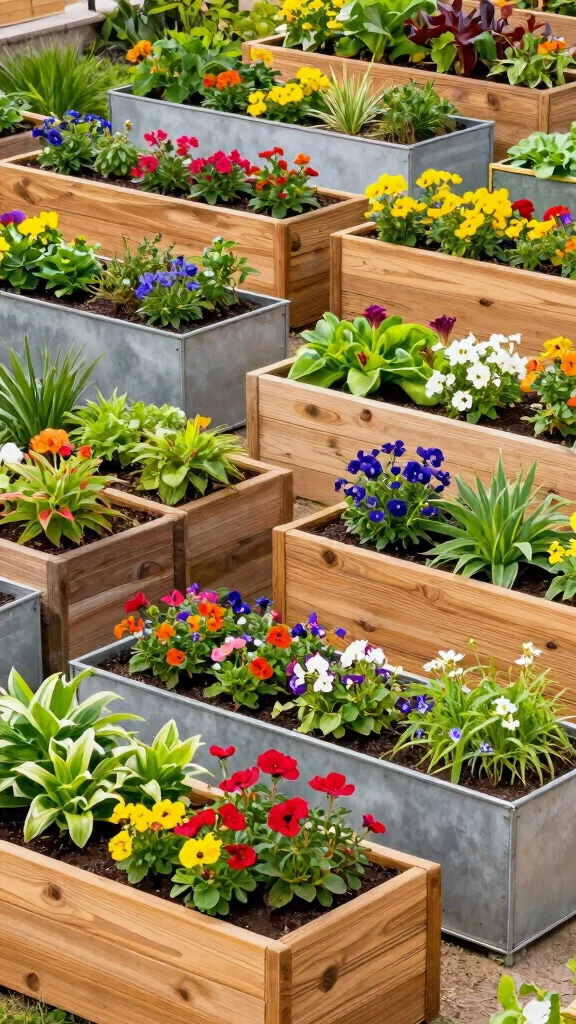
Container raised garden beds provide a flexible solution for front yards, especially in urban areas where space is tight. These versatile beds can be crafted from various materials like wood, metal, or even repurposed furnishings. Arranging containers at different heights can create a visually dynamic look.
Mix and match container sizes and shapes to inject personality into your garden, filling them with a variety of vegetables, flowers, and ornamental grasses. The mobility of containers allows you to rearrange your garden layout as seasons change or your tastes evolve.
Make the most of container raised beds:
– Opt for a variety of containers: Mixing sizes and heights creates a dynamic display.
– Prioritize drainage: Ensure all containers have drainage holes for healthy plants.
– Group plants by light needs: Arrange containers based on sunlight requirements.
Container raised beds not only enhance color and texture in your front yard but also make gardening accessible and fun.
📹 Related Video: How to Build a RAISED BED in a TOTE, FREE Container Gardening!
Container Raised Beds
Editor’s Choice

JERIA Raised Garden Bed,Galvanized Raised 2 Pcs 4×2×1ft Planter Boxes …
7. Edible Landscaping

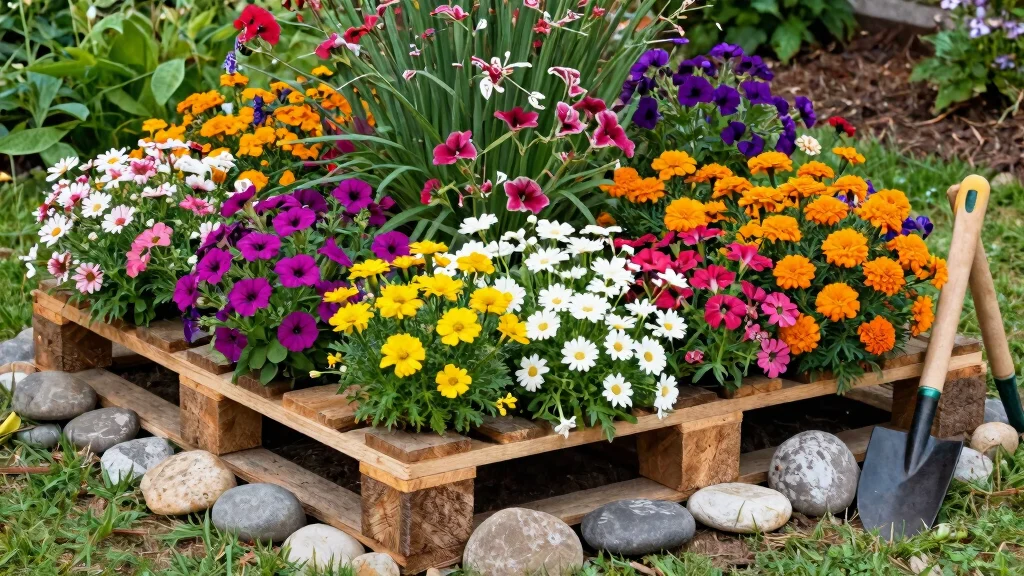
Why not combine beauty with utility in your front yard? Edible landscaping allows you to incorporate food-bearing plants, creating a garden that is both stunning and functional. Picture a landscape filled with colorful vegetables and fruits, while still maintaining traditional gardening aesthetics.
From berry bushes along your walkway to a trellis adorned with climbing beans or tomatoes, the possibilities are endless. Don’t forget to include ornamental vegetables, like purple kale or colorful Swiss chard, for added visual appeal.
Edible landscaping tips:
– Choose beautiful edible plants: Select varieties that are visually appealing and delicious.
– Create pathways: Use stones or wood chips to form lovely walking paths.
– Incorporate flowers: Add blooms that attract pollinators for a healthier garden ecosystem.
Embracing edible landscaping turns your front yard into a sustainable oasis while enhancing its curb appeal.
You Might Also Like
Edible Landscaping
Editor’s Choice
Utopia Home Galvanized Raised Garden Bed Kit 4x2x1ft, Planter Box Raised…

Ornamental Kale Seeds for Planting – Heirloom Flowering Cabbage Variet…

RUBFAC 7.8ft Garden Arch Trellis for Climbing Plants Outdoor, Metal Arch…
8. Raised Beds with Integrated Irrigation

For the tech-savvy gardener, integrating irrigation systems into your raised garden beds can revolutionize your gardening experience. Automated watering systems reduce manual labor while ensuring consistent moisture for your plants, leading to healthier growth and abundant yields. This setup is ideal for busy urbanites who may not have time for daily watering.
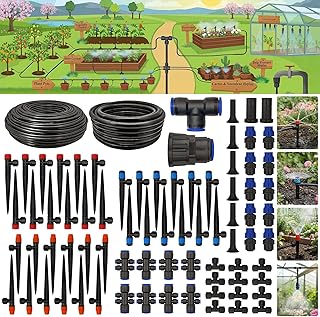
Consider drip irrigation systems for their efficiency, as they deliver water directly to the roots with minimal waste. Adding rain barrels as a water source is a sustainable option that conserves water.
Benefits of integrated irrigation:
– Saves time: Less frequent manual watering gives you more time to enjoy your garden.
– Conserves water: Efficient systems help reduce overall water usage.
– Promotes healthy plants: Consistent moisture supports better growth and crop yields.
Integrating irrigation into your raised beds enhances gardening efficiency while making your front yard lush and inviting.
Automating irrigation in your front yard raised garden beds saves time and water. Set a timer for drip irrigation so roots drink steadily, not overflow. With less guesswork, you get healthier plants and more harvests.
Raised Beds with Integrated Irrigation
Editor’s Choice

Drip Irrigation System Push-to-Connect Garden Watering System Kit for Ra…

Push-to-Connect Drip Irrigation System Kit, Complete Premium Garden Wate…
Drip Irrigation System 230FT Quick-Connect Drip Irrigation Kit with 1/4 …

230FT Drip Irrigation System for Garden with 40 Nozzles & Emitters, Gard…

RTS Home Accents 50-Gallon ECO Rain Barrel Made with 100% Recycled Plast…
Conclusion
Transforming your front yard with raised garden beds is not just about aesthetics; it’s about creating a space that brings joy and sustainability to your home. These eight ideas provide a diverse range of options, whether you’re looking for rustic charm, modern simplicity, or functional beauty.
By integrating raised beds into your landscape design, you not only enhance curb appeal but also contribute positively to your environment. Experiment with different styles, plants, and layouts to discover what works best for your space. Happy gardening!
Note: We aim to provide accurate product links, but some may occasionally expire or become unavailable. If this happens, please search directly on Amazon for the product or a suitable alternative.
This post contains Amazon affiliate links, meaning we may earn a small commission if you purchase through our links, at no extra cost to you.
Frequently Asked Questions
What are the most effective front yard raised garden beds ideas to create stunning curb appeal in urban spaces?
For front yard raised garden beds in urban spaces, choose modular, space-saving designs that fit the curb line. Use sustainable materials like cedar or recycled composite, and create height variation with tiered or vertical elements to add depth. Plan a cohesive color and texture palette to boost curb appeal, and mix vegetable garden ideas with ornamental perennials for year-round interest. Ensure good drainage and sun exposure, then keep maintenance low with mulch, drip irrigation, and smart edging.
How can I design a sustainable front yard with raised beds for limited space?
Start with a compact plan that prioritizes sustainability. Use landscape design principles: build accessible paths, use permeable materials, and position beds to maximize sun. Choose modular, stackable or tiered raised bed gardening setups that fit narrow spaces, add a vertical trellis for climbers, and collect rainwater with a simple barrel to reduce irrigation needs. Finish with mulch and native, drought-tolerant plants to boost curb appeal gardening while cutting maintenance.
Which plants work best in front yard raised beds for a vegetable garden and landscape design?
A great mix is key. For front yard raised garden beds, combine compact vegetables like cherry tomatoes, bush beans, lettuce, spinach, peppers, and herbs with flowering perennials for texture. Choose hardy, space-efficient varieties and use companion planting to deter pests. Pair edible crops with low-maintenance ornamental grasses and flowering herbs to support a balanced landscape design and boost curb appeal gardening while keeping the bed productive and attractive.
What materials and layouts are best for low-maintenance raised bed gardening in a curb-appeal focused front yard?
Choose durable, sustainable materials like cedar, recycled plastic, or concrete blocks that resist weather. For layout, keep beds reachable at 2-3 feet wide and long enough to suit space; use a simple curve or grid to echo your home’s architecture. Add a drip irrigation system with mulching to reduce watering. Align with landscape design and outdoor home improvement goals to create a cohesive look that stays low-maintenance.
What maintenance tips help keep front yard raised garden beds looking great as part of outdoor home improvement?
Stay on top of maintenance by setting a simple routine: check irrigation weekly, refresh mulch each season, weed and prune to maintain shape, rotate crops to protect soil health, and add compost annually. Consider rainwater harvesting to cut water use, and protect any wooden edging with a natural seal. With thoughtful care, your front yard raised garden beds stay a standout feature of curb appeal gardening and outdoor home improvement.
Related Topics
front yard raised garden beds
curb appeal gardening
urban gardening
raised bed gardening
sustainable landscaping
vegetable garden ideas
outdoor home improvement
landscape design
easy gardening projects
beginner friendly
container gardening
seasonal plants