
Gardening is a beautiful way to connect with nature and enjoy the fruits of your labor. But sometimes, the weather has other plans. You might find yourself yearning for longer growing seasons and healthier plants. That’s why I created this guide on garden covers for raised beds. If you’re looking for ways to protect your precious plants from harsh elements, pests, or even unexpected frosts, you’re in the right place.
This post is for you if you’re passionate about gardening and want to maximize your yields while caring for the environment. Whether you’re an experienced gardener or just starting, these tips will help you extend your growing season and keep your plants thriving. I’ve gathered nine clever and eco-friendly ideas for covers that are practical, easy to implement, and perfect for your raised beds.
Get ready to explore solutions that not only shield your vegetables but also add a touch of creativity to your gardening journey. You’ll discover options that fit your style and budget, ensuring your garden flourishes no matter the season. Let’s dive in and uncover how you can protect your garden and enjoy bountiful harvests year-round!
Key Takeaways
– Discover lightweight row covers that provide warmth and protection from frost while letting in sunlight and moisture.
– Learn about sturdy plastic cloches that create mini-greenhouses, ideal for tender seedlings needing extra care.
– Explore eco-friendly fabric covers that are breathable and biodegradable, making them great for sustainable gardening.
– Understand how mesh pest barriers keep insects away while allowing pollinators to access your plants.
– Gain insight into DIY options like recycled bottle covers that are cost-effective and perfect for a personal touch in your garden.
1. Lightweight Row Covers

Lightweight row covers are a gardener’s best friend! These breathable fabrics, often crafted from spun-bonded polypropylene, let sunlight and moisture in while keeping unwanted pests out. You can easily use them to protect delicate plants from chilly nights or sudden frosts, extending your growing season significantly.
To get the most from your row covers, set them up with hoops to ensure proper airflow. This prevents sagging and allows you to remove them during warmer days, keeping your plants cozy without overheating. It’s like wrapping your plants in a gentle hug!
Key benefits of lightweight row covers:
– Provide frost protection for young seedlings.
– Offer pest control against aphids and beetles.
– Serve as a versatile solution for various planting seasons.
Using row covers will help your plants flourish while making gardening simpler and more effective.
Lightweight Row Covers
Editor’s Choice

Greenhouse Hoops Grow Tunnel 6 Sets of 8FT Long Garden Hoops, Rust-Free …


Plant Covers Freeze Protection 10x30ft Floating Row Cover 0.9oz/yd² Pla…

Garden Netting Pest Barrier: 4’x10′ Fine Bug Netting for Garden Protecti…
2. Sturdy Plastic Cloches
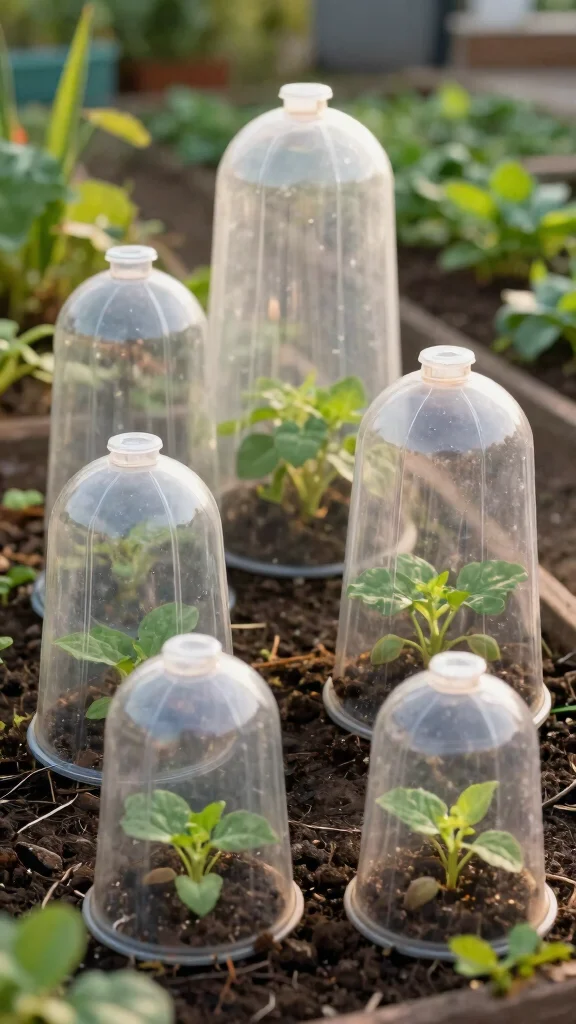
Sturdy plastic cloches are your go-to solution for shielding plants from unpredictable weather! These dome-shaped covers create a mini-greenhouse effect, trapping warmth around your young plants. They are fantastic for starting seeds early in the spring or protecting seedlings from late frosts.
For the best results, look for cloches with adjustable vents to maintain airflow on hotter days. You can also craft DIY versions using recycled materials like plastic bottles, adding a personal touch to your garden setup.
Benefits of sturdy plastic cloches include:
– Temperature regulation for faster plant growth.
– Rain protection to prevent rot and washouts.
– Durability with UV-stabilized materials for long-lasting use.
With cloches, your plants will thrive, giving you a bountiful harvest even in less-than-ideal conditions.
Sturdy plastic cloches turn fickle weather into a reliable plan with garden covers for raised beds. They trap warmth and shield seedlings, making early starts and late frost protection effortless. Pro tip: choose cloches with adjustable vents or DIY from recycled bottles to save money.
Sturdy Plastic Cloches
Editor’s Choice

MorTime 6 Pack Garden Cloche Plant Dome, 7.3″ D x 6.9″ H Plastic Plant B…

RooTrimmer 13 Inch Humidity Domes Garden Cloches for Plant Protection, P…

3 Pack Plant Protectors from Animals, Garden Cloches for Plants, Rustpro…
3. Eco-Friendly Fabric Covers
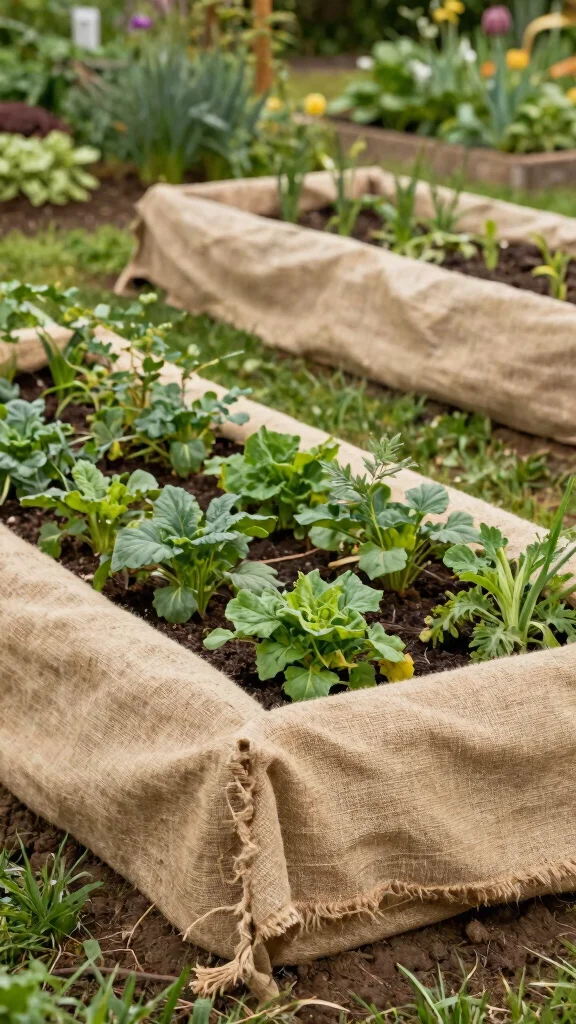
If sustainability is your goal, eco-friendly fabric covers are perfect for your raised beds! Made from biodegradable materials like cotton or organic burlap, these covers protect your plants while naturally enriching the soil as they decompose. They’re a step towards responsible gardening that benefits both your garden and the planet.
To effectively use these covers, simply drape them over your plants or stake them down to keep them secure. They work well for pest prevention and can be reused throughout the season, making them both practical and sustainable.
Advantages of eco-friendly fabric covers:
– Provide natural insulation while allowing moisture in.
– Improve soil health as they break down.
– Offer a sustainable choice for environmentally conscious gardeners.
Choosing organic fabric covers means nurturing a healthier garden and contributing to a greener planet.
📹 Related Video: 4 Cheap & EASY to Make Raised Garden Bed COVERS
Eco-Friendly Fabric Covers
Editor’s Choice

Protect Plant Cover, 3FT x 50FT, Eco-Friendly, Natural, Row Cover, Lands…

LAVEVE 4FT x 100FT Weed Barrier Landscape Fabric, 3.2oz Premium Heavy Du…

40″ x 5 Feet Burlap Fabric Roll – Burlap Fabric by the Yard, Natural J…
4. Mesh Pest Barriers
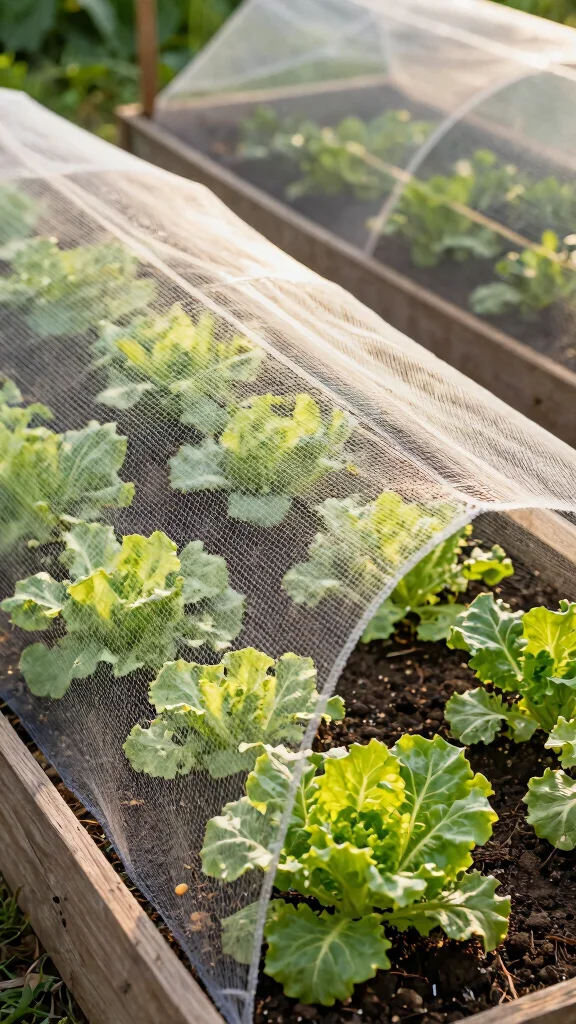
Keep your veggies safe from annoying insects with mesh pest barriers! These lightweight netting covers let sunlight and rain nourish your plants while keeping harmful bugs away. They are particularly effective against larger pests like cabbage moths and birds, ensuring your crops remain intact.
To set up, simply drape the mesh over your raised beds and secure the edges. This not only wards off pests but also enhances airflow, reducing the likelihood of disease in your plants.
Features of mesh barriers include:
– Physical protection from most pests.
– UV resistance for long-lasting durability.
– Easy access with zippers or Velcro openings.
Mesh barriers offer an effortless way to keep your garden thriving and healthy throughout the growing season.
Mesh Pest Barriers
Editor’s Choice

Garden Netting, Plant Covers 10x33Ft Net Ultra Fine Mesh Protection Nett…

72 Inch Garden Stake Netting Support, Black Heavy Duty Powder Coated Ste…

Bird Netting for Garden Protection – 4 Pack Garden Netting Pest Barrier …
5. Cold Frames

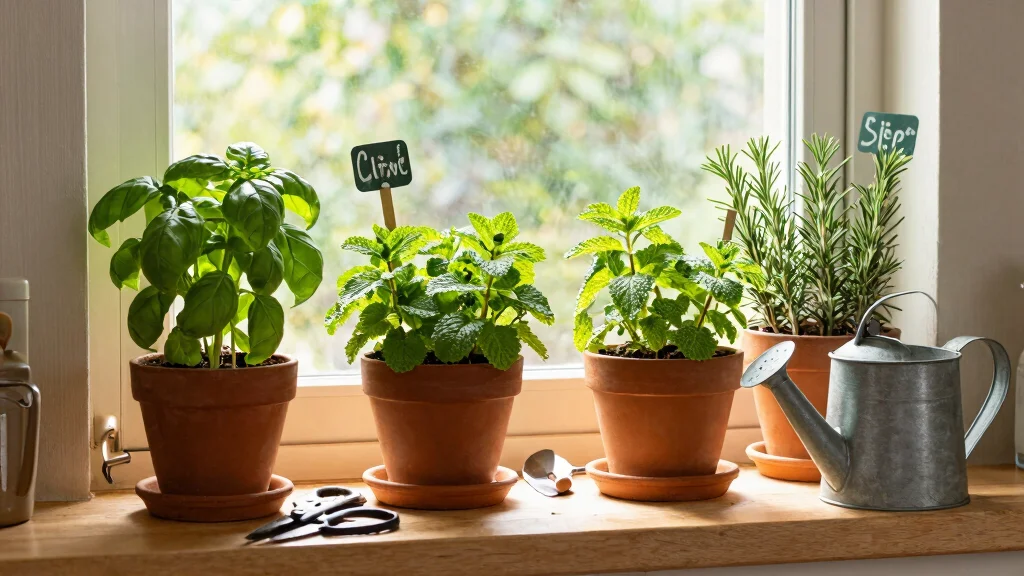
Cold frames are an excellent way to prolong your gardening season into the cooler months! Acting like mini-greenhouses, they capture heat and light, creating a cozy environment for your plants. You can easily build one using old windows, wood, or clear plastic, making it a customizable and eco-friendly option.
To maximize effectiveness, position your cold frame where it receives ample sunlight. Use hinges for easy access and ventilation, sealing any gaps to retain warmth during cold nights.
Benefits of cold frames include:
– Season extension for earlier planting and later harvesting.
– Temperature control to protect plants from frost.
– Versatile gardening for salads, herbs, and tender veggies.
Cold frames can be a fun and rewarding project that enhances your gardening success sustainably.
You might also like
Cold Frames
Editor’s Choice

Auto Vent Opener Automatic Greenhouse Window Opener Cylinder Roof Vent O…

76″ Polycarbonate Walk-in Greenhouse with Wooden Frame, UV-Resistant Twi…

Greenhouse Plastic Sheeting 12 x 25ft – 6 Mil Clear Polyethylene Film, U…
6. Recycled Bottle Covers
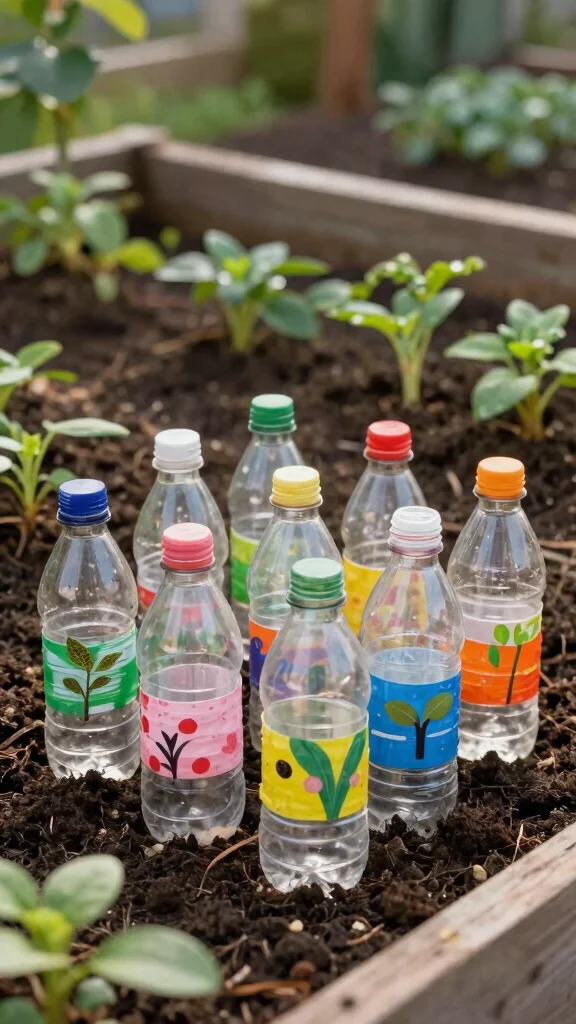
For the creative gardener, using recycled bottles as plant covers is a fantastic way to be eco-friendly! Simply cut the bottom off a plastic bottle to create a protective cloche for your young plants. This clever reuse of materials not only helps the environment but also adds charm to your garden.
To use, place these bottles over seedlings, ensuring they are secured to prevent them from blowing away. Feel free to adjust larger bottles for bigger plants, too.
Benefits of recycled bottle covers:
– Cost-effective by utilizing materials at home.
– Lightweight for easy mobility in your garden.
– Visibility to monitor growth without removal.
Recycled bottle covers combine functionality with creativity, offering a unique solution to protect your plants while being kind to the planet.
Fun fact: a single recycled plastic bottle can become a tiny cloche for your raised beds, warming soil and extending the season by 1–2 weeks. Use garden covers for raised beds and protect seedlings while giving plastic a second life.
Recycled Bottle Covers
Editor’s Choice

24 PACK, 12 OZ Reusable Plastic Juice Bottles with Caps, Plus 24 Labels …

10 Pcs 9.13″×9.13″ Chicken Wire Cloche Plant Covers Garden Netting Meta…
7. Tunnels for Row Crops
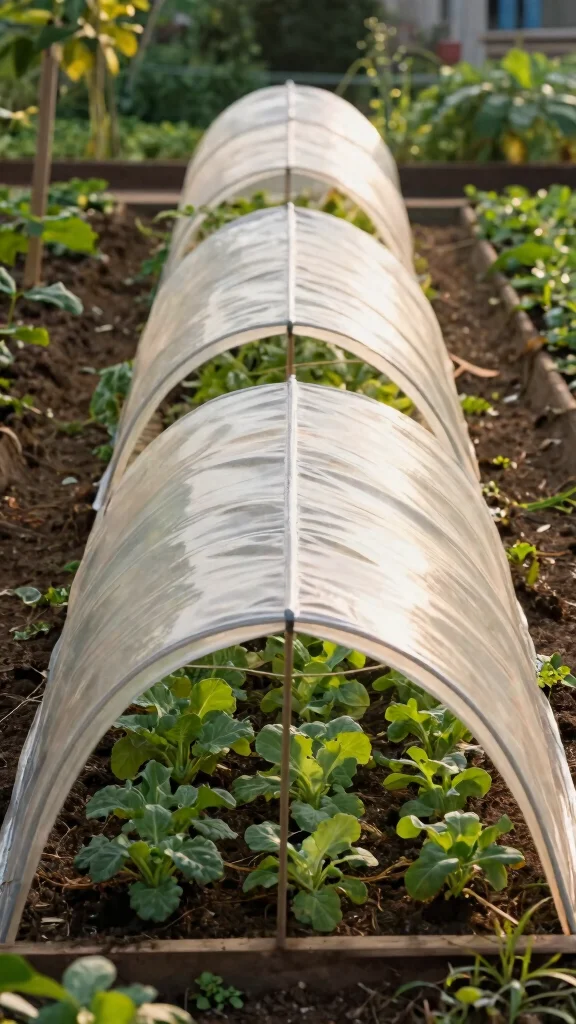
Tunnels for row crops can drastically change your gardening approach! These protective structures create a tunnel over your raised beds, ideal for growing crops like carrots, lettuce, and spinach. Typically made from plastic sheeting stretched over hoops, they provide a greenhouse effect while allowing water to soak through.
To build your own tunnel, use PVC pipes to create the hoops and drape plastic sheeting over them, ensuring secure edges. This setup creates a warm, humid environment that fosters healthy growth.
Advantages of tunnels include:
– Create a growing environment that boosts plant health.
– Provide protection from elements like wind and pests.
– Allow for easy accessibility for maintenance.
Implementing tunnels can significantly enhance your crop yield, giving your plants the ideal space to thrive.
Key Trade-offs & Our Top Pick
1. Lightweight Row Covers
– Pros:
✔ Protects plants from frost and pests.
✔ Allows sunlight and rain to reach plants.
– Cons:
⏱ Can be easily damaged by strong winds.
⏱ May require reapplication after heavy rain.
– Best for: Beginners looking for quick and easy frost protection for seedlings.
2. Sturdy Plastic Cloches
– Pros:
✔ Durable and reusable for multiple seasons.
✔ Provides excellent insulation against cold.
– Cons:
⏱ Can become very hot inside on sunny days.
⏱ May not fit over larger plants or raised beds.
– Best for: Gardeners needing a reliable, long-term solution for colder climates.
3. Eco-Friendly Fabric Covers
– Pros:
✔ Made from sustainable materials.
✔ Breathable, allowing moisture and air circulation.
– Cons:
⏱ Can wear out faster than plastic options.
⏱ May need more frequent replacements.
– Best for: Eco-conscious gardeners wanting a natural alternative that’s still effective.
4. Mesh Pest Barriers
– Pros:
✔ Keeps insects and birds away from crops.
✔ Allows sunlight and rain to penetrate.
– Cons:
⏱ Not effective against larger pests like rabbits.
⏱ May require securing or anchoring in windy areas.
– Best for: Protecting vegetables from insect damage without chemicals.
5. Cold Frames
– Pros:
✔ Ideal for hardening off seedlings before planting.
✔ Can extend the growing season significantly.
– Cons:
⏱ Higher initial investment compared to other options.
⏱ Requires more space than simple covers.
– Best for: Serious gardeners who want to start their plants early in spring.
Expert Recommendation:
Best Overall: Lightweight Row Covers
Lightweight row covers are our top pick for most gardeners. They offer great value for money and are easy to use, making them perfect for both new and experienced gardeners. With their versatility to protect against frost and pests while still allowing sunlight in, they can be used across various plant types. Plus, these covers are generally affordable and can be repurposed each season, ensuring durability and effective protection for your raised beds.
Why We Picked This:
While lightweight row covers are our favorite, some gardeners might lean toward sturdy plastic cloches if they live in areas with harsher winters. Eco-friendly fabric covers can appeal to those who prioritize sustainable gardening practices. On the other hand, if you’re focused on pest control, mesh barriers might suit you best. Each option has its strengths, so consider your gardening needs and conditions when making a choice!
Tunnels for Row Crops
Editor’s Choice

Garden Hoops DIY Kit – Rust-Free Material | Heavy-Duty | Weather Resis…
Plastic Sheeting (10′ x 25′) Long, 6 Mil – UV Protection Poly Sheeting P…

Garden Netting, Jevrench Durable Ultra Fine Garden Netting, Garden Plant…
8. Greenhouse Covers
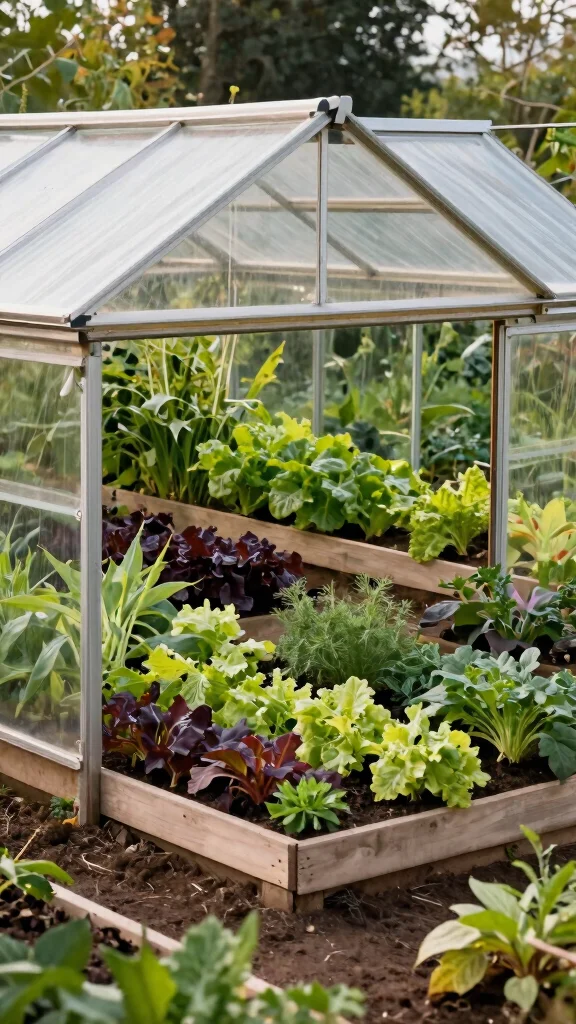
If you’re passionate about gardening, a greenhouse cover can elevate your experience! Made from polycarbonate or polyethylene, these covers provide exceptional insulation for your plants throughout the year. They are perfect for cultivating exotic plants or vegetables that need a stable temperature to flourish.
When setting up your greenhouse cover, consider incorporating ventilation options to manage heat. Ensure you have efficient irrigation systems in place for optimal growth.
Benefits of greenhouse covers:
– Maintain temperature control to minimize frost damage.
– Enable year-round growing for extended harvests.
– Allow for a diverse range of plants to thrive.
With a greenhouse cover, your gardening aspirations can bloom all year long.
You Might Also Like
Greenhouse Covers
Editor’s Choice

16 Mil Greenhouse Cover,Clear Plastic Tarps Heavy Duty Waterproof 16x20F…

10 x 26 FT Clear Greenhouse Plastic Sheeting, 6 Mil Polyethylene Film He…

VEVOR Greenhouse Air Circulation Fan, 1800 CFM Powerful Air Circulator E…
9. DIY Plant Covers from Natural Materials
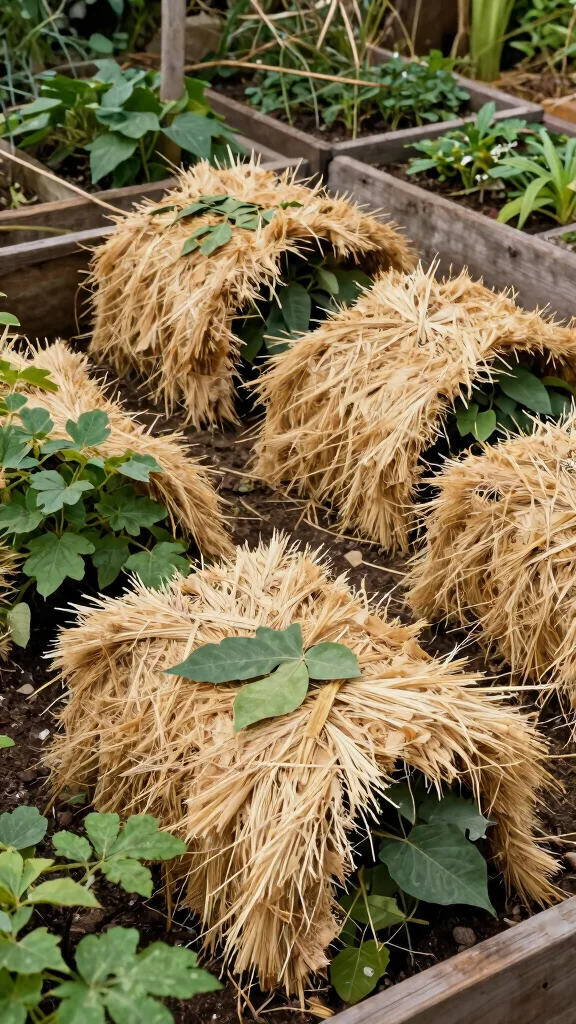
For those who value sustainability, creating DIY plant covers from natural materials is a fulfilling project! Utilize items like straw, hay, or leaves to construct effective covers that serve multiple purposes. This approach not only protects your plants but also nurtures the soil as these materials break down.
To make natural covers, stack straw or use hay bales around your raised beds. You can also blanket plants with leaves during colder weather or use them as mulch.
Suggestions for natural covers:
– Layer materials for enhanced insulation and protection.
– Consider companion planting under covers to boost growth.
These DIY solutions provide effective plant protection while contributing to a more sustainable gardening practice.
DIY plant covers from natural materials make garden covers for raised beds feel almost magical. When you stack straw or leaves, you protect crops and enrich the soil at the same time—it’s sustainable, simple, and surprisingly effective. Give it a try this season, and watch your garden breathe easier.
DIY Plant Covers from Natural Materials
Editor’s Choice

19.7″×6.5 ft Natural Burlap Fabric-Versatile Jute Fabric for Winter Pla…
Back to the Roots 100% Organic Mulch, 58 Quart, Expanding Coconut Husk B…

ZeeDix 3 Pack Coconut Fiber Mulch Ring, 14 Inch Coco Coir Tree Ring Mulc…
Conclusion

With these nine garden cover ideas, you’re well-equipped to enhance your raised bed gardening experience. From lightweight row covers to DIY solutions, each option helps protect your plants while extending their growing season.
Embracing eco-friendly materials not only benefits your garden but also nurtures the environment. So, whether you’re a seasoned gardener or just starting out, incorporating these protective covers can lead to healthier plants and a more bountiful harvest.
Happy gardening, and remember: every small step counts in the journey towards a beautiful, sustainable garden!
Note: We aim to provide accurate product links, but some may occasionally expire or become unavailable. If this happens, please search directly on Amazon for the product or a suitable alternative.
This post contains Amazon affiliate links, meaning we may earn a small commission if you purchase through our links, at no extra cost to you.
Frequently Asked Questions
What are the best garden covers for raised beds to extend the growing season?
For eco friendly options for garden covers for raised beds to extend the growing season, choose breathable row covers such as spunbond fabric, lightweight low tunnels with hoops, or clear plastic for passive warming. Pick reusable materials that last multiple seasons and avoid single use plastics.
To set up: measure the beds, pick covers that overhang the sides, install hoops, drape the cover, and secure the edges with soil, rocks, or U pins. Leave gentle ventilation on mild days to prevent overheating, and consider a double layer for extra frost protection in cooler climates. This approach also provides raised bed protection during the shoulder seasons.
How do eco-friendly garden covers protect raised beds without trapping excess heat?
Use breathable options like spunbond fabric or horticultural fleece, or insect netting, and choose white or translucent covers that reflect sun. Install sturdy hoops to create space between the plants and the cover, add vents or roll up sides for airflow, and remove the cover on hot afternoons. This lets you extend growing season while protecting crops with garden covers for raised beds. For pest control, layer with insect netting under the cover and maintain proper spacing to prevent overheating.
Can garden covers for raised beds help protect against pests and harsh weather?
Yes. Insect nets keep pests like aphids and cabbage worms off your vegetables, while frost cloth adds light protection on chilly nights. For strong winds, secure covers with soil, rocks, or U pins and use hoops to maintain a gap between the cover and foliage. By combining these tools you gain practical raised bed protection and can reliably extend growing season in many climates. Always check moisture and airflow to prevent mold.
What materials are best for plant covers to be sustainable and effective?
Look for reusable options such as breathable spunbond fabric, durable shade cloth, and recycled film that is UV stabilized. Use bamboo or metal hoops for stability and easy removal. Avoid single use plastics; choose covers that can be washed and stored for next seasons. These choices support eco friendly garden covers for raised beds and sustainable vegetable garden solutions.
How can I install and remove garden covers quickly for a busy gardener?
Prep a fast setup by pre assembling hoops or frame kits and keeping a dedicated storage bin for each bed. Drape the cover over the hoops, secure edges with soil or clips, and add a few quick release ties for fast removal. Label each bed and store covers flat to avoid creasing. With a simple routine you can manage garden covers for raised beds efficiently and keep your extended growing season on track.
Related Topics
garden covers for raised beds
raised bed protection
extend growing season
eco-friendly gardening
vegetable garden solutions
plant covers
seasonal gardening tips
beginner gardening
simple garden projects
organic gardening
winter garden covers
sustainable gardening