
Creating a dedicated herb bed can change your gardening game. Whether you’re a seasoned gardener or just starting, having a special space for herbs brings fresh flavors and aromas to your kitchen. I wrote this post because I believe everyone deserves access to fresh herbs that can elevate home cooking. It can be tough to find the right ideas, especially if you’re limited on space. That’s why I gathered these creative herb bed ideas to inspire you.
If you’re someone who loves gardening—whether you’re working with a sprawling backyard or a tiny apartment balcony—this guide is for you. You will discover practical methods to cultivate herbs, even in the most compact spaces. From vertical gardens to raised beds and container options, there are solutions for everyone. You’ll gain insights on herb garden design, companion planting, and seasonal strategies that keep your herb bed productive all year round.
So, if you’re ready to dive into the world of herbs and create your dedicated herb growing space, let’s dig in! This post is packed with ideas that are innovative, accessible, and tailored to fit your unique gardening needs.
Key Takeaways
– Versatile Options: Explore various herb bed styles, including vertical gardens and raised beds, perfect for maximizing small spaces.
– Design Matters: Understand how to design your herb garden, considering factors like sunlight, accessibility, and aesthetics.
– Year-Round Freshness: Learn about indoor herb gardens that allow you to enjoy fresh herbs no matter the season.
– Companion Planting: Discover how pairing different herbs can enhance growth and deter pests, leading to a thriving garden.
– Maintenance Tips: Get practical advice on herb bed maintenance, ensuring your herbs remain healthy and productive throughout the year.
1. Vertical Herb Gardens: Maximizing Your Space

Are you looking to maximize your gardening potential in a small area? Vertical herb gardens are your answer, turning even the tiniest nooks into vibrant green spaces. These creative setups not only save space but also add a refreshing aesthetic to your home, making it easier to grow a variety of herbs right at your fingertips.
By utilizing wall-mounted planters or hanging pots, you can enhance air circulation and create a stunning living wall. Herbs such as parsley, chives, and even trailing varieties like mint thrive beautifully in vertical gardens, providing both flavor and visual appeal.
To get started, consider using lightweight pots or repurposed materials to build your vertical garden. You might even want to incorporate a rustic wooden ladder or trellis for added charm. Just remember to keep an eye on moisture levels and sunlight exposure to ensure your herbs flourish in their vertical oasis.
Vertical Herb Gardens: Maximizing Your Space
Editor’s Choice

Dahey 10 Pcs 3.8 Inches Small Hanging Flower Pots Metal Iron Bucket Plan…


TOREVSIOR 5-Tier Vertical Raised Garden Bed, Vertical Garden Planter wit…
2. Raised Herb Beds: Customizable and Accessible

Want to make gardening easier and more enjoyable? Raised herb beds are a fantastic solution, offering convenience and visual charm. These elevated beds not only simplify weeding and harvesting but can also be tailored to your preferred height, making gardening accessible for everyone.
With raised beds, you have complete control over the soil quality, allowing you to cater to the specific needs of each herb. Plus, they help minimize pest issues by keeping plants off the ground.
Get creative with your design! You can use reclaimed wood, bricks, or even metal for a modern touch. Pairing herbs like basil with tomatoes or rosemary with carrots can enhance growth and flavor. Just ensure your raised beds have proper drainage and consider mulching to retain moisture, creating a productive and beautiful herb garden.
Fun fact: Raised herb beds can cut weeding time by up to 40% because soil stays looser and pests stay off the ground. With adjustable heights, this space stays accessible for everyone, making herb bed care simple and empowering.
Key Trade-offs & Our Top Pick
Option Comparison
Vertical Herb Gardens
– Pros:
– Saves space, perfect for small areas.
– Can be aesthetically pleasing and functional.
– Easy to access herbs for cooking.
– Cons:
– Limited planting depth may affect root growth.
– Requires more frequent watering.
– Can be expensive to set up initially.
– Best for: Urban gardeners with limited yard space looking to grow fresh herbs.
Raised Herb Beds
– Pros:
– Excellent drainage and soil quality control.
– Easier on your back, making gardening more comfortable.
– Customizable heights and sizes to fit your space.
– Cons:
– Higher upfront costs compared to in-ground gardens.
– Requires maintenance to keep the wood or material in good shape.
– May not retain moisture as well as regular garden beds.
– Best for: Gardeners who want a tailored growing experience and better soil management.
Indoor Herb Gardens
– Pros:
– Enjoy fresh herbs year-round, regardless of the season.
– Can improve air quality in your home.
– Requires minimal space and can be placed on windowsills.
– Cons:
– Limited sunlight can hinder growth unless supplemented with grow lights.
– Risk of pests in indoor settings.
– More attention needed for watering and humidity control.
– Best for: People living in climates with extreme weather or those who want herbs on hand all year.
Container Herb Gardens
– Pros:
– High mobility allows you to move herbs to optimize sunlight.
– Great for patios or balconies with limited space.
– Versatile in terms of styles and materials used.
– Cons:
– Limited growing space can restrict herb sizes.
– Requires frequent watering, as containers dry out faster.
– Risk of root-bound plants if not repotted in time.
– Best for: Renters or those seeking a flexible gardening solution.
Herb Spiral
– Pros:
– Unique design maximizes vertical space and microclimates.
– Efficient use of water, with herbs at various heights.
– An attractive focal point in any garden.
– Cons:
– Complex to build and may require more materials.
– Might not suit every garden layout.
– Takes time to establish a thriving ecosystem.
– Best for: Gardeners seeking a creative, sustainable approach to herb gardening.
Expert Recommendation:
Best Overall: Raised Herb Beds
Raised herb beds are our top choice for most gardeners. They combine comfort and practicality. With customizable sizes, you can adapt them to fit any space or style. Plus, they provide excellent drainage and allow you to control soil quality, ensuring your herbs thrive. They offer long-term durability, making them a wise investment for any herb enthusiast.
Why We Picked This:
While raised herb beds are versatile, you might prefer vertical gardens if you’re short on space or indoor gardens for year-round access to fresh herbs. Each option has its own strengths and weaknesses, so consider your specific needs when choosing the best herb bed for your situation.
Raised Herb Beds: Customizable and Accessible
Editor’s Choice

Garden Tools Set, 8 Piece Gardening Tools Set with Non Slip Ergonomic Ha…

Burpee, 9 Quarts | Premium Organic Potting Natural Soil Mix Food Ideal f…
3. Indoor Herb Gardens: Fresh Flavors Year-Round

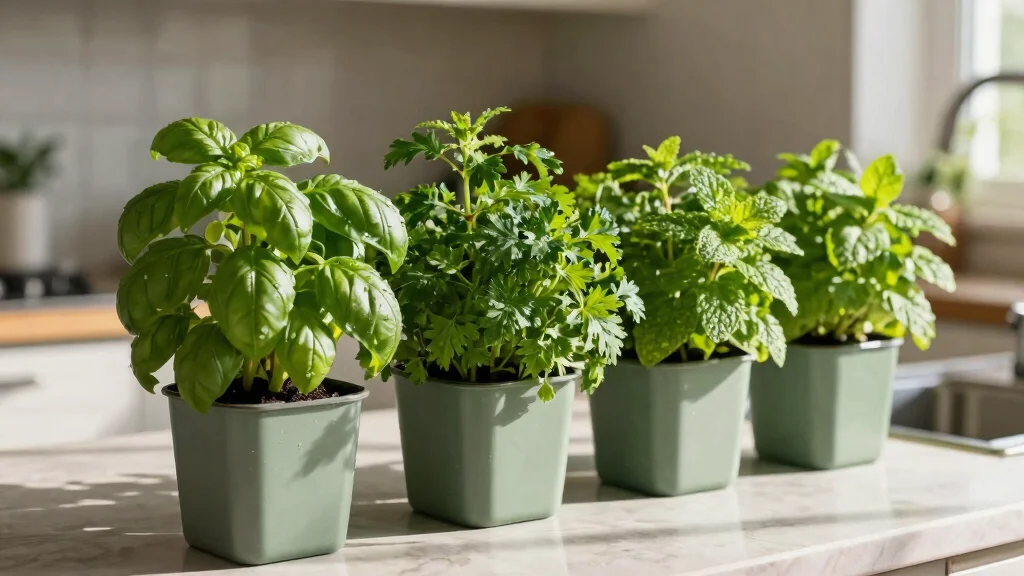
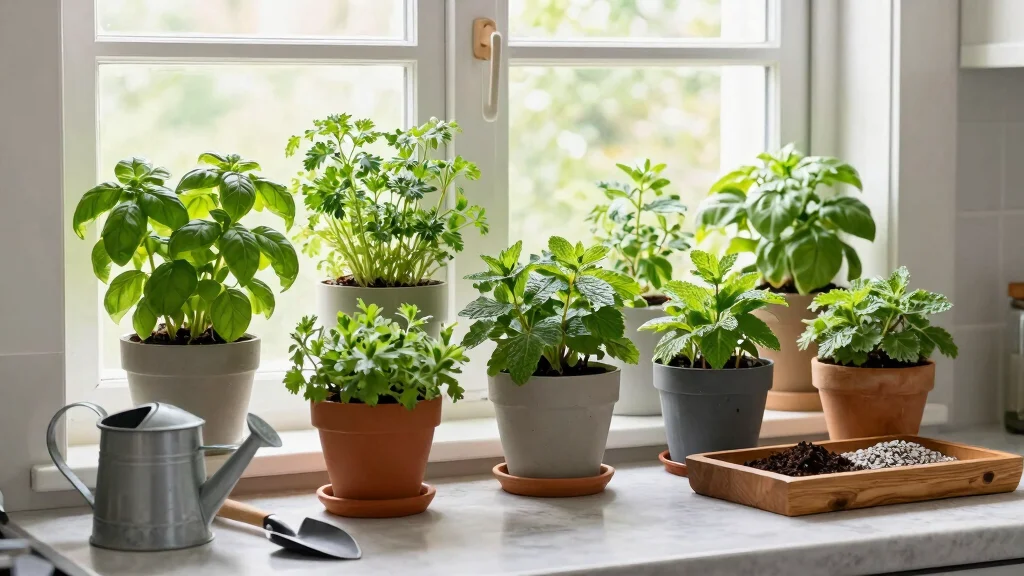
Do you miss the flavors of fresh herbs in your cooking? Indoor herb gardens can bring that joy right to your kitchen, allowing you to grow your favorites all year round. With the right setup, you can cultivate a thriving herb bed indoors, adding life and flavor to your meals.
For a successful indoor herb garden, ensure you have ample natural light or invest in grow lights. Opt for pots with good drainage, and select herbs that thrive indoors, such as basil, mint, and chives.
Consider using tiered shelves or attractive window boxes to showcase your herbs. Position them where they’ll receive direct sunlight, and maintain humidity levels by misting them occasionally. Regularly check for pests, and don’t forget to prune your herbs to encourage healthy growth and keep them lush and full.
📹 Related Video: HERB GARDENS BEGINNERS GUIDE || HOW TO || GARDEN BASICS
Indoor Herb Gardens: Fresh Flavors Year-Round
Editor’s Choice

Sereniseed Certified Organic Herb Seeds (10-Pack) – Non GMO, Heirloom …
4. Companion Planting with Herbs: Boosting Growth
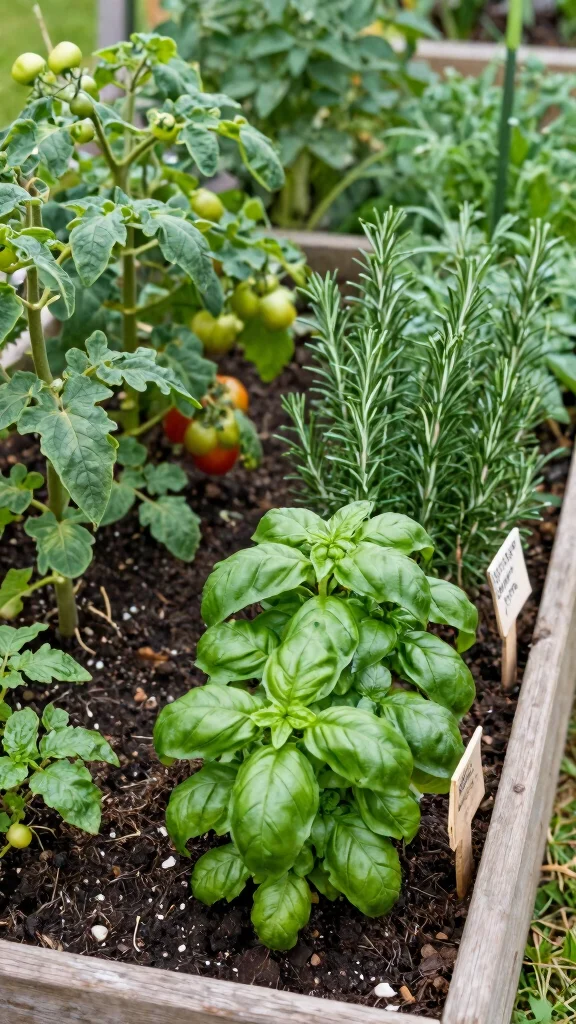
Looking to enhance your herb garden’s productivity? Companion planting is a clever strategy that pairs certain herbs together to promote growth and keep pests at bay. Creating a harmonious ecosystem within your herb bed can lead to healthier plants and a bountiful harvest.
Some popular combinations include basil with tomatoes for flavor enhancement, rosemary with carrots for improved growth, and chives with roses for added health benefits. These pairings not only foster plant health but also create a visually interesting garden.
When designing your herb garden, consider using raised beds to separate different companion plants. Regularly observe your garden to address any struggling plants and adjust their companions as needed. This approach not only boosts your harvest but also enriches your garden’s variety of textures and scents.
You might also like
Companion Planting with Herbs: Boosting Growth
Editor’s Choice

Herb Plant Food – Liquid Fertilizer for All Edible Herbs, Supports Fas…

Ahopegarden Indoor Garden Hydroponics Growing System: 10 Pods Plant Germ…
5. Herb Spiral: A Unique Growing Design
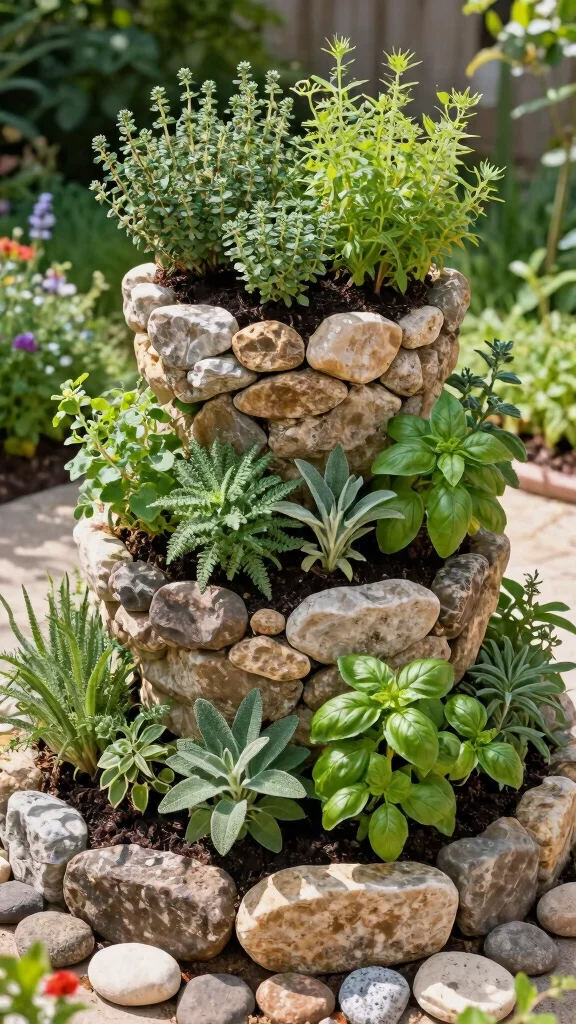
Have you ever considered a stunning way to grow herbs? The herb spiral is a unique design that maximizes space while creating different microclimates for your plants. This spiral structure allows various herbs to thrive side by side, each benefiting from tailored light and moisture levels.
Building an herb spiral is an engaging project that can include stones or bricks to form the spiral shape. Fill it with nutrient-rich soil, and plant herbs that suit varying conditions—drought-tolerant varieties at the top and moisture-lovers at the bottom.
Regular maintenance is crucial, so be mindful of watering according to each herb’s position. This beautiful design not only allows for diverse herbs to flourish but also serves as a striking feature in your garden.
Fun fact: an herb spiral can add up to 3× the planting area in a small space by stacking height. The varied microclimates let drought-tolerant herbs sit at the top while moisture-loving varieties stay lower, boosting success with less water.
Herb Spiral: A Unique Growing Design
Editor’s Choice

Virekm River Rocks, Decorative Ornamental Pebbles,Garden Landscaping Sto…
Burpee, 9 Quarts | Premium Organic Potting Natural Soil Mix Food Ideal f…
Sereniseed Certified Organic Herb Seeds (10-Pack) – Non GMO, Heirloom …
6. Hanging Herb Gardens: Stylish and Functional
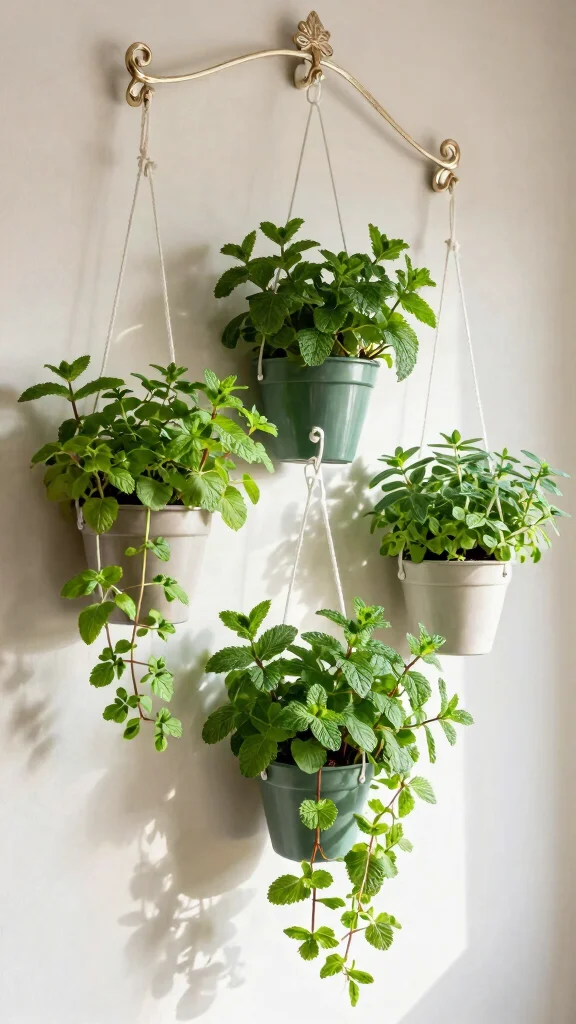
Are you short on space but still want to grow your own herbs? Hanging herb gardens are a stylish and functional solution that allows you to cultivate herbs in pots suspended from walls or ceilings. This eye-catching approach adds charm to any room while saving valuable floor space.
With a versatile design, you can arrange pots in numerous configurations for a unique look. Hanging herb gardens are ideal for small balconies or kitchens, ensuring easy access to fresh flavors whenever you need them.
To create your hanging garden, choose lightweight pots and sturdy hooks. Mix trailing herbs like mint with upright varieties for a stunning visual contrast. Regularly check for moisture, as these pots may dry out faster than traditional beds, ensuring your herbs remain healthy and vibrant.
Fun fact: Hanging herb gardens can reclaim up to 60% more floor space in tiny kitchens. Line pots along walls or from ceilings for easy access to fresh flavors, while keeping counters clear for cooking prep. Start small and expand as you go.
Hanging Herb Gardens: Stylish and Functional
Editor’s Choice

Set of 2-10 Inch Hanging Planters for Indoor Plants with Self-Watering I…

ESFUN 6 Pack 12 inch Extra Large S Hooks Black Heavy Duty Long S Hooks f…
TOREVSIOR 5-Tier Vertical Raised Garden Bed, Vertical Garden Planter wit…
7. Container Herb Gardens: Flexibility and Mobility

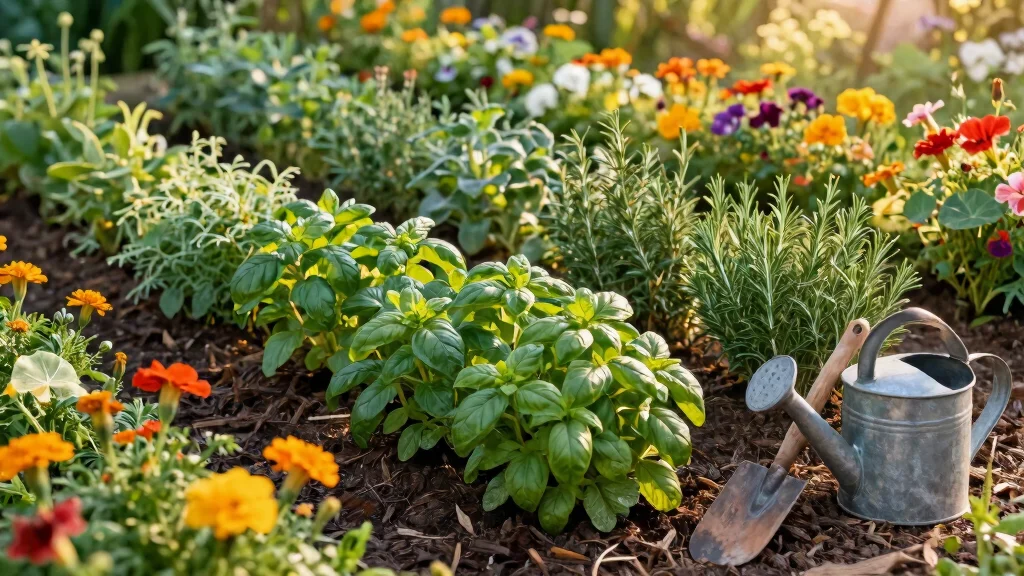
Do you want the freedom to move your plants around? Container herb gardens offer incredible flexibility and mobility, allowing you to adjust their location for optimal light exposure or weather conditions. This method is perfect for limited spaces or for adding greenery to patios and decks.
With container gardens, you can easily relocate pots as needed and experiment with various containers to suit your decor style. Plus, you can create custom soil mixes tailored to each herb’s needs.
Select containers that enhance your space, whether they are decorative ceramic pots or creatively recycled materials. Ensure proper drainage to prevent root rot, and consider popular herbs like chives, cilantro, and dill for a thriving container garden. Regular maintenance, including watering and pruning, will keep your herbs healthy and productive.
You Might Also Like

Container Herb Gardens: Flexibility and Mobility
Editor’s Choice
Burpee, 9 Quarts | Premium Organic Potting Natural Soil Mix Food Ideal f…

Sun Moon Stash Container Half Oz (250ml), Ceramic Cute Stash Jar Contain…

MOONSOUND Self Watering Globes for Plants – 10pcs Automatic Watering Bul…
8. Seasonal Herb Beds: Adapt to Changing Climates

How can you keep your herb garden thriving throughout the year? Creating seasonal herb beds allows you to adapt your herb selection based on changing climates, ensuring a fresh supply of herbs at all times. This strategy maximizes your garden’s productivity while showcasing seasonal beauty.
To manage seasonal herb beds effectively, rotate your crops according to the seasons, and choose hardy varieties that can tolerate temperature changes, such as thyme and rosemary. Planning for succession planting ensures that as one crop is harvested, another can take its place.
Utilizing raised beds can make crop rotation easier and enhance soil management. With thoughtful planning, your herb garden can provide fresh ingredients year-round, celebrating the diverse beauty and bounty of herbs in every season.
Seasonal Herb Beds: Adapt to Changing Climates
Editor’s Choice

HOME GROWN Herb Garden Planter Indoor Kit – Unique Christmas Gift for …

4-in-1 Soil Moisture Meter Digital PH Meter/Soil Moisture/Plant Temperat…

Yaheetech 8×2ft Wooden Horticulture Raised Garden Bed Divisible Elevate…
Conclusion: Cultivating Your Dream Herb Garden

Transforming your space into a dedicated herb growing sanctuary is an invigorating journey. Whether you choose vertical beds, companion planting, or seasonal rotations, the possibilities are endless!
Embrace your creativity and personal style while enjoying the many benefits of fresh herbs. Every small step towards cultivating your herb garden contributes to a more sustainable and flavorful lifestyle.
Note: We aim to provide accurate product links, but some may occasionally expire or become unavailable. If this happens, please search directly on Amazon for the product or a suitable alternative.
This post contains Amazon affiliate links, meaning we may earn a small commission if you purchase through our links, at no extra cost to you.
Frequently Asked Questions
Question: What are the best ideas to create a dedicated herb bed in a small space, including vertical and raised options?
Creating a dedicated herb bed in a small space is totally doable with vertical or raised ideas. Start by assessing sun exposure (most herbs love 6–8 hours of sun) and decide between a vertical wall planter, stacked crates, hanging pockets, or a shallow raised bed as part of your herb garden design. Choose containers with good drainage and a light, fertile soil mix (quality potting mix plus compost).
Group herbs by sun and water needs to keep care simple. Good combos for small spaces: basil, oregano, thyme, and chives together, and keep mint in a separate container to prevent spreading. Mulch to reduce evaporation, water consistently, and harvest regularly to encourage growth. With a little planning, your herb bed becomes a productive vertical herb garden that fits even a balcony.
Question: How can raised herb beds improve herb garden design and make maintenance easier?
Raised herb beds offer better drainage, soil control, and defined space for a tidy herb bed. Design tips: decide on bed size (e.g., 2×4 feet), choose materials that’s safe for food plants, and keep bed height accessible for maintenance. Fill with a mix of loamy soil and compost, add a thin layer of mulch, and consider drip irrigation for steady moisture. Layout with zones for sun-loving vs shade-tolerant herbs to support a cohesive herb garden design. For maintenance, rotate herbs, refresh soil each season with compost, and edge the bed to keep weeds down. A raised bed also makes indoor herb garden ideas easier to scale by transporting containerized sections inside during winter.
Question: Which herbs are best for companion planting, and how can I combine them in a herb bed for indoor or outdoor use?
Companion planting herbs boosts pest control and yields. In a small herb bed, plant together with compatible partners: basil with tomatoes, dill with cucumbers, chives with lettuce, thyme with peppers, and rosemary near carrots. For an indoor setup, use mobile containers so you can rearrange companions as needed and ensure adequate light. When planning, consider root depth and water needs to keep companions happy. Practice crop rotation and harvest frequently to maximize air circulation and reduce disease risk. The result is a thriving herb bed that feels like a tiny edible garden and helps with overall herb garden design.
Question: What should I know to start an indoor herb garden for year-round harvesting?
Starting an indoor herb garden is a great way to enjoy fresh flavors year-round. Pick a sunny spot or install a grow light that provides 12–16 hours of light daily. Use compact containers or a tiered rack to fit your space, and choose herbs that perform well indoors, like basil, cilantro, parsley, chives, and thyme. Use a light, well-draining soil mix and water when the top inch is dry. Consider a small drainage tray and wipe spills to keep the area tidy. For a continuous harvest, prune regularly and rotate herbs so none becomes top-heavy. If you’re tight on sunlight, switch to a wall-mounted or shelf-placed indoor herb garden that doubles as decor.
Question: What are practical herb bed maintenance tips to keep a herb bed productive through the seasons?
Maintenance tips to keep your herb bed productive: harvest early and often to encourage new growth; prune to keep plants bushy; water consistently without waterlogging; mulch to conserve moisture and suppress weeds.
Watch for pests and diseases and treat early with organic options; refresh soil annually with compost and a light top-dress; rotate herbs when replanting to prevent soil-borne issues; for vertical or raised beds, check drainage after rain and adjust watering; winterize by moving sensitive herbs indoors or giving them frost protection. With these practices, your herb bed maintenance pays off with continuous yields.
Related Topics
herb bed
vertical gardening
raised herb beds
indoor herb garden
companion planting
small space gardening
beginner friendly
herb garden design
easy maintenance
productive gardening
urban gardening
DIY herb garden