
Creating a stunning herb garden layout can transform your home, especially if you’re short on space. The desire to have fresh herbs at your fingertips has motivated me to put together this post. Whether you’re dreaming of a fragrant basil plant or a vibrant cilantro patch, there are ways to make it happen, even in limited areas. This guide is perfect for you if you love gardening but feel restricted by your small space.
If you’re someone who enjoys cooking with fresh ingredients or simply appreciates the joy of gardening, you’ll find this post inspiring. I compiled eight creative herb garden layout ideas that are not only functional but also visually appealing. You’ll discover designs that maximize your area and help you organize your herbs beautifully, ensuring they thrive while adding a touch of charm to your home.
Let’s dive into these exciting ideas that will help you create a delightful herb garden layout. You’ll get practical tips and inspiration to start your gardening journey today.
Key Takeaways
– Explore creative layouts: Discover eight unique herb garden layout ideas tailored for small spaces, including vertical and raised bed options.
– Embrace vertical gardening: Learn how vertical herb gardens maximize your area, making them perfect for balconies or small backyards.
– Utilize companion planting: Find out how to combine herbs that support each other’s growth, enhancing both flavor and health.
– Enhance accessibility: Get tips on designing your herb garden for easy access, ensuring you can reach your plants without hassle.
– Add beauty to your space: Understand how organizing herbs visually can make your garden not just functional, but also a stunning focal point in your home.
1. Stacked Vertical Planters
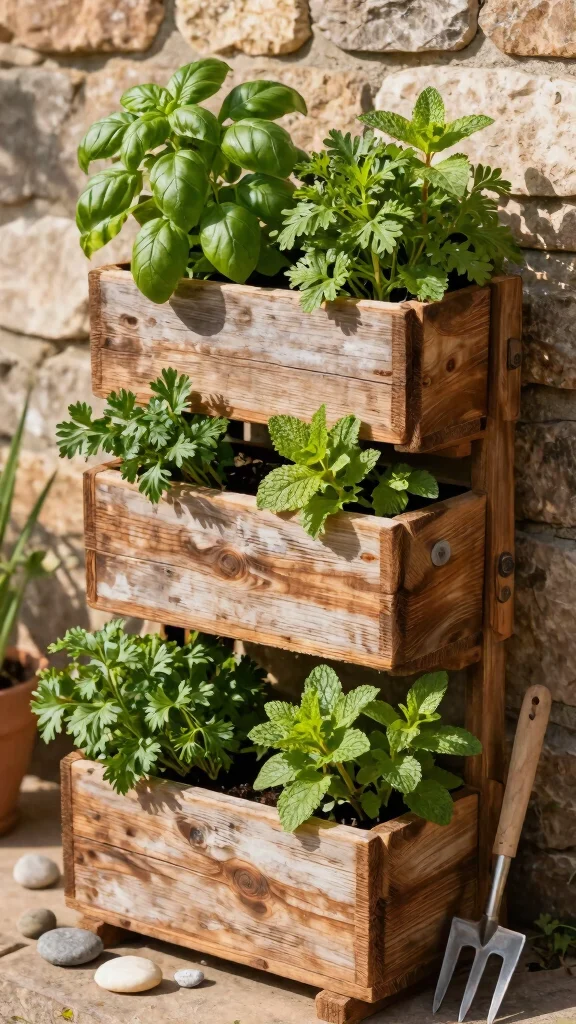
Looking to maximize your gardening space without sacrificing style? Stacked vertical planters offer a fantastic solution, allowing you to display a variety of herbs beautifully. These charming structures can be crafted from wood or even upcycled pallets, adding a rustic flair to your garden.
By stacking planters, you save valuable ground space while creating an eye-catching display. Each tier can hold different herbs, and you can easily adjust their positioning based on sunlight needs. For example, place taller herbs like parsley at the bottom and let trailing herbs like mint cascade down from the top.
Tips for implementing stacked planters:
– Choose lightweight materials for easy rearranging.
– Ensure there’s proper drainage by drilling holes in each tier.
– Group herbs with similar sunlight and watering needs for optimal growth.
A stacked vertical planter not only serves a practical purpose but also becomes a stunning focal point in your outdoor space.
Stacked Vertical Planters
Editor’s Choice

G TALECO GEAR 5-Tier Vertical Garden Planter, 4.4Ft Vertical Raised Gard…


Grenebo Gardening Tools 9-Piece Heavy Duty Garden Hand Tools with Fashio…
Herb Garden Starter Kit – Fruivity 12800+ 15 in 1 Herb Heirloom Seed K…
2. Wall-mounted Herb Garden

Want to turn a bare wall into a vibrant garden? A wall-mounted herb garden adds both functionality and charm to any compact area. This layout is perfect for patios, balconies, or even kitchen walls, utilizing wall-mounted pockets or hanging containers to create a lush vertical display.
The beauty of a wall-mounted garden lies in its ability to conserve ground space while offering a diverse array of herbs. You can mix and match container colors and shapes to add an artistic flair to your gardening.
Key points to consider:
– Select sturdy wall planters capable of supporting soil and plants.
– Choose herbs that thrive in similar conditions; for instance, sun-loving herbs like thyme and rosemary can share a spot.
– Rotate your herbs periodically for a fresh look and to prevent wear on any one area of the wall.
A wall-mounted herb garden becomes more than just a planting area; it’s a statement piece that elevates your indoor or outdoor aesthetics.
Did you know a wall-mounted herb garden can double your growing space on a balcony? With hanging pockets, you can fit 6–8 herbs in a compact herb garden layout right at your kitchen wall.
Wall-mounted Herb Garden
Editor’s Choice

TOREVSIOR 5-Tier Vertical Raised Garden Bed, Vertical Garden Planter wit…
Herb Garden Starter Kit – Fruivity 12800+ 15 in 1 Herb Heirloom Seed K…

Barnyard Designs Indoor Herb Garden Planter Set with Tray, Metal Windows…
3. Vertical Trellis Garden

Are you ready to elevate your herb garden’s aesthetics? A vertical trellis garden combines practicality with stunning visuals, allowing climbing herbs like certain basils and peas to take advantage of vertical space.
The trellis not only supports the herbs as they grow but also creates an attractive backdrop in your garden. You can customize the trellis into various shapes—think arches, grids, or even artistic swirls to make your garden uniquely yours. Pairing herbs with climbing vegetables can also enhance growth through companion planting.
Great tips for a vertical trellis garden:
– Choose a robust trellis that can handle the weight of the herbs.
– Consider companion planting; herbs like basil and tomatoes often thrive together.
– Plant climbing herbs at the base for ample support as they grow upwards.
A vertical trellis garden elevates your culinary herbs to new heights, creating a captivating spectacle in your garden.
Vertical Trellis Garden
Editor’s Choice
25 Most Popular Herb Seeds Variety Pack – 11,700 Non-GMO Heirloom Seeds …

200 Pcs Plastic Trellis Plant Support Clips for Support, Grape and Tomat…
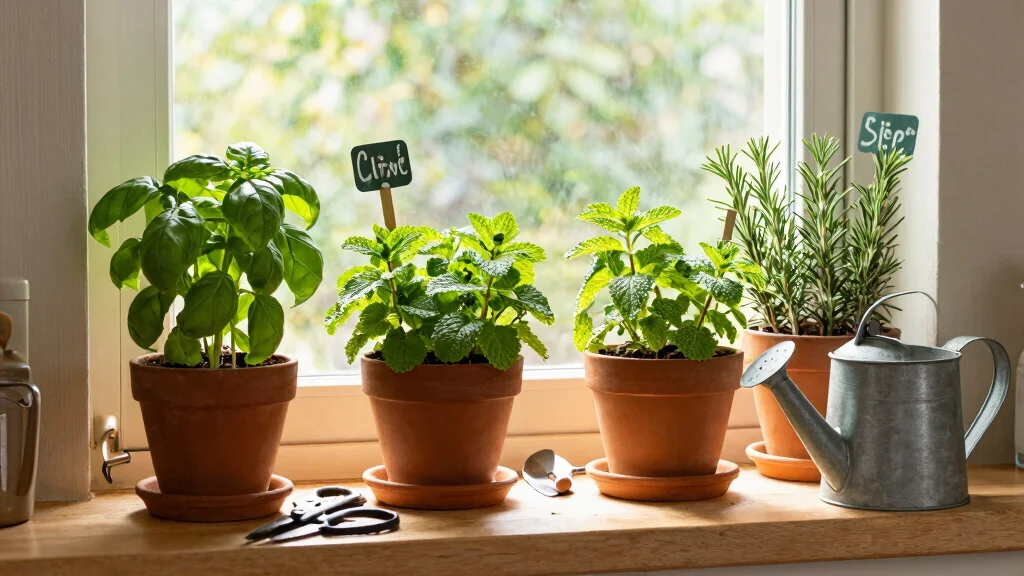
4. Hanging Herb Baskets

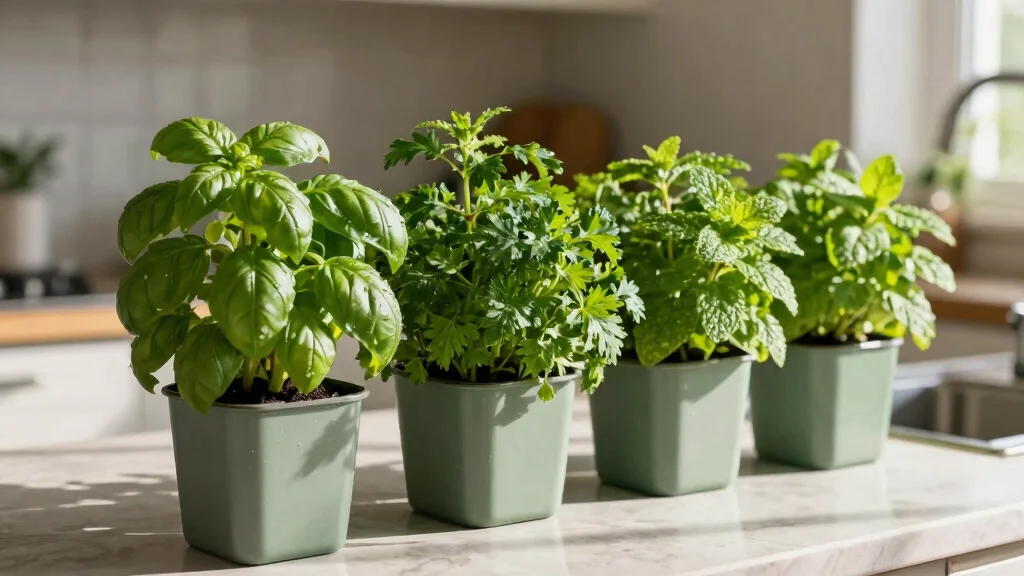
Are you looking for a charming way to add greenery without taking up ground space? Hanging herb baskets are an enchanting option that can be suspended from porches, ceilings, or walls, creating a delightful floating garden effect.
By using a mix of herbs that trail over the edges, like creeping thyme and oregano, you can achieve both beauty and accessibility. When selecting baskets, ensure they have good drainage and sufficient soil depth for healthy growth. Plus, keeping herbs off the ground helps protect them from pests!
Helpful tips for hanging herb baskets:
– Opt for lightweight baskets for easy hanging and rearranging.
– Regularly rotate your baskets to ensure even sunlight exposure.
– Ensure proper air circulation by spacing the baskets apart for optimal airflow.
Creating a cascading herb garden with hanging baskets adds vibrant energy to your gardening space, making it both functional and visually appealing.
📹 Related Video: DIY EASY HERB HANGING BASKETS
You might also like
Hanging Herb Baskets
Editor’s Choice

EIMQUVW 4 Pack Hanging Planter Basket with Coco Coin Liner 8 inch Hangin…
5. Raised Bed Herb Garden

Looking for a gardening method that simplifies care while enhancing growth? Raised bed gardens are a classic choice that provides excellent drainage and makes it easy to tend to your plants. By constructing a raised bed, you can customize the soil to perfectly suit your herbs, ensuring they thrive.
These beds can be designed in various shapes and sizes to fit almost any space, and their height means less bending over while you prune or harvest. Using companion planting, you can also place herbs alongside vegetables for added benefits.
Tips for creating a raised bed herb garden:
– Choose materials that align with your garden style, from rustic wood to modern composites.
– Position your bed for maximum sunlight, ideally six hours of sun daily.
– Use a blend of soil types—topsoil, compost, and mulch—for the best growing environment.
A raised bed herb garden invites a combination of practicality and beauty into your gardening experience, making your herbs easily accessible.
Raised Bed Herb Garden
Editor’s Choice

Garden Tools Set, 3 Pack Heavy Duty Gardening Tools Set Include Garden S…

Burpee, 9 Quarts | Premium Organic Potting Natural Soil Mix Food Ideal f…

Yaheetech 8×2ft Wooden Horticulture Raised Garden Bed Divisible Elevate…
6. Raspberry Herb Wall

Interested in a unique twist for your garden design? A raspberry herb wall combines the beauty of climbing raspberries with aromatic herbs, adding a refreshing element to traditional herb gardens. Raspberries provide structure and shade, allowing other culinary herbs to flourish nearby.
When set against a suitable fence or wall, the vibrant green raspberries paired with herbs like mint and sage create an inviting atmosphere. This setup encourages biodiversity and promotes overall plant health through companion planting principles.
Considerations for a raspberry herb wall:
– Ensure your wall or fence can support the weight of the raspberries.
– Plant herbs like mint and chives at the base to benefit from shade and moisture without overwhelming the space.
– Allow plenty of sunlight and air circulation as the raspberry plants grow taller.
A raspberry herb wall not only provides culinary delights but also becomes a lush, textured feature that attracts pollinators and adds magic to your garden.
Fun fact: a raspberry herb wall on a 6-foot fence can become a productive vertical micro-garden, layering berries and herbs in as little as 18 square feet. Plant raspberries on the trellis and tuck mint and sage beneath to boost airflow and flavors in your herb garden layout.
Raspberry Herb Wall
Editor’s Choice
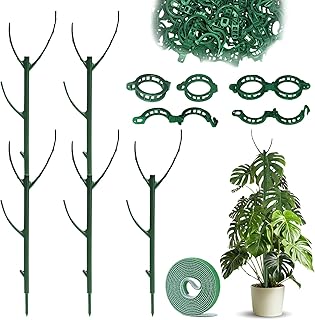
5pack Adjustable Plant Support Pole – Stackable Indoor/Outdoor Support…

3 Plugs Raspberry Plants Live for Planting, Starter 3-5″ in Tall, Sweet …

Culinary Indoor Herb Garden Starter Kit | Deluxe Herb Seeds | 12 Non-GMO…
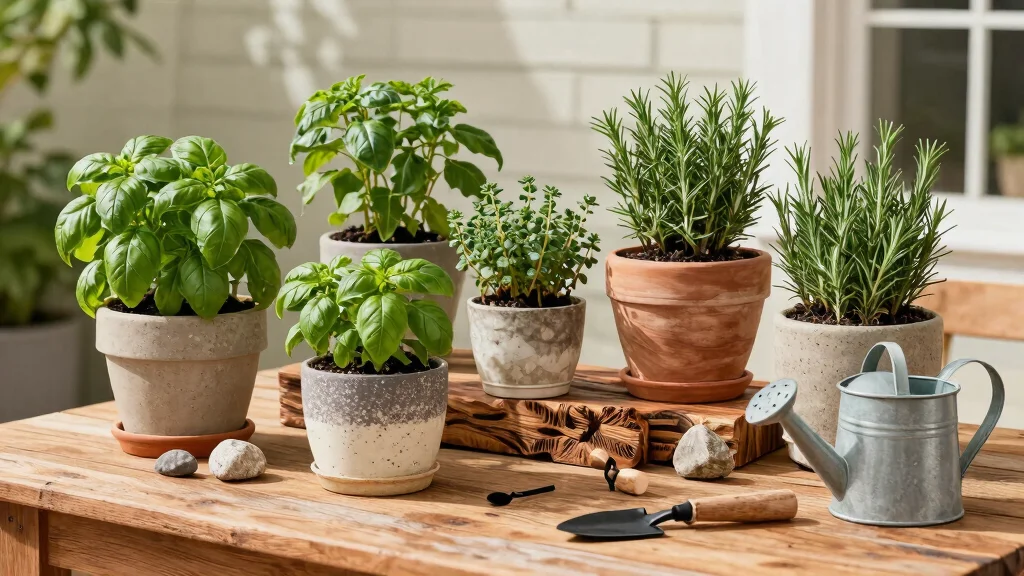
7. Herb Spiral Garden

Want to create a stunning, space-efficient garden? An herb spiral garden is an innovative design that maximizes vertical space and offers varying microclimates for different herbs. This spiral structure allows you to cultivate herbs that prefer diverse conditions—some thriving in dry, sunny spots while others enjoy a bit more moisture.
Building a herb spiral can be an enjoyable DIY project. By stacking stones or bricks into a spiral, you create a beautiful focal point. At the top, you might plant drought-tolerant herbs like rosemary, while the base can host moisture-loving herbs such as mint.
Tips for crafting an herb spiral:
– Use local stones or materials that fit your garden aesthetic.
– Plan your herb placement based on their sun and water needs, arranging them from sun-loving at the top to shade-loving at the bottom.
– Incorporate companion plants to enhance growth and deter pests.
Crafting a herb spiral garden is a stunning way to blend beauty and functionality, delighting both your eyes and your culinary adventures.
You Might Also Like

Key Trade-offs & Our Top Pick
Option Comparison
1. Stacked Vertical Planters
– Pros:
– Maximizes vertical space, ideal for small areas.
– Easy access for watering and harvesting.
– Cons:
– Requires frequent watering as soil dries out quickly.
– May need to be secured to prevent tipping.
– Best for: Urban gardeners with limited ground space looking for a decorative touch.
2. Wall-mounted Herb Garden
– Pros:
– Saves floor space while adding visual interest.
– Can be made from repurposed materials, making it eco-friendly.
– Cons:
– Limited space for larger plants.
– May need regular maintenance to keep plants healthy.
– Best for: Homeowners who want an attractive feature on their walls and enjoy DIY projects.
3. Vertical Trellis Garden
– Pros:
– Encourages climbing plants, enhancing growth and air circulation.
– Can be integrated into existing garden structures for a cohesive look.
– Cons:
– Requires installation time and effort.
– Not all herbs climb well; some may need support.
– Best for: Gardeners who want to grow trailing herbs alongside climbing vegetables.
4. Hanging Herb Baskets
– Pros:
– Adds height and drama to your garden space.
– Great for herbs like basil and mint that prefer a bit of shade.
– Cons:
– Difficult to water without making a mess.
– Wind can cause the baskets to swing or tip over.
– Best for: Those looking to enhance patio or balcony spaces with a stylish herb display.
5. Raised Bed Herb Garden
– Pros:
– Easier on the back for planting and maintenance.
– Improved drainage and soil quality.
– Cons:
– Requires more ground space compared to vertical options.
– Initial setup can be labor-intensive and costly.
– Best for: Gardeners with ample space who want a more traditional herb garden layout.
Expert Recommendation:
Best Overall: Stacked Vertical Planters
This option stands out for most gardeners because it combines space efficiency with stylish design. You can grow multiple herbs in a relatively small area while enjoying easy access for care and harvesting. Plus, stacked planters are often affordable and can last for many seasons with proper care.
Why We Picked This:
Each option in this comparison has its merits and drawbacks. While stacked vertical planters are great for maximizing small spaces, those with more room might prefer raised beds for overall yield. DIY enthusiasts may lean towards wall-mounted gardens for their creativity, while hanging baskets offer a unique aesthetic. Ultimately, your choice should reflect your space, budget, and personal gardening style.
Herb Spiral Garden
Editor’s Choice

Plant Grow Ring DIY Kit, 40 Pcs Segments to Build 7/10/12.5 Inch Edging,…
Herb Garden Starter Kit – Fruivity 12800+ 15 in 1 Herb Heirloom Seed K…

XLUX Long Probe Deep Use Soil Moisture Meter, Water Monitor Indicator Se…
8. Companion Planting Rows
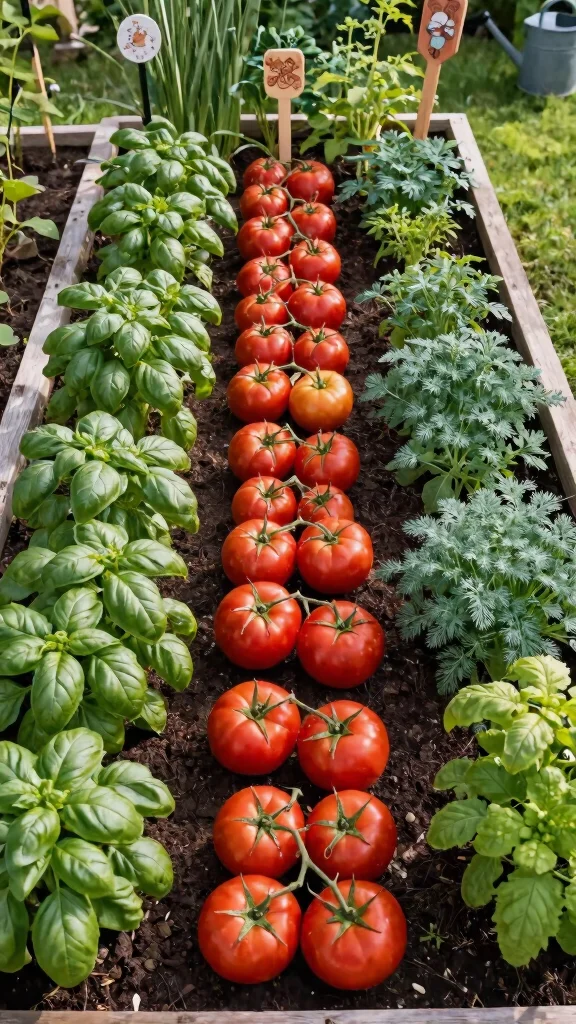
Looking to create a visually appealing and productive herb garden? Companion planting rows allow you to maximize the benefits of your garden by growing compatible herbs alongside vegetables or flowers. This layout enhances growth and flavor while naturally minimizing pests.
You can arrange your garden in traditional rows or adopt a more freeform approach, balancing aesthetics and utility. Rows of herbs like basil paired with tomatoes or dill alongside cucumbers not only provide culinary advantages but also contribute to a thriving ecosystem.
Important tips for companion planting:
– Research which herbs complement each other; for instance, basil enhances tomato flavor while deterring pests.
– Keep rows with similar watering needs to simplify care.
– Monitor plant heights to prevent taller plants from overshadowing their smaller companions.
Incorporating companion planting rows into your design brings order to your garden while deepening your connection with nature and the ingredients you cultivate.
Fun fact: In a compact herb garden layout, companion planting can cut pest pressure by up to 50%. Pair basil beside tomatoes, and dill with cucumbers to boost flavor and resilience.
Companion Planting Rows
Editor’s Choice

Keter Urban Bloomer 12.7 Gallon Raised Garden Bed and Outdoor Herb Garde…

Bonide Captain Jack’s Neem Oil, 32 oz Ready-to-Use Spray, Multi-Purpose …
Conclusion
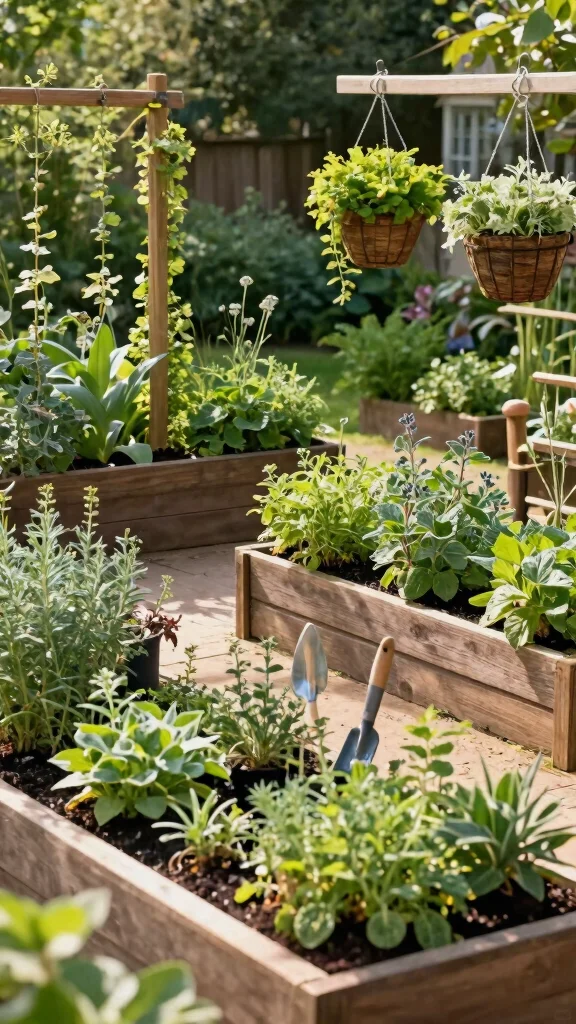
Creating your own herb garden layout can be a fun and satisfying project, especially when working with limited space. Each of these eight ideas offers a unique way to maximize your gardening potential while adding beauty to your home. Whether you choose vertical planters, hanging baskets, or companion planting rows, the right design will not only enhance your outdoor aesthetic but also provide you with fresh herbs for your culinary creations.
Why not start planning your herb garden today? Let your creativity flow and enjoy the process of cultivating your green oasis!
Note: We aim to provide accurate product links, but some may occasionally expire or become unavailable. If this happens, please search directly on Amazon for the product or a suitable alternative.
This post contains Amazon affiliate links, meaning we may earn a small commission if you purchase through our links, at no extra cost to you.
Frequently Asked Questions
What is the best herb garden layout for small spaces, especially with vertical options?
For a small space, start with a clear plan for your herb garden layout.
First, map sun exposure to know which herbs love full sun or partial shade.
Then lean into vertical options to save ground area: wall-mounted planters, ladder shelves, hanging baskets, and trellises can all stack herbs upward without crowding your patio.
Add a compact raised bed herbs area for spillover plants and easy access.
Group herbs by water needs and growth habit so you can water efficiently and avoid overwatering.
Finish with a simple color and accessibility plan so you can harvest without bending too much.
This approach keeps your herb garden design functional and stunning while making the most of a tiny space.
How can I maximize a tiny space with vertical herb garden ideas?
On a tiny balcony, vertical herb garden ideas are your best friend.
Start with rail planters, hanging pockets, and a tiered plant tower to stack herbs upward instead of outward.
Choose compact varieties and herbs that tolerate container life, like thyme, oregano, chives, and basil.
Make drainage easy with trays and saucers, and connect a simple drip line or a self-watering stake to cut chores.
Plan your layout by sun path and water needs, then label clearly so you can harvest by height and accessibility.
This vertical approach is a practical, stylish way to grow a flavorful herb garden on any small space while keeping the herb garden planning simple.
Which companion planting herbs should I include in my herb garden design to boost growth and flavor?
Companion planting herbs can boost flavor and reduce pest pressure in any herb garden design.
In practice, group basil with tomatoes to boost growth and deter pests, and plant dill near cucumbers and carrots to attract beneficial insects.
Parsley does well near peppers and other herbs, and chives can help keep aphids away when placed near roses or lettuce.
Avoid placing invasive mint directly with other herbs; instead keep mint in a separate container to protect your herb garden layout.
For a polished plan, map these companion planting herbs on your layout and rotate yearly in your raised bed herbs so you keep soil healthy and yields steady.
How do raised bed herbs fit into a stylish herb garden layout?
Raised bed herbs fit beautifully into a stylish herb garden layout by giving you control over soil, drainage, and access.
Use a shallow, well-draining bed for annual herbs and a deeper bed for thyme, rosemary, or sage.
Arrange beds in clean lines or a curved bed that echoes your space, with a few vertical elements like a trellis or hanging basket on the border to add height.
Label each herb and plan a staggered harvest pattern so the bed remains productive all season.
Raised bed herbs also help you define your space visually, making a compact herb garden design feel cohesive and premium.
What are essential steps in herb garden planning to create a stunning layout?
Start by surveying your space and deciding on a layout style—grid, curved bed, or a vertical stack.
Then list herbs by sun and water needs and group them accordingly as part of your herb garden planning.
Choose a color palette and a mix of textures so the layout remains visually appealing across seasons.
Incorporate vertical elements and raised beds to maximize small spaces and simplify care.
Map irrigation and drainage to keep herbs thriving, and plan for rotation and expansion so your herb garden layout stays productive year after year.
Related Topics
herb garden layout
vertical herb garden
small space gardening
raised bed herbs
companion planting
herb garden design
beginner friendly
easy gardening
urban gardening
sustainable herbs
garden planning
DIY herb garden