
Growing your own herbs can be a delightful escape from the everyday hustle and bustle. This time of year always reminds me of the joy I find in my herb garden, where fresh scents and vibrant colors create a little oasis in my backyard. If you’re someone who loves gardening or just wants a touch of greenery in your outdoor space, this one’s for you. Whether you’re a seasoned gardener or a curious beginner, there’s something magical about nurturing plants and watching them flourish before your eyes.
In this blog post, I’ve pulled together 9 herb garden outdoor ideas that are practical, creative, and perfect for any space. From vertical gardens to container gardening, I’ll guide you through ways to grow a beautiful and productive herb garden. You’ll gain tips that not only enhance your gardening skills but also bring a sense of sustainability to your outdoor space. So, grab your gardening gloves and let’s dig into these inspiring ideas that can transform your garden into a thriving herb haven.
Key Takeaways
– Vertical Herb Garden: Utilize wall space for a stunning vertical herb garden, perfect for small yards or patios. This method saves space and allows for easy access during cooking.
– Container Gardening: Discover the benefits of container gardening for herbs. This technique offers flexibility, as you can move pots to catch the best sunlight and protect herbs from harsh weather.
– Herb Spiral Garden: Learn how to create a herb spiral, which maximizes space and provides various microclimates. This design not only looks beautiful but also promotes healthy herb growth.
– Companion Planting: Understand how companion planting with herbs can boost your garden’s productivity. Some herbs can repel pests or enhance the flavor of nearby plants.
– Sustainable Practices: Explore sustainable herb gardening tips. These practices minimize waste and help support local ecology, making your garden not just beautiful but environmentally friendly.
1. Vertical Herb Garden on a Wall

Want to make the most of limited outdoor space? A vertical herb garden can transform your wall or fence into a lush, green paradise. This stylish solution not only saves space but also adds beauty and freshness to your garden. You can easily grow herbs like thyme, oregano, and lettuce, which thrive when given vertical support.
Using this method, you’ll have easy access to fresh herbs whenever you need them. Plus, it enhances air circulation and light exposure for your plants, promoting their growth. Create a stunning visual impact that will impress anyone who visits!
Ingredients:
– Wall-mounted planters
– Hanging pots
– Lightweight potting soil
– Herbs (thyme, oregano, lettuce)
Instructions:
1. Choose a sunny wall or fence for your garden.
2. Mount wall planters securely to avoid accidents.
3. Fill pots with lightweight potting soil.
4. Plant your herbs according to their sunlight needs.
5. Water regularly, and consider adding a drip irrigation system for convenience.
FAQs:
– Can I use regular pots? Yes, just ensure they are lightweight and secured properly.
– Can I grow herbs indoors? Yes, with enough sunlight and proper care, herbs can thrive indoors.
Vertical Herb Garden on a Wall
Editor’s Choice

Seed Needs Herb Seeds Variety Pack Culinary Herb Collection (12 Individu…


TOREVSIOR 5-Tier Vertical Raised Garden Bed, Vertical Garden Planter wit…

T4U 4 Pack 6 Inch Self Watering Pots – Water Level Indicator & Deep Rese…
2. Container Gardening for Herbs
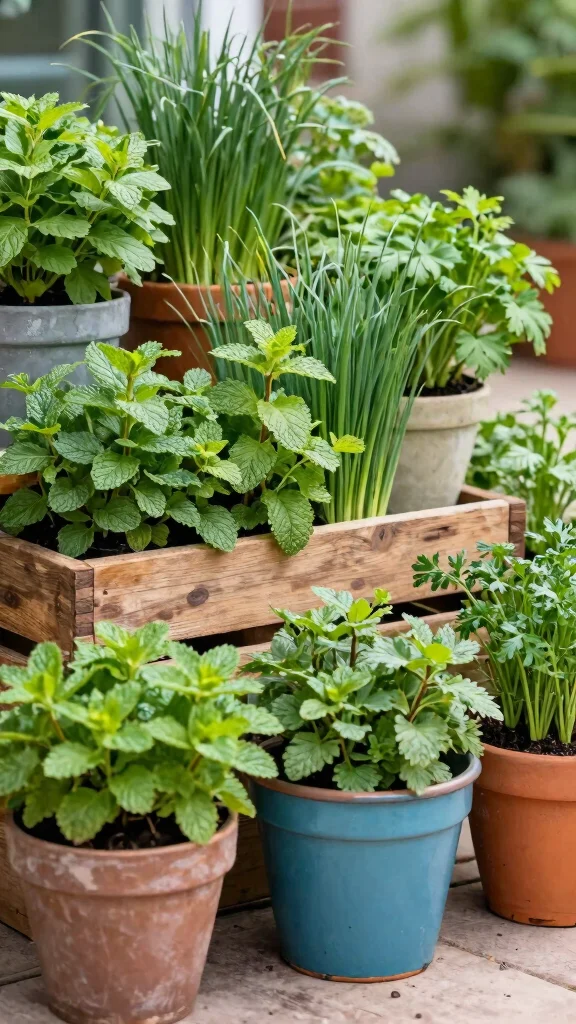
Are you looking for a flexible way to grow your herbs? Container gardening allows you to design your herb garden exactly how you want it. Perfect for small spaces, you can use pots of different sizes, colors, and materials to create a unique display. Herbs like parsley, chives, and mint flourish in containers, making this method a fantastic choice.
Combine various herbs in a single large pot for a beautiful arrangement, or keep them in individual pots for a tidier look. This versatility lets you personalize your garden while making it easy to care for your plants.
Ingredients:
– Pots of varying sizes (ceramic, terracotta, plastic)
– Potting soil
– Herbs (parsley, chives, mint)
Instructions:
1. Choose pots with good drainage holes.
2. Fill each pot with high-quality potting soil.
3. Plant herbs according to their needs, spacing them properly.
4. Water thoroughly and place pots in a sunny area.
5. Regularly check soil moisture and adjust watering as necessary.
FAQs:
– Can I use old containers? Yes, just ensure they are clean and have drainage.
– Can I mix herbs and flowers in one pot? Yes, just make sure their needs align.
Fun fact: 60% of urban gardeners grow herbs in containers to maximize flavor in compact spaces. For your herb garden outdoor, mix pots of varying sizes and colors, group herbs with similar sun needs, and enjoy a lush, productive display on a balcony.
3. Herb Spiral Garden
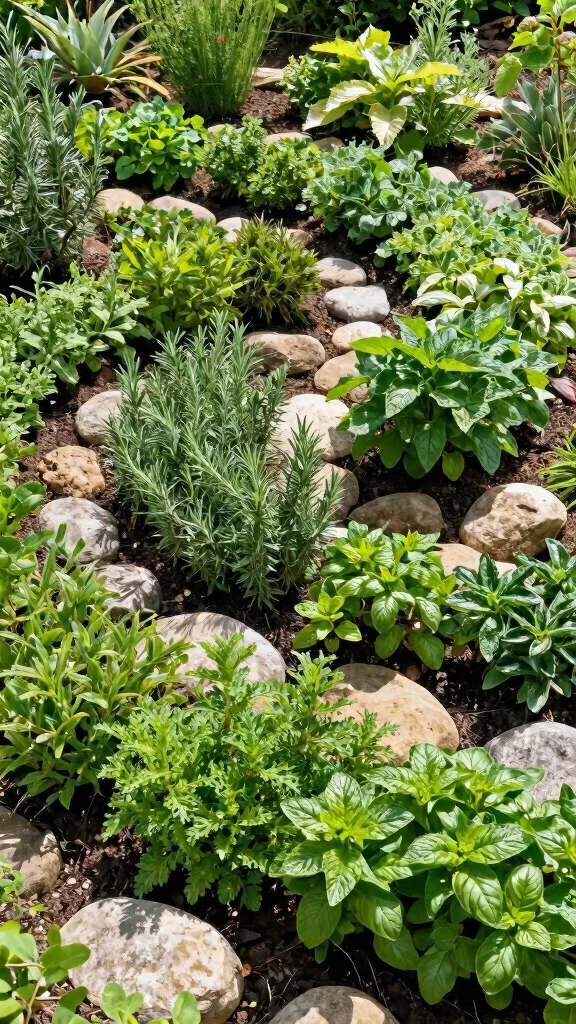
Looking for a creative way to grow herbs? An herb spiral garden is both functional and beautiful, allowing you to cultivate a variety of herbs in a compact space. This spiral design creates different microclimates, catering to the needs of various herbs.
Start by building a circular or spiral raised bed. The top will be sun-drenched and drier, perfect for Mediterranean herbs like rosemary and sage, while the base stays moist, ideal for mint and basil. You’ll be amazed at how well diverse herbs can thrive together!
Ingredients:
– Untreated wood or stone for structure
– High-quality compost
– Herbs (rosemary, sage, mint)
Instructions:
1. Construct a spiral or circular raised bed using your chosen materials.
2. Fill it with rich compost for nutrient-dense soil.
3. Plant herbs according to their preferred conditions.
4. Water regularly, ensuring different zones stay suitable for each herb.
FAQs:
– Can I build this in a small yard? Yes, herb spirals are perfect for small spaces.
– Can I use this method for flowers? Yes, it works well for many plants, not just herbs.
Fun fact: An herb spiral can double usable space—up to 50% more herbs per square foot—by creating microclimates. Rosemary and sage thrive on the sunny top, while mint and basil stay moist at the base. Grow more in a compact herb garden outdoor.
Herb Spiral Garden
Editor’s Choice

Sow Right Seeds – 15 Herb Garden Seed Collection for Planting – Essentia…

XLUX Long Probe Deep Use Soil Moisture Meter, Water Monitor Indicator Se…
Gift for Women, Mom, Her – 9 Herb Indoor Window Garden Kit | Complete …
4. Companion Planting with Herbs
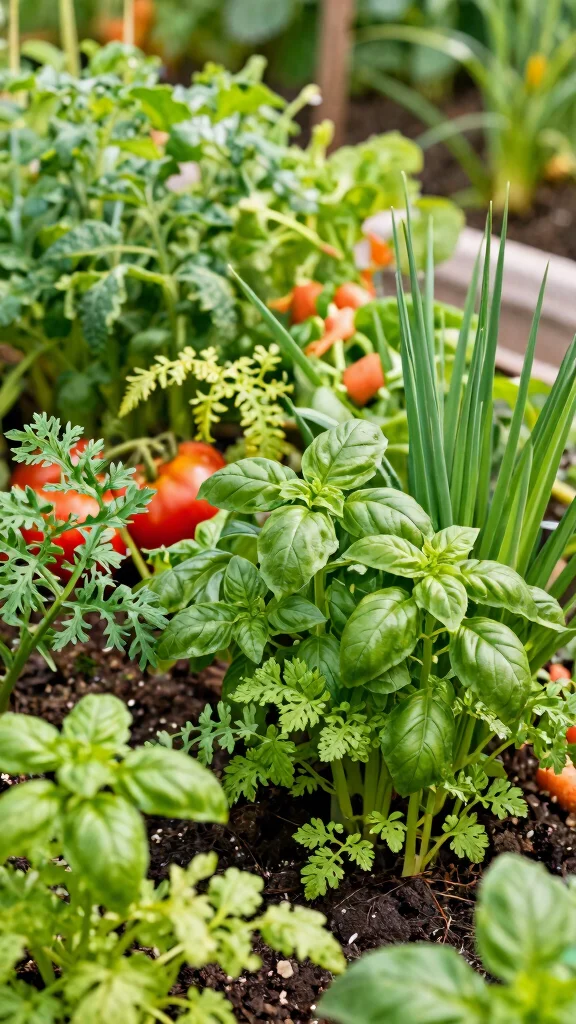
Want to supercharge your herb garden? Companion planting is a fantastic technique that enhances growth by pairing herbs with compatible plants. This method creates a beneficial ecosystem, allowing plants to thrive together. For example, basil planted near tomatoes can improve their flavor, while mint next to cabbage helps deter pests.
By using companion planting, you can boost your herb yield and minimize the need for chemical pesticides. It’s an easy way to create a thriving garden that supports itself!
Ingredients:
– Herbs (basil, mint, chives, cilantro)
– Vegetables (tomatoes, carrots, spinach)
Instructions:
1. Research compatible plants for optimal pairings.
2. Plant herbs alongside vegetables in your garden bed.
3. Monitor plant health and adjust as needed.
4. Rotate plantings each season to maintain soil health.
FAQs:
– Can I mix different herbs? Yes, but ensure they have similar sunlight and water needs.
– Can I use this method in containers? Absolutely, it works well in pots too!
📹 Related Video: The Perfect Match: Herb Garden Guide – A Guide to Companion Planting Your Herb Garden
Companion Planting with Herbs
Editor’s Choice

Carrots Love Tomatoes: Secrets of Companion Planting for Successful Gard…

Pest Rodent Repellent, 24 Pack Peppermint Oil Repellent for Mouse Rats S…

Ahopegarden Indoor Garden Hydroponics Growing System: 10 Pods Plant Germ…
5. Raised Garden Beds for Herbs
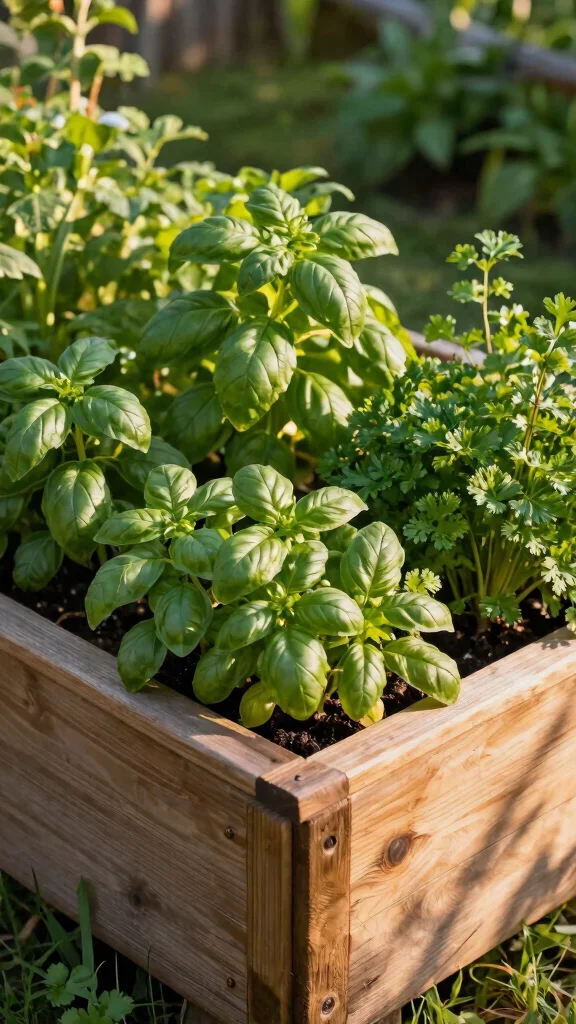
Are you ready to elevate your herb gardening game? Raised garden beds offer excellent drainage and soil quality, making them perfect for cultivating a wide range of herbs. You can customize the dimensions to fit your space, whether it’s a small backyard or a rooftop garden.
Build your raised bed using untreated wood or bricks, and fill it with nutrient-rich soil for optimal growth. This method not only makes access easier but also gives you better control over the soil conditions.
Ingredients:
– Untreated wood or bricks for raised bed
– Quality soil mix
– Herbs of your choice
Instructions:
1. Construct your raised bed to the desired size.
2. Fill with high-quality soil mix.
3. Plant herbs, ensuring proper spacing.
4. Water regularly and monitor growth.
5. Rotate herbs seasonally to maintain soil health.
FAQs:
– Can I use treated wood? It’s best to avoid treated wood to prevent chemical leaching.
– Can I plant flowers in the same bed? Yes, just ensure they have similar care needs.
Fun fact: Raised beds drain about 40% better than traditional in-ground plots, turning your herb garden outdoor into a low-maintenance success. You can customize dimensions to fit any space, and use untreated wood or bricks with nutrient-rich soil for herbs like basil, thyme, and rosemary.
You might also like
Raised Garden Beds for Herbs
Editor’s Choice

Landscape Edging Garden Edging Border Faux Stone Edging,17FT x 2.75 in T…
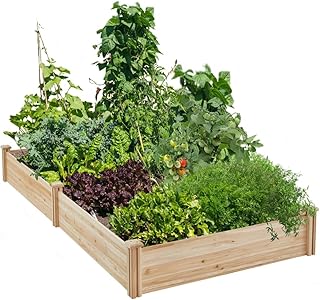
Yaheetech 8×4ft Wooden Horticulture Raised Garden Bed Divisible Elevate…

Miracle-Gro Organic Outdoor Potting Mix – Plant Soil for Outdoor Contain…
6. Herb Garden in a Bottle
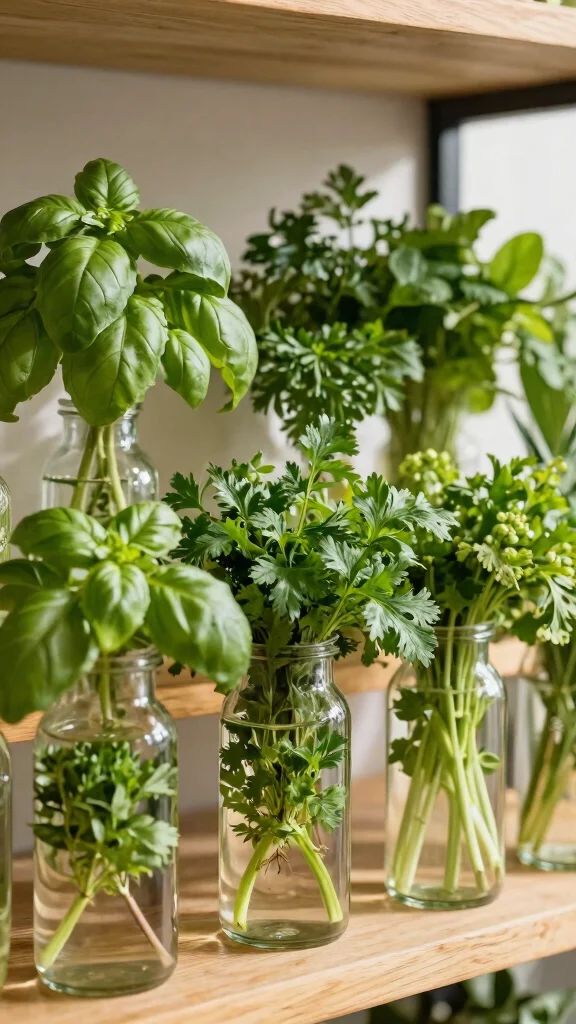
Want a fun and unique herb gardening project? Creating a herb garden in a bottle is an innovative way to bring greenery into your home. Using clear bottles or jars, you can grow small herbs like basil, parsley, or even tiny chili peppers! Just make sure your bottles have proper drainage and receive enough sunlight.
This mini garden not only saves space but also adds a charming touch to any room. It’s perfect for windowsills or table tops, allowing you to enjoy fresh herbs at your fingertips!
Ingredients:
– Clear bottles or jars
– Potting soil
– Small herbs (basil, parsley, chili peppers)
Instructions:
1. Cut the bottle in half; use the bottom for planting.
2. Fill with potting soil, leaving room for growth.
3. Water carefully to avoid over-saturation.
4. Place in a sunny location.
FAQs:
– Can I use any bottle? Yes, just make sure it’s clean and clear for light.
– Can I plant larger herbs? It’s best to stick with smaller varieties for a bottle garden.
Herb Garden in a Bottle
Editor’s Choice


Burpee, 9 Quarts | Premium Organic Potting Natural Soil Mix Food Ideal f…

HOME GROWN Herb Seeds for Planting 15-Pack Massive Seed Count 4,300+ See…
7. Herb Garden on a Patio

Is your patio ready for a fresh upgrade? You can transform it into a charming herb garden that fills your space with delightful aromas and flavors. Use decorative pots, hanging baskets, or even a small vertical garden to create an inviting atmosphere.
Choose pots that match your patio decor, and opt for sun-loving herbs like rosemary, thyme, and chives, which will thrive beautifully in this environment. Your patio will soon become a delightful herb haven!
Ingredients:
– Decorative pots
– Potting soil
– Herbs (rosemary, thyme, chives)
Instructions:
1. Select pots with good drainage.
2. Fill with quality potting soil.
3. Plant herbs appropriately, giving them room to grow.
4. Water regularly and ensure they receive ample sunlight.
FAQs:
– Can I mix herbs with flowers? Yes, just ensure they have similar care requirements.
– Can I grow herbs in hanging baskets? Absolutely, many herbs do well in baskets!
Herb Garden on a Patio
Editor’s Choice

Vertical Garden Planter 3 Tier Raised Garden Bed Herb Planter Outdoor St…

Hanging Ceramic Planter 5 Inch Cute Bee Plant Pots Indoor Outdoor Yellow…

YNNICO 6 inch Plant Pots, 5 Pack Flower Pots Outdoor Indoor, Planters wi…
8. Seasonal Herb Gardening
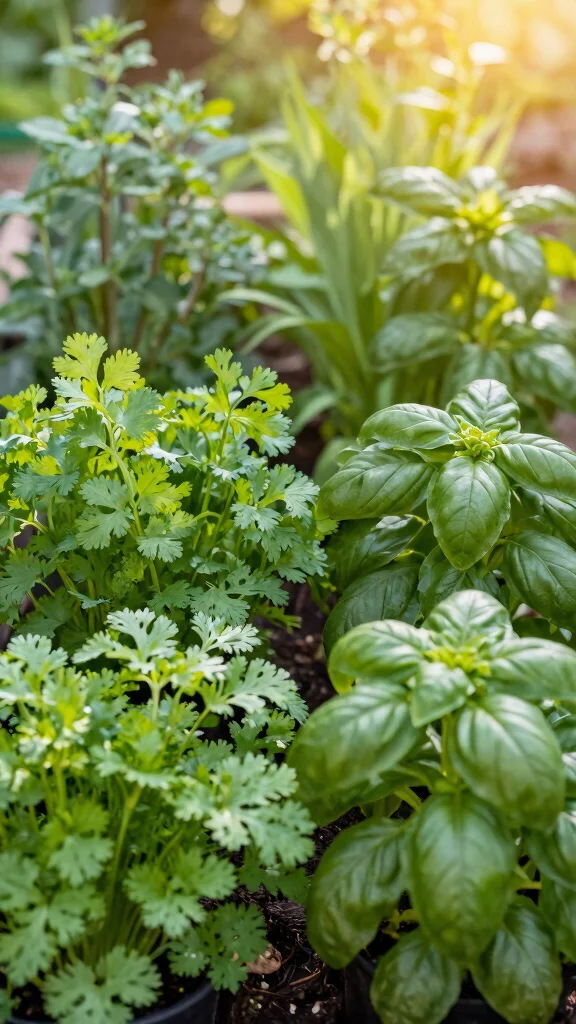
Ready to make the most of your herb garden all year round? Embrace seasonal herb gardening by planning your plantings according to the climate. Different herbs flourish in various seasons, so knowing your growing zone can maximize your harvest.
Start with cool-season herbs like cilantro and parsley in early spring, and transition to warm-season favorites like basil and dill as the temperatures rise. This approach ensures you enjoy fresh flavors all year!
Ingredients:
– Cool-season herbs (cilantro, parsley)
– Warm-season herbs (basil, dill)
Instructions:
1. Use a planting calendar to time your sowing.
2. Plant cool-season herbs in spring, and switch to warm-season herbs later.
3. Monitor conditions and adjust care as needed.
4. Rotate herbs to maintain soil health.
FAQs:
– Can I grow herbs indoors year-round? Yes, many herbs can thrive indoors with proper care.
– Can I plant herbs in winter? Some herbs like chives and mint can survive winter conditions.
You Might Also Like

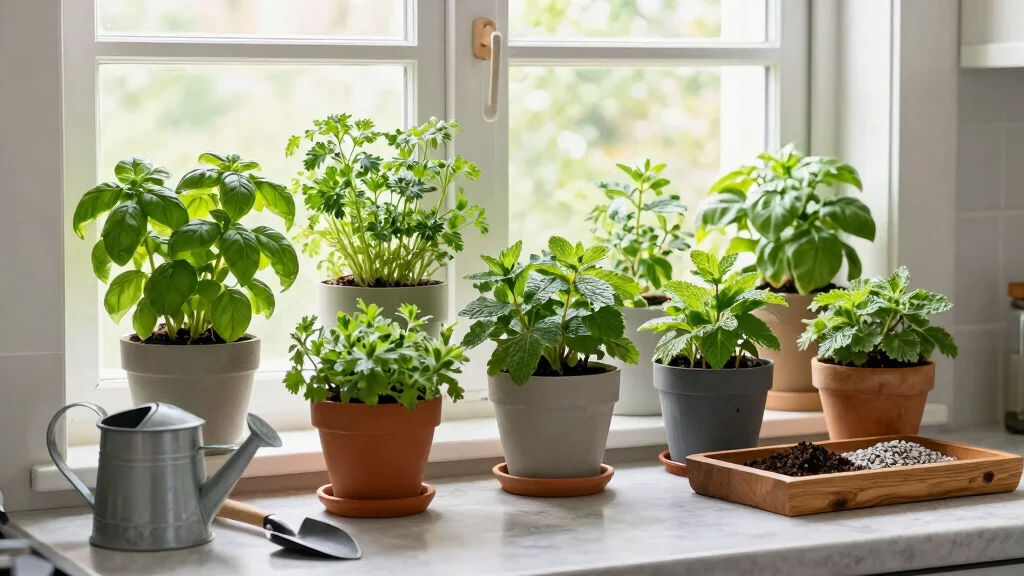
How To Choose the Right Herbs for Your Outdoor Garden
When setting up your herb garden outdoor, picking the right herbs is crucial for both beauty and productivity. Here are essential criteria to consider:
1. Climate Compatibility
Before you plant, check which herbs grow well in your climate. Some herbs thrive in hot, sunny areas, while others prefer cooler temperatures. For instance, basil loves warmth, but cilantro does better in cooler conditions. Research your hardiness zone to find herbs that will flourish in your garden.
2. Space Requirements
Consider how much space you have for your herb garden. Some herbs, such as mint, can spread quickly and may need more room. Others, like chives, require less space and can be planted closely together. Think about their mature size and spacing when planning your layout.
3. Culinary Use
Choose herbs based on your cooking preferences. If you love Italian cuisine, basil, oregano, and thyme are great choices. For Asian dishes, consider cilantro and lemongrass. Make a list of your favorite herbs to ensure you can harvest and use them in your meals.
4. Growth Habit
Herbs can have different growth habits. Some may grow upright, while others trail or spread. For vertical gardening, opt for herbs like oregano or thyme that can cascade down. If you have limited space, think about how you can arrange them vertically or in containers to maximize your garden’s productivity.
5. Seasons and Harvesting
Think about when you want to harvest your herbs. Some herbs, like basil, are summer favorites, while others, like thyme and rosemary, can be harvested year-round. Planning according to the seasons helps keep your garden productive. Check which herbs can thrive throughout different seasons for a continuous supply.
6. Companion Planting
Certain herbs grow better together. For example, planting basil near tomatoes can enhance both plants’ flavors and health. Research companion planting to choose herbs that will benefit from each other’s presence. This strategy can maximize your garden’s yield and reduce pests.
Pro Tip: Start with a few herbs that you enjoy using most in your kitchen. As you gain confidence and experience, you can expand your garden with new varieties. Keeping things manageable will help you develop a successful and productive herb garden outdoor!
By considering these criteria, you can select the best herbs for your garden, ensuring it is both beautiful and fruitful. Happy gardening!
Seasonal Herb Gardening
Editor’s Choice
XLUX Long Probe Deep Use Soil Moisture Meter, Water Monitor Indicator Se…
Gift for Women, Mom, Her – 9 Herb Indoor Window Garden Kit | Complete …

Gardening Log Book and Planner: Monthly Garden Planting Journal and Orga…
9. Sustainable Herb Gardening
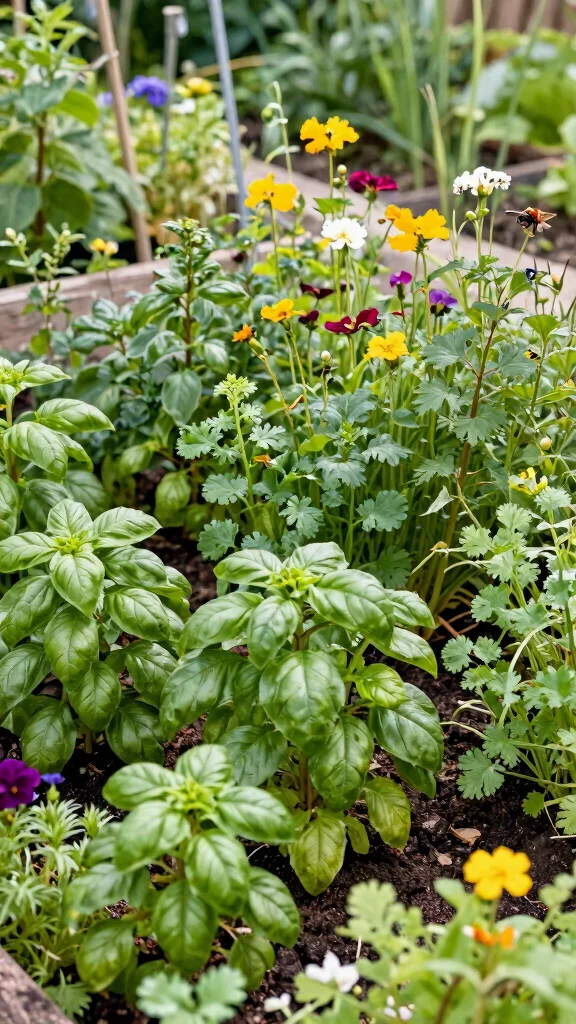
Want to grow herbs while being kind to the planet? Sustainable herb gardening is a fantastic way to cultivate your herbs and support the environment. You can incorporate practices like composting kitchen scraps, using rainwater for irrigation, and starting from seed to minimize your carbon footprint.
By focusing on sustainability, you not only boost your herb garden’s productivity but also contribute positively to your local ecosystem. It’s a win-win for you and the earth!
Ingredients:
– Organic fertilizers
– Heirloom seeds
– Compost for enriching soil
Instructions:
1. Use organic fertilizers and avoid chemical pesticides.
2. Start with heirloom seeds for a more diverse garden.
3. Plant herbs that attract pollinators, like bees and butterflies.
FAQs:
– Can I use non-organic seeds? It’s best to choose organic or heirloom for sustainability.
– Can I create a pollinator garden? Yes, planting flowers alongside herbs can attract beneficial insects.
Sustainable Herb Gardening
Editor’s Choice

FCMP Outdoor Raincatcher 4000 Rain Barrel, Flat-Back Rainwater Catcher w…
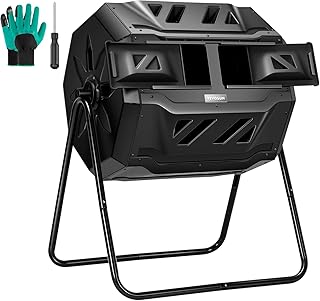
VIVOSUN Outdoor Tumbling Composter Dual Rotating Batch Compost Bin, 43 G…
Gift for Women, Mom, Her – 9 Herb Indoor Window Garden Kit | Complete …
Conclusion
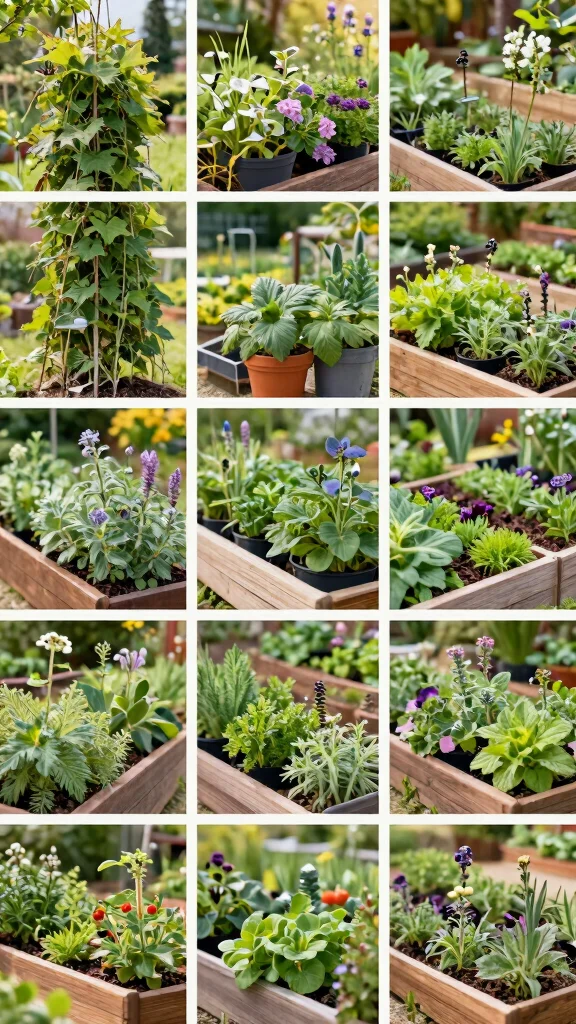
Creating an outdoor herb garden is both rewarding and fulfilling, enriching your life with fresh flavors and a touch of nature. From vertical gardens to sustainable practices, the options are endless for cultivating a beautiful and productive space.
Get inspired by these ideas, tackle your gardening goals, and enjoy the delightful results of your efforts!
Note: We aim to provide accurate product links, but some may occasionally expire or become unavailable. If this happens, please search directly on Amazon for the product or a suitable alternative.
This post contains Amazon affiliate links, meaning we may earn a small commission if you purchase through our links, at no extra cost to you.
Frequently Asked Questions
Question: What are practical ideas for an herb garden outdoor on a small balcony or limited space?
Answer: For a herb garden outdoor on a small space, start with vertical solutions like railing planters, hanging pockets, or a tall narrow stand to free floor space.
Choose compact, sun-loving herbs such as basil, thyme, oregano, and parsley that perform well in containers.
Use container gardening herbs with good drainage and a light, fast-draining potting mix. Place pots where they receive at least 6 hours of sun daily and group herbs with similar water needs for easier outdoor herb gardening tips and irrigation. For herb garden design, keep a cohesive look with matching pots and clear paths for harvest. To stay sustainable, collect rainwater to water the plants and feed the soil with kitchen compost—this is a simple win in sustainable herb gardening.
Question: What are the best herbs to grow in a vertical/container setup for beginners?
Answer: Here are beginner-friendly options for a vertical/container setup: Basil loves sun and is perfect in containers; Thyme and Oregano are drought-tolerant and compact; Parsley is forgiving in cooler weather; Chives are low-maintenance; Cilantro grows quickly in cool seasons.
Remember: Mint is incredibly productive but invasive, so plant it in a dedicated pot. For container gardening herbs, use 6–8 inch pots (or larger for spreading varieties), ensure drainage, and group plants by sun and water needs. This makes watering predictable and keeps your herb garden outdoor thriving for beginners.
Question: How can I use companion planting herbs to boost flavor and pest control in an outdoor herb garden?
Answer: Try these companion planting ideas to boost flavor and pest control in your outdoor herb garden: Plant basil beside tomatoes to enhance flavor and help repel pests; plant dill near cucumbers and onions to attract beneficial insects; tuck thyme around cabbage or lettuce to deter pests and add aroma. Scatter chives near carrots to help mask their scent. Keep mint in a separate pot to prevent spread and support pollinators with nearby flowering companions. In outdoor herb gardening tips, design your bed with these pairings in mind to support sustainable herb gardening and biodiversity.
Question: How can I maximize yields and keep my herb garden sustainable long-term?
Answer: To maximize yields and keep your garden sustainable: choose a sunny spot (6+ hours) and mulch to conserve moisture. Water with a drip hose or water can early in the day to reduce evaporation. Feed with a small amount of compost and avoid synthetic fertilizers. Collect rainwater for irrigation and embrace a sustainable herb gardening approach. Practice regular harvesting to encourage bushier growth and consider succession planting to extend harvests. Keep containers clean, prune to maintain shape, and rotate herbs if you have multiple pots. Plant a mix of nectar-rich flowers to attract pollinators, supporting a healthy herb garden outdoor ecosystem.
Question: What are common mistakes in outdoor herb gardening for small spaces and how can I avoid them?
Answer: Common mistakes include too little sun, over- or under-watering, poor drainage, and overcrowding in pots. To avoid them: move herbs to a sunnier spot, choose compact or dwarf varieties, upgrade to well-draining pots, and use quality potting mix. Space plants with room to grow and avoid crowding; harvest regularly to prevent flowering and keep leaf quality high. Skip chemical fertilizers and rely on compost, mulch, and natural pest management. Protect herbs from strong winds and keep invasive mint in its own pot. Include pollinator-friendly companions to make your herb garden design resilient and productive for a long time in outdoor herb gardening tips.
Related Topics
herb garden outdoor
vertical gardening
container gardening herbs
small space gardening
sustainable gardening
outdoor herb tips
companion planting
easy herb garden
beginner gardening
productive garden
garden design ideas
seasonal herbs