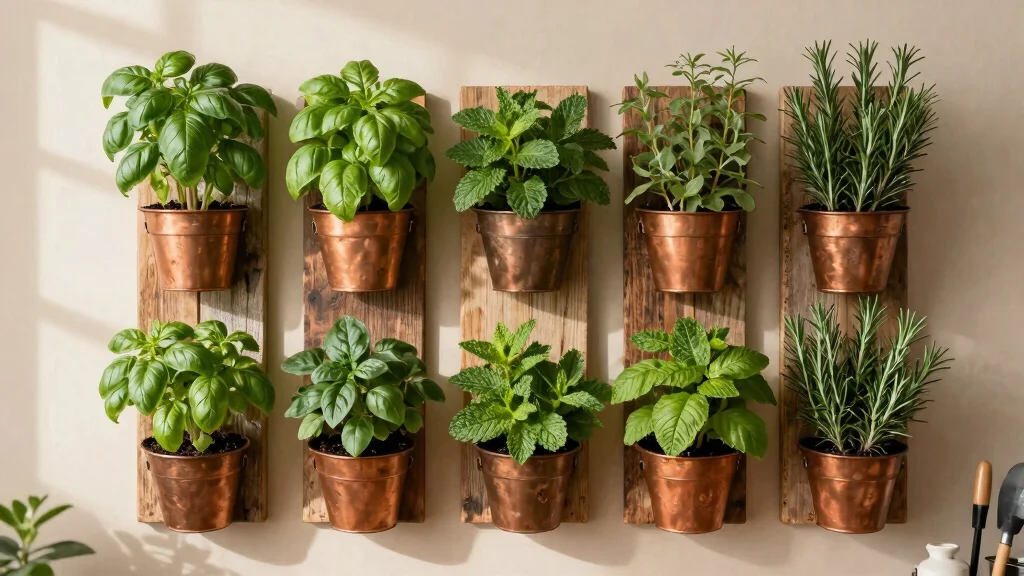
Creating an indoor herb wall can be a game-changer for your home. If you’ve ever craved fresh herbs at your fingertips for cooking or wanted to add a touch of nature to your space, you’re not alone. With the rise of indoor gardening trends, many people are looking for creative and sustainable ways to bring greenery into their homes, especially in small spaces. That’s why I put together this guide on herb wall ideas.
If you’re someone who enjoys gardening, home decor, or sustainable living, this post is tailored for you. You’ll find inspiration that turns your blank wall into a stunning vertical garden. By incorporating these ideas, you can create a beautiful living feature that not only looks good but also serves a practical purpose in your kitchen or living area.
In this article, you’ll discover seven unique herb wall ideas that are stylish, easy to implement, and perfect for any indoor space. From rustic vertical planters to upcycled can herb walls, you’ll learn how to design a green feature that’s both functional and visually appealing. Get ready to add some freshness to your home!
Key Takeaways
– Rustic Vertical Planters: Create a charming look with wooden planters. They add warmth and a natural vibe to your indoor space.
– Magnetic Herb Garden: Use magnets to hang small pots on your wall. It’s a fun, innovative way to display and access your herbs easily.
– Hanging Planters: Utilize vertical space by hanging pots from ceilings or walls. This adds dimension and greenery without taking up valuable floor space.
– Shelving Unit Herb Garden: Install shelves to hold pots of herbs. This offers easy access while making a great design statement.
– Upcycled Can Herb Wall: Transform old cans into planter pots for a budget-friendly and eco-friendly herb wall. It’s a creative way to repurpose materials and showcase your herbs.
1. Rustic Vertical Planters
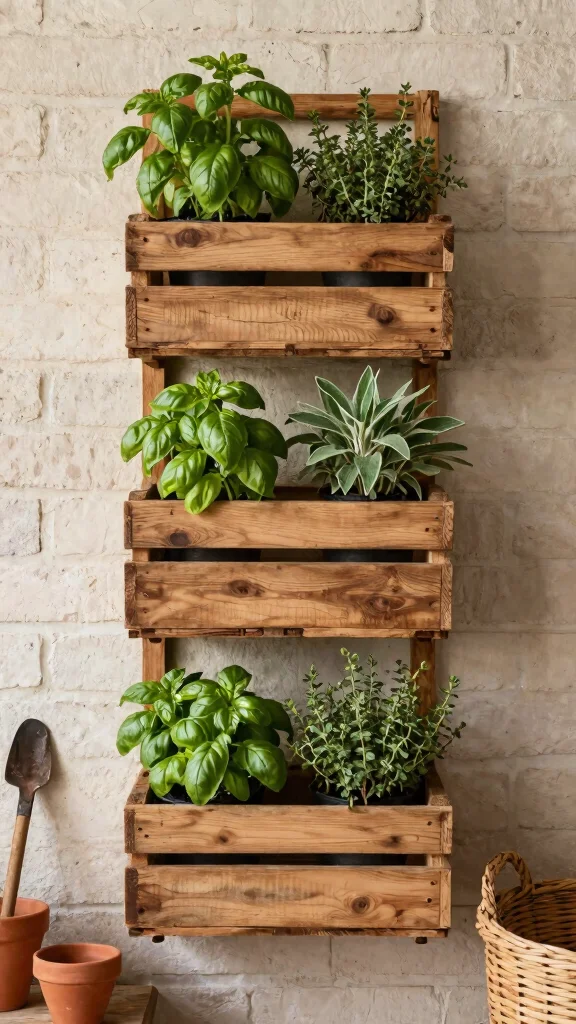
Imagine the warmth of farmhouse style transforming your home with rustic vertical planters. These charming wooden creations not only house your favorite herbs but also enhance your decor with their vintage appeal. You can easily craft your own using reclaimed wooden crates or pallets, allowing herbs to cascade beautifully and creating a stunning visual effect on your wall.
Choosing rustic planters brings several benefits. They promote sustainability by repurposing wood, offer aesthetic beauty with their natural finishes contrasting against vibrant greens, and maximize your space with a vertical design that saves floor area.
For added charm, pair these planters with LED strip lights to illuminate your herb display in the evenings.
Rustic Vertical Planters
Editor’s Choice

TOREVSIOR 5-Tier Vertical Raised Garden Bed, Vertical Garden Planter wit…


Ahopegarden Indoor Garden Hydroponics Growing System: 10 Pods Plant Germ…

20″ L Oversize Wooden Crates For Storage, Wood Milk Crates Of Farmhouse …
2. Magnetic Herb Garden
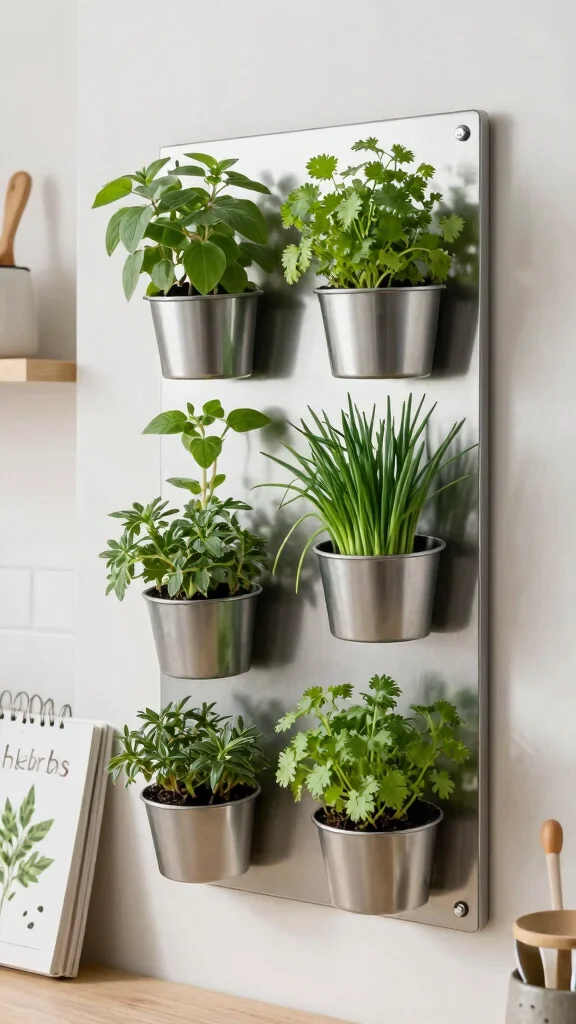
Looking for a fun and modern way to grow herbs? A magnetic herb wall could be just what you need! This creative setup uses magnetic containers that cling to any metal surface, offering you endless customization options. You can easily switch up the arrangement whenever inspiration strikes, making herb gardening interactive and fresh.
The magnetic herb garden has great advantages. You can rearrange your herbs effortlessly to match your mood, it’s a real space-saver for tight kitchens or apartments, and it adds a sleek, modern touch to your home decor.
Keep your most-used herbs within arm’s reach while showcasing your culinary creativity!
Magnetic Herb Garden
Editor’s Choice

Herbs Vintage Metal Tin Signs 0.79×1.18inch Retro Kitchen Herbs Sign Fa…

Herb Planter Indoor – 3 Iron Herb Pots with Drainage Holes, Varnished Ba…
3. Hanging Planters
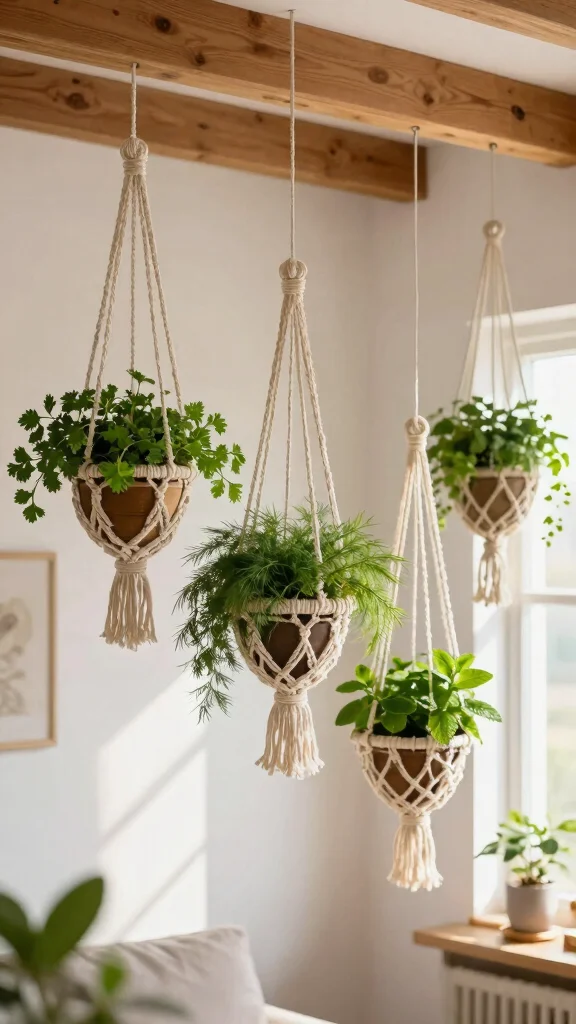
Hanging planters are a stylish way to create a vibrant 3D herb wall that truly elevates your indoor space. Whether you choose macrame hangers or chic modern shelves, suspending your planters introduces depth and drama to your decor. This method allows herbs to grow freely and beautifully while saving precious floor space.
There are many pros to using hanging planters. You can select from various styles, ensuring there’s something for every taste. Herbs benefit from optimal light exposure when hung high, promoting healthier growth, and the arrangement provides excellent air circulation.
Play around with different heights to create a captivating display that draws the eye and enlivens your home.
Did you know that hanging planters can double your herb wall’s usable growing space in a small kitchen? By using vertical depth, you save floor space and boost light exposure for herbs like basil, thyme, and oregano—practical, stylish, and stuff you can actually maintain.
📹 Related Video: DIY Indoor Herb Garden in a Shoe Organizer! – HGTV Handmade
How To Choose The Right Herb Wall for Your Indoor Space
When you’re ready to bring a splash of green into your home with an herb wall, you’ll want to make sure you select the right option. Choosing the ideal herb wall involves considering several factors to create a thriving indoor garden that fits your space and lifestyle.
1. Size Matters
Start by measuring the wall space you plan to use. A smaller area may benefit from compact vertical gardens or hanging planters. If you have more room, opt for larger shelving units or grid systems. Remember, the size of your herb wall should match the available sunlight and your herb growing ambitions.
2. Material Choices
The materials used can affect both aesthetics and plant health. Wood, metal, and fabric are popular choices. Wooden planters add a rustic touch but may require more maintenance. Metal can be stylish and durable, while fabric options provide excellent drainage. Choose materials that suit your decor and your ability to care for them.
3. Design & Style
Your herb wall should complement your home decor. If your style is modern, consider sleek metal planters or a minimalist wall grid. For a more rustic look, wooden crates or upcycled cans can add character. Look for designs that resonate with you and will enhance your indoor environment.
4. Plant Selection
Not all herbs grow the same way. Some, like basil and parsley, do well in small spaces, while others, like rosemary or mint, may need more room to spread. Consider what herbs you love cooking with and their growth habits. This will help you decide on the layout and type of herb wall you need.
5. Light Requirements
Different herbs have varying light needs. Ensure the chosen location receives adequate sunlight, ideally 6-8 hours a day. If natural light is limited, consider using grow lights. This investment can expand your options and ensure your herb wall thrives, even in less sunny spots.
6. Budget Considerations
Your budget will play a significant role in your herb wall choice. Planters range from inexpensive DIY options to more costly designer pieces. Calculate the cost of materials, plants, and any additional tools you might need. Opting for a DIY project can be budget-friendly and rewarding, giving you a unique creation that enhances your space.
Pro Tip: Start small! If you’re new to herb gardening, test a few varieties before committing to a full wall. This will help you learn what works best in your environment without overwhelming yourself.
By taking these criteria into account, you can confidently choose the right herb wall that suits your style and gardening goals. With the right setup, your indoor herb garden will flourish, providing fresh herbs for your culinary adventures while adding life and beauty to your home.
Hanging Planters
Editor’s Choice
![[All-New 2027] 2 Zone Automatic Plant Waterer for Indoor, Unistyle Plant...](https://m.media-amazon.com/images/I/815HJ1C9XML._AC_UL320_.jpg)
[All-New 2027] 2 Zone Automatic Plant Waterer for Indoor, Unistyle Plant…

Sbosbo Floating Shelves for Wall, Plant Shelf Indoor, Wall Planters for …

Mkono Macrame Plant Hanger Indoor Hanging Planter Basket with Wood Beads…
4. Shelving Unit Herb Garden
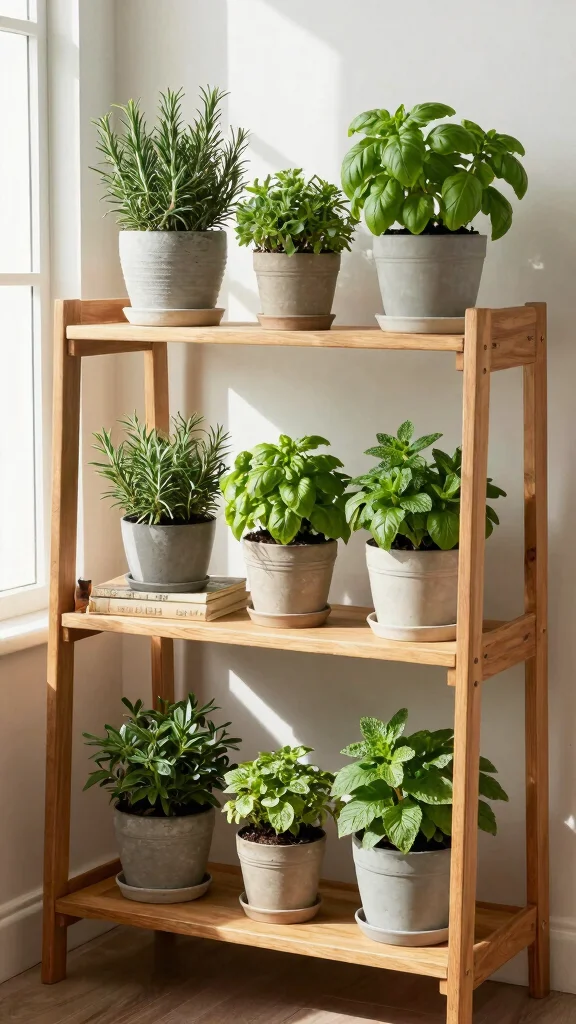
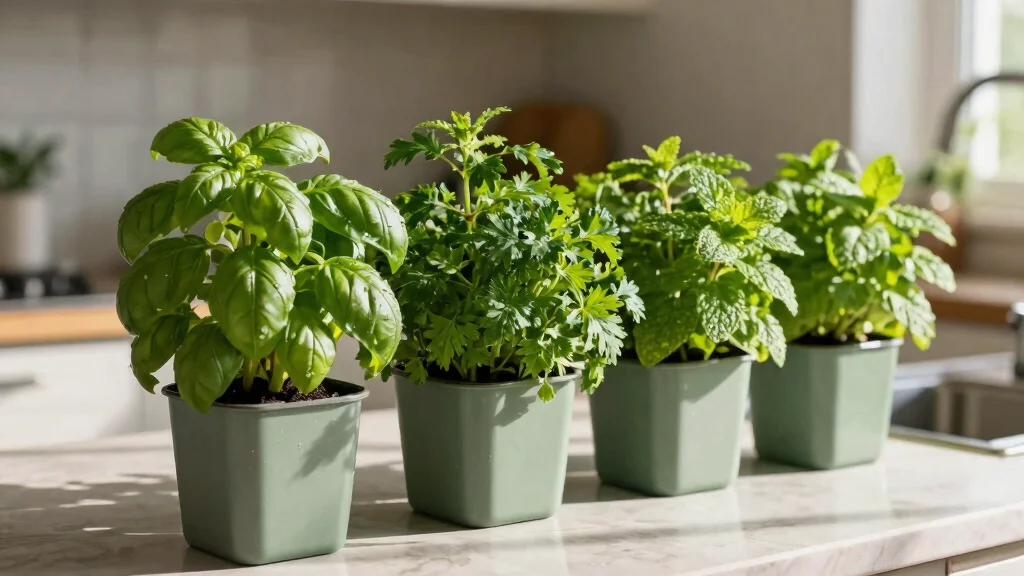
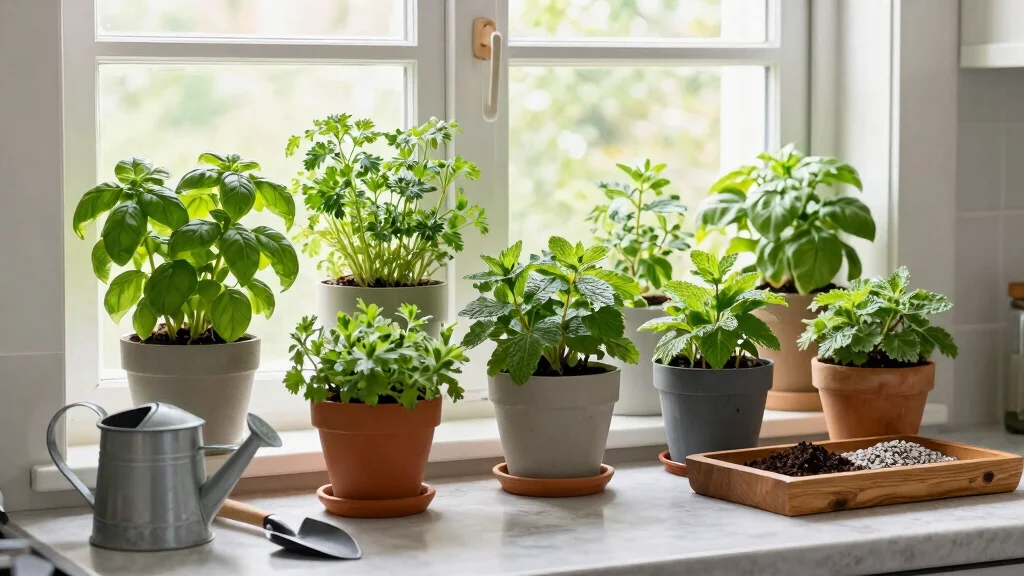
If you’re in search of a versatile solution, a shelving unit herb garden might be your answer. Select a stylish shelving unit that complements your interior design and arrange an array of herb pots across various levels. This mix-and-match approach creates an eclectic yet cohesive look that’s visually appealing.
There are several key advantages to this option. It offers easy accessibility for caring for your herbs, as they’re conveniently at eye level. A well-designed shelving unit doubles as decor, adding character to your space, and it’s fully customizable, allowing you to change arrangements or introduce new plants.
Consider using pots in vibrant colors or unique textures to transform your herb garden into a standout focal point.
Fun fact: A five-shelf herb wall can hold 15–20 herbs in a compact corner, right at eye level. Mix and match pots across the units for easy access, quick care, and a living green feature you’ll actually use every day.
You might also like
Shelving Unit Herb Garden
Editor’s Choice

Barnyard Designs Indoor Herb Garden Planter Set with Tray, Metal Windows…

Bamworld Plant Stand with Grow Light Plant Shelf for Mutiple Pots Large …
5. Vertical Wall Grid
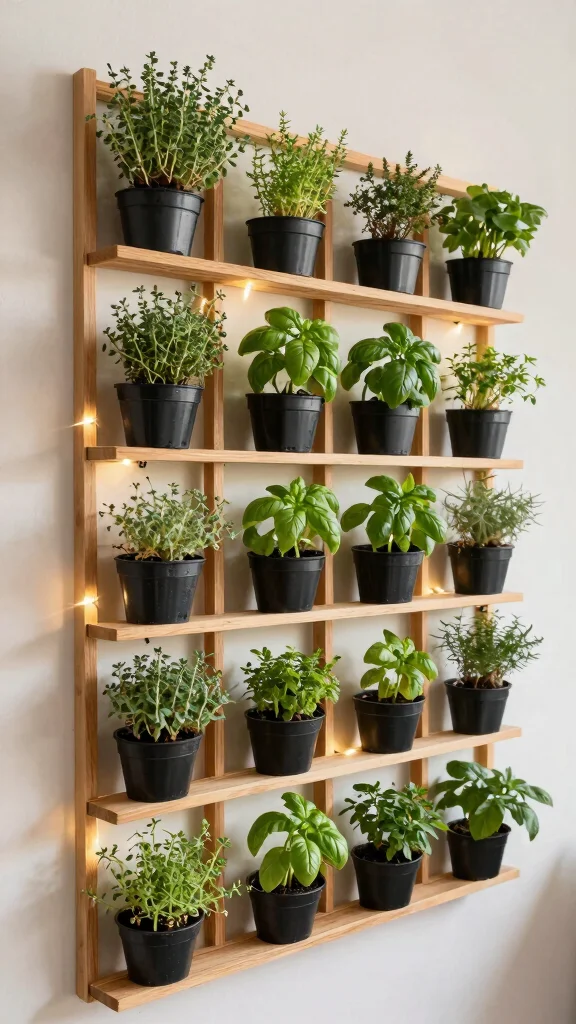
Creating a vertical wall grid is a fantastic way to showcase your favorite herbs in an organized, geometric style. By using wooden slats to form a grid on your wall, you can attach small pots at each intersection to create a visually striking display. This fun design not only looks great but also makes accessing your herbs easy.
A vertical grid has many benefits. It maximizes wall space efficiently while keeping your setup tidy and organized. The geometric patterns add visual interest, and each pot is reachable for watering or harvesting.
Enhance the charm by adding decorative twine or fairy lights for a whimsical touch!
Vertical Wall Grid
Editor’s Choice

MyGift 5 Inch Wall Mounted Modern White Plastic Self Watering Planter Po…

Grid Wall Panels 3 Pcs, Commercial Grade Gridwall Panels, Metal Grid Wal…
6. Upcycled Can Herb Wall
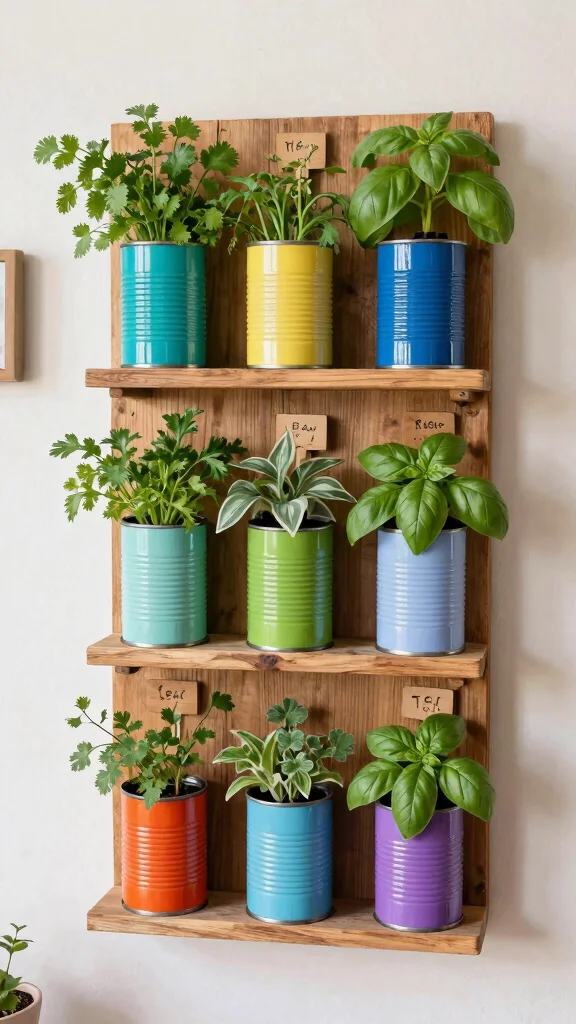
For a sustainable and creative approach, an upcycled can herb wall could be your perfect project. Give old tin cans a fresh look by painting or decorating them to match your home’s style, then attach them to a wooden board or directly on your wall. This eco-friendly DIY project breathes new life into old materials while allowing your creativity to shine.
The benefits of using upcycled cans are plentiful. It’s a cost-effective option since you’re repurposing items you already have. Each can can be personalized for a unique display, and the nostalgic charm of tin cans adds character to your indoor garden.
Just remember to drill drainage holes in the bottom of each can to keep your herbs thriving!
You Might Also Like
Upcycled Can Herb Wall
Editor’s Choice

zaqro Indoor Planter Box Set of 2-17” x 4” Small Acacia Wood Window …

Rust-Oleum 249123 Painter’s Touch Multi Purpose Spray Paint, 12-Ounce, B…
7. Wall-Mounted Planter Boxes
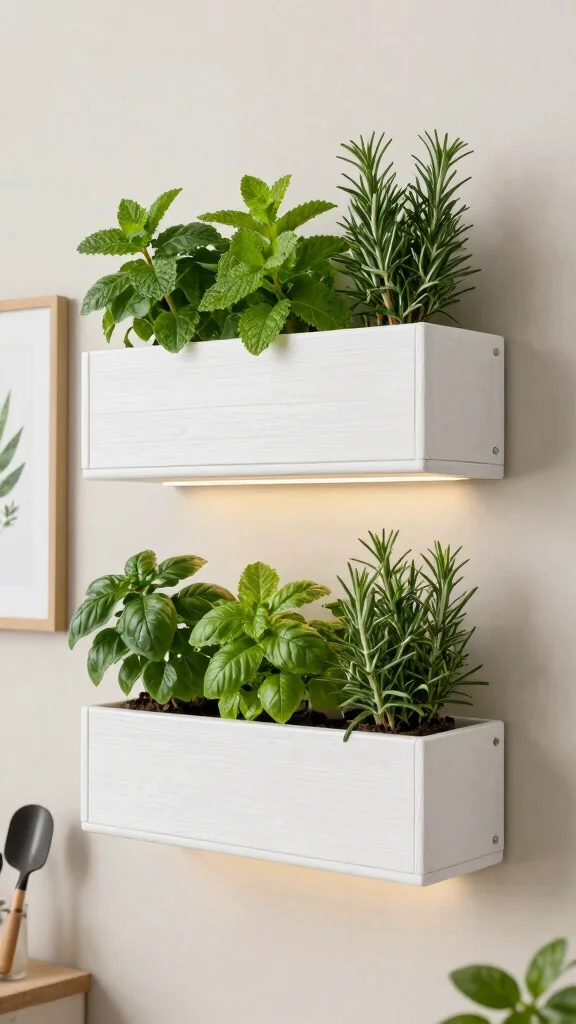
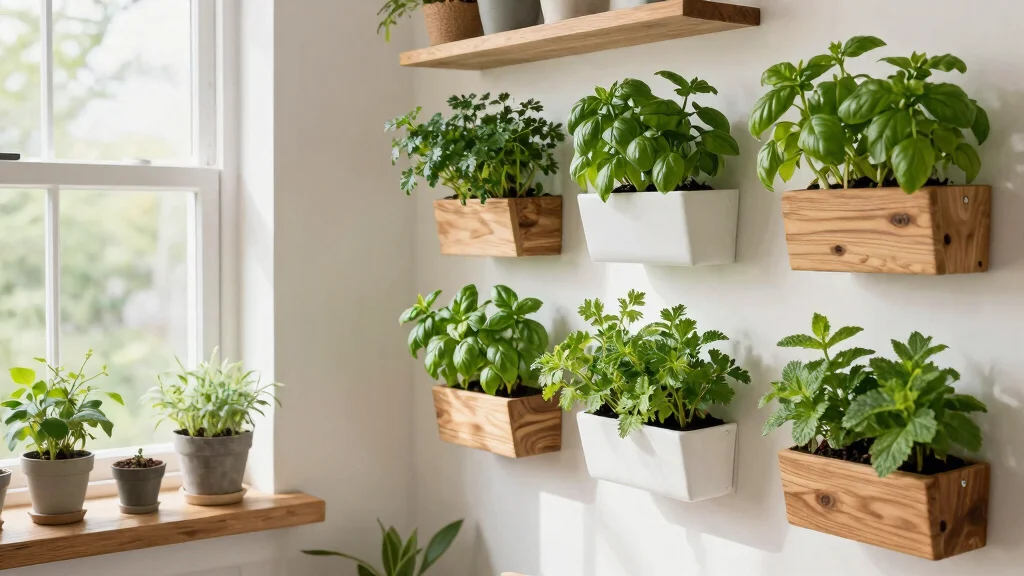
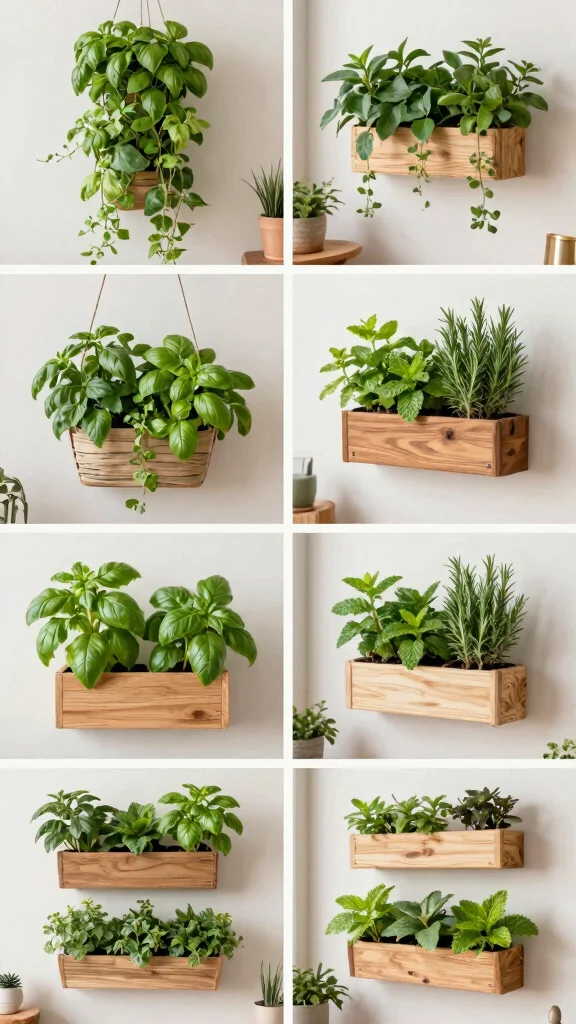
Wall-mounted planter boxes offer a sleek, organized way to create your herb wall. These convenient boxes can be affixed directly to your wall, providing a tidy, beautiful way to showcase your herbs. With options in wood, metal, or ceramic, you can easily find a style that complements your decor.
The advantages of planter boxes are clear. Their simplicity and clean lines add sophistication to your space, and they keep your herbs grouped together, making identification and access a breeze. They’re also customizable, available in an array of sizes and designs to fit your needs.
Consider incorporating companion planting to maximize the flavor and health of your herbs!
Fun fact: wall-mounted planter boxes can double herb capacity in small kitchens, freeing floor space for cooking. A compact herb wall with 6–8 boxes keeps herbs organized and accessible, making daily snips quick and satisfying.
Wall-Mounted Planter Boxes
Editor’s Choice

LaLaGreen Wood Planter Boxes for Indoor Plants (4×4 Inch, 6 Pack) Small …

English Inviting Horse Trough Balcony Planter With Coconut LinerMetal Wa…

Achla Designs SFB-02 Wall-Mount, 8 inch Flower Window Box Planter Bracke…
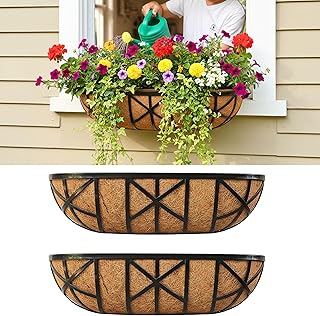
LaLaGreen 24 Inch, 2 Pack Window Boxes Planters – Black Metal Window Box…

2 Pack Hanging Wall Planter Boxes 40″ Large White Rectangular Flower Box…
Conclusion
Creating an indoor herb wall not only beautifies your space but also invites sustainability and freshness into your home.
Whether you choose rustic planters, magnetic gardens, or upcycled cans, each idea has its unique charm and practicality.
Embrace the artistry of indoor gardening and enjoy the rewards of having fresh herbs at your fingertips, all while showcasing your style and commitment to sustainable living.
Note: We aim to provide accurate product links, but some may occasionally expire or become unavailable. If this happens, please search directly on Amazon for the product or a suitable alternative.
This post contains Amazon affiliate links, meaning we may earn a small commission if you purchase through our links, at no extra cost to you.
Frequently Asked Questions
What is a herb wall and why is it a great living green feature for small spaces?
A herb wall is a living, vertical arrangement of edible herbs mounted on a wall, turning unused space into a vibrant green feature. For small spaces, it’s a smart herb wall option because you gain fresh herbs without sacrificing floor area.
In indoor gardening terms, it’s a compact vertical garden that can go in a kitchen, balcony, or hallway.
Start with 2–3 easy-care herbs, use a lightweight frame or hanging pockets, and pick a potting mix that stays evenly moist. This setup embraces sustainable living—you harvest herbs at home, cut down grocery trips, and reduce packaging waste.
Which herbs work best for an indoor herb wall and why?
For a thriving indoor herb wall, choose herbs that tolerate indoor light and regular pruning: basil, thyme, oregano, parsley, chives, and cilantro (cilantro can bolt in heat). They’re popular in herb garden ideas because they stay relatively compact and multi-use.
Place them in bright spots (ideally 6–8 hours of light) or supplement with a small LED grow light.
Keep soil evenly moist but not waterlogged, and prune regularly to encourage bushier growth. This setup supports a satisfying indoor gardening journey and a lively home decor plants display.
How can I set up a budget-friendly herb wall in a small apartment?
You can build a stylish herb wall without breaking the bank by focusing on vertical space and affordable planters. Pick a bright, sunny spot and use a simple frame, repurposed shoe organizer, or hanging pockets to create a vertical garden.
Use lightweight potting mix or hydroponic mats; propagate from cuttings to save costs. Choose 2–4 herbs to start, then expand as you save. This approach fits indoor gardening for small spaces and supports sustainable living by growing your own herbs at home.
How do I maintain and troubleshoot my herb wall to prevent wilting or pests?
Keep the soil evenly moist, ensure good drainage, and rotate herbs to prevent overcrowding. Watering schedules vary with light—check daily in bright spots and weekly in lower light.
Use well-draining containers and a light feeding schedule. Prune regularly to keep stems sturdy and prevent wilting, and watch for pests like aphids or whiteflies; treat with insecticidal soap or neem oil. If leaves yellow, adjust light or fertilizer. Rotate plants for even growth to maintain a healthy indoor gardening system.
Can a herb wall be a stylish element of home decor while supporting sustainable living?
Absolutely. A well-designed herb wall doubles as home decor plants and a practical source of fresh herbs. Choose containers, frames, and colors to match your space; hang on a blank wall near the kitchen or dining area to create a focal point. The vertical vertical garden takes advantage of wall space, reducing clutter and encouraging sustainable living by cutting packaging from store-bought herbs and lowering your carbon footprint. It’s easy to move, replant, and swap herbs with the seasons, keeping your interior lively and fragrant.
Related Topics
herb wall
indoor gardening
vertical garden
small spaces
home decor plants
sustainable living
DIY herb garden
beginner friendly
easy gardening
urban gardening
green home decor
herb garden ideas