
Growing your own culinary herbs at home can elevate your cooking game and add freshness to your meals. With the rise of urban living, many people find themselves in small spaces, longing to cultivate a garden. This post is crafted for those who crave the joy of gardening but might feel limited by their environment. You don’t need a sprawling backyard to enjoy fresh herbs; you can create a thriving home herb garden right in your apartment or balcony!
If you’re keen on integrating greenery into your kitchen and enhancing your cooking with fresh flavors, this is the guide for you. I’ve gathered 10 inspiring home herb garden ideas that are not just practical but also fun to implement. From vertical gardens to repurposed containers, each idea is designed to fit seamlessly into your lifestyle. You’ll discover creative ways to grow your own indoor herb garden, ensuring that your dishes are always bursting with flavor, all while embracing sustainable gardening practices.
These ideas will not only bring culinary herbs into your cooking but will also add beauty to your living space. Plus, you’ll enjoy the satisfaction of nurturing your plants while reconnecting with nature. Let’s dive into these garden design ideas that will transform your home and enhance your cooking!
Key Takeaways
– Maximize Space: Vertical herb gardens allow you to grow more herbs in tight spaces, making the most of your limited area.
– Indoor Oasis: A windowsill herb garden can be a perfect spot to grow fresh herbs while enjoying natural sunlight.
– Stylish Hangings: Hanging planters for herbs not only save space but also add a stylish touch to your kitchen or balcony.
– Repurpose Containers: Using repurposed containers helps you create charming herb gardens while being eco-friendly and budget-conscious.
– Hydroponic Freshness: Indoor hydroponic systems offer a soil-free way to cultivate herbs, ensuring you have fresh ingredients year-round.
1. Vertical Herb Garden: Maximize Your Space
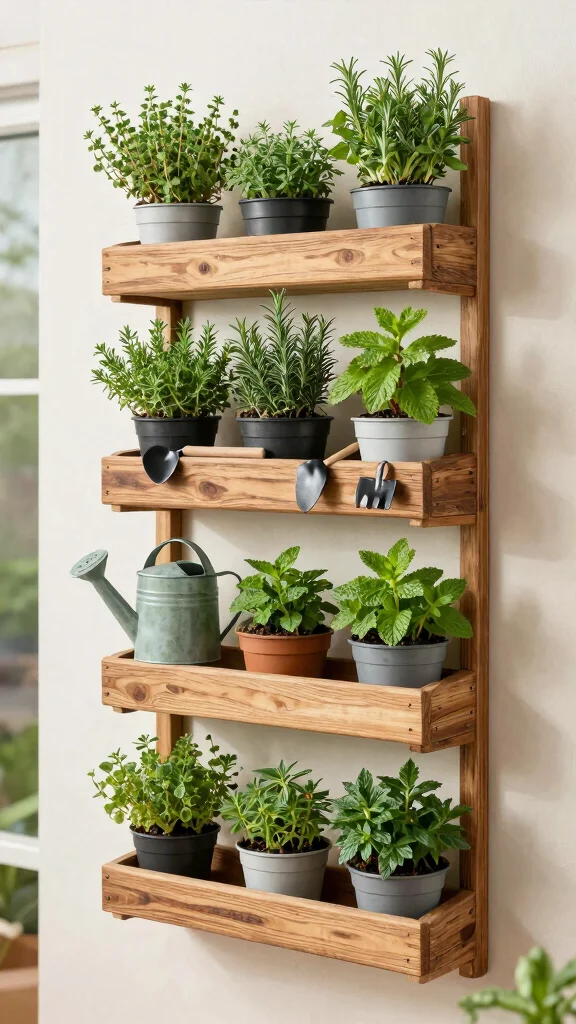
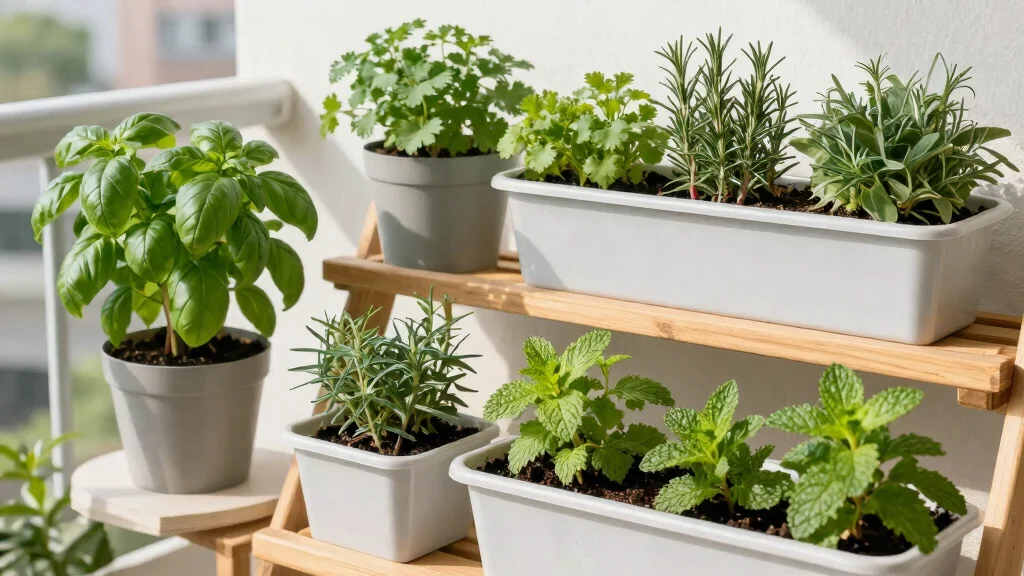
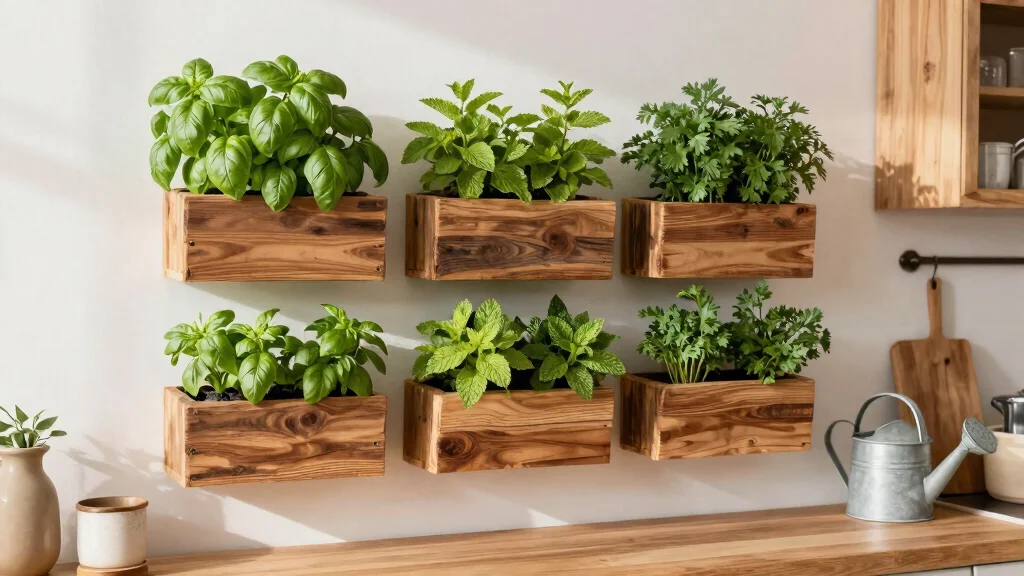
Craving fresh herbs but short on space? A vertical herb garden is a game changer for your kitchen or balcony. You can create beautiful displays using wall-mounted planters or shelves, saving valuable floor space while adding a splash of greenery to your home.
Start by selecting a sunlit wall and use vertical planters or hanging pots to grow herbs like thyme, rosemary, and mint. These options are easy to care for, allowing you to enjoy fresh herbs without the hassle of traditional gardening.
Tips for Success:
– Choose herbs that thrive in similar light and water conditions.
– Ensure planters have good drainage to prevent root rot.
– Consider a drip irrigation system to keep your herbs hydrated with minimal effort.
With easy access, you can snip fresh herbs anytime you want, enhancing your culinary creations!
Small-space cooks, listen up: a vertical herb garden can reclaim up to 60% of your floor space for your home herb garden. Hang planters or install shelves on a sunny wall, and you’ll harvest thyme, rosemary, and mint right at your counter—no bending over a heavy bed.
Vertical Herb Garden: Maximize Your Space
Editor’s Choice

ShopLaLa Wall Planter – 2 Pack, Wooden Hanging Large Planters for Indoor…


Dahey 3 Pcs Metal Hanging Flower Pots for Railing Fence Outdoor Planter …
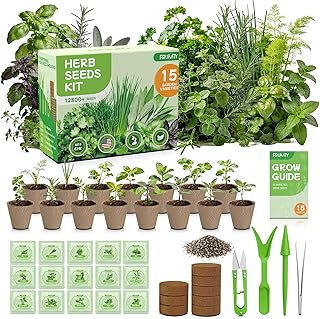
Herb Garden Starter Kit – Fruivity 12800+ 15 in 1 Herb Heirloom Seed K…
2. Windowsill Herb Garden: The Indoor Oasis
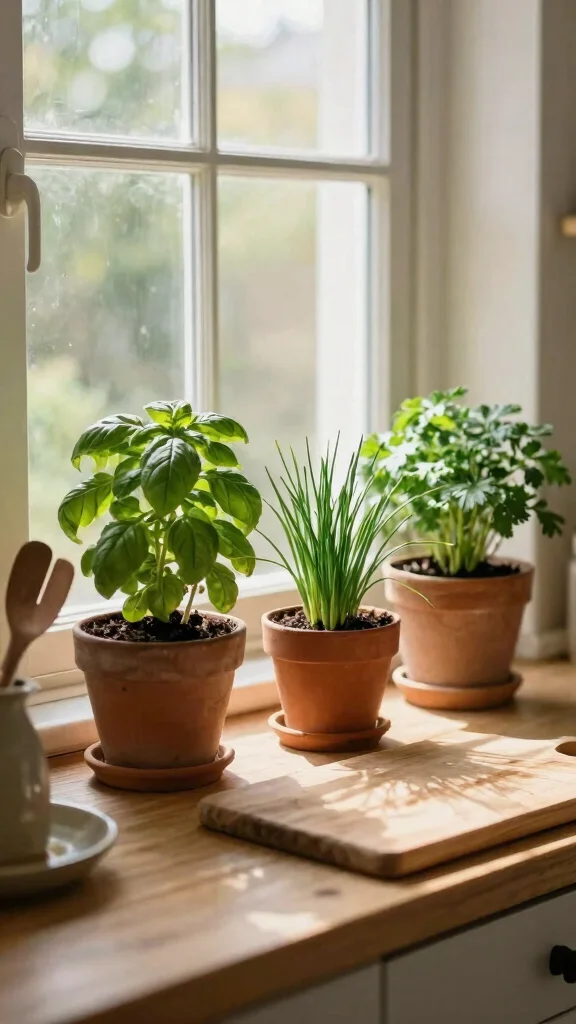
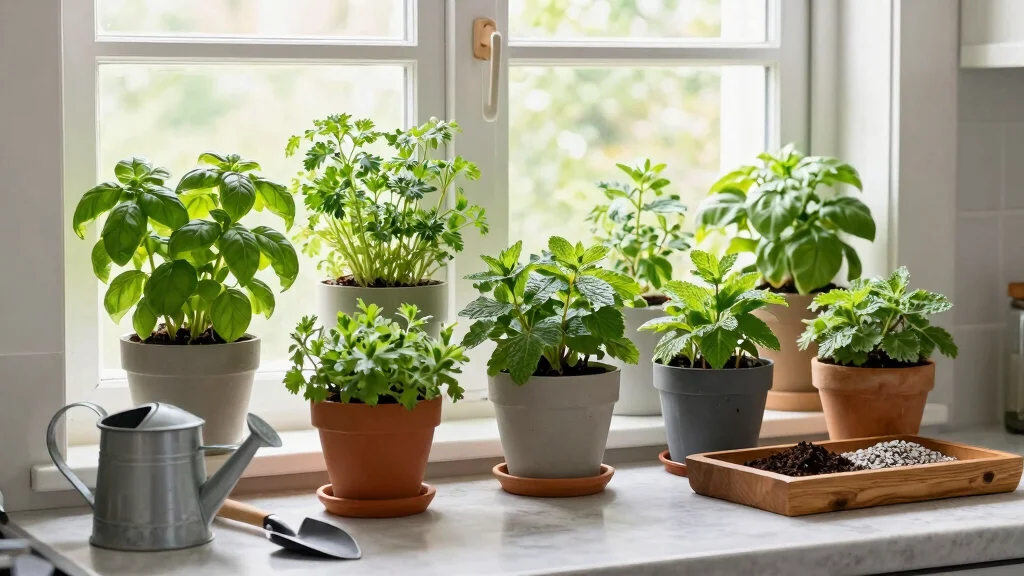
Imagine plucking fresh herbs right from your kitchen windowsill! This delightful idea not only provides easy access to herbs but also brightens your home. Basil, chives, and parsley thrive indoors, making them perfect companions in your culinary adventures.
Pick pots that match your style; ceramic or recycled glass jars can add charm. Ensure your herbs receive 6-8 hours of sunlight daily and rotate them occasionally to promote even growth.
Care Tips:
– Water when the soil feels dry, but don’t overdo it.
– Trim regularly to encourage bushy growth.
– Group herbs with similar needs for simpler care.
This indoor herb garden brings nature into your home while enhancing your dishes with fresh flavors!
Windowsill Herb Garden: The Indoor Oasis
Editor’s Choice

LBW Desk Grow Light, Full Spectrum Plant Light for Indoor Plants, Grow L…

Sereniseed Certified Organic Herb Seeds (10-Pack) – Non GMO, Heirloom …
3. Hanging Planters for Herbs: A Stylish Touch

Why not add a stylish touch to your herb garden with hanging planters? These eye-catching displays save space and elevate your kitchen or balcony decor. Choose colorful pots or macramé hangers to create a vibrant atmosphere.
Opt for cascading herbs like oregano or trailing thyme to enhance the visual appeal. Hanging planters also improve air circulation, reducing pest issues and keeping your herbs healthy.
Design Tips:
– Mix and match pot styles for a fun vibe.
– Hang at various heights for artistic flair.
– Position them near windows or under grow lights for ample sunlight.
Hanging planters not only showcase your herbs beautifully but also allow for convenient access when cooking!
Hanging Planters for Herbs: A Stylish Touch
Editor’s Choice

OGIMA 4pcs Hanging Flower Pots, Metal Iron Wall Planter Indoor/Outdoor f…

HOME GROWN Herb Seeds for Planting 15-Pack Massive Seed Count 4,300+ See…
4. Repurposed Containers for Charming Herb Gardens
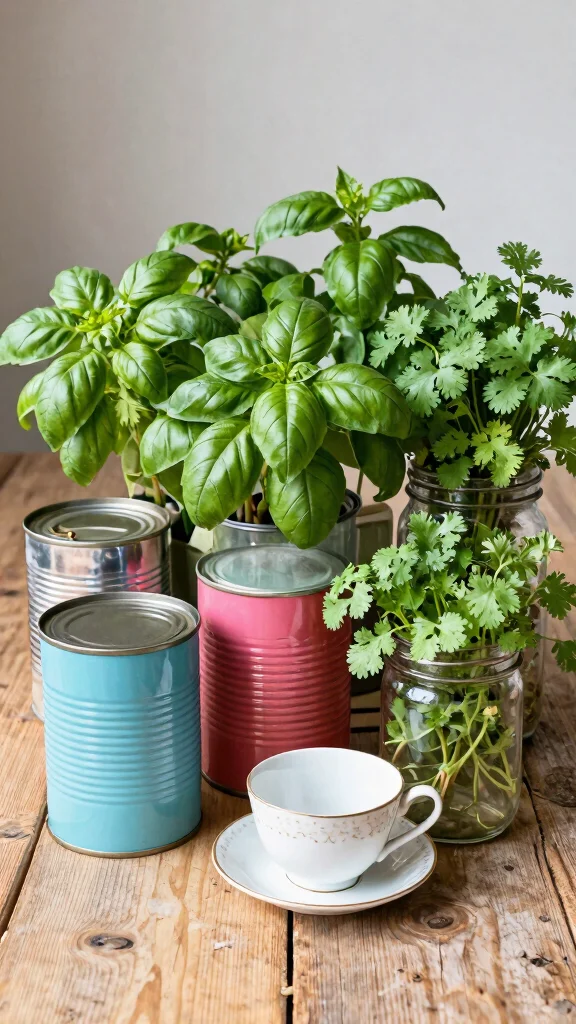
Get creative by using repurposed containers for your herb garden! Old teacups, mason jars, and tin cans can bring whimsy and eco-friendliness to your space. These unique containers let you personalize your garden while reducing waste.
Feel free to paint or label your containers for added flair, but don’t forget to ensure they have drainage holes for healthy herbs.
Creative Ideas:
– Brightly paint tin cans for a cheerful look.
– Use vintage teacups for a charming touch.
– Group different herbs in larger containers for a mixed display.
Repurposing containers not only makes for a fun project but also gives you easy access to fresh herbs whenever you need them!
📹 Related Video: DIY Indoor Herb Garden in a Shoe Organizer! – HGTV Handmade
How To Choose The Right Home Herb Garden
Creating a home herb garden can add fresh flavors to your cooking and enhance your space. Here are some important factors to consider when setting up your own herb garden.
1. Space Availability
Before you start, think about where you want to place your herb garden. Do you have a sunny windowsill, a balcony, or a small yard? Measure the area to make sure it fits your plans. Most culinary herbs thrive in at least 6 hours of sunlight, so choose a spot that gets good light. If you’re tight on space, vertical gardens or hanging planters may be your best bet!
2. Container Size
If you’re going the container gardening route, pick the right size pots for your herbs. Small herbs like chives and parsley can be in 6-8 inch pots, while larger herbs like basil need at least a 10-inch container. Ensure each pot has drainage holes to prevent overwatering. Remember, herbs grow better when they have enough room for their roots to expand.
3. Herb Selection
Choose herbs based on your cooking preferences and the climate you live in. Some popular culinary herbs are basil, cilantro, and thyme. If you love Italian dishes, basil and oregano are must-haves. If you enjoy Asian cuisine, consider growing cilantro and mint. Research which herbs grow well together. For example, mint can be invasive, so it’s best kept in its own pot.
4. Soil Quality
The right soil is key to a successful herb garden. Use potting soil designed for container gardening, as it retains moisture and drains well. Avoid garden soil, as it can be too heavy for pots. Mixing in some compost can also add nutrients. Aim for a pH level between 6.0 and 7.0 for optimal herb growth.
5. Watering Needs
Different herbs have different watering needs. Generally, herbs prefer to dry out slightly between waterings. A good rule of thumb is to check the top inch of the soil. If it’s dry, it’s time to water. Use a watering can or a spray bottle for more control. Overwatering can lead to root rot, so be cautious!
6. Maintenance and Harvesting
Regular care will keep your herbs healthy. Prune herbs to encourage bushy growth and prevent them from flowering too early. Remove any dead leaves to promote better airflow. When harvesting, take only a few leaves from each plant to allow it to keep growing. Always wash your herbs before using them in your dishes to remove any dirt or pests.
Pro Tip: Consider starting with a few versatile herbs that you frequently use in your cooking. This way, you can enjoy the freshest flavors without feeling overwhelmed by too many plants at once. Start small and expand as you gain confidence and experience. Happy gardening!
Repurposed Containers for Charming Herb Gardens
Editor’s Choice

Indoor Herb Garden Start Kit – Unique Gifts for Women, Mothers Day Gifts…
5. Small Space Container Gardening: Your Portable Garden

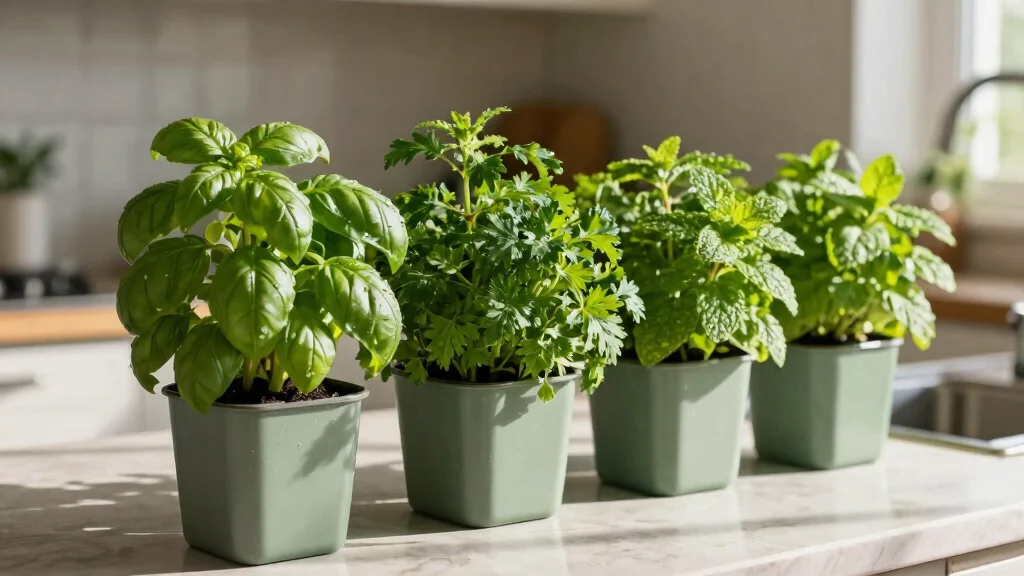
Container gardening is perfect for small spaces, allowing you to flex your creativity. With the right pots, you can transform your patio, balcony, or even a small kitchen corner into a lush herb haven.
Consider larger containers that hold multiple herbs or smaller pots for individual plants. Herbs like mint, parsley, and chives thrive in containers, adapting well to various conditions.
Container Tips:
– Ensure containers are deep enough for root growth.
– Choose pots with good drainage.
– Group pots together for easier watering and maintenance.
This method lets you rearrange your garden easily, ensuring that fresh herbs are always within reach!
You might also like
Small Space Container Gardening: Your Portable …
Editor’s Choice

T4U 4 Pack 6 Inch Self Watering Pots – Water Level Indicator & Deep Rese…

Miracle-Gro Organic Outdoor Potting Mix – Plant Soil for Outdoor Contain…

Ahopegarden Indoor Garden Hydroponics Growing System: 10 Pods Plant Germ…
6. Integrated Herb Garden Walls: A Living Art Piece

For a unique gardening experience, create an integrated herb garden wall! This innovative approach uses vertical space effectively, acting as a stunning focal point in your home. You can use pallets, wooden boards, or trellises to support your herbs.
Make it visually appealing by integrating colorful herbs and flowers for contrast. This design not only enhances aesthetics but also ensures easy access to your favorite herbs.
Building Tips:
– Select climbing or spreading herbs for depth.
– Incorporate a watering system for convenience.
– Use materials that match your home’s style.
An integrated herb garden wall combines function and beauty, bringing a refreshing touch of nature indoors!
Fun fact: A vertical herb wall can triple your usable herb space in a small apartment—all in a single 4×2 ft panel. By grouping colorful herbs, you’ll cut reaching distance and water needs, turning a plain wall into a practical home herb garden.
Integrated Herb Garden Walls: A Living Art Piece
Editor’s Choice

Garden Tools Set, 3 Pack Heavy Duty Gardening Tools Set Include Garden S…
7. Herb Spiral Garden: A Space-Efficient Solution
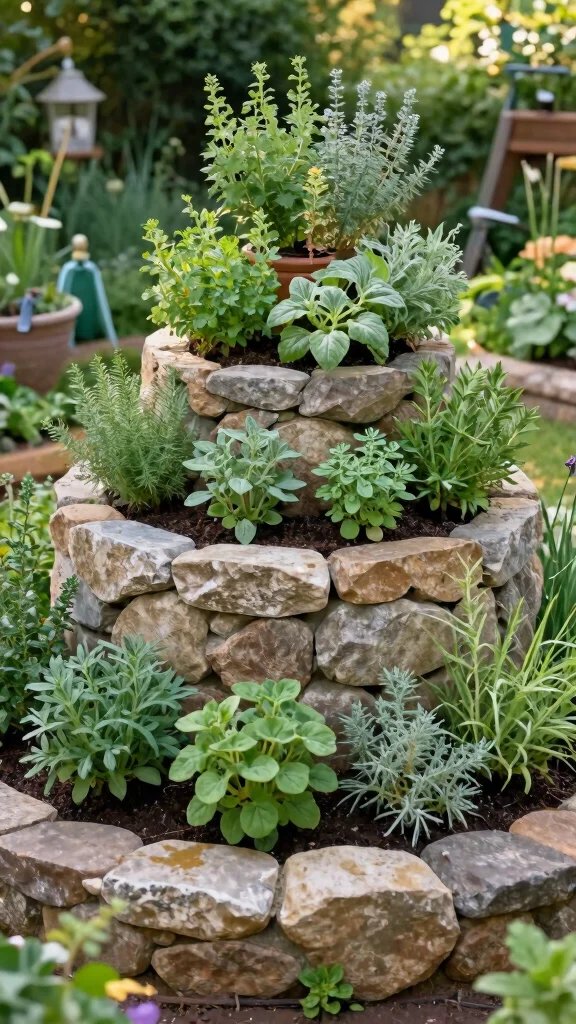
If you have a bit more room, consider building a herb spiral! This vertical structure spirals upwards, maximizing space while providing varying growing conditions for different herbs. You can have moisture-loving plants at the base and drought-tolerant herbs at the top, creating an attractive garden feature.
Building a herb spiral is not only visually appealing but also simplifies plant care, as each section caters to specific needs.
Building Tips:
– Use natural stones or bricks to construct the spiral.
– Plant herbs according to their light and water requirements.
– Add a small water feature for a calming atmosphere.
Herb spirals are a sustainable way to grow a variety of culinary herbs beautifully!
Herb Spiral Garden: A Space-Efficient Solution
Editor’s Choice
Sereniseed Certified Organic Herb Seeds (10-Pack) – Non GMO, Heirloom …
Gift for Women, Mom, Her – 9 Herb Indoor Window Garden Kit | Complete …

Garden Tools Set, 8 Piece Gardening Tools Set with Non Slip Ergonomic Ha…
8. Community Herb Gardens: Connect with Neighbors

If gardening excites you but space is limited, consider joining or starting a community herb garden! This collaborative effort not only provides a place to grow herbs but also strengthens connections with your neighbors. Community gardens can flourish in small plots or shared backyards.
Planning together allows for diverse crops and shared responsibilities, ensuring fresh herbs are always available. Plus, it’s a wonderful opportunity to learn from others and exchange tips!
Getting Started Tips:
– Form a community group to discuss interests and goals.
– Choose a sunny location for your garden.
– Organize regular meetings for maintenance and harvesting.
Engaging with a community herb garden cultivates friendships while promoting sustainable practices!
You Might Also Like
Community Herb Gardens: Connect with Neighbors
Editor’s Choice

zunatu 10x2x1ft(2 Pack) Galvanized Raised Garden Bed,Outdoor Planter Box…
Garden Tools Set, 3 Pack Heavy Duty Gardening Tools Set Include Garden S…
Sereniseed Certified Organic Herb Seeds (10-Pack) – Non GMO, Heirloom …
9. Indoor Hydroponic Herb Garden: Soil-Free Freshness

Take your gardening indoors with a hydroponic herb garden! This soil-free method uses nutrient-rich water to grow herbs, making it ideal for urban living. Hydroponics can fit into small spaces, letting you enjoy fresh herbs all year round.
Opt for a hydroponic system that suits your space—countertop units or wall setups work well. Popular herbs for this method include basil, mint, and chives, which thrive without soil.
Hydroponic Tips:
– Regularly check nutrient levels for healthy growth.
– Keep the water clean to avoid disease.
– Use LED grow lights if natural light is limited.
An indoor hydroponic herb garden is not only a modern twist on gardening but also a fun way to explore new techniques!
Fun fact: A compact hydroponic setup can grow fresh herbs up to 3 times faster than soil, turning a small home herb garden into year-round flavor. Pro tip: keep basil, mint, and chives in a sunny spot, and monitor nutrient levels for steady harvests.
Indoor Hydroponic Herb Garden: Soil-Free Freshness
Editor’s Choice

Aokrean Plant Grow Light, 48 LEDs Full Spectrum Grow Lights for Indoor P…

Liquid Plant Food for use in AeroGarden, IDOO and Hydroponic Growing Sys…

Burpee, 9 Quarts | Premium Organic Potting Natural Soil Mix Food Ideal f…
10. Seasonal Herb Rotation: Keep It Fresh All Year
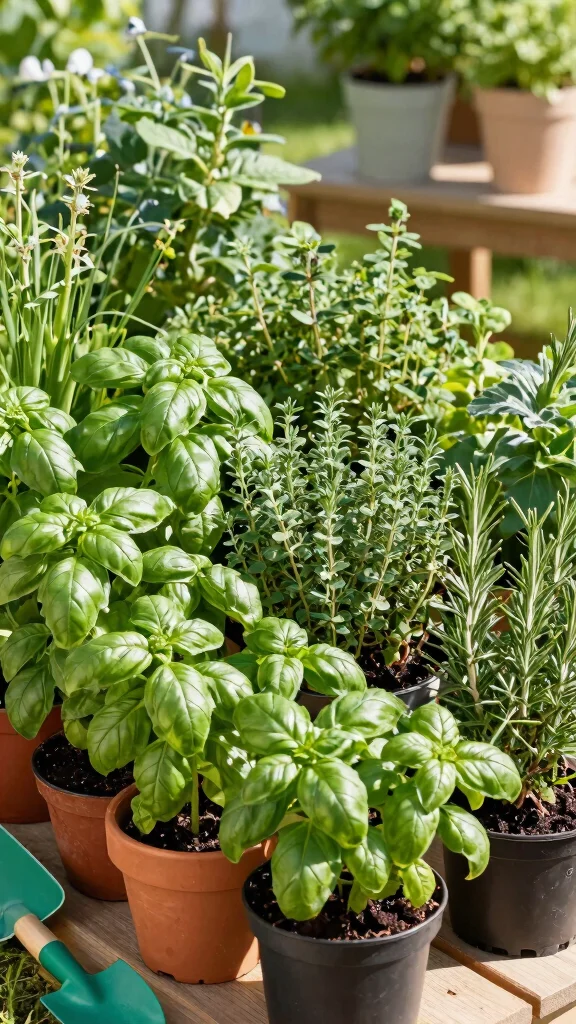
To keep your herb garden thriving, try seasonal herb rotation! This strategy ensures a variety of fresh herbs throughout the year, adjusting to seasonal changes and your culinary needs. Plan your garden by planting herbs that thrive in different seasons—think basil for summer and thyme for winter.
This dynamic approach keeps your garden interesting and productive!
Rotation Tips:
– Research which herbs flourish in each season.
– Use companion planting to boost growth and flavor.
– Track your planting for future reference.
Embracing a seasonal rotation not only keeps your herbs fresh but also encourages sustainable gardening practices by maximizing your yield all year long!
Seasonal Herb Rotation: Keep It Fresh All Year
Editor’s Choice

Plant Labels, Outdoor Waterproof Garden Markers, Plastic Nursery Seed Pl…
Ahopegarden Indoor Garden Hydroponics Growing System: 10 Pods Plant Germ…
Conclusion
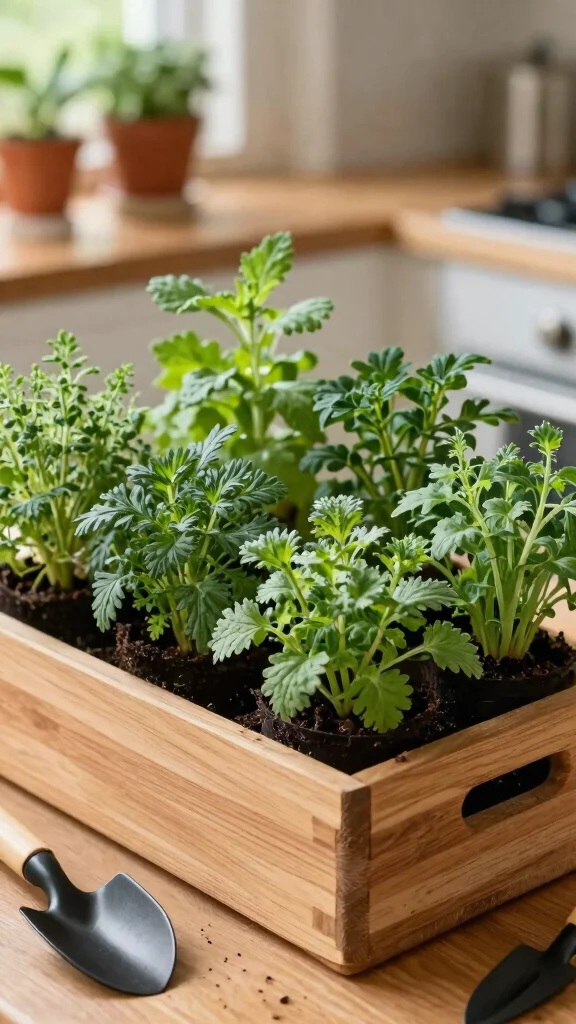
Creating a home herb garden is a delightful journey that enhances your cooking and brings a touch of nature to your space. Whether you opt for vertical gardens, windowsill pots, or community collaborations, the possibilities are endless! By incorporating these ideas, you can cultivate fresh flavors and sustainable practices right at home. Start your herb garden adventure today and experience the joy of cooking with your own fresh herbs straight from your garden!
Note: We aim to provide accurate product links, but some may occasionally expire or become unavailable. If this happens, please search directly on Amazon for the product or a suitable alternative.
This post contains Amazon affiliate links, meaning we may earn a small commission if you purchase through our links, at no extra cost to you.
Frequently Asked Questions
Question: How Can I Start a Home Herb Garden in a Small Urban Space?
Starting a home herb garden in a compact urban space is totally doable.
Begin with a sunny spot or bright indoor windowsill and choose container gardening options like a few 8–12 inch pots.
Use a light, well-draining potting mix, smart drainage trays, and a simple watering routine to keep roots happy.
Pick a mix of culinary herbs such as basil, parsley, thyme, and chives for constant flavor variety without taking over.
Keep the setup flexible so you can move plants around with the seasons, turning any small balcony or kitchen corner into a thriving example of garden design ideas for urban living.
And because you’re growing compactly and reusing containers, this approach aligns with sustainable gardening habits.
Question: What Are the Best Culinary Herbs to Grow in an Indoor Herb Garden?
Kick things off with easy-to-care-for culinary herbs like basil, parsley, chives, thyme, oregano, and mint.
Grow them in sunny windowsills or under a compact grow light to meet their light needs.
Use a light, airy potting mix and ensure drainage so roots don’t stay soggy.
Harvest regularly by clipping stems just above leaf nodes to encourage bushier growth and a steady supply of fresh flavor.
Group herbs by water needs and place taller plants toward the back to keep your indoor herb garden neat and accessible.
Pair this with simple container gardening setups for a practical, flavorful add-on to any kitchen.
Question: How Can I Maximize Small Space with Container Gardening and Vertical Layout?
For tiny spaces, go vertical with wall-mounted planters, hanging baskets, and stacked pots to save floor space while keeping herbs accessible.
Choose hearty culinary herbs that tolerate pinch-harvesting like basil and thyme, and use lightweight pots for easy rearrangement.
Use a shallow tray underneath to catch excess water, and position near a bright window or under grow lights if sun is limited.
This approach is a practical example of garden design ideas for urban homes and pairs nicely with sustainable gardening by reusing containers and reducing waste.
Question: What Maintenance Practices Help Keep a Sustainable Gardening Home Herb Garden Healthy?
Water thoughtfully with a small dish or capillary mat to minimize waste, and consider rainwater collection for your containers.
Feed with homemade compost or nutrient-rich compost tea to nourish soil without synthetic fertilizers.
Mulch lightly to retain moisture and deter weeds, and inspect plants regularly for pests, treating with organic options when needed.
Keep harvests continuous by trimming regularly, and rotate pots if you’re growing in a set of containers to balance light exposure.
Question: How Do I Harvest, Store, and Use Fresh Herbs From My Home Herb Garden in Everyday Cooking?
Harvest herbs right before you plan to cook—snip stems just above a pair of leaves to encourage renewal.
Rinse quickly, pat dry, and store in a damp paper towel inside a breathable container to keep them vibrant for a few days.
For longer storage, dry or freeze herbs: hang bunches to dry, or freeze chopped leaves in ice cube trays with water or olive oil.
Use a handful of leaves in sauces, dressings, soups, and sautéed dishes to elevate meals with culinary herbs straight from your home herb garden.
Related Topics
home herb garden
indoor herb garden
container gardening
culinary herbs
urban gardening
sustainable gardening
small space gardening
easy gardening
beginner friendly
herb garden design
fresh flavors
kitchen garden