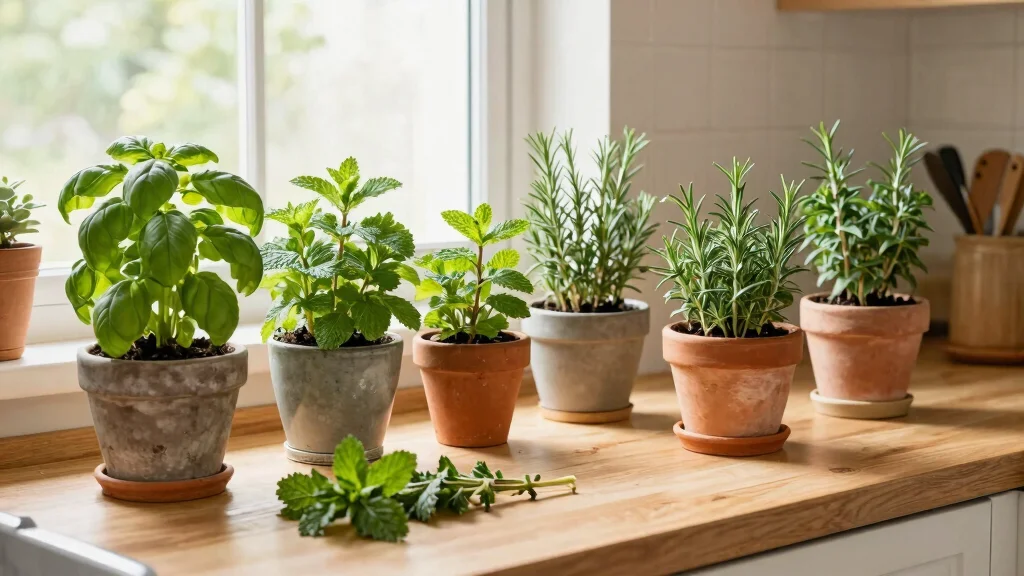
Creating an indoor herb garden is the perfect way to spice up your cooking and bring a touch of nature indoors. As the weekends roll around, many of us crave simple and rewarding projects that brighten our living spaces. This post is crafted for you if you’re eager to enhance your home with fresh herbs but think you lack the time or know-how to get started. I want to help you transform your kitchen into a vibrant herb haven that not only looks good but also adds flavor to your meals.
Whether you’re a seasoned gardener or a complete novice, these 9 indoor herb garden DIY kitchen ideas offer practical solutions for small spaces. You’ll find options that cater to various styles and skill levels. By the end of this guide, you’ll be equipped with creative and achievable projects that can be built in a weekend, allowing you to enjoy fresh herbs with minimal fuss. Let’s dig into these exciting ideas that will fill your kitchen with green goodness!
Key Takeaways
– Explore creative options: Discover unique ways to incorporate herbs into your kitchen décor with projects like vertical wall planters and hanging herb gardens.
– Utilize repurposed containers: Learn how to turn everyday items into charming planters, giving new life to old containers while being eco-friendly.
– Maximize space: Find solutions like tiered herb stands and windowsill garden boxes that make the most of limited areas in your home.
– Stay organized: Check out magnetic spice herb containers to keep your herbs within reach while adding a stylish touch to your kitchen.
– Embrace technology: Consider smart indoor garden systems for hassle-free growth, ensuring your herbs thrive with minimal effort.
1. Vertical Wall Planters

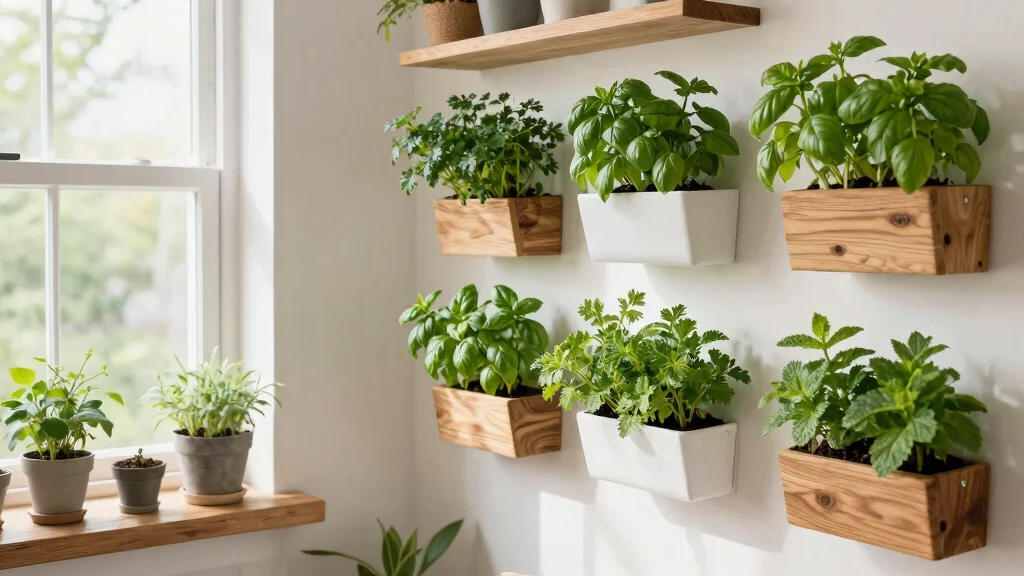
Ever thought about turning your kitchen walls into a green oasis? Vertical wall planters not only beautify your space but also make use of unused areas. With a few pots, you can create a living piece of art that offers fresh herbs at your fingertips. They’re easy to assemble and can be crafted from affordable materials like wooden pallets or terracotta pots.
Here are some tips to get started:
– Choose a Location: Pick a bright wall that receives plenty of sunlight during the day.
– Select Your Herbs: Go for herbs such as parsley, chives, and cilantro, which thrive in smaller spaces.
– Care Instructions: Water them regularly, and consider a drip irrigation system for ease.
These planters can seamlessly blend with your kitchen style while providing fresh herbs for your meals.
Did you know vertical wall planters can add 2 to 3 extra shelves of herb growing in your kitchen without taking up counter space? With indoor herb garden diy kitchens, freshness is always at your fingertips.
Vertical Wall Planters
Editor’s Choice

Briwooody 30 Set 60 Pocket Vertical Stackable Wall Planters Kit Outdoor …


Greaton, 20x20x5 Wooden Pallet Kit, Heavy-Duty Industrial Grade Pinewood…
6 Pack 6 Inch Terracotta & Clay Pots with Saucer for Plants, Large Terra…
2. Hanging Herb Garden

Looking to elevate your herb game? A hanging herb garden brings a charming touch to your kitchen while saving counter space. With simple macramé hangers or wire baskets, you can create a delightful herb display above your counters or near windows.
To make a hanging herb garden:
– Select the Right Herbs: Choose trailing herbs like mint and oregano that will cascade beautifully.
– Find Adequate Lighting: Hang them where they’ll soak up plenty of light, ideally near a sunny window.
– Watering Tips: Avoid overwatering! Use well-draining soil to keep roots healthy.
This setup not only offers easy access while cooking but also adds a whimsical flair to your kitchen.
📹 Related Video: DIY Hanging Herb Garden
Hanging Herb Garden
Editor’s Choice

GooingTop LED Grow Light,6000K Full Spectrum Clip Plant Growing Lamp wit…

ZeeDix 2 Pack 14 Inch Hanging Baskets for Plants Outdoor, Metal Wire Rou…

MIPON 3 Pack Macrame Plant Hangers with Hooks – 3 Sizes (34″/41″/46″) Ha…
3. Repurposed Containers
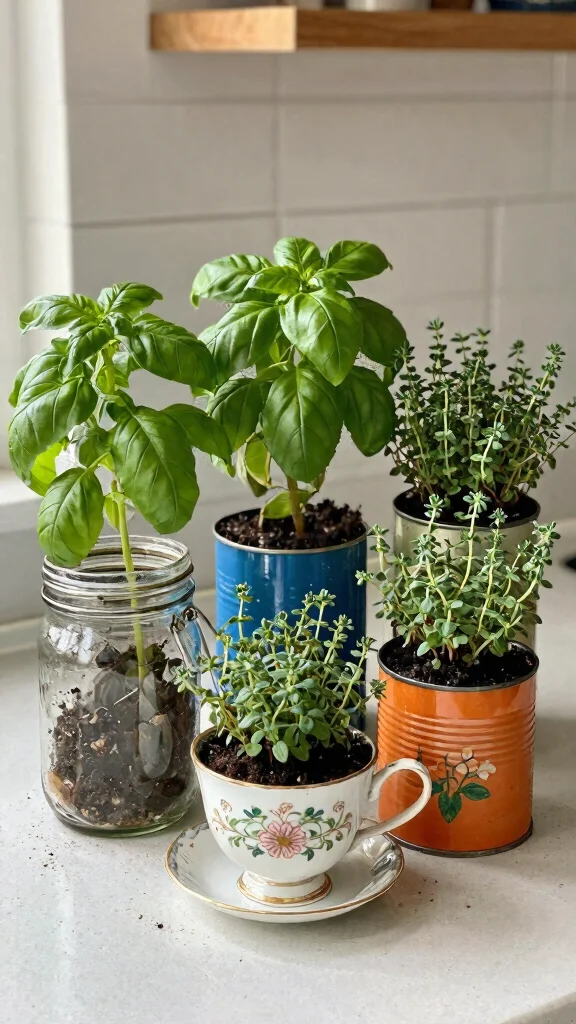
Got some old jars or cans lying around? Transform them into quirky planters for your herbs! Repurposed containers add a personal touch to your indoor garden while being sustainable and creative.
Here’s how to get started:
– Clean and Prepare: Ensure your containers are clean and have drainage holes if possible.
– Choose Your Soil: Use quality potting mix to keep your herbs thriving.
– Combine Styles: Mix different containers for a fun, eclectic look, using various heights and colors.
This approach not only showcases your personality but also enhances your kitchen’s vibe.
Fun fact: Reusing jars and cans can cut herb-planting costs by up to 60% and slash waste. Clean, drill drainage, and mix container heights for a lively, practical indoor herb garden diy kitchens.
Repurposed Containers
Editor’s Choice

LE TAUCI Plant Pot Hole Mesh Pads, 4-Inch Round Flower Pot Drainage Cove…
Gift for Women, Mom, Her – 9 Herb Indoor Window Garden Kit | Complete …

Burpee, 9 Quarts | Premium Organic Potting Natural Soil Mix Food Ideal f…
4. Tiered Herb Stand

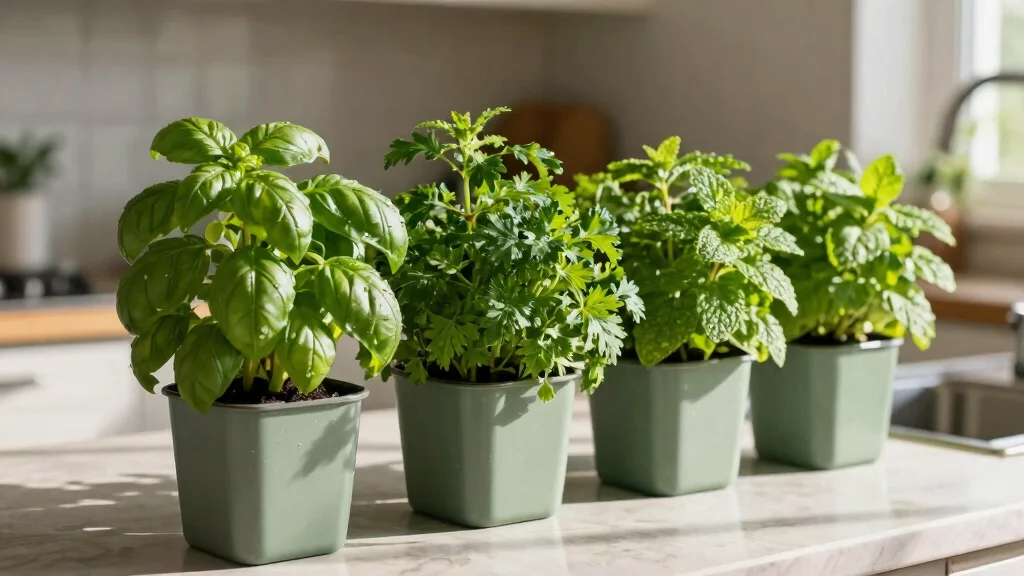
Want to show off a variety of herbs while saving counter space? A tiered herb stand is your solution! Craft or find a multi-level stand that allows each herb to bask in light while creating a visually appealing display.
Here’s how to create your tiered stand:
– Select the Design: Build or buy a stand with several levels for optimal light exposure.
– Choose Complementary Herbs: Pair herbs like basil, oregano, and rosemary that grow well together.
– Watering Strategy: Regularly check the soil moisture at each tier to keep your herbs healthy.
This stand not only saves space but also adds an eye-catching element to your kitchen.
A compact, 3-tier herb stand can fit 6 fresh herbs in a square foot, turning any countertop into an edible display. In your indoor herb garden diy kitchens, light each level and enjoy basil, oregano, and rosemary on demand.
Tiered Herb Stand
Editor’s Choice

AZERPIAN Plant Stand 5 Tier Indoor Metal Flower Shelf for Multiple Plant…

LEOTER Grow Light for Indoor Plants – Upgraded Version 80 LED Lamps with…

T4U 4 Pack 6 Inch Self Watering Pots – Water Level Indicator & Deep Rese…
5. Glass Terrarium
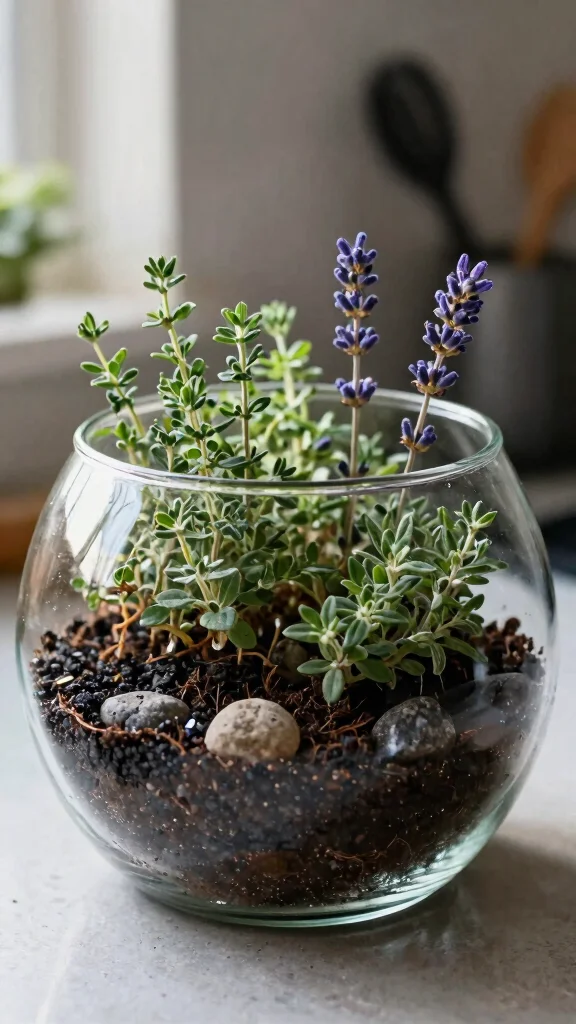
Looking for a stylish way to house your herbs? A glass terrarium adds sophistication to your kitchen while creating a mini-ecosystem. Perfect for herbs like thyme or lavender, terrariums are both functional and decorative.
Here’s how to create one:
– Choose a Suitable Glass Container: Look for a wide container that promotes airflow.
– Layering Essentials: Start with stones for drainage, then add activated charcoal, soil, and finally your herbs.
– Humidity Control: Monitor moisture levels, as terrariums can hold humidity.
This elegant setup not only serves a purpose but also enhances your kitchen decor.
You might also like

Glass Terrarium
Editor’s Choice

Miracle-Gro Organic Indoor Potting Mix – Protects Against Over and Under…

XXXFLOWER Plant Terrarium with Wooden Stand, Air Planter Bulb Glass Vase…

Sukh Horticultural Charcoal for Plants – 1Qt. Natural Earth Regulated Su…
6. Windowsill Garden Boxes

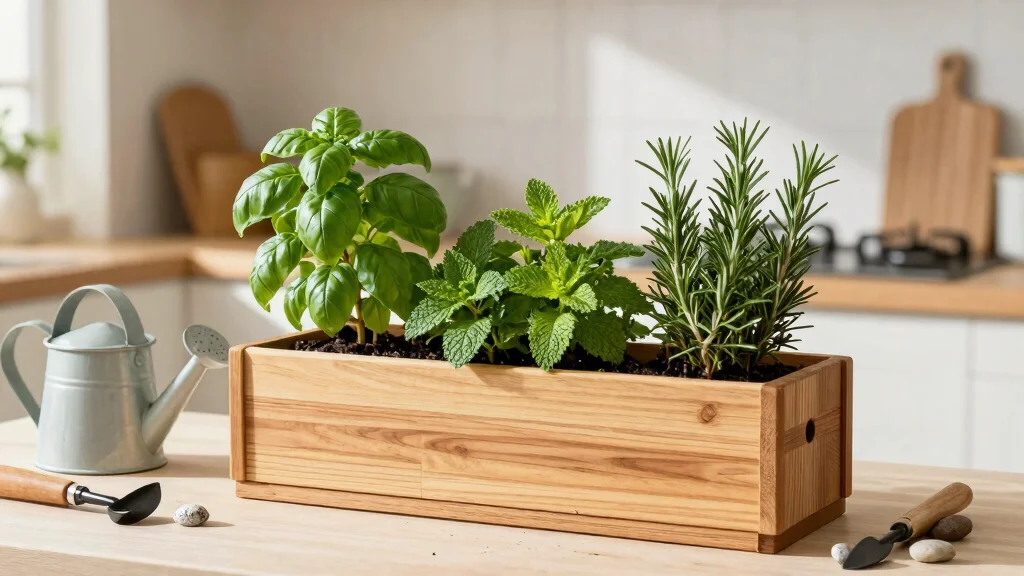
Transform your windowsill into a fragrant herb garden box that’s easy to care for! These boxes can hold a variety of herbs, creating a beautiful and aromatic display right by your window.
Here’s how to make yours shine:
– Select a Box: Find a long, narrow planter that fits snugly on your windowsill.
– Combine Herbs: Mix compatible herbs like basil, chives, and dill for diverse flavors.
– Sunlight Situation: Ensure your box receives ample sunlight by placing it on a south-facing sill.
This simple yet effective method keeps your herbs close and your kitchen vibrant.
How To Choose The Right Indoor Herb Garden DIY Kit
Choosing the right indoor herb garden DIY kit can seem overwhelming, but it doesn’t have to be. With the right guidance, you can find a kit that fits your kitchen and your gardening needs. Here are key factors to consider:
1. Space Availability
Before selecting a kit, measure the space you have in your kitchen. Consider areas like countertops, windowsills, or even vertical wall space. Choose a kit that can comfortably fit without overcrowding your kitchen area. If you have limited space, look for compact or vertical options.
2. Type of Herbs
Think about the herbs you want to grow. Common choices include basil, cilantro, and parsley. Check if the kit comes with seeds or starter plants for your preferred herbs. Some kits are tailored for specific herbs, so ensure it matches your culinary preferences.
3. Material Quality
Examine the materials used in the kit. Look for sturdy containers that can withstand moisture and wear. Materials like ceramic or quality plastic are good options. Avoid kits with flimsy materials that may crack or break easily.
4. Watering System
Some kits include self-watering features, which can be beneficial for beginners. If you often forget to water your plants, a self-watering system can help maintain moisture. However, if you prefer hands-on gardening, choose a kit that requires manual watering.
5. Light Requirements
Consider the light conditions in your kitchen. Some herbs need full sunlight, while others can thrive in low light. If natural light is limited, look for kits with grow lights included. This allows you to successfully grow your herbs indoors, regardless of your kitchen’s lighting.
6. Budget
Determine how much you are willing to spend. Indoor herb garden kits come in a range of prices depending on features and size. Set a budget and compare kits within that range. Remember, sometimes spending a bit more can mean better quality and more successful gardening.
Pro Tip: Before purchasing, read reviews from other users. This can provide insights into the kit’s performance and ease of use. Look for feedback on growth success and customer service experience. Happy gardening!
Windowsill Garden Boxes
Editor’s Choice
Burpee, 9 Quarts | Premium Organic Potting Natural Soil Mix Food Ideal f…

Seed Needs Herb Seeds Variety Pack Culinary Herb Collection (12 Individu…

Keter Urban Bloomer 12.7 Gallon Raised Garden Bed and Outdoor Herb Garde…
7. Magnetic Spice Herb Containers
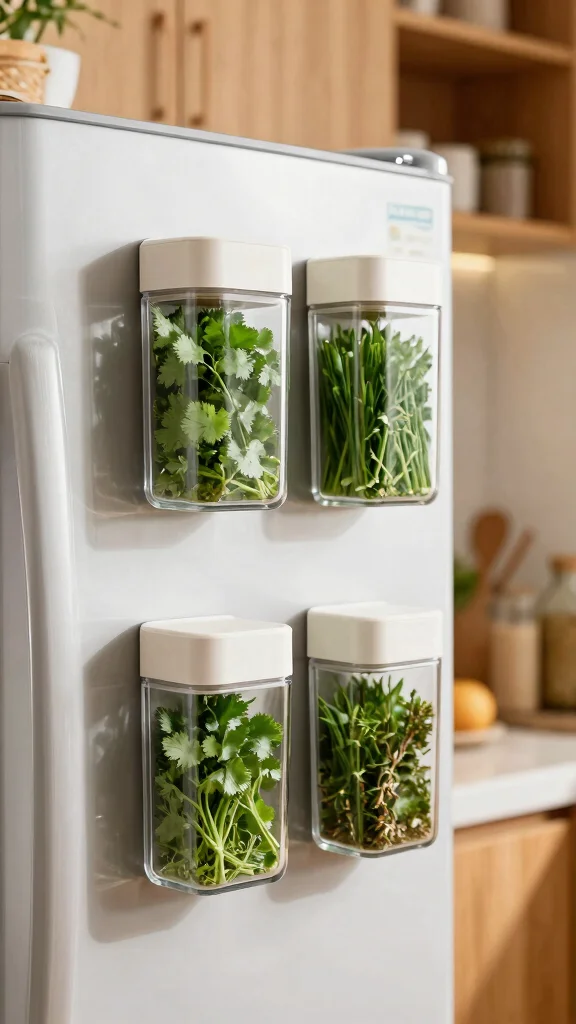
Want a fun and space-saving solution for your herbs? Magnetic spice containers can double as herb planters! These quirky containers stick to metal surfaces, keeping your herbs handy and your counters clear.
Here’s how to set them up:
– Choose Strong Magnets: Ensure the containers have a reliable magnetic base.
– Plant Selection: Opt for smaller herbs like cilantro or chives that thrive in compact spaces.
– Refill Regularly: Keep an eye on your herbs and refresh them as needed for peak freshness.
This innovative idea is perfect for small kitchens and adds a trendy touch to your herb garden.
Magnetic Spice Herb Containers
Editor’s Choice
Herb Garden Starter Kit – Fruivity 12800+ 15 in 1 Herb Heirloom Seed K…

PERFNIQUE Indoor Herb Garden, Herb Planter Set with Tray, Farmhouse Indo…
8. DIY Herb Garden Ladder

Have an old wooden ladder? Turn it into a charming herb garden display! With a little creativity, you can repurpose a ladder to save space and add character to your kitchen.
Here’s how to make it work:
– Find an Old Ladder: Look for a vintage style that’s sturdy enough for plants.
– Utilize Plant Pots: Use pots or baskets on the ladder rungs, mixing different sizes for visual interest.
– Placement: Position the ladder in a well-lit area of your kitchen.
This playful project is sure to spark conversations and add an eclectic vibe to your cooking space.
You Might Also Like
DIY Herb Garden Ladder
Editor’s Choice

Garden Elements Indoor/Outdoor Glazed Brushed Happy Plastic Planter, Lar…

Espoma Organic Potting Soil Mix – All Natural Potting Mix for All Indoor…

Seed Needs Basil Seeds for Planting Italian Large Leaf Herbs – Non-GMO H…
9. Smart Indoor Garden Systems
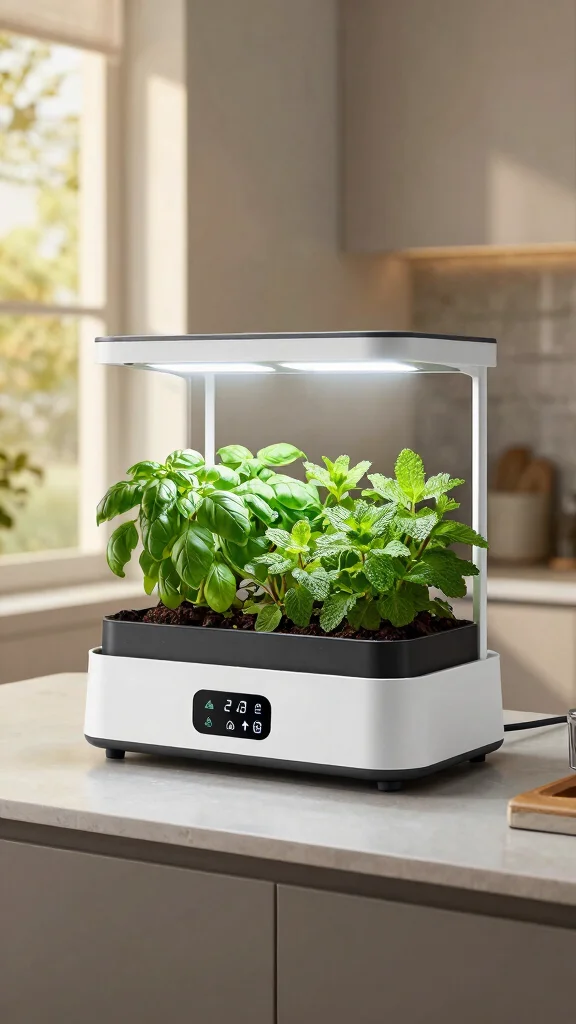
Are you a tech-savvy gardener? Smart indoor garden systems make growing herbs effortless! These automated setups include grow lights and self-watering features, perfect for those who want fresh herbs with minimal fuss.
Here’s what to consider:
– Choose the Right System: Find one that fits your kitchen space and style.
– Select Your Herbs: Popular picks include basil, mint, and lettuce, which thrive in controlled settings.
– Monitor Growing Conditions: Most systems allow you to track growth and water levels for easy care.
These smart solutions can transform your indoor gardening experience, ensuring you enjoy fresh herbs year-round.
Smart Indoor Garden Systems
Editor’s Choice
LETPOT Hydroponics Growing System, 12 Pods Indoor Herb Garden Kit with 2…

Hydroponics Growing System Indoor Garden: 8 Pods Herb Garden Kit Indoor …

URUQ Hydroponics Growing System Garden: 8 Pods Indoor Herb Garden with G…
Conclusion

Creating your indoor herb garden not only brings fresh ingredients to your kitchen but also adds personality and warmth to your home.
These nine DIY projects are designed to suit any small space while making the most of your vertical and horizontal areas. From a chic vertical garden to a smart indoor system, there’s a perfect option for everyone.
Get inspired, roll up your sleeves, and embark on your indoor gardening journey today!
Note: We aim to provide accurate product links, but some may occasionally expire or become unavailable. If this happens, please search directly on Amazon for the product or a suitable alternative.
This post contains Amazon affiliate links, meaning we may earn a small commission if you purchase through our links, at no extra cost to you.
Frequently Asked Questions
What is the easiest DIY indoor herb garden setup for a small kitchen?
The easiest route is a compact kitchen herb planter that fits on a windowsill or countertop. For an indoor herb garden diy kitchens setup, choose 3–4 versatile herbs (basil, parsley, thyme) in small, self-watering pots or a slim vertical planter. Place it in a sunny spot and use a simple LED grow light if natural light is limited. Water when the top inch of soil feels dry and refresh soil every season to keep herbs thriving.
How do I choose containers and lighting for an indoor herb garden in a kitchen?
Choose containers with drainage; 6–8 inch pots work for most herbs, or a compact kitchen herb planter that fits a windowsill. Use a tray to catch spills and keep things tidy. For light, aim for at least 6–8 hours of bright light per day; if your kitchen lacks sun, add a small LED grow light bar placed 6–12 inches above the plants. Use a high-quality potting mix and ensure drainage for healthy indoor plant care and easy indoor gardening tips.
Which herbs are easiest to grow indoors in small spaces?
Choose herbs that tolerate lower light and compact spaces, like basil, chives, mint, parsley, cilantro, oregano, and thyme. Group 2–4 herbs in a single multi-pot unit or a shallow vertical planter. Regular pruning keeps them compact and productive, while frequent harvests give you fresh herb garden ideas for cooking. For indoor gardening tips, watch light, water, and air circulation to avoid leggy growth.
How can I build a weekend-friendly kitchen herb planter on a budget?
Start with repurposed containers like mason jars, tin cans with drainage holes, or inexpensive plastic pots. Create a vertical wall planter or a small ladder-style stand to save counter space. Use a simple potting mix with perlite for drainage and a small amount of slow-release fertilizer. If needed, a compact LED grow light ensures enough light. This approach fits well with DIY garden projects and your indoor herb garden diy kitchens ideas.
What common mistakes should I avoid in indoor herb garden diy kitchens?
The big ones are overwatering, poor drainage, and too little light. Make sure containers have drainage holes and use a well-draining potting mix. Place plants near a bright window or add grow lights. Ensure good air circulation to prevent mold and pests, and prune regularly to encourage bushy growth. Avoid harvesting too aggressively and keep up with regular indoor plant care for steady yields.
Related Topics
indoor herb garden
DIY kitchen
small space gardening
herb garden tips
easy garden projects
kitchen planters
weekend DIY
indoor gardening
beginner friendly
sustainable living
urban gardening
herb care