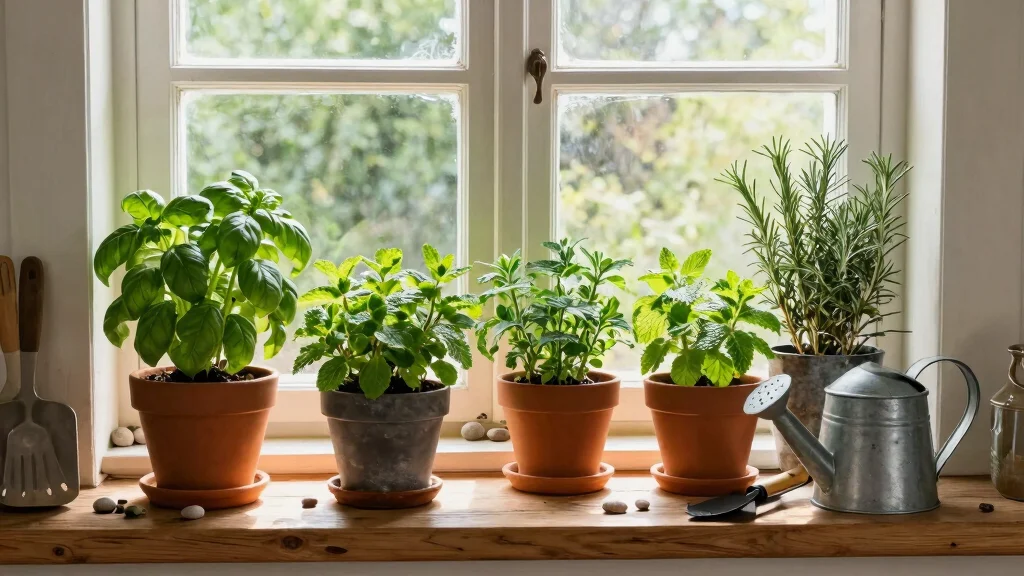
Creating a kitchen window herb garden is like adding a splash of life to your cooking space. If you’re anything like me, the thought of fresh herbs at your fingertips is irresistible. There’s something special about snipping fresh basil or parsley to sprinkle on your dishes. It transforms cooking into an experience that’s both vibrant and flavorful. This post is for anyone who wants to elevate their indoor gardening game, especially if you have limited space.
Whether you’re a seasoned gardener or just starting out, I know you’re looking for practical ways to brighten your kitchen and make it functional. That’s why I pulled together seven delightful herb garden ideas that will fit perfectly in your kitchen window. These ideas are not just creative; they’re also easy to implement and will help you enjoy the benefits of homegrown herbs all year round. Get ready to embrace your green thumb with these inspiring options!
Key Takeaways
– Vertical Wall Herb Garden: Maximize space by using wall-mounted planters that allow you to grow herbs upward, saving valuable counter space.
– Tiered Planters: Create an eye-catching display with tiered planters. This setup can hold several herbs in a compact area while giving easy access for harvesting.
– Hanging Herb Garden: Utilize your ceiling or wall brackets to hang pots. This not only looks beautiful but also keeps your herbs out of the way.
– Windowsill Containers: Use traditional pots or unique containers right on your windowsill. This is a straightforward way to grow herbs while benefiting from sunlight.
– Herb Spiral: If you have a bit more room, consider an herb spiral. This design allows you to plant different herbs in a compact area while promoting biodiversity.
1. Vertical Wall Herb Garden
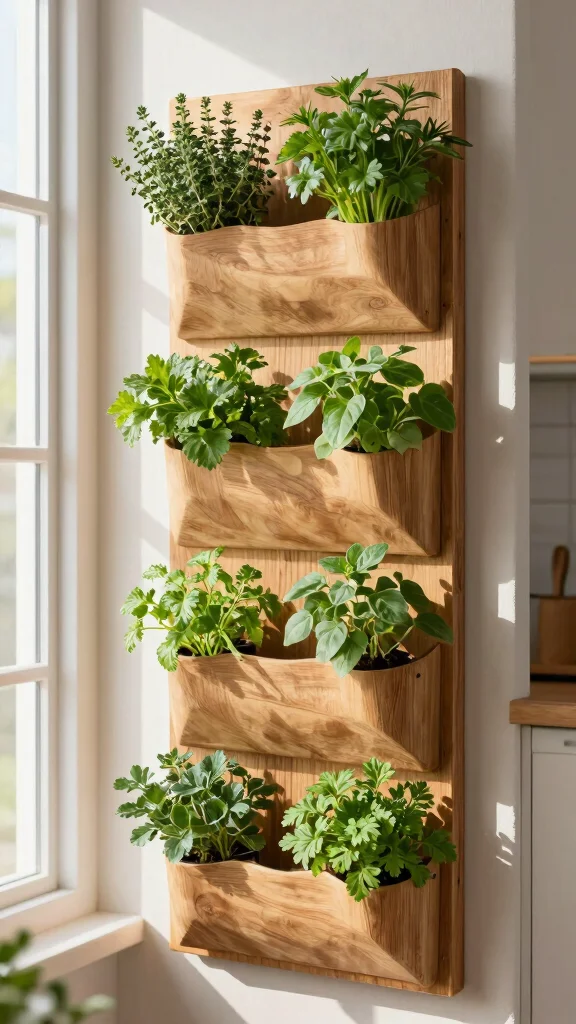
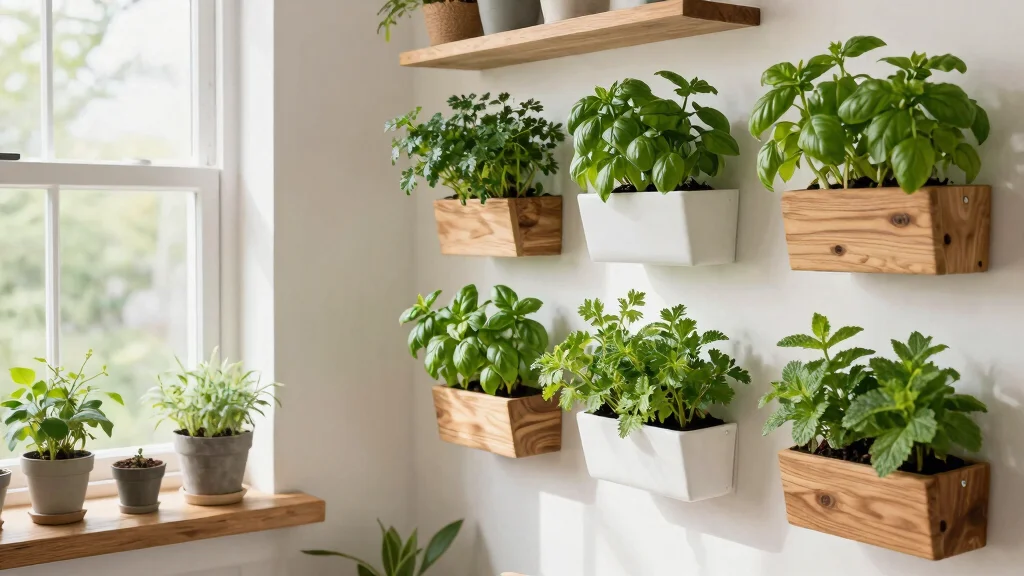
Are you short on kitchen space but want fresh herbs at your fingertips? A vertical wall herb garden is an excellent way to bring greenery into your cooking area without taking up precious counter space. With wall-mounted planters, you can create a lush display of herbs like thyme, chives, and oregano, making it both visually appealing and practical for everyday cooking.
By using a combination of materials like wood and metal, you can add a touch of warmth and style to your kitchen. Staggering your herb plants enhances their beauty and allows for better airflow, reducing the risk of pests and mold while keeping your herbs healthy and thriving.
Make sure to position your garden near a window to ensure your herbs receive plenty of sunlight. Lightweight containers will prevent damage to your walls, and regular harvesting encourages new growth.
Fun fact: A vertical wall herb garden can hold 10+ herbs in under 2 square feet. That compact setup makes thyme, chives, and oregano instantly harvestable for everyday cooking.
Vertical Wall Herb Garden
Editor’s Choice

ShopLaLa Wall Planter – 2 Pack, Wooden Hanging Large Planters for Indoor…


LBW Desk Grow Light, Full Spectrum Plant Light for Indoor Plants, Grow L…

Sereniseed Certified Organic Herb Seeds (10-Pack) – Non GMO, Heirloom …
2. Tiered Planters

Looking for a way to maximize vertical space while showcasing a variety of herbs? Tiered planters are your go-to solution! These charming multi-level structures turn your kitchen window into a vibrant herb display, allowing you to easily access aromatic favorites like basil, dill, and cilantro.
Not only do tiered planters create an eye-catching focal point, but they also ensure that each plant receives adequate light. Using durable materials like wood or metal will help withstand kitchen humidity, and arranging taller plants at the back creates a beautiful gradient of greens.
Feel free to mix in edible flowers for added color and flavor. Plus, this setup saves counter space and makes your cooking area feel more inviting!
Fact: A compact tiered planter can fit 6–9 herbs in a tiny space, turning your kitchen window into a thriving kitchen window herb garden. Keep light even by rotating the tiers weekly.
📹 Related Video: DIY Tiered 5 box planter- Low Cost High Profit – Make Money Woodworking
Tiered Planters
Editor’s Choice

Organic Herb Seeds Variety Pack – 10 Individual Packs – 2026 Season – Ba…

GameXcel Vertical Planter Tower – 5 Tier Stackable Garden Planters with …

VIPARSPECTRA P700 Grow Light, 70 Watt Dimmable Full Spectrum Plant Light…
3. Hanging Herb Garden

Do you want to add a whimsical touch to your kitchen while saving space? A hanging herb garden is a trendy solution that brings life to your windows. With pots suspended from hooks or macramé hangers, you can create a delightful arrangement that includes herbs like mint, chives, and even trailing strawberries.
This artistic approach allows you to experiment with various pot textures and colors, giving your kitchen a bohemian vibe. Ensure that your pots have drainage holes to prevent water pooling and use strong hooks for security. Rotating your herbs will help them receive even sunlight exposure.
Customize your hanging garden with decorative pots or labels for each herb, turning this practical setup into a charming feature of your kitchen decor.
Did you know that a vertical kitchen window herb garden can double your herb yield in half the space? Hang pots from hooks or macramé hangers and you’ll fit mint, chives, and strawberries in a sunny corner.
Hanging Herb Garden
Editor’s Choice

garini 2 Pack 20 Inches Macrame Plant Hanger Rope to Hang Flower Pot Pla…

Planters’ Choice 9 Herb Indoor Window Garden Kit – Birthday Gifts – Hous…

vomiceak Face Planter Pots Head, Planters for Indoor Plants – Double Cut…
4. Windowsill Containers
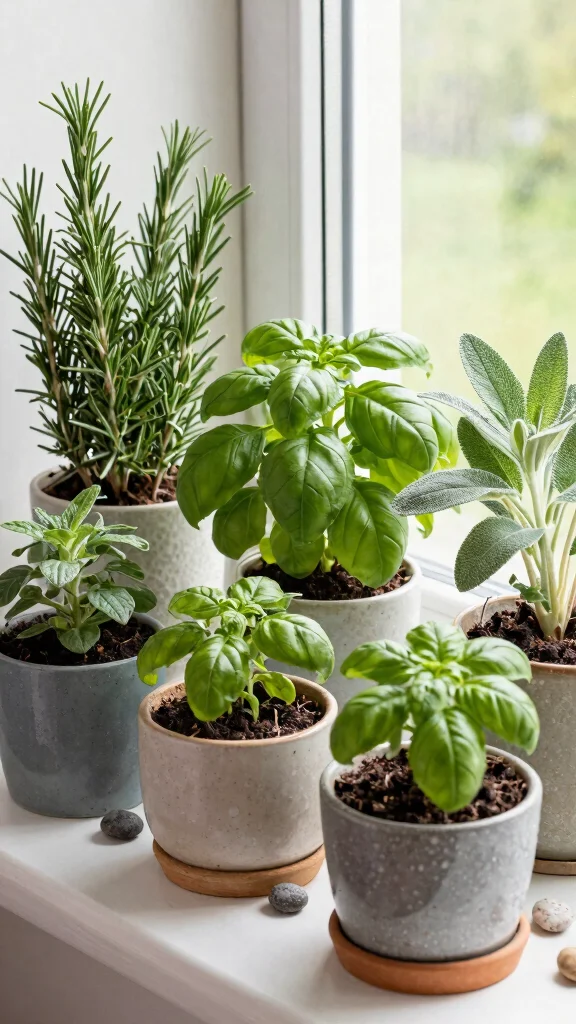
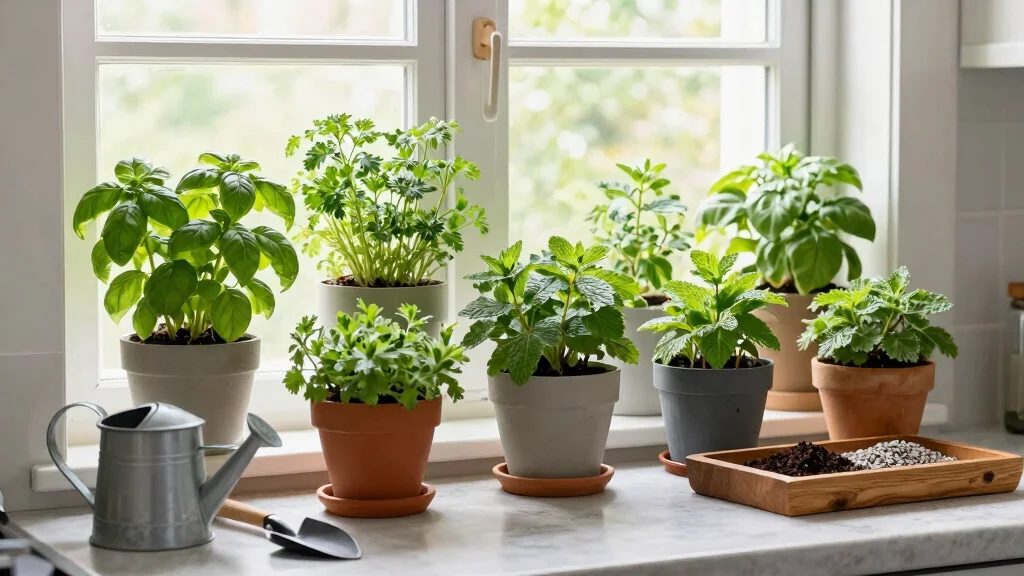
Sometimes, simplicity is the most effective approach. Using classic containers on your windowsill can create a beautiful and functional herb garden. Whether you opt for terracotta pots, ceramic bowls, or repurposed jars, filling them with herbs like rosemary, sage, or parsley allows them to soak up sunlight and thrive.
This method offers versatility, as you can style your containers with decorative stones or accents that match your kitchen’s theme. Choosing pots of varying sizes and shapes can create an engaging layout that captures attention.
Always remember to check the moisture levels in these containers, as they can dry out faster than garden beds. Mixing different herbs in one pot can also result in a delightful variety of flavors for your cooking!
You might also like
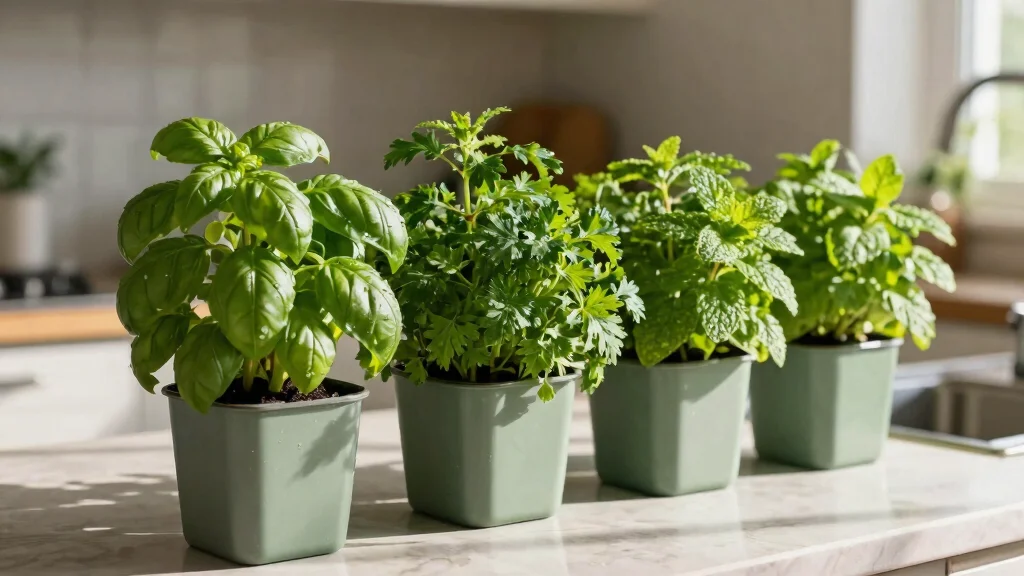
Windowsill Containers
Editor’s Choice

Creative Co-Op Stoneware Bowl w Reactive Glaze, White

Yishang 2.5 inch Terracotta Pots with Drainage Holes,Small Mini Clay Cer…

Desktop Plant Hydroponic Vases, Water Plant Jars, Gardening Gifts for Of…
5. Herb Spiral
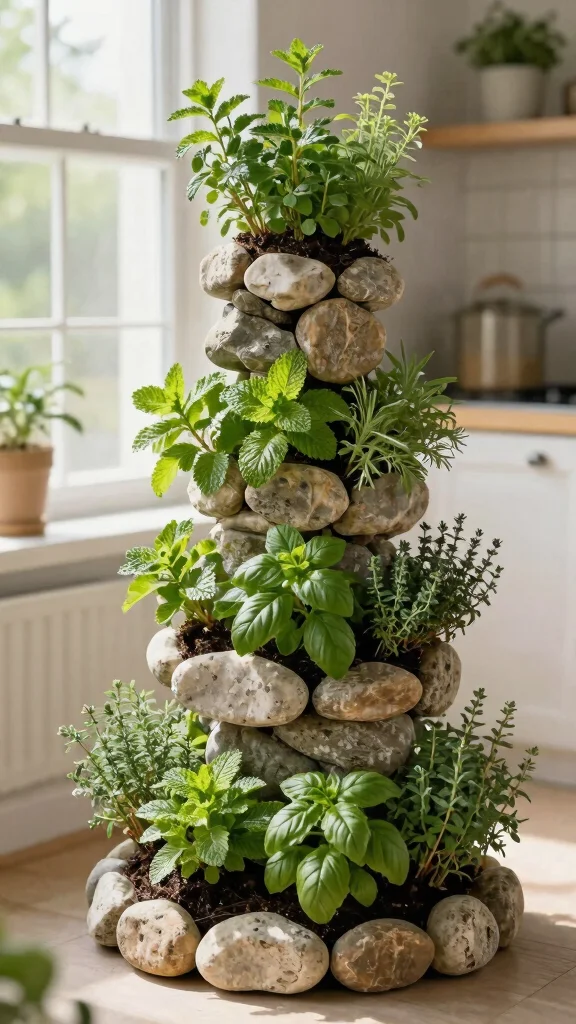
Want to make a stunning statement with your indoor herb garden? An herb spiral can be a striking addition to your kitchen window area. This unique vertical garden design not only looks beautiful but also serves a functional purpose by creating microclimates for various herbs, allowing each to thrive.
Building your spiral is simple: stack stones or bricks in a spiral formation, fill with soil, and plant herbs according to their sunlight and moisture needs. For example, basil and thyme love the warmth at the top, while mint prefers the cooler, moister environment at the bottom.
This eye-catching garden not only saves space but also serves as a conversation starter, showcasing your creativity and love for gardening in the kitchen!
How To Choose The Right Kitchen Window Herb Garden
Choosing the right kitchen window herb garden can transform your cooking space into a vibrant and functional area. Here are some essential criteria to help you select the perfect setup for your herbs.
1. Size
Evaluate the available space by measuring your kitchen window. Consider the dimensions of the area you want to use. Smaller spaces might benefit from compact containers or vertical gardens, while larger windows can accommodate tiered or hanging options. Always leave enough room for natural light to reach your herbs.
2. Material
Choose high-quality materials that fit your kitchen’s style. Common options include ceramic, wood, and metal. Ceramic pots retain moisture well but can be heavy. Wooden planters give a rustic look but may require treatment to prevent rot. Metal containers are lightweight and modern but ensure they have proper drainage to avoid water pooling.
3. Drainage
Good drainage is crucial for the health of your herbs. Look for containers with drainage holes to prevent overwatering. If you choose a decorative pot without drainage, consider using a liner. This ensures that your kitchen herbs get the moisture they need without drowning.
4. Accessibility
Think about how easy it will be to reach your herbs while cooking. If you cook frequently, having your herbs within arm’s reach is beneficial. Hanging gardens may look beautiful, but if they are too high, you’ll have trouble picking your fresh ingredients. Aim for a setup that allows for easy harvesting without much effort.
5. Light Requirements
Different herbs have varying light needs. Most kitchen herbs, like basil and cilantro, thrive in bright, direct sunlight for at least 6 hours a day. Position your garden near the window that receives the most light. If your kitchen lacks natural light, consider using grow lights to ensure your herbs get enough energy to grow.
6. Aesthetics
Your herb garden should complement your kitchen’s decor. Choose pots and designs that match your style, whether modern, farmhouse, or eclectic. A well-designed herb garden can serve as a decorative element while also being functional, adding beauty to your cooking space.
Pro Tip: Before making a purchase, visualize your herb garden by sketching it out or using an app. This can help you determine what works best in your kitchen space. Consider starting with a few herbs you use often, like parsley, chives, and mint, to keep your garden simple and manageable.
Creating a kitchen window herb garden doesn’t just provide fresh ingredients; it brightens up your cooking space and can enhance your culinary experience. By carefully considering size, material, drainage, accessibility, light requirements, and aesthetics, you can create a beautiful and functional herb garden right in your kitchen.
Herb Spiral
Editor’s Choice

Virekm River Rocks, Decorative Ornamental Pebbles,Garden Landscaping Sto…
25 Most Popular Herb Seeds Variety Pack – 11,700 Non-GMO Heirloom Seeds …

Burpee, 9 Quarts | Premium Organic Potting Natural Soil Mix Food Ideal f…
6. Repurposed Fixtures
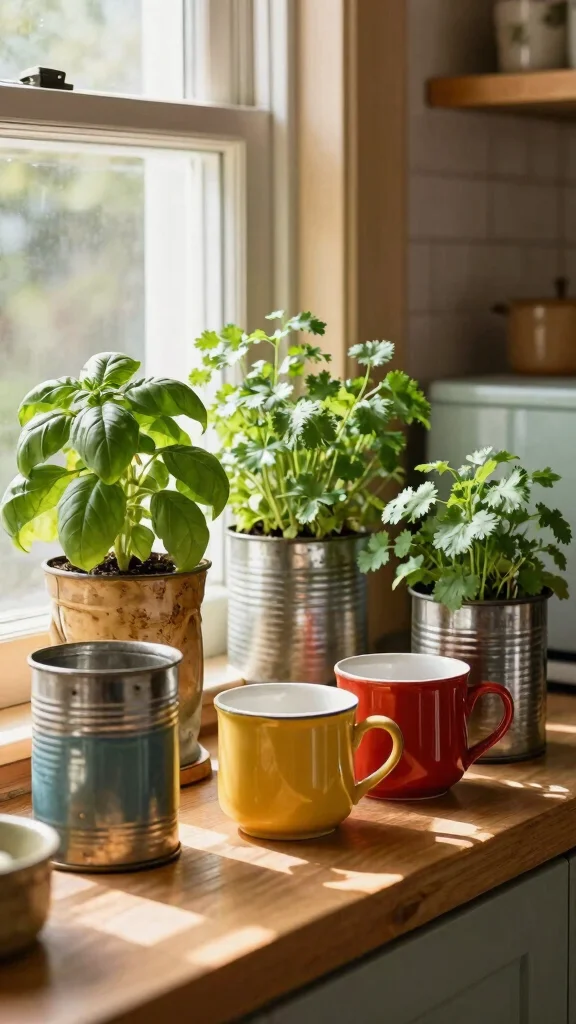
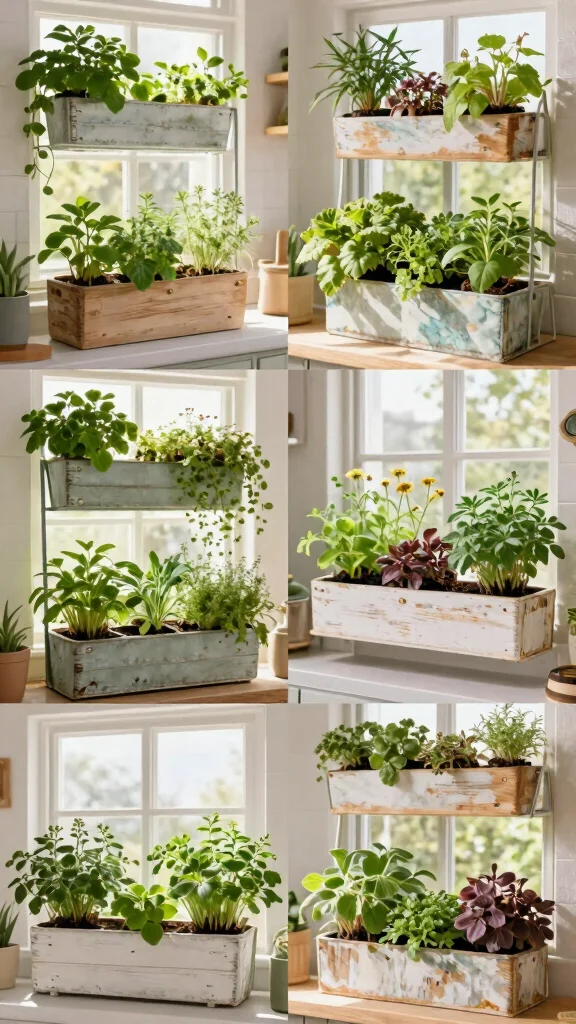
Feeling crafty? Consider using repurposed fixtures like old teacups, tin cans, or wooden crates to create a quirky herb garden. This eco-friendly approach adds a personal touch to your kitchen while allowing you to showcase your unique style. Fill these charming containers with frequently used herbs like cilantro, basil, and parsley for easy access.
Mixing different styles creates a playful garden look, and you can even decorate the containers with paint or twine for extra flair. Ensure that each container has drainage holes to keep your herbs healthy.
By repurposing items, you not only save money but also contribute to sustainability, all while adding a fun and functional element to your kitchen!
You Might Also Like

Repurposed Fixtures
Editor’s Choice

Wells Lamont Gardening Gloves for Women – Breathable Polyester, Seamle…

Garden Friendship Gift for Women Gardeners, Plant Marker Stake Label Sig…

Indoor Herb Garden Start Kit – Unique Gifts for Women, Mothers Day Gifts…
7. Floating Shelves

Looking for a modern and stylish way to display your kitchen herbs? Floating shelves are the perfect solution. Mounted just below your kitchen window, these shelves allow you to showcase various herb pots while keeping them accessible for cooking. Picture rows of vibrant herbs, each ready to be snipped for your favorite dishes.
This setup allows you to curate your collection and switch it out seasonally based on your culinary needs. Choose shelves that match your kitchen decor for a seamless look, and ensure they are securely installed to support the weight of the pots and soil.
Arranging pots by height and color can create visual interest and make your kitchen feel more inviting. With floating shelves, you can easily rearrange your herbs as your cooking adventures evolve!
Floating Shelves
Editor’s Choice

Bamworld Floating Shelves for Wall Planters for Indoor Plants Hanging Sh…

sietpoek Plant Pots – 5.5 Inch Cylinder Ceramic Planters with Connected …
Conclusion
Transforming your kitchen window into an herb garden brings not only beauty but also functionality into your cooking space. From vertical gardens to repurposed fixtures, each idea offers a unique way to embrace indoor gardening. Whether you’re a seasoned cook or just starting out, having fresh herbs on hand enhances flavors and makes cooking an enjoyable experience. Explore these ideas, get creative, and enjoy growing your little piece of nature right in your kitchen!
Note: We aim to provide accurate product links, but some may occasionally expire or become unavailable. If this happens, please search directly on Amazon for the product or a suitable alternative.
This post contains Amazon affiliate links, meaning we may earn a small commission if you purchase through our links, at no extra cost to you.
Frequently Asked Questions
What exactly is a kitchen window herb garden, and why is it a smart choice for small-space gardening?
A kitchen window herb garden is a compact setup of herbs grown in containers along a sunny kitchen window, perfect for indoor gardening and small space gardening.
Having fresh kitchen herbs at your fingertips makes cooking quicker and more flavorful, while brightening the space with greenery.
Tip: choose herbs that thrive indoors, use containers with drainage, and place your setup where you get several hours of sun each day; rotate plants weekly to keep growth even.
Which herbs work best for a vertical kitchen window herb garden, and how should I arrange them in containers?
For a vertical kitchen window herb garden, pick herbs that do well indoors and like sun: basil, thyme, oregano, parsley, chives, cilantro. In container gardening, group plants with similar water needs and use a vertical setup (tiered shelves, rail planters, hanging pockets). Place taller herbs at the back or top and shorter ones at the front for easy harvesting. Ensure drainage and rotate crops every few weeks to keep them productive.
How can I set up a bright and functional vertical kitchen window herb garden on a budget using container gardening ideas?
Start by measuring your window and choosing inexpensive vertical solutions (tiered planters, hanging organizers, repurposed jars in a caddy). Use container gardening with good drainage and fill with quality potting mix. Steps: 1) pick a sunny spot (ideally 4–6 hours of sun), 2) select compact, fast-growing herbs, 3) assemble your vertical system, 4) water consistently, 5) monitor for heat and light. This approach makes a vibrant kitchen window herb garden feasible even in tight spaces.
What are common challenges with a kitchen window herb garden and how can I prevent them?
Common challenges include insufficient light, over- or under-watering, pests, and crowded growth. Prevent them by: ensuring adequate light or adding a small grow light if needed; watering only when the top inch of soil dries and using containers with drainage; pruning regularly to keep plants compact; inspecting for pests and treating with gentle, kitchen-safe solutions; choosing appropriately sized containers to avoid root crowding.
How can I use and preserve herbs from my kitchen window herb garden in everyday cooking?
Harvest herbs by snipping leaves just above a pair of leaves to encourage new growth. Use fresh herbs in daily cooking—basil in pasta, thyme in roasted vegetables, parsley in salads. For storage, stand stems in a glass of water in the fridge or dry/freeze herbs for later use. Try herb-infused oils or butter for quick flavor boosts, and preserve any excess in ice-cube trays with water or oil. This keeps your kitchen window herb garden ingredients handy for flavorful meals.
Related Topics
kitchen window herb garden
indoor gardening
small space gardening
herb garden ideas
container gardening
vertical gardening
easy herbs
beginner friendly
functional decor
urban gardening
fresh kitchen herbs
DIY herb garden