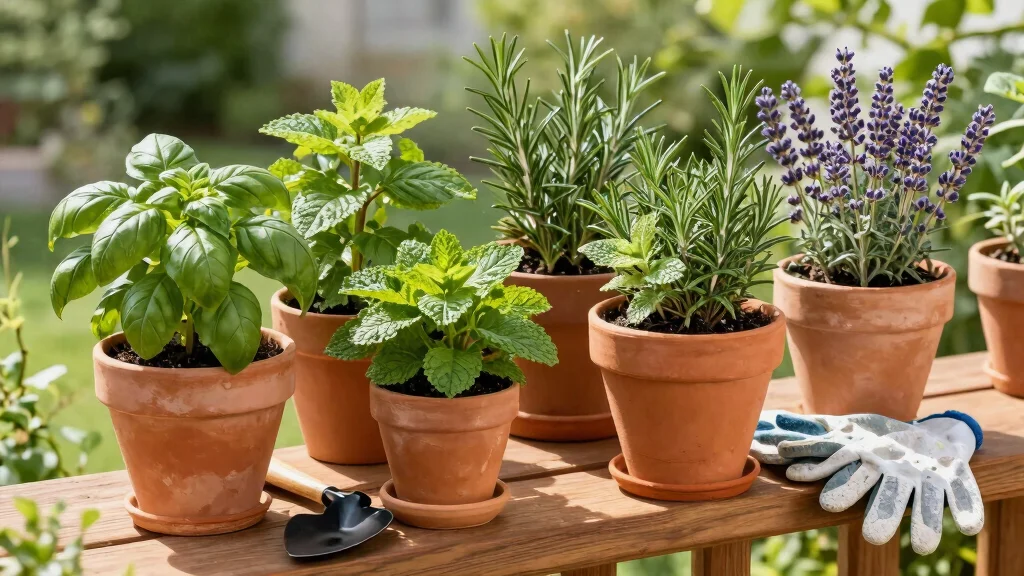
Growing your own medicinal herb garden can be a rewarding way to improve your health and well-being. With a growing interest in natural remedies, many people are looking for ways to incorporate healing plants into their daily lives. Whether you’re seeking relief from stress, pain, or other ailments, a home herb garden can be your go-to source for holistic healing.
If you’re curious about herb gardening, this guide is just for you. Whether you’re a seasoned gardener or just starting, you’ll find plenty of inspiration here. We’ve gathered seven creative ideas for growing medicinal herbs in containers, making it easy for everyone to enjoy the benefits of herbal medicine. From cozy balconies to decorative terrariums, these ideas cater to various spaces and lifestyles.
In this post, you’ll discover practical tips for cultivating your own herb garden. You’ll learn how to create a lush oasis in your home using simple container gardening techniques. Dive into the world of medicinal plants and explore how you can grow your own natural remedies right at home. By the end, you’ll be ready to start your herb garden adventure and embrace the healing powers of nature.
Key Takeaways
– Creating a medicinal herb garden is an effective way to access natural remedies for common health issues. Growing your own herbs empowers you to take control of your wellness.
– Container gardening is a suitable option for those with limited space. You can successfully cultivate a variety of herbs in small areas like balconies or kitchen windows.
– Each herb has unique properties and uses, making it essential to choose the right plants for your needs. Popular choices include basil, peppermint, and chamomile for their health benefits.
– Practical tips throughout this guide will help you maximize your gardening experience. You’ll find advice on sunlight, watering, and pairing herbs with companion plants.
– Transforming your space with a medicinal herb garden can enhance your home environment. It not only beautifies your surroundings but also adds a touch of nature to your daily routine.
1. Cozy Balcony Herb Haven
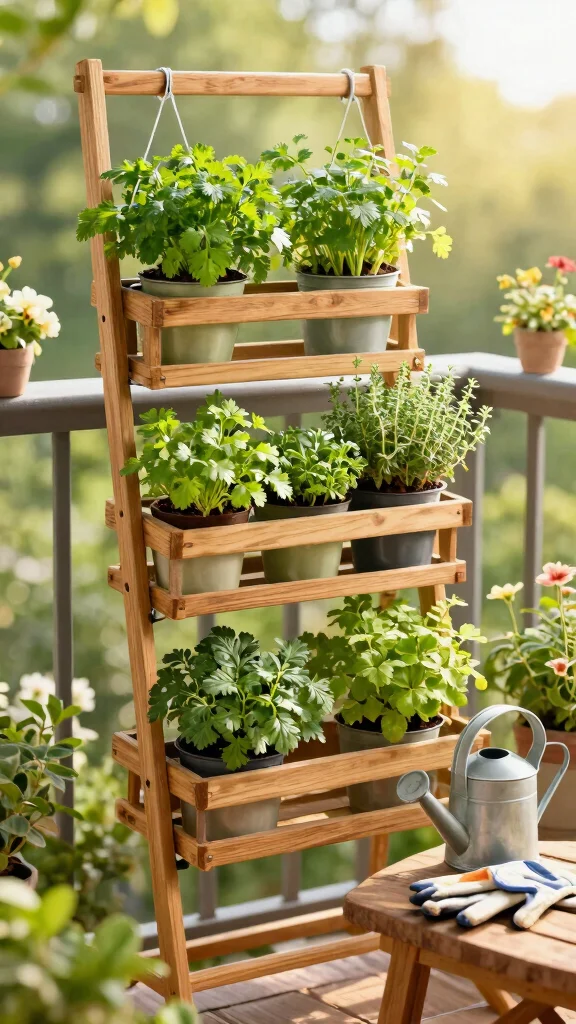
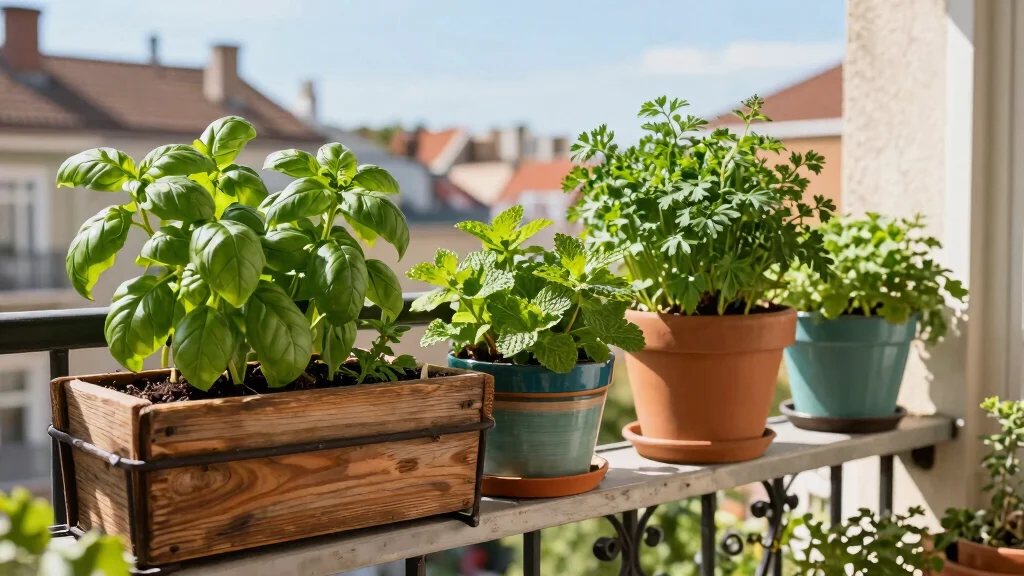
Imagine transforming your balcony into a charming herb sanctuary with vertical gardens made of tiered containers. Whether your balcony is small or spacious, this setup maximizes your space while adding vibrant greenery. Herbs like parsley, cilantro, and thyme not only enhance the visual appeal but also offer fresh ingredients right at your fingertips.
To begin, select lightweight containers like fabric pots or hanging baskets, so you don’t burden your balcony. Choose herbs that flourish in your area, considering sunlight and watering needs. Remember to prune and harvest regularly to keep your herbs healthy and thriving.
Tips for Success:
– Use quality potting soil to ensure good drainage.
– Incorporate stakes for climbing herbs like peas.
– Group herbs with similar watering needs for easier maintenance.
This vertical garden approach turns your balcony into a lively retreat, inviting nature to your everyday life.
Fun fact: Vertical balcony herb gardens can double usable plant density per square foot, giving you fresh parsley, cilantro, and thyme for your medicinal herb garden at arm’s reach. With lightweight fabric pots and hanging baskets, you’ll transform even a small space into a thriving, fragrant sanctuary.
Cozy Balcony Herb Haven
Editor’s Choice

Anyumocz 60 Pcs 1 Gallon Flexible Plant Nursery Pots,Thickened Soft Plas…


TOREVSIOR 5-Tier Vertical Raised Garden Bed, Vertical Garden Planter wit…
2. Kitchen Window Herb Oasis
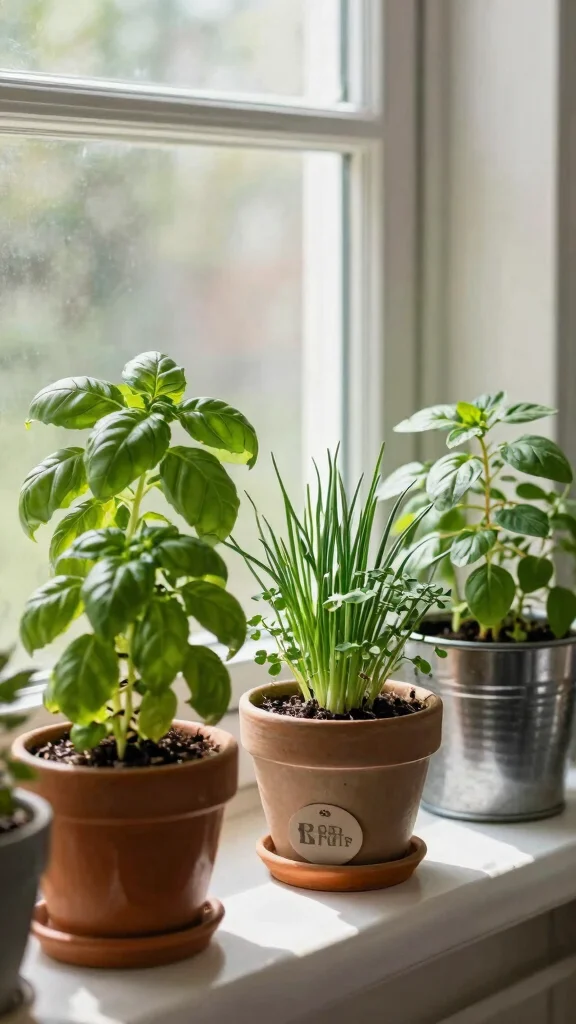
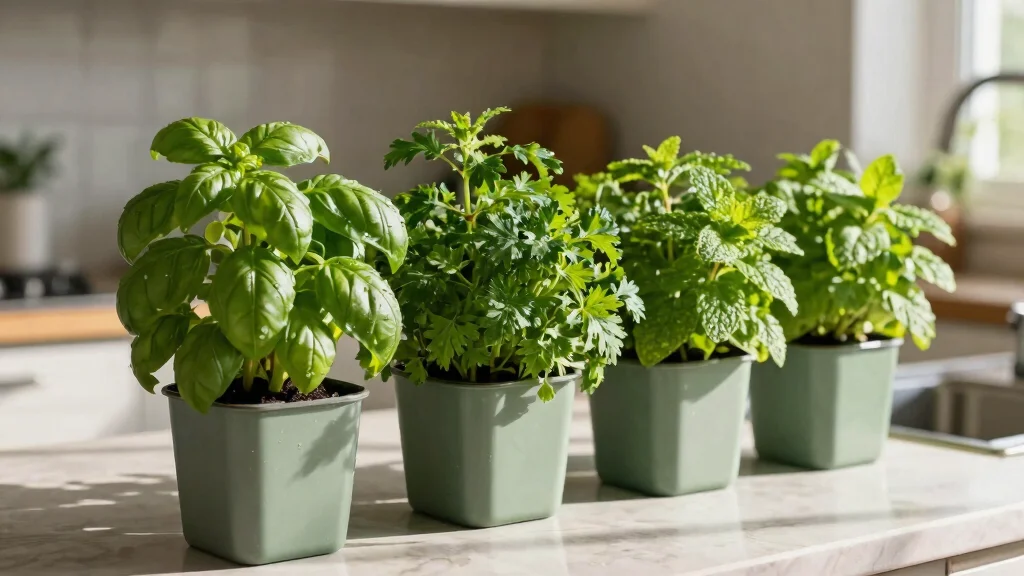
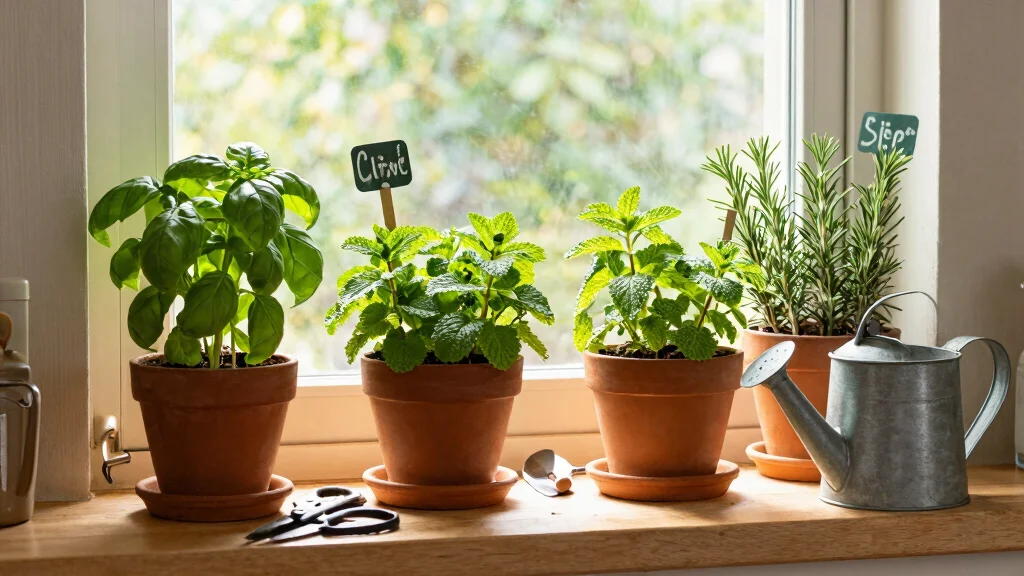
Enhance your culinary adventures by creating a delightful herb oasis on your kitchen window sill. This not only keeps fresh herbs at your reach but also brightens your cooking space with greenery. Herbs like basil, chives, and oregano thrive in sunny spots, making your cooking even more enjoyable.
When picking out containers, choose small pots that snugly fit your window ledge. Colorful ceramic or sleek metal pots can add a personal flair to your kitchen decor. Make sure they have drainage holes to promote healthy growth.
Herb Gardening Tips:
– Rotate plants to ensure they all receive sunlight.
– Use decorative labels to make identification fun.
– Water regularly but avoid overwatering to keep roots healthy.
With a kitchen window herb garden, you’ll enjoy fresh scents and sights while preparing delicious meals.
Turn your kitchen window into a mini medicinal herb garden—fresh basil, oregano, and chives at your fingertips. Keep small, stylish pots on a sunny sill, and harvest daily for quick flavor boosts.
Kitchen Window Herb Oasis
Editor’s Choice

Whaline 24Pcs Acrylic Plant Label Signs 12 Styles Garden Herb Markers Pl…
Gift for Women, Mom, Her – 9 Herb Indoor Window Garden Kit | Complete …

Selamica Ceramic Plant Pots, 5.6 Inch Flower Pots for Indoor Plants, Pla…
3. Portable Container Herb Garden
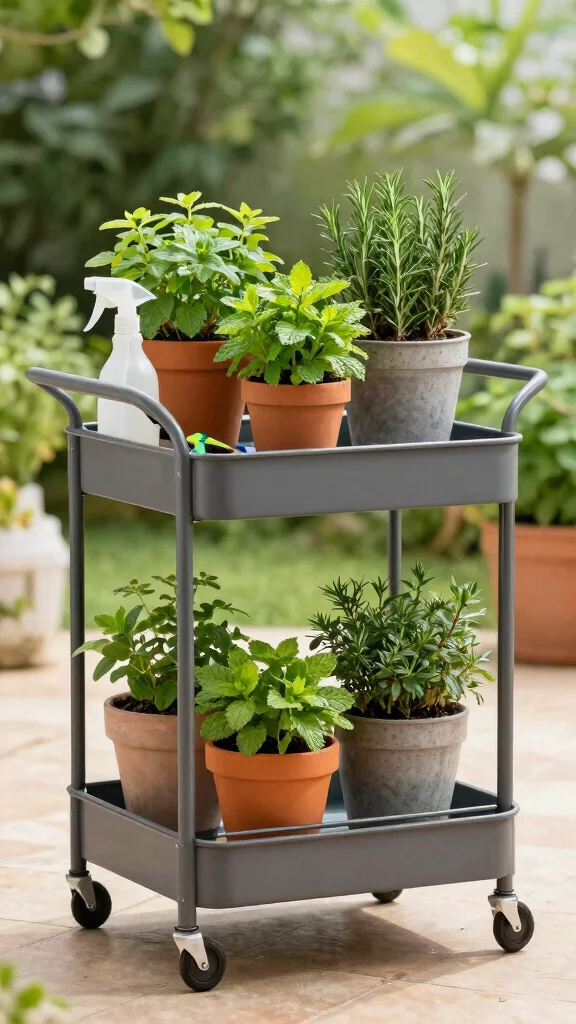
If you love flexibility, a portable container herb garden is ideal for you. Using wheeled carts or sturdy trays allows you to move your herbs easily, letting them soak up sunshine or shield them from harsh weather. This setup not only looks appealing but also encourages you to care for your plants regularly.
Mixing containers of various heights creates an attractive display. Larger pots are perfect for herbs like mint and rosemary that need room to grow. This mobility creates a fun interaction with your plants, leading to a rich harvest of fresh ingredients.
Growing Medicinal Plants:
– Choose a blend of perennial and annual herbs for ongoing harvests.
– Keep a spray bottle handy for convenient watering.
– Check for pests regularly to keep your plants healthy.
With a portable herb garden, you can enjoy fresh flavors anywhere, whether on your patio or balcony.
Portable Container Herb Garden
Editor’s Choice
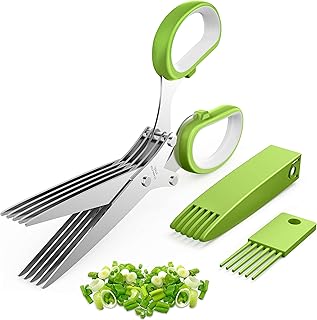
2026 Upgraded Herb Scissors, Effortless Herb Shears Cutter Tool with Sha…

Bamworld Plant Stand Outdoor Rolling Tray Plant Caddy with Wheels 12in P…

Stackable Vertical Planter Tower, 4 Tier Strawberry Planter,16 Plant Sit…
4. Rustic Wooden Crate Garden
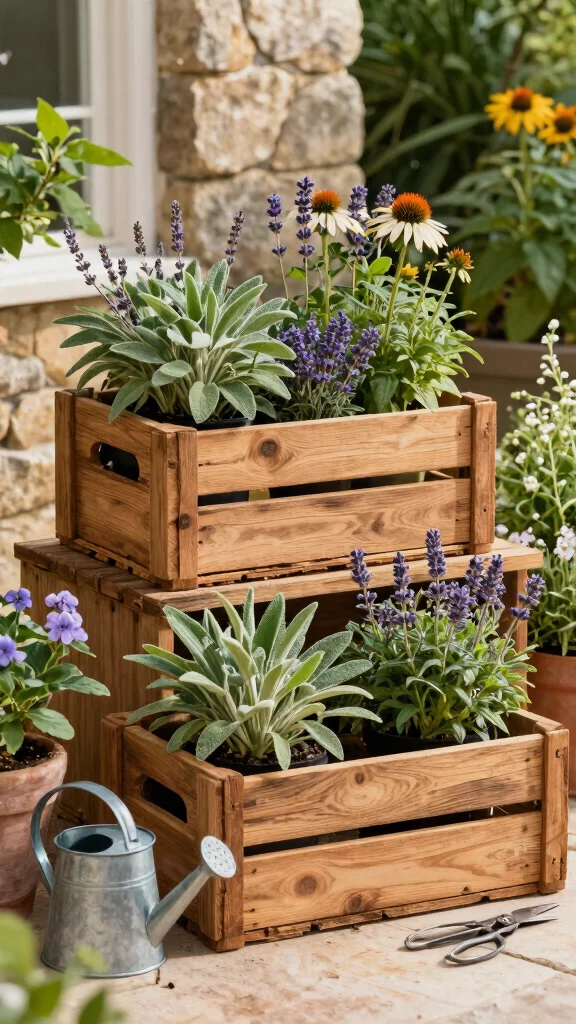
Capture a rustic vibe by using wooden crates for your medicinal herbs. Arranging or stacking these crates creates a visually appealing garden that brings country charm to your space. Fill each crate with different herbs like sage, lavender, and echinacea for variety.
Consider painting or staining the crates to match your decor, giving it a personalized touch. Make sure to add pebbles for drainage at the bottom of each crate. This setup is perfect for patios or porches, inviting casual gatherings around your herbal collection.
Natural Remedies:
– Combine herbs with similar growth habits and sunlight needs.
– Regularly harvest to encourage healthy growth.
– Use harvested herbs to craft your own natural remedies, like teas.
A rustic wooden crate garden beautifully blends style and function, serving both aesthetic and practical needs.
You might also like
Rustic Wooden Crate Garden
Editor’s Choice

FANTIAN Succulent Rocks, 3/8 Inch Polished Pebbles for Indoor Plants, De…

Burpee, 9 Quarts | Premium Organic Potting Natural Soil Mix Food Ideal f…

20″ L Oversize Wooden Crates For Storage, Wood Milk Crates Of Farmhouse …
5. Small Space Vertical Planters
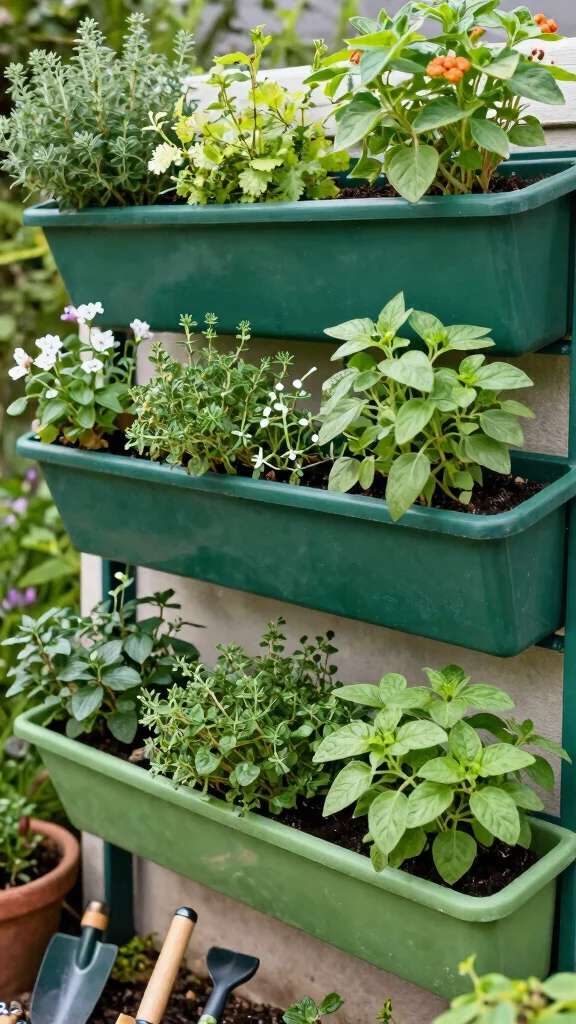
When space is limited, vertical planters are a fantastic way to grow medicinal herbs. These planters allow you to create an elegant garden without taking up much room. Look for wall-mounted pockets or tiered systems that can hang on fences or walls, even inside your home.
Fill the pockets with herbs like thyme and oregano, or even small flowering plants that attract beneficial pollinators. A vertical herb garden not only maximizes your space but also provides convenient access to your herbs.
Home Herb Garden Tips:
– Ensure the planters are sturdy enough to support plant weight.
– Check moisture levels regularly, as vertical planters dry out quickly.
– Consider drip irrigation for consistent watering if you’re away.
Vertical planters transform any unused wall into a stunning herbal oasis.
Did you know vertical planters can triple your usable growing space in a small balcony? A simple 3-tier setup can fit in as little as 2×4 feet and yield fresh thyme, oregano, and lemon balm within arm’s reach.
Small Space Vertical Planters
Editor’s Choice

Lush&Dew Ancestral Apothecary Medicinal Tea Herb Seed Chest, 36,000+ Non…

ShopLaLa Wall Planter – 2 Pack, Wooden Hanging Large Planters for Indoor…

MUDEELA 2 Pack Indoor Plant Stands, 2 Tier Tall Plant Stand 30 inches, M…
6. Decorative Herb Terrariums
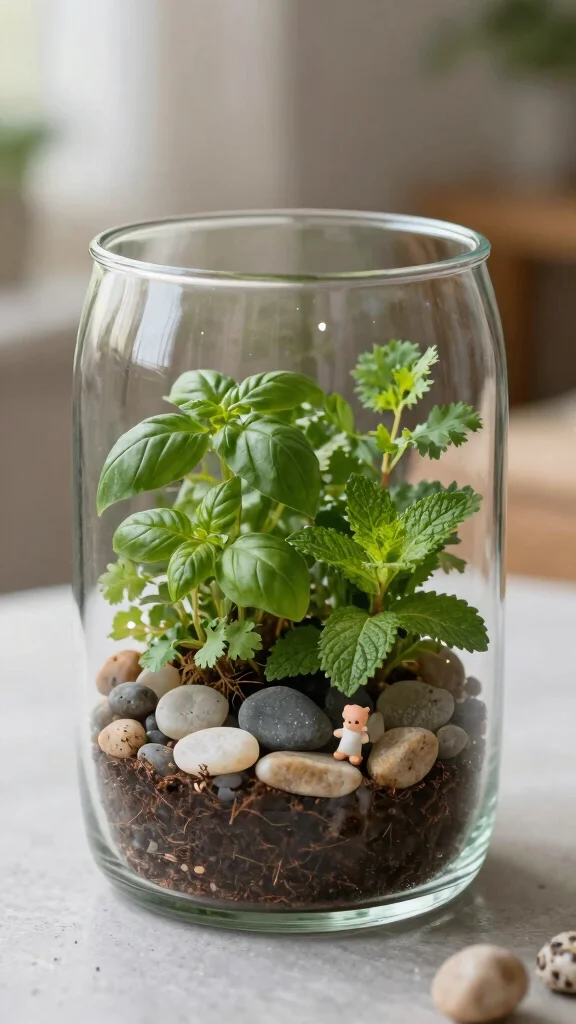
Invite nature indoors with decorative herb terrariums. These mini ecosystems let you showcase your herbs while serving as beautiful centerpieces for any room. Use clear glass containers for herbs like basil and mint, ensuring they receive the right light and humidity.
Creating a terrarium involves layering stones for drainage, adding potting soil, and then planting your herbs. This process not only creates a captivating display but also improves indoor air quality. Terrariums make caring for herbs enjoyable, perfect for those who love both aesthetics and functionality.
Gardening Tips for Terrariums:
– Place the terrarium in a well-lit area, avoiding direct sunlight.
– Water sparingly; a little moisture goes a long way.
– Add decorative stones or figurines for extra charm.
Terrariums can engage children and guests in gardening while brightening your home.
📹 Related Video: The Edible Herb Terrarium
You Might Also Like
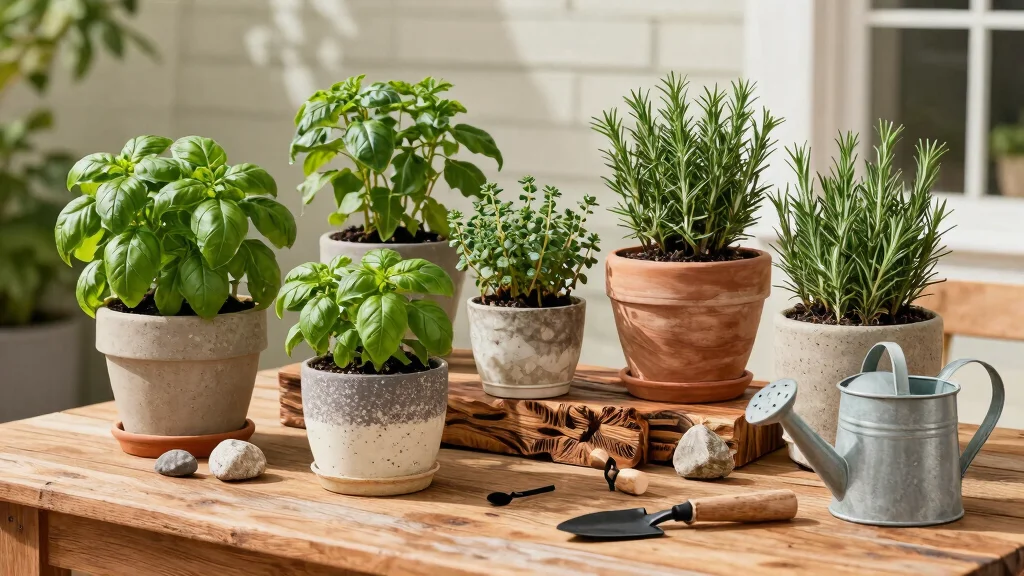
Decorative Herb Terrariums
Editor’s Choice

Pulovin 2.5 lbs Drainage Rocks for Potted Plants, 1/5 Inch Small Pebbles…

Miracle-Gro Indoor Potting Mix for All Plants, Use with Houseplants and …

2 Pcs 5.9 x 7.9 Inch Glass Terrarium Clear Terrarium Planter Container G…
7. Herb Garden with Companion Plants
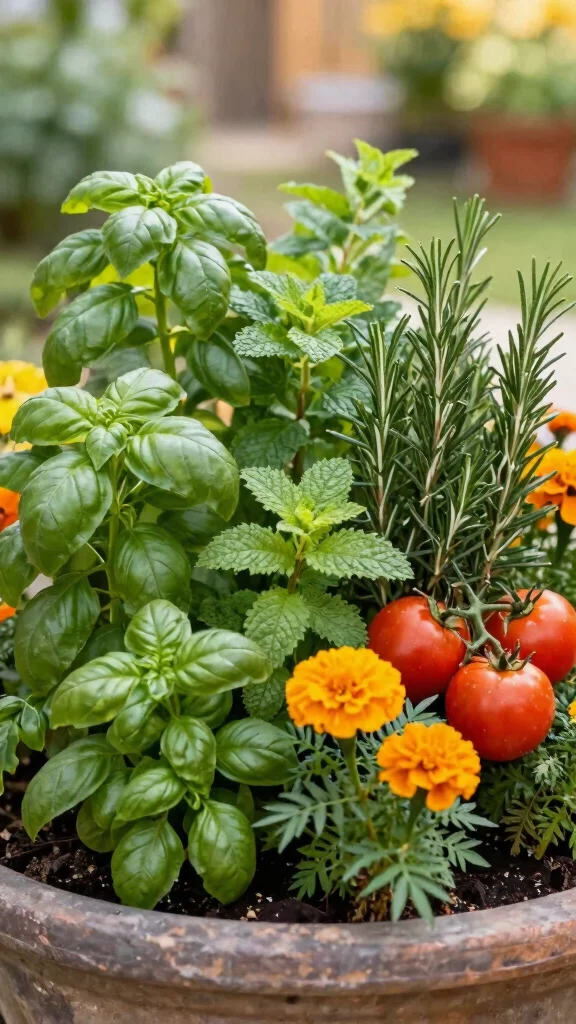
Enhance your herb garden by using companion planting techniques. Certain herbs can thrive together, benefiting each other’s growth. For instance, basil loves to be near tomatoes, while mint can help repel pests when planted alongside cabbage and carrots.
This approach allows you to create a rich, diverse ecosystem in your containers. Choose larger pots to accommodate various herbs and companion plants. This not only increases your harvest but also forms a dynamic and beautiful garden space.
Herbal Medicine Garden Tips:
– Research which herbs complement each other before planting.
– Rotate plants regularly to maintain soil health.
– Mulch your containers to retain moisture and enrich the soil.
Companion planting adds strategy and fun to your gardening, ensuring you get the most from your home herb garden.
How To Choose the Right Containers for Your Medicinal Herb Garden
When starting a medicinal herb garden, selecting the right containers is crucial. The right pots can make a big difference in the growth and health of your herbs. Here are some key factors to consider:
1. Size
Choosing the right size pot is essential for your herbs to thrive. For smaller herbs like basil or parsley, a pot with a diameter of about 6 to 8 inches is usually sufficient. Larger herbs like rosemary or sage need bigger containers, typically around 10 to 12 inches wide. Make sure your containers have enough space for the roots to grow without becoming pot-bound.
2. Material
The material of your containers affects moisture retention and temperature regulation. Clay pots are good for herbs that prefer drier conditions. They are porous, allowing air circulation but can dry out quickly. Plastic pots retain moisture longer, making them ideal for herbs that prefer consistent watering. Consider your local climate when choosing the material for your pots.
3. Drainage
Proper drainage is vital to prevent root rot. Look for containers with multiple drainage holes at the bottom. If your chosen pots don’t have holes, you can drill some yourself! Adding a layer of gravel or small stones at the bottom of the pot can also help with drainage, ensuring your herbs don’t sit in water.
4. Mobility
If you want to move your herb garden around, consider lightweight containers or ones with wheels. This is especially useful for a balcony or patio garden where sunlight may change throughout the day. You can easily reposition your herbs to ensure they receive adequate light and protection from harsh weather.
5. Aesthetic Appeal
Your container choice can enhance your garden’s beauty. Choose pots that match your home’s style or your personal taste. Colorful ceramic pots can add a pop of color, while rustic wooden boxes can give a more natural feel. An attractive garden makes your space more inviting!
6. Cost
Budget is always a consideration. Containers can range from inexpensive plastic pots to high-end ceramic ones. Determine how many herbs you want to grow and what you can afford. You can even consider repurposing old containers, like tin cans or wooden crates, to save money while being eco-friendly.
Pro Tip: Always opt for pots that are slightly larger than you think you need. It gives your herbs room to grow and reduces the need for frequent repotting. Plus, it’s less stressful for the plants when they have more space to develop strong roots. Happy gardening! 🌱
Herb Garden with Companion Plants
Editor’s Choice

The ONLY Companion Planting Book You’ll Ever Need Without the Myths: Ste…
Gift for Women, Mom, Her – 9 Herb Indoor Window Garden Kit | Complete …
Conclusion
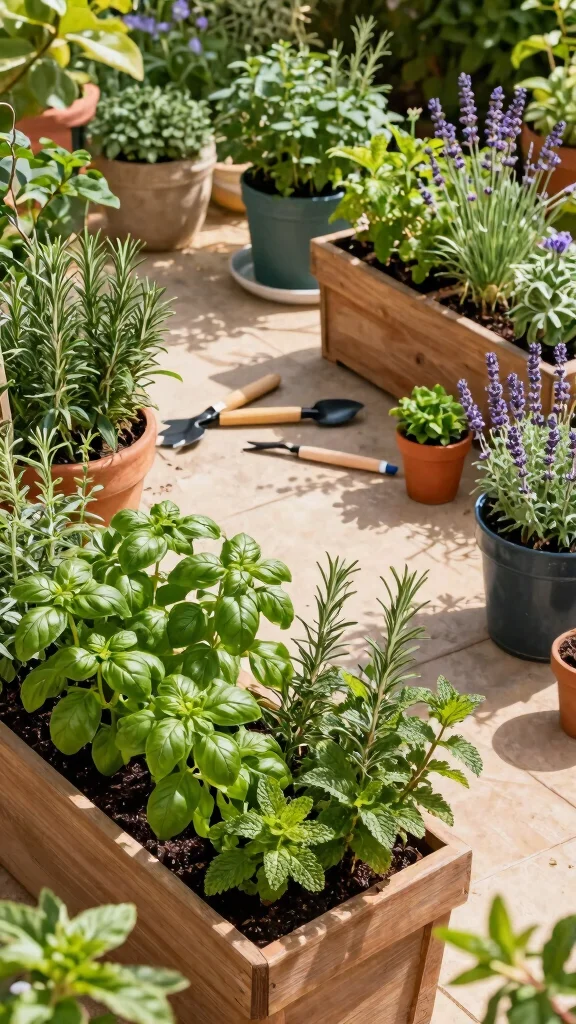
Establishing a medicinal herb garden at home can enrich your life with natural remedies and beautiful greenery. Each of these ideas not only enhances your living space but also empowers you to grow your own healing herbs right at your fingertips.
So why wait? Whether you have a big backyard or a little windowsill, there’s always a way to cultivate your own herbal haven. Start your journey today, and enjoy the benefits of growing and using your own medicinal plants!
Note: We aim to provide accurate product links, but some may occasionally expire or become unavailable. If this happens, please search directly on Amazon for the product or a suitable alternative.
This post contains Amazon affiliate links, meaning we may earn a small commission if you purchase through our links, at no extra cost to you.
Frequently Asked Questions
What are the best medicinal herbs to grow in a container for a medicinal herb garden?
Start with a few versatile stars like thyme, rosemary, mint (in a dedicated pot), lavender, and oregano. These are easy in containers and great for natural remedies.
Tips: pick compact or dwarf varieties if space is tight, ensure well-draining soil, and give each pot about 6 to 8 hours of sun daily. Water when the top inch of soil is dry to keep roots happy, and harvest regularly to encourage lush growth. This makes a solid start for a home herb garden and sets up a practical medicinal herb garden right at home.
How can I set up a container medicinal herb garden at home from scratch?
First, pick a sunny spot such as a balcony, patio, or sunny kitchen window. Then choose containers with drainage and fill with a high-quality potting mix designed for herbs. Group plants by sun needs and water needs to simplify care. For example, drought-tolerant herbs like thyme and rosemary stay in bright sun, while mint is best kept in a separate pot to control spread. Water deeply when the top inch of soil dries, mulch lightly, and fertilize with a mild organic feed every 4–6 weeks during the growing season. This approach makes it easy to grow growing medicinal plants and nurture a thriving herbal medicine garden at home.
What are easy to grow herbs for beginners in a herbal medicine garden?
Starter herbs that forgive beginner mistakes include mint (in a pot), thyme, rosemary, sage, oregano, chives, and lemon balm. They tolerate imperfect soil, casual watering, and a range of sun conditions. Pro tips: prune after flowering, harvest regularly to keep them bushy, and use a light, well-draining soil mix. With these you can jumpstart a practical medicine garden full of natural remedies options in your home herb garden.
How do I harvest, dry, and store herbs for natural remedies?
Harvest in the morning after the dew dries, pick leaves just above the stem to encourage growth, and avoid harvesting when the plant is stressed by heat or drought. Drying methods: air-drying in a warm, dry, well-ventilated area; use a dehydrator or oven on a low setting for faster results. When dried, crumble and store in airtight jars away from light. Label with name and date. Proper storage keeps herbal medicine strong and ready for natural remedies.
How can I maintain a healthy medicinal herb garden year round in containers?
Seasonal planning helps. Move tender herbs indoors for winter, or bring them to a sheltered balcony. Use protective mulch and ensure containers have drainage. Check for pests with natural remedies like neem oil or insecticidal soap, rotate crops to prevent disease, and top up soil with fresh potting mix or compost each year. Keep a balanced organic fertilizer on hand and a consistent watering routine. With these practices you can maintain a thriving home herb garden that fuels your medicinal herb garden with fresh picks all year.
Related Topics
medicinal herb garden
container gardening
natural remedies
herb gardening tips
growing medicinal plants
easy gardening
home herb garden
herbal medicine garden
beginner friendly
urban gardening
sustainable gardening
seasonal herbs