
Growing a garden is one of the most rewarding hobbies out there, but it can be a bit challenging, especially when working with limited space. That’s why I created this post to help you maximize your garden’s potential. If you’re looking to elevate your gardening game and boost plant production, you’re in the right spot. This guide dives into innovative raised bed trellis ideas that not only support climbing plants but also add an aesthetic touch to your garden.
If you’re an urban gardener, a small-space enthusiast, or someone who just loves the idea of vertical gardening techniques, these ideas will resonate with you. Whether you’re a beginner or have some experience, this post offers practical solutions that transform your garden into a productive oasis. You’ll find inspiration and tips that make it easier to grow climbing plants in your raised beds, ensuring you enjoy fresh produce or beautiful blooms all season long.
Get ready to explore seven unique raised bed trellis ideas that are functional, stylish, and perfect for your gardening needs. By the end, you’ll have a toolbox of designs that optimize plant growth while keeping your garden space efficient and stunning. Let’s dig in!
Key Takeaways
– Discover various raised bed trellis ideas that enhance vertical gardening and maximize plant growth efficiency.
– Learn about different materials and styles, from rustic wooden arches to modern metal grids, to suit your garden aesthetic.
– Explore DIY options like bamboo trellises and vertical pallet gardens that are budget-friendly and easy to implement.
– Understand how to effectively support climbing vegetables and flowers, ensuring they thrive and produce well.
– Gain practical tips for maintaining your trellises and maximizing your garden’s yield throughout the growing season.
1. Rustic Wooden Arches

Imagine stepping into your garden and being greeted by beautiful rustic wooden arches. These charming structures not only serve a practical purpose but also bring a warm, inviting feel to your outdoor space. Crafted from reclaimed wood or untreated timber, they can easily support climbing plants such as cucumbers, tomatoes, and vibrant flowering vines.
To make the most of these arches, place them at both ends of your raised beds. This method allows your plants to gracefully cascade over the sides, optimizing space and providing some shade to the plants below.
Tips for Creating Wooden Arches:
– Select sturdy materials for durability against heavy plants.
– Anchor the arch securely in the ground for stability.
– Position it to capture maximum sunlight for healthy growth.
With a touch of creativity, these wooden arches can elevate your garden’s appearance while encouraging vigorous vertical growth.
Did you know rustic wooden arches can boost vertical growth by up to 40% in a small raised bed? This is why Raised Bed Trellis Ideas work best when arches anchor at bed ends, guiding cucumbers and tomatoes to climb.
Rustic Wooden Arches
Editor’s Choice

Tcamp Heavy-Duty Polyester Garden Trellis Netting Plant Climbing Net for…


VINGLI 85in Wooden Arbor, Wedding Arch for Ceremony, Wood Trellis for Pl…
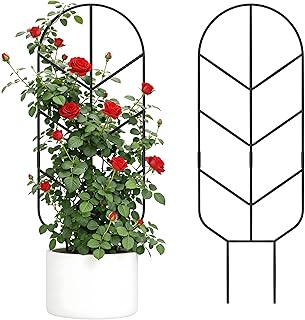
2 Pack 30” Large Metal Plant Trellis for Climbing Plants, Tall Plant Su…
2. Metal Grids for Modern Appeal

If sleek, modern designs appeal to you, consider using metal grids in your garden! These strong trellises are ideal for urban settings, combining functionality with a contemporary look. The clean lines of metal grids ensure that sunlight reaches every part of your plants, fostering robust growth.
Think about adding a splash of color by painting the metal or letting it develop a natural patina for a rustic charm.
Metal Grid Tips:
– Opt for galvanized steel for long-lasting durability.
– Position grids vertically to maximize space and light exposure.
– Use twist ties to guide plants along the grid as they grow.
These metal grids not only support your plants but also introduce a modern aesthetic, transforming your garden into a stylish landscape.
Fun fact: metal grids as part of raised bed trellis ideas can boost sun exposure for climbing plants by up to 25%, promoting faster growth in small-space gardens. They’re sturdy, modern, and easy to paint or patina for unique character.
Metal Grids for Modern Appeal
Editor’s Choice
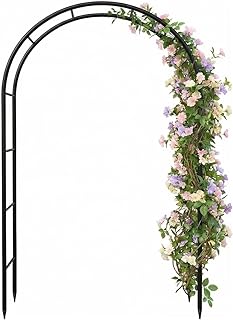
Galvanized Metal Garden Arbor,7.6ft H x 4.6ft W,Rust-Resistant Heavy-Dut…

SUNNYPARK Antique Garden Iron Trellis with Decorative Hummingbirds Detac…
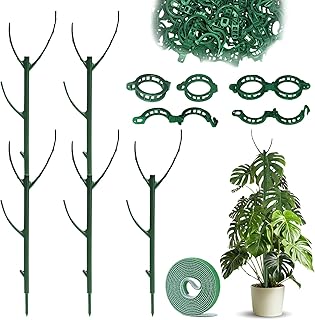
5pack Adjustable Plant Support Pole – Stackable Indoor/Outdoor Support…
3. DIY Bamboo Trellises

Bamboo offers a fantastic option for an eco-friendly and stylish DIY trellis. Lightweight and easy to work with, bamboo can be shaped into various forms like teepees or A-frames, making it perfect for different types of climbing plants. These natural materials elegantly support everything from peas to flowering morning glories.
The rustic appeal of bamboo adds a delightful natural element to your garden, enhancing its beauty.
DIY Bamboo Trellis Tips:
– Cut bamboo poles to your preferred height and width.
– Secure them with twine or garden wire for added stability.
– Ensure the base is strong enough to withstand storms.
With some DIY effort, bamboo trellises can become a lovely addition to your vertical garden, boosting both aesthetics and productivity.
DIY Bamboo Trellises
Editor’s Choice
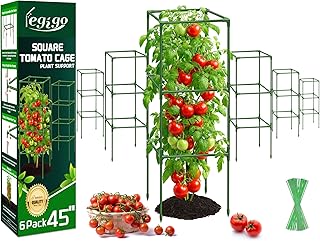
Legigo 6 Pack Square Tomato Cages- 45 Inch Heavy Duty Tomato Trellis for…

Plant Stakes,4FT Longer Sturdy Natural Bamboo Garden Stakes,GAGINANG 25P…
4. Vertical Pallet Garden

Turn an old wooden pallet into a creative vertical garden trellis! This budget-friendly solution allows you to make the most of your vertical space. By attaching the pallet to a wall or your raised bed, you can create a stunning display for climbing plants like strawberries or various herbs.
The open slats of the pallet ensure excellent drainage and air circulation, which are essential for healthy plant growth.
Pallet Garden Tips:
– Sand down the wood to prevent splinters.
– Use landscape fabric to hold soil while allowing drainage.
– Secure the pallet firmly to avoid tipping.
A vertical pallet garden adds character to your outdoor space while maximizing growth for climbing plants, making it both practical and artistic.
You might also like
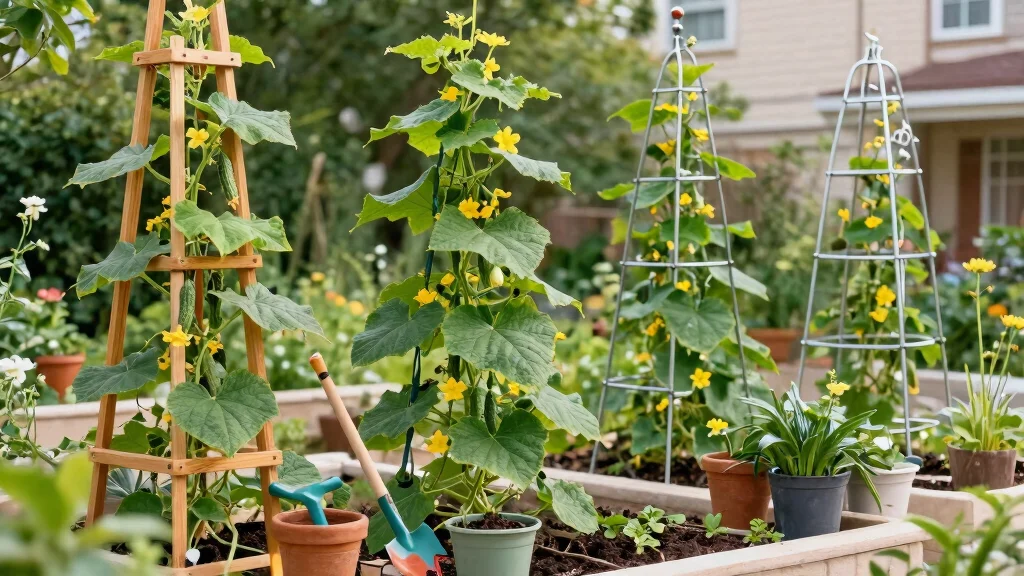
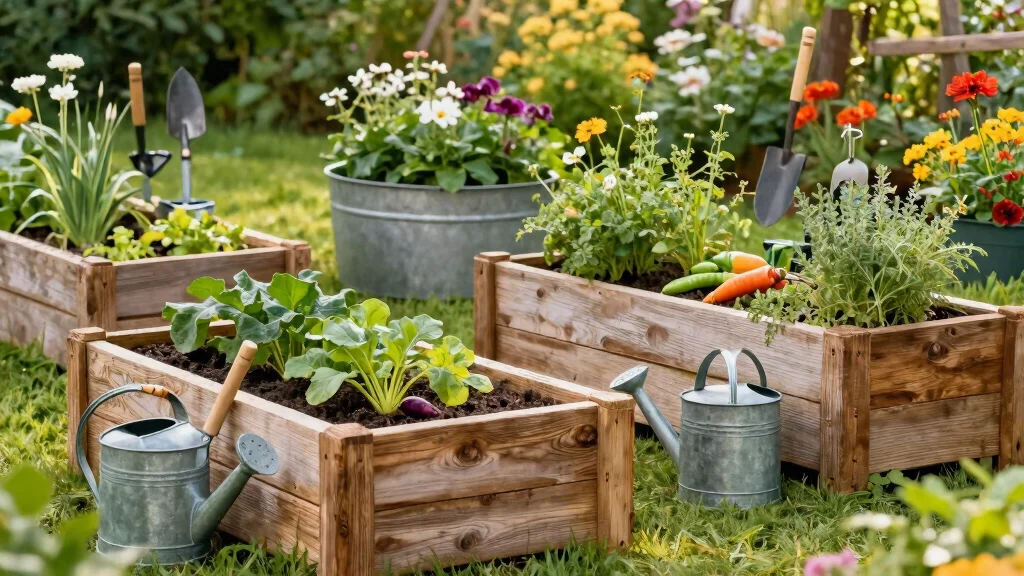
Vertical Pallet Garden
Editor’s Choice

Pallet, 48 in. L x 24 in. H, Black, Stackable, 4-Way, Dynamic Load Capac…

2 PCS Garden Plant Trellis Netting – Sukh 5 x 15 ft Trellis Net Polyeste…
5. Wire Fencing for Climbing Vegetables

Wire fencing serves as a practical and appealing way to support climbing vegetables. This durable option can easily hold heavy crops like cucumbers and tomatoes. By attaching wire mesh to wooden frames or vertical posts, you create a robust support system for your plants.
Installing wire fencing along raised beds allows for easy access to your vegetables, making gardening more convenient.
Wire Fencing Tips:
– Ensure the fencing is tall enough for mature plants.
– Choose rust-resistant wire for longer life.
– Regularly check the support as plants grow heavier.
Wire fencing not only provides functionality but also adds a neat, organized look to your garden beds, simplifying maintenance.
Did you know wire fencing can support heavy climbers like tomatoes and cucumbers without a bulky frame? In raised bed trellis ideas, a simple wire mesh on wooden frames can handle 20–25 lbs per plant, keeping vegetables easy to reach and productive.
Wire Fencing for Climbing Vegetables
Editor’s Choice

Moss Pole DIY Kit, 6.6/13.2/26.4ft Metal Moss Pole for Plants Monstera, …
6. Living Walls with Climbing Plants

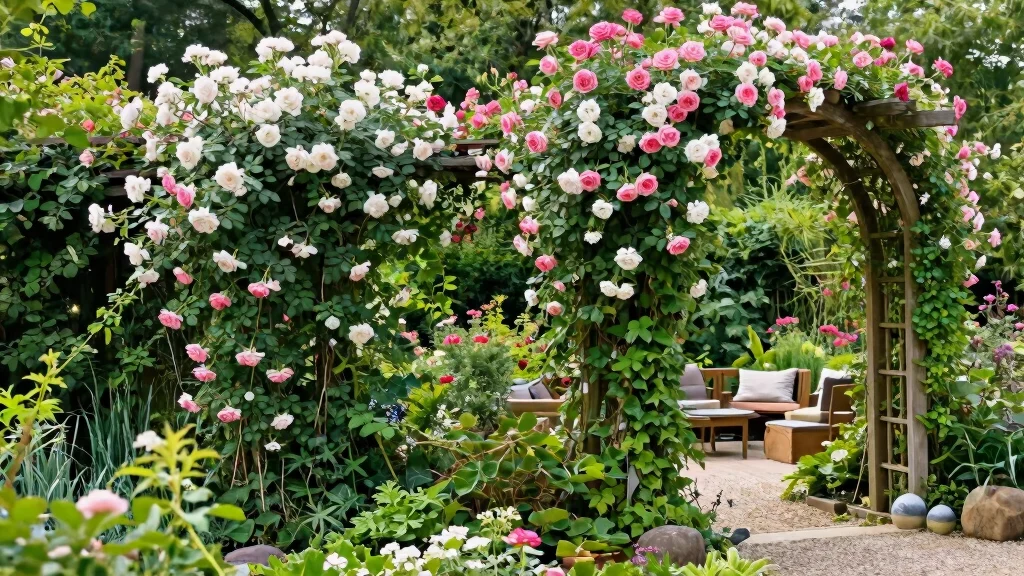
Imagine creating an enchanting living wall by planting climbing plants directly into a trellis structure. This method not only supports growth but also transforms your garden into a visual masterpiece. A living wall can feature a mix of flowers, herbs, and vegetables, providing a beautiful array of colors and textures.
This vertical gardening technique is perfect for maximizing space in smaller gardens or patios.
Living Wall Tips:
– Select plants that thrive together and share similar light needs.
– Ensure your trellis is sturdy enough for mature plants.
– Regularly prune and maintain for optimal health.
A living wall produces fresh food while serving as a stunning backdrop, significantly enhancing your garden’s beauty.
📹 Related Video: How to Make a Living Plant Wall (DIY)
You Might Also Like

Living Walls with Climbing Plants
Editor’s Choice

Morning Glory Seeds for Planting – 250 Fresh Seeds – Heavenly Blue Climb…

VIVOSUN 5 Tier Vertical Gardening Stackable Planter for Strawberries, Fl…

Natural Bamboo Trellis, 4Feet,3Pack,Fan-Shaped Plant Support Trellis for…
7. Fabric Mesh Trellises

For a lightweight and flexible option, consider fabric mesh trellises. These easy-to-install structures provide ample support for climbing plants while allowing sunlight and air to reach the foliage. You can attach fabric mesh to existing structures or create standalone trellises.
This support is perfect for delicate plants like peas or flowering vines.
Fabric Mesh Tips:
– Choose breathable mesh to prevent moisture buildup.
– Secure the fabric tightly to support plant weight.
– Use garden stakes or poles for extra support if necessary.
With fabric mesh trellises, you can create an airy structure that supports growth while enhancing your garden’s visual appeal.
Key Trade-offs & Our Top Pick
When it comes to raised bed trellis ideas, the choices can feel overwhelming. Each option has its unique advantages and disadvantages. Let’s break down a few popular options to help you decide the best fit for your climbing plants.
Option 1: Rustic Wooden Arches
– Pros:
✔ Offers a charming aesthetic that blends well with nature.
✔ Provides sturdy support for heavier climbing plants.
– Cons:
❌ Requires regular maintenance to prevent rot.
❌ Can be expensive depending on the type of wood used.
– Best for: Gardeners looking for a classic look and durable support for fruits and flowers.
Option 2: Metal Grids for Modern Appeal
– Pros:
✔ Extremely durable and long-lasting, resistant to weather damage.
✔ Easy to install and maintain.
– Cons:
❌ Can get hot in the sun, potentially harming delicate plants.
❌ Less visually appealing for those preferring a more rustic look.
– Best for: Gardeners aiming for sleek, minimalist designs that require less upkeep.
Option 3: DIY Bamboo Trellises
– Pros:
✔ Affordable and eco-friendly material, easy to source.
✔ Lightweight and easy to assemble.
– Cons:
❌ Not as sturdy as wood or metal, may require replacement each season.
❌ Limited to lighter climbing plants.
– Best for: Budget-conscious gardeners looking for a quick and easy solution for smaller plants.
Option 4: Vertical Pallet Garden
– Pros:
✔ Great for maximizing small spaces while adding visual interest.
✔ Can be made from reclaimed wood, offering a sustainable choice.
– Cons:
❌ Requires careful preparation to prevent soil spillage and pests.
❌ May need extra support for heavier plants.
– Best for: Urban gardeners wanting to optimize vertical space with a unique design.
Option 5: Fabric Mesh Trellises
– Pros:
✔ Flexible and easy to shape according to your planting needs.
✔ Lightweight and portable, ideal for seasonal changes.
– Cons:
❌ Might not support heavier plants effectively.
❌ Durability can be an issue with prolonged exposure to the elements.
– Best for: Gardeners experimenting with various plants and seeking flexibility in their setups.
Expert Recommendation:
Best Overall: Rustic Wooden Arches
The rustic wooden arches stand out as the top choice for most gardeners. They combine aesthetic appeal with sturdy support for climbing plants. The long-term durability, when properly maintained, makes them a valuable investment for any garden. Plus, their natural look enhances the overall charm of your outdoor space, proving functional while being visually pleasing.
Why We Picked This:
While rustic wooden arches are our top pick, other options might suit different needs. If you prefer low maintenance, metal grids are excellent. For budget-friendly DIY solutions, bamboo trellises are unmatched. Consider your specific requirements and garden style when making your choice! Each design has its special niche, so think about what aligns best with your gardening goals.
Fabric Mesh Trellises
Editor’s Choice

Obelisk Trellis for Climbing Plants Outdoor, 6.2 FT Plant Support for To…

Tcamp Heavy-Duty Polyester Garden Trellis Net Plant Support Netting for …
Spiral Frame Trellis for Climbing Plants Outdoor -72″ Tall Heavy Duty Me…
Conclusion
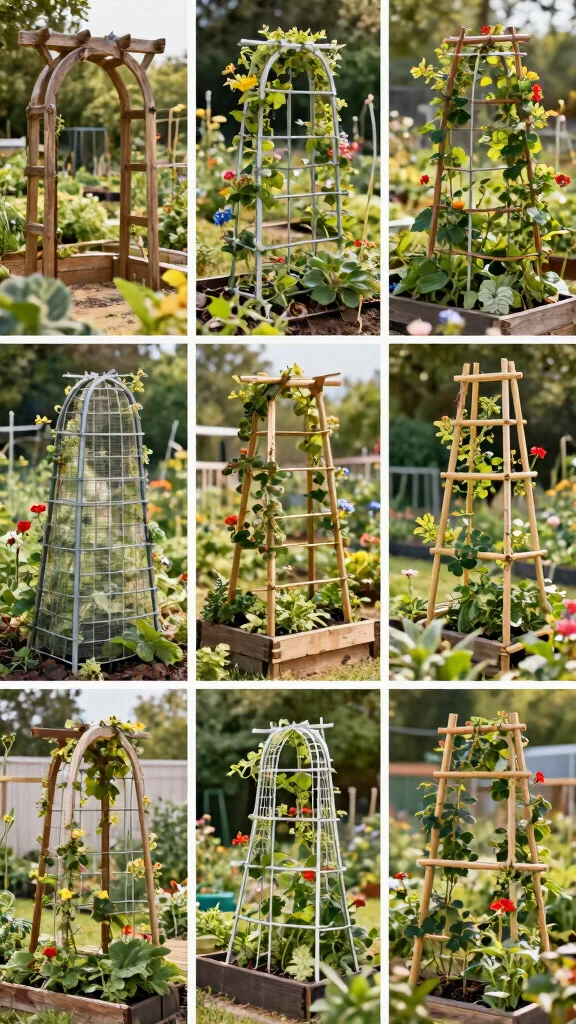
Exploring these raised bed trellis ideas allows you to elevate your gardening game, especially in small spaces! Each design offers unique benefits, from enhancing aesthetics to optimizing plant growth.
Incorporating vertical gardening techniques not only helps you maximize your garden’s productivity but also brings a touch of creativity to your outdoor space. Whether you choose rustic wooden arches or modern metal grids, these trellis ideas provide you with options to make your garden flourish.
How will you elevate your gardening experience with these innovative designs?
Note: We aim to provide accurate product links, but some may occasionally expire or become unavailable. If this happens, please search directly on Amazon for the product or a suitable alternative.
This post contains Amazon affiliate links, meaning we may earn a small commission if you purchase through our links, at no extra cost to you.
Frequently Asked Questions
What are the best raised bed trellis ideas for growing climbing plants in a small space?
There are several practical raised bed trellis ideas that fit compact gardens and boost vertical gardening techniques.
1) Attach a sturdy wire or mesh trellis to the back of the raised bed so climbing plants can train upward without crowding the bed soil.
2) Install a freestanding, slim garden trellis along the bed edge. It gives you flexibility to rotate crops seasonally and keeps stairs out of the bed.
3) Build a simple wooden lattice frame that sits over or against the shorter side of the bed for a light, natural garden trellis design.
4) Use a vertical planter kit with cables or string lines for vertical gardening techniques in very tight spaces.
Tips: choose rot-resistant materials, secure all joints, and ensure the trellis reaches and supports the plant near the top for optimal plant growth optimization and steady raised bed gardening tips.
How do I choose the right climbing plant for a raised bed trellis?
Think about sun exposure, space, and how heavy the growth will be. For a raised bed trellis, start with fast, light climbers like sweet peas, sugar snap peas, pole beans, cucumbers, and flowering climbers that attract pollinators.
Match each plant’s mature height and spread to your trellis strength, and ensure the root zone has room in the raised bed.
Tips: pick climbing plants support rated for vertical growth, train vines early, and vary crops to optimize plant growth optimization without shading other plants.
Consider sun exposure and local climate when choosing species for raised bed gardening tips.
What materials are best for durable raised bed trellises in a productive garden?
For long lasting raised bed trellises, choose materials that resist weather and weight. Popular options include cedar or redwood wood for a natural look, powder coated metal frames for strength, galvanized steel or durable welded wire panels, and lightweight PVC coated options for easy handling.
Pro tips: avoid pressure treated wood near edible crops, seal wooden parts with a non toxic sealant, and predrill to prevent splitting. Anchor the trellis securely to bed corners or a sturdy frame to resist wind. This aligns with raised bed gardening tips and garden trellis designs that last season after season.
How can I maximize yield with raised bed trellis ideas?
Plan ahead to turn vertical space into harvest space. Position trellises to give climbing crops full sun and train vines early to keep growth orderly.
Use vertical space for beans, cucumbers, and peas to free up ground space for herbs and peppers. Pair crops with companions like basil or nasturtium to deter pests and boost pollination, supporting plant growth optimization. Use drip irrigation or soaker hoses along the bed edge and mulch to conserve moisture, keeping foliage dry and productive.
These are practical raised bed gardening tips in action.
What common mistakes should I avoid when installing a raised bed trellis?
Avoid underestimating the trellis load or choosing a height that’s too short for your climbers. Don’t skip secure anchoring to the bed frame, and avoid placing the trellis where it shades or blocks airflow for other plants.
Train vines early and regularly to prevent tangled growth, and schedule maintenance to tighten fasteners after strong winds. Also, pick materials appropriate for edible gardens and inspect joints and connections over time. By steering clear of these errors, you’ll enjoy better garden trellis designs and plant growth optimization in your raised bed setup.
Related Topics
raised bed trellis ideas
climbing plants support
vertical gardening techniques
garden trellis designs
small space gardening
beginner gardening tips
plant growth optimization
DIY garden projects
urban gardening
seasonal planting
space-saving solutions
easy gardening techniques