
Are you itching to get your hands dirty in the garden this weekend? If so, you’re in luck! I created this guide to help you embrace your green thumb without breaking the bank. Gardening can be an incredibly rewarding hobby, but it doesn’t have to come with a hefty price tag or a complicated setup. Whether you’re a seasoned gardener or just starting out, there are plenty of easy and affordable ways to create stunning raised garden beds right in your backyard.
This post is for anyone who loves gardening or wants to dip their toes into the world of plants. If you’re interested in enhancing your outdoor space with unique garden bed designs, you’ll find something here that sparks your creativity. You’ll learn how to build eight different types of raised garden beds, all achievable in a weekend. These DIY garden ideas are not only budget-friendly but also practical solutions for maximizing space, especially if you’re working with limited yard area.
Get ready to explore designs like the vertical pallet garden bed and the tiered raised garden bed. Each project is simple to execute and can transform your gardening experience. By the end of this guide, you’ll have all the inspiration and tips you need to start your weekend gardening projects. Let’s dig in!
Key Takeaways
– Discover eight creative raised garden beds DIY ideas that can be completed over a weekend, making gardening accessible for everyone.
– Explore various garden bed designs, from vertical pallets to straw bales, ensuring you can choose one that suits your style and space.
– Learn about budget-friendly gardening options that allow you to create stunning outdoor displays without overspending.
– Gain practical insights with raised bed gardening tips, helping you optimize your planting and growing conditions.
– Find inspiration in DIY garden ideas that cater to different skill levels, ensuring there’s something for both beginners and experienced gardeners.
1. Vertical Pallet Garden Bed
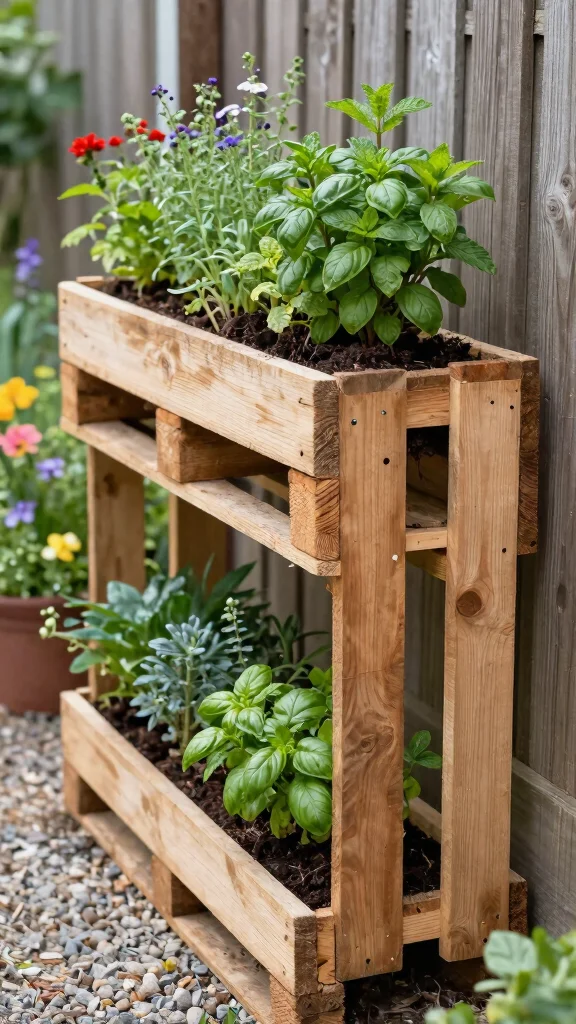
If you’re short on space but still want to garden, a vertical pallet garden bed is an excellent solution! This creative design repurposes old wooden pallets, transforming them into an eye-catching vertical display that maximizes your planting area. It’s an affordable option that not only beautifies your space but also allows you to grow your favorite herbs and flowers right at home.
To make your vertical pallet garden bed thrive, start by securing the pallet in an upright position in a sunny spot. Fill the slats with quality potting soil, then plant shallow-rooted favorites like herbs and strawberries. Remember to drill drainage holes to keep your plants healthy.
Tips for a successful vertical garden bed:
– Seal the wood with a non-toxic preservative for longevity.
– Choose shallow-rooted plants like herbs and succulents for best results.
– Ensure proper drainage by drilling holes at the bottom of each slat.
This creative garden bed can become a vibrant focal point in your outdoor space, adding both beauty and function!
Vertical Pallet Garden Bed
Editor’s Choice

Miracle-Gro Potting Mix – For Container Plants, Flowers, Vegetables, Shr…

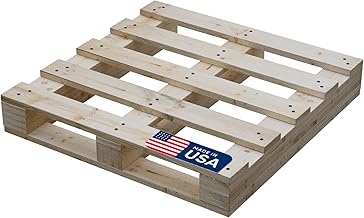
Treaton, Heavy-Duty 2-Way Entry Wooden Pallet – 31x24x5”, Industrial…

Garden Tools Set, 3 Pack Heavy Duty Gardening Tools Set Include Garden S…
2. Tiered Raised Garden Bed

Elevate your gardening game with a tiered raised garden bed! This layout features stacked levels, allowing you to cultivate a variety of plants at different heights, which enhances both drainage and sunlight exposure. It’s a fantastic way to create visual interest and maximize your growing potential.
To build your tiered garden bed, you can use untreated wood or cinder blocks for a sturdy structure. Fill each tier with a soil mix that suits the specific plants you want to grow, and consider selecting plants of varying heights for a lush appearance.
Ways to enhance your tiered garden bed:
– Mix soil types in each level tailored to plant needs.
– Plant flowers around the edges to attract pollinators.
– Choose plants that will provide a layered effect.
This design allows you to showcase an array of blooms and veggies, making your garden truly unique!
Tiered raised garden beds diy let you maximize space—stacked levels mean herbs, veggies, and blooms get sun and drainage in harmony. Build with untreated wood or blocks, and tailor soil in each tier for perfect, easy growing.
Tiered Raised Garden Bed
Editor’s Choice

Greenes Fence Original Cedar Elevated Garden Bed, 16″ W x 32″ L x 31″ H …

Greenes Fence Classic Cedar Raised Garden Bed, 2′ x 4′ x 10.5″ (1/2″ Thi…

Greenes Fence Premium Cedar Raised Garden Bed, 2′ x 4′ x 14″ (3/4″ Thick…

Greenes Fence Premium Cedar Raised Garden Bed, 36″ x 36″ x 11″ (3/4″ Thi…

Infinite Cedar Premium Cedar Raised Garden Bed – 1″ Thick Wood (4′ x 8′ …
📹 Related Video: DIY Tiered Raised Garden bed – How to build
3. Reclaimed Wood Garden Bed

If you appreciate rustic charm, a raised garden bed made from reclaimed wood is perfect for you! This eco-friendly option adds character to your garden while being budget-friendly, as it often comes at little to no cost. Not only does it look great, but it also promotes sustainability.
To create a reclaimed wood garden bed, source wood from old fences or furniture. Sand down any rough edges and apply a natural preservative for durability. Assemble the wood into your desired shape and fill it with nutrient-rich garden soil.
Steps to create your reclaimed wood garden bed:
– Source wood from local scrap yards or old furniture.
– Sand and treat the wood to extend its life.
– Assemble the bed and fill it with rich soil.
This charming design enhances your outdoor space while allowing you to grow delicious vegetables or beautiful flowers, all while being kind to the planet!
Did you know reclaimed wood can cut costs by up to 50% for raised garden beds DIY projects? Source old fences or furniture, sand rough edges, and apply a natural preservative, then assemble into your dream bed—eco-friendly, budget-smart, and full of character.
Reclaimed Wood Garden Bed
Editor’s Choice

54PCS Premium Micro Sander, Detail & Mini Sander Block – Precision Sma…

Tall Earth Eco-Safe Wood Treatment, Non-Toxic Stain, Silver Gray Patina,…
4. Concrete Block Garden Bed

For a modern and durable gardening option, consider a concrete block garden bed! This design is not only sturdy but also low-maintenance, making it ideal for busy gardeners. Concrete blocks are versatile and can be arranged in various shapes to fit your yard perfectly.
Begin by laying the blocks in a rectangular or square formation, stacking them to your desired height. You can fill each block with soil for planting or leave some blocks empty for decorative succulents. Paint them for a pop of color or leave the natural gray for a sleek look.
Getting started with your concrete block bed:
– Arrange concrete blocks in your preferred shape.
– Fill blocks with soil for planting or decoration.
– Consider painting the blocks for a stylish touch.
This practical option combines functionality with a unique aesthetic, enhancing any garden design!
You might also like


Concrete Block Garden Bed
Editor’s Choice
Deekin 24 Pcs Mini Cinder Blocks 1/12 Scale Mini Bricks Miniature Cinder…
Shuttle Art Outdoor Acrylic Paint Set, 12 Colors Waterproof Paint, 8.45o…

Miracle-Gro Organic Outdoor Potting Mix – Plant Soil for Outdoor Contain…
5. Fabric-Grow Bags

Looking for a flexible and portable gardening solution? Fabric-grow bags are a fantastic choice! Made from breathable material, these bags promote healthy root growth and allow excess water to drain easily. They come in various sizes, making them perfect for any plant, from herbs to small trees.
To make the most of your fabric-grow bags, place them in a sunny location for easy access. Fill them with quality potting soil and plant your favorites. You can easily rearrange the bags for a fresh look whenever you want.
Tips for using fabric-grow bags:
– Choose a sunny spot for optimal growth.
– Fill with quality potting soil for best results.
– Rearrange bags as desired for a new look.
These lightweight and affordable options are perfect for weekend projects, giving you instant gardening satisfaction!
Difficulty Rating & Requirements
Overall Difficulty Rating: Medium
Building raised garden beds is a fun project that can be both rewarding and educational. The difficulty level varies with the design you choose. If you’re a beginner, simple designs like a vertical pallet garden bed or fabric-grow bags are great options. More complex designs, such as a tiered raised garden bed, may require some prior experience and a bit more planning.
Time Estimate:
⏱ Estimated time: 4-8 hours
– Planning and gathering materials: 1-2 hours
– Building the garden bed: 2-5 hours (depending on complexity)
– Final touches and planting: 1 hour
Skill Requirements:
– Required skills: Basic woodworking, measuring, and leveling skills
– Beginner-friendly: Yes! Many designs cater to newcomers, allowing you to learn on the go. Simple projects require fewer tools and less experience.
– Skills that can be learned include measuring and cutting wood, while advanced skills like woodworking might require some practice.
Tools & Materials Needed:
🧰 Essential items checklist:
– Wood (pine, cedar, or reclaimed) – Required
– Hammer or power drill – Required
– Nails or screws – Required
– Level – Required
– Soil and compost – Required
– Landscaping fabric – Optional (helps with weed control)
– Paint or wood sealant – Optional (for aesthetics and longevity)
– Hand saw or circular saw – Required
Step-by-Step Overview:
1. Planning and Design: Spend about 1-2 hours sketching your desired garden bed design and gathering materials.
2. Cutting and Preparing Materials: Dedicate around 1-2 hours to cut your wood to size, ensuring all pieces fit together properly. Use a level to check that everything is even.
3. Assembly: Allocate 1-3 hours to assemble your garden bed. Using nails or screws, secure the pieces together, and make sure everything is sturdy.
4. Soil Preparation: Take about 1 hour to fill your garden bed with quality soil and compost to promote healthy plant growth.
Professional vs DIY:
Building a raised garden bed professionally can cost anywhere from $200 to $800, depending on materials and design complexity. In contrast, a DIY approach can cost just $50 to $200, making it a budget-friendly option. If you’re short on time or experience, hiring a professional might be the way to go, but for those willing to learn, DIY can be a fulfilling way to enhance your gardening skills.
Fabric-Grow Bags
Editor’s Choice

FEED GARDEN 5 Gallon Grow Bags 4 Pack – 300G Non-Woven Thickened Fabri…

Espoma Organic Potting Soil Mix – All Natural Potting Mix for All Indoor…
6. A-Frame Vertical Garden Bed

Add a whimsical touch to your garden with an A-frame vertical garden bed! This charming design allows you to grow a variety of plants in a compact space while creating an artistic focal point. Building it is straightforward and enhances your backyard’s appearance.
To create your A-frame garden bed, use sturdy wooden boards for construction. Line the sides with landscape fabric and fill them with soil for planting. You can also add vertical trellises for climbing plants to maximize your growing area.
Steps to build your A-frame vertical garden bed:
– Construct a stable A-frame using wooden boards.
– Line with landscape fabric for planting.
– Add trellises for climbing plants to save space.
This fun design not only offers a delightful planting experience but also enhances the visual appeal of your garden!
Did you know an A-frame vertical garden bed can double your planting area in just 4 sq ft of space? It’s a smart example of raised garden beds diy—great for herbs and climbers in tight spots. Build simple trellises and watch blooms thrive.
A-Frame Vertical Garden Bed
Editor’s Choice

FEED GARDEN 4FT x 100FT Landscape Fabric Weed Barrier Fabric, Heavy Duty…
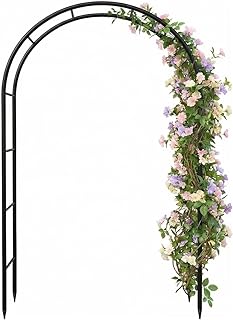
Galvanized Metal Garden Arbor,7.6ft H x 4.6ft W,Rust-Resistant Heavy-Dut…

DEAYOU 10 Pack 11″ x 14″ MDF Wood Boards for Crafts, 1/4″ Thick Medium D…
7. Wheelbarrow Garden Bed

Turn an old wheelbarrow into a delightful garden bed! This creative idea adds character to your outdoor space while providing a functional planting area. Simply fill the wheelbarrow with soil and choose plants that thrive in small spaces.
For the best results, select colorful flowers or herbs that will spill over the edges. Position your wheelbarrow in a sunny spot for optimal growth and consider painting it for a fun splash of color.
Tips for your wheelbarrow garden bed:
– Select colorful plants that cascade over the edges.
– Place in a sunny area for maximum sunlight.
– Paint the wheelbarrow for added flair.
This quirky garden bed is perfect for those with limited space and adds a charming touch to any outdoor area!
You Might Also Like


Wheelbarrow Garden Bed
Editor’s Choice

Miracle-Gro Moisture Control Potting Mix – Plant Soil For Container Plan…

Metal Paint – Waterpoof Anti Rust Preventative – Paint for Metal – Door/…

Perennial Rose Seeds 29pcs– Colorful Garden Flowers – Easy Care & Lo…
8. Straw Bale Garden Bed

If you’re eager to try something different, a straw bale garden bed is a fun and eco-friendly option! Using straw bales as your planting medium provides excellent drainage and helps warm the soil as they break down, promoting plant growth.
To create your straw bale garden, choose a sunny location and arrange the bales as desired. Water them for a few days to kickstart the decomposition process before adding potting soil on top for planting.
Steps to start your straw bale garden bed:
– Choose a sunny spot for your bales.
– Water the bales to initiate decomposition.
– Add soil on top for planting.
This unique method makes gardening easier by reducing weeding and allows for mobility, all while providing a rewarding gardening experience!
Straw Bale Garden Bed
Editor’s Choice

1 Gallon Metal Watering Can with Removable Spout, Nice Galvanized Steel …

COOLJOB 2 Pairs Gardening Gloves for Women Ladies, Breathable Rubber Coa…

Conclusion

Creating raised garden beds is an exciting and rewarding way to enhance your gardening experience. Whether you prefer vertical designs, rustic wood, or innovative materials, there’s something here for everyone.
These DIY projects are not only budget-friendly but also allow you to express your style while growing beautiful plants. So gather your materials and get ready to dig into your weekend gardening project—happy planting!
Note: We aim to provide accurate product links, but some may occasionally expire or become unavailable. If this happens, please search directly on Amazon for the product or a suitable alternative.
This post contains Amazon affiliate links, meaning we may earn a small commission if you purchase through our links, at no extra cost to you.
Frequently Asked Questions
Question: What are some easy DIY raised garden bed ideas for a vertical setup you can build this weekend on any budget?
Here are a few DIY garden ideas for vertical raised beds you can build this weekend on any budget.
1) Pallet vertical planter: remove a few slats, line with landscape fabric, and fill with a light soil mix for herbs or greens.
2) Cedar plank ladder: lean two cedar boards against a wall with staggered planting pockets or small boxes, great for lettuce, strawberries, and herbs.
3) Gutter garden: mount short lengths of rain gutter on a wall or fence, cap the ends, and plant shallow-root crops like lettuce and radish.
4) Reclaimed crate wall: stack crates, line with fabric, fill with soil, and plant compact greens.
All of these keep you in budget-friendly gardening territory while delivering quick setup and solid yields.
Question: How do I choose the right materials for budget-friendly raised bed gardening?
Start with durability and safety. For raised bed gardening tips, prioritize rot-resistant framing like cedar or recycled plastic; avoid toxic treated wood where possible. If budget-friendly gardening is key, consider pallets (newly treated or sanitized), reclaimed fence boards, or concrete blocks. Keep these tips in mind:
• Size the bed to fit your space and keep the width around 4 feet for easy reach.
• Ensure good drainage with a liner and drainage holes.
• Soil mix: about 60% quality topsoil, 40% compost or well‑rotted manure, plus perlite or coconut coir for aeration.
• Line and seal cut edges with a non-toxic sealant to extend life.
• Secure corners with brackets and braces.
• For vertical designs, choose weather‑resistant materials and consider a simple drip irrigation line to save water.
Question: What budget-friendly material options and designs work best for vertical raised beds?
Vertical bed options that save space and stay on budget include:
• Pallet planters with fabric liners for quick assembly.
• Stacked cedar boards or recycled crates turned into pockets on a wall.
• Gutter gardens mounted on a fence or wall for lettuce, herbs, and greens.
• Cinder blocks stacked to create tall, modular beds you can plant into at different heights.
Choose a design that fits sun exposure and access, then line with landscape fabric, secure, fill with soil mix, and add a trellis or netting for climbing plants. This keeps weekend gardening projects simple and productive.
Question: How can I maximize space and plant variety with weekend gardening projects and garden bed designs?
Plan like a pro: measure your space and choose 2–3 bed designs (one vertical, one shallow, one standard if possible). Do crop planning to stack leafy greens, herbs, and compact vegetables in the same area. Use trellises or lattice for vining plants and add a simple drip irrigation line to save water. Think in layers: vertical accents on the edges and shallow, easily reachable beds in the center. For garden bed designs, mix materials to fit your style and budget while maximizing yield with succession planting and good companion planting.
Question: What maintenance tips help DIY raised bed gardening last longer and stay productive?
Keep beds productive with a simple maintenance routine:
• Refresh soil each season with compost and a top mulch to lock in moisture.
• Inspect wood for rot and repaint or reseal as needed to extend life.
• Check drainage and irrigation; adjust to avoid waterlogging or dry patches.
• Practice crop rotation and remove spent plants to reduce disease and pests.
• Winterize by covering beds or storing removable structures to protect from harsh weather.
Following these raised bed gardening tips will help your DIY projects last longer and stay productive year after year.
Related Topics
raised garden beds diy
weekend gardening projects
budget-friendly gardening
vertical garden beds
DIY garden designs
easy gardening tips
container gardening
urban gardening
beginner friendly
outdoor projects
sustainable gardening
small space gardening