
Creating a raised herb garden has been on my mind lately, especially with the warm weather inviting us outdoors. There’s something so satisfying about growing your own herbs, whether for cooking, teas, or simply to enjoy their aroma. As I dreamt about this green haven, I realized that many of you might be craving the same thing. If you’re someone who loves gardening yet feels constrained by limited space or time, this post is for you.
I’ve compiled a list of nine raised herb garden ideas that are not just beautiful but also easy to maintain. These ideas cater to urban gardeners, balcony enthusiasts, and anyone who wants to enjoy fresh herbs right at home. With these tips, you’ll discover how to create a garden that flourishes with minimal effort, allowing you to savor the taste of homegrown herbs all year round.
From vertical gardening to creative containers, these designs will inspire you to start your herb-growing adventure. Whether you’re a seasoned gardener or a complete novice, you’ll find practical tips and tricks to get your garden blooming. Let’s dive in and explore how you can transform your space into a fragrant herb paradise.
Key Takeaways
– Discover a variety of raised herb garden ideas that fit any space, from small balconies to larger yards.
– Learn about vertical gardening ideas that maximize your growing area while adding beauty to your home.
– Get insights on container gardening tips that make it easy to grow herbs with little maintenance.
– Explore easy-to-grow herb plants that are perfect for beginners and seasoned gardeners alike.
– Find out how to use urban gardening solutions to create a thriving herb garden even in the busiest of city settings.
1. Vertical Garden Planters
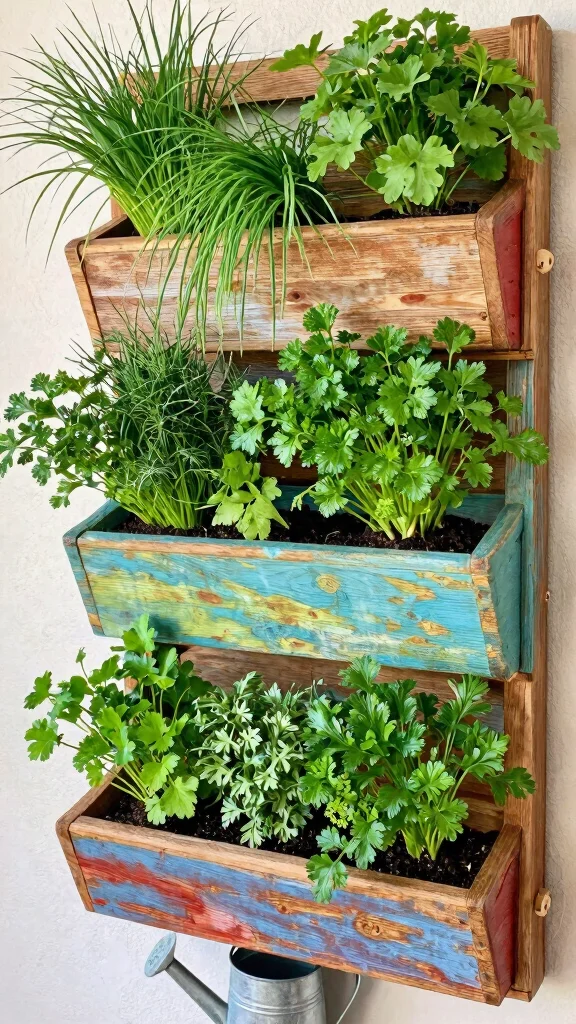
Are you short on space but long on herb cravings? Vertical garden planters can be your perfect solution. These innovative setups let you cultivate a variety of herbs without sacrificing precious ground real estate.
By using repurposed pallets or wall-mounted planters, you can create a stunning herb display that is both functional and aesthetically pleasing. Picture hanging planters brimming with easy-to-grow herbs like chives and parsley, cascading down to form a lush green wall.
Not only do these vertical gardens optimize your space, but they also enhance the visual appeal of your outdoor area. Maintenance is a breeze, making them ideal for busy urban gardeners.
Tips: Ensure each planter has proper drainage and ample sunlight to keep your herbs thriving. Personalize your planters with bright colors or decorations that match your style.
Vertical Garden Planters
Editor’s Choice

Raised Herb Garden Planter Indoor Outdoor with Wheels for Basil, Parsley…


TOREVSIOR 5-Tier Vertical Raised Garden Bed, Vertical Garden Planter wit…

Ahopegarden Indoor Garden Hydroponics Growing System: 10 Pods Plant Germ…
2. Tiered Herb Garden Boxes

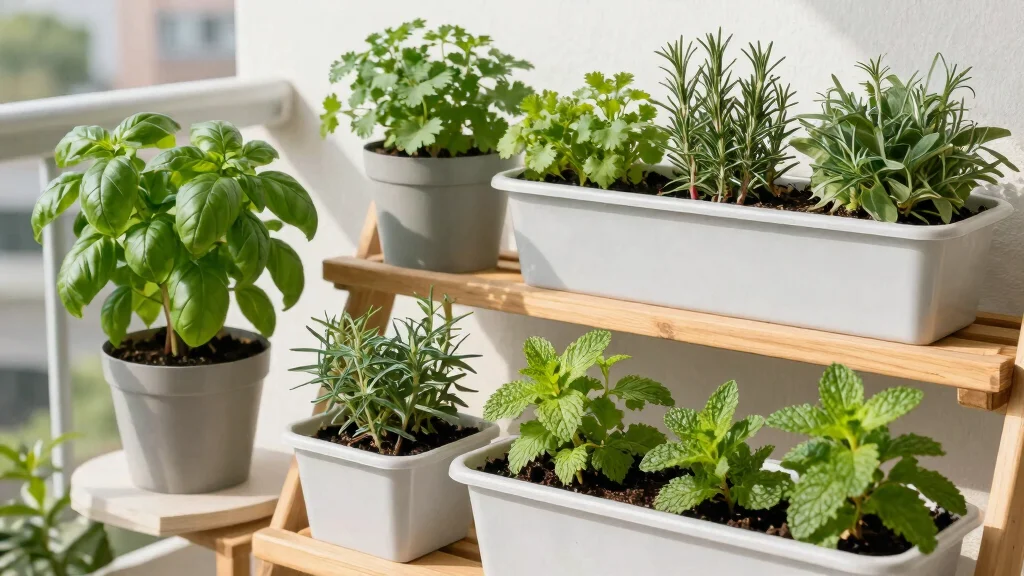
Want to make the most of your vertical space? Tiered herb garden boxes are an excellent choice. These multi-level planters are perfect for growing herbs like thyme, oregano, and cilantro.
Each tier allows you to cultivate different varieties, helping to organize your garden while creating depth in your outdoor space. Think about using untreated wood or recycled materials for a rustic appearance that blends seamlessly with nature.
Position these boxes in a sunlit area to ensure your herbs bask in the warmth.
Maintenance Tip: Regularly prune your herbs to promote growth and prevent overcrowding. Consider adding small labels to easily identify each herb.
Fun fact: As part of raised herb garden ideas, a three-tier box can triple your usable growing area in a small balcony—adding just 6–8 inches of depth per tier. Grow thyme, oregano, and cilantro in one tidy, sunlit setup.
Tiered Herb Garden Boxes
Editor’s Choice

YBING Vertical Garden Planter 5 Tier Raised Garden Bed Outdoor Tiered He…

Yaheetech 43.5″ L×16″ W×14″ H Wooden Raised Garden Bed, Horticul…
3. Colorful Container Gardening
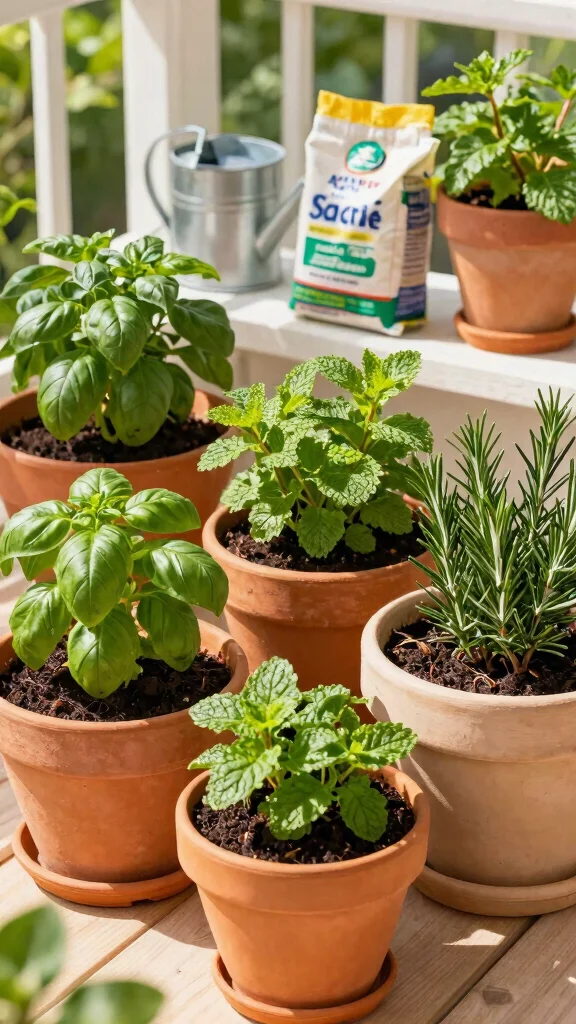
Looking to brighten up your herb garden? Colorful containers are the way to go! Planting herbs in vibrant pots not only creates a stunning visual impact but also offers flexibility in placement.
You can arrange them on a patio, balcony, or even a sunny windowsill. Choose pots of various sizes and shapes to craft an eye-catching display. Easy-to-grow herbs like mint and basil thrive in containers, giving you both beauty and fresh flavors.
Container Care: Ensure your pots have drainage holes, and opt for potting soil that retains moisture while allowing for good aeration. Regular watering and a splash of liquid fertilizer will keep your herbs lush and productive.
📹 Related Video: Planting Herbs in Containers for Beginners 🌿// Garden Answer
Colorful Container Gardening
Editor’s Choice

Mandala Succulent Pot with Drainage Hole & Bamboo Coaster, Small Plant P…
4. Repurposed Materials

Why not get creative with your herb garden using repurposed materials? Old wooden crates, tires, or even shelves can be transformed into charming herb planters.
This approach not only gives your garden a distinctive look but also promotes sustainability. Select easy-to-care-for herbs like chives and sage, which can thrive even in shallow soil.
DIY Tips: Clean and treat your materials to ensure they’re safe for growing. Add a splash of color with paint or a natural wood sealant to protect your creations from the elements. This method not only enhances your garden’s character but also makes it eco-friendly.
Did you know repurposed crates and tires can deliver raised herb garden ideas for small spaces? They support 4–6 herbs in a compact, raised setup. Clean, treat, and coat with color to turn any balcony into a thriving, charming herb garden.
Repurposed Materials
Editor’s Choice

TIMRIS Set of 3 Rustic Distressed Wood Nesting Crates, Farmhouse Decorat…
5. Wall-Mounted Herb Rack

A wall-mounted herb rack could be just what you need for your urban gardening dreams. These racks maximize vertical space while keeping your herbs tidy and within reach.
Place them in a sunny location and fill them with frequently used herbs like basil, dill, and parsley. The visual charm of a wall-mounted rack adds flair to your kitchen or balcony.
Functional Tip: Consider adding small hooks for your gardening tools or twine, creating a beautiful and practical herb garden. You can even personalize the pots with chalk paint for an extra touch.
Fun fact: a wall-mounted herb rack can reclaim up to 70% of floor space in small kitchens. With raised herb garden ideas like vertical setups, basil, dill, and parsley stay tidy and within reach, even in urban balconies. Pro tip: add tiny hooks for tools to keep the rack functional.
You might also like

Wall-Mounted Herb Rack
Editor’s Choice

ShopLaLa Wall Planter – 2 Pack, Wooden Hanging Large Planters for Indoor…
6. Herb Spiral Garden

Looking for a unique gardening method? An herb spiral garden combines fun design with practical space efficiency. This spiral structure allows a variety of herbs to flourish in different microclimates, with the top being drier and the bottom retaining more moisture.
Herbs like basil, mint, and lavender can find their perfect homes in this spiral garden.
Design Tip: Use stones or bricks to construct the spiral, filling it with soil and compost as you build. This captivating design not only looks amazing but also provides an engaging gardening experience, allowing you to access your herbs from all angles.
Herb Spiral Garden
Editor’s Choice

Yaheetech 8×2ft Wooden Horticulture Raised Garden Bed Divisible Elevate…

Fiskars Hand Trowel – Fiber Composite Gardening Hand Tool with Hang Hole…

Michigan Peat Compost and Manure Blend, Garden Magic Mix with Odor-Free …
7. Hanging Herb Gardens

Hanging herb gardens bring a playful and space-saving option to your gardening routine. You can easily suspend pots from hooks, trellises, or even repurpose old ladders for a unique effect.
Herbs like oregano and thyme are perfect for hanging, as their vines can cascade beautifully.
Installation Tip: Ensure that your hanging system is sturdy enough to support the weight of the pots filled with soil and herbs. For an eco-friendly touch, consider using biodegradable planters that add charm to your garden.
Key Trade-offs & Our Top Pick
Vertical Garden Planters
– Pros:
– Maximizes limited space, perfect for small backyards or balconies.
– Easy to access herbs for cooking without bending down.
– Cons:
– May require frequent watering as they can dry out quickly.
– Initial setup cost for strong vertical structures can be higher.
– Best for: Urban gardeners with limited outdoor space looking for an aesthetic solution.
Tiered Herb Garden Boxes
– Pros:
– Creates an eye-catching layered look that enhances garden aesthetics.
– Offers ample growing space for multiple herbs in one unit.
– Cons:
– Can be cumbersome to maintain if placed in hard-to-reach areas.
– Requires more soil and can be heavier than single-level options.
– Best for: Gardeners who want an organized layout and enjoy a variety of herbs.
Colorful Container Gardening
– Pros:
– Versatile design allows you to use different colors and materials to match your style.
– Easy to move containers if sunlight conditions change.
– Cons:
– Limited growth potential as roots may become cramped.
– Containers may need frequent watering, especially in hot weather.
– Best for: Those looking to decorate outdoor living spaces while gardening.
Wall-Mounted Herb Rack
– Pros:
– Saves ground space and adds a unique decor element to walls.
– Easy to install and maintain; often requires less soil.
– Cons:
– Limited options for larger plants; not ideal for all herb types.
– Need to ensure wall supports weight and moisture.
– Best for: Renters or those with limited garden space who value wall decor.
Herb Spiral Garden
– Pros:
– Creates a visually stunning centerpiece while allowing for varied microclimates.
– Can house a wide variety of herbs that thrive in different soil conditions.
– Cons:
– Requires more planning and effort to set up correctly.
– May take up significant ground space, not ideal for very small yards.
– Best for: Enthusiasts who enjoy the art of gardening and have some space to spare.
Expert Recommendation:
Best Overall: Vertical Garden Planters
Vertical garden planters are ideal for most people looking to start a raised herb garden. They efficiently utilize limited space, making them perfect for urban environments. Their design allows easy access to herbs, which is especially handy when cooking. Overall, they balance cost, function, and aesthetics well, making them a favorite among both novice and experienced gardeners.
Why We Picked This:
While vertical garden planters are the top choice for space-conscious gardeners, others may prefer tiered boxes for their capacity or wall-mounted racks for style. If you have unique needs or preferences, like a focus on aesthetics or growing larger plants, consider the other options for your raised herb garden. All choices provide beautiful ways to enjoy gardening and access fresh herbs right from your home!
Hanging Herb Gardens
Editor’s Choice
montresor Set of 2-8 Inch Hanging Planters for Indoor Plants with Self-W…

LZRS 2 Pack Rustic Iron Arch Decoration Garden Trellis with Metal Coatin…

FEED GARDEN Heavy Duty Plant Hooks – 2 Pack 8 Inch Wall Mounted Hanging …
8. Indoor Herb Garden

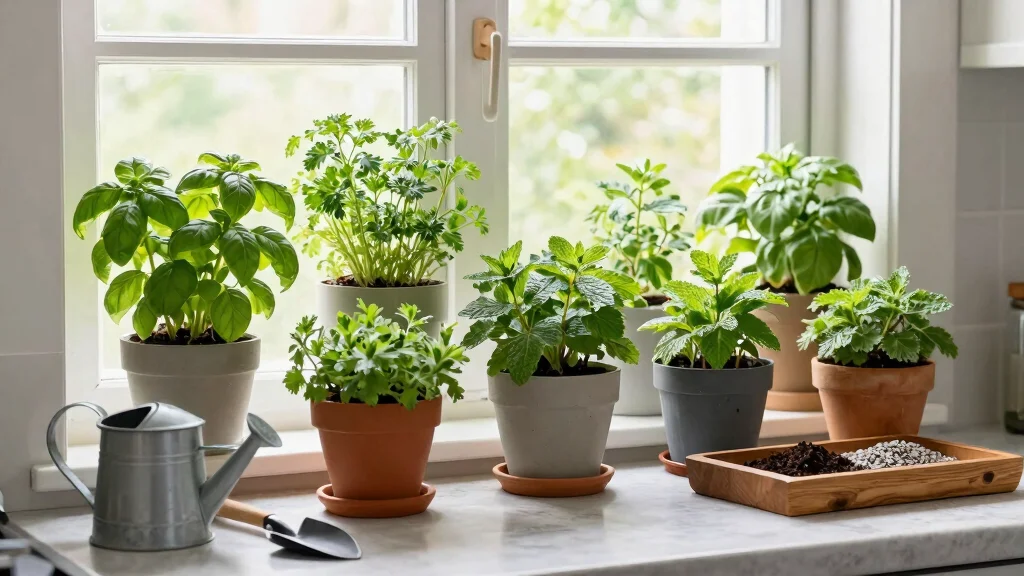
Do you want fresh flavors all year round? An indoor herb garden is the answer! Choose a sunny windowsill or a bright corner in your kitchen to start your indoor raised herb garden.
Opt for pots of herbs like basil, chives, and mint, which are simple to grow indoors.
Care Advice: Use a high-quality potting mix and ensure good drainage to keep your herbs vibrant. To boost growth, consider using grow lights during shorter days or cloudy weather. This way, you’ll always have fresh herbs at your fingertips for your favorite meals.
You Might Also Like

Indoor Herb Garden
Editor’s Choice

Herb Planter Indoor – 3 Iron Herb Pots with Drainage Holes, Varnished Ba…
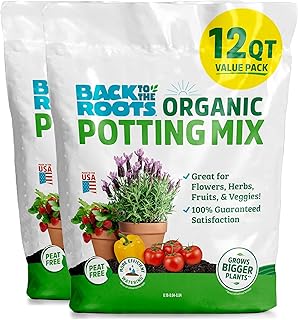
Back to the Roots 100% Organic Potting Mix (Value 12 Quart) | Premium Bl…

GooingTop LED Grow Light,6000K Full Spectrum Clip Plant Growing Lamp wit…
9. Herb Garden Kits
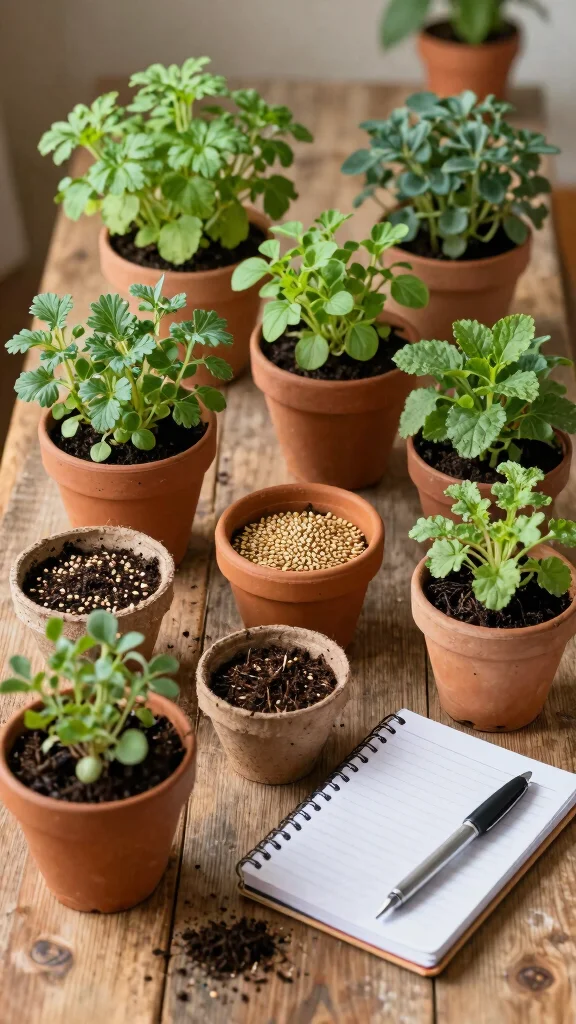
Are you a beginner looking to start gardening? Herb garden kits are a fantastic option! These kits typically come with seeds, pots, and soil, making it easy to dive into the world of gardening.
Look for kits that include popular herb plants like parsley, cilantro, and basil, which are user-friendly for novices.
Start-Up Tip: Follow the instructions carefully regarding germination and planting depth to ensure your success. These kits not only provide convenience but also offer a fun project for families or individuals wanting to connect with nature, even in urban settings.
Herb Garden Kits
Editor’s Choice
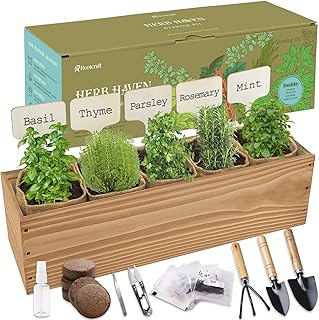
5 Herb Garden Planter Indoor with Wooden Box, Home Kitchen Seed Starter …

Sereniseed Certified Organic Herb Seeds (10-Pack) – Non GMO, Heirloom …

YNNICO Indoor Self Watering Planters with Drainage Holes and Saucers, 8,…
Conclusion

Starting a raised herb garden can truly transform your space while providing fresh flavors throughout the year.
From vertical gardens to colorful containers, these ideas offer creative solutions for any small space.
Embrace the joy of nurturing easy-to-tend herb plants and watch your urban garden flourish!
Note: We aim to provide accurate product links, but some may occasionally expire or become unavailable. If this happens, please search directly on Amazon for the product or a suitable alternative.
This post contains Amazon affiliate links, meaning we may earn a small commission if you purchase through our links, at no extra cost to you.
Frequently Asked Questions
What are the best herbs to grow in a raised herb garden for small spaces?
Start with easy herb plants that perform well in raised garden beds and containers, such as basil, chives, parsley, oregano, thyme, and cilantro. These are ideal for raised herb garden ideas in small spaces and are beginner-friendly. Use a light, well-draining potting mix and place your setup in a sunny spot with about 6–8 hours of sun. Water consistently so the soil stays moist but not soggy, and harvest regularly to encourage bushier growth. If space is tight, consider compact varieties or vertical planters—the classic vertical gardening ideas for urban gardening solutions.
How can I design a vertical raised herb garden for a balcony or small patio?
To design a vertical raised herb garden for a balcony, start by mapping your space and choosing vertical planters that fit your width and weight limits. Pick a mix of compact, sun-loving herbs such as basil, thyme, oregano, and chives, and place them to maximize sun exposure. Use a well-draining soil in each pocket or pot and install a simple watering plan, like a drip line or a self-watering system, so plants stay evenly moist. Finish with adjustable shelves or railing planters to tailor height and layout, a practical vertical gardening ideas approach and a smart urban gardening solution for small spaces.
What containers and soil mix work best for a raised herb garden in limited space?
Containers and soil for raised herb gardens in limited space should prioritize drainage and light weight. Choose pots with drainage holes, plus saucers to catch excess water, and go for lightweight materials like plastic or fabric smart pots. Use a well-draining soil mix—often marketed as a container gardening tips mix—composed of good potting soil, compost, and a bit of perlite or pumice for drainage. Aim for about 6–12 inches of depth for most easy herb plants, with deeper pots for basil or rosemary. Place containers in full sun and water when the top inch dries, feeding lightly every few weeks.
Which easy herb plants thrive in sun versus shade in a raised garden, and how should I care for them?
For sunny spots, choose herbs like basil, oregano, thyme, rosemary, and cilantro that typically need 6–8 hours of sun. For partial shade, try parsley, chives, and mint (keep mint in its own container to prevent spreading). Keep soil evenly moist but not waterlogged, and harvest regularly to encourage continued growth. Feed lightly with a balanced fertilizer every few weeks and prune leggy stems to maintain a compact, productive hedge of easy herb plants.
What urban gardening solutions help keep a raised herb garden tidy and pest-free?
Plan a neat layout that groups herbs by sun needs and harvest frequency, a hallmark of raised herb garden ideas. Mulch to suppress weeds and conserve moisture, and use companion planting to deter pests as part of urban gardening solutions. Maintain good airflow, remove diseased leaves promptly, and clean garden tools between plants. For extra protection, consider lightweight cloches or netting on vulnerable herbs during peak pest seasons.
Related Topics
raised herb garden
vertical gardening
small space gardening
urban gardening
easy herb plants
container gardening
herb garden design
beginner friendly
low maintenance gardening
DIY herb garden
seasonal herbs
compact gardening solutions