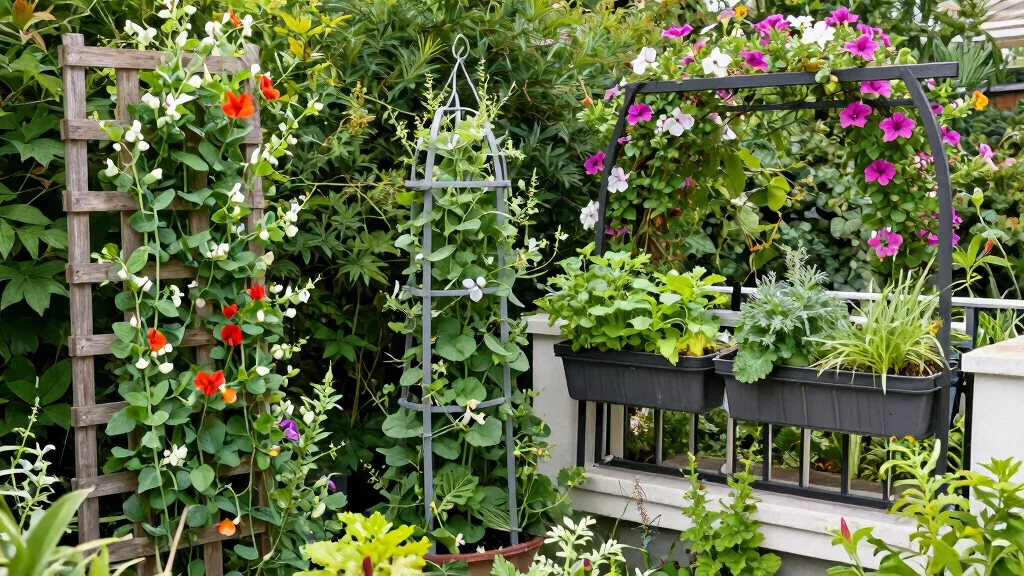
Creating a vibrant garden with climbing plants can feel like a dream, especially when you’re limited on space. This time of year always reminds me how much I adore the sight of flowers and greenery climbing up a trellis, adding both beauty and functionality to my outdoor space. I’ve been craving that perfect balance of organization and lushness in my garden. If you find joy in planting and nurturing climbing plants, this post is just for you.
In this guide, you’ll discover 9 trellis system ideas that not only support your climbing plants but also elevate the overall look of your garden. Each idea is tailored for anyone who loves vertical gardening, especially in small spaces. Whether you’re a seasoned gardener or just starting out, these options are practical, stylish, and totally doable. I’ve pulled together ideas that are creative, simple, and ideal for enhancing your garden’s vertical appeal.
Get ready to explore various trellis designs that will not only support your plants but also add character to your outdoor space. With this collection of plant trellis ideas, you’ll find inspiration that turns your garden into a stunning green retreat.
Key Takeaways
– Diverse Trellis Designs: You’ll find nine unique trellis ideas, ranging from rustic wooden frames to modern metal designs, allowing you to choose the best fit for your style.
– Space-Saving Solutions: Many of these trellis systems are perfect for small spaces, helping you maximize vertical gardening opportunities without sacrificing floor space.
– DIY Options Available: Several trellis ideas encourage creativity, with DIY options that let you personalize your garden without breaking the bank.
– Support for Climbing Plants: These trellis systems are specifically designed to provide the support climbing plants need to thrive and flourish.
– Aesthetic Enhancement: Each trellis idea adds a decorative element to your garden, making it visually appealing while also functional.
1. Rustic Wooden A-Frame Trellis
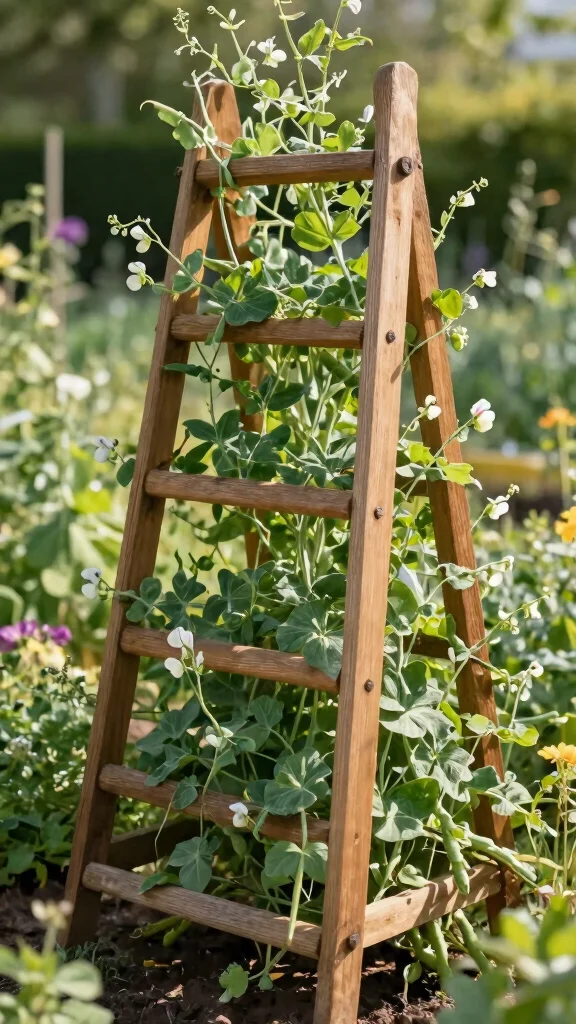
Looking to add charm to your garden? The rustic wooden A-frame trellis is an appealing choice for any outdoor space. This trellis not only supports climbing plants like beans and peas but also enhances the natural beauty of your garden. Typically crafted from treated wood, it promises durability and weather resistance. You can easily personalize it with colors or stains to suit your style, placing it as a backdrop or a centerpiece in your garden.
Start by determining the best location for your trellis, ensuring it gets ample sunlight. You might want to anchor it with concrete for stability and add climbing plants like sweet peas that will thrive with the support. Consider pairing it with seasonal flowers for an added burst of color.
Key features to keep in mind:
– Embrace a natural aesthetic: Complements garden surroundings beautifully.
– Versatile usage: Ideal for a variety of climbing plants.
– DIY friendly: Simple to construct with basic materials.
This trellis not only organizes your plants but also creates a welcoming vibe that transforms your garden into a delightful retreat.
Even a simple rustic A-frame trellis can boost bean and pea yields by up to 20% when placed as the sun-loving centerpiece. A sturdy trellis system supports growth, lasts seasons, and invites color with stains or paint. Start by choosing a sunny backdrop and steady anchors today.
Rustic Wooden A-Frame Trellis
Editor’s Choice

2 PCS Garden Plant Trellis Netting – Sukh 5 x 15 ft Trellis Net Polyeste…


DoCred Cucumber Trellis, 2 Pack Foldable A Frame Trellis for Raised Bed …
2. Vertical Garden with Wire Mesh

Are you short on gardening space? A wire mesh trellis is your perfect solution! This sleek design allows climbing plants to flourish while keeping your garden tidy and stylish. By attaching the mesh to a wall or fence, you can turn vertical areas into lush green backdrops. Ideal for vegetables like tomatoes and cucumbers, this trellis makes the most of small spaces. Plus, lightweight wires and hooks ensure easy setup and adjustments as your plants grow.
To create a thriving vertical garden, start by securely fastening the mesh to your desired surface. Choose climbing plants that naturally adhere to the structure, maximizing your vertical space. You might even mix herbs and flowers for a colorful display that’s functional and beautiful.
Benefits of using wire mesh:
– Save space: Perfectly fits on walls or fences.
– Lightweight: Simple installation without heavy construction.
– Promote drainage: Prevents water pooling for healthier plants.
This trellis will not only optimize your gardening area but also elevate the overall aesthetic of your outdoor space.
Vertical Garden with Wire Mesh
Editor’s Choice

Moss Pole DIY Kit, 6.6/13.2/26.4ft Metal Moss Pole for Plants Monstera, …

VEVOR Hydroponic Tower, 50 Pods 10 Tiers Hydroponics Growing System Kit …

16PCS Plant Stem Support, Plant Stem Holder for Indoor Plants, Climbing …
3. Elegant Lattice Trellis
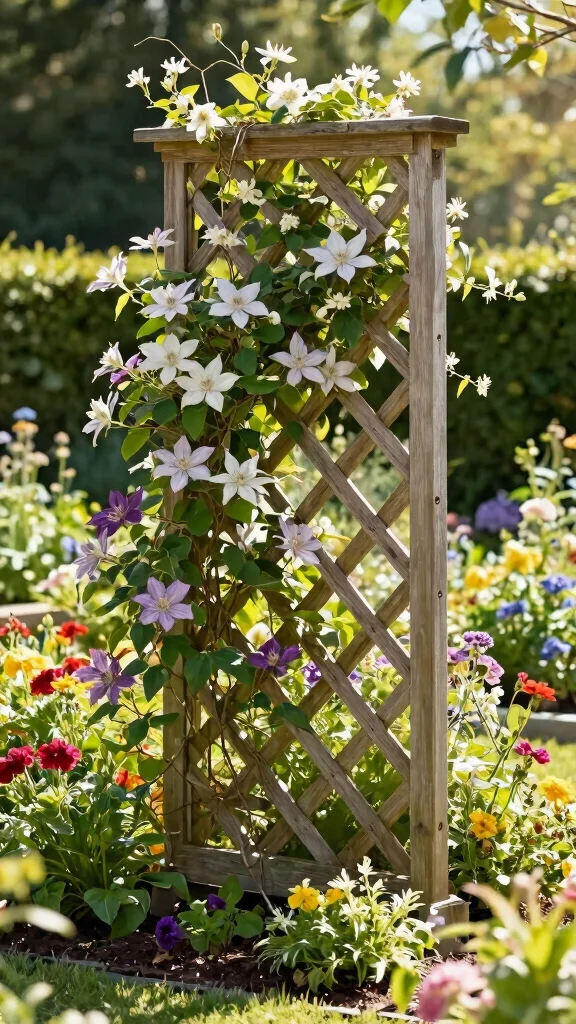
Looking for a stylish trellis option? The elegant lattice trellis serves both function and beauty in your garden. Its crisscross design provides robust support for climbing plants while creating visual interest. Often used as garden dividers or privacy screens, lattice trellises become stunning focal points when adorned with flowering vines like jasmine or clematis. You can easily paint them in vibrant colors to harmonize with your garden theme.
To maximize the benefits, position your lattice in an area where it can showcase climbing plants effectively. Consider planting fragrant vines that will enhance the ambience of your garden. You can also use them creatively to section off garden spaces or create intimate areas.
Reasons to love lattice trellises:
– Aesthetic enhancement: Adds a decorative element to your garden.
– Functional use: Works as a privacy screen or garden divider.
– Supports diverse plants: Perfect for various climbing species.
This trellis not only organizes your plants but also invites admiration from visitors, enhancing the beauty of your outdoor space.
📹 Related Video: DIY Lattice Privacy Wall
Elegant Lattice Trellis
Editor’s Choice

Wood Lattice Fence Panels for Outside 13.4″x78.8″ Expandable Natural Woo…

Avalution 10 Pack Bamboo Trellis for Climbing Plants 16″ Natural Garden …
Privacy Planters for Patio – Metal Raised Garden Bed with Trellis and …
4. DIY Pipe Trellis
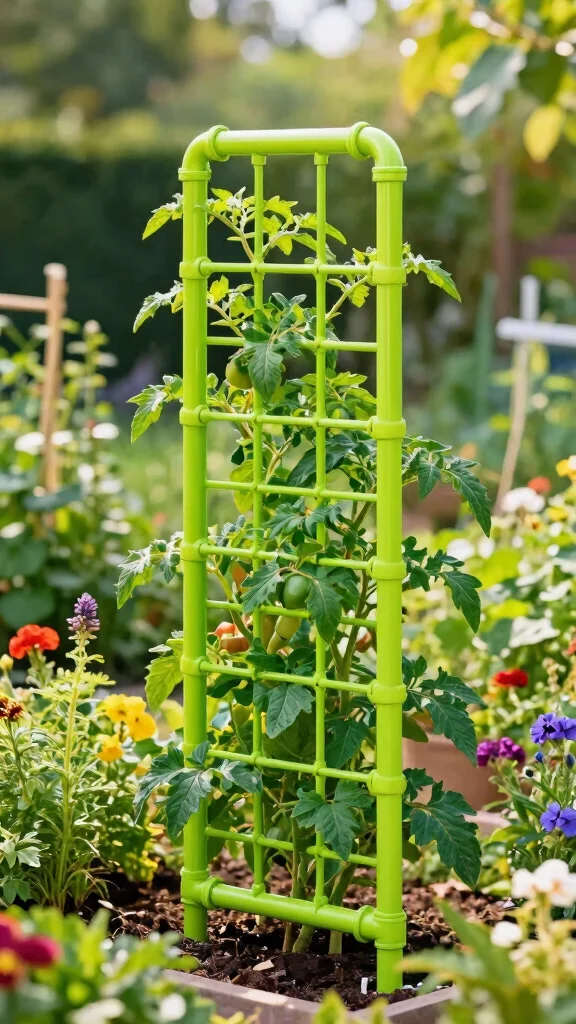
Are you a hands-on gardener? A DIY pipe trellis is an innovative, modern solution for your climbing plants. Using PVC pipes or metal rods, you can build a sturdy, customized trellis that’s perfectly tailored for your garden. This option is particularly great for supporting heavier plants, such as tomatoes and grapes. Plus, the construction is straightforward, allowing you to adjust the height and width based on your needs.
When crafting your trellis, start by sketching a design that fits your garden layout. Choose durable materials to ensure stability, and feel free to get creative with embellishments. You might also consider arranging multiple trellises for a cohesive look throughout your garden.
Key advantages of a DIY pipe trellis:
– Customizable: Tailored to your garden’s specific needs.
– Durable: Supports heavy plants without bending.
– Lightweight: Easily movable and adjustable.
This trellis not only provides essential support but also adds a playful, modern touch to your gardening space.
DIY Pipe Trellis
Editor’s Choice

PerkHomy Garden Twine Strong Natural Jute 800 Feet Long Green Twine for …
5. Metal Arbor Trellis
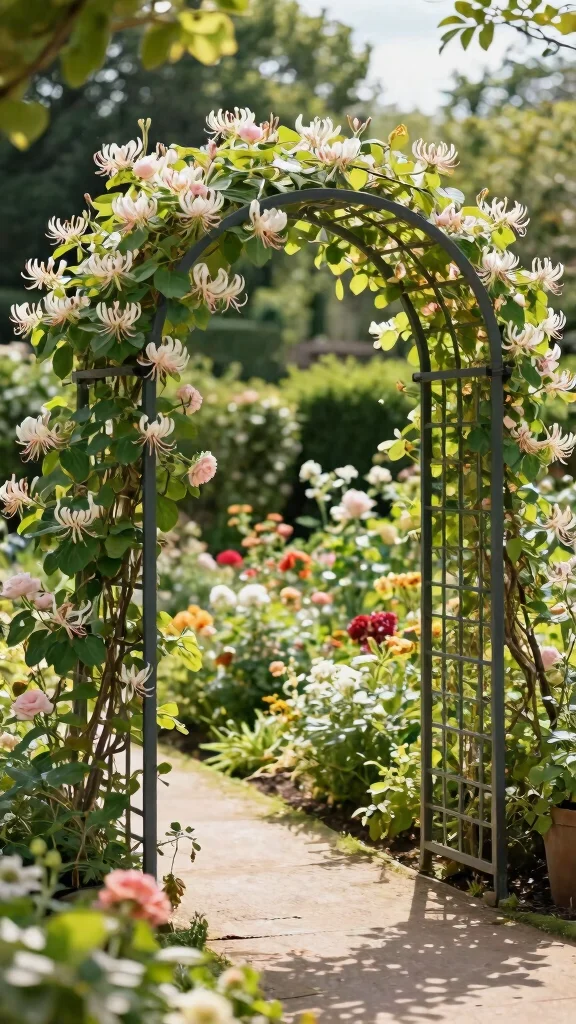
Want to elevate your garden’s elegance? A metal arbor trellis adds sophistication and charm. These arch-shaped structures not only provide excellent support for climbing plants but also create stunning entrances or pathways in your garden. Consider planting flowering vines such as roses or honeysuckle that will cascade over the arbor, forming a lovely natural canopy. The powder-coated metal ensures durability, allowing it to withstand the elements while maintaining its beauty.
When incorporating an arbor, think about positioning it where visitors enter or at the end of a path for maximum impact. You can enhance the space further by adding seating or decorative stones around the base to create a cozy gathering area.
Advantages of a metal arbor trellis:
– Long-lasting: Built to endure various weather conditions.
– Dynamic design: Creates stunning archways and visual interest.
– Low maintenance: Requires minimal upkeep compared to wood.
This trellis not only supports your plants but also transforms your garden into a breathtaking retreat.
Fun fact: a powder-coated metal arbor trellis can last 15–20 years with minimal maintenance, turning a simple entry into a graceful garden gateway. Plant roses or honeysuckle along its arches to create a living canopy that elevates your trellis system.
You might also like
Key Trade-offs & Our Top Pick
When choosing a trellis system for your climbing plants, there are several factors to consider. Each option has its benefits and drawbacks, so let’s break down the main choices.
1. Rustic Wooden A-Frame Trellis
– Pros:
– Natural look enhances garden aesthetics.
– Strong and sturdy support for various climbing plants.
– Easy to build with common materials like wood slats.
– Cons:
– Can rot if not treated properly.
– Limited lifespan compared to metal options.
– May require maintenance to keep it looking good.
– Best for: Those looking for a charming rustic look in their garden while supporting plants like beans or cucumbers.
2. Vertical Garden with Wire Mesh
– Pros:
– Inexpensive and easy to install.
– Allows for a wide range of climbing plants to thrive.
– Provides good airflow, reducing the risk of disease.
– Cons:
– May not be as visually appealing as wood or metal.
– Can sag over time if not properly secured.
– Limited structural support for heavier plants.
– Best for: Gardeners on a budget or those in urban spaces wanting to maximize vertical gardening.
3. Elegant Lattice Trellis
– Pros:
– Stylish design adds beauty to any garden.
– Excellent support for a variety of climbing plants.
– Can double as a privacy screen.
– Cons:
– More expensive than simpler options.
– Requires some assembly and may need periodic maintenance.
– Can catch wind and may need anchoring in high gust areas.
– Best for: Homeowners looking for an attractive trellis that also provides privacy.
4. DIY Pipe Trellis
– Pros:
– Customizable height and width to fit your space.
– Durable and weather-resistant materials like PVC.
– Simple to assemble and disassemble.
– Cons:
– Can look a bit industrial and less natural in appearance.
– Requires some DIY skills to put together.
– May not support very heavy plants without reinforcement.
– Best for: Creative gardeners who enjoy hands-on projects and want flexibility in their trellis design.
5. Metal Arbor Trellis
– Pros:
– Very durable and can last for years.
– Provides a striking focal point in any garden.
– Often comes with built-in seating or pathways.
– Cons:
– Higher cost compared to other materials.
– Can be heavy and difficult to move once installed.
– May heat up quickly in the sun, affecting plants.
– Best for: Those who want a strong, ornamental piece that stands out in their garden.
Expert Recommendation:
Best Overall: Elegant Lattice Trellis
The elegant lattice trellis offers a perfect balance of beauty and function. Its stylish design can support various climbing plants while adding charm to your outdoor space. It’s built to last and provides an inviting atmosphere, making it ideal for any gardener looking to enhance their garden’s appearance while providing the necessary support for climbing plants.
Why We Picked This:
While the elegant lattice trellis is our top pick, gardeners looking for a more rustic feel might prefer the wooden A-frame. If you need something more budget-friendly, the wire mesh trellis is perfect. For those who love DIY projects, the pipe trellis provides a creative outlet. Finally, if durability and decoration are your goals, the metal arbor trellis could be the right choice. Each option has its unique benefits, so think about your specific needs before making a decision!
Metal Arbor Trellis
Editor’s Choice

Thickened Tube Garden Arch,7.3ft Heavy-Duty Metal with 16mm Steel Tubes …
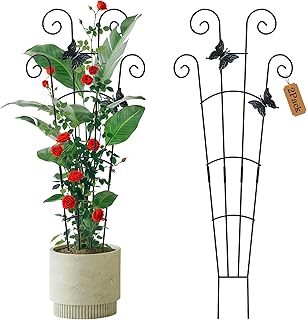
2 Pack 30 Inch Taller Plant Trellis for Potted Climbing Plants Indoor,Ex…
6. Vertical Pallet Garden Trellis
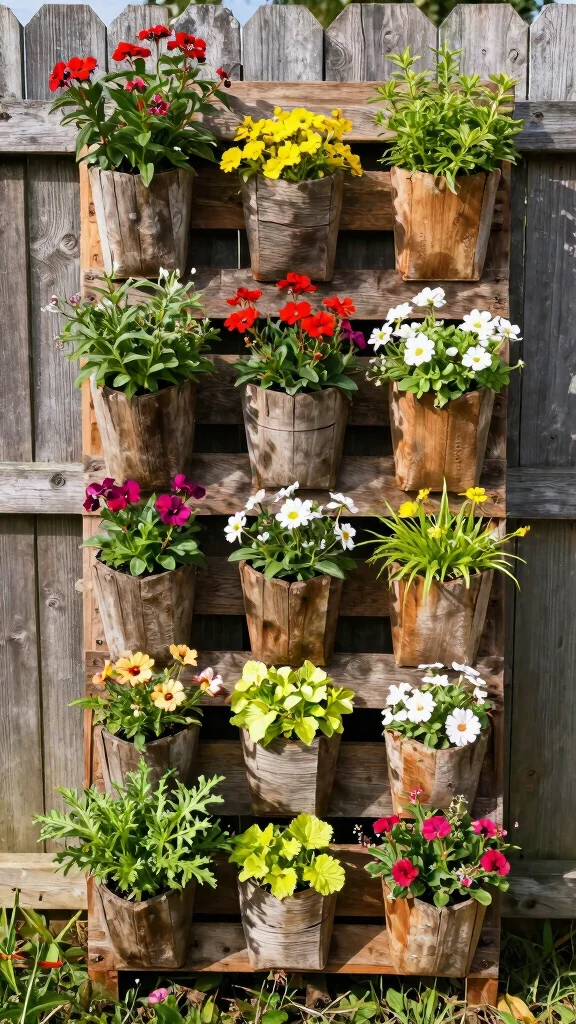
Are you a fan of upcycling? A vertical pallet garden trellis is a creative and eco-friendly choice for any gardener. By repurposing old pallets, you can create a unique trellis that breathes new life into your garden. This innovative approach not only saves space but also infuses rustic charm into your outdoor area. You can lean the pallet against a wall or fence, add soil pockets for planting, or attach pots for a fun vertical garden.
To begin, ensure the pallet is clean and sturdy. You might want to add a coat of protective stain or paint for longevity. Consider incorporating a mix of colorful plants to enhance the visual appeal.
Benefits of a vertical pallet trellis include:
– Eco-friendly: Reuses materials that would otherwise be discarded.
– Creative design: Allows for artistic expressions in your gardening style.
– Space-efficient: Perfect for gardens with limited space.
This trellis not only supports your climbing plants but also serves as a stunning focal point that showcases your creativity.
Vertical Pallet Garden Trellis
Editor’s Choice
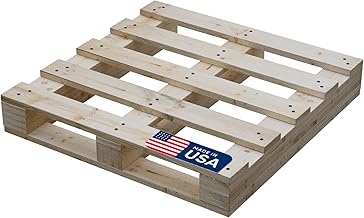
Treaton, Heavy-Duty 2-Way Entry Wooden Pallet – 31x24x5”, Industrial…

Miracle-Gro Organic Outdoor Potting Mix – Plant Soil for Outdoor Contain…
7. Garden Obelisk Trellis
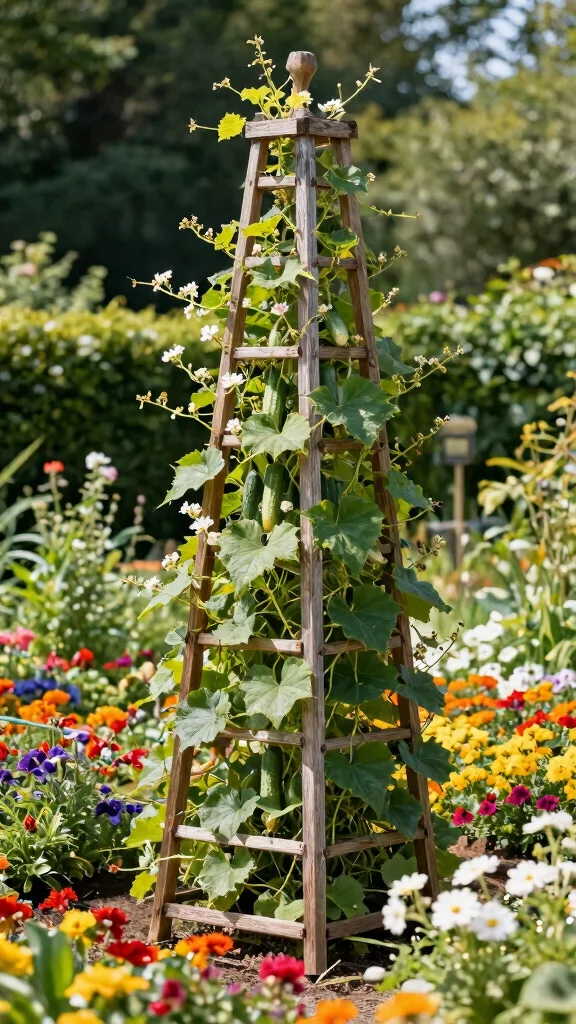
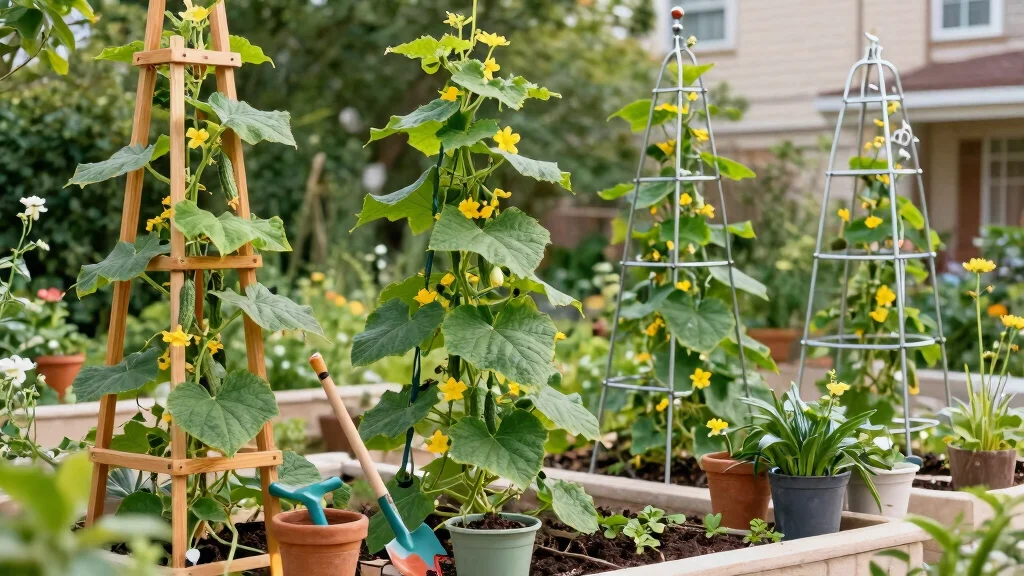
Looking to make a statement in your garden? A garden obelisk trellis is a striking feature that supports climbing plants beautifully. These tall, tapering structures provide excellent support for plants like cucumbers and flowering vines while serving as captivating focal points. Place them in the center of a flower bed or at the entrance of a pathway to enhance your garden’s visual appeal. Typically made from wood or metal, they can be painted or left to weather naturally for a rustic feel.
For best results, plant climbing varieties that will elegantly wrap around the obelisk. Mixing different styles and sizes adds excitement and dimension to your garden layout.
Reasons to choose an obelisk trellis:
– Height advantage: Maximizes vertical space, drawing the eye upward.
– Decorative flair: Adds artistic interest to your garden design.
– Versatile support: Accommodates various climbing plants.
This trellis not only supports your plants but also becomes an eye-catching artwork that enhances your outdoor space.
Fun fact: A garden obelisk trellis doubles as a focal point and a vertical trellis system. In small spaces, it can support cucumbers and flowering vines up to 8 feet tall, just anchor it firmly and center it for maximum impact.
8. Folding Trellis for Space-Saving Solutions
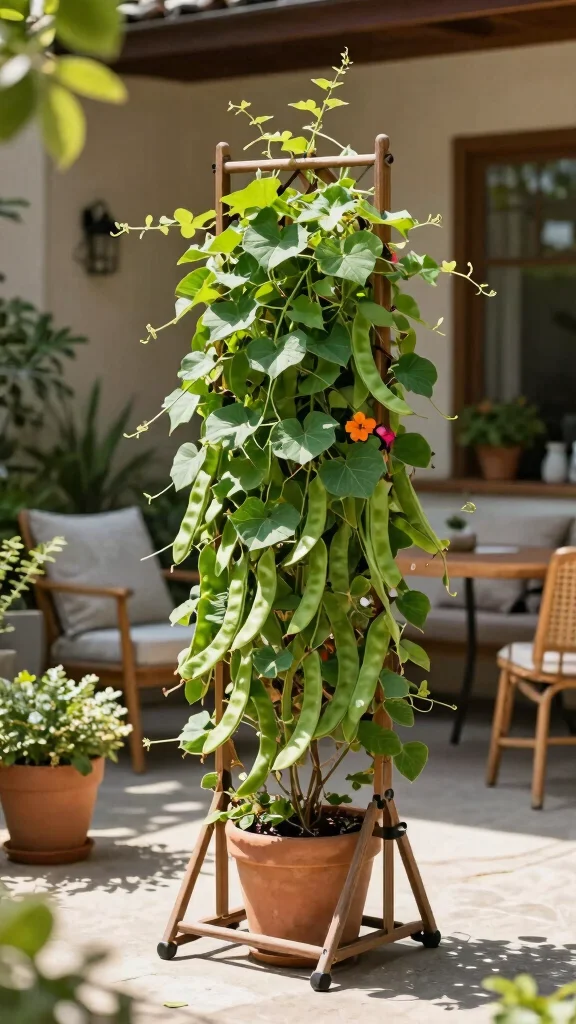
Need a flexible gardening solution? Folding trellises are ideal for small spaces or gardeners seeking portability. These convenient options can be set up when needed and easily stored away when not in use, making them perfect for patios or compact yards. Generally made from lightweight materials, they can support a range of climbing plants, from beans to flowering vines. When not in use, they can be compactly stored, freeing up valuable gardening space.
To make the most of your folding trellis, position it against a sunny wall for optimal growth. Choose plants that thrive in vertical spaces and can easily climb. You might even rotate plants seasonally for a fresh look throughout the year.
Key perks of a folding trellis:
– Space-efficient: Great for small gardens or patios.
– Convenience: Simple to set up and take down.
– Versatile: Suitable for various plant types.
This trellis not only saves space but also allows you to create a delightful living wall that can adapt to changing seasons.
You Might Also Like
Folding Trellis for Space-Saving Solutions
Editor’s Choice

2 Pack Willow Expandable Lattices Fence,Garden Fence Trellis for Climb…

2-Panel Folding Garden Trellis – Maximize Your Garden Space, Durable Pow…

Cucumber Trellis, 35″ X 50″ A-Frame Garden Trellis for Climbing Plants O…
9. Trellis Wall Art
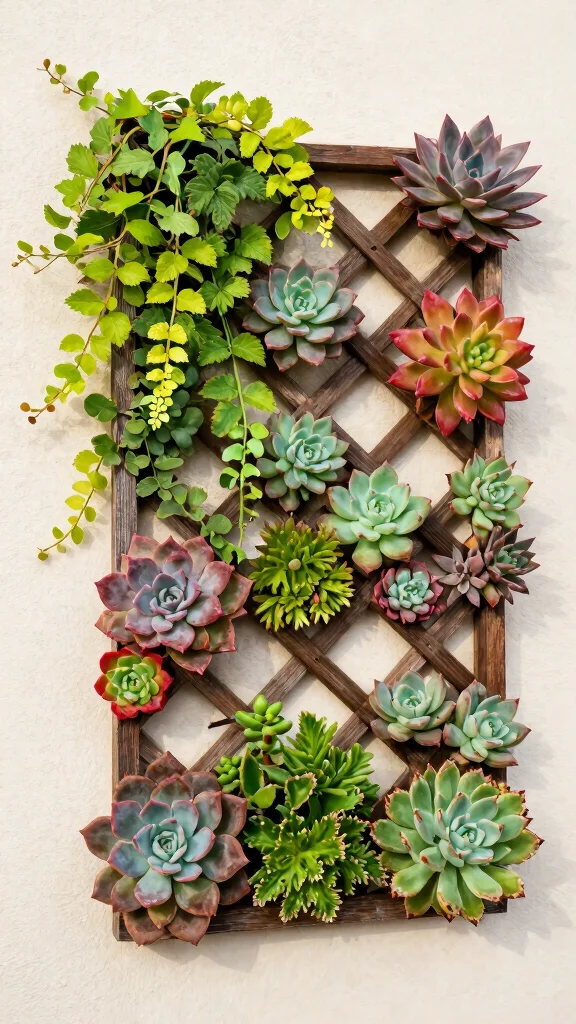
Looking to enhance your garden aesthetics? Trellis wall art is a creative way to transform your wall into a living masterpiece! This style combines functionality with beauty by using trellises as a canvas for climbing plants. You can attach trellises directly to exterior walls or fences, allowing vines to flourish and create stunning vertical gardens that double as decor. Succulents and trailing plants thrive in this setup, providing a lush appearance throughout the seasons.
To make your wall art stand out, consider varying plant textures and colors for a dynamic effect. You can also incorporate seasonal flowers for an evolving display.
Reasons to choose trellis wall art:
– Stylish: A unique way to enhance garden aesthetics.
– Creative expression: Allows for personalized designs with various plants.
– Space-efficient: Utilizes vertical space effectively.
This trellis not only beautifies your garden but also acts as a living art installation that captivates the eye year-round.
Trellis Wall Art
Editor’s Choice

Trellis Netting for Climbing Plants – Heavy Duty Garden Trellis Netting …

Vertical Garden Planter 3 Tier Raised Garden Bed Herb Planter Outdoor St…

Expandable Garden Trellis, Trellis for Climbing Plants Outdoor, Wooden L…
Conclusion
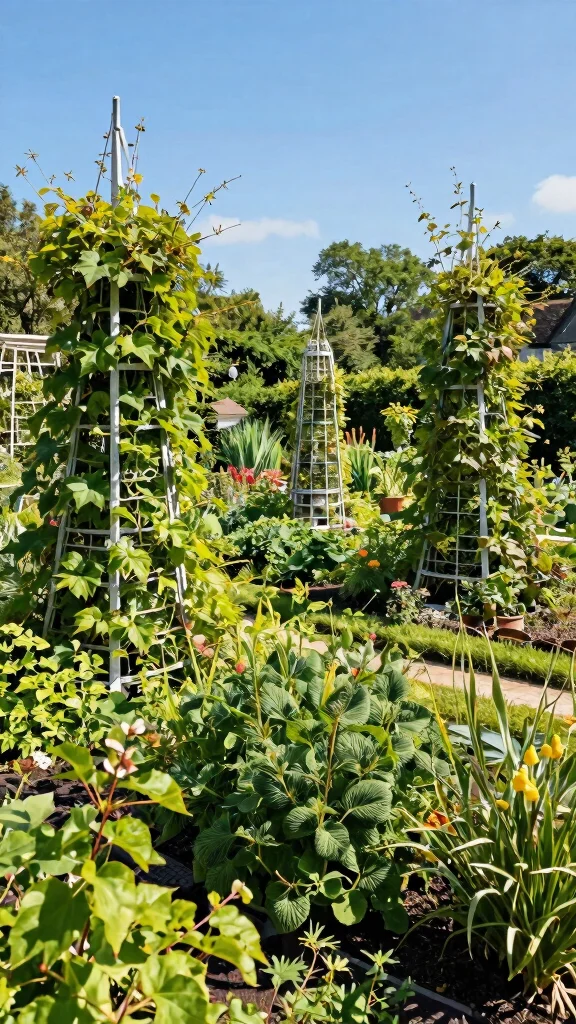
Incorporating a trellis system into your garden layout not only maximizes space but also adds structure and beauty to your outdoor areas.
With options ranging from rustic wooden designs to modern metal structures, there’s a perfect trellis idea for everyone, regardless of garden size. Choose the one that speaks to your style and watch your climbing plants flourish in a beautifully organized setting. Happy gardening—let your vertical dreams take root!
Note: We aim to provide accurate product links, but some may occasionally expire or become unavailable. If this happens, please search directly on Amazon for the product or a suitable alternative.
This post contains Amazon affiliate links, meaning we may earn a small commission if you purchase through our links, at no extra cost to you.
Frequently Asked Questions
What is a trellis system and how can it help climbing plants stay organized in a small garden?
A trellis system is a framework of lattice, wires, or panels that gives climbing plants something to grab onto. It helps keep growth tidy, makes the most of vertical space in small gardens, improves airflow to reduce disease, and makes pruning and harvesting easier. Here’s how to get started:
1) Measure the available space and consider the plant’s mature height. 2) Choose a design that fits your style and the plant’s growth habit. 3) Install sturdy anchors or mount to a wall or fence. 4) Train new shoots with soft ties and guide rails. 5) Regularly prune and adjust as plants grow.
Pro tip: mix and match different plant trellis ideas for a cohesive garden support system that suits your outdoor gardening tips.
What are some practical trellis system ideas for small spaces?
Here are practical plant trellis ideas that work well in tight areas:
1) Wall-mounted lattice panels to convert blank walls into green screens. 2) Freestanding trellises placed against a corner or deck railing. 3) Espalier along a fence or wall for a tidy, flat growth habit. 4) Tension-wire or cable systems between posts for lightweight climbers like beans or cucumbers. 5) Vertical planters with built-in trellis frames for containers. 6) An arch or doorway trellis to create an inviting entry. To implement, choose weather-appropriate materials, secure anchors, and train plants as they grow. These ideas enhance vertical gardening and provide effective garden support in small spaces.
What materials work best for an outdoor trellis system?
Durable options include cedar or pressure-treated wood for a natural look, powder-coated metal (aluminum or steel) for maximum strength, and sturdy PVC or composite for low maintenance. Bamboo can be charming in informal setups but may need extra care in damp climates. Consider weight, weather exposure, and whether you want a portable or fixed setup. For heavier climbers like grapes or roses, opt for a sturdier frame with solid anchors. Pro tip: choose weather-resistant finishes and quality fasteners to extend life and keep your outdoor gardening tips on track.
How do I train climbing plants to use a trellis system without damaging them?
Start with the right plants for your space, install the trellis early, and guide stems as they grow. Use soft ties, twine, or Velcro straps instead of wire that could injure stems. Tie main canes to horizontal or diagonal supports at evenly spaced intervals to encourage balanced growth. Prune regularly to maintain airflow and prevent crowding. Check ties every few weeks and adjust as the vines thicken. With patience, climbing plants will happily cling to your trellis system as part of your vertical gardening setup and boost your garden support.
How do I choose the right trellis system for different climbing plants like beans, roses, or grapes?
Match the plant’s growth habit and weight to the trellis. Light, flexible climbers like beans or cucumbers do well on simple tension wires or lattice panels, while heavier, woody climbers like roses and grapes require sturdier frames, thicker rails, and stronger anchors. Consider height: tall varieties may need a tall, anchored structure; space: decide between freestanding and wall-mounted based on placement. Look for adjustable or modular systems if your garden may expand, and ensure good air circulation to prevent disease. Align your trellis with your garden style for a cohesive look and practical outdoor gardening tips.
Related Topics
trellis system
vertical gardening
climbing plants
garden support
small space gardening
DIY trellis ideas
organized gardening
outdoor gardening tips
easy gardening solutions
space-saving design
beginner gardening
plant support systems