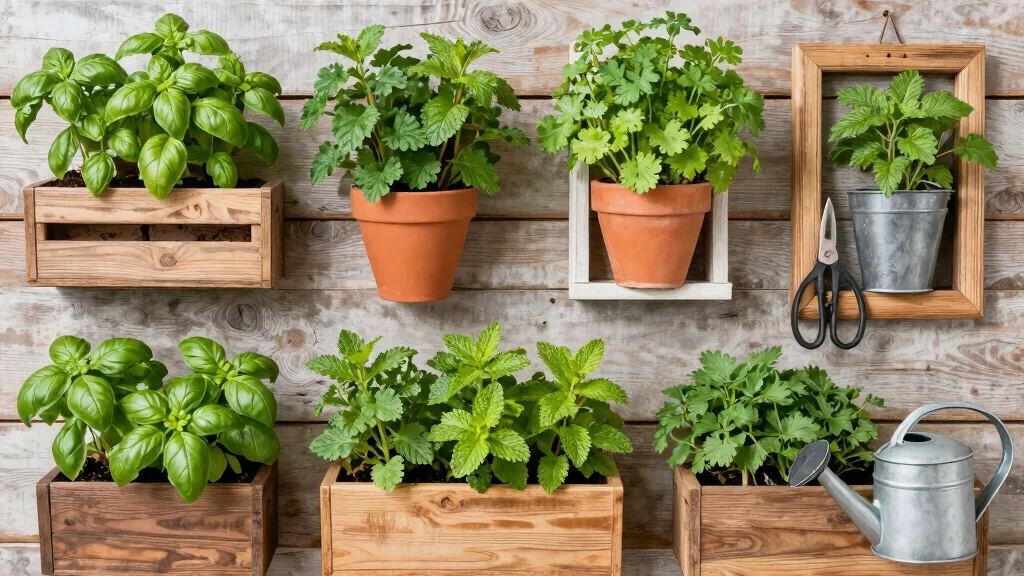
Creating an urban vertical herb garden is a fantastic way to bring life to small spaces. With more people living in apartments and homes with limited yard space, the desire to grow fresh herbs is on the rise. This blog post is designed to inspire you with 8 vertical herb garden ideas that are not only practical but also stylish. Whether you’re a seasoned gardener or just starting out, these concepts will help you enjoy the benefits of gardening without overwhelming your space.
If you’re someone who loves to cook and appreciates fresh ingredients, this guide is perfect for you. You’ll find creative ideas for indoor and outdoor herb gardens that fit seamlessly into your lifestyle. These concepts cater to urban dwellers who might think they lack the room for gardening. Each idea is designed to be functional and easy to build, making it easy for you to start your own vertical garden without needing extensive tools or experience.
In this post, you’ll discover a range of options from wall-mounted planters to recycled pallet gardens. Each concept is intended to inspire you to get your hands dirty and enjoy the process of growing your own herbs. With practical tips and step-by-step directions, you’ll be on your way to creating a lush herb garden that not only saves space but also enhances your home. Dive in and explore how to bring your gardening dreams to life!
Key Takeaways
– Vertical herb garden ideas allow you to grow fresh herbs even in small spaces. You’ll see options that fit apartments, balconies, and tiny yards.
– Wall-mounted planters provide a chic solution for maximizing vertical space while adding a decorative element to your home.
– Tiered plant stands create an appealing rustic charm, making it easy to organize your herbs and display them beautifully.
– DIY vertical gardens made from materials like PVC pipes or recycled pallets offer eco-friendly options that can be customized to your taste.
– Indoor herb gardens improve air quality and bring nature indoors, making them perfect for enhancing your living space while keeping fresh herbs on hand.
1. Wall-Mounted Planters: A Chic Solution
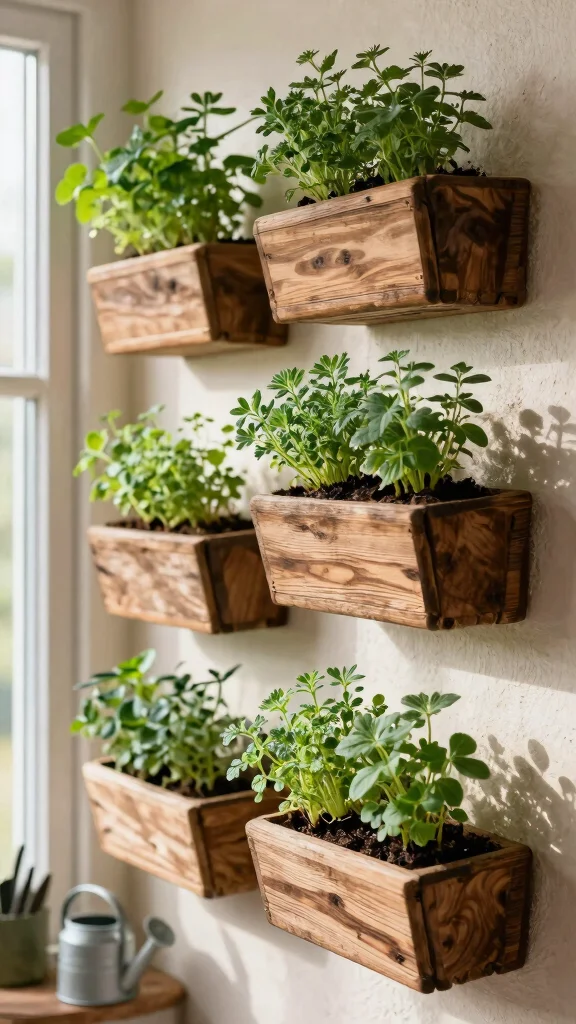
Do you want to add a touch of greenery to your kitchen or living space? Wall-mounted planters are a stylish way to integrate fresh herbs into your home. Using materials like reclaimed wood, you can create a beautiful display that not only enhances aesthetics but also maximizes your growing area without taking up floor space. Your herbs can thrive while making a stunning visual impact on any wall.
Ingredients:
– Reclaimed wood or wooden boxes
– Pots or planters (lightweight)
– Potting soil
– Herbs of choice (basil, rosemary, etc.)
Instructions:
1. Cut the wood to your desired size for the wall-mounted structure.
2. Attach hooks or brackets securely to the wall.
3. Fill your pots with potting soil and plant your herbs.
4. Hang the pots at varying heights for an attractive arrangement.
5. Water your herbs and place them near a sunny window.
FAQs:
– Can I use plastic planters? Yes, as long as they are lightweight and have drainage holes.
– Can I grow herbs indoors? Absolutely! Just ensure they get enough light.
Wall-Mounted Planters: A Chic Solution
Editor’s Choice

HOME GROWN Herb Garden Planter Indoor Kit – Unique Christmas Gift for …


G TALECO GEAR 5-Tier Vertical Garden Planter, 4.4Ft Vertical Raised Gard…

T4U 4 Inch Plant Pots 8-Pack, Small Flower Pots with Drainage Hole and S…
2. Tiered Plant Stands: Rustic Charm
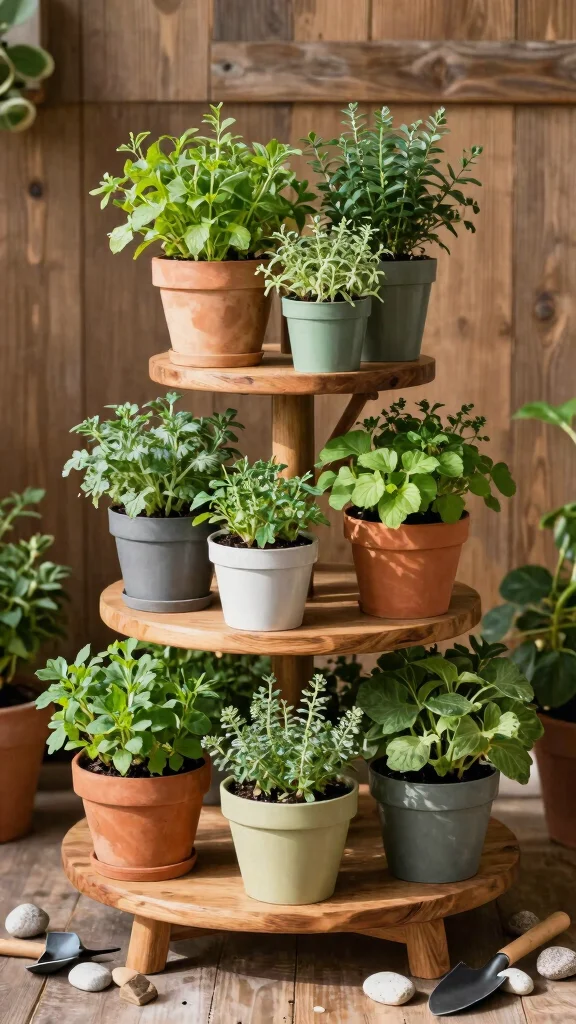
Looking for a way to showcase your herbs with rustic flair? Tiered plant stands are the perfect solution, offering multiple shelves for your herbs to flourish. You can arrange pots by height or sunlight needs, creating an eye-catching display while maximizing space. Mixing and matching pots adds to the charm and character of your stand.
Ingredients:
– Wooden or metal plant stand
– Various pots (different sizes and colors)
– Potting soil
– Herbs of choice (thyme, parsley, etc.)
Instructions:
1. Assemble your tiered stand as per manufacturer instructions.
2. Fill each pot with potting soil and plant your herbs.
3. Place the stand in a sunny spot or on your patio.
4. Water regularly and enjoy watching your herbs grow.
FAQs:
– Can I use this indoors? Yes, just ensure it’s placed near light.
– Can I change the pots later? Of course! You can rearrange them anytime.
Tiered Plant Stands: Rustic Charm
Editor’s Choice

GEEBOBO 5 Tiered Tall Plant Stand for Indoor, Wood Plant Shelf Corner Di…

DeeCoo 3 Piece Ceramic Plant pots Indoor Pots Set with Drainage Holes, 5…

Burpee, 9 Quarts | Premium Organic Potting Natural Soil Mix Food Ideal f…
3. Hanging Herb Gardens: Space-Saving Elegance
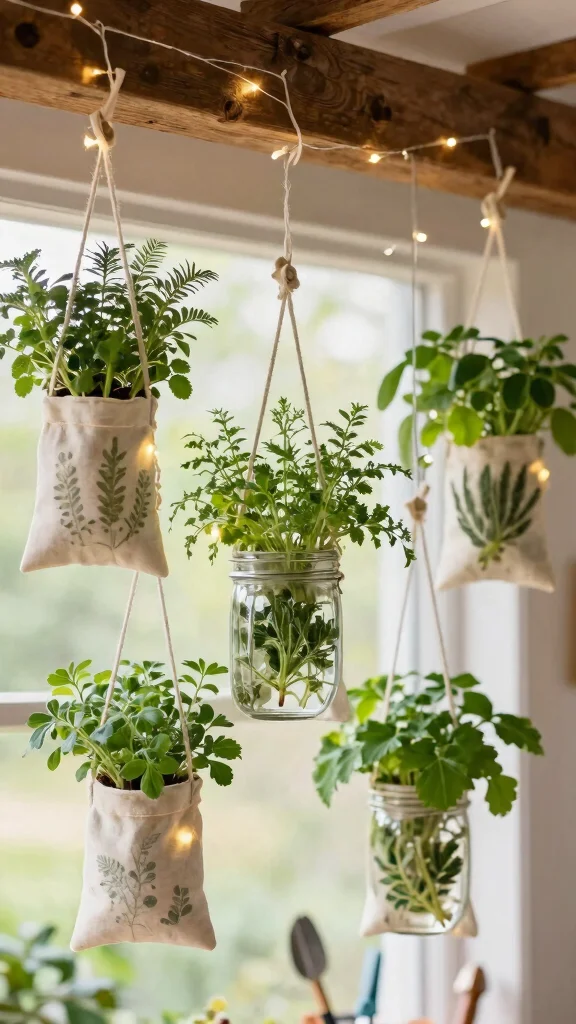
Do you want a unique way to grow herbs without cluttering your space? Hanging herb gardens are an elegant solution that allows you to keep herbs suspended in the air. By using hooks or racks, you can create a whimsical look that brightens any room. Consider using mason jars or fabric pouches to add a creative touch to your herb garden.
Ingredients:
– Hooks or ceiling-mounted racks
– Mason jars or biodegradable pots
– Potting soil
– Herbs suited for hanging (mint, chives)
Instructions:
1. Install hooks or racks securely in the desired location.
2. Fill each jar or pot with potting soil and plant your herbs.
3. Hang the jars or pots at different heights for visual interest.
4. Water as needed, ensuring the soil stays moist but not soggy.
FAQs:
– Can I use heavy pots? It’s best to stick with lightweight options.
– Can I change the herbs later? Yes, you can easily swap them out.
Did you know vertical herb garden ideas like hanging herb gardens can free up up to 30% of counter space? A ceiling rack with mason jars keeps herbs within arm’s reach, cutting clutter and boosting fresh flavor. With simple hooks, you harness space-saving elegance that actually works.
Hanging Herb Gardens: Space-Saving Elegance
Editor’s Choice


Indoor Herb Garden Start Kit – Unique Gifts for Women, Mothers Day Gifts…

4. Vertical Garden Towers: Modern Marvels
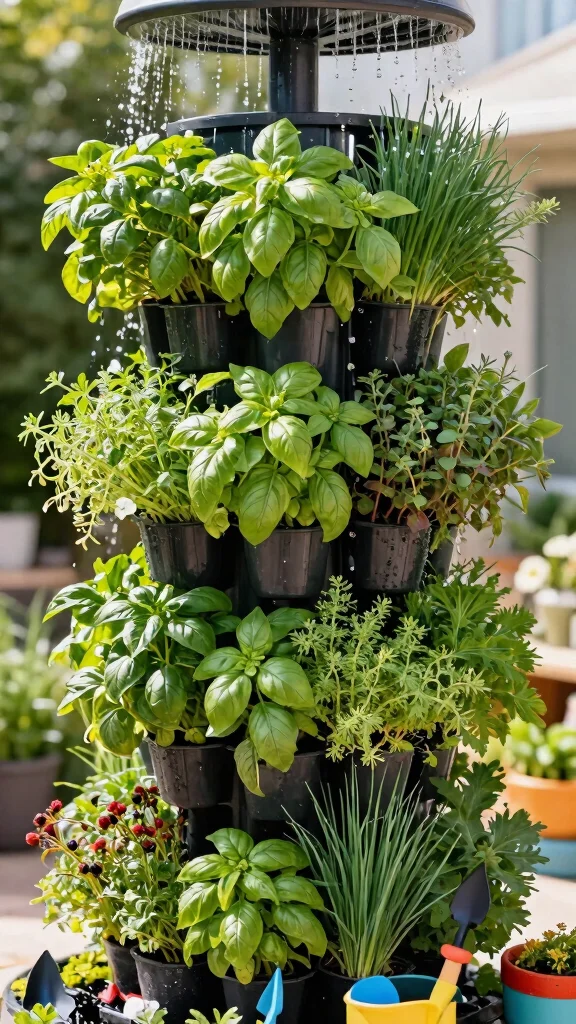
Want to maximize your herb garden’s potential in a modern way? Vertical garden towers are a fantastic option, allowing you to plant multiple herbs in a compact format. Made from sturdy materials, these towers often come with self-watering systems, making maintenance a breeze. They can turn any small balcony or patio into a lush herb haven.
Ingredients:
– Vertical garden tower (plastic or metal)
– Potting soil
– Herbs of choice (oregano, cilantro)
Instructions:
1. Set up the vertical garden tower as directed.
2. Fill each section with potting soil and plant your herbs.
3. Water the top section and allow it to flow through.
4. Place in a sunny location for optimal growth.
FAQs:
– Can I use different herbs together? Yes, as long as they have similar water and light needs.
– Do these towers need a lot of maintenance? Not really; they’re designed for easy care.
Fun fact: Vertical garden towers can hold 8–12 herb plants in a single footprint, turning a tiny balcony into a fragrant, productive oasis. With self-watering systems and compact design, your vertical herb garden ideas stay thriving with minimal maintenance.
You might also like
Vertical Garden Towers: Modern Marvels
Editor’s Choice

GameXcel Vertical Planter Tower – 5 Tier Stackable Garden Planters with …

Professional Indoor Herb Soil Mix Large 2.2 Quarts Ready to Use, Premium…

5 Herb Seeds Variety Kit, Oregano, Cilantro, Parsley, Basil, Chives
5. Recycled Pallet Gardens: Eco-Friendly Appeal

Are you looking for an eco-friendly way to grow herbs? Recycled pallets can be transformed into beautiful vertical gardens with minimal effort. This DIY option not only helps the environment but also adds a rustic charm to your space. Simply stack or mount the pallets and fill them with soil and herbs for a unique garden feature.
Ingredients:
– Recycled wooden pallets
– Potting soil
– Herbs of choice (sage, dill)
Instructions:
1. Prepare the pallets by sanding them down to remove splinters.
2. Position the pallets against a wall or stack them.
3. Fill the openings with potting soil and plant your herbs.
4. Water regularly and enjoy your eco-friendly garden.
FAQs:
– Can I paint the pallets? Yes, feel free to customize them to match your decor.
– Can I use this indoors? It’s best suited for outdoor areas, but you can bring them inside if you have space.
Recycled Pallet Gardens: Eco-Friendly Appeal
Editor’s Choice
Greaton, 20x20x5 Wooden Pallet Kit, Heavy-Duty Industrial Grade Pinewood…
Burpee, 9 Quarts | Premium Organic Potting Natural Soil Mix Food Ideal f…

Sereniseed Certified Organic Herb Seeds (10-Pack) – Non GMO, Heirloom …
6. Indoor Vertical Gardens: A Breath of Fresh Air
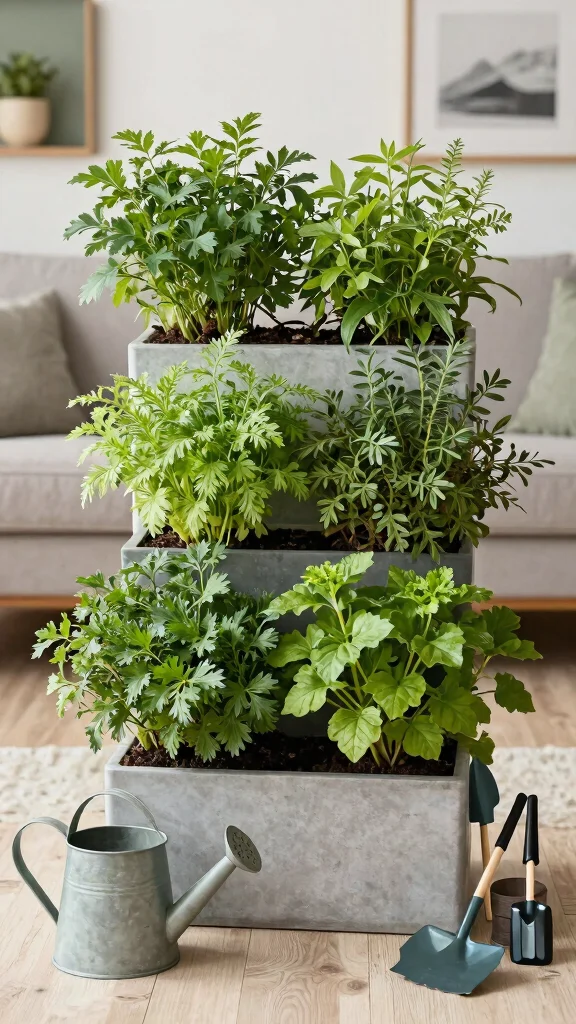
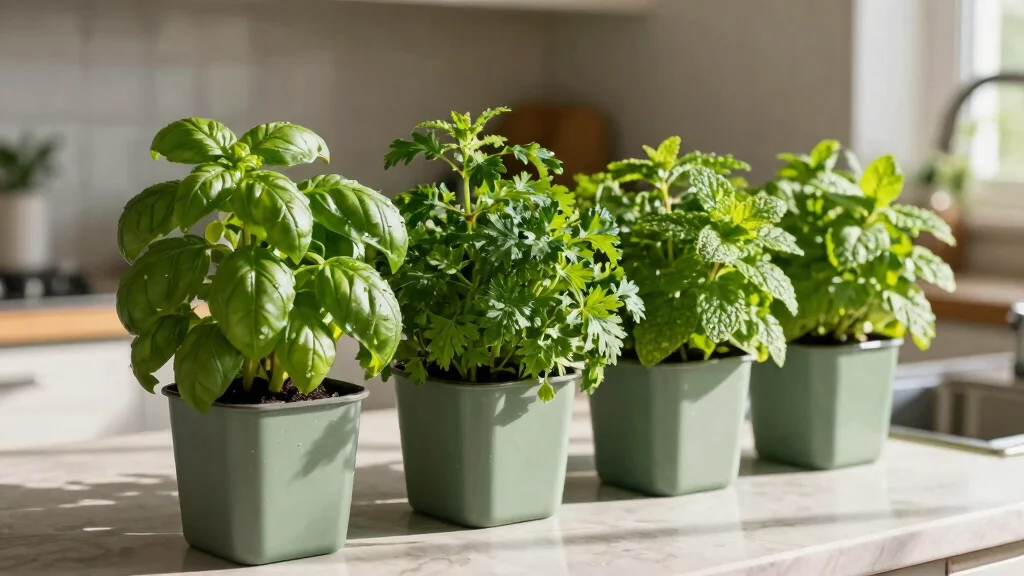
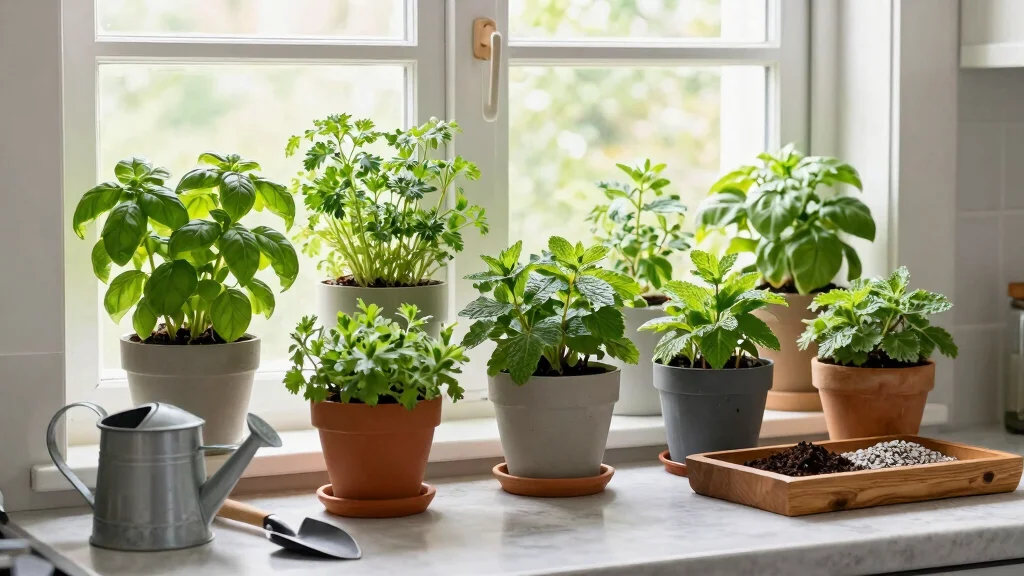
Are you searching for a way to freshen up your indoor air? Indoor vertical gardens not only beautify your space but also purify the air. You can create these gardens with wall-mounted planters or freestanding units. Ideal for kitchens or living rooms, they can thrive without direct sunlight by using herbs that do well in lower light.
Ingredients:
– Vertical planters or freestanding units
– Potting soil
– Herbs suited for low light (chives, mint)
Instructions:
1. Install your vertical planter on the wall or place the freestanding unit.
2. Fill with potting soil and plant your herbs.
3. Position near a window or use LED grow lights as needed.
4. Water regularly and rotate plants for even growth.
FAQs:
– Can I mix different herbs? Yes, just ensure they have similar light and water needs.
– How often should I water them? Check the soil; if it’s dry, it’s time to water.
Fun fact: vertical herb garden ideas can transform a small wall into a week’s worth of fresh herbs in just a few feet of space. They purify indoor air and work in low light, using wall planters or freestanding units.
📹 Related Video: This Garden Grows Veggies Year-Round | Gardyn Review
Key Trade-offs & Our Top Pick
When diving into vertical herb garden ideas, it’s crucial to compare your options. Let’s break down some popular choices so you can find the best fit for your space and style.
Wall-Mounted Planters
– Pros:
– Save floor space by utilizing walls.
– Stylish designs can enhance your decor.
– Easy access for watering and harvesting.
– Cons:
– Limited planting space for larger herbs.
– Requires wall installation, which may not suit all homes.
– Can be less stable during strong winds if outdoors.
– Best for: Small spaces where floor area is limited, like apartments or balconies.
Tiered Plant Stands
– Pros:
– Provides multiple levels for various herbs.
– Adds a rustic charm to your garden.
– Easy to move around as needed.
– Cons:
– Requires more space than wall-mounted options.
– May need regular watering due to exposure.
– Can be less sturdy if not placed on a flat surface.
– Best for: Those who want a visually appealing garden setup indoors or on patios.
Hanging Herb Gardens
– Pros:
– Great for maximizing limited vertical space.
– Easy to install and rearrange.
– Adds a unique touch to your home or garden.
– Cons:
– Limited to lighter herbs.
– Higher maintenance with a need for frequent watering.
– Requires sturdy hooks or brackets for stability.
– Best for: Urban dwellers who want to infuse greenery into their living spaces without sacrificing floor space.
Indoor Vertical Gardens
– Pros:
– Perfect for year-round herb gardening.
– Filters indoor air, enhancing your home’s atmosphere.
– Can be elaborate or simple, depending on your preference.
– Cons:
– May require additional lighting for optimal growth.
– More costly due to setup and maintenance.
– Can take up significant wall space if larger.
– Best for: Individuals who prioritize indoor gardening and want fresh herbs on hand.
DIY Vertical Herb Garden with PVC Pipes
– Pros:
– Affordable and customizable to your needs.
– Utilizes recycled materials, promoting eco-friendliness.
– Can be designed to fit specific spaces perfectly.
– Cons:
– May require some DIY skills for assembly.
– Drainage can be a concern if not properly set up.
– Aesthetics may not appeal to everyone.
– Best for: Creative gardeners who enjoy hands-on projects and want a unique setup.
Expert Recommendation:
Best Overall: Wall-Mounted Planters
The wall-mounted planters stand out as the best overall choice for most people. They combine style and function, making them perfect for small spaces. You’ll appreciate the ease of use and accessibility, allowing you to simply reach up and snip fresh herbs whenever you need them. Plus, they usually come in chic designs to enhance your home decor while providing you with a garden.
Why We Picked This:
We selected wall-mounted planters as the top choice due to their versatility and space-saving capabilities. However, if you prefer a larger planting area or a more rustic aesthetic, consider tiered plant stands. On the other hand, if you’re focused on indoor gardening, the indoor vertical garden might serve you best. Each option has its own unique appeal, so choose based on your priorities and available space!
Indoor Vertical Gardens: A Breath of Fresh Air
Editor’s Choice

Miracle-Gro Indoor Potting Mix for All Plants, Use with Houseplants and …
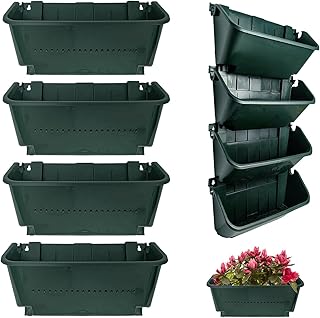
Self-Watering Wall Mounted Planter Set, Indoor and Outdoor Vertical Plan…
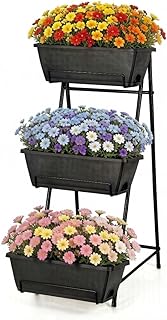
3 Tier Vertical Garden Planter Small Raised Garden Bed Freestanding Plas…
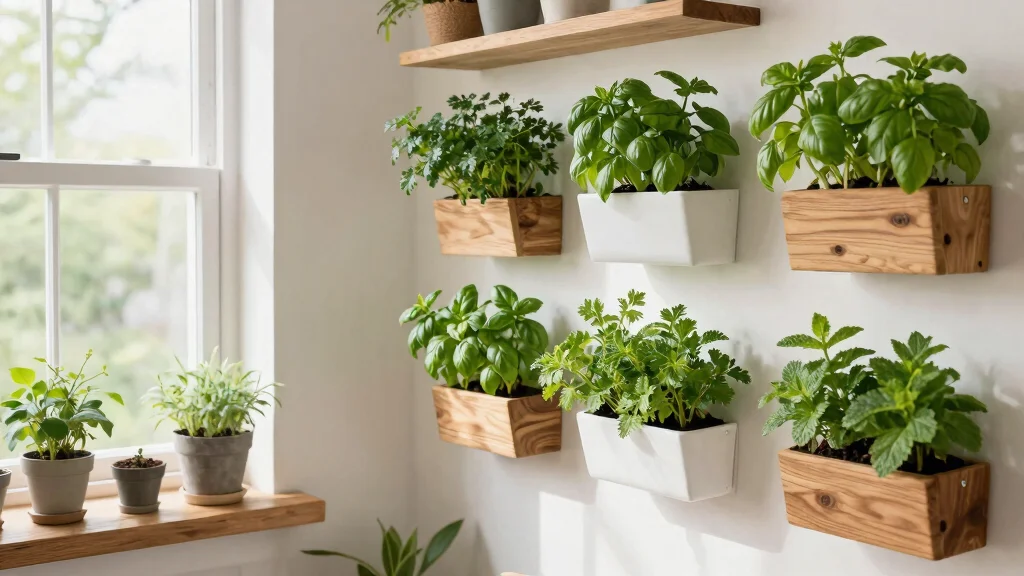
7. DIY Vertical Herb Garden with PVC Pipes

Are you ready for a fun DIY project? Creating a vertical herb garden with PVC pipes is an exciting way to grow fresh herbs while being budget-friendly. This method allows for creative designs and is perfect for small spaces. Just cut the pipes, drill holes for planting, and stack them vertically for a unique garden.
Ingredients:
– PVC pipes (cut to desired lengths)
– Potting soil
– Herbs suitable for confined spaces (cilantro, basil)
Instructions:
1. Cut the PVC pipes and drill holes for planting.
2. Stack the pipes vertically and secure them.
3. Fill the pipes with potting soil and plant your herbs.
4. Water the herbs and place in a sunny spot.
FAQs:
– Can I paint the pipes? Yes, you can customize them to fit your style.
– Should I worry about drainage? Yes, make sure to create drainage holes for healthy plants.
You Might Also Like
DIY Vertical Herb Garden with PVC Pipes
Editor’s Choice
Burpee, 9 Quarts | Premium Organic Potting Natural Soil Mix Food Ideal f…
Herb Garden Starter Kit – Fruivity 12800+ 15 in 1 Herb Heirloom Seed K…

Ratcheting Tubing Cutters, Tubing Cutter 5/16″ To 1 1/8″, 2 in 1-360° C…
8. Balcony Rail Planters: Perfect for Small Spaces
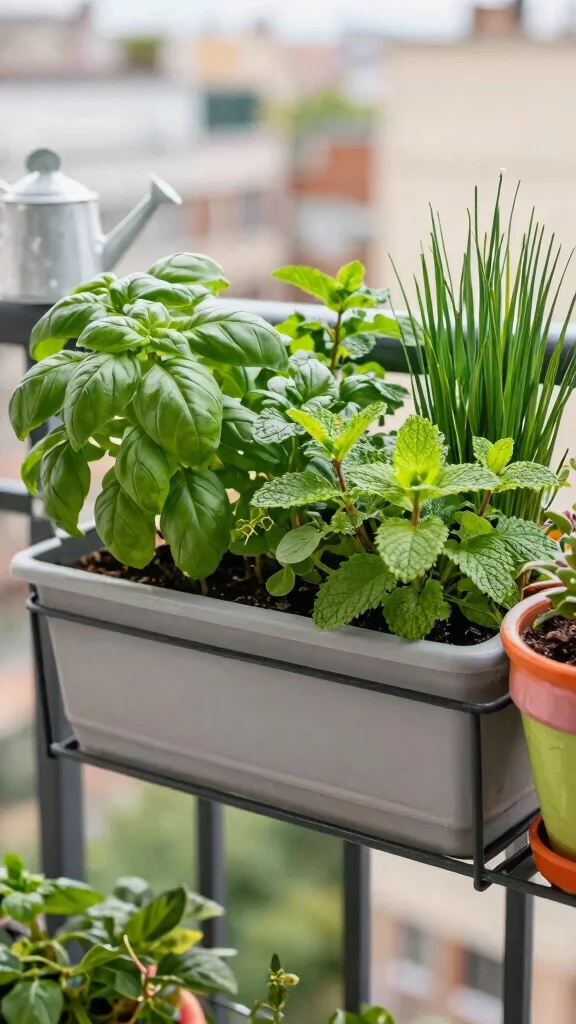
Do you have a small balcony and want to grow your herbs? Balcony rail planters are the ideal solution for maximizing your outdoor space. These planters securely fit on your balcony railing, allowing for easy access to fresh herbs right outside your kitchen. They add greenery and charm to your outdoor living area.
Ingredients:
– Balcony rail planters
– Potting soil
– Herbs suitable for outdoor conditions (thyme, rosemary)
Instructions:
1. Attach the planters securely to your balcony railing.
2. Fill each planter with potting soil and plant your herbs.
3. Water regularly, especially during hot weather.
4. Enjoy your fresh herbs right at your fingertips.
FAQs:
– Can I use heavy planters? It’s best to stick with lightweight options for safety.
– What if it’s windy? Choose herbs that can withstand outdoor conditions.
Balcony Rail Planters: Perfect for Small Spaces
Editor’s Choice
Burpee, 9 Quarts | Premium Organic Potting Natural Soil Mix Food Ideal f…

OGIMA 4pcs Hanging Flower Pots, Metal Iron Wall Planter Indoor/Outdoor f…

HOME GROWN Herb Seeds for Planting 15-Pack Massive Seed Count 4,300+ See…
Conclusion
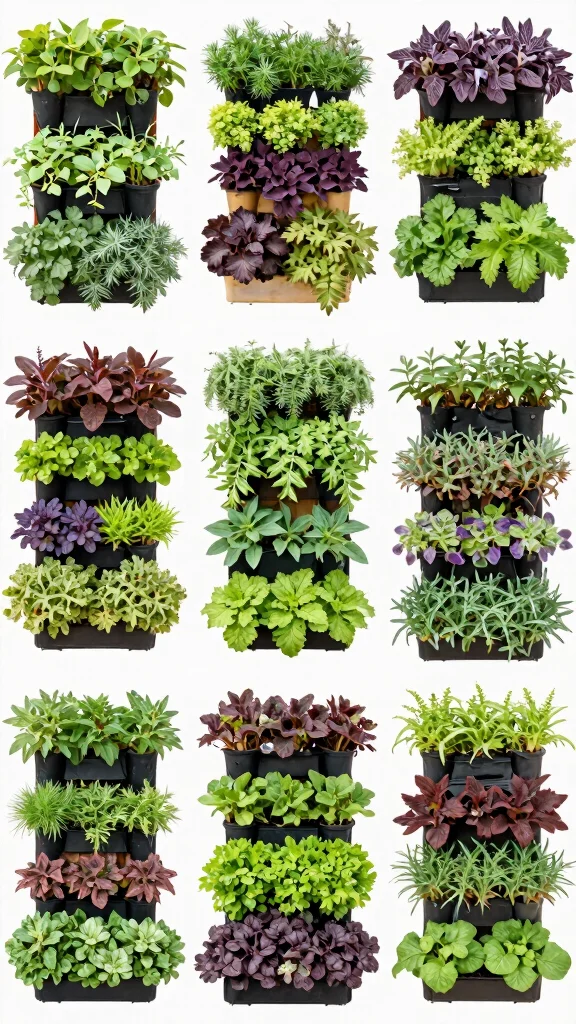
Vertical herb gardens offer a perfect blend of functionality and style, transforming any small space into a lush oasis.
Whether you opt for wall-mounted planters, tiered stands, or hanging systems, the ideas shared are not just practical but also visually appealing. With just a bit of creativity, you can enjoy fresh herbs year-round.
Get started on building your own vertical garden today and bring the joy of gardening into your home.
Note: We aim to provide accurate product links, but some may occasionally expire or become unavailable. If this happens, please search directly on Amazon for the product or a suitable alternative.
This post contains Amazon affiliate links, meaning we may earn a small commission if you purchase through our links, at no extra cost to you.
Frequently Asked Questions
What are the top vertical herb garden ideas for small urban spaces?
Vertical herb garden ideas let you grow more in less space, perfect for small urban homes. Here are practical options that stay stylish and functional:
• wall-mounted pocket planters
• a leaning ladder trellis for staggered shelves
• hanging fabric or mesh pockets
• stackable crates or modular modules
• repurposed gutters or rails along a balcony or kitchen wall.
For every option, ensure drainage and easy access, and place them where they’ll get enough light. Think of it as a space-saving gardening project and an indoor herb garden when light is tight. Use simple vertical gardening techniques to maximize sun exposure and harvests without crowding your floor space.
How do I design a space-saving DIY vertical garden for herbs in a small apartment?
Start by evaluating how much sun your space gets, then pick a compact system like panel pockets on a wall, a leaning ladder, or modular crates. Mount or hang at a reachable height to make watering and harvesting easy. Use a shallow potting mix and a drip tray to keep floors dry, and consider a small grow light if natural light is scarce. Choose herbs that thrive in containers, such as basil, oregano, thyme, parsley, and mint (in its own pot to control spreading). This DIY vertical garden approach is a great example of space-saving gardening and an indoor herb garden you can customize.
Which herbs grow best in a vertical garden and how can I care for them?
Herbs that thrive in bright, consistent light are ideal for vertical setups: basil, oregano, thyme, chives, parsley, and mint (in its own pot to curb spreading). Cilantro can bolt quickly in hot conditions, so plant it in partial shade or replace often. For care, aim for 4–6+ hours of sun or bright grow light, water deeply but let the top inch dry between waterings, and ensure good drainage. Prune regularly to keep plants bushy and productive, harvest from the outside and rotate crops so nothing crowds the center. When indoors, consider indoor herb garden setups and use vertical gardening techniques like proper spacing and air flow.
What materials and techniques work best for building an indoor vertical herb garden?
Good options include lightweight cedar or bamboo frames, fabric pockets or felt, wall-mounted panels, or even repurposed gutters for a slim, modern look. Pair these with a shallow tray or drip reservoir to catch runoff and protect floors. Use potting mix designed for containers and consider a simple drip irrigation kit for consistent moisture. Mount your system securely to wall studs or a sturdy frame, and apply smart vertical gardening techniques to keep air circulating and herbs accessible for harvests. This is a practical indoor herb garden solution that blends space-saving gardening with style.
How do I maintain a vertical herb garden and troubleshoot common issues?
Keep moisture in check by monitoring the reservoir and soil daily; drainage is critical, so make sure trays are clear and clean. Prune herbs regularly to encourage bushier growth and prevent legginess, and harvest from the outside in. Replace spent or diseased plants quickly to prevent spreading; rotate herbs so each gets a fair share of light. Watch for pests like aphids or whiteflies and treat with organic solutions, and watch for signs of overwatering or root rot; if light is weak, supplement with a grow light and adjust feeding every 4–6 weeks with a balanced fertilizer. With a little routine, your vertical garden stays productive year-round as a stylish vertical herb garden ideas source.
Related Topics
vertical herb garden
urban gardening
small space solutions
DIY vertical garden
herb garden design
indoor gardening
space-saving gardening
easy projects
sustainable living
beginner friendly
vertical gardening techniques
stylish planters