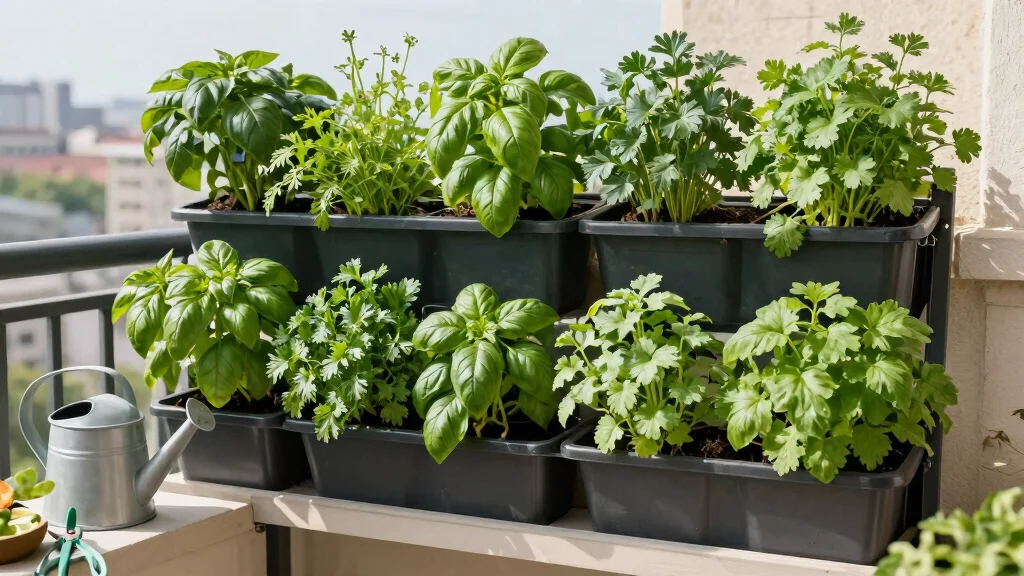
Are you dreaming of a fresh herb garden but feeling overwhelmed by limited space? You’re not alone! Many urban gardeners are in the same boat, craving homegrown flavors without the luxury of sprawling gardens. This post was created to help you embrace the concept of a vertical herb garden, which allows you to grow more herbs in less space. With clever designs and smart solutions, you can turn even the tiniest balcony or kitchen corner into a lush green oasis.
If you’re a city dweller or anyone looking to add greenery to your home, this guide is for you. Whether you have a small balcony or an indoor nook, I’ve gathered 9 vertical herb garden ideas that are not just functional, but also stylish. You’ll discover space-saving methods that can transform your urban living space into a vibrant herb haven. With these ideas, you’ll not only learn how to maximize your available area but also enjoy fresh herbs right at your fingertips for cooking, garnishing, and even health benefits.
By reading on, you’ll gain valuable insights into practical designs and strategies for creating your own vertical herb garden. From wall-mounted planters to recycled containers and DIY trellises, these ideas are perfect for anyone looking to enhance their cooking with fresh flavors while beautifying their space. Let’s get growing!
Key Takeaways
– A vertical herb garden allows you to maximize limited space, perfect for urban gardening solutions.
– Discover creative options like wall-mounted planters and ladder shelves that can fit into any small area.
– Recycled containers and tiered plant stands are excellent budget-friendly choices for your herb garden.
– Hydroponic systems offer a modern twist on herb gardening, ideal for those with limited sunlight.
– Implementing a vertical herb garden can elevate your cooking and provide fresh flavors right at home.
1. Wall-Mounted Planter Boxes
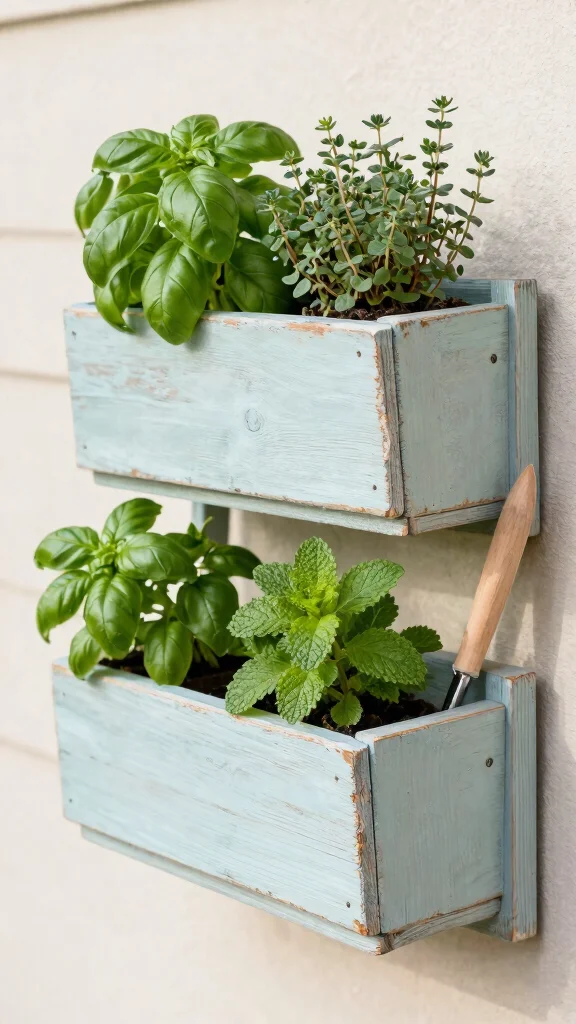
If you’re craving fresh herbs but short on space, wall-mounted planter boxes are your go-to solution. These stylish boxes transform plain walls into vibrant displays filled with greenery. Choose from various materials like wood or metal, and paint them in colors that match your style for a personalized touch.
To install your wall-mounted garden, find a sunny spot and mix box sizes for visual appeal. Use quality potting soil and ensure proper drainage to keep your herbs thriving.
Key benefits of wall-mounted planter boxes:
– Space-saving: Ideal for tight balconies with limited area.
– Decorative: Liven up your space with a burst of green.
– Accessible: Snip herbs easily without bending down.
Regular watering and pruning will keep your herbs growing beautifully. This practical solution is perfect for those wanting a fresh herb garden in a small space.
Fun fact: a single wall-mounted planter setup can hold 6–12 compact herb pots, transforming a tiny balcony into a harvest hub. By stacking and mixing materials, you gain fresh basil, thyme, and mint with zero floor clutter.
Wall-Mounted Planter Boxes
Editor’s Choice

G TALECO GEAR 5-Tier Vertical Garden Planter, 4.4Ft Vertical Raised Gard…


Seed Needs Herb Seeds Variety Pack Culinary Herb Collection (12 Individu…

Burpee, 9 Quarts | Premium Organic Potting Natural Soil Mix Food Ideal f…
2. Ladder Shelf Herb Garden
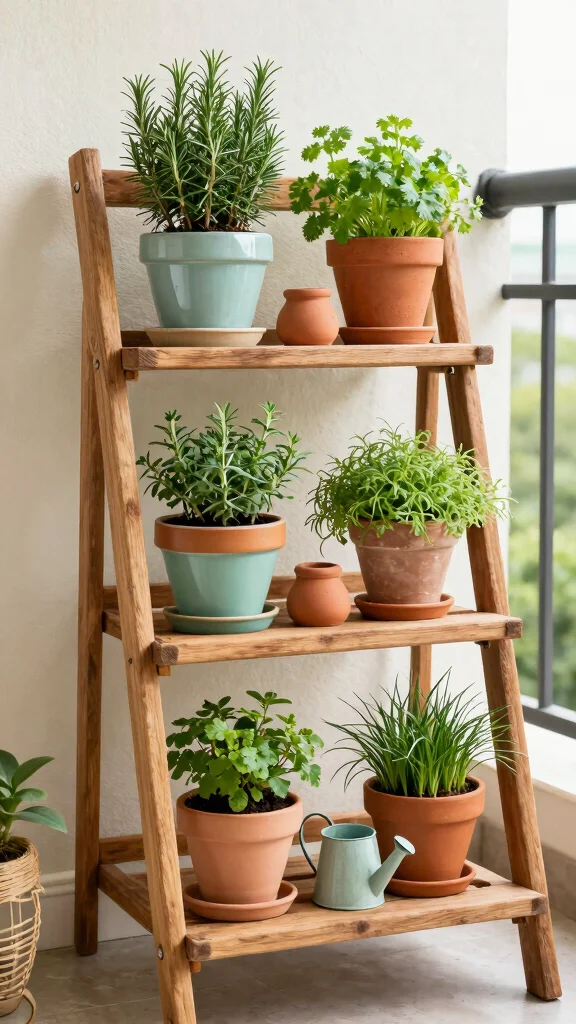
A ladder shelf is a chic way to create a vertical herb garden that catches the eye. Not only does it maximize your space, but it also allows you to showcase herbs at different heights, making them easier to tend. Choose a stylish ladder shelf that complements your outdoor decor.
To set up your ladder shelf garden, arrange pots by size and color for visual interest. Select sturdy pots and ensure good drainage to support healthy growth.
Why you should consider a ladder shelf:
– Versatile: Fits perfectly in corners or against walls.
– Stylish Display: Show off your gardening skills elegantly.
– Easily Accessible: Reach all your herbs with ease.
Rotate pots for even sunlight exposure and add decorative touches to enhance your garden’s charm. This vibrant setup will provide fresh herbs while adding beauty to your space.
Fun fact: A ladder shelf can unlock up to 1 m² of vertical herb garden on a small balcony. Pro tip: arrange pots by size and color for visual interest, and choose sturdy pots with good drainage to boost healthy growth.
Ladder Shelf Herb Garden
Editor’s Choice

PERFNIQUE Indoor Herb Garden, Herb Planter Set with Tray, Farmhouse Indo…

VASAGLE BARNET Collection – Ladder Shelf, Bookshelf, Storage Rack, Moder…

Juvale Mini Watering Can – 3 x 1.6 in, Silver, 12-Pack – Plant Waterer &…
3. Hanging Planters
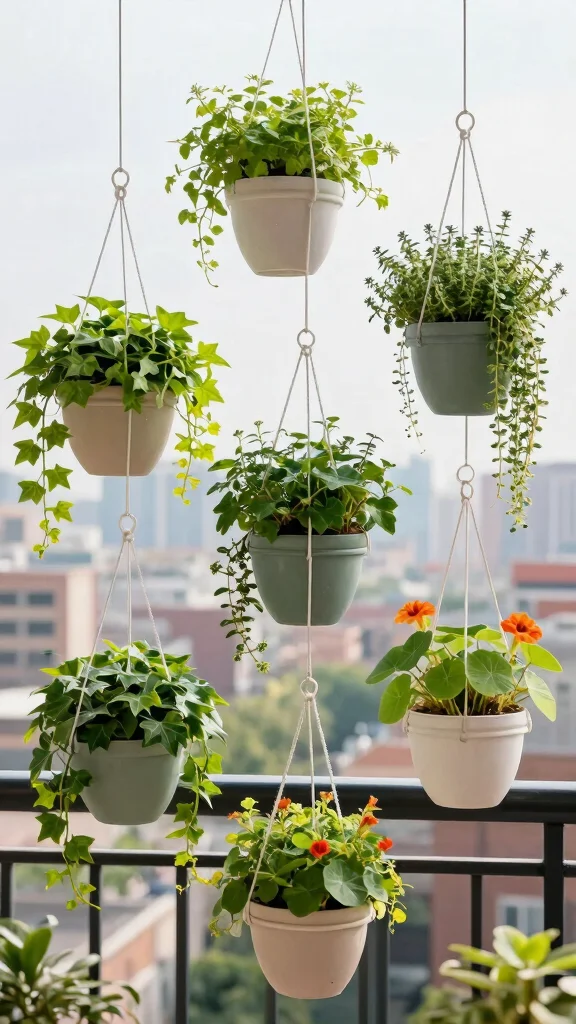
Hanging planters are a trendy way to bring greenery to your balcony without taking up any floor space. These charming pots create vertical layers of lush herbs, adding a whimsical touch to your garden. Explore different styles to match your aesthetic, from macramé hangers to sleek metal pots.
To get started, choose herbs that trail beautifully, like nasturtium or creeping thyme. Make sure to select pots with adequate drainage to keep your plants healthy.
Advantages of hanging planters:
– Maximizes Space: Perfect for compact areas where space is limited.
– Aesthetic Appeal: Adds a dynamic visual element to your garden.
– Customizable: Choose styles that fit your personal taste.
Establish a consistent watering routine to keep your herbs thriving. This stylish approach not only yields fresh ingredients but also brightens your living space with greenery.
Hanging Planters
Editor’s Choice

Melphoe 2 Pack Self Watering Hanging Planters Indoor Flower Pots, 6.5 In…

Mkono Macrame Plant Hanger Indoor Hanging Planter Basket with Wood Beads…

Bvrbaory 8 Pack Hanging Planter Pots,Self-Watering Flower Pot with Water…
4. Vertical Pallet Garden
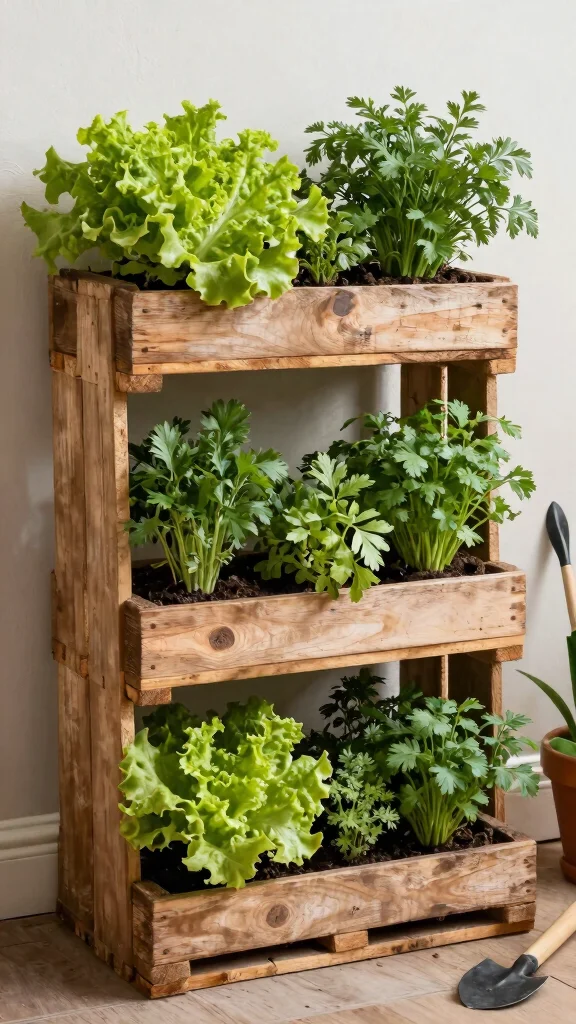
Turn a simple wooden pallet into an eco-friendly vertical herb garden that saves space and looks fantastic. This creative approach brings a rustic charm to your balcony while promoting sustainability. It’s a fun way to recycle materials and grow fresh herbs.
To create your pallet garden, secure the pallet upright against a wall and fill the slats with potting soil. Opt for herbs that thrive in vertical spaces, like parsley or cilantro.
Benefits of vertical pallet gardens:
– Sustainable: Utilizes recycled materials for eco-conscious gardening.
– Customizable: Tailor the layout to match your preferences.
– Easy Maintenance: Requires minimal effort once established.
Water your pallet thoroughly at first and maintain moisture as your herbs grow. This garden not only serves a practical purpose but also becomes a stunning focal point showcasing your commitment to sustainability.
Vertical Pallet Garden
Editor’s Choice
Seed Needs Herb Seeds Variety Pack Culinary Herb Collection (12 Individu…
Treaton, Heavy-Duty 2-Way Entry Wooden Pallet – 31x24x5”, Industrial…
Burpee, 9 Quarts | Premium Organic Potting Natural Soil Mix Food Ideal f…
5. Recycled Containers
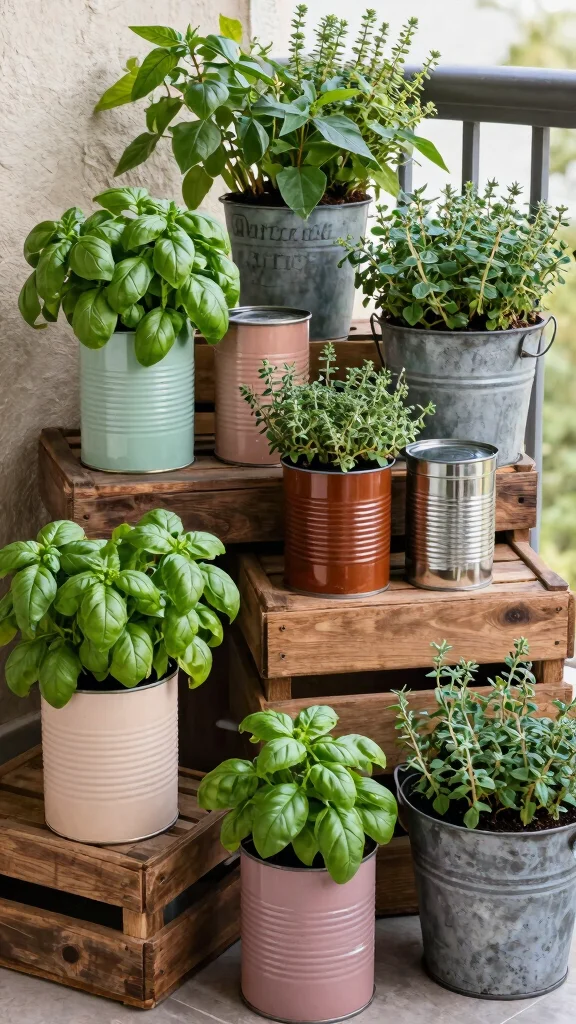
Upcycling old containers into herb gardens is a creative and sustainable way to grow plants with personality. This method is perfect for DIY enthusiasts looking to add a unique touch to their gardening. It’s a fun way to showcase your style while being eco-friendly.
Start by cleaning old buckets, tin cans, or wine crates, making sure they have drainage holes. Fill them with quality potting soil and plant herbs known for thriving in containers, like thyme and oregano.
Why recycled containers work:
– Creative Freedom: Use containers that reflect your style.
– Cost-effective: Save money while creating a vibrant garden.
– Unique Aesthetic: Each container adds character and tells a story.
Regular watering and occasional re-potting will keep your herbs happy. This delightful approach allows you to enjoy gardening while being environmentally conscious.
Fun fact: Upcycling just 5 containers can kickstart a thriving vertical herb garden on a small balcony, providing fresh thyme and oregano all season. Clean the containers, punch drainage holes, fill with quality potting soil, and plant herbs that thrive in containers for instant personality and eco-friendly flavor.
📹 Related Video: DIY cheap vertical garden idea for beginners using plastic bottles, indoor or outdoor
You might also like
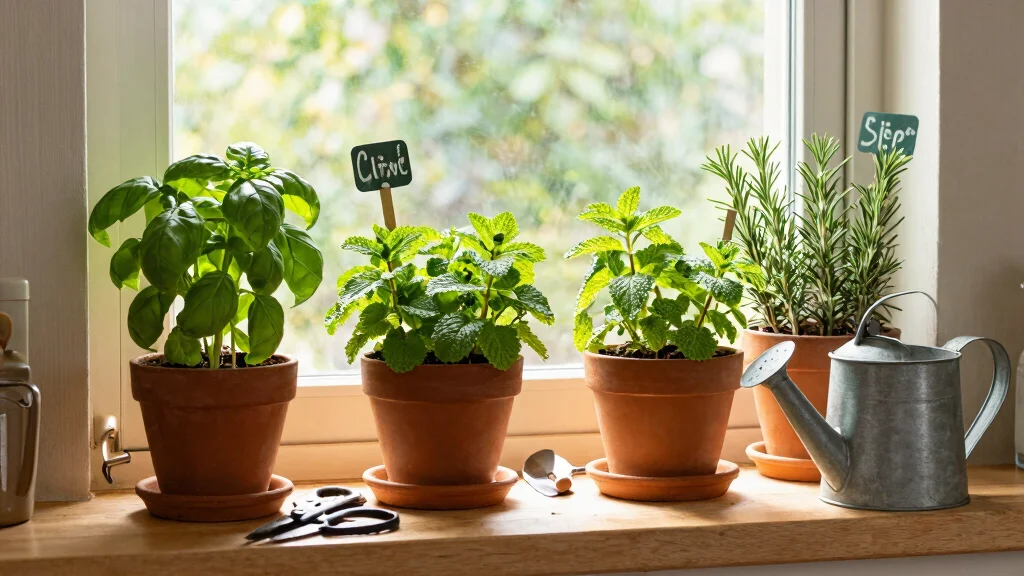
How To Choose the Right Vertical Herb Garden
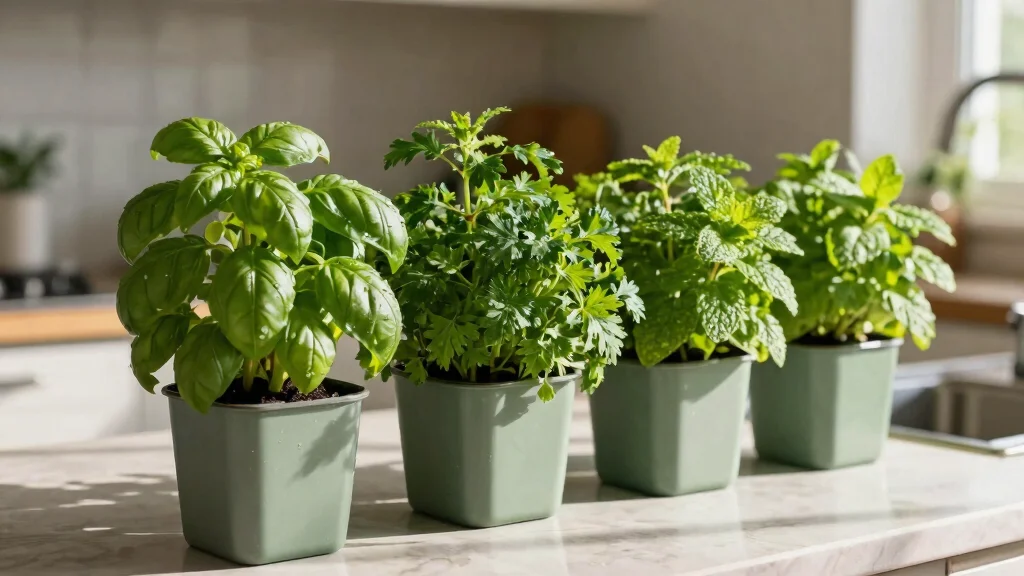
Choosing the right vertical herb garden can make all the difference in your urban gardening experience. With limited space on your balcony or indoors, you want a solution that maximizes your growing potential while fitting your style and needs. Here’s how to make the best choice for your space-saving gardening project.
1. Size
Consider the space you have available for your vertical herb garden. Measure the area where you plan to install it – whether it’s a wall, railing, or a corner of your balcony. The vertical garden should not only fit but also allow you enough room to care for your herbs. Think about how many herbs you want to grow. A compact design may suit a couple of pots, while a larger system can accommodate various herbs for culinary use.
2. Material
The material of your vertical herb garden directly impacts its durability and aesthetic appeal. Options include wood, metal, and plastic. Wood offers a natural look but needs treatment to withstand the elements. Metal can be stylish but may rust over time. Plastic is lightweight and resistant to moisture, making it an excellent choice for outdoor use. Choose materials that complement your home décor and offer resilience against weather conditions.
3. Drainage
Proper drainage is crucial for healthy herb growth. A vertical garden should have drainage holes to prevent water from pooling, which can lead to root rot. Look for designs that incorporate drainage systems or choose pots with sufficient hole sizes. If you’re using containers, ensure they have trays to catch excess water while allowing the roots to breathe.
4. Versatility and Features
Think about how versatile your vertical herb garden needs to be. Some models come with adjustable shelves or hooks for hanging pots, while others may include a hydroponic system for water-based growing. If you want to expand your setup in the future, look for modular designs. Check if the system accommodates various pot sizes, which can help you experiment with different herbs.
5. Budget
Determine how much you’re willing to invest in your vertical herb garden. Prices can vary widely based on materials, size, and features. Set a budget before you start shopping to narrow down your options. Remember, sometimes spending a little more can yield better quality and longevity, providing you with fresh herbs for years to come.
6. Aesthetic Appeal
Your vertical herb garden should not only be functional but also fit your personal taste. Consider how it will look in your space. Choose colors and designs that enhance your outdoor or indoor décor. A well-designed vertical garden can become a beautiful focal point, attracting attention while providing you with fresh herbs.
Pro Tip: If you’re new to herb gardening, start small with a few easy-to-grow herbs like basil, parsley, and mint. This way, you can learn what works best for your space and build your vertical garden gradually. Happy gardening! 🌱
Recycled Containers
Editor’s Choice

Sereniseed Certified Organic Herb Seeds (10-Pack) – Non GMO, Heirloom …

Miracle-Gro Organic Outdoor Potting Mix – Plant Soil for Outdoor Contain…

DEWALT Drill Bit Set, 3-Flats Shank,14-Piece, 135 Degree Split Point, fo…
6. Hydroponic Vertical Garden System
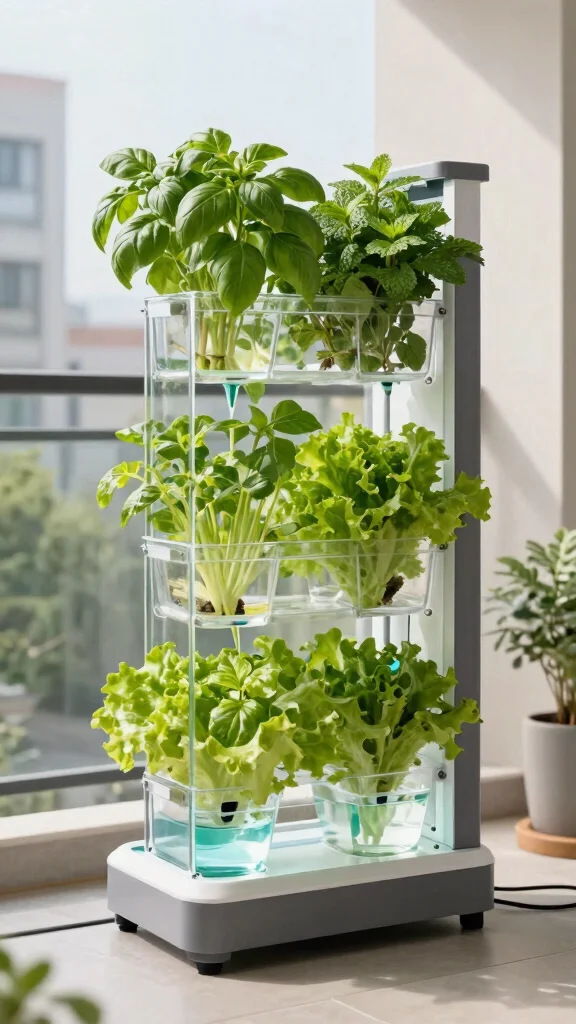
For tech-savvy gardeners, a hydroponic vertical garden system offers a modern solution to growing herbs in small spaces. This method eliminates the need for soil, instead using water and nutrients, creating a cleaner and efficient gardening experience.
Investing in a hydroponic system can range from simple DIY setups to sophisticated kits. Select herbs like basil or mint that thrive in this soil-free environment.
Benefits of hydroponic systems:
– Soil-Free: Less mess and easier maintenance.
– Faster Growth: Herbs can grow up to 30% quicker than in soil.
– Space-Efficient: Perfect for small areas, allowing for vertical growth.
Keep an eye on nutrient levels to support healthy growth. This cutting-edge approach yields delicious herbs while adding a sleek, modern touch to your space.
Hydroponic Vertical Garden System
Editor’s Choice
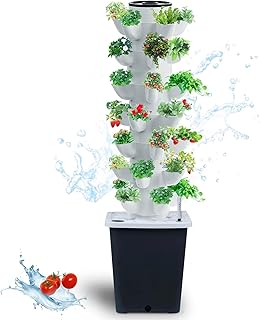
Hydroponics Tower Indoor Growing System Vertical Garden Planter Indoor S…

Aokrean Plant Grow Light, 48 LEDs Full Spectrum Grow Lights for Indoor P…

Liquid Plant Food for use in AeroGarden, IDOO and Hydroponic Growing Sys…
7. Tiered Plant Stands
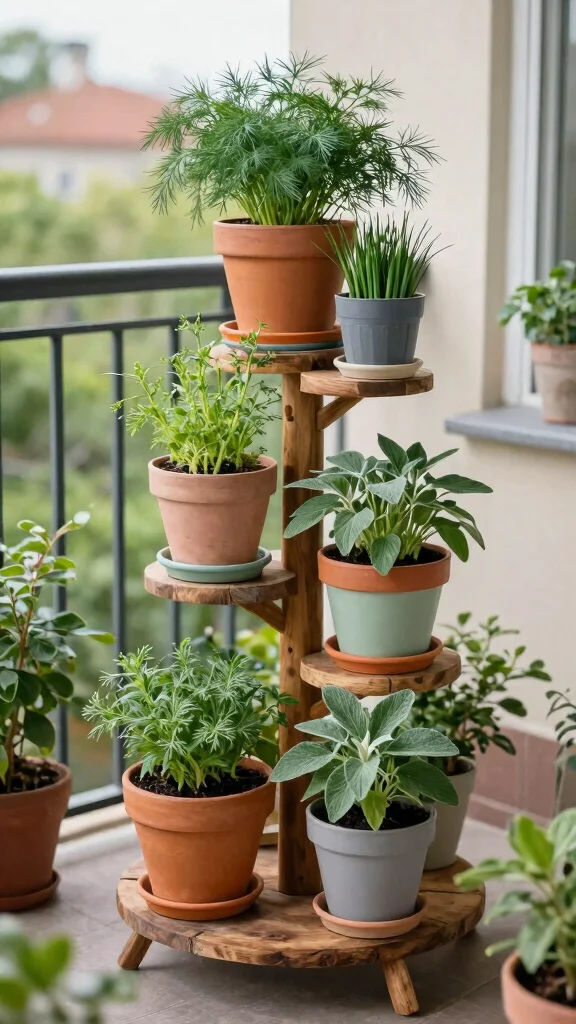
Tiered plant stands add depth and dimension to your herb garden while utilizing vertical space effectively. These stands come in various designs, allowing you to create a striking arrangement without consuming too much floor space.
To enhance your tiered garden, look for stands made from wood or metal and choose colorful pots to highlight your herbs, like dill or sage. This setup ensures optimal sunlight exposure for each plant.
Advantages of tiered stands:
– Compact and Efficient: Ideal for small balconies with limited area.
– Stylish Display: Adds elegance to your outdoor area.
– Optimal Sunlight: Ensures each herb gets adequate light.
Watering and fertilizing are straightforward, making this setup both practical and enjoyable. Tiered stands offer a stylish way to present your herbs while maximizing your gardening space.
Tiered Plant Stands
Editor’s Choice
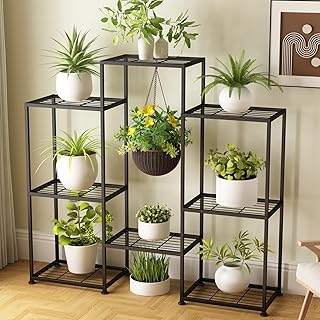
Metal Plant Stand Indoor Metal Plant Stands Outdoor Tiered Plant Shelf f…

BUYMAX Plant Pots Indoor –5 inch Ceramic Flower Pot with Drainage Hole…

G TALECO GEAR Vertical Garden Planter, 5 Tiers Vertical Raised Garden Be…
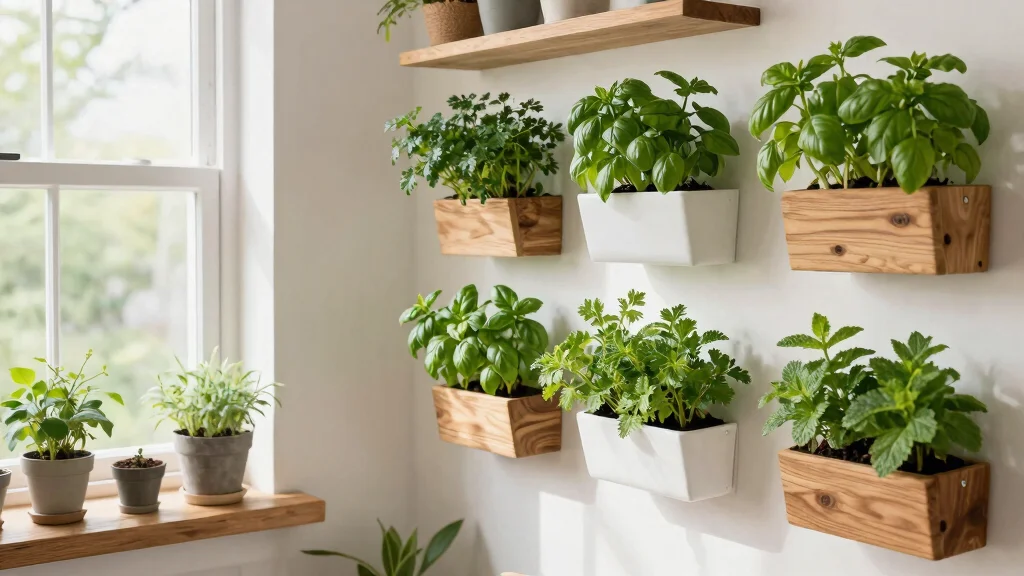
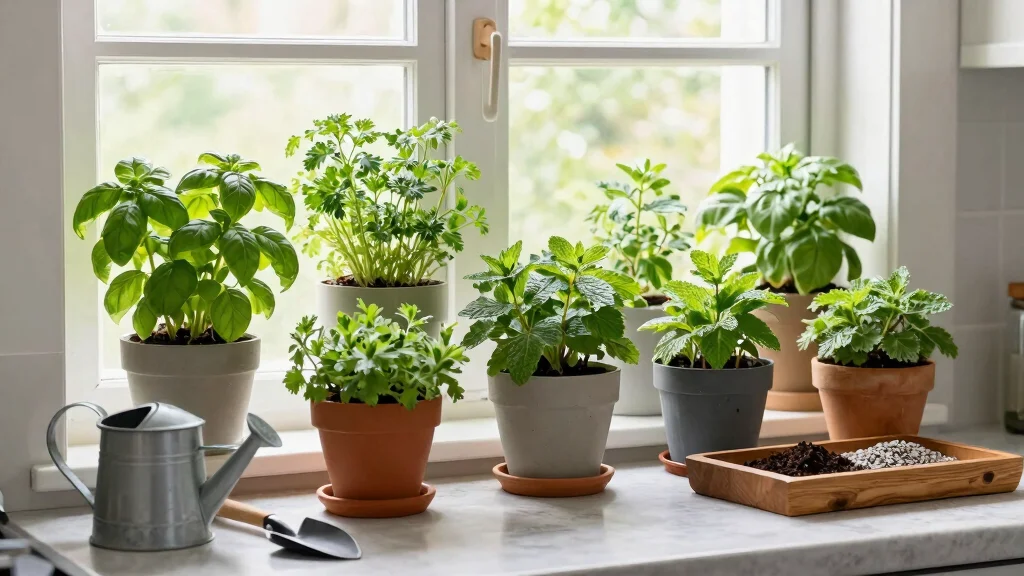
8. Indoor Vertical Garden Wall
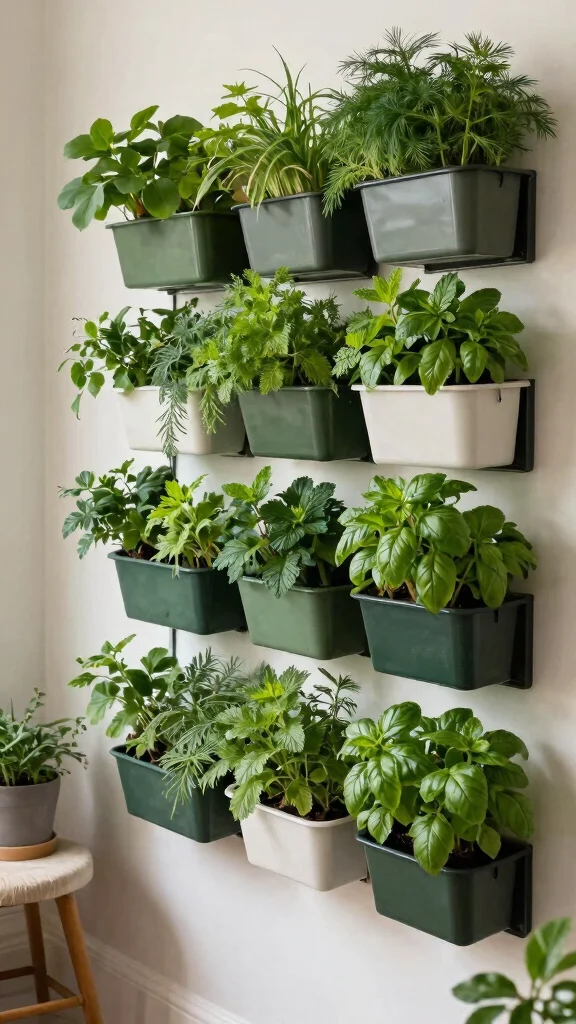
Create a lush indoor environment with an indoor vertical garden wall. This innovative approach brings nature inside, enhancing your space and improving air quality. It’s a fantastic way to enjoy gardening year-round, regardless of the weather outside.
To design your indoor vertical garden, choose a sunny wall and use vertical planter systems. Select herbs like mint or basil that flourish in indoor conditions. Consider adding grow lights to ensure adequate lighting.
Key benefits of an indoor vertical garden wall:
– Air Quality Improvement: Enhances the air in your home.
– Aesthetically Pleasing: Serves as a beautiful backdrop for any room.
– Year-Round Growth: Grow fresh herbs throughout the seasons.
Consistent watering and regular harvesting will keep your indoor garden thriving, providing fresh ingredients at your fingertips while adding greenery to your space.
You Might Also Like
Indoor Vertical Garden Wall
Editor’s Choice
Seed Needs Herb Seeds Variety Pack Culinary Herb Collection (12 Individu…

Grow Lights for Indoor Plants, Upgrade 84 LEDs Clip Plant Lights, Full S…

GameXcel Vertical Planter Tower – 5 Tier Stackable Garden Planters with …
9. DIY Vertical Herb Garden Trellis
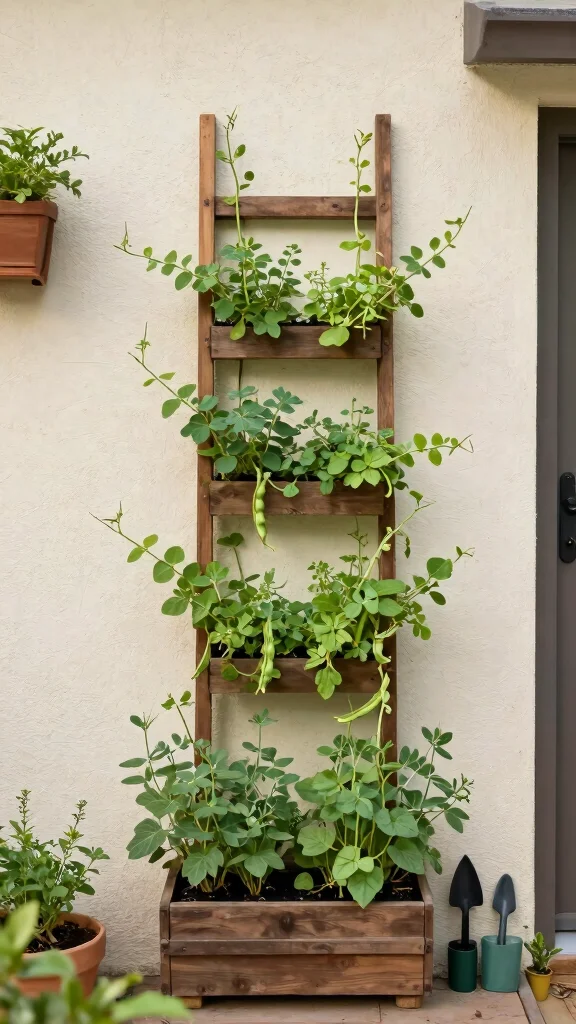
Building a DIY vertical herb garden trellis is a fun project that adds both beauty and functionality to your garden. A trellis provides support for climbing herbs while making your garden visually appealing.
To create your trellis, use lightweight materials like bamboo or wood and secure it against a wall. Select climbing herbs such as pole beans and train them up the structure.
Why a trellis is beneficial:
– Unique Design: Offers a creative visual element to your garden.
– Space Utilization: Frees up ground space for other plants.
– Healthy Growth: Supports vertical growth for robust plants.
Ensure your soil is well-drained and monitor moisture levels. This project not only yields fresh herbs but also adds artistic flair to your garden area.
DIY Vertical Herb Garden Trellis
Editor’s Choice
Seed Needs Herb Seeds Variety Pack Culinary Herb Collection (12 Individu…
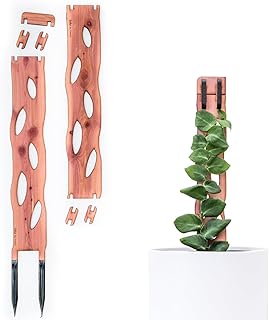
Treleaf Zella Regular Starter Kit – Wooden Extendable Plant Trellis fo…

Avalution 10 Pack Bamboo Trellis for Climbing Plants 16″ Natural Garden …
Conclusion
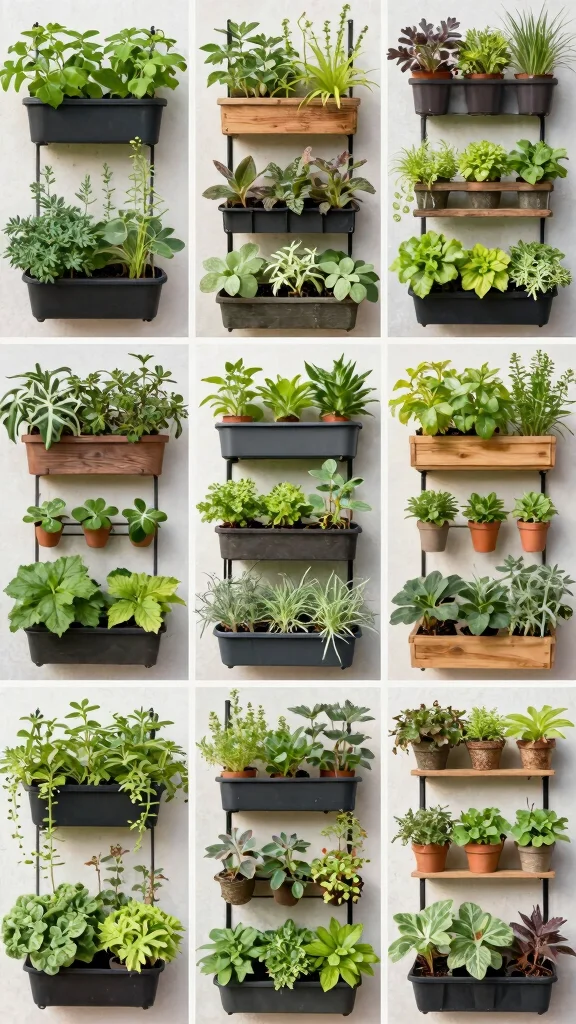
Vertical herb gardening is an exciting and practical approach for urban dwellers looking to grow fresh herbs without compromising on space. From imaginative wall-mounted planters to trendy indoor gardens, these nine ideas showcase just how versatile herb gardening can be.
By integrating these creative solutions into your small space, you’ll not only enjoy the beauty of greenery but also enhance your culinary experiences. What are your favorite herb gardening tips? Share your thoughts and maybe even your garden photos with others who are eager to cultivate their urban jungle!
Note: We aim to provide accurate product links, but some may occasionally expire or become unavailable. If this happens, please search directly on Amazon for the product or a suitable alternative.
This post contains Amazon affiliate links, meaning we may earn a small commission if you purchase through our links, at no extra cost to you.
Frequently Asked Questions
What is a vertical herb garden and how can I set one up on a small balcony?
A vertical herb garden is a setup that grows herbs upward using wall-mounted planters, pocket organizers, or stacked containers, letting you harvest more herbs in a compact footprint.
On a small balcony, start simple with a wall-mounted planter, railing box, or freestanding vertical tower. Choose a sunny spot that gets 6+ hours of sun and lightweight, well-draining containers. Use a good-quality potting mix and ensure drainage holes are present. Secure the structure firmly to a wall or railing, and consider a basic drip system or steady watering routine to keep herbs thriving. Start with versatile staples like basil, parsley, oregano, and thyme to see quick, rewarding results, and expand as you harvest more. This setup is a practical way to kick off your vertical herb garden on a small balcony.
Which herbs are best suited for a vertical herb garden on a small balcony?
Vertical setups shine with herbs that are compact, sun-loving, and easy to prune. Great picks include basil, parsley, thyme, chives, oregano, and cilantro for fresh cooking. For mint, consider a dedicated container because it can overtake others; keep it separate to maintain balance. Rosemary works in larger pockets or deeper pots. Most herbs thrive with 6+ hours of sun, regular trimming, and consistent moisture, which makes them ideal for a space-saving container herb garden on a balcony. Pro-tip: group herbs with similar watering needs to simplify care.
How can I maximize space and harvest more herbs from a vertical garden?
Maximize space by using multi-level systems, stacking planters, and slim wall shelves. Pick a mix of shallow pockets for leafy herbs and deeper pots for those with bigger roots. Use succession planting so you harvest continuously—sow again after a harvest, or swap in new varieties as others taper off.
Install a simple watering plan, like a drip line or self-watering planters, to keep moisture even without constant daily attention. Prune regularly to encourage bushier growth, and rotate varieties seasonally to extend your fresh herb supply. This is a classic urban gardening solutions approach for a productive vertical herb garden in dense spaces.
What containers or structures work best for a vertical herb garden on a balcony, and how do I install them safely?
Good options include wall-mounted pockets, vertical planters, railing boxes, freestanding vertical towers, and hanging fabric pockets for indoors. For safe installation, first assess weight and space: fill plans with a high-quality potting mix, and remember that wet soil is heavy.
Attach planters to sturdy surfaces using hardware rated for outdoor use and anchor to wall studs or strong railings. Ensure proper drainage and protect surfaces from water damage. Keep pathways clear and avoid overhanging planters in high-wind areas. These urban gardening solutions make decorating a balcony both practical and pretty while keeping you connected to your indoor herb garden ideas when needed.
What maintenance and care tips keep a vertical herb garden thriving, indoors or on a balcony?
Keep a consistent routine: water when the top inch of soil feels dry, ensuring good drainage so roots don’t rot. Most herbs love 6–8 hours of sun; if needed, supplement with a small grow light for indoor setups. Feed with a balanced liquid fertilizer every 4–6 weeks during the growing season. Pinch back herbs to encourage bushier growth and prevent legginess. Monitor for pests and treat early with gentle, organic options. In cold months, bring tender herbs indoors or move containers to a sunnier spot with adequate light. With regular care, your vertical herb garden will stay healthy and productive—great for space-saving gardening and urban gardening solutions alike.
Related Topics
vertical herb garden
urban gardening
small space gardening
container gardening
indoor gardening
herb gardening tips
space-saving solutions
easy gardening
balcony plants
sustainable living
DIY herb garden
beginner friendly